
Regenerative Braking in Heavy Equipment: When the Energy Savings Pay Off





For finance decision-makers evaluating heavy equipment electrification, Regenerative Braking is not just an engineering feature—it is a capital efficiency lever. In mining trucks, underground loaders, and other high-duty machines, the real question is when recovered energy translates into measurable payback through lower fuel or power costs, reduced brake wear, and improved asset utilization. This article examines where the savings become financially meaningful.
In UTMD’s coverage of tunnel boring systems, smart mining transport, and zero-emission underground operations, this question matters because electrification budgets are increasingly judged by hard return thresholds. A finance approver may accept a 24–48 month payback in one mine, yet reject the same technology in another if route design, duty cycle, and maintenance practice weaken the savings case. Regenerative Braking only pays off when machine physics, site layout, and cost structure align.
For buyers assessing battery-electric mining trucks, underground LHD loaders, or trolley-assisted haulage fleets, the most useful lens is not “Does the machine have regenerative braking?” but “How many kilowatt-hours can realistically be recovered per shift, what expenses are displaced, and how stable is that value over 3–7 years?” That framing turns a technical specification into an investment model.
Where Regenerative Braking Creates Real Financial Value
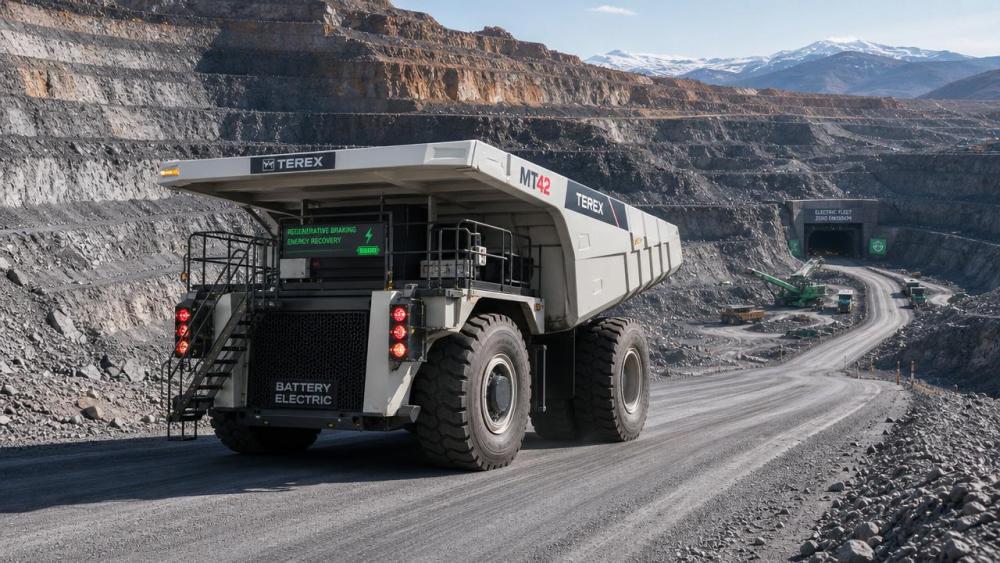
In heavy equipment, Regenerative Braking converts kinetic or gravitational energy into usable electrical energy during deceleration or downhill travel. In practical terms, that means a loaded mining dump truck descending a ramp, or an underground loader slowing repeatedly in a haul cycle, can return part of that energy to the battery or onboard electrical system instead of wasting it as heat in friction brakes.
The finance relevance is straightforward. Savings usually appear in 3 measurable buckets: lower net energy consumption, reduced brake maintenance, and improved machine uptime. In favorable operations, recovered energy may offset 10%–25% of traction energy demand on repetitive downhill routes. In flatter or stop-start duty cycles, the figure may be closer to 3%–8%, which can still matter if brake service intervals are extended and ventilation costs fall in underground environments.
The operating conditions that improve payback
Not every asset benefits equally. The strongest return profile usually appears in machines with high gross vehicle weight, frequent deceleration, long declines, and multi-shift utilization. A 50-tonne underground truck on a short, steep ramp with 18–22 cycles per shift can create more recoverable energy per operating hour than a similar machine working on level haul roads with few braking events.
- Long downhill hauls of 500 meters to 2 kilometers
- Ramp grades commonly in the 8%–15% range
- High daily utilization, often 16–22 hours across 2 or 3 shifts
- Heavy payload variance between loaded descent and empty ascent
- Sites where brake heat management affects maintenance or safety planning
These conditions are common in open-pit mine descents, decline ramps in underground hard-rock mines, and some material transfer routes linked to large tunnelling support logistics. By contrast, pipe jacking support fleets or workshop service vehicles often produce too few regenerative events to justify premium system cost on energy savings alone.
A finance-first comparison by equipment scenario
The table below summarizes where Regenerative Braking tends to generate stronger or weaker economic outcomes across heavy equipment categories relevant to UTMD’s market coverage.
The key takeaway is that Regenerative Braking performs best where gravity and mass work in the machine’s favor. Finance teams should therefore screen projects by route profile and cycle repetition before debating equipment premium. A site with a strong downhill loaded-haul pattern may support a much faster return than a larger site with flatter roads.
Why underground applications can amplify value
In underground mining, energy recovery can carry a second-order benefit: less brake heat and reduced diesel dependence can lower ventilation demand. Even a modest reduction in heat and exhaust burden can improve the economics of electrified fleets because ventilation systems are costly to size and operate. While the exact savings vary by mine depth and airflow design, finance teams should treat avoided infrastructure strain as part of the total value equation, especially in deep or temperature-sensitive workings.
When the Savings Actually Pay Off: The Approval Model
For capital approval, the decision should be based on an incremental business case rather than a general belief in electrification. The practical question is whether the additional cost of a machine or drivetrain with Regenerative Braking is recovered through annual operating savings within the company’s accepted hurdle period, often 2–4 years for mobile equipment.
The 5 variables that matter most
A usable payback model for Regenerative Braking should include 5 core variables. If even 2 of them are weak, the economics can shift materially.
- Annual operating hours, such as 3,500, 5,000, or 6,500 hours per machine
- Recoverable energy per cycle or per hour under real site conditions
- Electricity or displaced fuel cost, usually expressed per kWh or per liter equivalent
- Brake maintenance interval extension, including parts, labor, and downtime
- Battery charging efficiency and the share of recovered energy that is actually usable
For example, a fleet vehicle that recovers 40–80 kWh over a shift, runs 300 shifts per year, and displaces power priced at a meaningful site rate may create a visible energy line-item reduction. If it also postpones brake rebuilds from every 2,000 hours to every 3,000 hours, the maintenance benefit becomes easier to quantify. But if the same machine operates only 1,800 hours annually, the return may be too slow for approval.
A practical screening table for finance approvers
The following framework helps finance teams classify opportunities before requesting detailed engineering simulations or OEM proposals.
If a project meets 3 or 4 of these thresholds, Regenerative Braking is usually worth detailed evaluation. If it meets only 1 or 2, finance leaders should be cautious about accepting headline savings claims from generic electrification presentations.
Common approval mistake: using laboratory efficiency instead of route reality
One of the most common errors is assuming that peak recovery efficiency translates directly into annual savings. It does not. Real savings depend on operator behavior, haul road condition, payload consistency, battery state-of-charge windows, and control software strategy. A technically capable system may recover less value if batteries are already near charging limits or if routes force irregular braking rather than controlled deceleration.
For this reason, finance teams should request route-specific simulation, at least 30–90 days of duty-cycle data, and sensitivity analysis using best-case, base-case, and conservative assumptions. A robust approval memo should show what happens if annual recovery is 15% below target or if machine utilization drops by 10% in year 2.
How to Evaluate Regenerative Braking in Mining and Underground Procurement
Procurement teams working with finance should treat Regenerative Braking as part of a system-level decision, not as an isolated checkbox. In UTMD-covered sectors such as EV mining trucks, underground LHDs, and automated haulage, the value depends on integration among motor controls, battery management, brake architecture, telematics, and site charging strategy.
Questions to ask OEMs and solution providers
- What percentage of braking events are handled regeneratively versus friction braking in the target duty cycle?
- How does recovery performance change at high battery state of charge, such as above 85%?
- What brake component life extension is typical under mine ramp conditions?
- Can the telematics system report recovered kWh per shift, per route, and per operator?
- What is the recommended validation period: 4 weeks, 8 weeks, or a full quarter?
These questions shift the discussion from promotional claims to evidence-based asset economics. They also help procurement teams compare competing suppliers on measurable outcomes rather than brochure language.
Implementation steps that reduce investment risk
A low-risk rollout usually follows 4 stages. First, map route elevation, payload variation, and braking frequency. Second, run a pilot on 1–3 machines for one quarter. Third, validate energy recovery, maintenance intervals, and uptime impact. Fourth, scale only after site charging and maintenance teams confirm repeatability.
This staged approach is especially important in underground fleets, where loader congestion, ventilation planning, and battery swap logistics can influence the realized value of Regenerative Braking. In many cases, the first pilot reveals that the biggest savings come from route redesign or operator control logic rather than from hardware changes alone.
Risk flags finance should not ignore
There are several warning signs that can weaken ROI. These include poorly instrumented fleets, no baseline brake cost data, low annual machine hours, unstable power tariffs, and mixed haul profiles where only a minority of routes support meaningful regeneration. If 60% of fleet hours occur on flat routes, the recovered energy headline for the whole fleet may be overstated.
Another risk is treating regenerative savings as independent from battery aging. Over a 5–8 year asset life, actual usable recovery may shift depending on battery health and thermal management. Finance models should therefore include reserve assumptions rather than assume year-1 performance persists unchanged.
Strategic Implications for Capital Planning in Electrified Heavy Equipment
For boards, CFOs, and capital committees, Regenerative Braking should be viewed as a portfolio variable within mine and tunnelling electrification strategy. Its strongest value appears when paired with high-utilization assets, autonomous or semi-autonomous duty consistency, and data systems that verify recovered energy in operational conditions.
That is why the feature matters more in fleets of mining dump trucks and underground LHD loaders than in occasional-use support vehicles. On the right routes, Regenerative Braking can improve total cost of ownership, reduce heat-related brake stress, and support zero-emission operating goals in confined spaces. On the wrong routes, it remains technically elegant but financially secondary.
For UTMD’s audience, the most actionable conclusion is simple: approve regenerative-capable electrified equipment where route geometry, duty intensity, and maintenance burden support measurable payback inside your hurdle window. Where those conditions are absent, require a pilot before scaling. If you are assessing smart mining transport, battery-electric haulage, or underground fleet modernization, contact us to get a tailored evaluation framework, compare solution pathways, and explore more practical electrification insights.
Related News
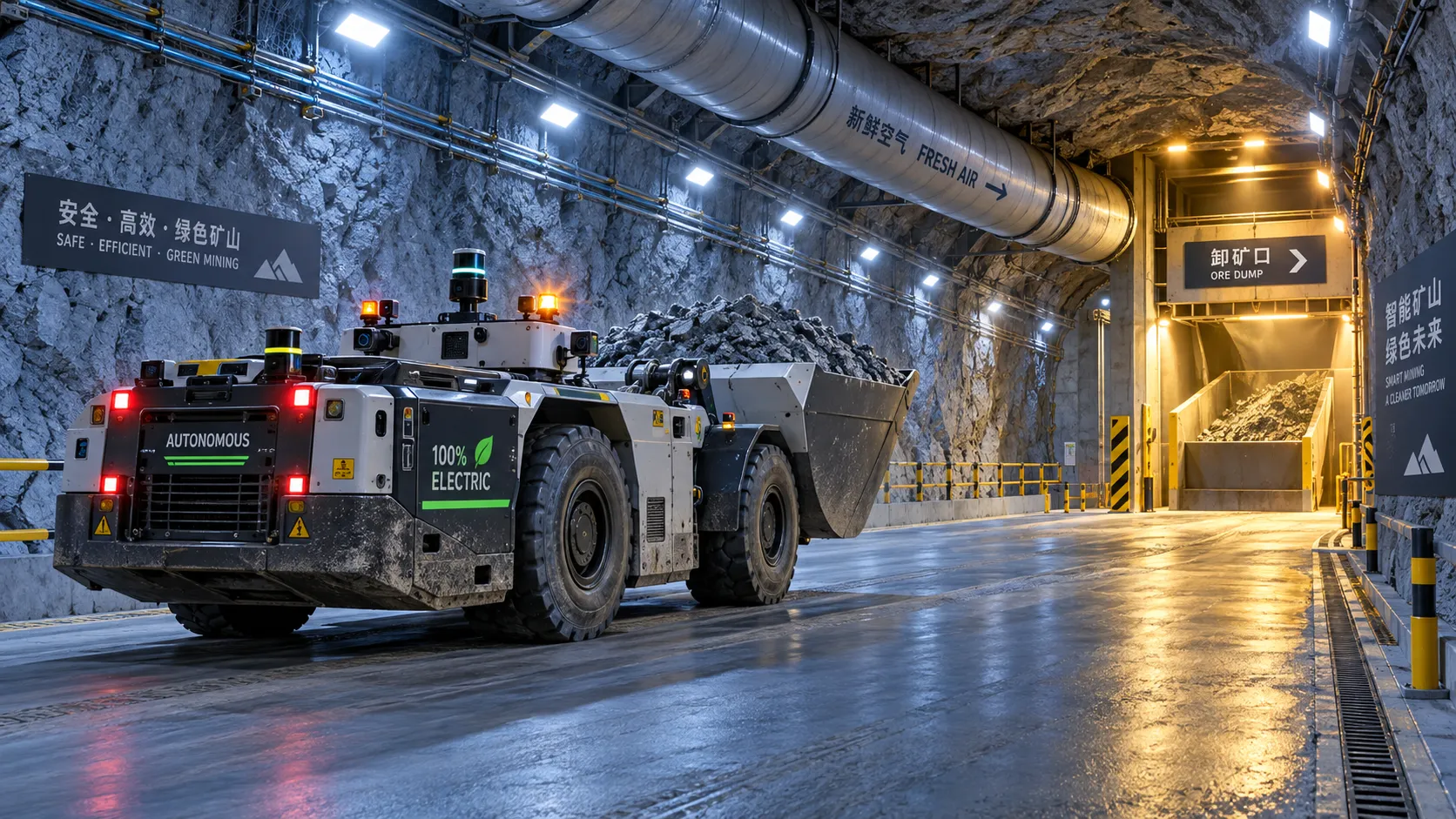
Where Autonomous Mining Loaders Deliver the Most Value in Underground Operations
Autonomous Mining Loaders deliver greater underground value through safer blast-zone work, repeatable haul cycles, and improved ventilation efficiency. Discover the best deployment zones.
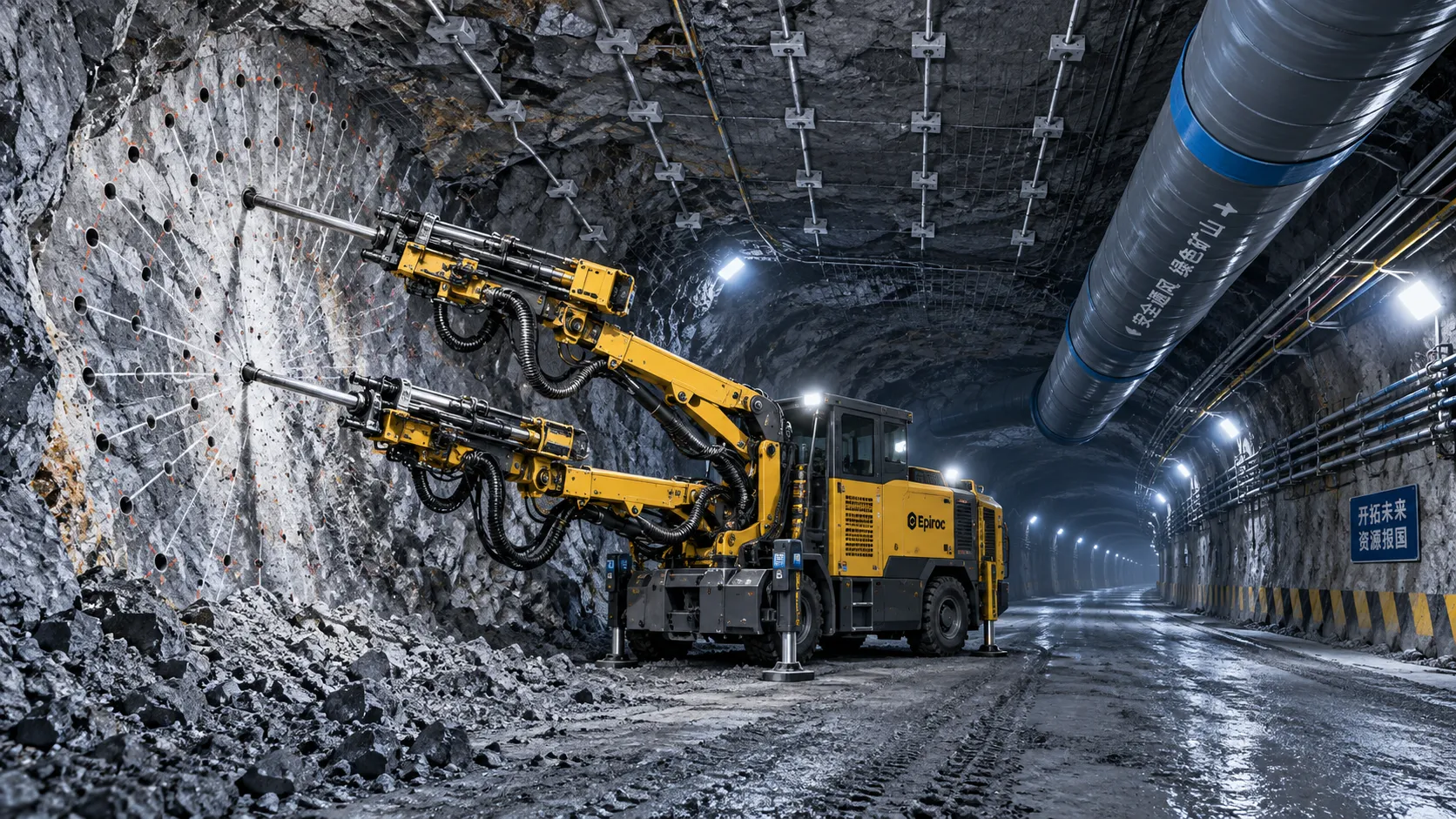
Underground Drilling for Mining: Selecting Methods for Rock Conditions and Mine Layout
Underground drilling for mining: learn how to match drilling methods to rock conditions, mine layout, accuracy needs, ground support, and cycle efficiency.
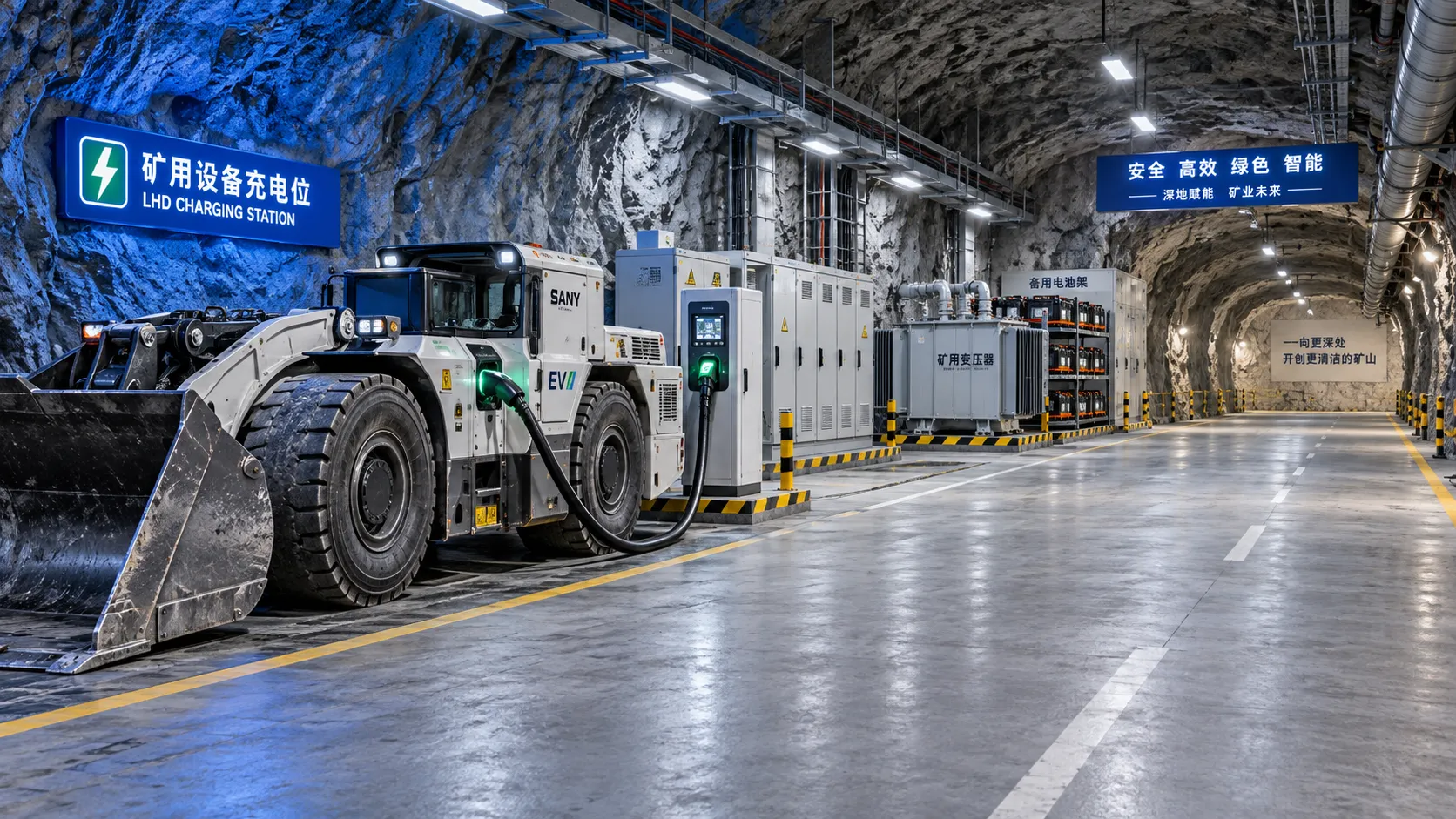
Underground Mine Electrification: How to Size Battery Fleets and Charging Capacity
Mining electrification for underground mines: learn how to size battery fleets, chargers, and power capacity to prevent queues, peak-load issues, and production downtime.
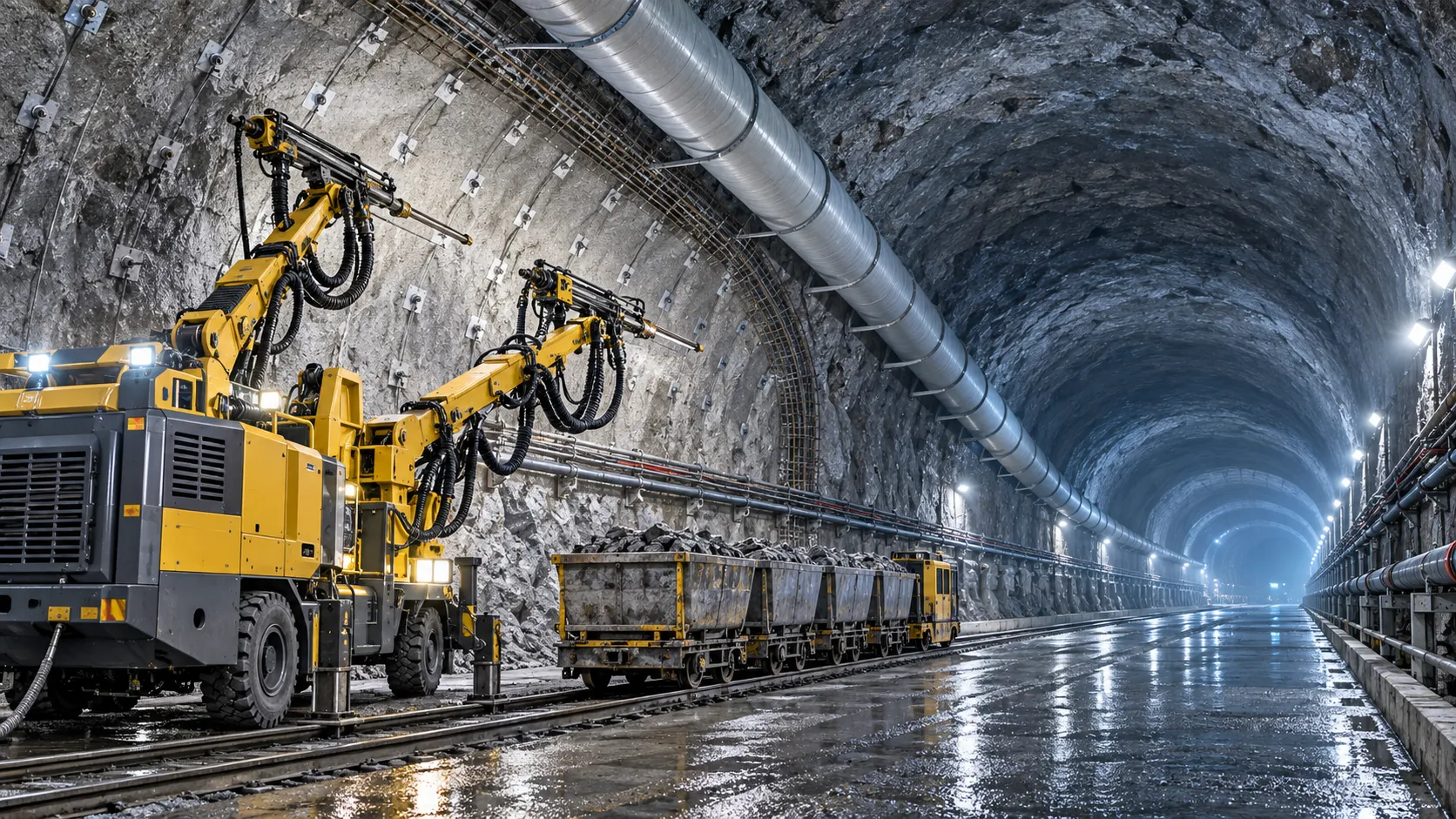
How to Evaluate European Drill-and-Blast Tunnelling Contractors for Complex Projects
Drill and blast tunnelling contractors Europe: learn how to assess geology expertise, blast control, equipment reliability, safety, and programme resilience for complex projects.
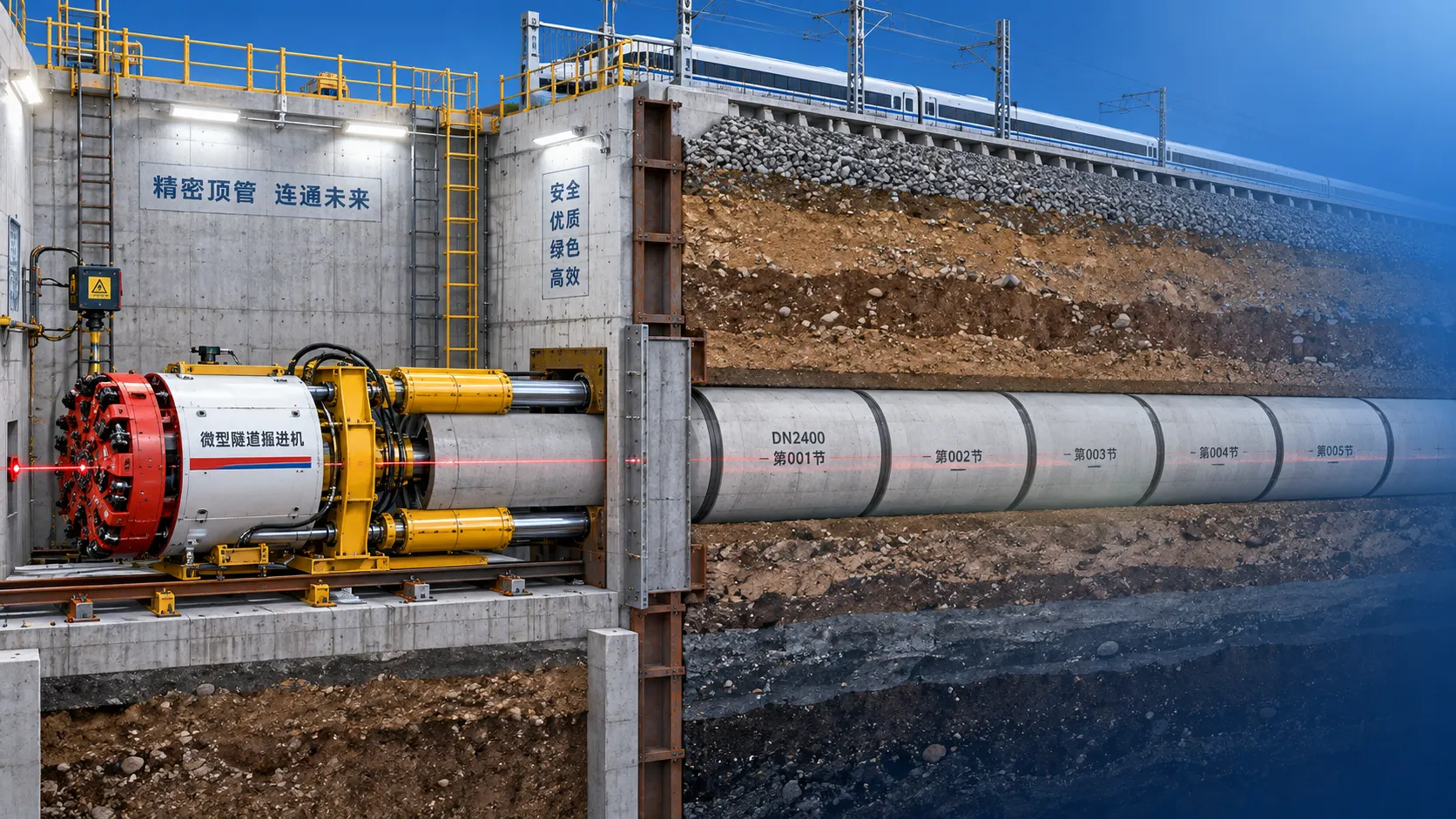
Which Trenchless Construction Technique Fits Your Utility Crossing Conditions?
Trenchless construction techniques compared for utility crossings: choose HDD, microtunnelling, pipe jacking, or auger boring based on ground, accuracy, access, and risk.
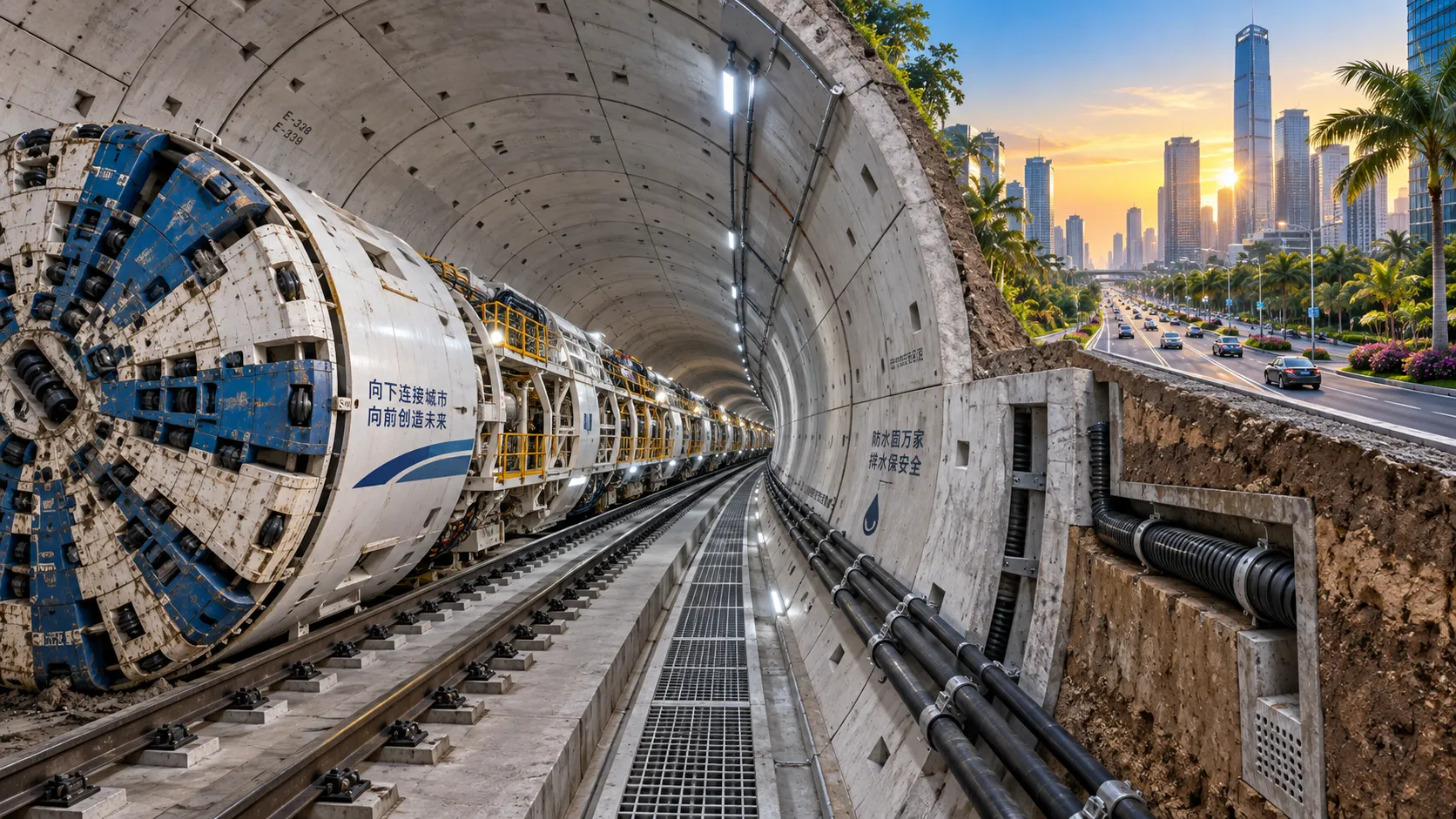
What Is Driving Metro Tunnelling Demand Across Southeast Asia’s Major Cities?
Metro tunnelling Southeast Asia is accelerating as major cities tackle congestion, flooding, and connectivity. Explore the market forces, technical risks, and opportunities shaping demand.
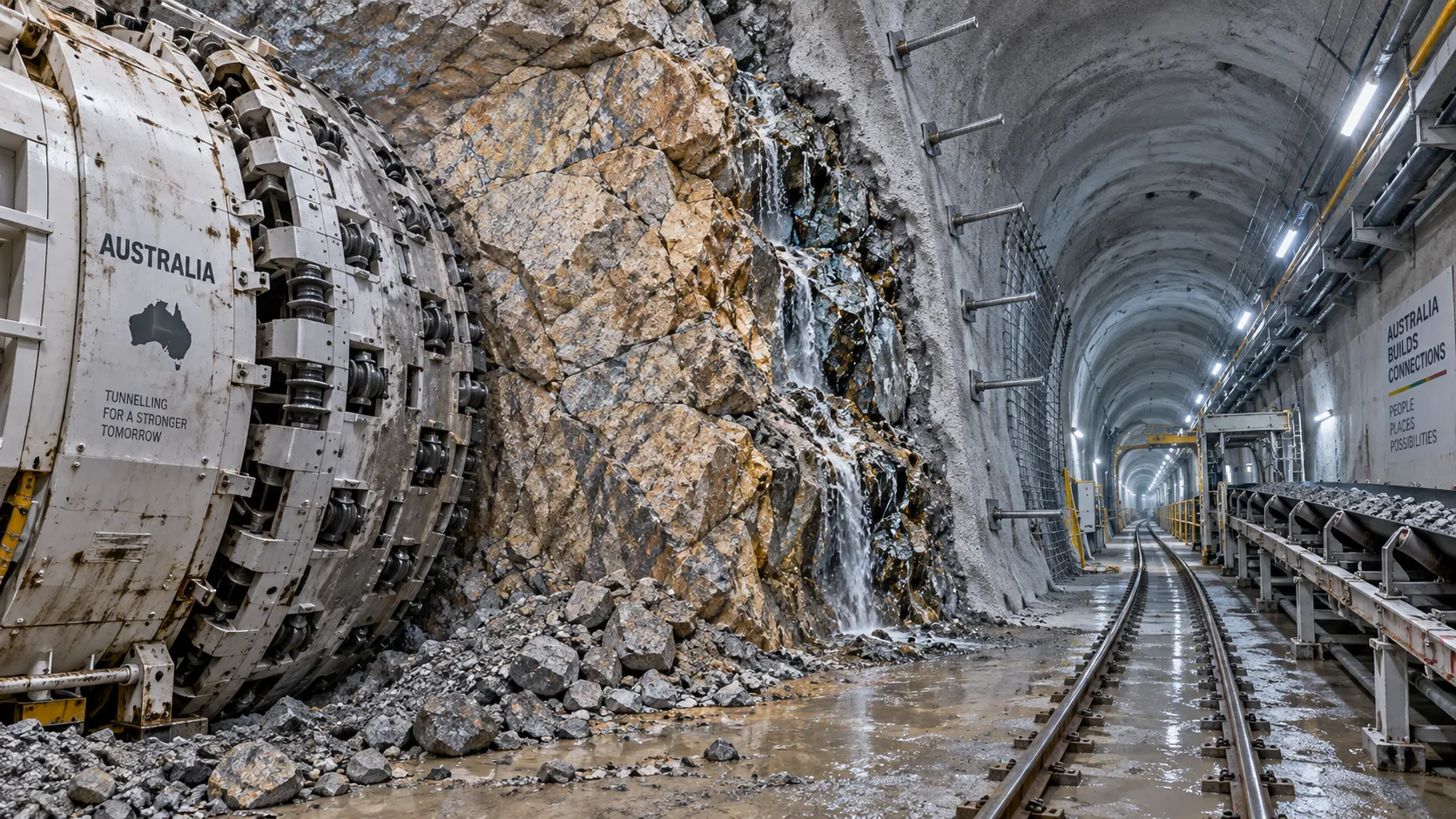
Hard Rock Tunnelling in Australia: Selecting Methods for Variable Ground Conditions
Hard rock tunnelling in Australia: compare TBM, drill-and-blast and hybrid methods to manage variable ground, reduce risk and protect project costs.
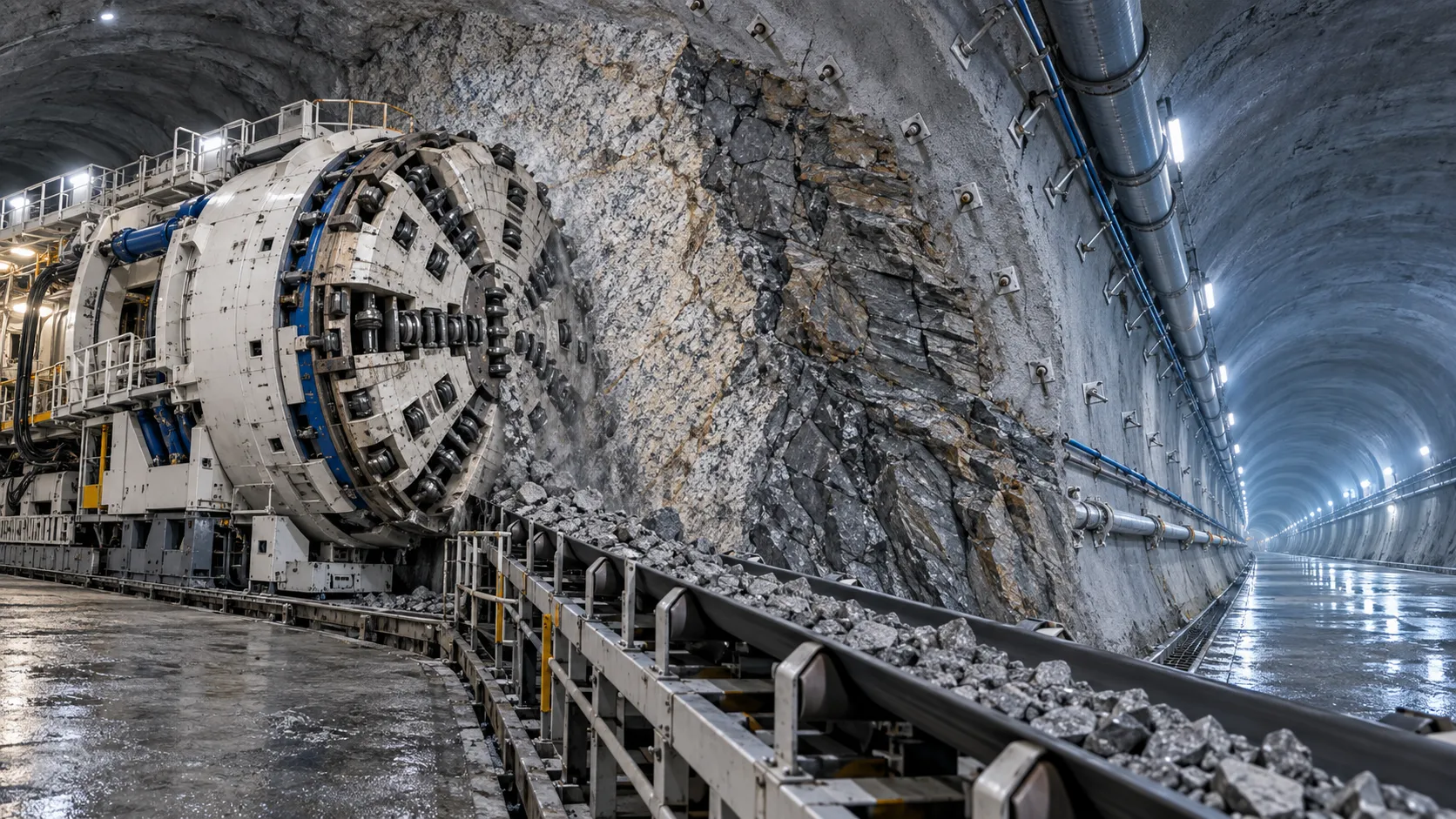
Hydropower Tunnel Excavation: Selecting Methods for Variable Rock Conditions
Hydropower tunnel excavation methods for variable rock conditions: compare TBM, drill-and-blast, and hybrid strategies to improve safety, progress, and project control.
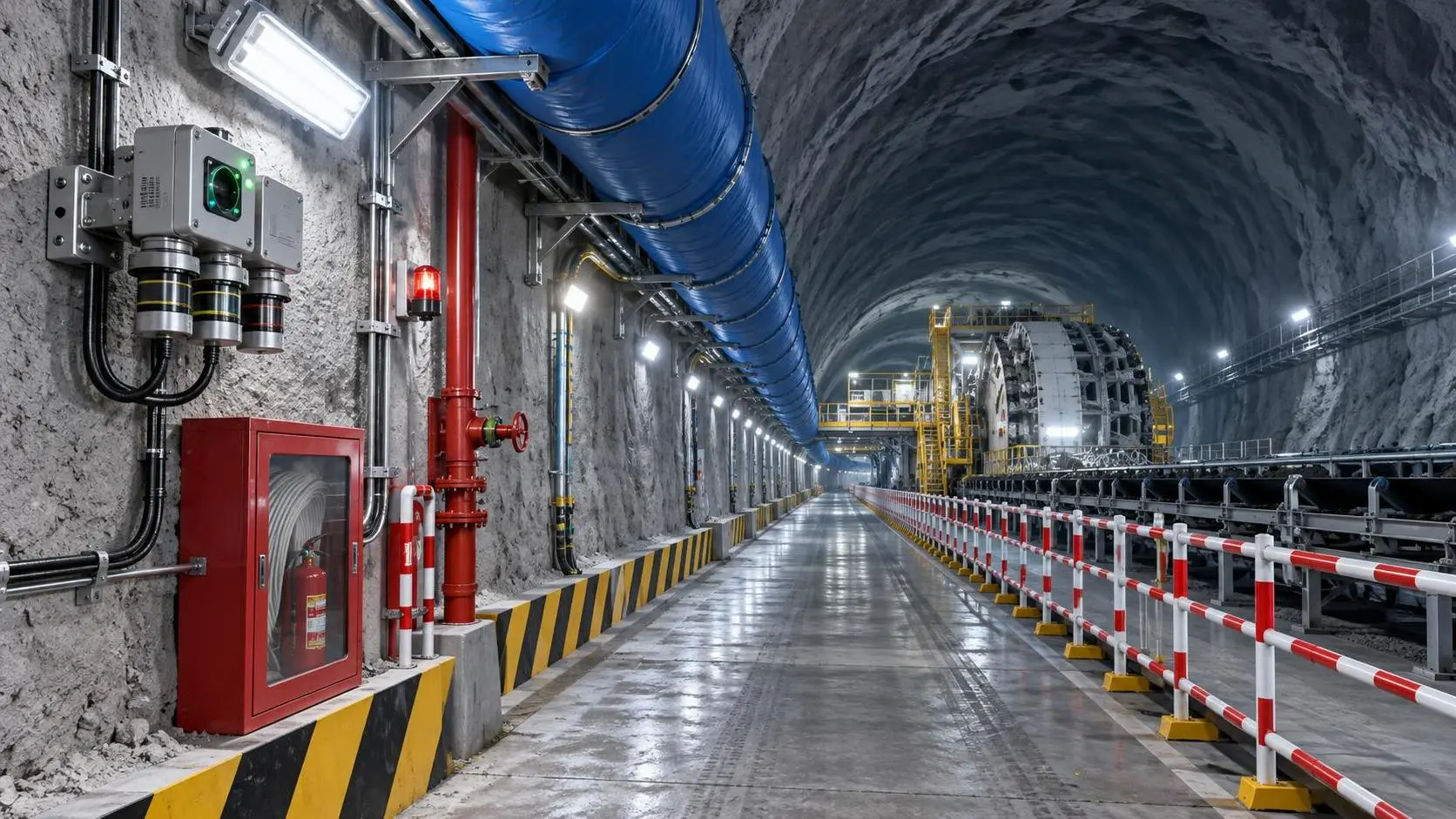
How to Select Underground Safety Equipment for Tunnelling by Hazard and Work Zone
Underground Safety Equipment for tunnelling: match protection to hazards, work zones, compliance, and emergency needs with this practical selection guide.
Related News
- 00
0000-00
Where Autonomous Mining Loaders Deliver the Most Value in Underground Operations - 00
0000-00
Underground Drilling for Mining: Selecting Methods for Rock Conditions and Mine Layout - 00
0000-00
Underground Mine Electrification: How to Size Battery Fleets and Charging Capacity - 00
0000-00
How to Evaluate European Drill-and-Blast Tunnelling Contractors for Complex Projects - 00
0000-00
Which Trenchless Construction Technique Fits Your Utility Crossing Conditions?
Weekly Insights
Stay ahead with our curated technology reports delivered every Monday.