
Mining Digitalization Solutions: Where to Start for Measurable Productivity Gains





A mine can install fleet-management software, add machine sensors, and extend underground Wi-Fi, yet still see little change in tonnes moved per shift. The usual problem is not a lack of technology. It is that the first digital projects were selected because they were visible or easy to procure, rather than because they addressed the operational constraint limiting production.
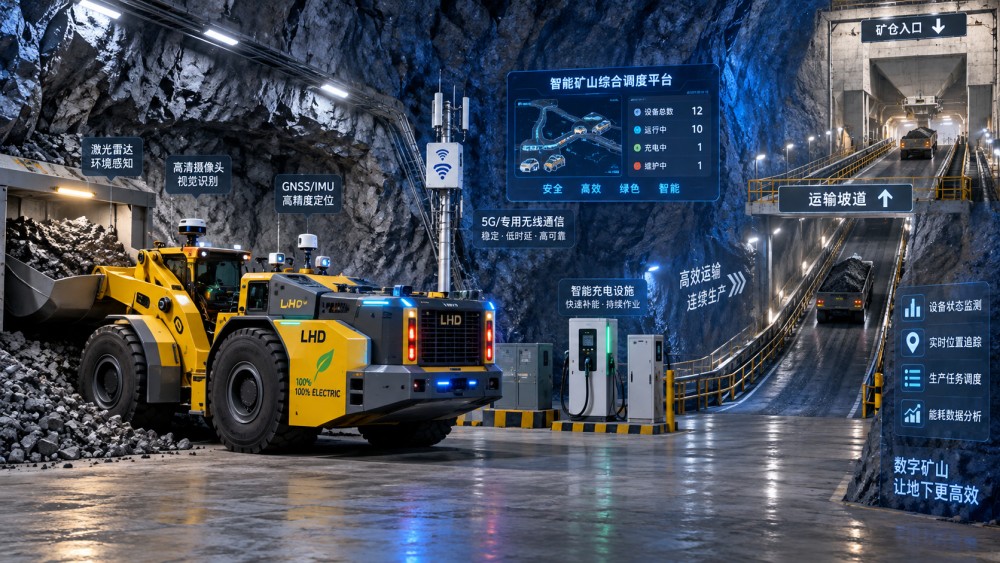
The most reliable starting point for mining digitalization solutions is to identify one measurable loss mechanism in a defined operating area, then connect the required data, workflow, and accountability to that mechanism. For an underground operation, the constraint may be LHD queue time at an ore pass, unavailable battery-electric equipment, unreliable location data, or delayed shift handovers. In an open-pit mine, it may be truck idle time, inconsistent loading cycles, road-condition variability, or energy loss on downhill hauls. A digital program should begin there—not with a broad platform rollout.
Begin with the production system, not the technology catalogue
Before approving a digital investment, map the physical production sequence from the working face to the destination point. The purpose is not to produce a detailed process diagram for its own sake. It is to establish where time, material, energy, and operational certainty are being lost.
In a drill-and-blast underground mine, the sequence may include face preparation, drilling, charging, blasting, ventilation clearance, scaling, bolting, loading, hauling, dumping, and backfill coordination. Delays can originate far upstream. A loader that appears underutilized may be waiting because a heading was not released on time. A truck dispatch problem may actually be caused by inconsistent ore-pass availability. Treating every symptom as a fleet issue often leads to the wrong digital project.
For each production stage, ask four practical questions:
- What event tells the operation that this stage has started and finished?
- Which delay categories are recorded today, and which are merely assumed?
- Who makes the next decision when the stage deviates from plan?
- Can that person receive reliable information early enough to act?
The answers expose the difference between missing data and unusable data. A mine may already collect engine hours, location points, payload estimates, and maintenance records. Those data streams are not enough if timestamps are inconsistent, operating states are interpreted differently by each department, or the control room cannot distinguish a planned delay from an unplanned one.
Choose a use case with a clear operational owner
A first deployment should be narrow enough to control but important enough to matter. It needs an operational owner who can change work practices, not only an IT sponsor who can connect systems. The selected use case should also have a baseline that can be observed without relying on optimistic assumptions.
Good starting points usually sit where equipment, people, and production decisions meet. They do not necessarily require full autonomy or a mine-wide digital twin. In many operations, the early value comes from making current work more visible and more repeatable.
A useful test is simple: can the site describe the action that will change when the data becomes available? “Improve visibility” is not an action. “Move one available truck to the active loading zone when the queue exceeds the operating threshold” is an action. The threshold may need refinement, but the operating response is visible and can be tested.
Measure the loss before designing the dashboard
Digital projects lose credibility when the baseline and the benefit calculation are disconnected. A dashboard can display a large number of indicators while leaving leadership unable to explain whether productive time actually improved. Start with the unit of performance that the operating team already recognizes: completed haul cycles, productive drilling metres, tonnes delivered, equipment-ready hours, or time from blast clearance to first productive bucket.
Then break that measure into components. A haul cycle, for example, can be divided into loading, travel loaded, dumping, travel empty, queuing, refuelling or charging, planned stoppages, and unplanned stoppages. The aim is to identify which component is both material and controllable. A long travel distance caused by mine geometry may not be immediately changeable. Excessive waiting at an ore pass may be.
Use a baseline period long enough to include normal variation in shift patterns, ground conditions, equipment mix, and operating areas. Do not turn the baseline into a promise of future output. Its purpose is to establish a common reference point and reveal whether a change in performance is genuine or simply part of normal operating variation.
Distinguish leading signals from outcome measures
Tonnes moved are important, but they are a late outcome. Supervisors need earlier signals that indicate whether the shift is drifting off plan. These may include active equipment count, queue duration, time spent outside assigned operating zones, charging turnaround time, drill-plan completion status, or the number of unresolved maintenance alarms affecting scheduled assets.
Leading signals should be selected carefully. A high count of alarms does not automatically represent risk, because poor alarm configuration can create noise. Similarly, a low average queue time might mask lost production if trucks are waiting in locations that the system does not classify as queues. The operational team should review a sample of events against actual field conditions before treating any indicator as a management measure.
Build the data foundation around decisions that must be made
Mining operations often inherit disconnected sources from original equipment manufacturers, maintenance systems, dispatch tools, ventilation controls, survey systems, and manually maintained spreadsheets. Replacing everything at once is rarely necessary. The first task is to define the minimum data set needed for the selected operating decision and then establish how each field will be interpreted.
For a fleet-cycle project, that minimum set might include equipment identity, timestamp, location or zone, operating state, task assignment, delay code, payload or load estimate where available, and maintenance status. For underground LHD operations, the data design may also need battery state, charging or swapping events, operator mode, remote-control status, and communications availability. Not every field must be perfect from day one, but unknown quality should be visible rather than hidden.
Three data disciplines make a disproportionate difference:
- One clock: System timestamps need a common reference. Without it, a loading event, a dispatch instruction, and a maintenance status change cannot be sequenced reliably.
- One equipment identity: Asset names should match across production, maintenance, and energy records. Temporary names, duplicate IDs, and inconsistent unit numbering create false gaps.
- One delay language: Crews, supervisors, dispatchers, and planners need practical definitions for delays. A code structure that is too broad cannot guide action; one that is too detailed will not be used consistently.
Data governance should not become an isolated administrative exercise. The person who enters, validates, or corrects an event needs to understand what operational decision depends on it. When a delay code affects maintenance planning, shift reporting, and production analysis, its meaning must be agreed across those functions.
Underground connectivity is an operating condition, not an IT afterthought
Digital workflows underground depend on communications that behave predictably in changing physical conditions. New headings, variable rock profiles, dust, vehicle movement, power interruptions, and equipment positioning can all affect connectivity. A system that works well in a fixed workshop area may behave differently in a deep production zone or at a remote loading point.
Rather than assuming continuous coverage everywhere, define the required communication performance by use case. Remote LHD operation, collision avoidance, tele-remote supervision, fleet tracking, video feeds, and delayed data synchronization have different latency, availability, and bandwidth needs. A site may support some functions locally at the edge while synchronizing selected information later. That design can be more practical than forcing every application through a single high-bandwidth architecture.
Connectivity testing should follow the actual work pattern: during shift changes, at intersections, near electrical infrastructure, on ramps, around active faces, and while multiple mobile units are communicating. Testing only under quiet conditions can produce a misleading view of operational readiness.
Use automation where variability is understood
Automation can reduce exposure in hazardous areas and make repetitive work more consistent, but it does not remove the need for disciplined operating design. The strongest candidates are tasks with defined routes, stable interfaces, measurable exceptions, and clear recovery procedures. Autonomous or remotely operated haulage may be appropriate in controlled zones, while other areas still require conventional operation because traffic patterns, ground conditions, or access requirements change too frequently.
The decision is not simply autonomous versus manual. Intermediate levels of automation can provide useful operational control: automated reporting of equipment states, guidance systems, geofenced speed controls, remote operation in selected zones, automated dispatch recommendations, or exception alerts for supervisors. These capabilities can improve the quality of decisions before a site attempts a more complex autonomous workflow.
Safety controls must be integrated with the operating model. A system should define what happens when location confidence drops, communications are interrupted, a vehicle enters a restricted zone, or an operator overrides a recommendation. Exception handling is where digital systems meet real mine conditions. It deserves as much design attention as normal operation.
Link electrification data to production planning
Electrified mining fleets create a new planning dependency: energy availability becomes part of equipment availability. A battery-electric LHD may be mechanically ready but unable to complete the assigned task because charging capacity, battery inventory, swap logistics, or power allocation is constrained. Treating energy events as separate utility data makes these losses hard to see.
Bring battery state, charge or swap duration, energy consumption, route profile, equipment assignment, and maintenance condition into the same planning discussion. This does not require a perfect energy model initially. It requires enough visibility to avoid assigning equipment on the basis of nominal availability alone.
For surface haulage, regenerative braking and downhill energy recovery may affect route and payload decisions, but operational context remains important. Road grade, traffic conditions, braking requirements, weather, tyre condition, and battery thermal limits can alter the result. Energy indicators should support operating judgement rather than become a standalone scorecard detached from safety and production requirements.
Run the first deployment as a managed operating change
Technology adoption fails when the project ends at installation. The operating rhythm must change: who reviews the information, when decisions are made, how exceptions are escalated, and how crews provide feedback when the digital record does not match conditions underground or in the pit.
A practical rollout begins with one operating area, one shift pattern, or one equipment group. The team should verify data against field observations, correct definitions, and document the new response process. Only after the workflow is trusted should it be expanded to more zones or connected to adjacent systems.
Senior leaders should ask for evidence that the project is changing decisions, not merely producing screens. Useful review questions include:
- Which delays are now visible that were previously grouped or unrecorded?
- What action was taken because of the new information?
- Did the action reduce the targeted loss mechanism without shifting it elsewhere?
- Which data fields still require manual correction or interpretation?
- Is the operating team using the information at the time decisions are made?
These questions keep mining digitalization solutions tied to measurable productivity gains while exposing limitations early. A program becomes scalable when its data definitions, connectivity assumptions, response rules, and ownership model can be repeated. The next investment should follow the same discipline: locate the constraint, define the decision, validate the data, and expand only when the operating change is working in practice.
Related News
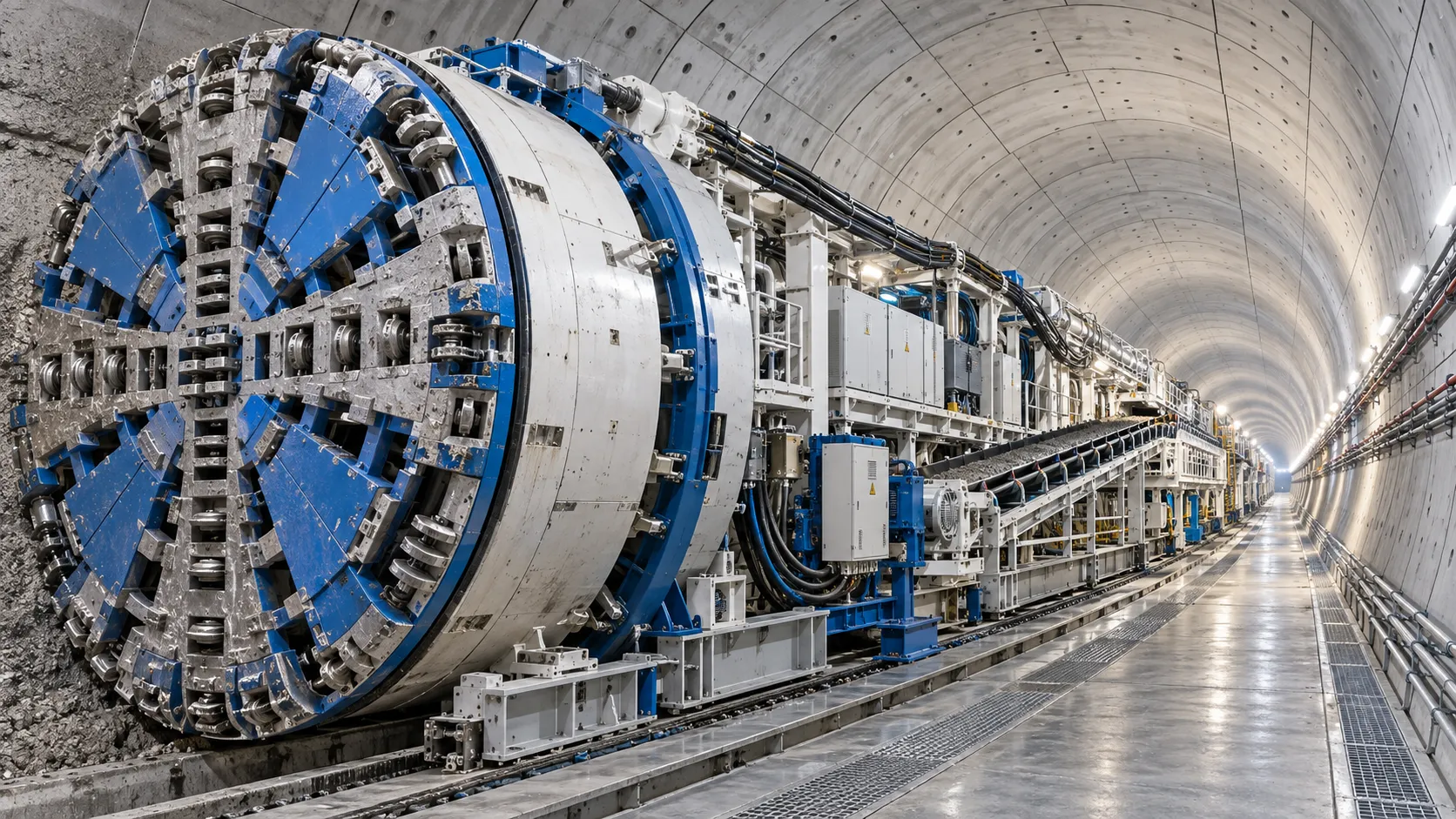
Tunnel Boring Machine Costs: Budgeting for Purchase, Operation, and Project Risk
Tunnel Boring Machines cost more than purchase price. Learn how to budget lifecycle costs, downtime, logistics, wear, and project risk for smarter TBM decisions.
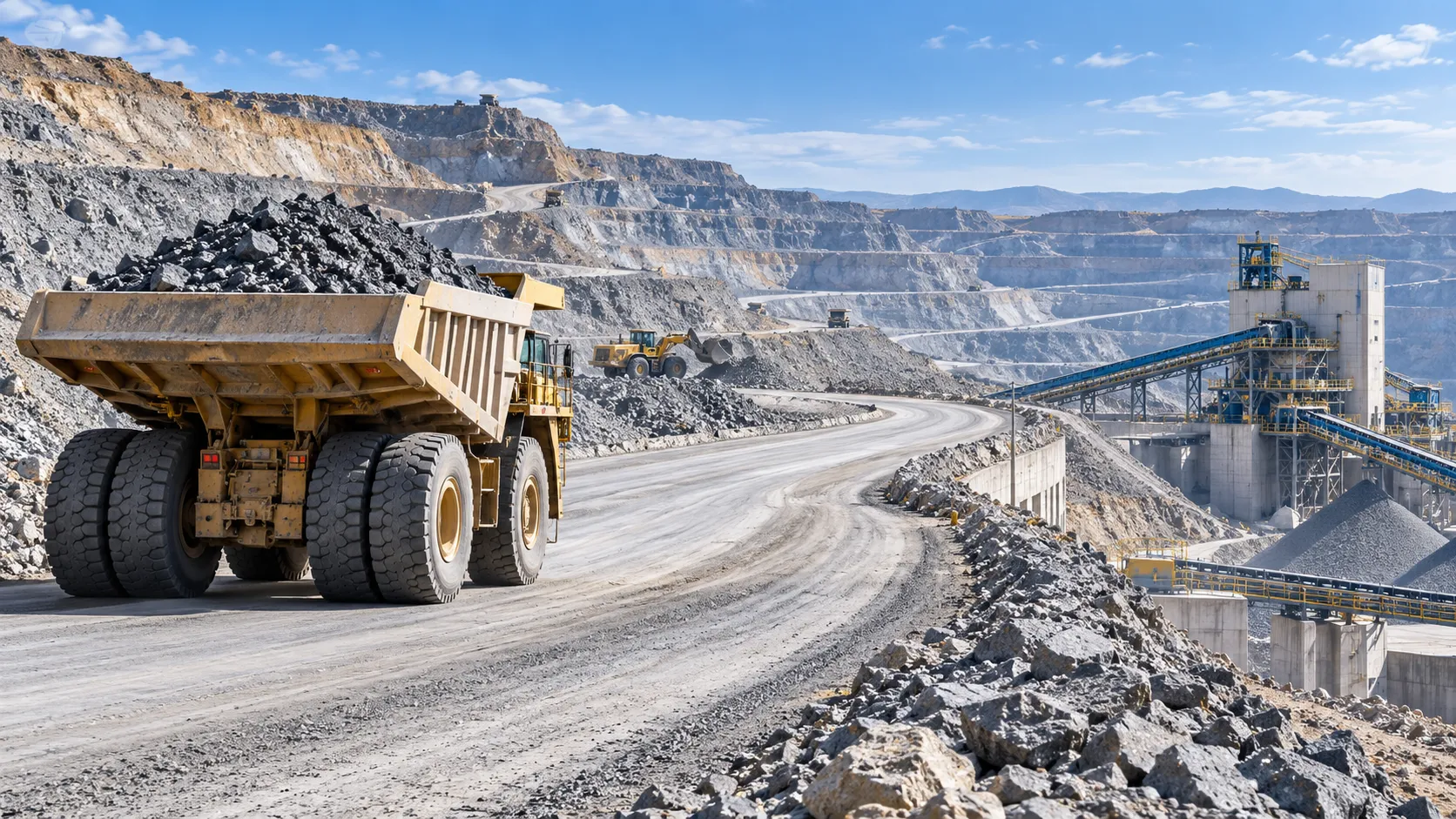
Open-Pit Haulage Cost Analysis: How Mine Managers Can Cut Cost per Tonne
Open pit haulage cost analysis: discover practical ways to reduce cost per tonne through payload control, cycle-time optimization, road performance, and smarter fleet decisions.
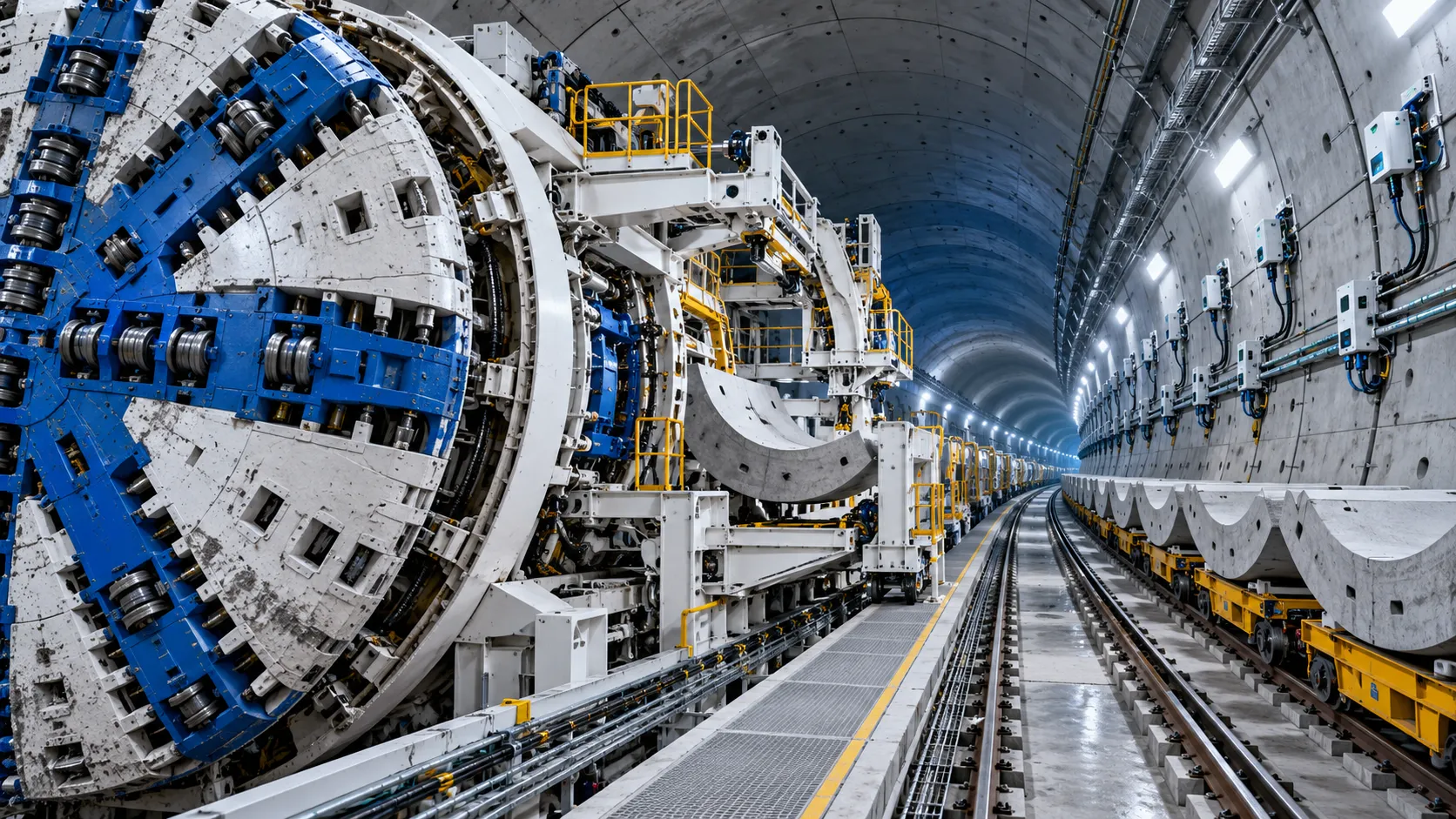
Tunnel Construction Innovations That Reduce Risk and Schedule Delays on Urban Projects
Tunnel construction innovation for urban projects: discover smarter TBMs, real-time monitoring, trenchless methods, and automation that reduce risk and protect schedules.
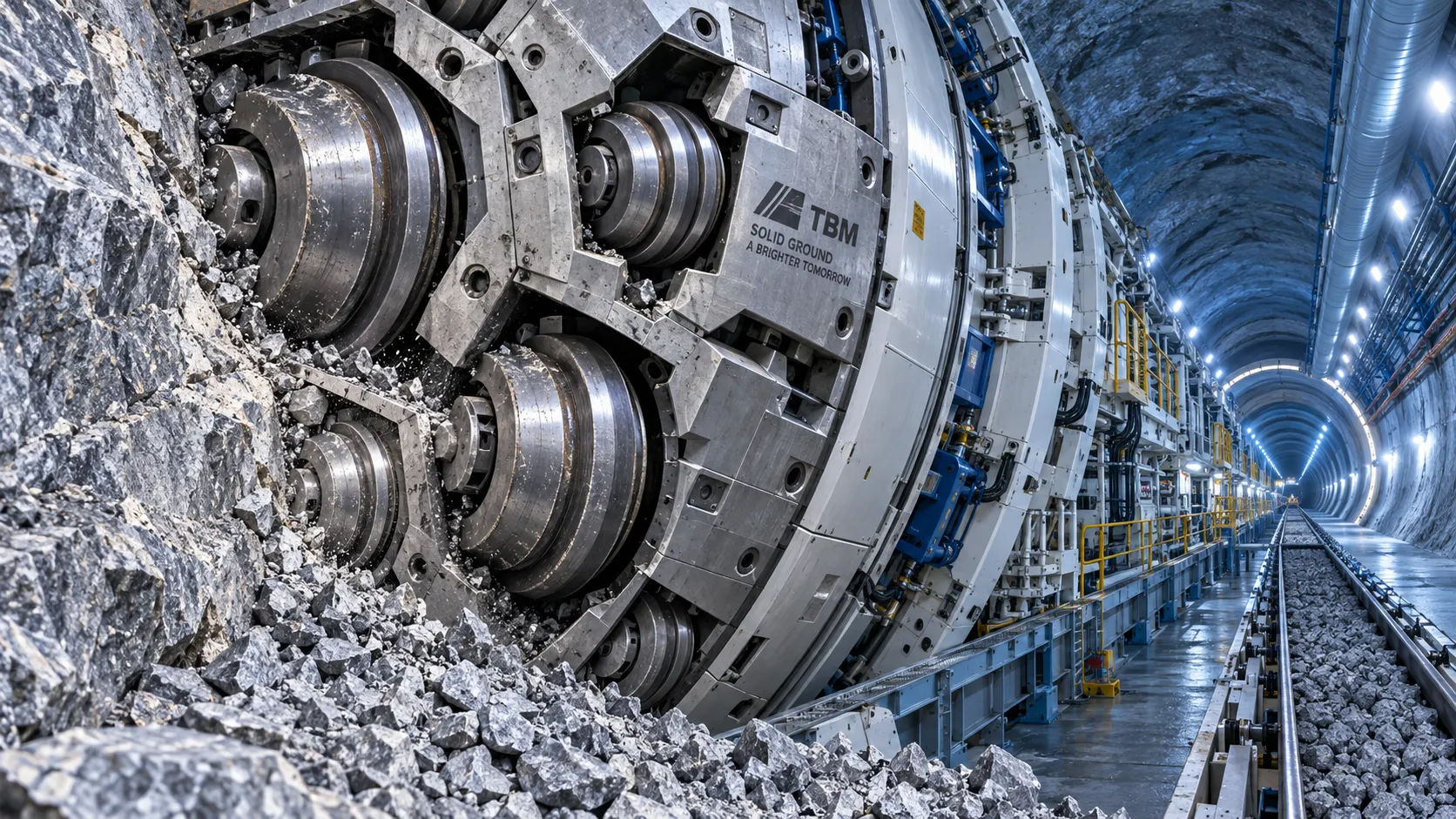
TBM Disc Cutter Design: Key Geometry and Load Factors for Hard Rock Tunnelling
TBM disc cutter design explained: explore geometry, spacing, load distribution and maintenance factors for reliable, efficient hard-rock tunnelling performance.
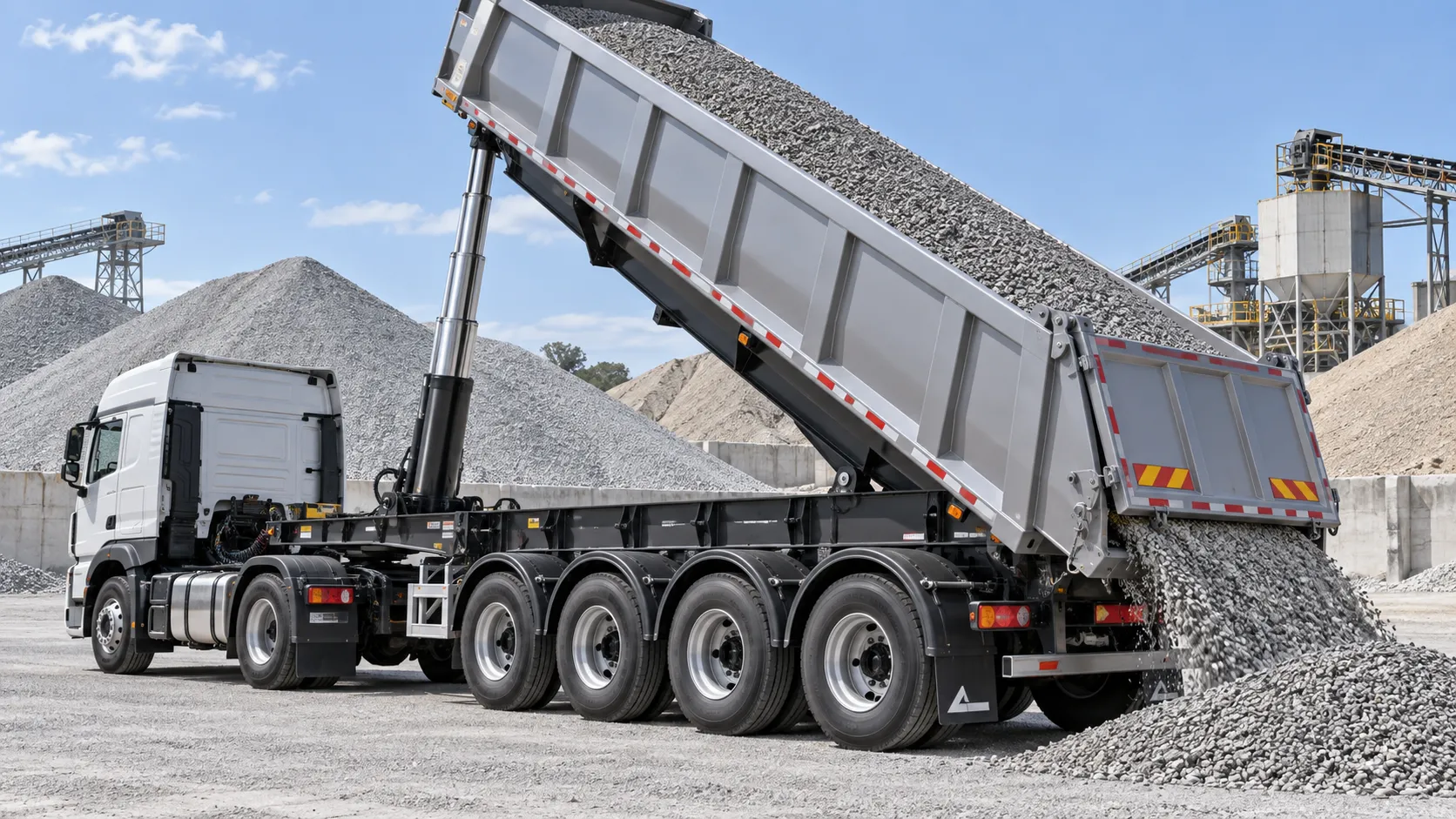
Hydraulic Tipping Stability Risks in Multi-Axle Dump Special Trailers
Dump special trailers: discover key hydraulic tipping stability risks, multi-axle load dynamics, and practical safety controls for safer, smarter bulk hauling.
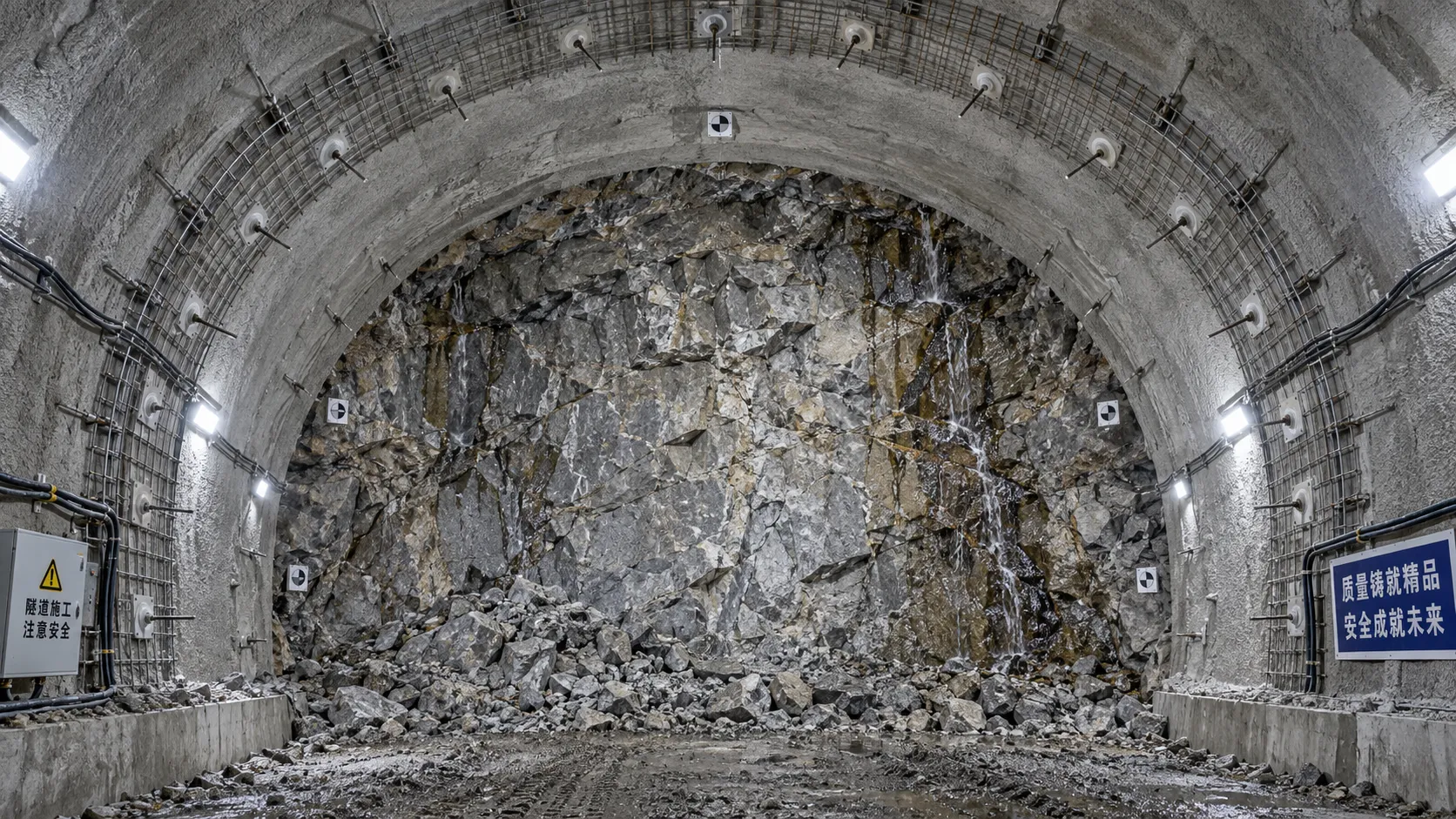
When rock reinforcement in tunnel construction must change after blasting
Rock reinforcement in tunnel construction must change when blasting reveals overbreak, weak joints, water inflow, or deformation. Discover key post-blast support decisions.
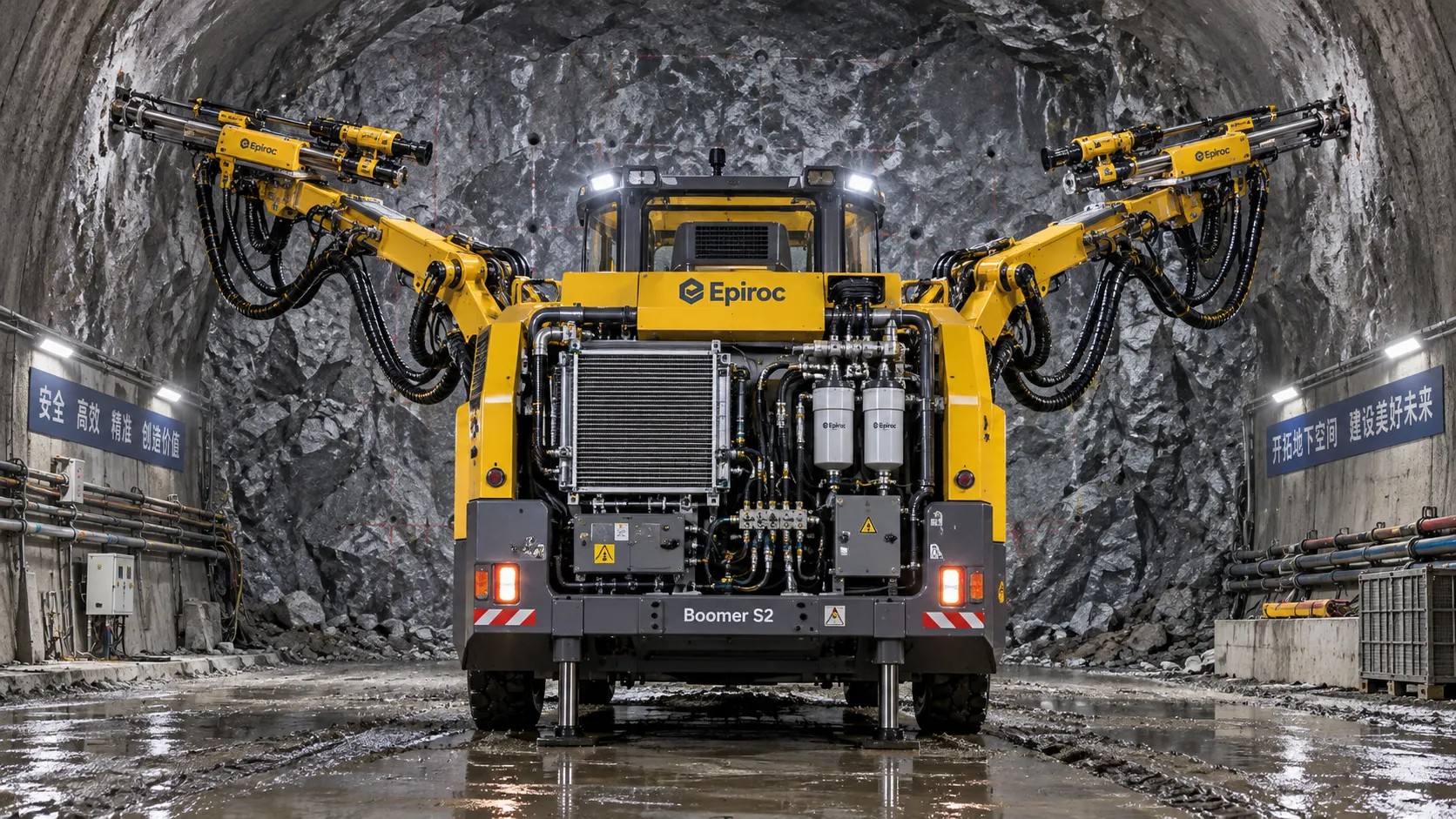
How tunnel hydraulic systems influence drill jumbo uptime underground
Tunnel hydraulic systems directly influence drill jumbo uptime. Explore how stable pressure, clean oil, cooling, and maintainable design reduce underground downtime.
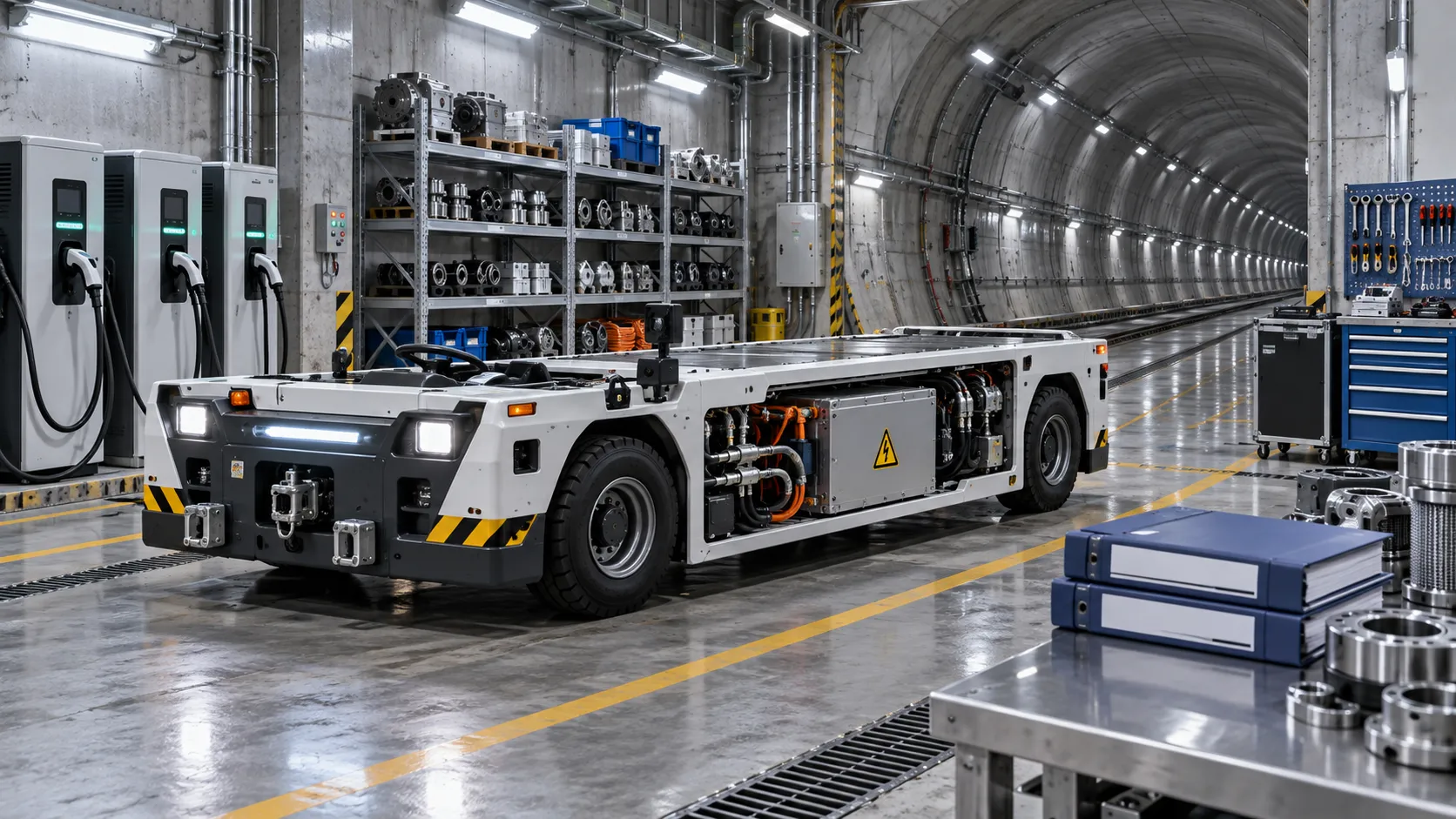
What to verify before appointing a tunneling vehicles manufacturer
Choosing a tunneling vehicles manufacturer? Verify application fit, reliability, compliance, parts support, training, and channel terms before appointing a partner.
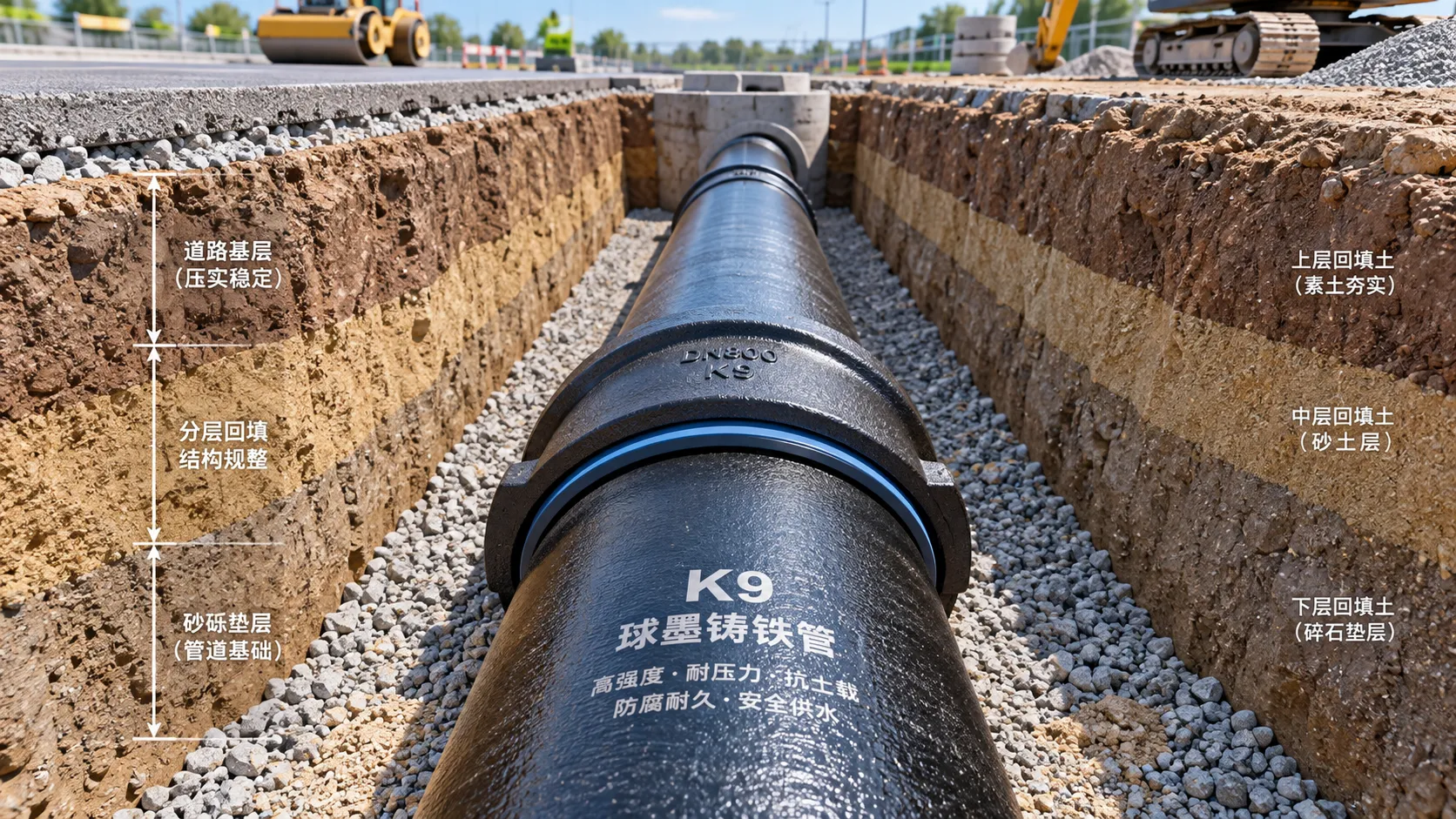
Selecting K9 Ductile Iron Pipe for Buried Water Pipeline Conditions
K9 ductile iron pipe selection for buried water pipelines: compare pressure duty, joints, soil loads, corrosion protection, and installation controls for reliable long-term performance.
Related News
- 00
0000-00
Tunnel Boring Machine Costs: Budgeting for Purchase, Operation, and Project Risk - 00
0000-00
Open-Pit Haulage Cost Analysis: How Mine Managers Can Cut Cost per Tonne - 00
0000-00
Tunnel Construction Innovations That Reduce Risk and Schedule Delays on Urban Projects - 00
0000-00
TBM Disc Cutter Design: Key Geometry and Load Factors for Hard Rock Tunnelling - 00
0000-00
Hydraulic Tipping Stability Risks in Multi-Axle Dump Special Trailers
Weekly Insights
Stay ahead with our curated technology reports delivered every Monday.