
Underground Construction Safety: 10 Site Risks and Controls for Tunneling Projects





Why Underground Construction Safety Changes with the Job
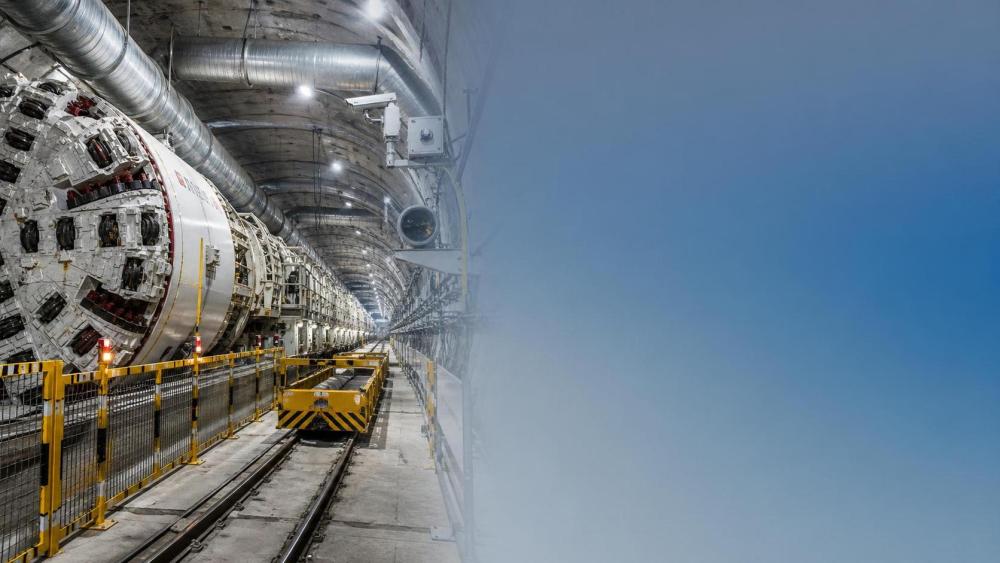
Underground Construction Safety sits at the center of tunneling performance because underground work rarely fails for one reason alone.
A ventilation issue can amplify dust exposure, poor visibility, equipment conflict, and delayed evacuation within minutes.
That is why the strongest safety plans are built around operating conditions, not generic rulebooks.
In practice, a pipe jacking drive beneath a city road does not carry the same risk profile as a deep hard-rock tunnel or a mine access decline.
Ground behavior, machine size, haulage method, zero-emission requirements, and rescue access all shift the control priorities.
This is also where industry intelligence matters.
UTMD follows TBMs, pipe jacking systems, drilling jumbos, autonomous mining trucks, and underground LHD fleets because safety decisions increasingly depend on equipment interaction and digital visibility.
The result is clear: Underground Construction Safety is no longer only about compliance.
It is about keeping excavation stable, preserving asset reliability, and preventing schedule loss from one avoidable underground event.
Different Tunneling Environments Create Different Risk Priorities
The same ten hazards appear on many projects, but their weight changes by environment.
Urban trenchless works often focus on settlement, utility conflict, and emergency access.
Long TBM drives place more attention on ventilation reach, conveyor interfaces, cutterhead interventions, and segment handling.
Drill-and-blast headings add blast fumes, unsupported ground windows, and scaling hazards.
Battery-electric and automated underground fleets reduce diesel exposure, yet they introduce charging, software, and traffic-control considerations.
A useful way to judge Underground Construction Safety is to compare risk triggers before writing controls.
This comparison prevents a common mistake: assuming similar tunnel geometry means similar Underground Construction Safety requirements.
The 10 Site Risks That Most Often Shape Underground Construction Safety
The first risk is ground instability.
Loose blocks, squeezing ground, water-weakened faces, and delayed support all raise the chance of collapse or falling material.
Controls depend on advance probing, geological mapping, support timing, and strict exclusion zones during scaling or cutter inspection.
The second risk is water ingress.
In mixed ground or faulted zones, inflow can rapidly change stability, electrical safety, and evacuation routes.
Probe drilling, pumping redundancy, pressure management, and trigger levels for stopping advance are essential controls.
The third risk is poor ventilation and atmospheric exposure.
Diesel exhaust, blast fumes, welding gases, and oxygen deficiency remain major Underground Construction Safety threats in confined headings.
A design airflow number is not enough.
Teams need measured airflow at the face, gas detection, duct maintenance, and re-entry rules tied to real readings.
The fourth risk is fire.
Conveyors, hydraulic systems, cables, and battery systems all require different response planning.
The fifth risk is electrical energy, especially where water, damaged cables, or temporary installations are present.
The sixth risk is mobile equipment interaction in narrow drifts, cross passages, and transfer points.
The seventh is entanglement during conveyor, cutterhead, or segment handling work.
The eighth is dust and silica exposure, which often rises during scaling, muck transfer, and dry drilling.
The ninth is blasting and misfire management in drill-and-blast operations.
The tenth is emergency delay, usually caused by poor communications, blocked routes, or weak incident command underground.
What Control Logic Works Better in TBM, Pipe Jacking, and Mining Interfaces
Control measures become more effective when they match the production system.
A TBM environment needs disciplined intervention management because many serious events happen during maintenance, not boring.
- Use permit-to-work steps for cutterhead entry, hyperbaric work, and confined intervention tasks.
- Separate conveyor walkways from maintenance areas with physical barriers and clear isolation points.
- Track machine alarms, wear trends, and stoppage causes to detect safety deterioration early.
Pipe jacking safety depends more on shaft access, utility intelligence, and slurry or spoil handling discipline.
- Confirm buried services with updated records and field verification before each launch or reception phase.
- Watch jacking force, line deviation, and settlement data together rather than in isolation.
- Plan retrieval and rescue around real shaft dimensions, not theoretical access drawings.
Mining interfaces bring another layer to Underground Construction Safety because loaders, trucks, and support crews often share constrained travel paths.
- Define one-way traffic where possible and control reversing zones with sensors and spotter protocols.
- Review battery swap, charging, and thermal event procedures for zero-emission fleets.
- Use tracking, SLAM-based positioning, or proximity systems where line-of-sight is unreliable.
Where Projects Commonly Misjudge Underground Construction Safety
One recurring error is focusing on machine capacity while ignoring intervention exposure.
A highly productive system may still create frequent high-risk manual tasks at transfer points, hoppers, or cutter maintenance zones.
Another mistake is treating ventilation as a fixed design package.
In reality, tunnel length, fleet composition, blasting cycles, and temporary stoppages change the ventilation demand over time.
Projects also underestimate how quickly water and geology can invalidate earlier assumptions.
A stable stretch of advance can create false confidence just before a faulted or fractured zone.
Digital systems create a different blind spot.
Remote operation, automation, and sensor dashboards improve Underground Construction Safety only when alarm logic, maintenance discipline, and fallback procedures are tested.
A final misjudgment is separating safety review from production planning.
When support installation, mucking, ventilation extension, and maintenance windows are scheduled independently, conflict risk rises sharply.
How to Build a More Reliable Underground Construction Safety Baseline
A practical baseline starts with the question: what changes at the face, at the transport route, and during intervention work?
That keeps Underground Construction Safety connected to real exposure instead of paperwork alone.
The next step is to map controls against changing conditions.
- Review ground, water, and support assumptions at defined advance intervals.
- Measure ventilation effectiveness where crews actually work, not only at the fan source.
- Audit isolation steps for conveyors, electrical systems, hydraulic circuits, and automated equipment.
- Test evacuation, refuge, and communication arrangements under realistic delay conditions.
- Compare incident data with production interruptions to identify repeating control failures.
For organizations following deeper equipment and tunnel intelligence, the useful move is to align site controls with actual machine architecture and underground logistics.
That is where sources like UTMD help frame the wider picture.
TBM cutter wear, trenchless force trends, electric haulage behavior, and underground automation data all influence Underground Construction Safety decisions in the field.
Before the next review cycle, compare each tunnel section, equipment interface, and emergency route against the ten risks above.
Then set control priorities by exposure frequency, consequence, and recovery difficulty.
That approach gives Underground Construction Safety a workable standard: one grounded in site reality, not broad intention.
Related News
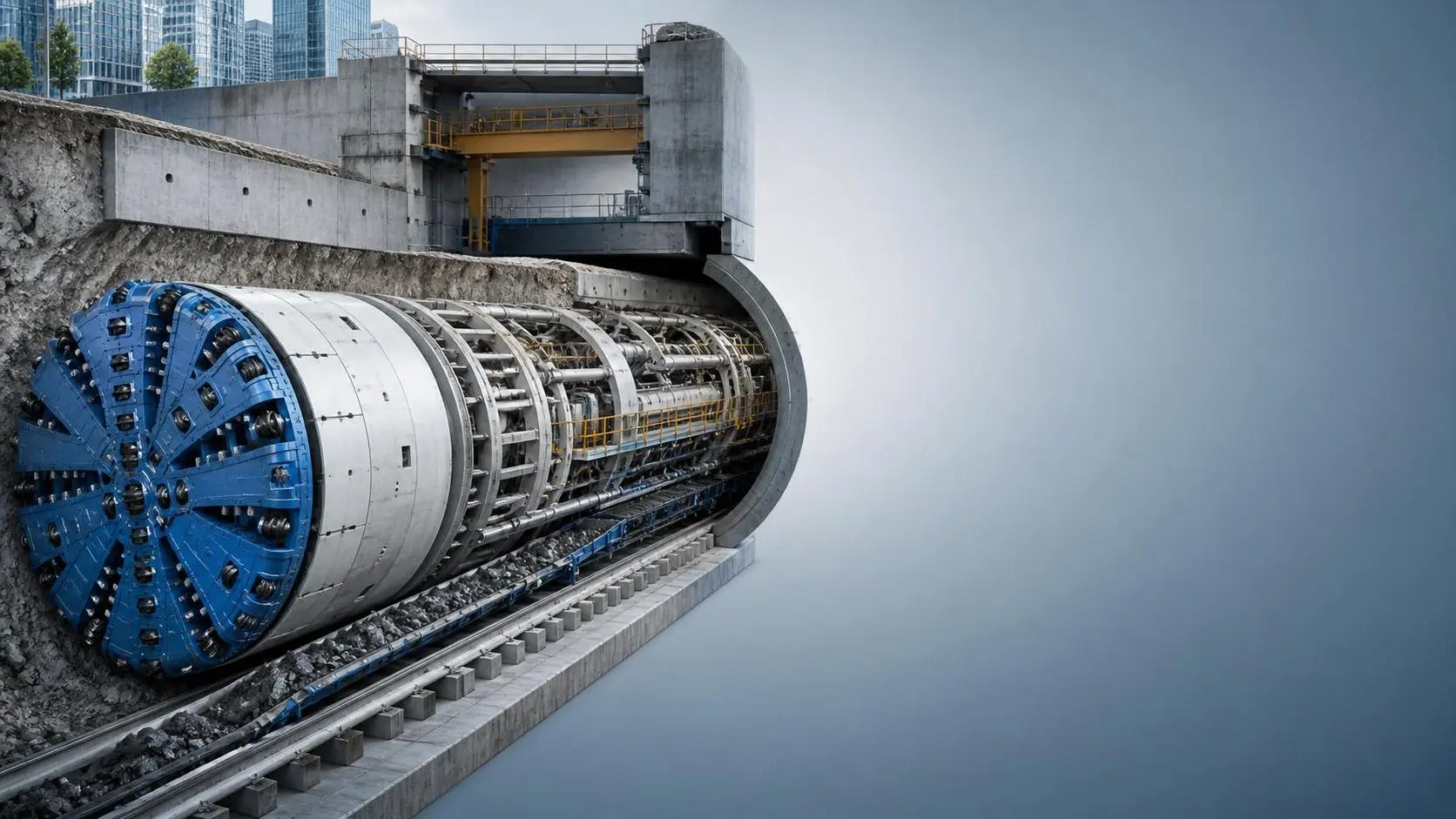
What Drives TBM Excavation Cost in Urban Tunneling Projects?
tbm excavation cost in urban tunneling depends on geology, shafts, segment lining, logistics, and risk. Discover the key cost drivers and compare bids with greater confidence.
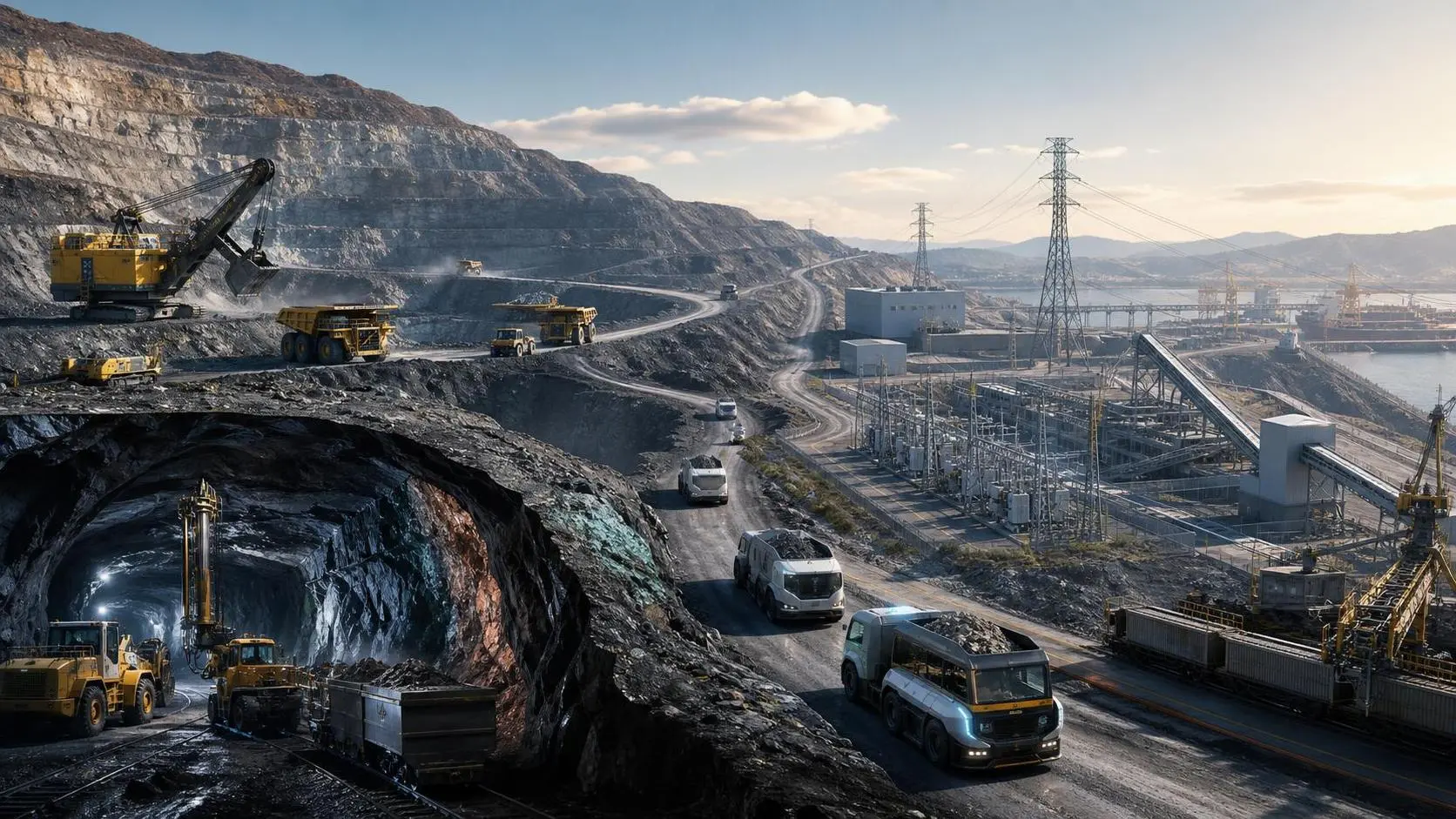
What Does Energy Metals Mining in Australia Mean for Supply, Cost, and Project Risk?
Energy metals mining Australia is reshaping supply, cost, and project risk. Discover what it means for buyers, investors, and operators.
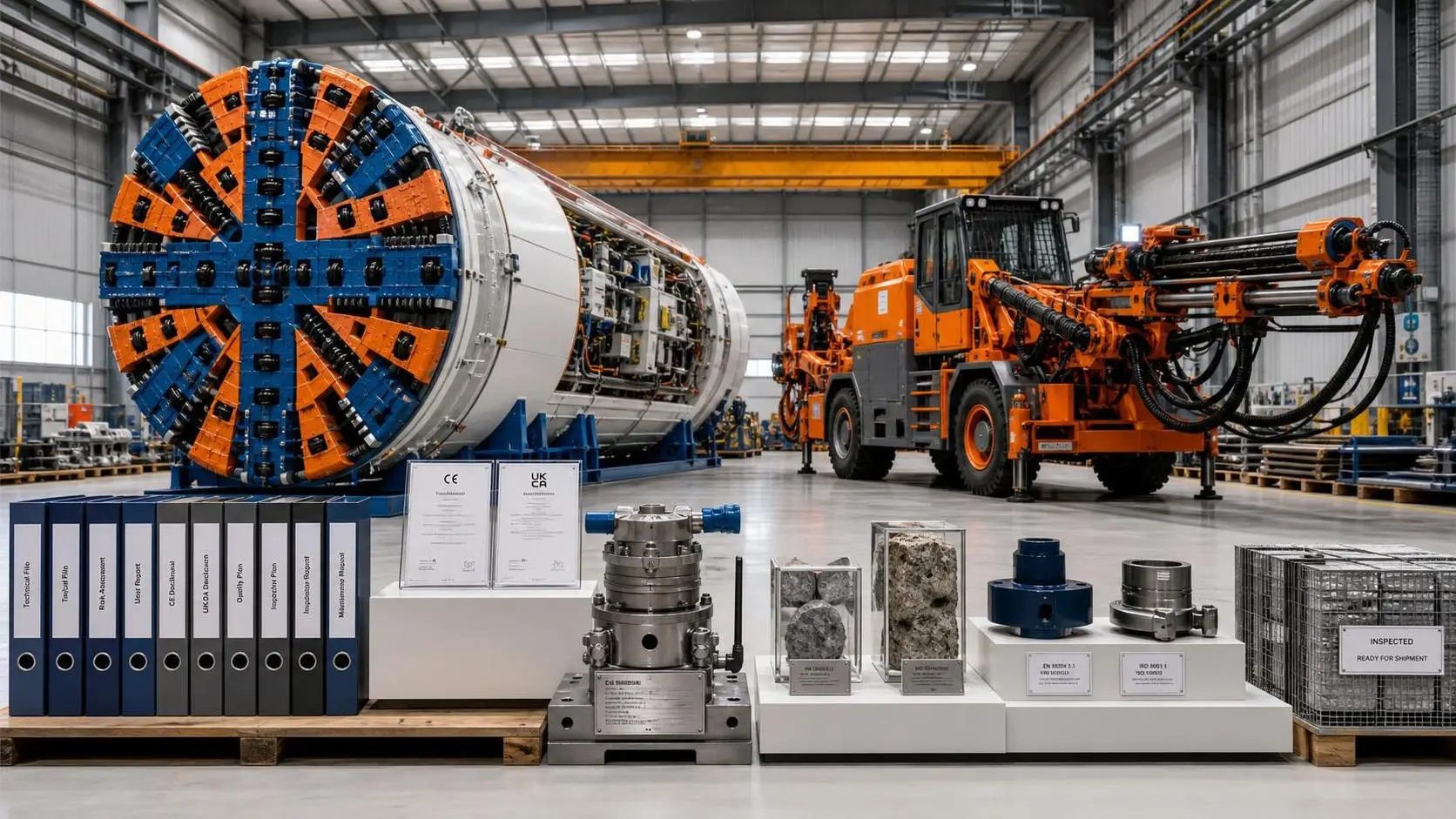
EU Eases Dual CE and UKCA Path for Chinese Tunnel Boring Equipment
EU eases CE and UKCA certification for Chinese tunnel boring equipment, cutting compliance time and helping importers move faster.
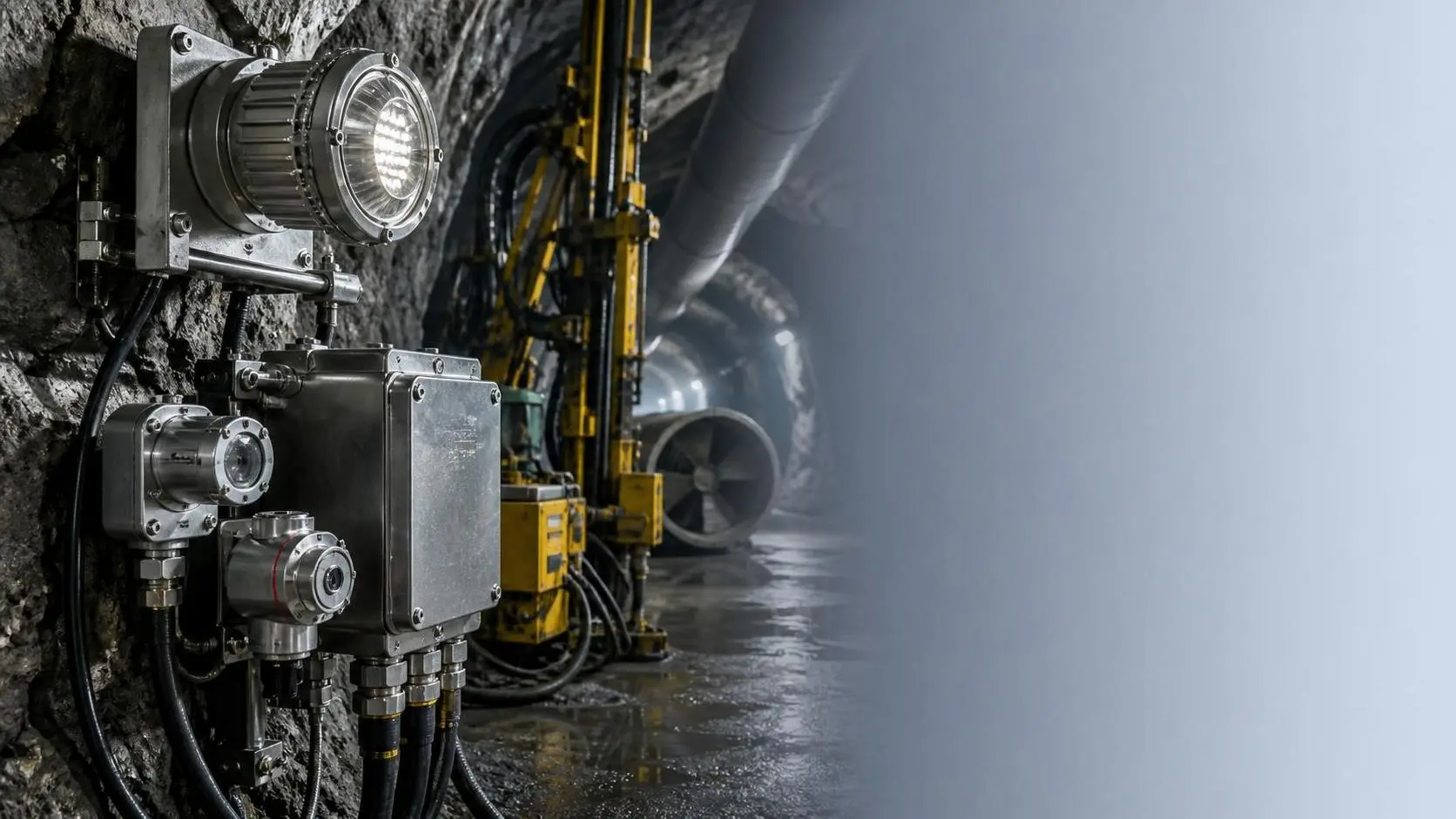
Flameproof Underground Safety Equipment: What Mine Teams Should Check Before Buying
Underground Safety Equipment flameproof buying guide: learn how mine teams should verify certification, durability, serviceability, and supplier support before purchase.
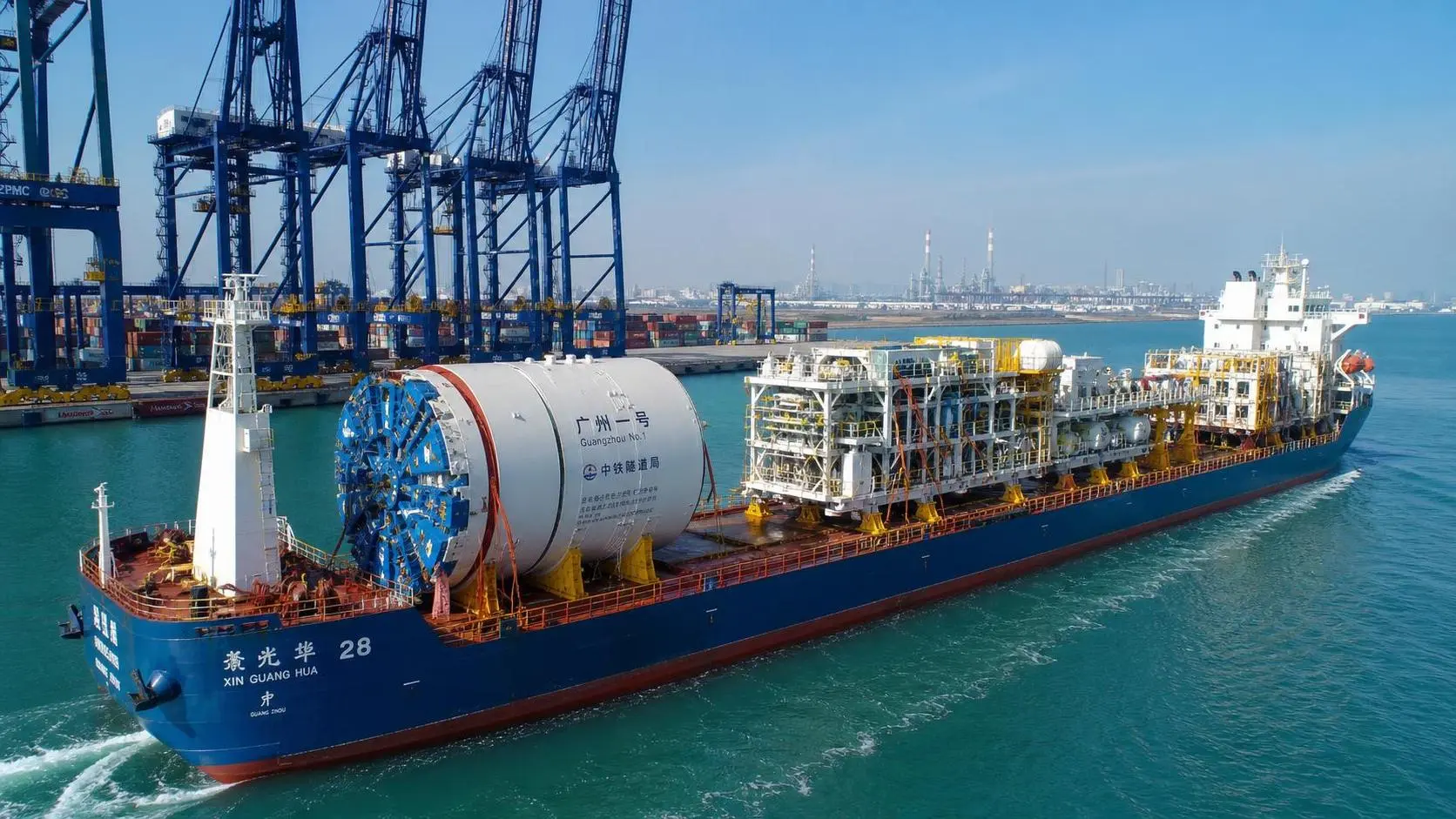
China-UAE Direct Sea Route Cuts TBM and Large Tunneling Equipment Lead Times
China-UAE direct sea route shortens TBM and large tunneling equipment lead times by 12–15 days, improving delivery predictability for major infrastructure projects. Read the full impact.
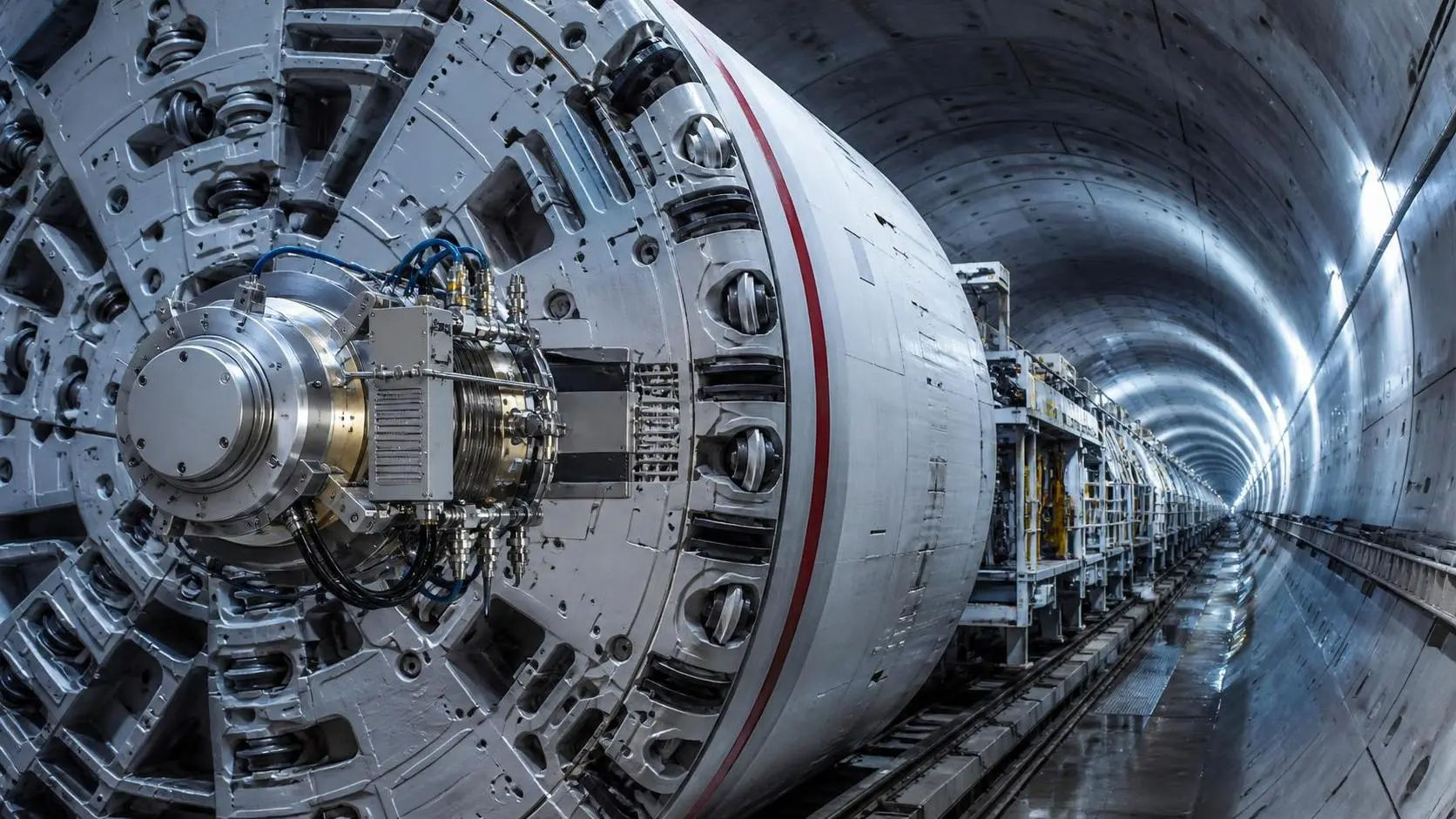
What Is a TBM Guidance System Gyroscope, and Why Does It Matter Underground?
TBM Guidance Systems gyroscope improves underground accuracy, reduces drift, and helps tunnel boring machines stay on line in harsh conditions.

China to Roll Out Nationwide Local and Foreign Currency Cash Pools for Multinationals on Sept. 14
China will roll out nationwide local and foreign currency cash pools for multinationals on Sept. 14, streamlining cross-border treasury management and boosting liquidity efficiency.
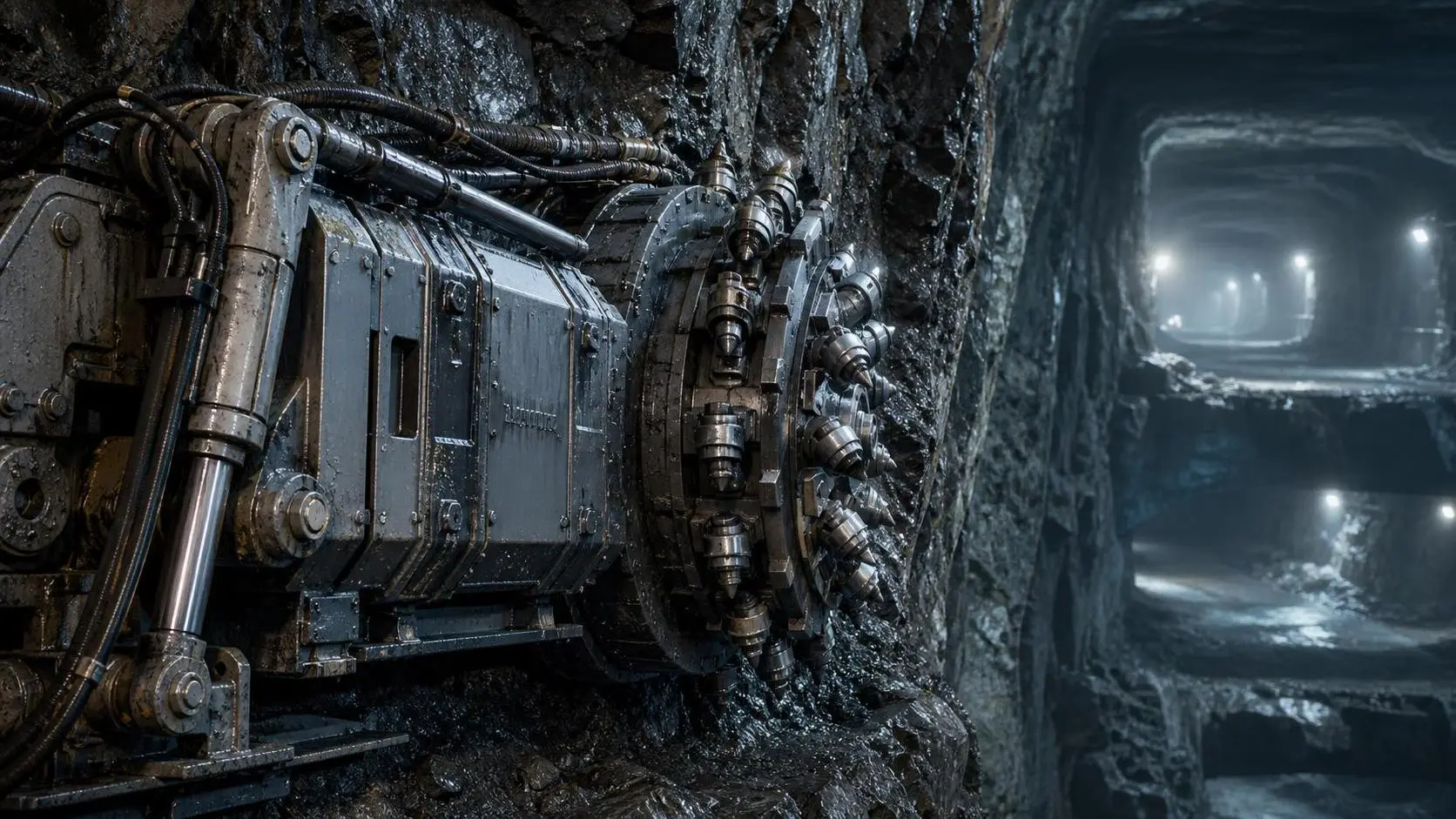
How to Choose a Reliable Underground Mining Equipment Supplier for Harsh Site Conditions
Find a reliable underground mining equipment supplier for harsh site conditions with rugged, maintainable solutions that boost uptime, reduce risk, and support long-term production.
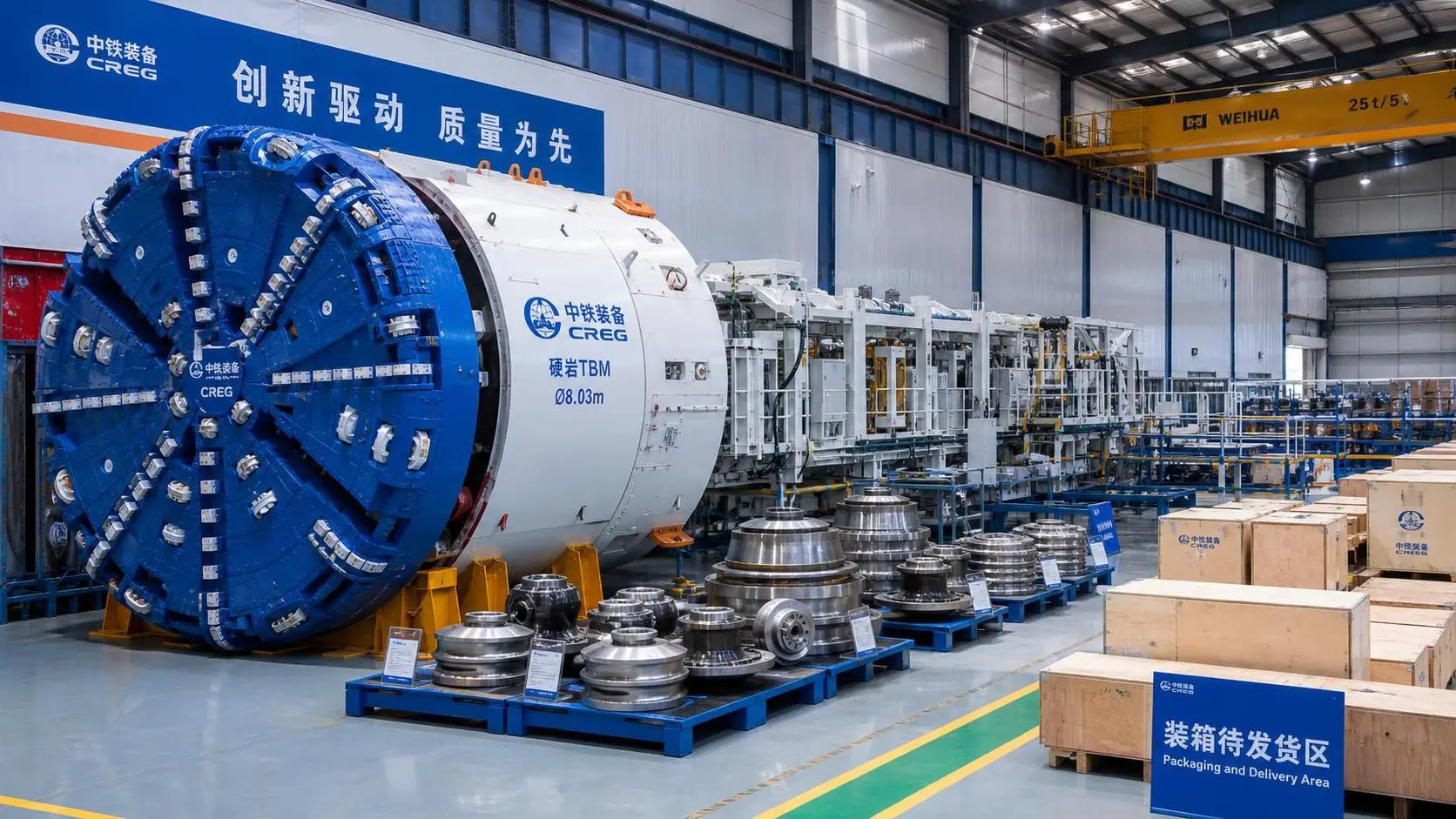
China Customs Tightens TBM Export Checks from Aug. 16
China Customs tightens TBM export checks from Aug. 16, 2026. Learn how new mandatory inspections may affect tunnelling equipment shipments, compliance, and delivery plans.
Related News
- 00
0000-00
What Drives TBM Excavation Cost in Urban Tunneling Projects? - 00
0000-00
What Does Energy Metals Mining in Australia Mean for Supply, Cost, and Project Risk? - 00
0000-00
EU Eases Dual CE and UKCA Path for Chinese Tunnel Boring Equipment - 00
0000-00
Flameproof Underground Safety Equipment: What Mine Teams Should Check Before Buying - 00
0000-00
China-UAE Direct Sea Route Cuts TBM and Large Tunneling Equipment Lead Times
Weekly Insights
Stay ahead with our curated technology reports delivered every Monday.