
What Is Digital Tunnel Construction? Core Technologies, Workflow, and Project Benefits





Why is digital tunnel construction getting so much attention?
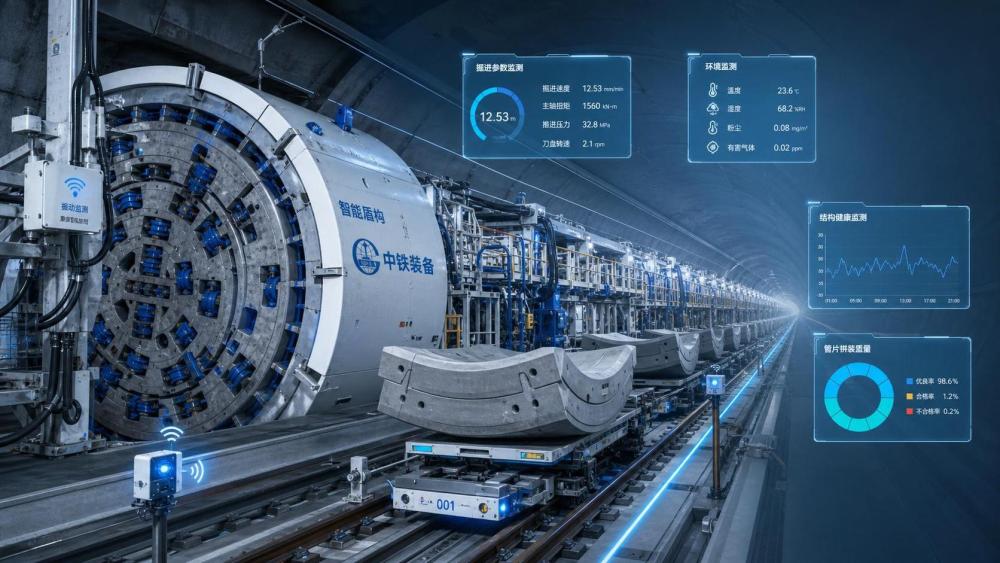
Digital tunnel construction is changing underground work from a reactive process into a measurable, data-led system.
That shift matters because tunnel projects face tight tolerances, uncertain geology, safety pressure, and expensive downtime.
In simple terms, digital tunnel construction connects design models, excavation equipment, sensors, crews, and reporting into one operating loop.
Instead of waiting for problems to appear on site, teams can detect deviation, wear, congestion, and risk much earlier.
This is especially relevant in modern infrastructure, trenchless utility work, and deep mining access tunnels.
Across these settings, equipment is no longer judged only by power or output.
It is also judged by how well it captures data, supports automation, and integrates with planning platforms.
That is why platforms such as UTMD track not just machines, but the intelligence layer around TBMs, pipe jacking systems, drilling jumbos, and underground haulage fleets.
The real value is not the word digital itself.
The value is better control over excavation quality, asset utilization, emissions, maintenance timing, and project certainty.
So, what does digital tunnel construction actually include?
Many people assume it means adding software to a tunnel project.
In practice, digital tunnel construction is broader and more operational.
It usually combines five technical layers that work together during planning and execution.
- Digital design models, including alignment, geology, utilities, support systems, and interfaces.
- Connected equipment, such as TBMs, pipe jacking machines, and drilling rigs with sensor-based monitoring.
- Positioning and navigation tools, including guidance systems, SLAM, and machine trajectory control.
- Data platforms that collect progress, cutter wear, ground response, energy use, and maintenance records.
- Automation functions for steering, segment installation support, traffic coordination, and remote operations.
The exact mix depends on the project type.
A metro tunnel may focus on TBM guidance, segment quality, and settlement monitoring.
A municipal pipe jacking project may focus on line accuracy, utility avoidance, and low-disruption urban delivery.
A mining decline or haulage tunnel may connect excavation data with zero-emission loaders, battery systems, and remote fleet control.
This is where digital tunnel construction becomes more than a construction method.
It becomes a way to coordinate machines, people, and underground risk in real time.
How does the workflow look from design to excavation and handover?
A useful way to understand digital tunnel construction is to follow the project workflow.
The process usually starts long before excavation begins.
1. Front-end modeling and risk definition
Teams build a digital baseline using survey data, geotechnical records, existing assets, and tunnel alignment requirements.
The purpose is to identify likely fault zones, mixed ground, groundwater pressure, and interface conflicts.
2. Equipment matching and digital setup
Next comes the machine strategy.
This may involve TBM configuration, pipe jacking support systems, cutterhead design, telemetry packages, and site communication architecture.
If underground transport is part of the system, digital interfaces with loaders or EV mining trucks are also defined here.
3. Live excavation control
During tunnelling, sensors stream data on thrust, torque, penetration rate, slurry balance, vibration, and alignment.
Site teams compare actual performance against the digital baseline and adjust operations quickly.
That reduces drift, avoids overreaction, and improves consistency across shifts.
4. Feedback, maintenance, and reporting
As data accumulates, the project can predict cutter replacement, ventilation demand, haulage bottlenecks, and schedule variance.
At handover, digital records also support quality verification and future asset management.
More importantly, lessons from one project can inform the next one.
That is one reason intelligence portals like UTMD matter.
They help translate machine-level insight into broader engineering decisions.
Where do the biggest project benefits show up?
The benefits of digital tunnel construction are real, but they do not appear evenly everywhere.
The strongest gains usually come from visibility and timing.
When teams can see changing conditions sooner, they make smaller corrections instead of costly recoveries.
The table shows why digital tunnel construction often delivers value beyond speed alone.
It supports safer work zones, better documentation, and more stable cost control.
In underground mining, the benefit can extend further through remote LHD operation, battery-swapping logic, and autonomous haul cycles.
In city tunnelling, the advantage is often lower surface disruption and better utility conflict management.
What do teams often misunderstand before implementation?
One common mistake is treating digital tunnel construction as a software purchase.
If the process, data ownership, and machine interfaces are unclear, the technology layer will not fix the project.
Another misunderstanding is expecting every tunnel to need the same level of digital maturity.
That is rarely true.
A short utility drive may need precise navigation and reporting, but not a highly automated control stack.
A deep hard-rock project may depend heavily on wear prediction, ventilation logic, and remote equipment monitoring.
There is also a data quality problem that gets ignored.
Poor sensor calibration, inconsistent shift logging, and disconnected systems can make dashboards look useful while decisions stay weak.
In actual projects, the better question is not whether to digitize.
It is where digital tunnel construction can reduce uncertainty the fastest.
- Check whether geological risk or equipment downtime is the bigger cost driver.
- Confirm which data must be live and which can be reviewed daily.
- Define who acts on alerts, not just who receives them.
- Make sure OEM systems, site controls, and reporting tools can actually exchange data.
How can you tell whether digital tunnel construction is worth pursuing now?
A practical decision usually comes down to complexity, exposure, and repeatability.
If a project has variable ground, strict settlement limits, long drives, remote operations, or electrification targets, the case is stronger.
If a project is simple, short, and lightly constrained, a narrower digital setup may be enough.
This is why many industry observers follow the full system, not just the machine.
UTMD, for example, pays close attention to cutter wear behavior, trenchless accuracy, underground SLAM, and EV haulage efficiency because these signals shape future project economics.
The pattern is clear.
Digital tunnel construction becomes more valuable when underground work is deeper, cleaner, more automated, and less tolerant of interruption.
If you are evaluating the topic, start by mapping one real workflow.
Look at planning inputs, machine telemetry, ground response, maintenance triggers, and reporting needs.
Then compare where manual coordination still creates delay, blind spots, or avoidable risk.
That exercise usually shows whether digital tunnel construction is a strategic upgrade or just a buzzword in disguise.
For the next step, build a short checklist around data quality, equipment compatibility, implementation scope, and measurable site outcomes.
That creates a clearer basis for comparing options and judging long-term project value.
Related News
How to Evaluate a Pipe Jacking Equipment Distributor for Project Support and Uptime
Pipe jacking equipment distributor evaluation made practical: learn how to assess parts support, service response, training, and technical readiness to reduce downtime and protect project uptime.
How to Build a Mining Decarbonization Strategy That Balances Emissions, Cost, and Fleet Reality
Mining decarbonization strategy starts with fleet reality. Learn how to cut emissions, control cost, and align power, ventilation, and production for a practical mine transition.
How to Evaluate Articulated Dump Trucks Payload for Haul Road Conditions and Cycle Efficiency
Articulated Dump Trucks payload evaluation starts with real haul road conditions, not brochure numbers. Learn how to balance payload, traction, grades, and cycle efficiency for safer, higher output.
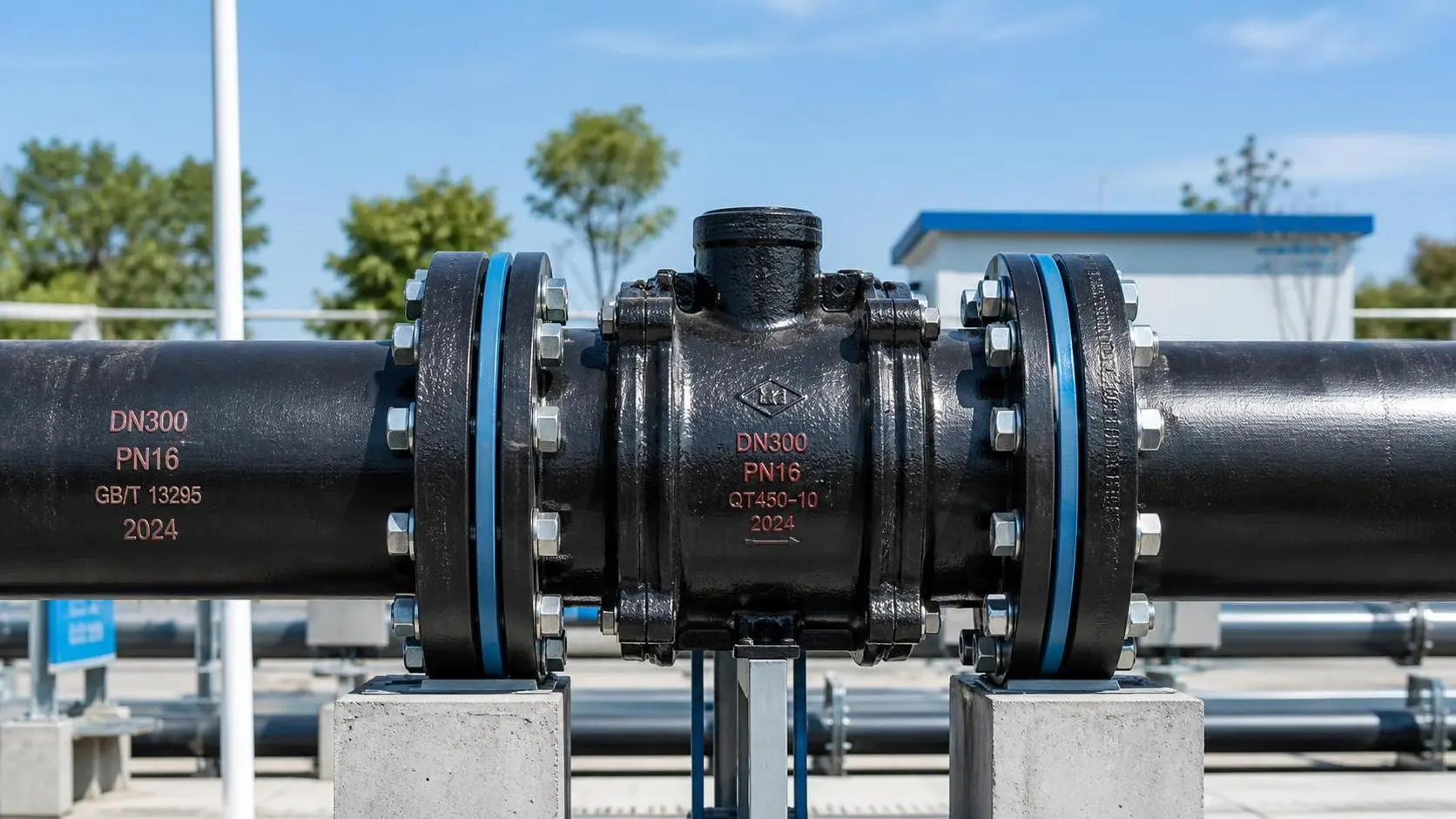
How Pipe Fittings Material and Pressure Class Affect Water Line Selection
Pipe fittings selection starts with material and pressure class. Learn how these factors affect water line reliability, corrosion resistance, installation, and long-term cost.
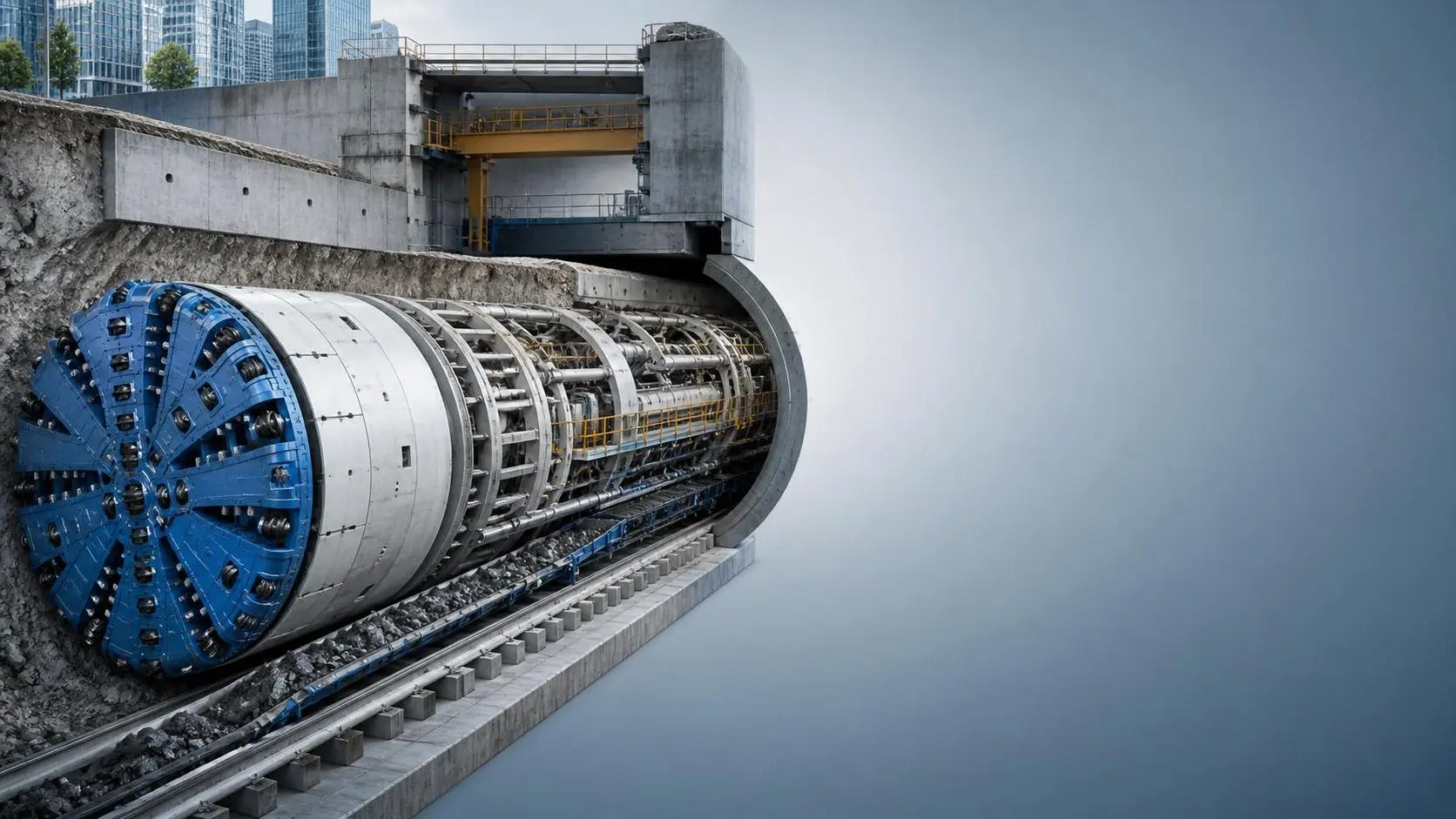
What Drives TBM Excavation Cost in Urban Tunneling Projects?
tbm excavation cost in urban tunneling depends on geology, shafts, segment lining, logistics, and risk. Discover the key cost drivers and compare bids with greater confidence.
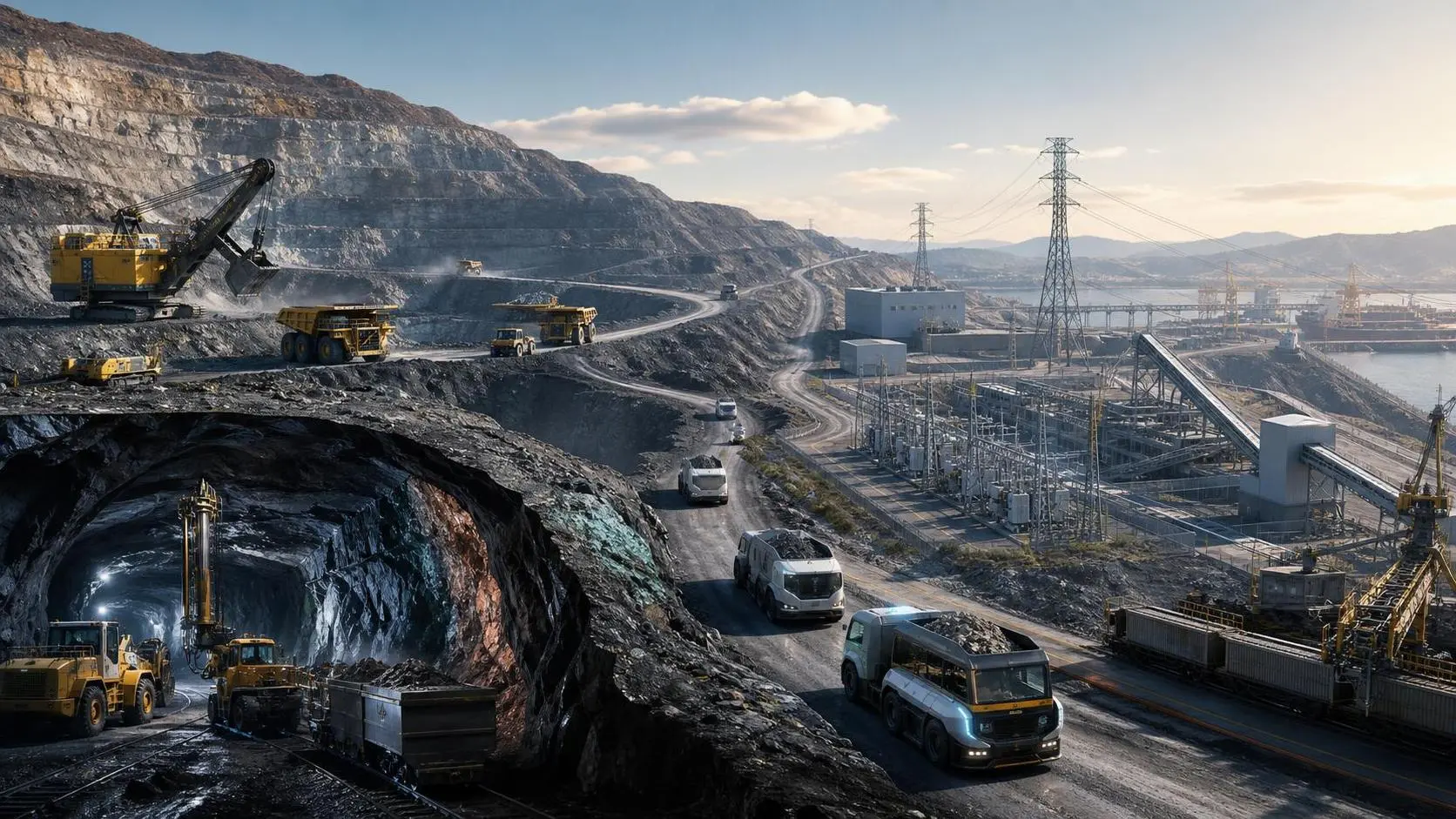
What Does Energy Metals Mining in Australia Mean for Supply, Cost, and Project Risk?
Energy metals mining Australia is reshaping supply, cost, and project risk. Discover what it means for buyers, investors, and operators.
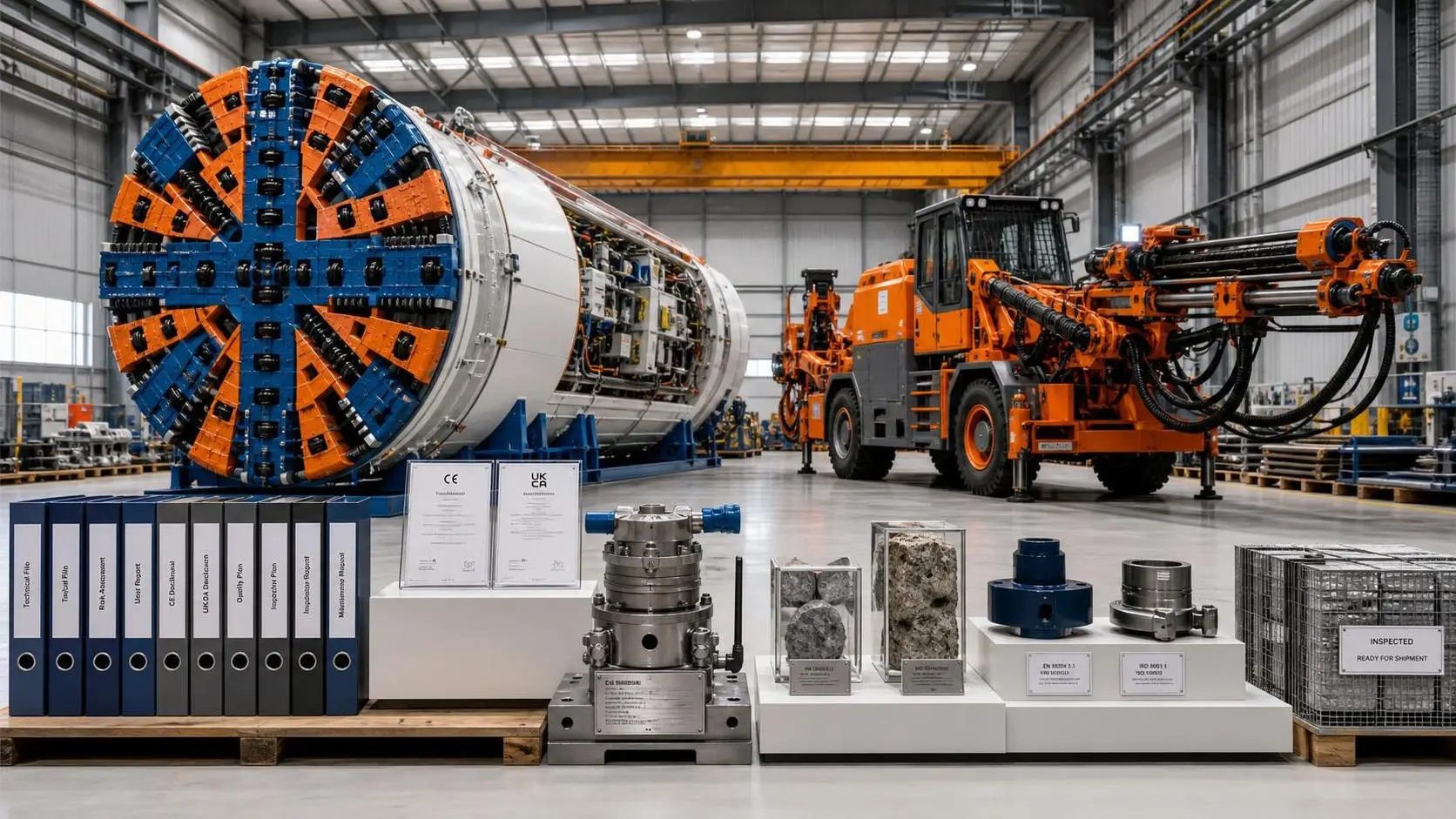
EU Eases Dual CE and UKCA Path for Chinese Tunnel Boring Equipment
EU eases CE and UKCA certification for Chinese tunnel boring equipment, cutting compliance time and helping importers move faster.
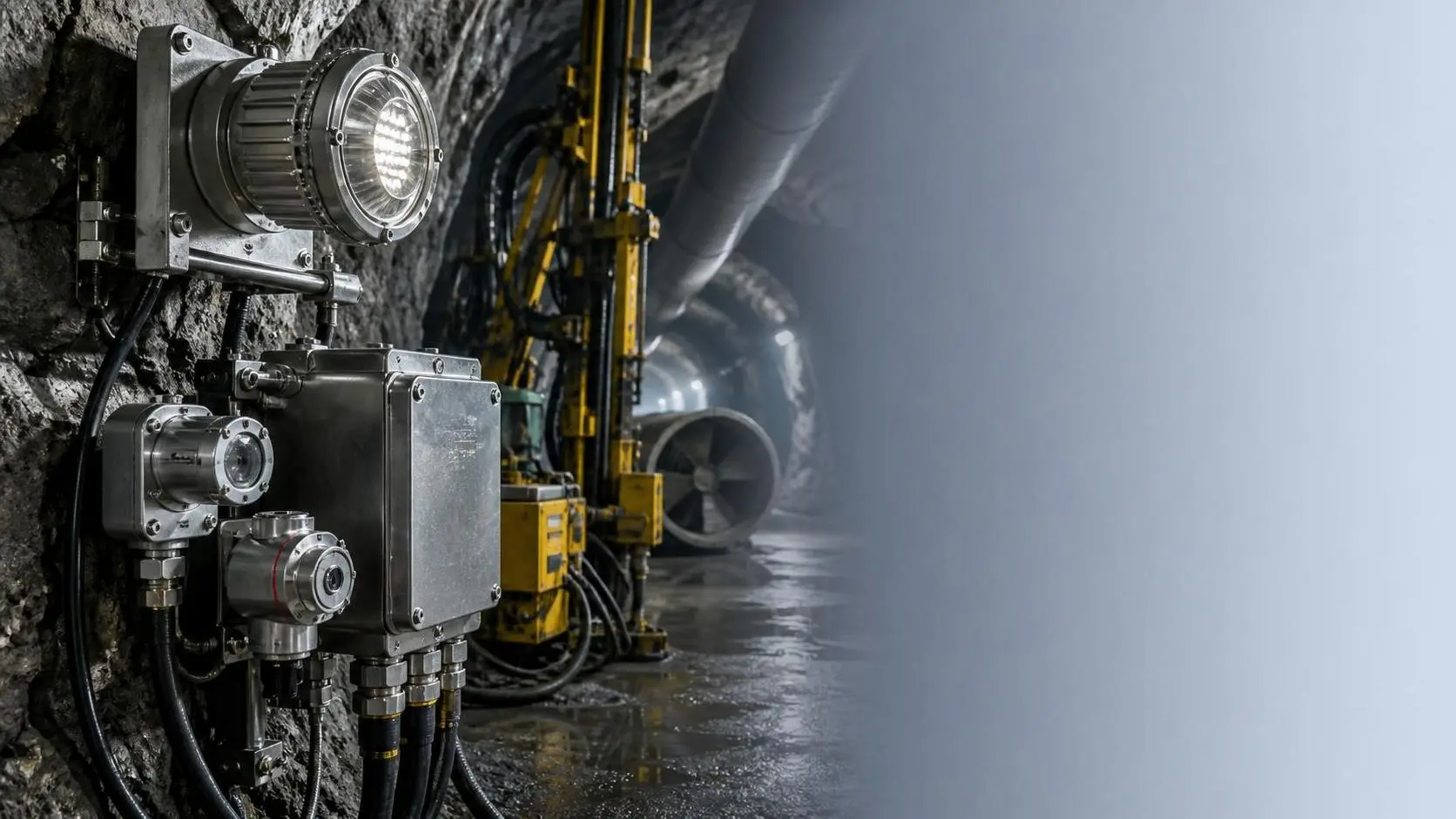
Flameproof Underground Safety Equipment: What Mine Teams Should Check Before Buying
Underground Safety Equipment flameproof buying guide: learn how mine teams should verify certification, durability, serviceability, and supplier support before purchase.
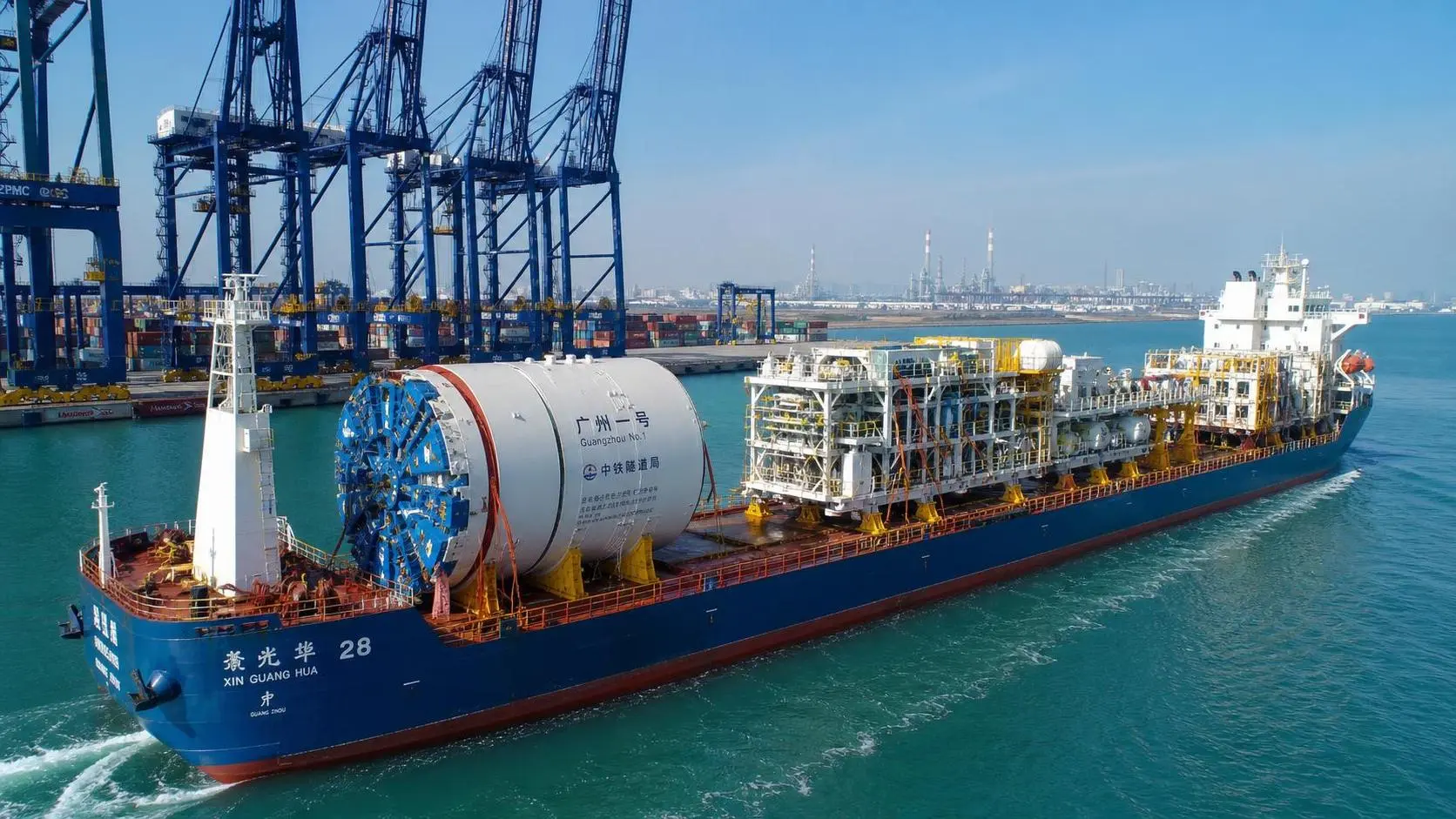
China-UAE Direct Sea Route Cuts TBM and Large Tunneling Equipment Lead Times
China-UAE direct sea route shortens TBM and large tunneling equipment lead times by 12–15 days, improving delivery predictability for major infrastructure projects. Read the full impact.
Related News
- 00
0000-00
How to Evaluate a Pipe Jacking Equipment Distributor for Project Support and Uptime - 00
0000-00
How to Build a Mining Decarbonization Strategy That Balances Emissions, Cost, and Fleet Reality - 00
0000-00
How to Evaluate Articulated Dump Trucks Payload for Haul Road Conditions and Cycle Efficiency - 00
0000-00
How Pipe Fittings Material and Pressure Class Affect Water Line Selection - 00
0000-00
What Drives TBM Excavation Cost in Urban Tunneling Projects?
Weekly Insights
Stay ahead with our curated technology reports delivered every Monday.