
Deep Hydropower Tunnelling Challenges: Ground Conditions, Support Design, and Risk Control





Why Deep Hydropower Tunnelling Demands Scenario-Based Judgement
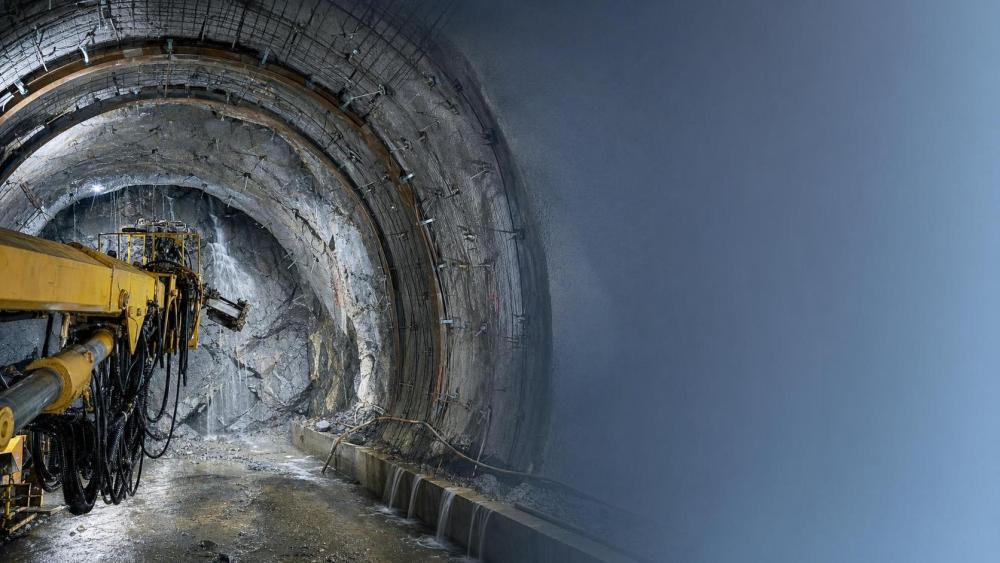
Deep hydropower tunnelling rarely fails for one single reason. Problems usually build where geology, stress, groundwater, equipment limits, and support timing interact under pressure.
That is why deep hydropower tunnelling should be assessed by operating scenario, not by generic tunnel depth or diameter alone.
A headrace tunnel crossing fractured fault zones needs different priorities than a pressure shaft in hard, brittle rock. Both belong to deep hydropower tunnelling, but the risk logic changes quickly.
In practice, the most useful judgement starts with one question: what ground response is most likely once excavation disturbs the rock mass and hydraulic regime?
This is also where UTMD’s underground engineering perspective becomes relevant. Deep projects are no longer judged only by advance rate.
They are judged by how well excavation systems, rock-cutting mechanics, support sequencing, monitoring, and logistics stay reliable in extreme subsurface conditions.
For deep hydropower tunnelling, that means linking ground conditions with support design and risk control early, before construction methods are locked in.
Different Underground Settings Create Different Design Priorities
The same support class can perform very differently across hydropower works. What looks conservative in one reach may be inadequate in another.
More competent rock does not always mean lower risk. At great depth, high in-situ stress can trigger spalling, slabbing, or violent rockburst in otherwise strong formations.
By contrast, weaker rock masses may deform gradually, but severe squeezing can consume clearance, overload lining elements, and trap equipment.
Water changes the picture again. Deep hydropower tunnelling through permeable faults or karstic features can turn a stable heading into a drainage and stability emergency within hours.
Because of that, technical assessment should combine at least four factors: rock mass quality, stress environment, groundwater regime, and excavation method response.
This is where tunnel boring machine strategy, drill-and-blast flexibility, and support installation speed stop being separate topics. They become one integrated risk decision.
A quick comparison helps frame the differences
When Hard Rock Becomes a High-Stress Problem
One common misconception in deep hydropower tunnelling is treating high-strength rock as inherently favorable. That is only partly true.
In deep diversion tunnels or powerhouse access drives, intact granitic or basaltic rock can store large strain energy. Excavation then releases that energy abruptly.
The operational issue is not just support capacity. It is support response speed and ductility during sudden brittle failure.
In this scenario, deep hydropower tunnelling often benefits from shorter unsupported spans, immediate surface support, and reinforcement that can absorb dynamic loading rather than only static load.
Excavation method matters as well. TBM operations can deliver stable geometry and continuous advance, yet cutterhead exposure to burst-prone ground needs careful shield, support, and access planning.
Drill-and-blast headings may offer more local flexibility, especially where destress measures, pilot headings, or modified rounds are required.
The practical judgement point is simple: in hard rock at depth, strength alone is a misleading indicator. Stress concentration and failure mode carry more decision value.
Squeezing Ground Changes the Support Conversation
Another deep hydropower tunnelling scenario appears less dramatic at first, but can damage schedule and cost more steadily.
In weak metamorphic rock, altered zones, or overstressed clay-bearing formations, the tunnel may remain standing initially, then continue deforming for weeks or months.
This is where rigid early support can become part of the problem. If deformation demand exceeds support tolerance, liners crack, bolts debond, and repeated rework follows.
A better approach in such deep hydropower tunnelling sections is often controlled deformability. That can include yielding arches, compressible layers, staged shotcrete thickness, or revised invert closure timing.
The key is not to accept unlimited movement. It is to define how much movement is tolerable, where it should occur, and when final confinement should be activated.
This scenario also affects underground fleet selection and logistics. Narrowing clearance can interfere with jumbo operation, segment transport, mucking cycles, and ventilation routing.
That broader systems view aligns with UTMD’s focus on underground equipment reliability. Support design in deep hydropower tunnelling is not independent from equipment uptime.
Water-Bearing Faults Are Often the Real Decision Point
Many deep hydropower tunnelling packages look manageable until faulted, permeable ground enters the alignment. Then the project risk profile changes immediately.
Water inflow is rarely only a drainage issue. It can reduce effective stress, wash fines, soften gouge, destabilize the face, and overload pumping and power systems underground.
In headrace and tailrace tunnels, the concern is amplified because long alignments can cross several hydrogeological domains without obvious surface indicators.
Probe drilling ahead of the face becomes essential here, not optional. It gives time to detect pressure, permeability, and weak infill before full exposure.
Support design in these sections usually needs to work alongside pre-grouting, drainage holes, umbrella support, or local face reinforcement.
The common mistake is evaluating deep hydropower tunnelling support as a standalone structural package. In water-bearing faults, hydrogeological control is part of the support system.
What tends to differ across these scenarios
- Face prediction needs become more important where groundwater and mixed ground dominate.
- Immediate support timing matters most where brittle failure can occur without warning.
- Deformation allowance becomes a design variable in squeezing sections, not a construction defect.
- Equipment selection must reflect tunnel behavior, not only excavation productivity targets.
Where Deep Hydropower Tunnelling Assessments Commonly Go Wrong
Some errors repeat across projects because similar tunnel types are assumed to have similar risk behavior. That assumption is often expensive.
One frequent misjudgement is relying too heavily on rock class labels. Deep hydropower tunnelling performance depends on stress path, discontinuity orientation, groundwater condition, and excavation disturbance.
Another is optimizing around initial capital cost while underestimating intervention cost. Re-support, drainage retrofits, cutter damage, and delayed lining can outweigh early savings quickly.
A third issue is separating geology from equipment strategy. In difficult sections, cutter wear, drilling precision, bolting reach, haulage clearance, and ventilation resilience all affect risk exposure.
Projects also underestimate transition zones. Deep hydropower tunnelling often becomes most unstable where competent rock grades into crushed or water-bearing material over a short distance.
Those transition zones deserve denser investigation and more flexible support rules than uniform stretches of tunnel.
Practical Ways to Improve Fit Before Construction Locks In
A useful deep hydropower tunnelling review should translate uncertainty into specific checks rather than broad caution statements.
The most effective approach is to build a scenario matrix early and update it as investigation data improves.
- Map tunnel reaches by likely failure mode, not only by lithology.
- Define which support elements are static, yielding, or water-control related.
- Match excavation equipment capability to the worst credible ground transition.
- Set trigger values for convergence, inflow, stress response, and support distress.
- Prepare alternate sequences for fault zones, burst-prone zones, and squeezing reaches.
This is where an intelligence-led view adds value. UTMD’s coverage of TBM mechanics, drilling systems, and underground transport is useful because deep hydropower tunnelling problems are rarely isolated design issues.
They sit at the intersection of geology, machine response, support timing, and underground operational continuity.
Before the next design gate, it is worth sorting tunnel sections by behavior, checking support assumptions against likely failure mode, and confirming whether monitoring and equipment plans can handle the hardest reach rather than the average one.
That level of discipline gives deep hydropower tunnelling a better chance of staying safe, buildable, and resilient over the full project cycle.
Related News
How to Evaluate a Pipe Jacking Equipment Distributor for Project Support and Uptime
Pipe jacking equipment distributor evaluation made practical: learn how to assess parts support, service response, training, and technical readiness to reduce downtime and protect project uptime.
How to Build a Mining Decarbonization Strategy That Balances Emissions, Cost, and Fleet Reality
Mining decarbonization strategy starts with fleet reality. Learn how to cut emissions, control cost, and align power, ventilation, and production for a practical mine transition.
How to Evaluate Articulated Dump Trucks Payload for Haul Road Conditions and Cycle Efficiency
Articulated Dump Trucks payload evaluation starts with real haul road conditions, not brochure numbers. Learn how to balance payload, traction, grades, and cycle efficiency for safer, higher output.
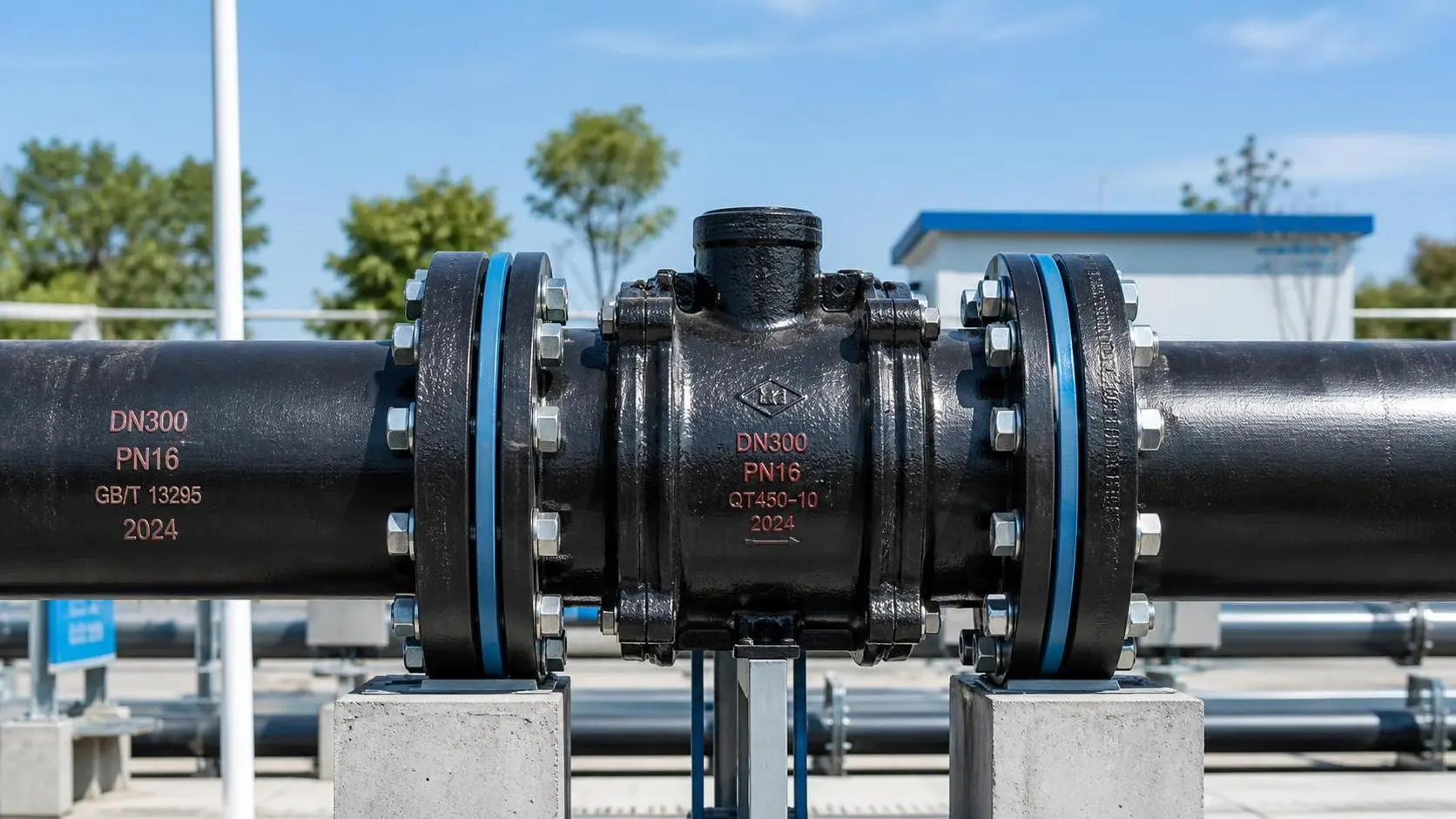
How Pipe Fittings Material and Pressure Class Affect Water Line Selection
Pipe fittings selection starts with material and pressure class. Learn how these factors affect water line reliability, corrosion resistance, installation, and long-term cost.
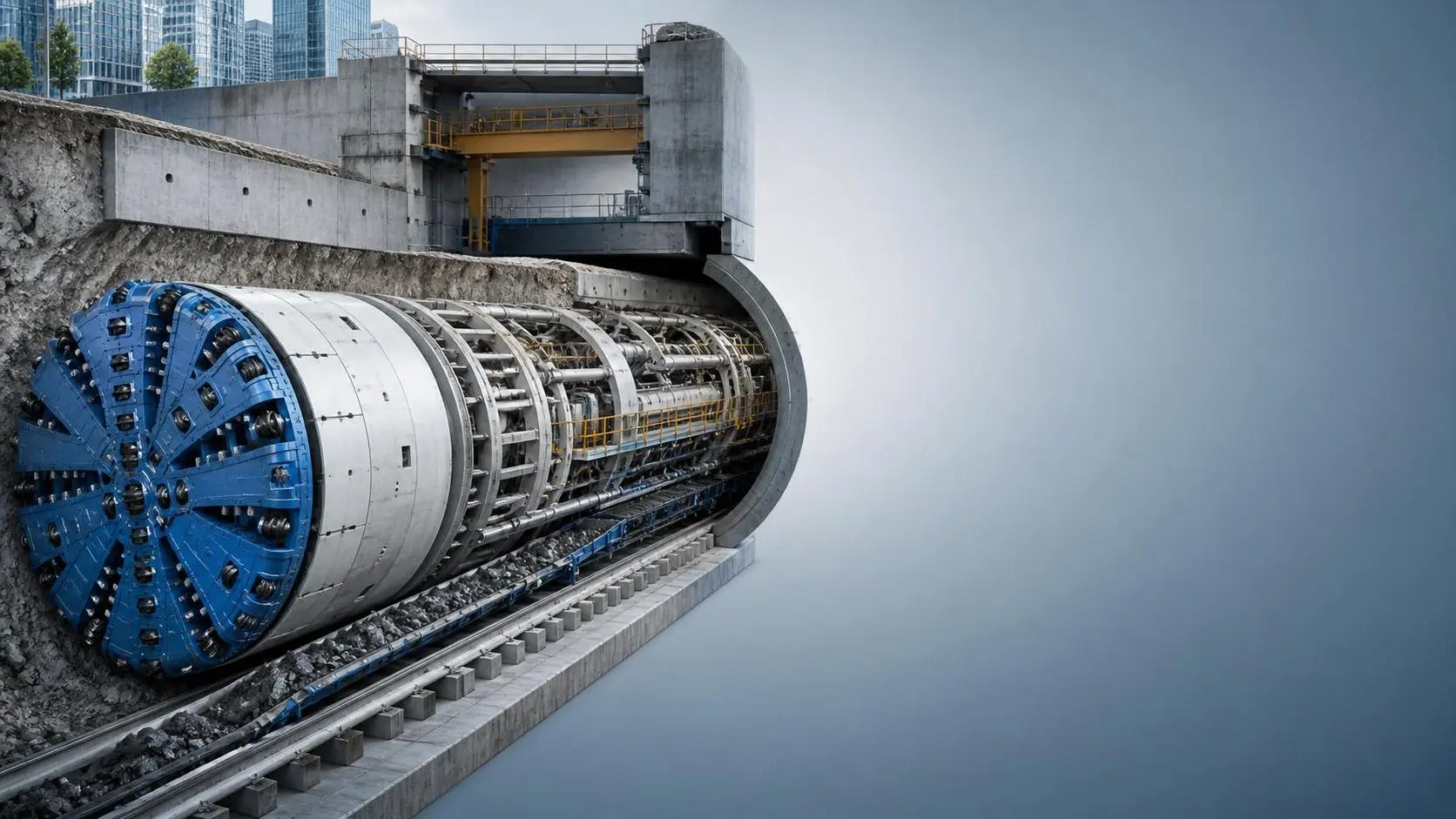
What Drives TBM Excavation Cost in Urban Tunneling Projects?
tbm excavation cost in urban tunneling depends on geology, shafts, segment lining, logistics, and risk. Discover the key cost drivers and compare bids with greater confidence.
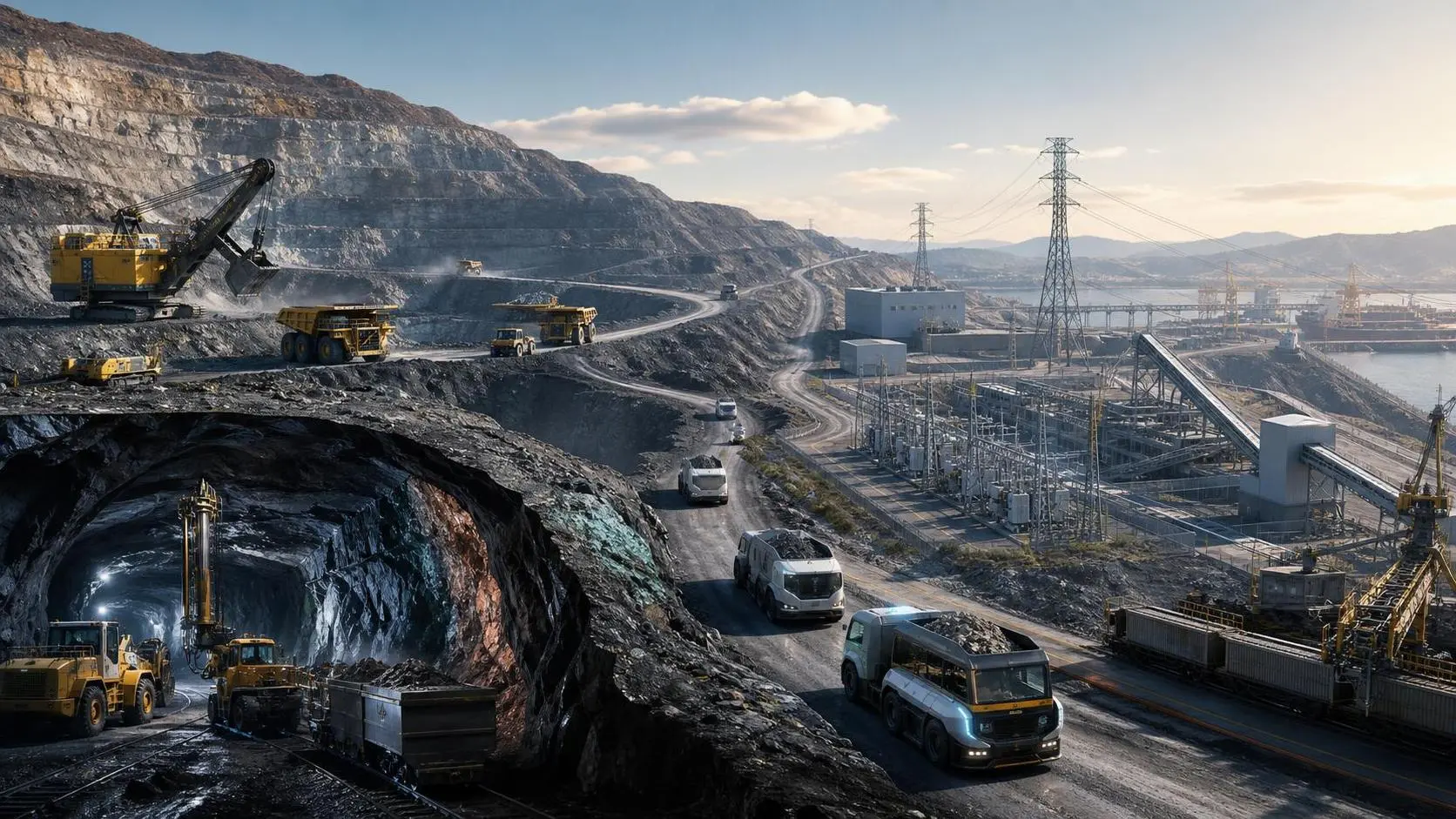
What Does Energy Metals Mining in Australia Mean for Supply, Cost, and Project Risk?
Energy metals mining Australia is reshaping supply, cost, and project risk. Discover what it means for buyers, investors, and operators.
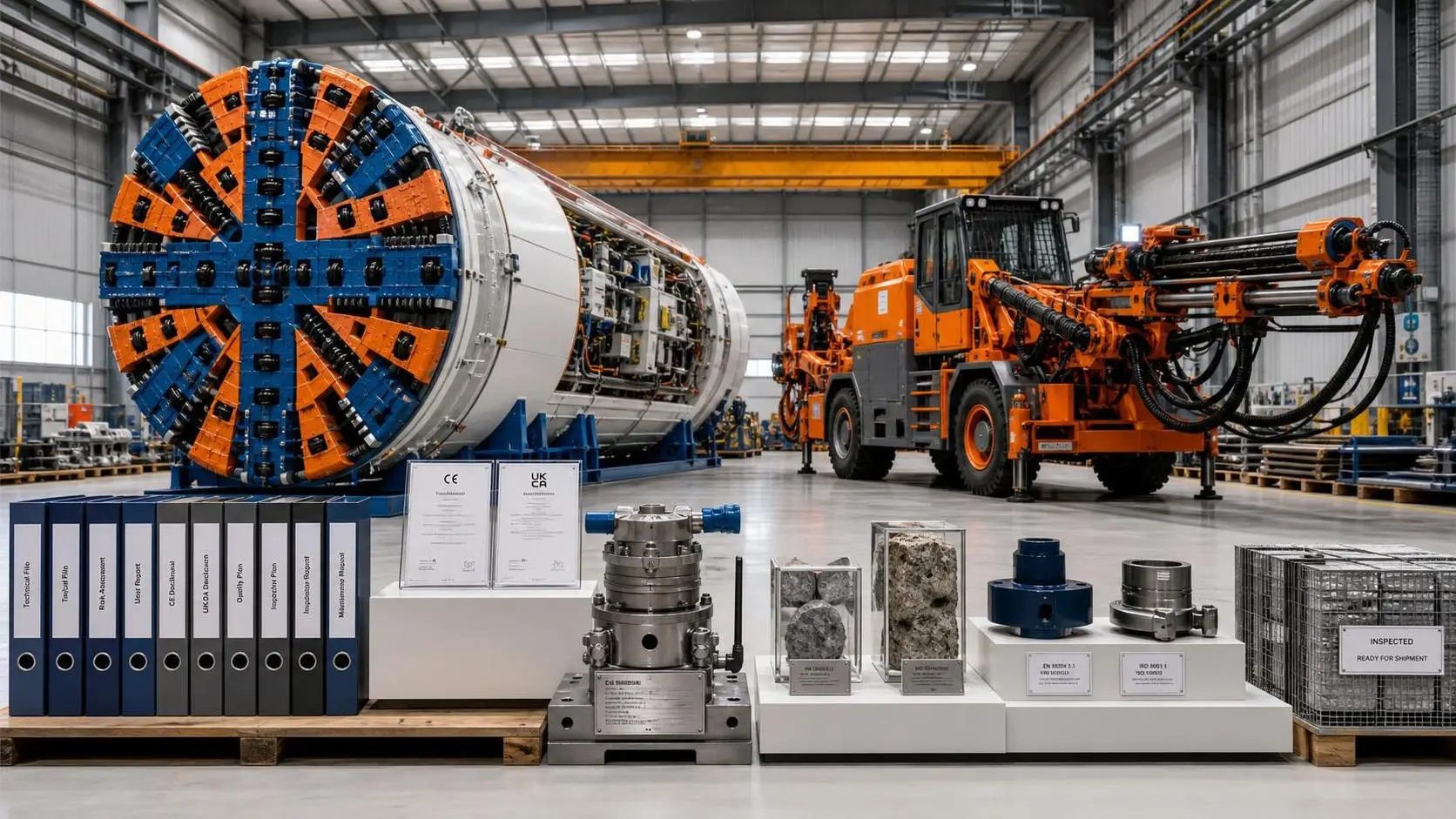
EU Eases Dual CE and UKCA Path for Chinese Tunnel Boring Equipment
EU eases CE and UKCA certification for Chinese tunnel boring equipment, cutting compliance time and helping importers move faster.
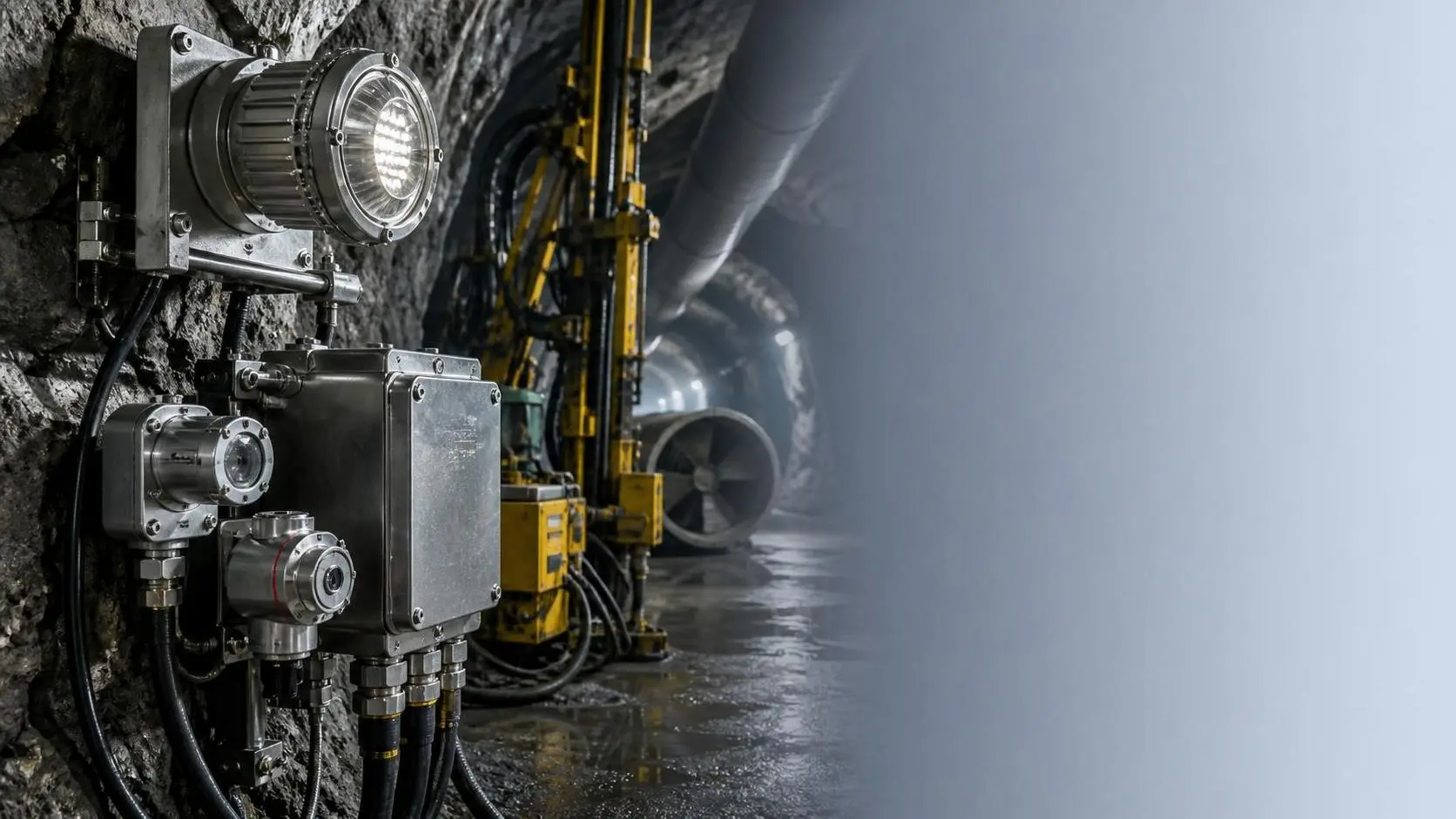
Flameproof Underground Safety Equipment: What Mine Teams Should Check Before Buying
Underground Safety Equipment flameproof buying guide: learn how mine teams should verify certification, durability, serviceability, and supplier support before purchase.
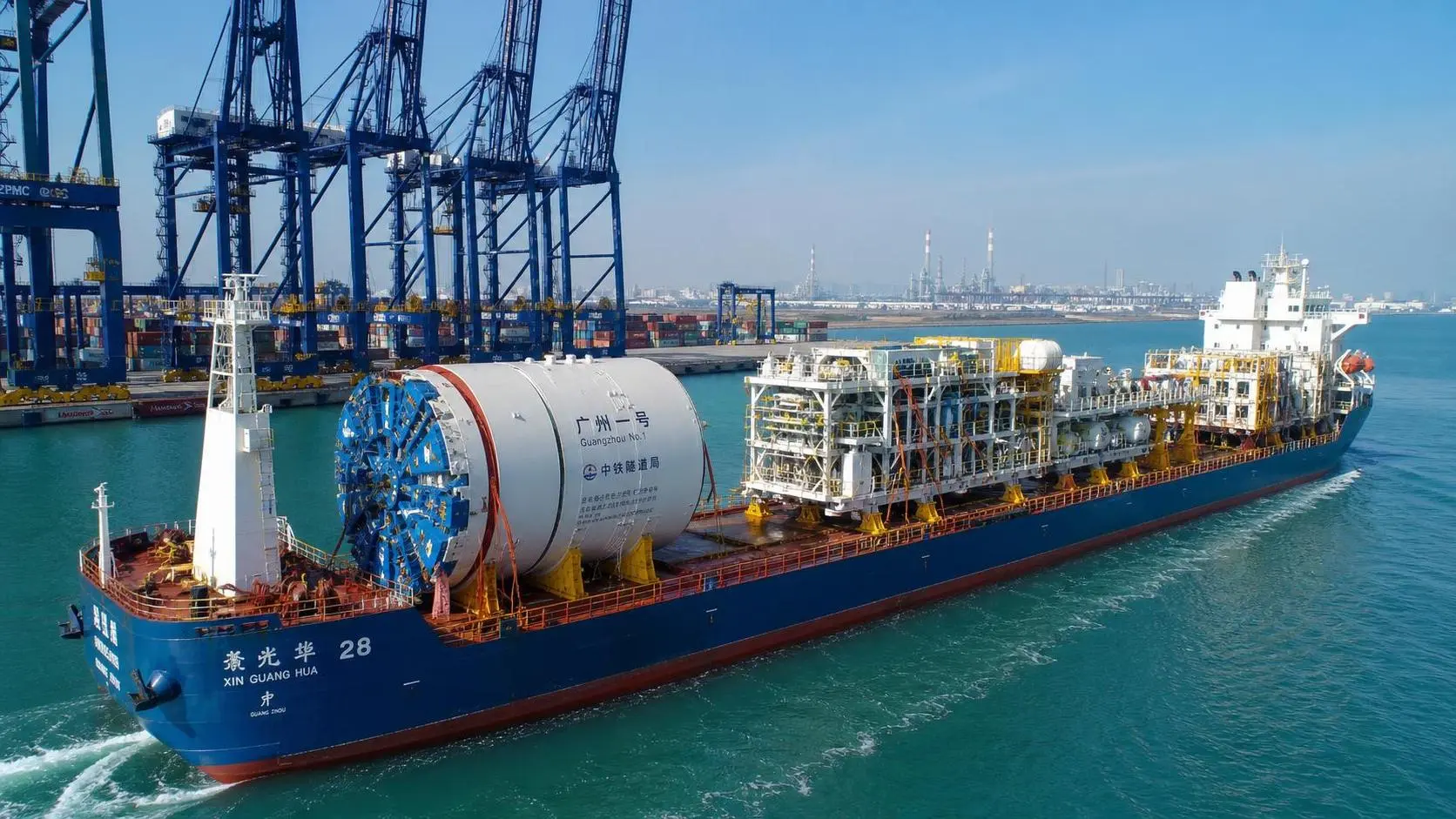
China-UAE Direct Sea Route Cuts TBM and Large Tunneling Equipment Lead Times
China-UAE direct sea route shortens TBM and large tunneling equipment lead times by 12–15 days, improving delivery predictability for major infrastructure projects. Read the full impact.
Related News
- 00
0000-00
How to Evaluate a Pipe Jacking Equipment Distributor for Project Support and Uptime - 00
0000-00
How to Build a Mining Decarbonization Strategy That Balances Emissions, Cost, and Fleet Reality - 00
0000-00
How to Evaluate Articulated Dump Trucks Payload for Haul Road Conditions and Cycle Efficiency - 00
0000-00
How Pipe Fittings Material and Pressure Class Affect Water Line Selection - 00
0000-00
What Drives TBM Excavation Cost in Urban Tunneling Projects?
Weekly Insights
Stay ahead with our curated technology reports delivered every Monday.