
Red Sea-Suez Delays Push MT Buyers Toward Local Assembly





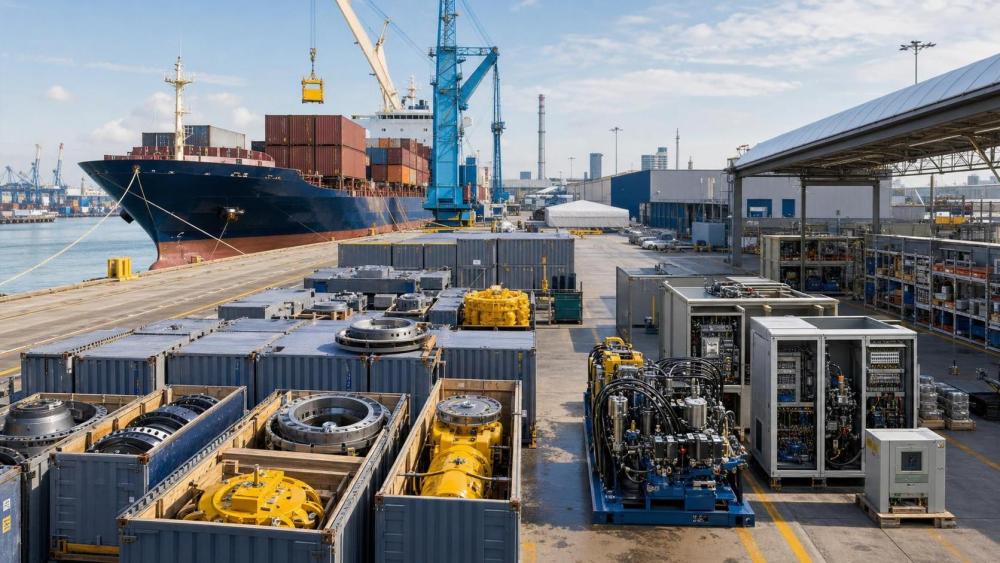
On July 6, 2026, an update tied to port operations and shipping risk reassessment signaled that the Red Sea-Suez route has not returned to its prior operating efficiency for Europe-bound cargo. For the micro-tunnelling equipment trade, the immediate relevance is not only longer transit time but a change in how delivery obligations, procurement planning, technical handover, and after-sales support may be organized. With German and Dutch contractors already activating a model that combines direct supply of core components from China with local assembly of hydraulic and electrical control modules, exporters, buyers, and service providers now need to pay closer attention to execution requirements around shipment structure, documentation, and on-site response.
What the July 6 update confirms
According to the latest notice cited from the Hamburg Port Authority on July 6, continued channel-clearing work and insurance reassessment are still affecting vessel movement on the Red Sea-Suez route. As a result, traffic efficiency on that corridor remains below 65% of the 2025 average level.
The same update states that the average sea transit cycle for micro-tunnelling equipment containers has reached 58 days, an increase of 12 days. It also confirms that multiple engineering contractors in Germany and the Netherlands have started an emergency operating model based on direct supply of core components from China combined with local assembly of hydraulic and electrical control modules.
The confirmed implication in the source summary is that this shift is creating new requirements for the export structure of Chinese micro-tunnelling equipment and for after-sales response arrangements.
Where the pressure is likely to appear first
Delivery commitments are becoming harder for exporters to manage
From an industry perspective, exporters of micro-tunnelling equipment may be affected first because longer average transit time changes the practical basis for delivery scheduling. The impact is likely to appear in shipment planning, contract execution, packing structure, and coordination between core equipment and locally assembled modules. What deserves closer attention is whether existing documentation, technical lists, and delivery definitions are detailed enough to support split fulfillment without creating ambiguity at handover.
European buyers may shift procurement from complete units to modular sourcing
For buyers and contractors, the reported move toward local assembly suggests a procurement adjustment rather than a simple logistics delay. Analysis shows that the business impact may concentrate on tender interpretation, component-level purchasing, and verification of which parts must arrive from the original supplier and which can be assembled locally. In practice, this can increase attention on technical document consistency, supplier qualification review, and responsibility boundaries between imported core parts and locally integrated systems.
After-sales and service coordination may become part of the trade decision
Service providers and project operators may also face pressure because a locally assembled configuration can change how response time, troubleshooting, and quality traceability are organized. Observably, the issue is no longer limited to freight duration. It may extend to spare parts readiness, technical support interfaces, and the ability to identify whether a fault relates to the supplied core component or the locally assembled hydraulic or electrical control module.
Practical points companies should now monitor
Check whether current technical and trade files support split delivery
Analysis shows that suppliers should review whether product lists, packing documentation, technical manuals, and acceptance-related materials are structured clearly enough for an arrangement where core components are shipped from China while selected modules are assembled locally. The current input does not provide formal execution rules, so this should be treated as a practical review point rather than a confirmed new requirement.
Watch for changes in tender wording and buyer-side specifications
What deserves closer attention is whether procurement documents begin to reflect the emergency model already described in the update. Companies involved in bidding or specification alignment should monitor whether buyers start distinguishing more explicitly between core equipment supply, local integration scope, and post-delivery support responsibilities. This is especially relevant where delivery timing and technical responsibility are closely linked.
Prepare for tighter expectations on service response and traceability
Observably, the source summary already points to new demands on after-sales response. Companies should therefore examine whether their current service arrangements, fault-reporting records, and component traceability files are sufficient for a supply model that combines cross-border shipment with local assembly. The available facts do not confirm a new formal compliance rule, but they do indicate a higher execution threshold in customer expectations.
Reassess procurement timing under a longer shipping cycle
From an industry perspective, an average sea transit cycle of 58 days changes the working assumptions behind procurement timing and delivery buffers. Buyers, distributors, and supply chain service firms should pay attention to whether current order timing, milestone planning, and component sequencing still fit project schedules when route efficiency remains below the earlier benchmark cited in the update.
Why this looks like an execution signal rather than a settled rule set
Analysis shows that this development is better understood as an execution signal emerging from logistics and insurance conditions than as a fully defined new regulatory framework. The confirmed facts point to slower route recovery and an operational response by contractors. They do not, on their own, establish a new formal certification regime, a published legal mandate, or a finalized procurement standard.
At the same time, the signal is meaningful because it shows how trade conditions can quickly reshape purchasing structure and supplier expectations. That is why the market should continue to watch for follow-on changes in procurement language, technical acceptance practice, after-sales obligations, and any official clarification that could turn this operating adjustment into a more standardized requirement.
How the market should read this development for now
At this stage, the event is best read as a concrete change in execution conditions for the micro-tunnelling equipment trade on the Asia-Europe corridor. The route has not recovered to the earlier operating level cited in the update, transit time has lengthened, and some European contractors have already adjusted sourcing and assembly practice. That combination matters because it affects how export packages are structured and how service commitments are judged.
A neutral reading is that the development does not yet prove a permanent market rule, but it does indicate that delivery, documentation, and service arrangements may face closer scrutiny in the near term. For companies active in this segment, the priority is not broad speculation but close monitoring of buyer requirements and actual execution changes.
Basis of this article and points still requiring verification
This article is based on the user-provided news title, event date, and event summary. For events of this type, relevant source categories commonly include official port notices, releases from regulatory or supervisory bodies, customs or trade authority information, industry association updates, standards organization documents, and reporting from established professional media.
No specific official source link was provided in the input, so the underlying source path still requires ongoing verification. Further observation is also needed on any detailed implementation language, certification-related interpretation, procurement document changes, industry feedback, and how companies ultimately execute local assembly and after-sales arrangements in response to the longer shipping cycle.
Related News

How to Evaluate a Pipe Jacking Equipment Distributor for Project Support and Uptime
Pipe jacking equipment distributor evaluation made practical: learn how to assess parts support, service response, training, and technical readiness to reduce downtime and protect project uptime.

How to Build a Mining Decarbonization Strategy That Balances Emissions, Cost, and Fleet Reality
Mining decarbonization strategy starts with fleet reality. Learn how to cut emissions, control cost, and align power, ventilation, and production for a practical mine transition.

How to Evaluate Articulated Dump Trucks Payload for Haul Road Conditions and Cycle Efficiency
Articulated Dump Trucks payload evaluation starts with real haul road conditions, not brochure numbers. Learn how to balance payload, traction, grades, and cycle efficiency for safer, higher output.
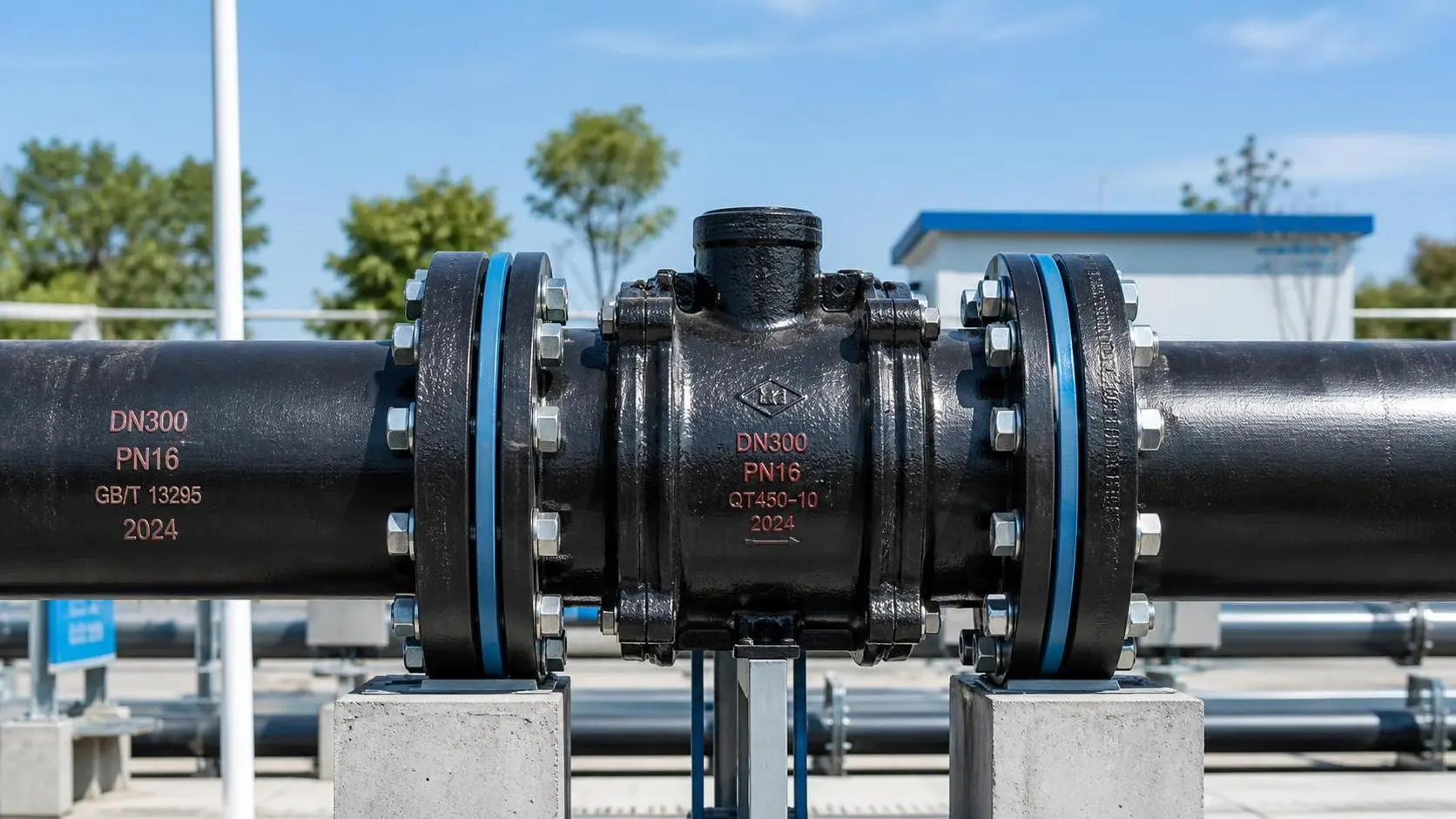
How Pipe Fittings Material and Pressure Class Affect Water Line Selection
Pipe fittings selection starts with material and pressure class. Learn how these factors affect water line reliability, corrosion resistance, installation, and long-term cost.

What Drives TBM Excavation Cost in Urban Tunneling Projects?
tbm excavation cost in urban tunneling depends on geology, shafts, segment lining, logistics, and risk. Discover the key cost drivers and compare bids with greater confidence.

What Does Energy Metals Mining in Australia Mean for Supply, Cost, and Project Risk?
Energy metals mining Australia is reshaping supply, cost, and project risk. Discover what it means for buyers, investors, and operators.

EU Eases Dual CE and UKCA Path for Chinese Tunnel Boring Equipment
EU eases CE and UKCA certification for Chinese tunnel boring equipment, cutting compliance time and helping importers move faster.

Flameproof Underground Safety Equipment: What Mine Teams Should Check Before Buying
Underground Safety Equipment flameproof buying guide: learn how mine teams should verify certification, durability, serviceability, and supplier support before purchase.
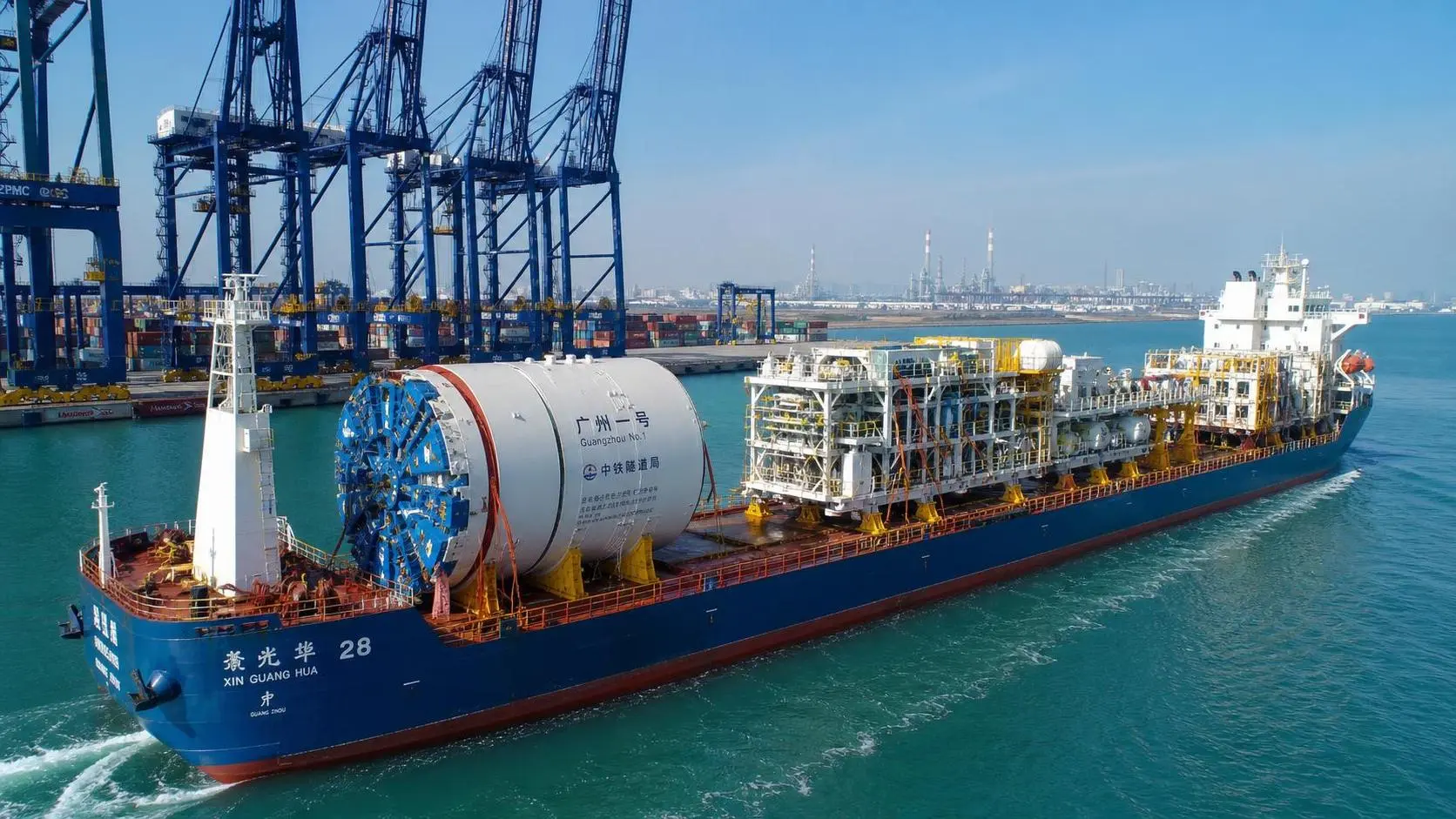
China-UAE Direct Sea Route Cuts TBM and Large Tunneling Equipment Lead Times
China-UAE direct sea route shortens TBM and large tunneling equipment lead times by 12–15 days, improving delivery predictability for major infrastructure projects. Read the full impact.
Related News
- 00
0000-00
How to Evaluate a Pipe Jacking Equipment Distributor for Project Support and Uptime - 00
0000-00
How to Build a Mining Decarbonization Strategy That Balances Emissions, Cost, and Fleet Reality - 00
0000-00
How to Evaluate Articulated Dump Trucks Payload for Haul Road Conditions and Cycle Efficiency - 00
0000-00
How Pipe Fittings Material and Pressure Class Affect Water Line Selection - 00
0000-00
What Drives TBM Excavation Cost in Urban Tunneling Projects?
Weekly Insights
Stay ahead with our curated technology reports delivered every Monday.