
Australia Sets New Battery LHD Entry Test Threshold





On July 6, 2026, Standards Australia confirmed that AS/NZS 62271-200:2026 for underground lithium-powered loading equipment will become mandatory on October 1, 2026. The confirmed change is highly relevant to Battery LHD manufacturers, exporters, testing providers, mine equipment buyers, and compliance teams because market access in Australia will now be tied to a specific thermal runaway propagation blocking result, third-party laboratory testing, and the ability to secure DMR entry approval.
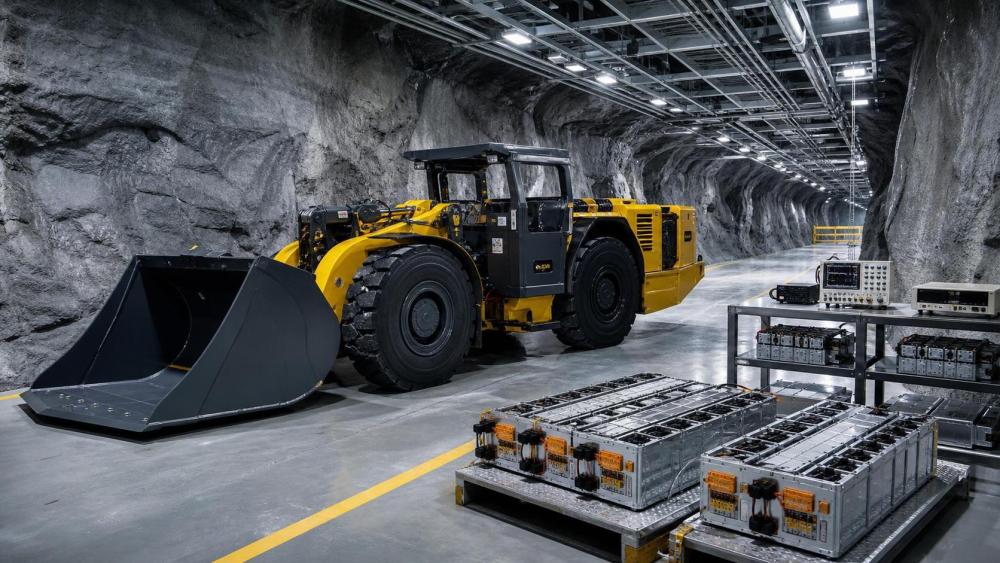
What the confirmed standard change requires
According to the provided information, the new AS/NZS 62271-200:2026 will be enforced from October 1, 2026. It introduces, for the first time, a hard entry requirement for Battery LHDs that the single-cell thermal runaway propagation blocking time must be at least 30 minutes. The required test must be completed by a third-party laboratory, with UL Australia and SGS Brisbane cited as examples. Products that do not meet the requirement will be unable to obtain entry approval from the Australian mine safety authority, DMR.
Where the compliance pressure is likely to appear first
Product qualification will move closer to the sales gate
From an industry perspective, Battery LHD manufacturers and exporters are the first group likely to feel the impact because the new requirement is tied directly to market entry. What deserves closer attention is that compliance is no longer limited to general technical claims; it now depends on whether the product can pass a specified thermal runaway propagation blocking test in a third-party laboratory and support the approval process required for access to the Australian market.
Procurement and bid review may become more document-driven
Buyers, project procurement teams, and distributors may also face practical changes. Analysis shows that once a hard threshold is written into a mandatory standard, procurement reviews, technical bid alignment, and delivery acceptance are more likely to focus on whether test reports, technical documents, and approval-related materials can demonstrate conformity. For market participants, the issue is not only product availability, but also whether compliance evidence can be presented in time for project review and delivery planning.
Testing and certification support functions gain operational importance
Testing service providers and certification-related service firms are likely to become more important in the transaction chain. Observably, the requirement that testing be carried out in a third-party laboratory means that laboratory scheduling, report readiness, and document consistency may affect product launch timing, shipment preparation, and approval coordination. This does not establish a confirmed market outcome, but it clearly raises the operational value of testing capacity and compliance support.
Points companies should track before the rule takes effect
Review whether current product files support the new threshold
Analysis shows that companies involved with Battery LHD supply to Australia should first check whether existing technical files, validation materials, and product claims can support the confirmed requirement of at least 30 minutes of single-cell thermal runaway propagation blocking time. Where supporting evidence is incomplete, the immediate issue is not market messaging but document and test readiness.
Prepare for third-party laboratory coordination early
What deserves closer attention is the third-party testing condition itself. Because the provided information explicitly states that the test must be completed in a third-party laboratory, companies should closely track laboratory booking, report issuance timing, and the completeness of supporting materials needed for downstream approval and customer review. The input does not provide execution detail beyond this point, so this should be understood as a practical compliance watchpoint rather than a confirmed procedural outcome.
Check contract, tender, and delivery documents for wording changes
From an industry perspective, companies should also watch for changes in tender specifications, procurement clauses, acceptance conditions, and delivery documentation linked to Australia-bound Battery LHD business. If project documents begin to mirror the mandatory standard wording, suppliers may need to align technical submissions and supporting records more tightly with the new threshold and test basis.
Keep approval and after-sales traceability in view
Observably, the rule change is not only a pre-sale issue. For companies already planning shipments or ongoing supply activity, attention should also stay on approval-related materials, product traceability, and post-delivery documentation management. The supplied information does not define additional enforcement details, so the appropriate step is continued monitoring rather than assuming a settled implementation pattern.
Why this should be read as an execution signal
Analysis shows that this update is more than a general safety discussion because it links a defined technical threshold, mandatory timing, third-party testing, and DMR entry approval into one compliance path. It is more appropriate to understand this as a rule implementation signal with direct market-access consequences, while still recognizing that some execution details, document practices, and market responses may only become clearer as companies, laboratories, and buyers begin applying the requirement in practice.
How to read the current significance of the change
At this stage, the most balanced reading is that the Australian market has moved from a broader equipment safety expectation to a more explicit entry requirement for Battery LHD thermal runaway propagation performance. The confirmed facts already indicate a real compliance threshold tied to access approval. At the same time, the wider commercial effects on procurement timing, supplier qualification, and delivery rhythm are still better treated as developing impacts that require observation rather than fixed conclusions.
Basis of this article and what still needs verification
This article is generated based on the user-provided news title, event date, and event summary. For this type of development, relevant source categories commonly include official announcements, regulatory releases, industry association information, standards organization documents, trade or customs authority information, and reporting by authoritative media. A specific official source link was not provided in the input, so continued verification is still necessary. What should be monitored next includes any detailed implementation wording, certification and approval practice, changes in tender documents, industry feedback, and how companies execute against the new requirement in actual projects and deliveries.
Related News
How to Evaluate a Pipe Jacking Equipment Distributor for Project Support and Uptime
Pipe jacking equipment distributor evaluation made practical: learn how to assess parts support, service response, training, and technical readiness to reduce downtime and protect project uptime.
How to Build a Mining Decarbonization Strategy That Balances Emissions, Cost, and Fleet Reality
Mining decarbonization strategy starts with fleet reality. Learn how to cut emissions, control cost, and align power, ventilation, and production for a practical mine transition.

How to Evaluate Articulated Dump Trucks Payload for Haul Road Conditions and Cycle Efficiency
Articulated Dump Trucks payload evaluation starts with real haul road conditions, not brochure numbers. Learn how to balance payload, traction, grades, and cycle efficiency for safer, higher output.
How Pipe Fittings Material and Pressure Class Affect Water Line Selection
Pipe fittings selection starts with material and pressure class. Learn how these factors affect water line reliability, corrosion resistance, installation, and long-term cost.
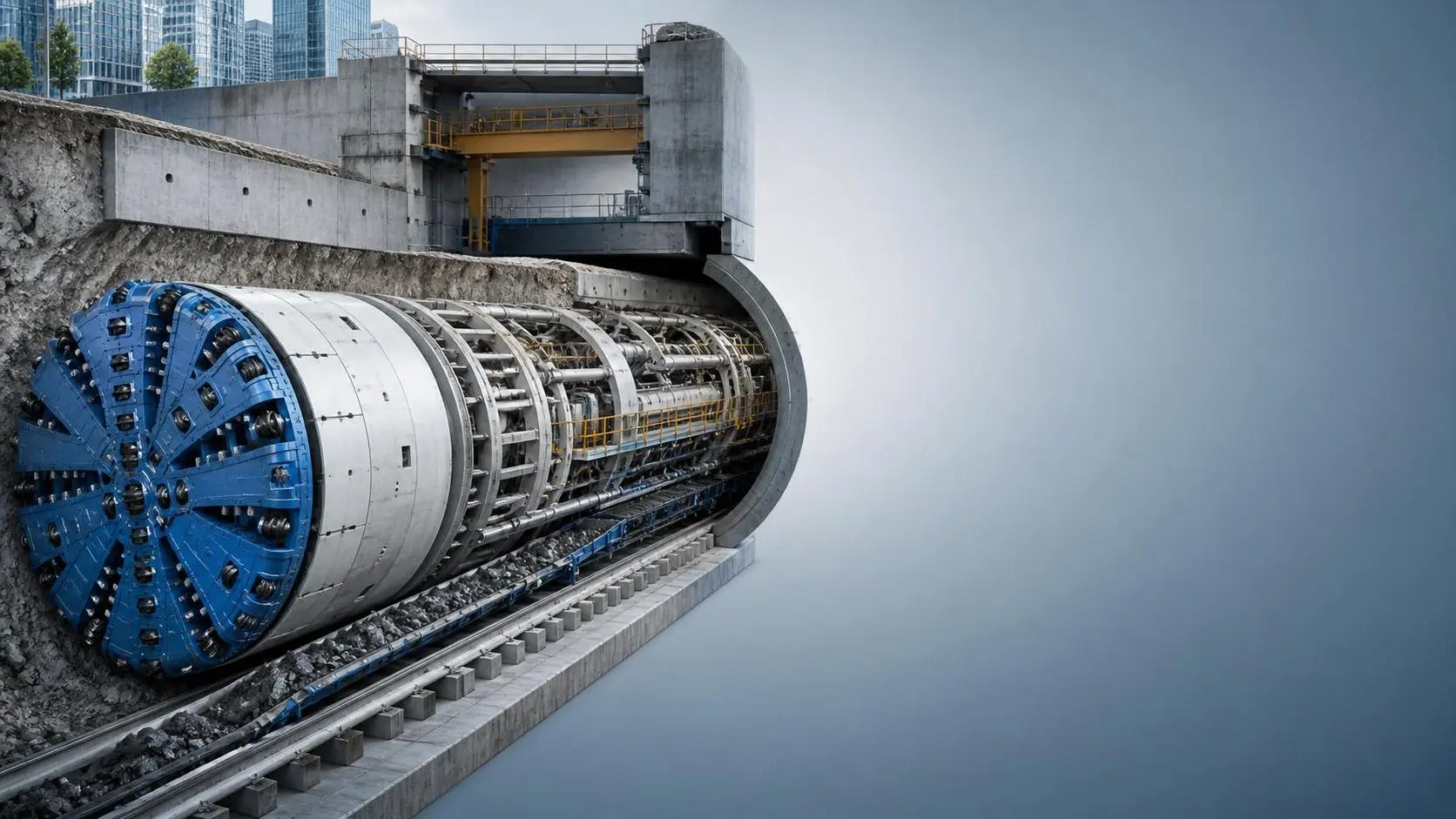
What Drives TBM Excavation Cost in Urban Tunneling Projects?
tbm excavation cost in urban tunneling depends on geology, shafts, segment lining, logistics, and risk. Discover the key cost drivers and compare bids with greater confidence.

What Does Energy Metals Mining in Australia Mean for Supply, Cost, and Project Risk?
Energy metals mining Australia is reshaping supply, cost, and project risk. Discover what it means for buyers, investors, and operators.
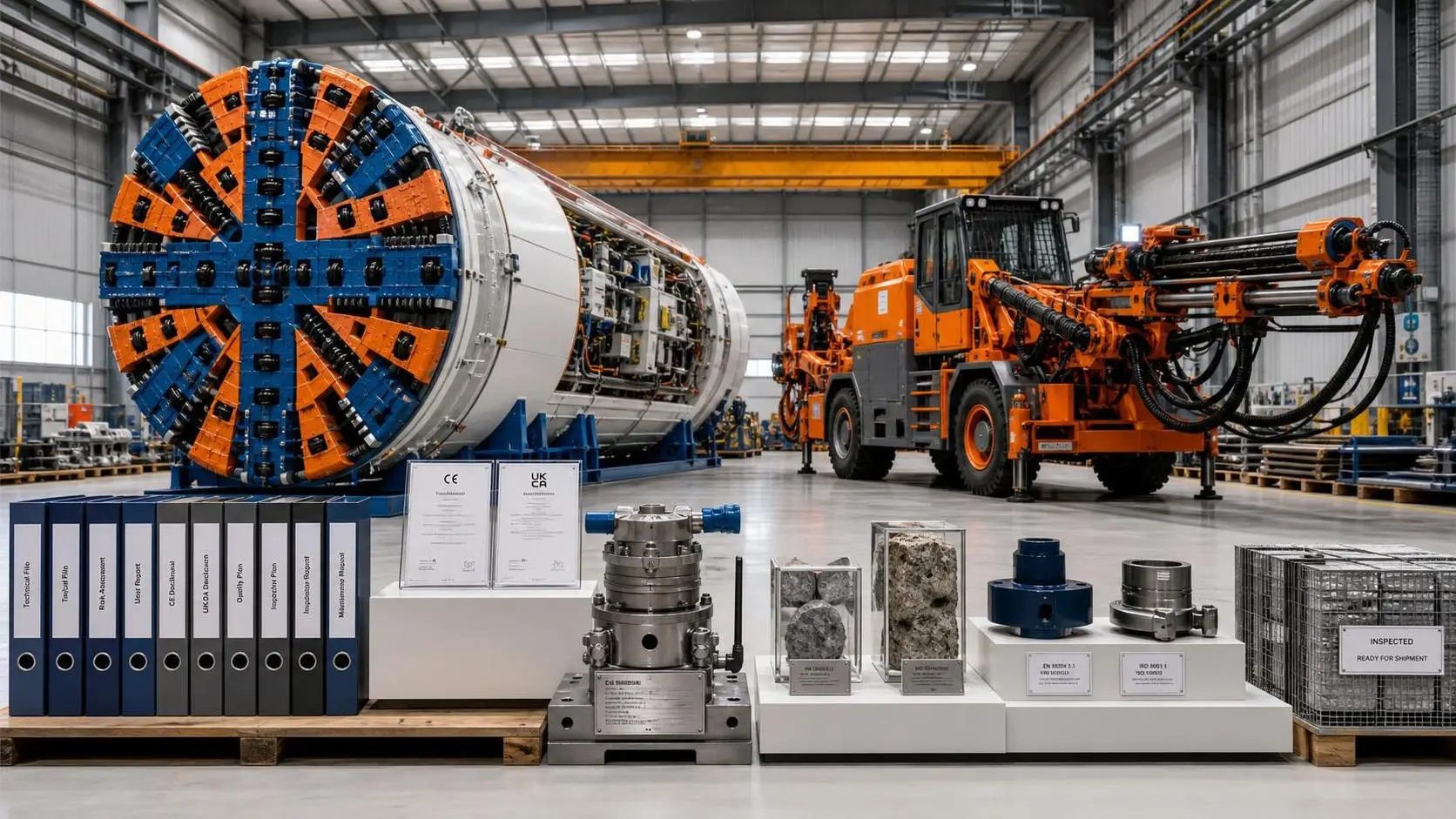
EU Eases Dual CE and UKCA Path for Chinese Tunnel Boring Equipment
EU eases CE and UKCA certification for Chinese tunnel boring equipment, cutting compliance time and helping importers move faster.
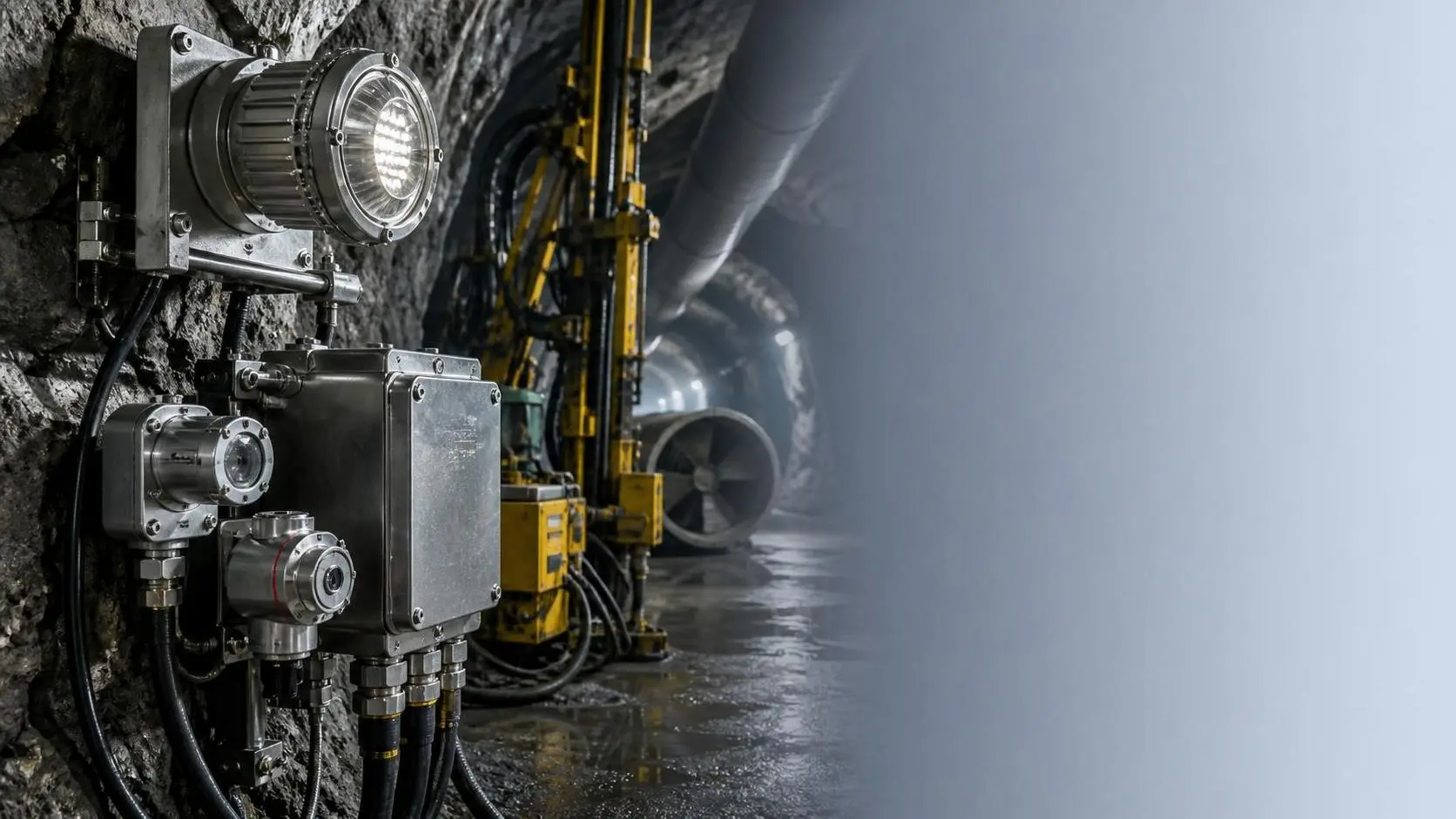
Flameproof Underground Safety Equipment: What Mine Teams Should Check Before Buying
Underground Safety Equipment flameproof buying guide: learn how mine teams should verify certification, durability, serviceability, and supplier support before purchase.
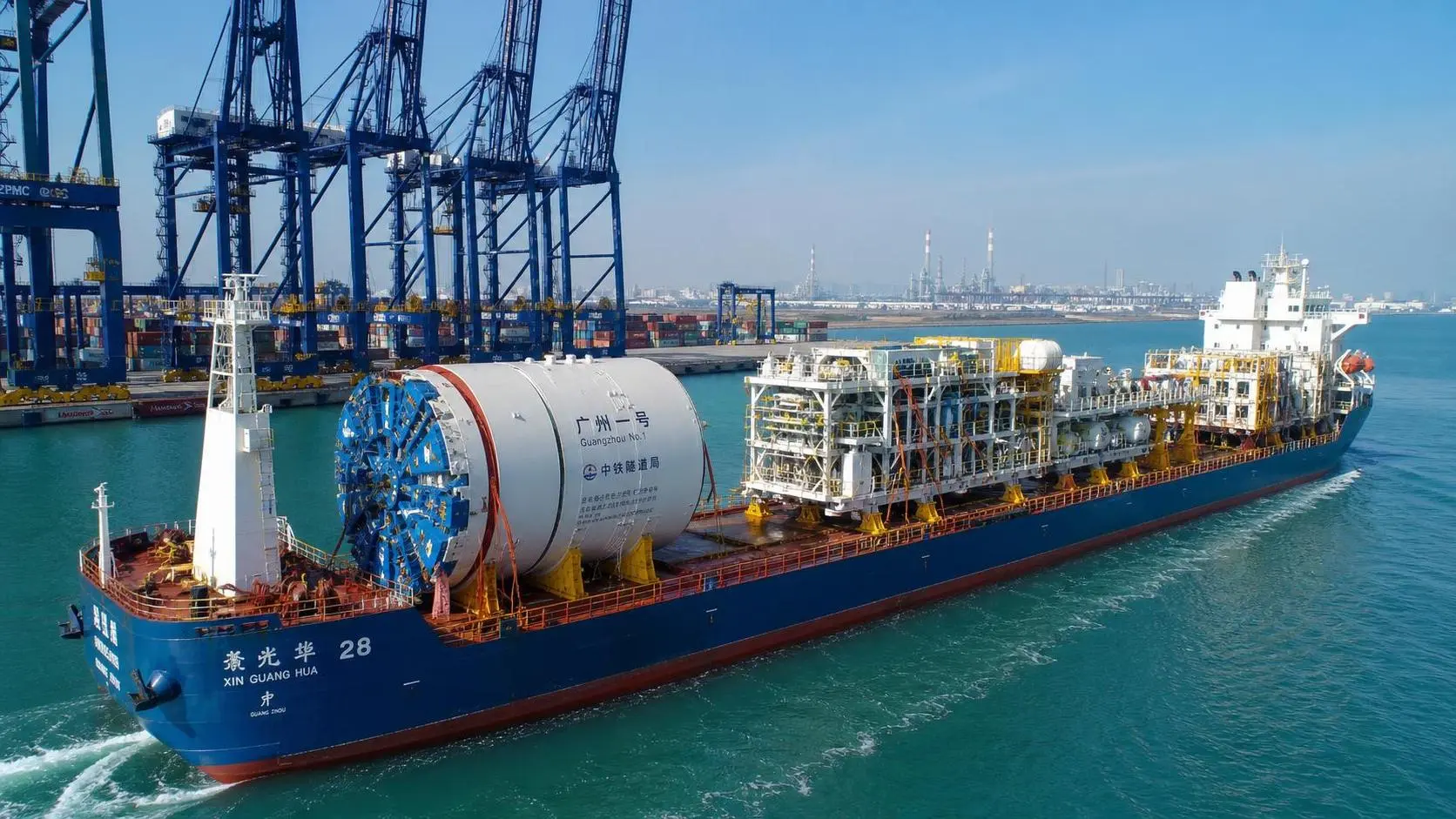
China-UAE Direct Sea Route Cuts TBM and Large Tunneling Equipment Lead Times
China-UAE direct sea route shortens TBM and large tunneling equipment lead times by 12–15 days, improving delivery predictability for major infrastructure projects. Read the full impact.
Related News
- 00
0000-00
How to Evaluate a Pipe Jacking Equipment Distributor for Project Support and Uptime - 00
0000-00
How to Build a Mining Decarbonization Strategy That Balances Emissions, Cost, and Fleet Reality - 00
0000-00
How to Evaluate Articulated Dump Trucks Payload for Haul Road Conditions and Cycle Efficiency - 00
0000-00
How Pipe Fittings Material and Pressure Class Affect Water Line Selection - 00
0000-00
What Drives TBM Excavation Cost in Urban Tunneling Projects?
Weekly Insights
Stay ahead with our curated technology reports delivered every Monday.