
How to Evaluate a Tunnel Engineering Equipment Manufacturer for Large Projects





What really matters when evaluating a tunnel engineering equipment manufacturer?
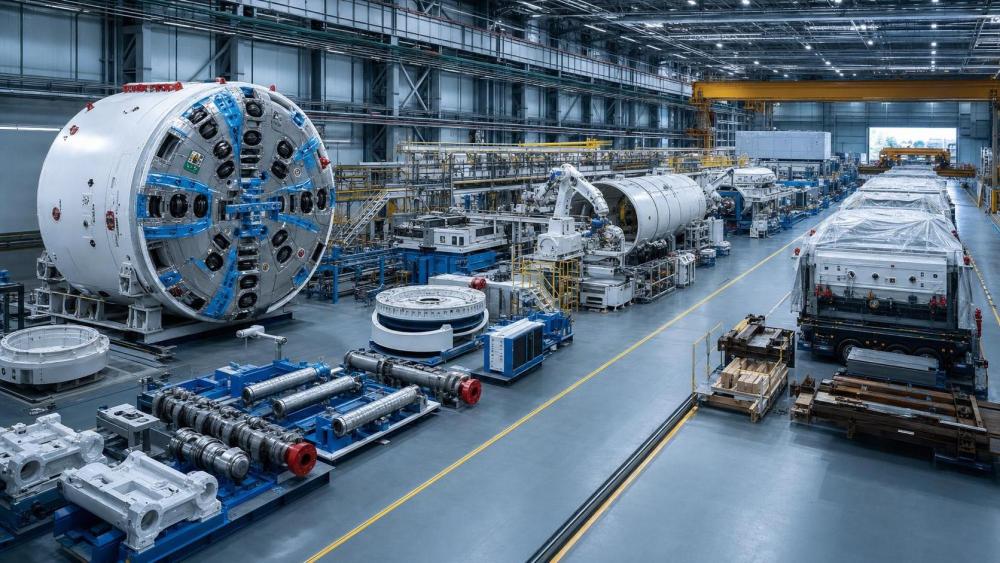
Choosing a tunnel engineering equipment manufacturer for a large project is rarely a simple price comparison.
The deeper the tunnel, the tighter the city corridor, or the harsher the rock, the more expensive a wrong decision becomes.
That is why buyers usually look beyond brochures and ask a harder question.
Can this supplier deliver reliable machines, support them under pressure, and keep the project moving when ground conditions change?
In practical terms, a qualified tunnel engineering equipment manufacturer should prove strength in engineering, production, commissioning, spare parts, and field troubleshooting.
This applies across TBMs, pipe jacking systems, drilling jumbos, and connected underground haulage equipment.
Industry observers such as UTMD track these categories closely because underground projects fail for predictable reasons.
Common causes include cutter wear misjudgment, poor geology matching, weak automation integration, and delayed support after startup.
So the first screening rule is straightforward.
Do not evaluate a tunnel engineering equipment manufacturer only by installed power, headline diameter, or unit price.
Evaluate the manufacturer as a long-cycle delivery partner tied to schedule, safety, and asset utilization.
How can you tell whether technical capability is real or just well presented?
The fastest way is to connect design claims with real operating conditions.
A tunnel engineering equipment manufacturer should explain how the machine fits rock strength, abrasiveness, groundwater, curve radius, ventilation limits, and muck handling constraints.
If those answers stay vague, the risk is already visible.
For a TBM, ask about cutterhead design logic, disc cutter consumption assumptions, thrust reserve, torque margin, and segment erection reliability.
For pipe jacking equipment, focus on alignment control, jacking force management, slurry or spoil removal, and settlement control experience.
For drill-and-blast support equipment, review drilling accuracy, hydraulic stability, boom control, and spare parts compatibility.
More advanced projects now also ask about electrification, remote diagnostics, and automation interfaces.
That trend is especially relevant in confined underground spaces where zero-emission operation and data visibility matter more each year.
A credible tunnel engineering equipment manufacturer will usually provide evidence in three layers.
- Reference projects with similar geology, diameter, depth, or urban restrictions.
- Design calculations and component selection logic, not only generic drawings.
- Measured field data on penetration rate, wear, downtime, and maintenance intervals.
When a supplier can connect engineering choices to operating evidence, the evaluation becomes much more reliable.
Which comparison points separate a dependable supplier from a risky one?
A structured comparison table helps because many risks hide behind similar-looking proposals.
The points below are often more useful than broad claims about quality or innovation.
This is where a tunnel engineering equipment manufacturer can either reduce uncertainty or create it.
A polished presentation matters far less than traceable evidence.
Is lifecycle support more important than the initial machine specification?
On large underground jobs, very often yes.
A strong machine with weak support can become a scheduling problem within weeks.
Large projects usually face variable geology, component fatigue, crew learning curves, and interface issues with power, ventilation, or segment systems.
What matters then is response speed.
Ask the tunnel engineering equipment manufacturer how they handle emergency parts dispatch, software updates, cutter inspections, hydraulic failures, and startup troubleshooting.
Need to replace a gearbox seal or control module underground?
The answer should include lead times, stocking strategy, and service presence near the project region.
Support quality is even more critical as equipment becomes electrified and connected.
UTMD often highlights the shift toward zero-emission and automated underground systems.
That shift changes the evaluation standard.
The tunnel engineering equipment manufacturer is no longer judged only by steel and hydraulics.
It is also judged by battery systems, sensing, telematics, firmware discipline, and control interoperability.
In other words, post-delivery capability now influences pre-award decisions much more than before.
Where do buyers misjudge cost, delivery, and project risk?
The most common mistake is treating the bid price as the real project cost.
Underground equipment economics are driven by uptime, wear rate, crew efficiency, and schedule stability.
A cheaper supplier can become more expensive when penetration drops or maintenance stops production.
Another weak point is delivery optimism.
A tunnel engineering equipment manufacturer may promise an attractive schedule, but major assemblies, sourced drives, and control systems can still delay shipment.
It helps to ask for milestone-based verification rather than a single delivery date.
- Factory design freeze date
- Long-lead component order status
- Assembly completion checkpoints
- Factory acceptance test scope
- Commissioning team mobilization plan
There is also a subtler risk.
Some teams compare machine specs without checking interface ownership.
Who is responsible for slurry separation links, segment handling compatibility, remote monitoring setup, or mine communication systems?
When ownership is unclear, disputes arrive exactly when the project can least absorb them.
What should a final shortlist review include before award?
At this stage, the goal is not more marketing information.
The goal is decision confidence.
A final review of any tunnel engineering equipment manufacturer should test whether claims remain strong under detailed questioning.
Useful review points usually include the following.
- Comparable project references, including failures and lessons learned.
- Critical component origin, redundancy, and replacement path.
- Documented compliance with local standards, safety rules, and environmental requirements.
- Training plan for operators, maintenance crews, and control room teams.
- Warranty boundaries, performance guarantees, and response-time commitments.
- Digital support readiness for remote diagnostics and condition monitoring.
In many cases, a site visit or factory audit is worth the effort.
It reveals whether the tunnel engineering equipment manufacturer runs disciplined production and quality control, or simply outsources complexity without visibility.
That distinction matters more on large projects than on standard equipment purchases.
So what is the smartest next step?
Start with a project-specific evaluation sheet rather than a generic vendor scorecard.
List geology, tunnel method, emissions constraints, automation needs, delivery milestones, and support expectations in one place.
Then test each tunnel engineering equipment manufacturer against those exact conditions.
This produces a more honest comparison than broad claims about market position.
For complex underground work, external intelligence also helps sharpen judgment.
UTMD is useful in that context because it follows TBMs, trenchless systems, drilling equipment, electrified mining transport, and the technical shifts shaping deep infrastructure.
That broader view makes it easier to identify whether a supplier fits the direction of the industry, not only the current tender.
A sound decision usually comes from three things combined.
Clear project requirements, evidence-based supplier comparison, and careful review of lifecycle support before award.
When those pieces are in place, the chosen tunnel engineering equipment manufacturer is far more likely to support schedule control, safer operations, and better long-term performance underground.
Related News
How to Evaluate a Pipe Jacking Equipment Distributor for Project Support and Uptime
Pipe jacking equipment distributor evaluation made practical: learn how to assess parts support, service response, training, and technical readiness to reduce downtime and protect project uptime.
How to Build a Mining Decarbonization Strategy That Balances Emissions, Cost, and Fleet Reality
Mining decarbonization strategy starts with fleet reality. Learn how to cut emissions, control cost, and align power, ventilation, and production for a practical mine transition.
How to Evaluate Articulated Dump Trucks Payload for Haul Road Conditions and Cycle Efficiency
Articulated Dump Trucks payload evaluation starts with real haul road conditions, not brochure numbers. Learn how to balance payload, traction, grades, and cycle efficiency for safer, higher output.
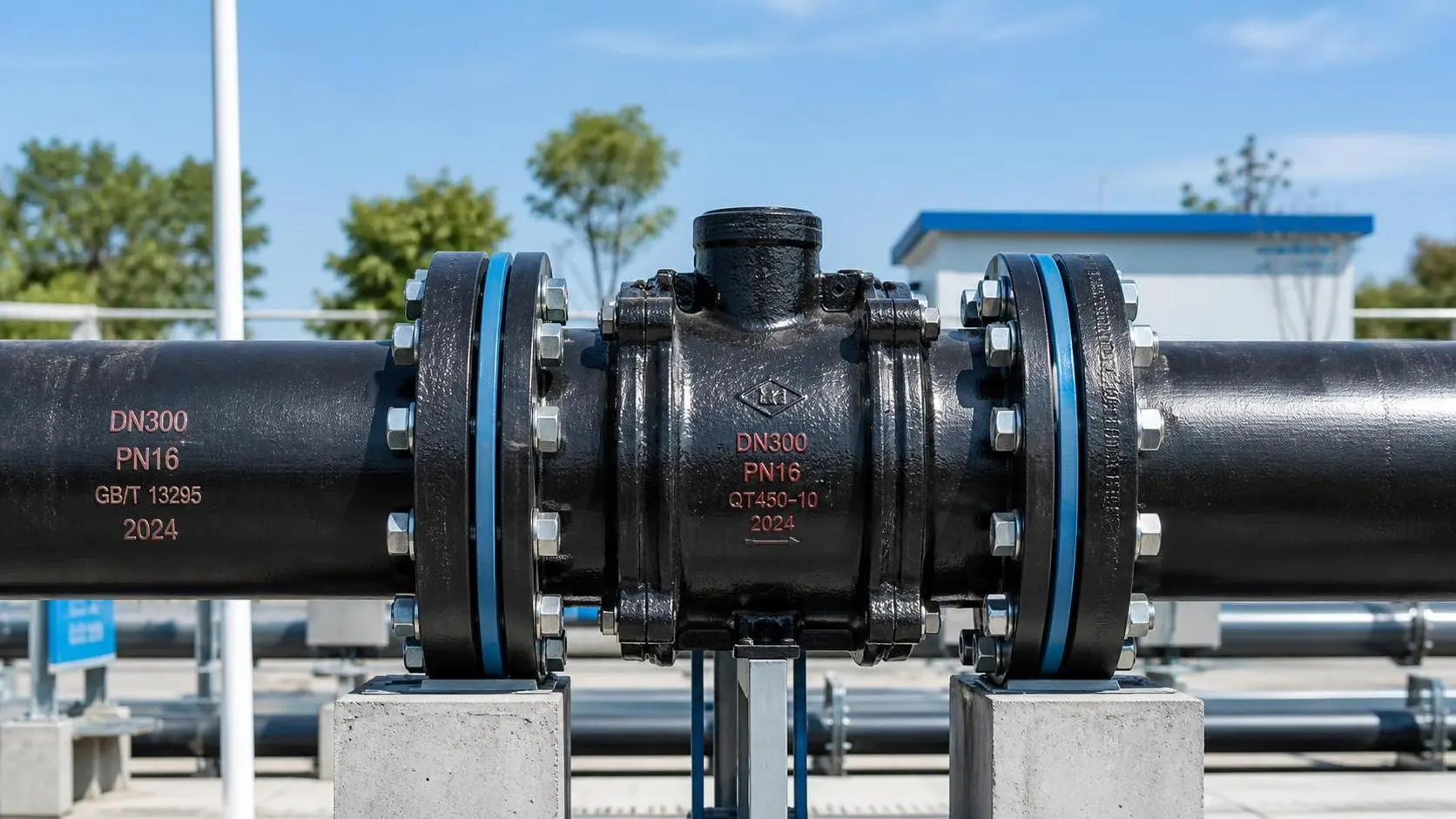
How Pipe Fittings Material and Pressure Class Affect Water Line Selection
Pipe fittings selection starts with material and pressure class. Learn how these factors affect water line reliability, corrosion resistance, installation, and long-term cost.
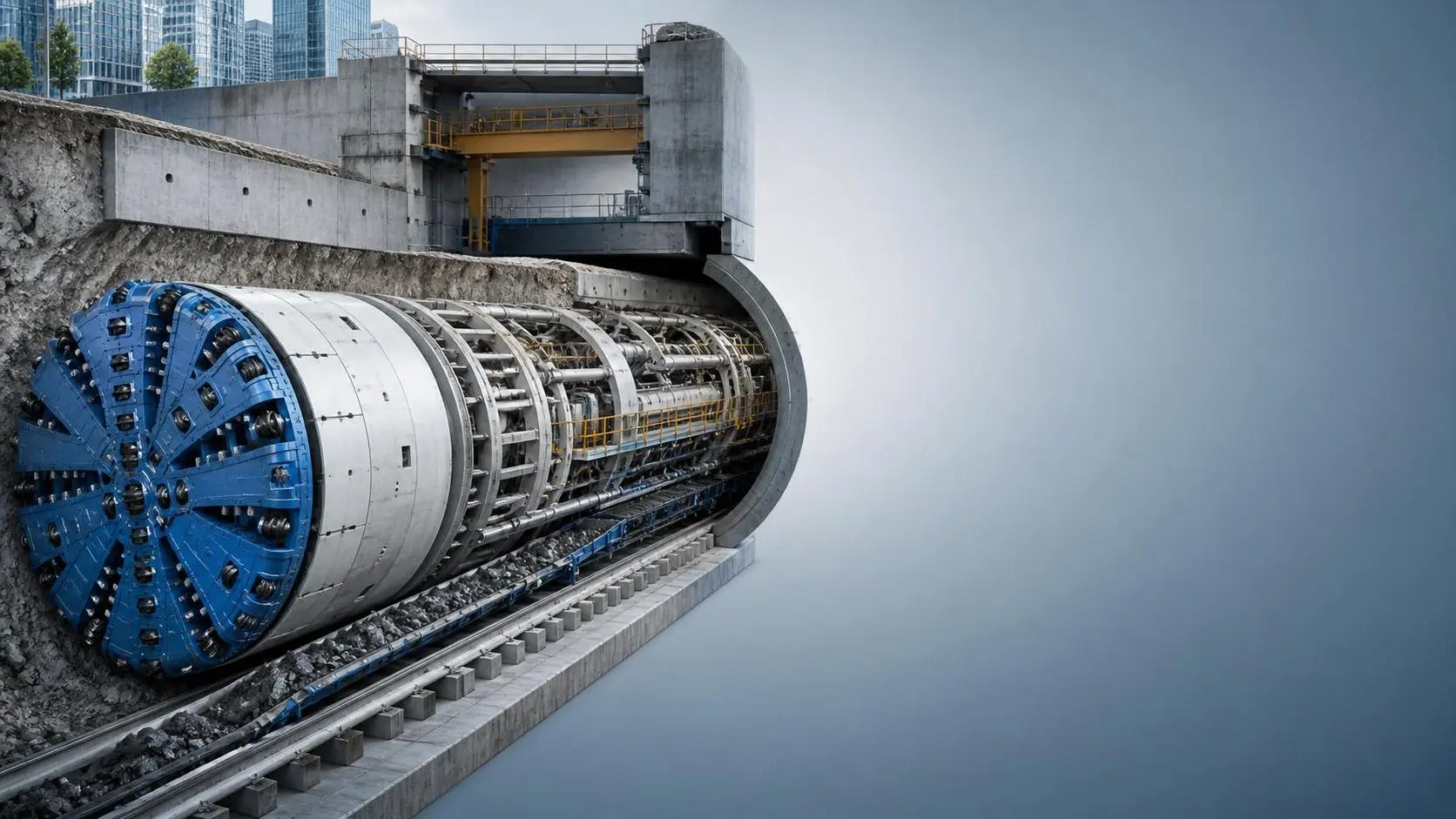
What Drives TBM Excavation Cost in Urban Tunneling Projects?
tbm excavation cost in urban tunneling depends on geology, shafts, segment lining, logistics, and risk. Discover the key cost drivers and compare bids with greater confidence.
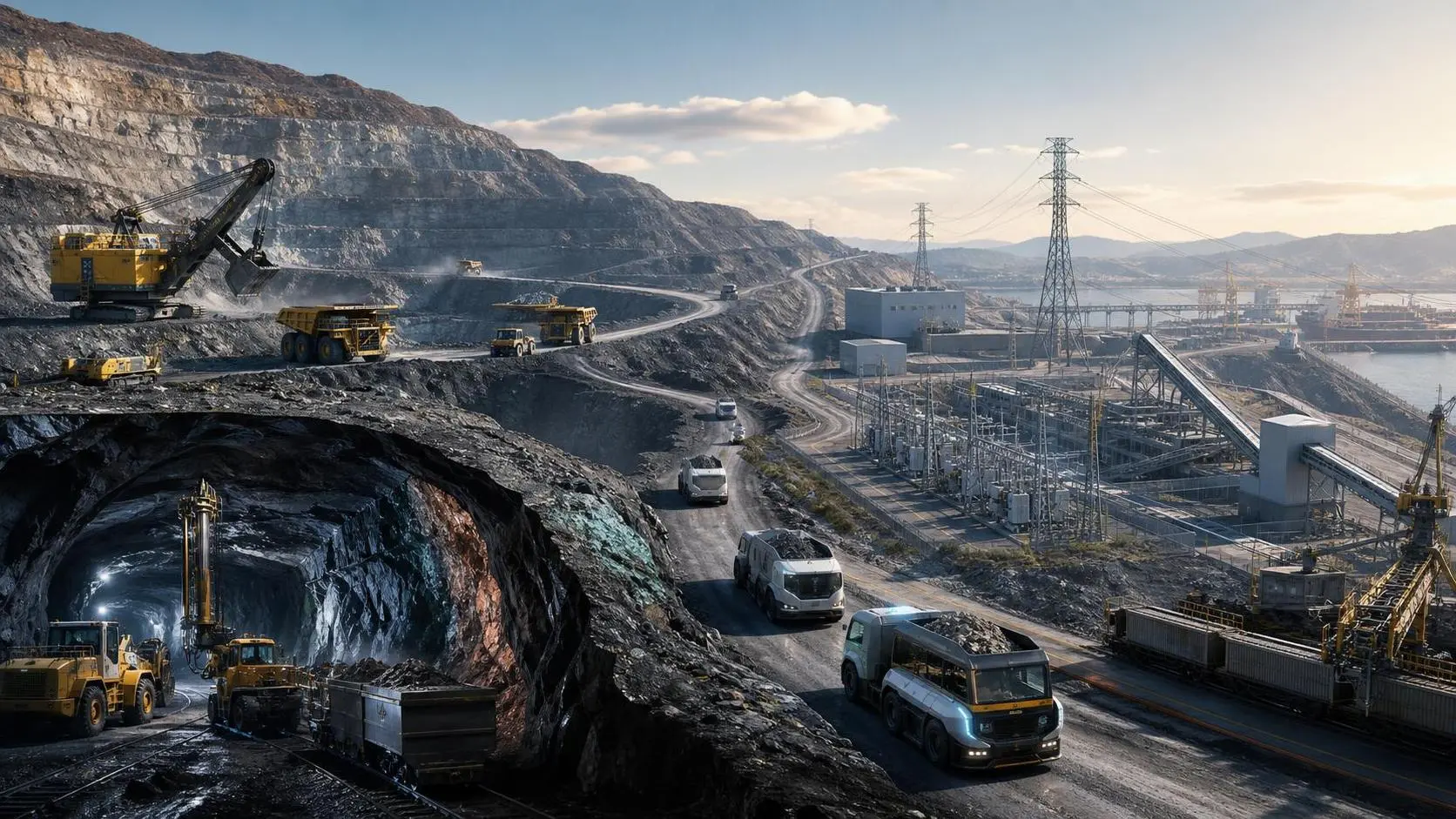
What Does Energy Metals Mining in Australia Mean for Supply, Cost, and Project Risk?
Energy metals mining Australia is reshaping supply, cost, and project risk. Discover what it means for buyers, investors, and operators.
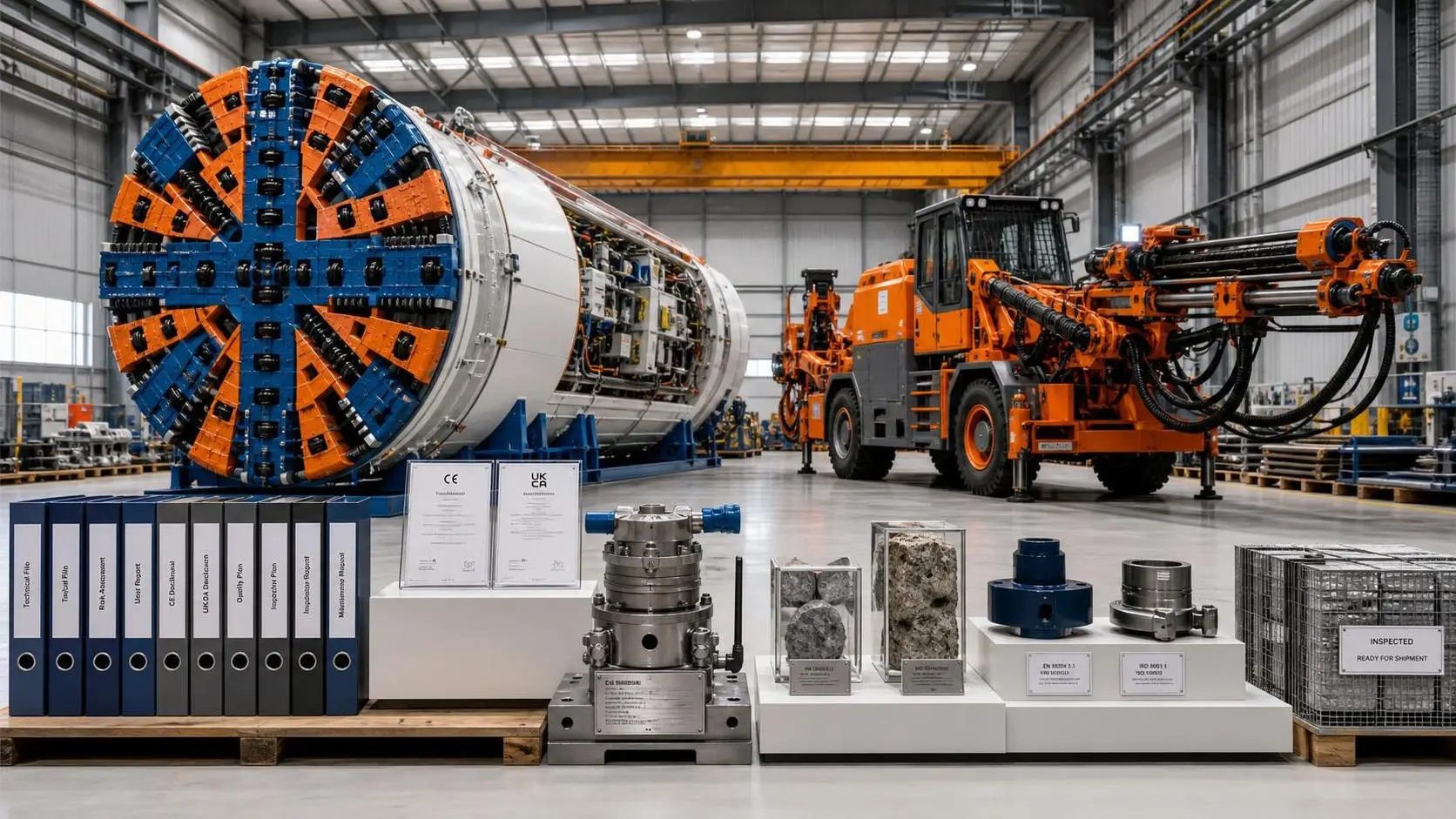
EU Eases Dual CE and UKCA Path for Chinese Tunnel Boring Equipment
EU eases CE and UKCA certification for Chinese tunnel boring equipment, cutting compliance time and helping importers move faster.
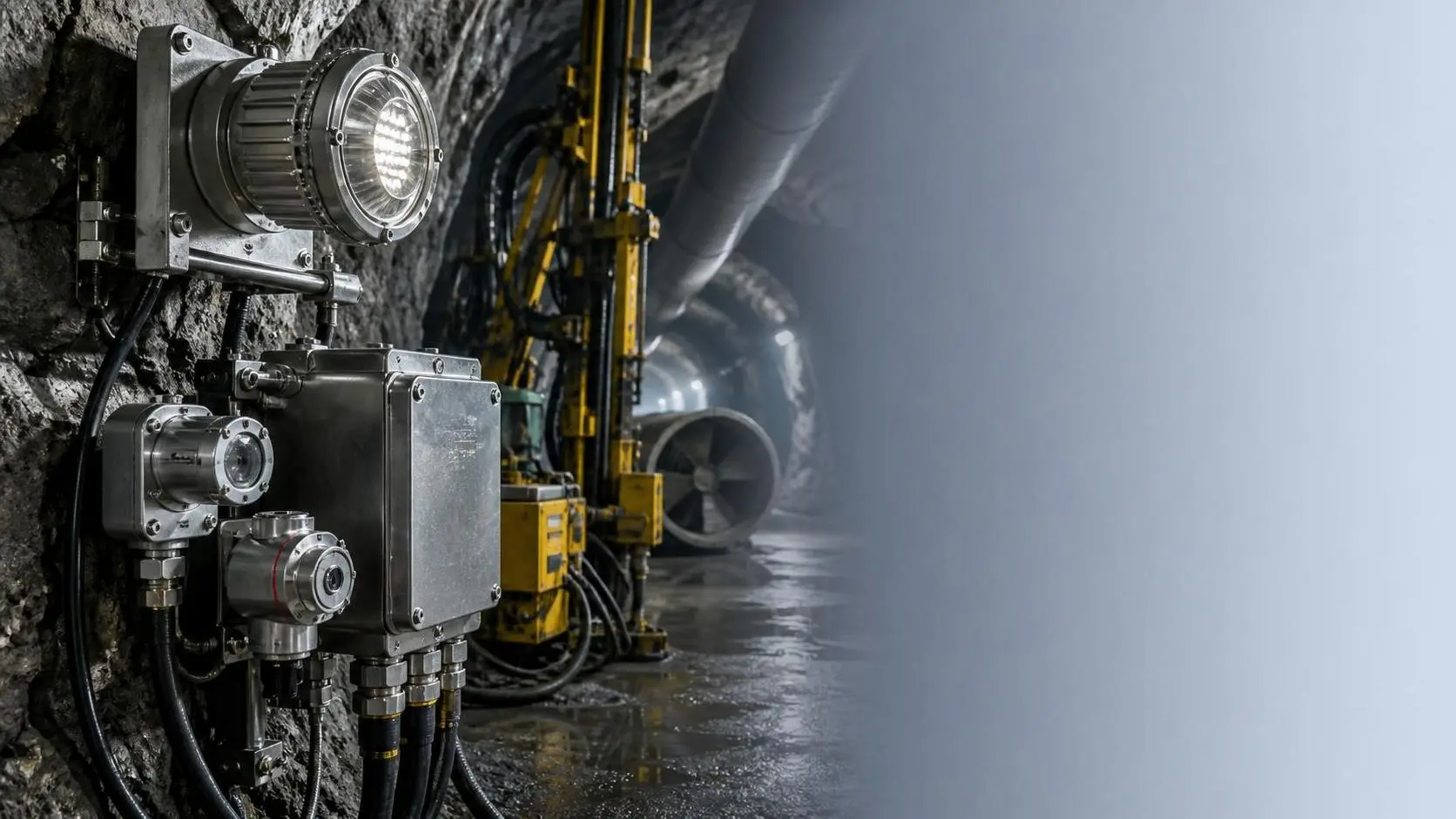
Flameproof Underground Safety Equipment: What Mine Teams Should Check Before Buying
Underground Safety Equipment flameproof buying guide: learn how mine teams should verify certification, durability, serviceability, and supplier support before purchase.
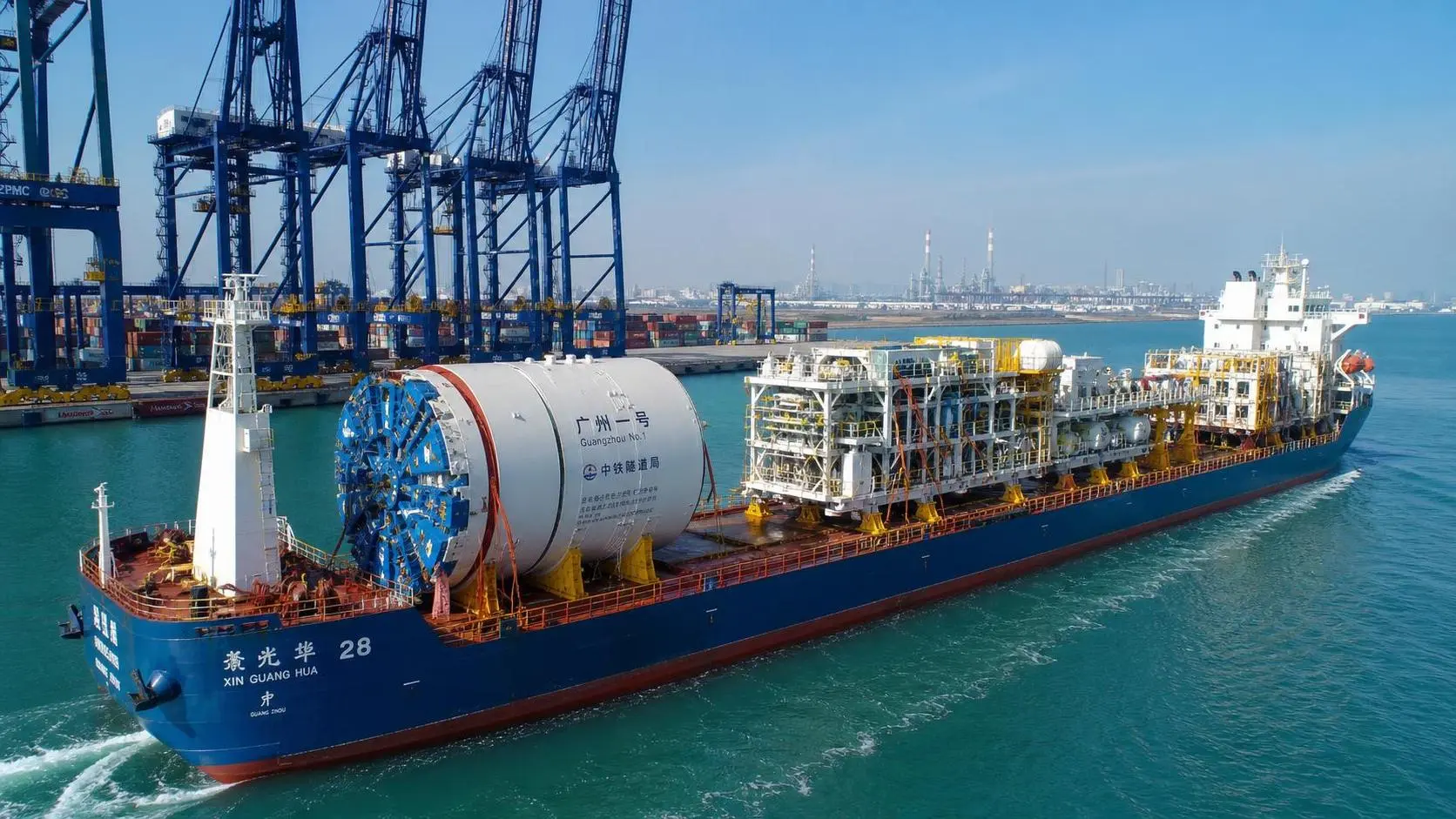
China-UAE Direct Sea Route Cuts TBM and Large Tunneling Equipment Lead Times
China-UAE direct sea route shortens TBM and large tunneling equipment lead times by 12–15 days, improving delivery predictability for major infrastructure projects. Read the full impact.
Related News
- 00
0000-00
How to Evaluate a Pipe Jacking Equipment Distributor for Project Support and Uptime - 00
0000-00
How to Build a Mining Decarbonization Strategy That Balances Emissions, Cost, and Fleet Reality - 00
0000-00
How to Evaluate Articulated Dump Trucks Payload for Haul Road Conditions and Cycle Efficiency - 00
0000-00
How Pipe Fittings Material and Pressure Class Affect Water Line Selection - 00
0000-00
What Drives TBM Excavation Cost in Urban Tunneling Projects?
Weekly Insights
Stay ahead with our curated technology reports delivered every Monday.