
Rectangular Pipe Jacking Equipment Selection: Key Parameters, Site Limits, and Cost Factors





Rectangular Pipe Jacking equipment selection is rarely a simple sizing exercise. It shapes construction risk, launch strategy, schedule certainty, and the long-term economics of underground utility or passage projects.
That matters more now because urban corridors are tighter, environmental expectations are higher, and asset owners expect trenchless work to deliver less disruption with better predictability.
Within UTMD’s broader view of underground engineering, Rectangular Pipe Jacking sits at the intersection of trenchless precision, constrained-site logistics, and commercial discipline.
A sound decision therefore depends on matching machine capability to geology, alignment, box dimensions, access limits, and the real cost structure behind the launch-to-breakthrough cycle.
Why Rectangular Pipe Jacking is gaining attention
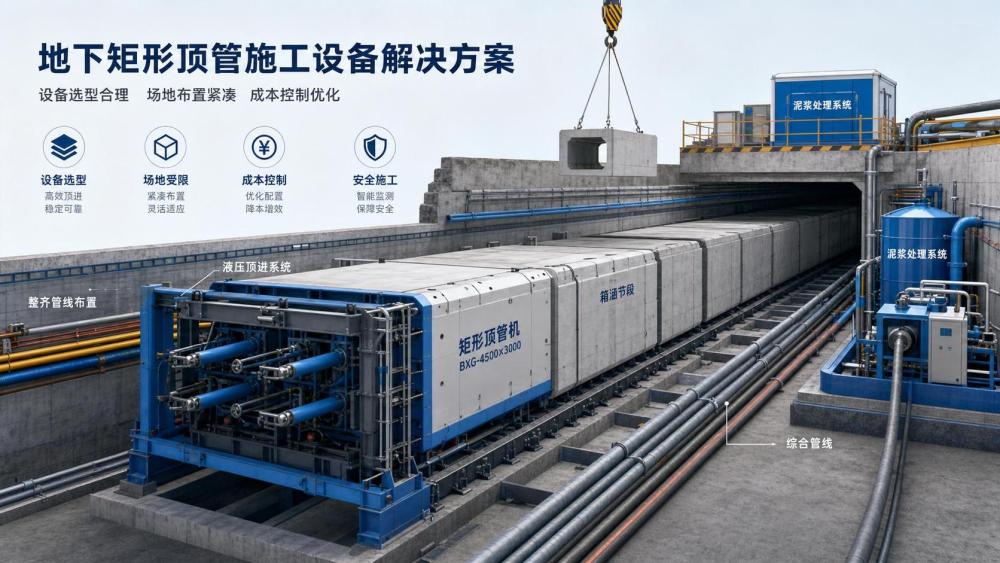
The format is increasingly used where a circular profile wastes space. Pedestrian underpasses, utility galleries, cable tunnels, and drainage crossings often benefit from a rectangular section.
Compared with open-cut construction, Rectangular Pipe Jacking reduces traffic interruption, surface reinstatement, and conflict with dense urban activity. Those benefits are strategic, not merely technical.
It also fits a broader industry shift toward quieter, cleaner, and more controlled underground works. That aligns closely with UTMD’s focus on mechanized trenchless systems and high-reliability underground assets.
The catch is that rectangular jacking behaves differently from standard circular drives. Face support, friction, steering tolerance, and structural loads can become less forgiving.
What equipment selection really means
In practice, Rectangular Pipe Jacking selection covers more than the machine at the face. It includes the jacking frame, hydraulic system, slurry or spoil handling, lubrication, guidance, and segment or box interface.
The chosen system must excavate, maintain alignment, control settlement, and transfer thrust without overstressing the pipe or the shaft structure.
For short and shallow crossings, a relatively compact system may be viable. Longer drives or mixed ground usually require more robust face control and better monitoring capability.
This is why the best commercial choice is not always the lowest equipment quote. Underpowered or poorly matched equipment often shifts cost into delay, intervention, and rectification.
Key parameters that drive the decision
Several parameters determine whether a Rectangular Pipe Jacking setup is technically credible and financially defensible.
Section size and drive length
Larger box sections increase excavation resistance, face support demand, and contact friction. Drive length then magnifies those forces and raises the need for intermediate jacking arrangements.
Ground condition and groundwater
Soft clay, loose sand, mixed face conditions, cobbles, and high water pressure produce very different machine requirements. Ground instability can quickly override a nominally acceptable equipment specification.
Required jacking force
Thrust capacity must cover peak resistance, not only average resistance. It should include lubrication performance, overcut behavior, stoppage risk, and realistic contingency margins.
Guidance and steering accuracy
Rectangular Pipe Jacking often serves structures with strict geometric needs. Small deviations can affect clearance, connection works, or fit-out of utilities and pedestrian space.
Pipe or box structural capacity
The pipe or box section must survive jacking loads, local stress concentration, and handling cycles. Selection therefore links machine force to structural design, not just excavation output.
Site limits often decide the viable option
Many Rectangular Pipe Jacking schemes look feasible on paper but become constrained by the site envelope. In dense cities, the shaft footprint may be the first hard limit.
Launch and reception shafts need enough room for the jacking frame, slurry lines, spoil handling, segment staging, and maintenance access. Restricted compounds can eliminate larger systems immediately.
Overhead clearance matters as much as plan area. Transporting, lowering, and assembling rectangular jacking equipment may require crane operations that nearby buildings or utilities restrict.
Existing services are another decisive factor. High-voltage ducts, sewers, piles, station structures, and telecom corridors can limit alignment tolerance and settlement allowance.
Where utility congestion is severe, better guidance systems and tighter face control usually justify their cost. The premium can be small compared with the impact of a damaged asset.
Common site restrictions to test early
- Limited shaft dimensions for equipment installation and retrieval.
- Restricted transport routes for large rectangular modules.
- Low tolerance for settlement beneath roads, railways, or buildings.
- Noise, vibration, and emissions controls in occupied districts.
- Difficult spoil disposal or slurry treatment arrangements.
Where cost really comes from
Rectangular Pipe Jacking cost is often misunderstood because machine price is only one layer. Total investment is shaped by design assumptions, site logistics, consumables, and operational resilience.
Front-end engineering has a major influence. Better geotechnical interpretation can prevent overdesign, but weak investigation can produce optimistic selections that fail during execution.
Consumables also matter. Cutter wear, lubrication volume, seals, slurry treatment media, and spare hydraulic components can materially change unit cost across a drive campaign.
Labor efficiency is another hidden driver. Compact automated systems may carry a higher capital price yet lower shift complexity, fewer interventions, and better schedule confidence.
For some projects, the most expensive outcome is not choosing advanced equipment. It is accepting a cheaper package that increases stoppages, alignment correction, or shaft redesign.
Cost items worth separating
- Equipment purchase or rental.
- Shaft construction and temporary works.
- Power supply, slurry plant, and spoil management.
- Lubrication, cutter tools, seals, and spare parts.
- Monitoring, surveying, and settlement control.
- Downtime exposure, recovery plans, and contingency allowances.
Typical use cases and how priorities change
Rectangular Pipe Jacking does not serve one uniform market. The decision criteria change with the function of the underground crossing and the sensitivity of the surrounding environment.
Utility corridors
Accessible internal space and future maintenance value are often important. A rectangular section can improve usable volume and cable or pipe arrangement efficiency.
Pedestrian and transport underpasses
Alignment, finish geometry, and settlement control become critical. Breakthrough position and structural tolerance affect downstream civil works more than raw excavation speed.
Drainage and water infrastructure
Hydraulic function, invert accuracy, and seepage performance may dominate. Groundwater behavior can heavily influence equipment configuration and sealing strategy.
Across these cases, UTMD-style market intelligence is useful because equipment selection increasingly depends on integrated knowledge, not isolated machine specifications.
A practical framework for comparing options
A reliable comparison starts with a structured shortlist. Each Rectangular Pipe Jacking option should be tested against the same technical and commercial assumptions.
Useful review points include:
- Can the machine handle the worst expected ground, not just the baseline profile?
- Is the shaft layout realistic for assembly, maintenance, and emergency access?
- Are jacking loads compatible with the box section and intermediate stations?
- How sensitive is the option to stoppage, wear, and groundwater variation?
- What is the effect of delays on possession windows, traffic management, or adjacent contracts?
- Which package offers the clearest path to predictable production and lower intervention frequency?
This kind of review shifts the conversation from nominal capacity to project fit. That is usually where better decisions emerge.
What to do before locking the selection
Before final commitment, align the geotechnical model, box structural design, and equipment proposal into one coordinated basis. Gaps between those three areas cause many avoidable disputes later.
It is also worth stress-testing the schedule against realistic maintenance cycles, access restrictions, and contingency scenarios. Rectangular Pipe Jacking performance is highly sensitive to execution discipline.
The strongest next step is usually a side-by-side evaluation matrix covering force demand, ground response, shaft requirements, utility risk, and lifecycle cost. That creates a defensible selection record and a clearer negotiation position.
For projects moving into procurement or feasibility review, the most useful insight often comes from combining equipment data with site-specific constraints early, before the preferred option hardens into an expensive assumption.
Related News
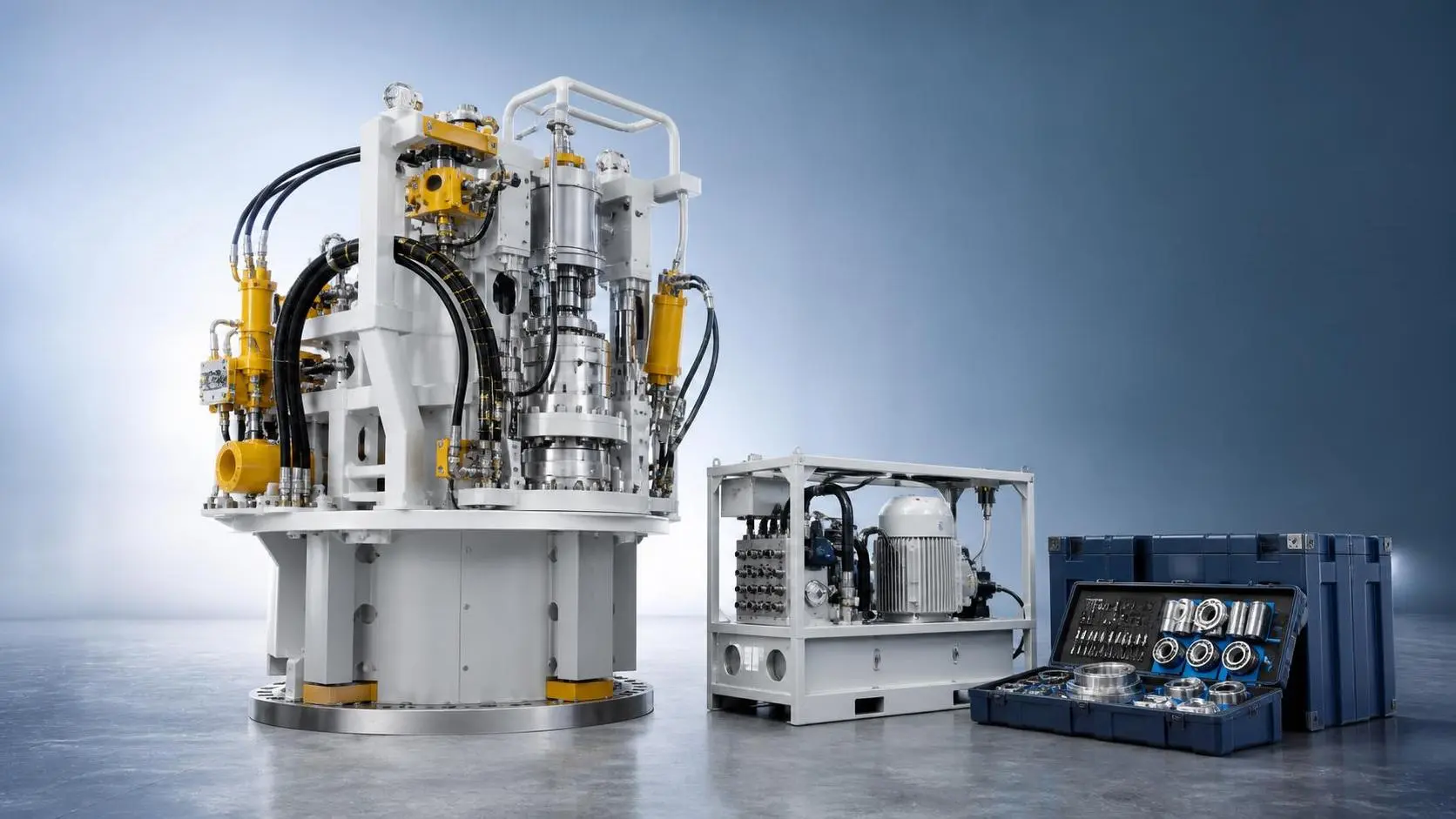
How to Evaluate a Pipe Jacking Equipment Distributor for Project Support and Uptime
Pipe jacking equipment distributor evaluation made practical: learn how to assess parts support, service response, training, and technical readiness to reduce downtime and protect project uptime.
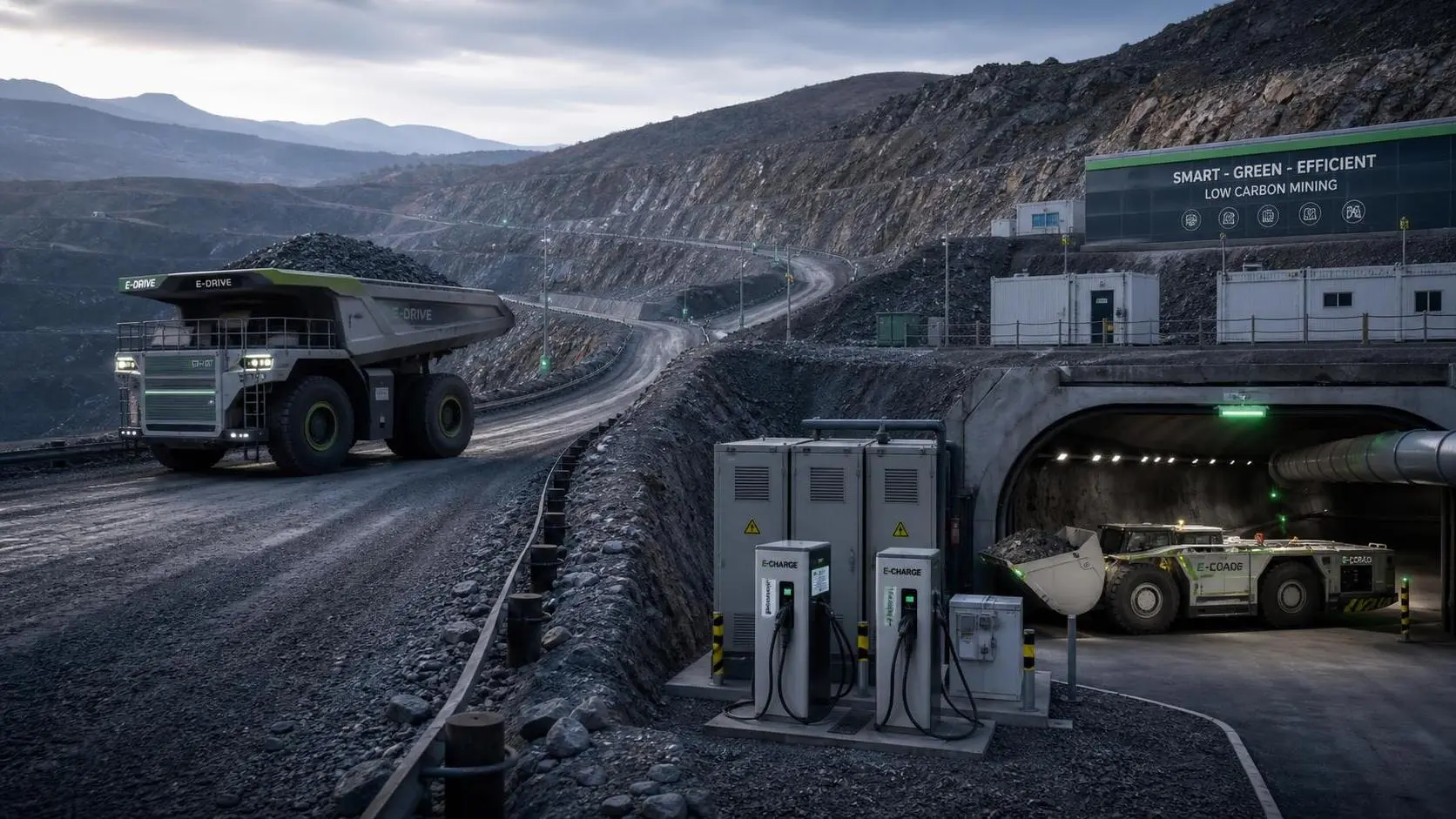
How to Build a Mining Decarbonization Strategy That Balances Emissions, Cost, and Fleet Reality
Mining decarbonization strategy starts with fleet reality. Learn how to cut emissions, control cost, and align power, ventilation, and production for a practical mine transition.
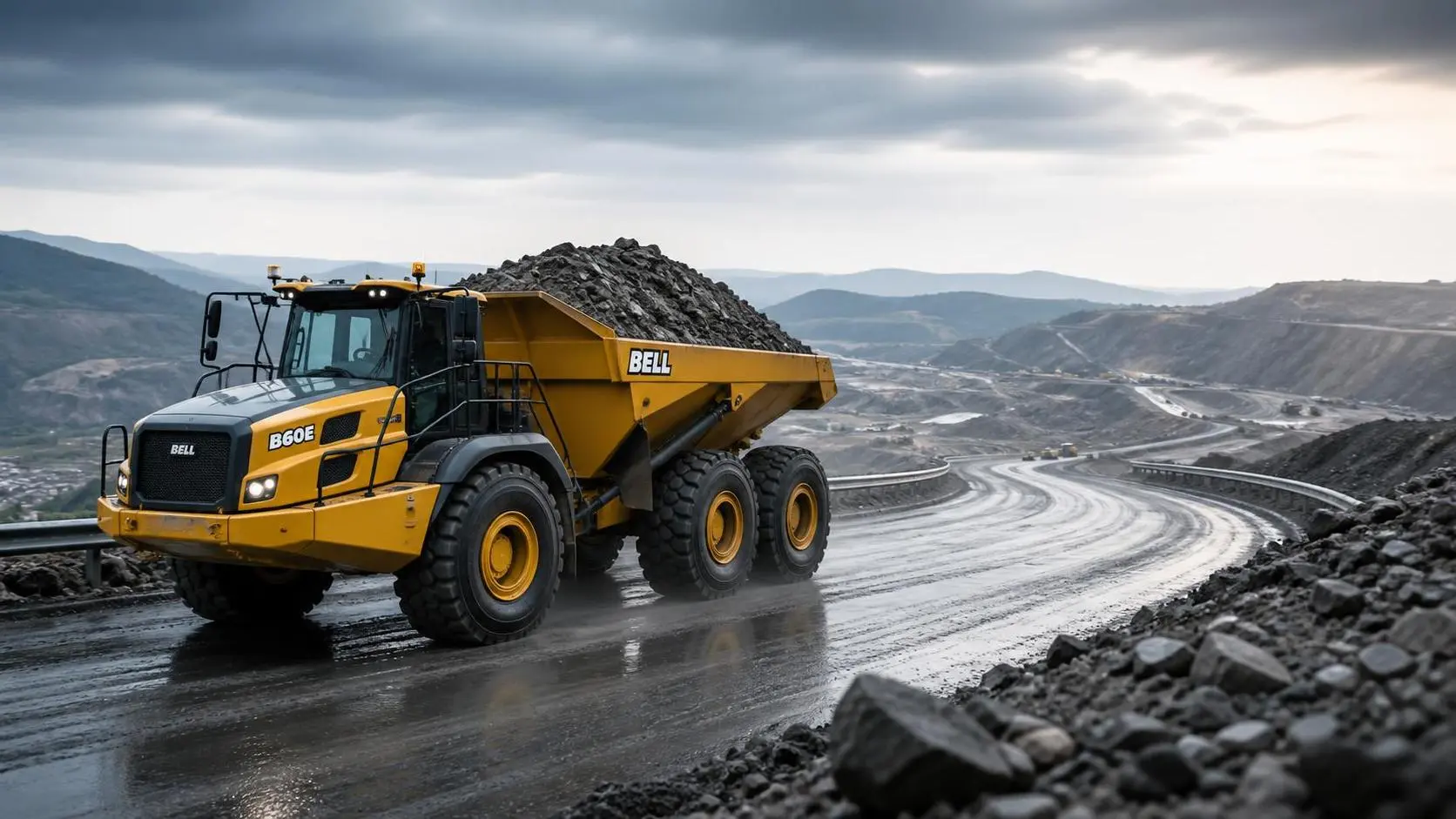
How to Evaluate Articulated Dump Trucks Payload for Haul Road Conditions and Cycle Efficiency
Articulated Dump Trucks payload evaluation starts with real haul road conditions, not brochure numbers. Learn how to balance payload, traction, grades, and cycle efficiency for safer, higher output.
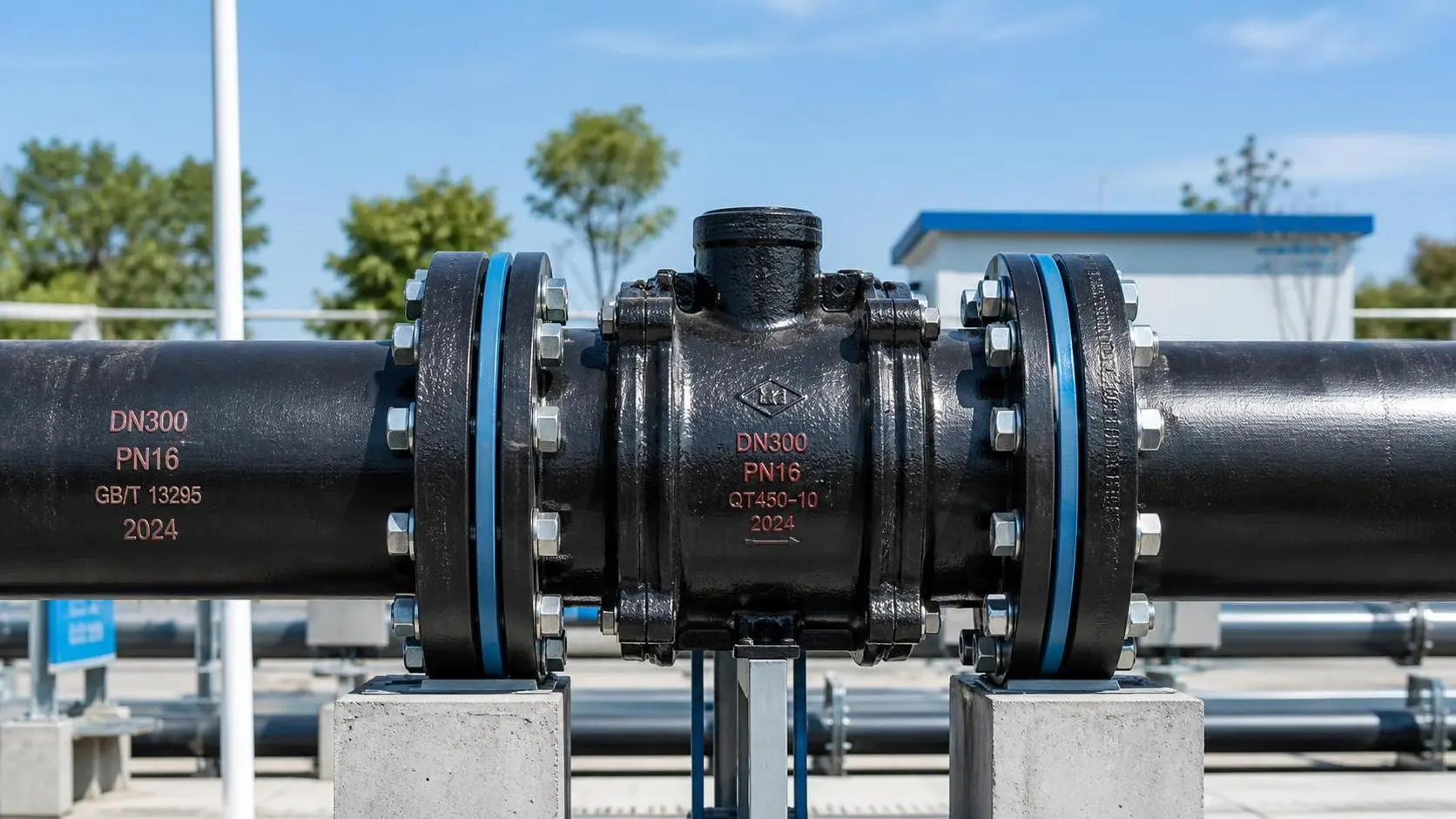
How Pipe Fittings Material and Pressure Class Affect Water Line Selection
Pipe fittings selection starts with material and pressure class. Learn how these factors affect water line reliability, corrosion resistance, installation, and long-term cost.
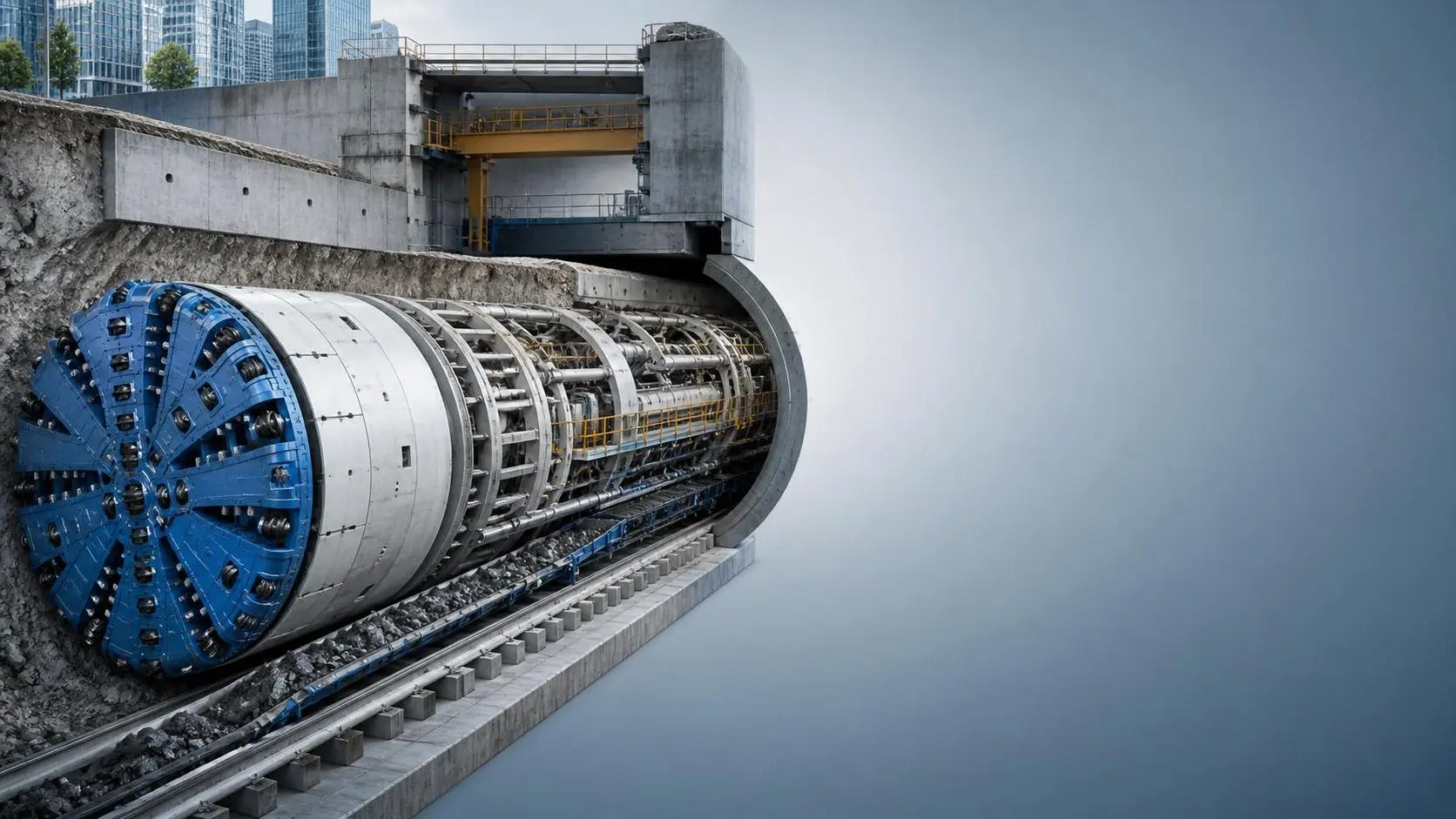
What Drives TBM Excavation Cost in Urban Tunneling Projects?
tbm excavation cost in urban tunneling depends on geology, shafts, segment lining, logistics, and risk. Discover the key cost drivers and compare bids with greater confidence.
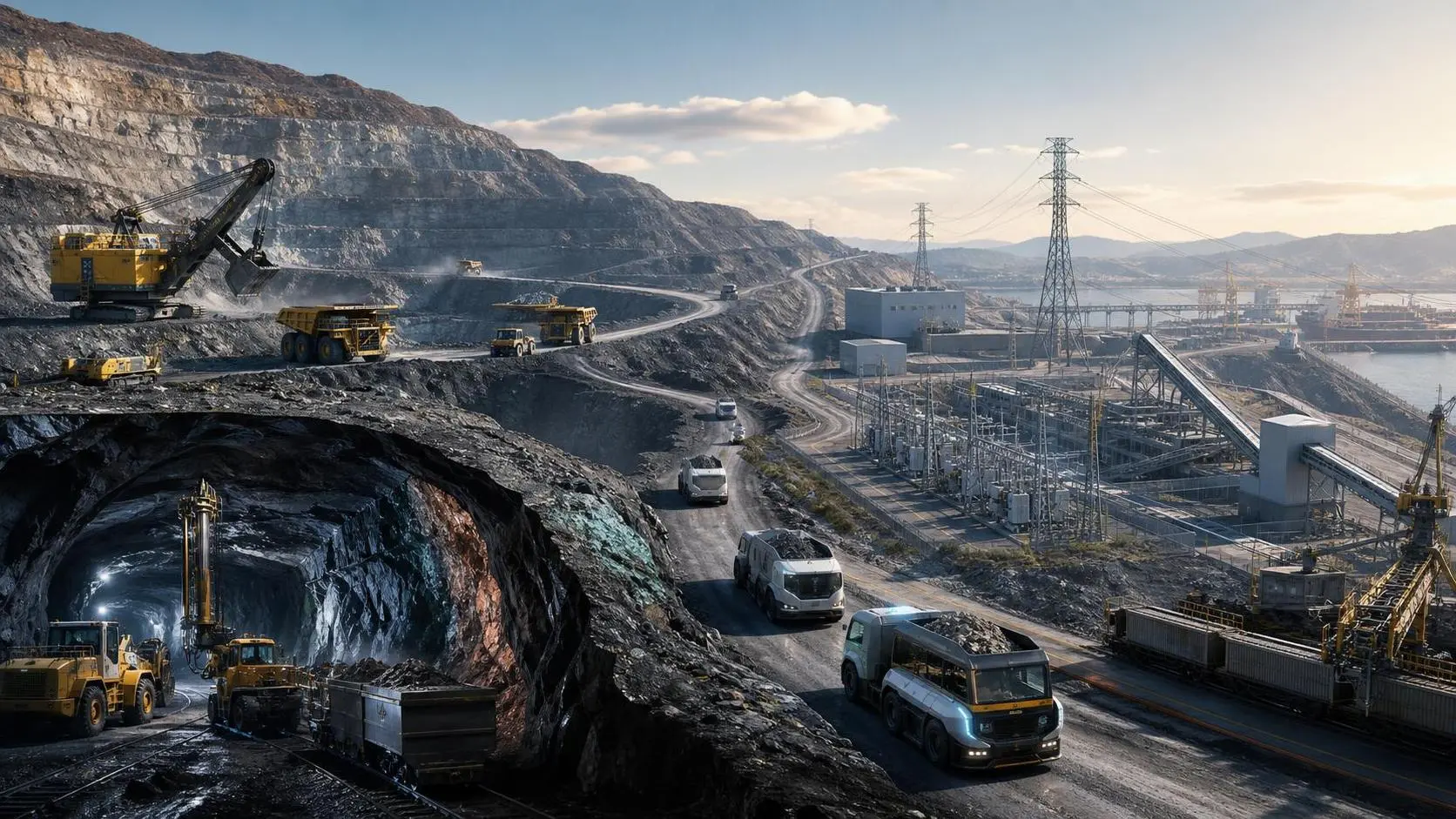
What Does Energy Metals Mining in Australia Mean for Supply, Cost, and Project Risk?
Energy metals mining Australia is reshaping supply, cost, and project risk. Discover what it means for buyers, investors, and operators.
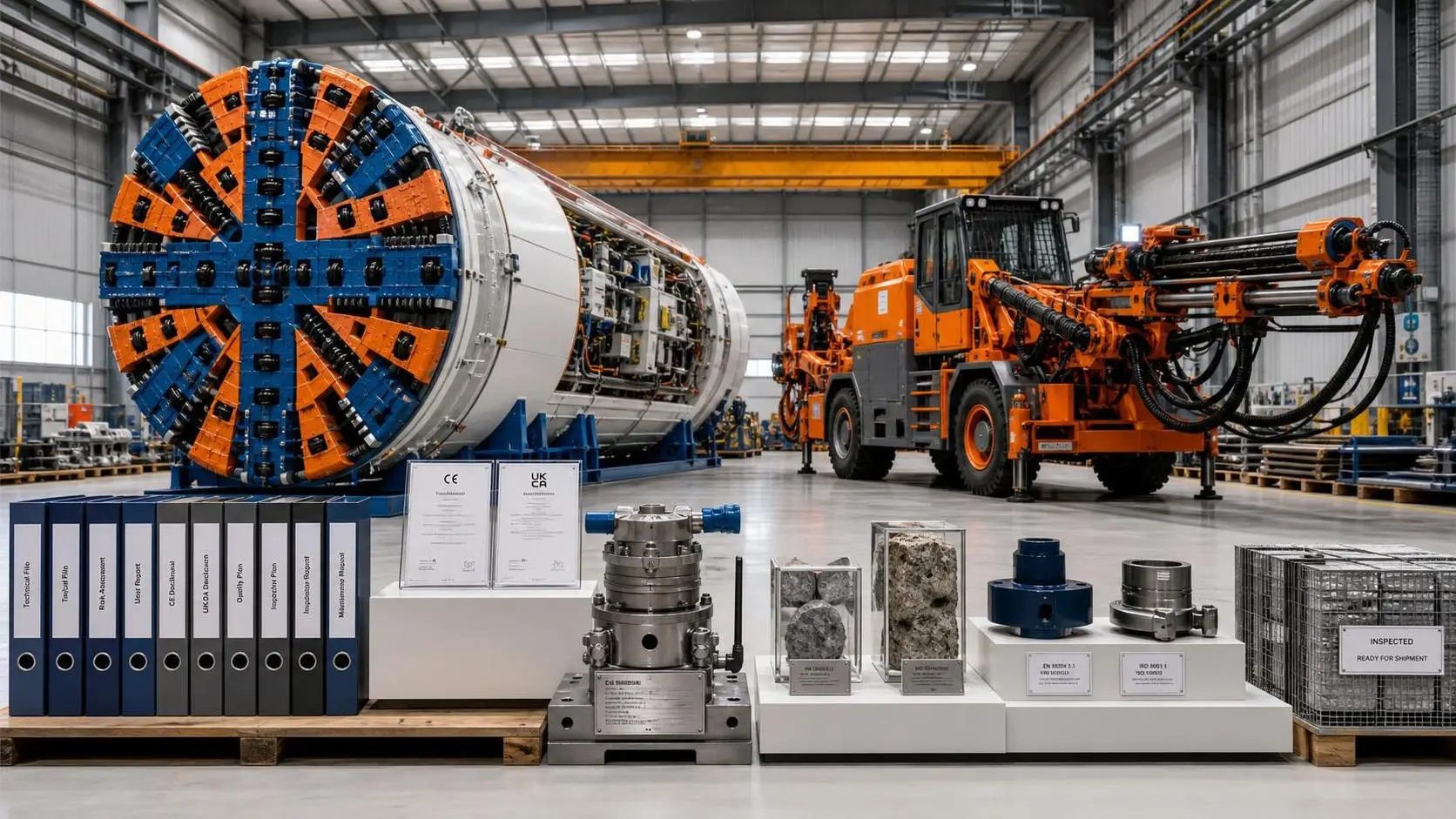
EU Eases Dual CE and UKCA Path for Chinese Tunnel Boring Equipment
EU eases CE and UKCA certification for Chinese tunnel boring equipment, cutting compliance time and helping importers move faster.
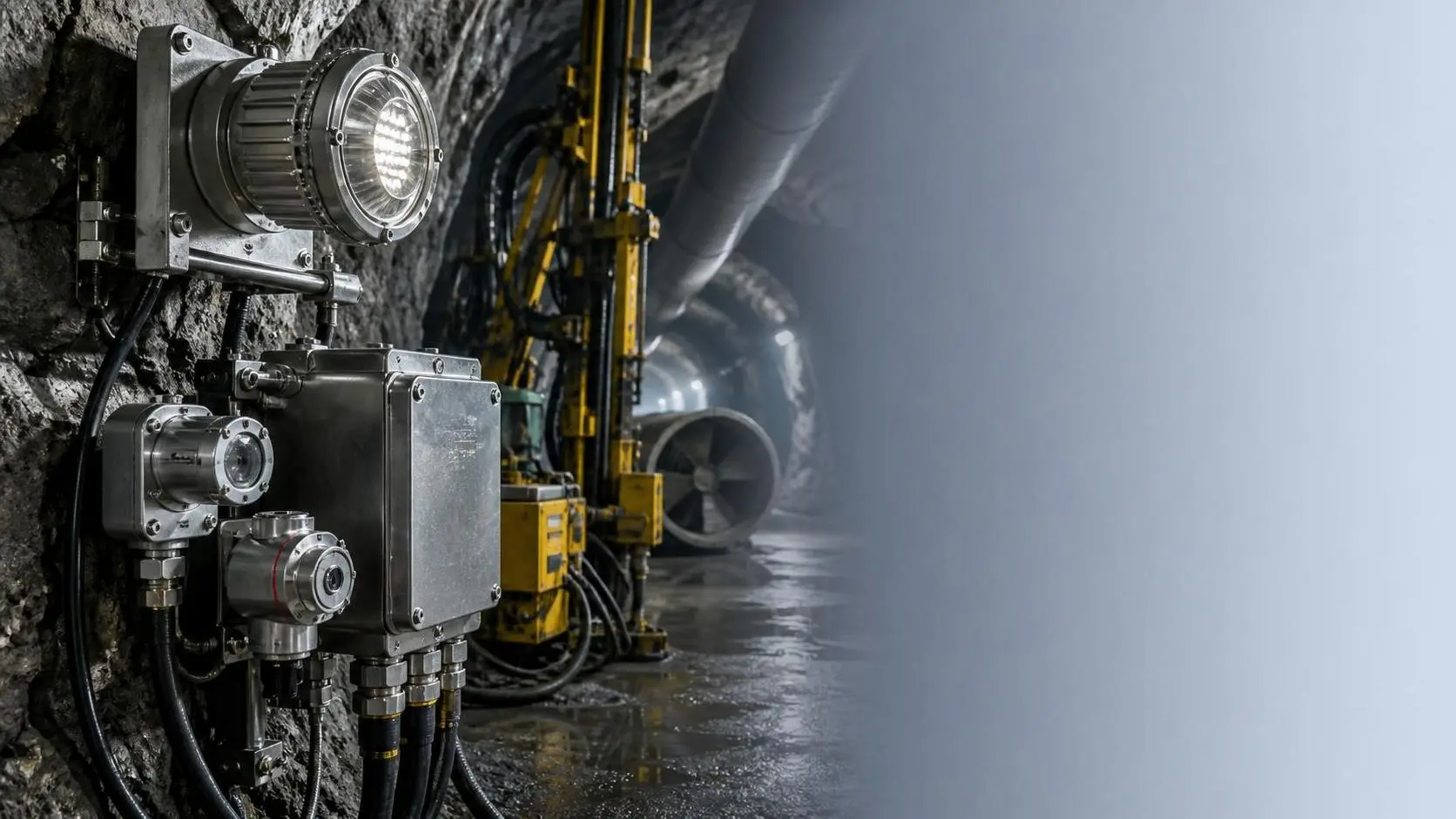
Flameproof Underground Safety Equipment: What Mine Teams Should Check Before Buying
Underground Safety Equipment flameproof buying guide: learn how mine teams should verify certification, durability, serviceability, and supplier support before purchase.
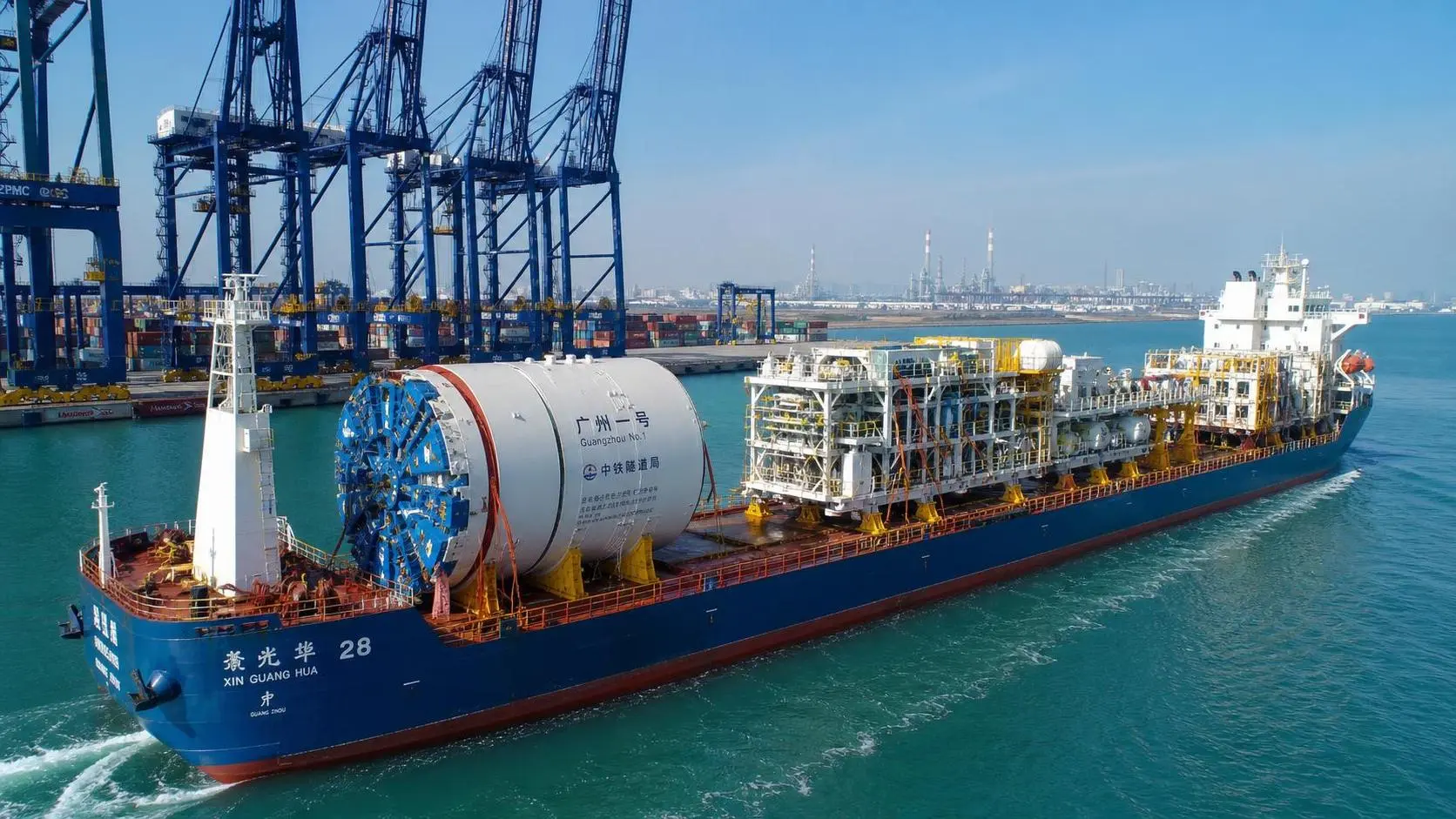
China-UAE Direct Sea Route Cuts TBM and Large Tunneling Equipment Lead Times
China-UAE direct sea route shortens TBM and large tunneling equipment lead times by 12–15 days, improving delivery predictability for major infrastructure projects. Read the full impact.
Related News
- 00
0000-00
How to Evaluate a Pipe Jacking Equipment Distributor for Project Support and Uptime - 00
0000-00
How to Build a Mining Decarbonization Strategy That Balances Emissions, Cost, and Fleet Reality - 00
0000-00
How to Evaluate Articulated Dump Trucks Payload for Haul Road Conditions and Cycle Efficiency - 00
0000-00
How Pipe Fittings Material and Pressure Class Affect Water Line Selection - 00
0000-00
What Drives TBM Excavation Cost in Urban Tunneling Projects?
Weekly Insights
Stay ahead with our curated technology reports delivered every Monday.