
Rectangular Pipe Jacking vs Micro-tunnelling: Which Method Fits Urban Utility Crossings?





Rectangular Pipe Jacking vs Micro-tunnelling: Which Method Fits Urban Utility Crossings?
For urban utility crossings, method selection is rarely a narrow technical choice.
It shapes traffic impact, settlement risk, utility protection, program certainty, and long-term asset performance.
That is why the debate around Rectangular Pipe Jacking and micro-tunnelling matters so much in dense municipal corridors.
Both are trenchless methods, but they solve different crossing problems in different ways.
Rectangular Pipe Jacking is often chosen when the final opening must match a non-circular functional envelope.
Micro-tunnelling is usually preferred when a precise circular drive is needed for pipelines under sensitive urban constraints.
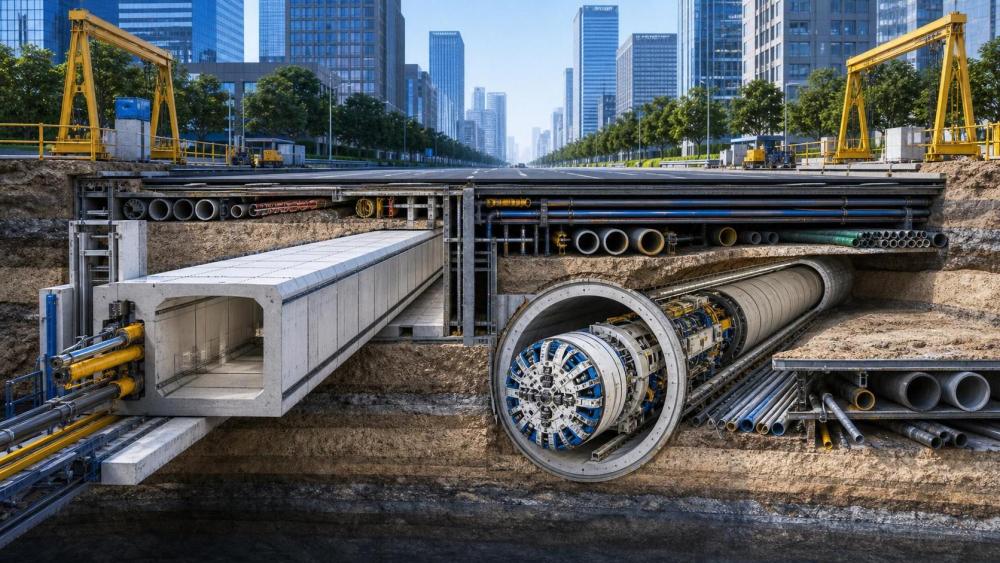
In practice, the right answer depends on geometry, soil behavior, allowable settlement, shaft space, and utility congestion.
This comparison focuses on the decision points that usually influence constructability and commercial outcomes.
What Makes the Two Methods Different
Rectangular Pipe Jacking pushes prefabricated box sections through the ground from a launch shaft to a reception shaft.
The excavation face is controlled at the front, while jacking forces transfer through the rectangular units.
This method is especially useful for pedestrian underpasses, utility subways, culverts, and short transport links.
Micro-tunnelling, by contrast, uses a remotely operated machine to install circular pipes with continuous spoil removal.
It is highly established for gravity sewers, pressure pipelines, and long, tightly controlled underground crossings.
The shape difference is not cosmetic.
It directly affects excavation volume, structural behavior, hydraulic performance, and the range of services the crossing can carry.
When Rectangular Pipe Jacking Has a Clear Advantage
Rectangular Pipe Jacking stands out when the underground crossing must maximize usable internal space within shallow cover.
A rectangular section often fits urban utility planning better than a circular pipe of equivalent functional capacity.
That becomes important where multiple ducts, cable trays, maintenance access, or future expansion are expected.
It also helps when vertical clearance is limited by roads, railways, or existing buried assets.
In those cases, increasing width is often easier than increasing depth.
- Utility galleries carrying several services in one accessible corridor.
- Pedestrian or maintenance underpasses below busy roads.
- Box culverts where hydraulic shape needs a broad invert.
- Crossings constrained by shallow depth and strict surface disruption limits.
From a planning standpoint, Rectangular Pipe Jacking can reduce the need for secondary enlargement works.
That can simplify interfaces with mechanical, electrical, and utility operators later in the project.
Where Micro-tunnelling Usually Performs Better
Micro-tunnelling performs best when the project requires long drives, high line-and-grade control, and a circular end product.
This is common in sewer networks, water transmission lines, and crossings beneath rail or major highways.
Its remote steering and spoil handling systems are particularly valuable in saturated soils and mixed urban ground.
When groundwater is high, the controlled face can offer more predictable stability than simpler jacking arrangements.
Micro-tunnelling also scales well for longer utility crossings where sustained accuracy matters more than internal accessible space.
For gravity sewers, even small deviations can create long-term operational problems.
That is one reason micro-tunnelling remains the default choice for many municipal pipeline authorities.
Ground Conditions and Settlement Risk
Ground behavior often decides the method before commercial comparisons even begin.
Rectangular Pipe Jacking can work very well in favorable soils, but geometry makes face support more demanding.
Corners, wider crowns, and uneven stress distribution require careful control, especially under sensitive pavements and utilities.
Micro-tunnelling benefits from a circular profile, which naturally handles external ground pressure more efficiently.
That often translates into lower geotechnical uncertainty in loose, water-bearing, or variable soils.
Still, Rectangular Pipe Jacking should not be ruled out too quickly.
With proper face support, lubrication, monitoring, and launch design, it can control settlement effectively on short urban drives.
The key is to match the method to the actual risk profile, not to habit.
Alignment, Geometry, and Utility Integration
Urban crossings are often constrained by more than depth and length.
Existing cables, water mains, piled foundations, and transport assets usually define a narrow geometric window.
Rectangular Pipe Jacking can be highly efficient when the required corridor is wide and shallow.
It allows a shape that mirrors the functional layout of grouped utilities.
Micro-tunnelling is stronger where the crossing is linear, narrow, and service-specific.
If the design needs a single sewer, sleeve, or pressure main, a circular installation is usually cleaner.
If the design needs man-entry access and multiple future-ready service bays, Rectangular Pipe Jacking may offer better whole-life value.
Schedule, Shafts, and Urban Traffic Pressure
Construction windows in cities are getting tighter, not looser.
That puts shaft size, staging logistics, spoil handling, and traffic management under intense scrutiny.
Rectangular Pipe Jacking can shorten downstream fit-out time because the installed section is closer to final use.
However, the shafts and launch arrangements may be larger and more demanding.
Micro-tunnelling often brings a mature equipment chain and well-understood pipeline installation workflow.
That can improve predictability for contractors and city stakeholders.
In busy intersections, the real question is not only production rate.
It is how much above-ground disruption the method creates from start to finish.
Cost Efficiency Beyond Initial Bid Price
Bid comparison alone can be misleading.
The more useful metric is installed value across design, construction, utility integration, and operating life.
Rectangular Pipe Jacking may carry higher front-end complexity, yet avoid later enlargement, access retrofits, or multi-crossing duplication.
Micro-tunnelling may look more economical where a standard circular asset fully satisfies the service requirement.
The cost decision should include these items:
- Ground treatment and dewatering needs.
- Shaft construction footprint and utility relocation exposure.
- Monitoring, settlement control, and third-party protection costs.
- Future maintenance access and service expansion flexibility.
- Traffic management duration and stakeholder constraints.
Once those factors are priced honestly, the preferred trenchless option often becomes much clearer.
A Practical Selection Framework
A simple rule helps.
Choose Rectangular Pipe Jacking when the crossing must create usable space, not just install a pipe.
Choose micro-tunnelling when the project needs a precise circular drive through difficult ground with minimal tolerance for deviation.
Final Takeaway for Urban Crossings
There is no universal winner between Rectangular Pipe Jacking and micro-tunnelling.
The better method is the one that fits the crossing’s real function, ground risk, and urban operating constraints.
If the crossing must deliver accessible space and multi-utility efficiency, Rectangular Pipe Jacking deserves serious priority.
If the objective is a long, highly accurate circular installation, micro-tunnelling remains hard to beat.
A disciplined early-stage review of geometry, geotechnics, shaft constraints, and lifecycle use will usually prevent the wrong choice.
That review is where schedule certainty and underground value are won long before construction starts.
Related News
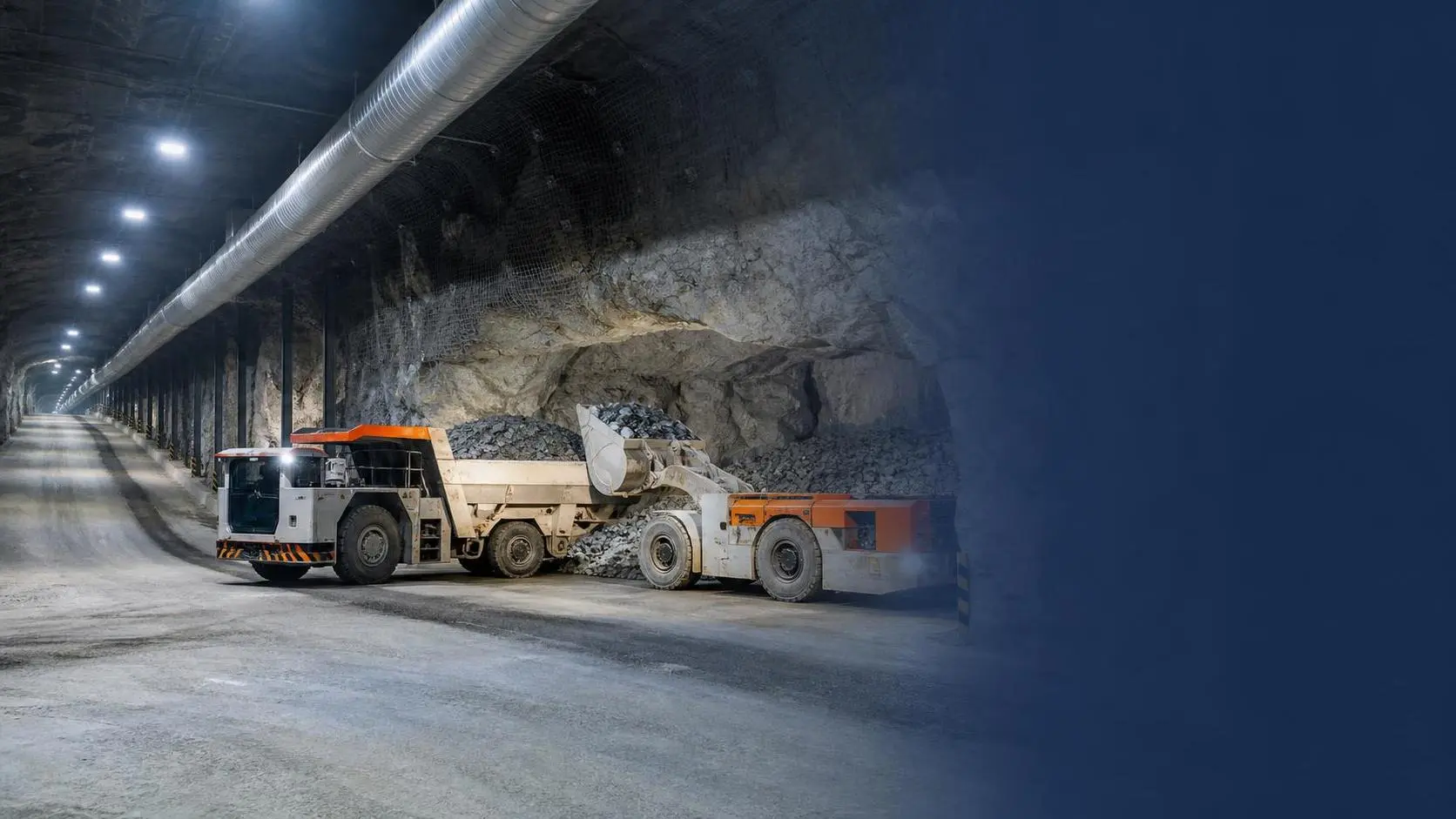
How to Evaluate Underground Haulage Systems for Ore Output, Ramp Grade, and Ventilation Limits
Underground haulage systems should be evaluated by ore output, ramp grade, and ventilation limits—not brochures. Learn how to compare trucks, LHDs, and electric options for smarter mine planning.
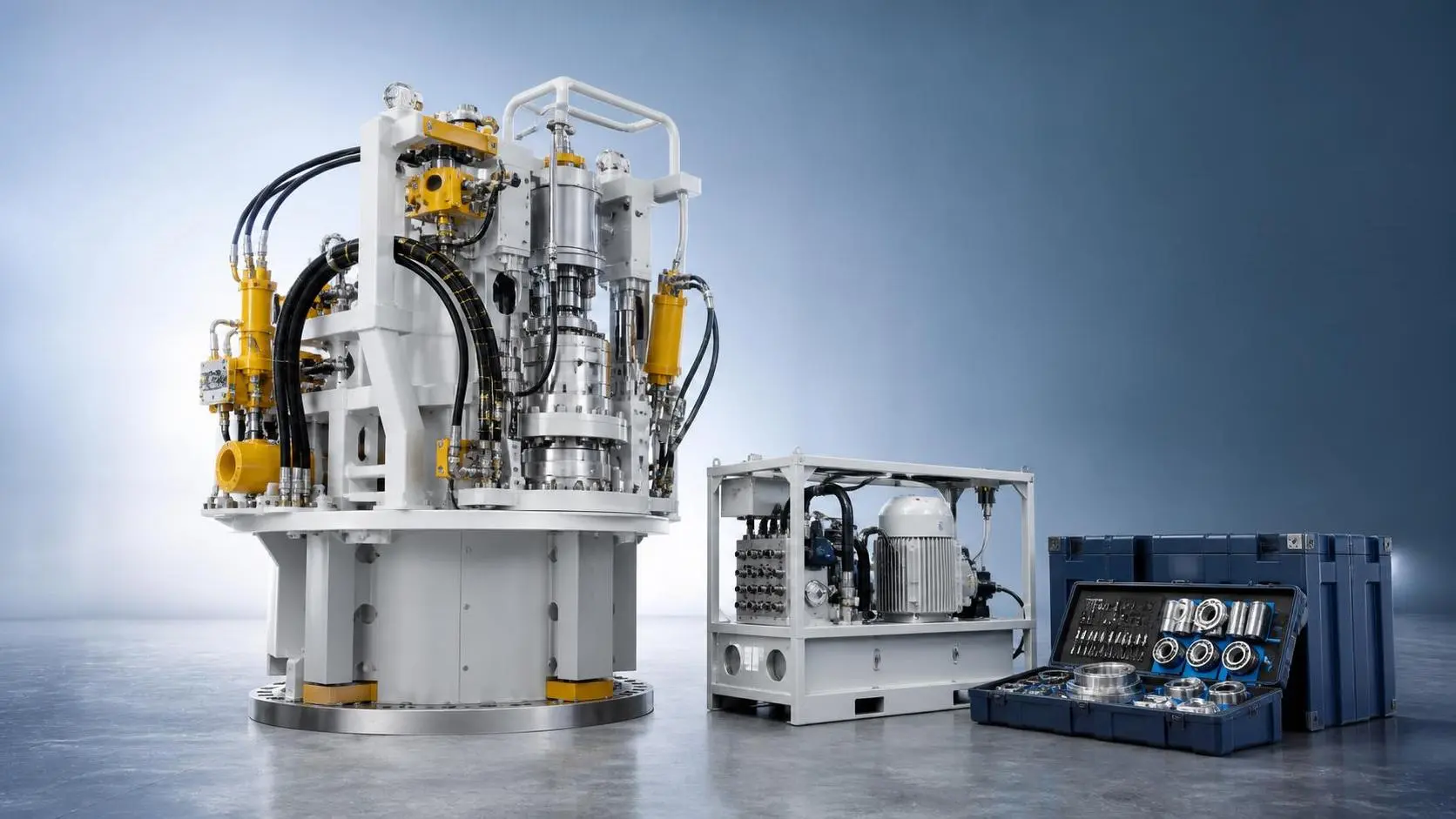
How to Evaluate a Pipe Jacking Equipment Distributor for Project Support and Uptime
Pipe jacking equipment distributor evaluation made practical: learn how to assess parts support, service response, training, and technical readiness to reduce downtime and protect project uptime.
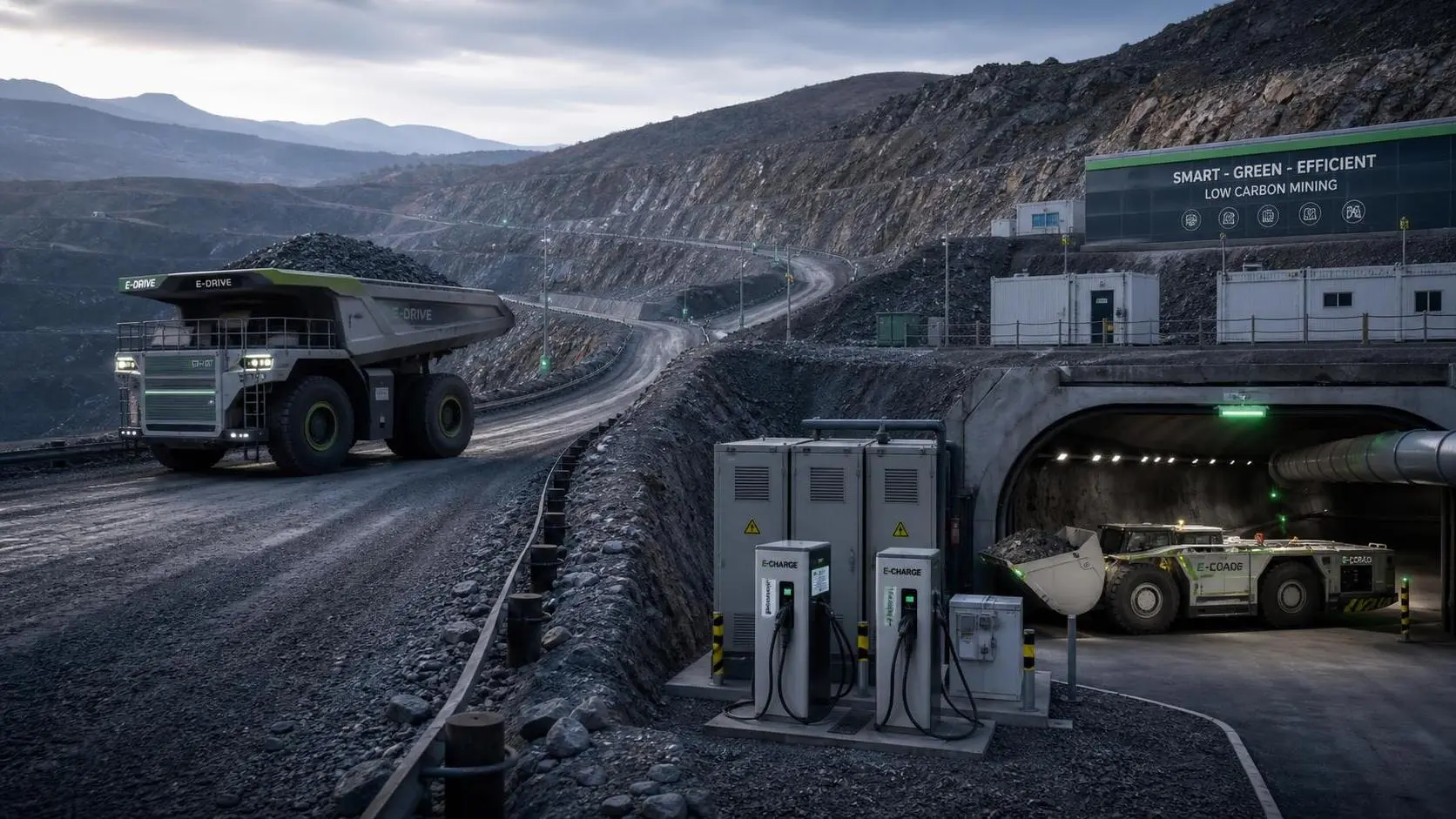
How to Build a Mining Decarbonization Strategy That Balances Emissions, Cost, and Fleet Reality
Mining decarbonization strategy starts with fleet reality. Learn how to cut emissions, control cost, and align power, ventilation, and production for a practical mine transition.
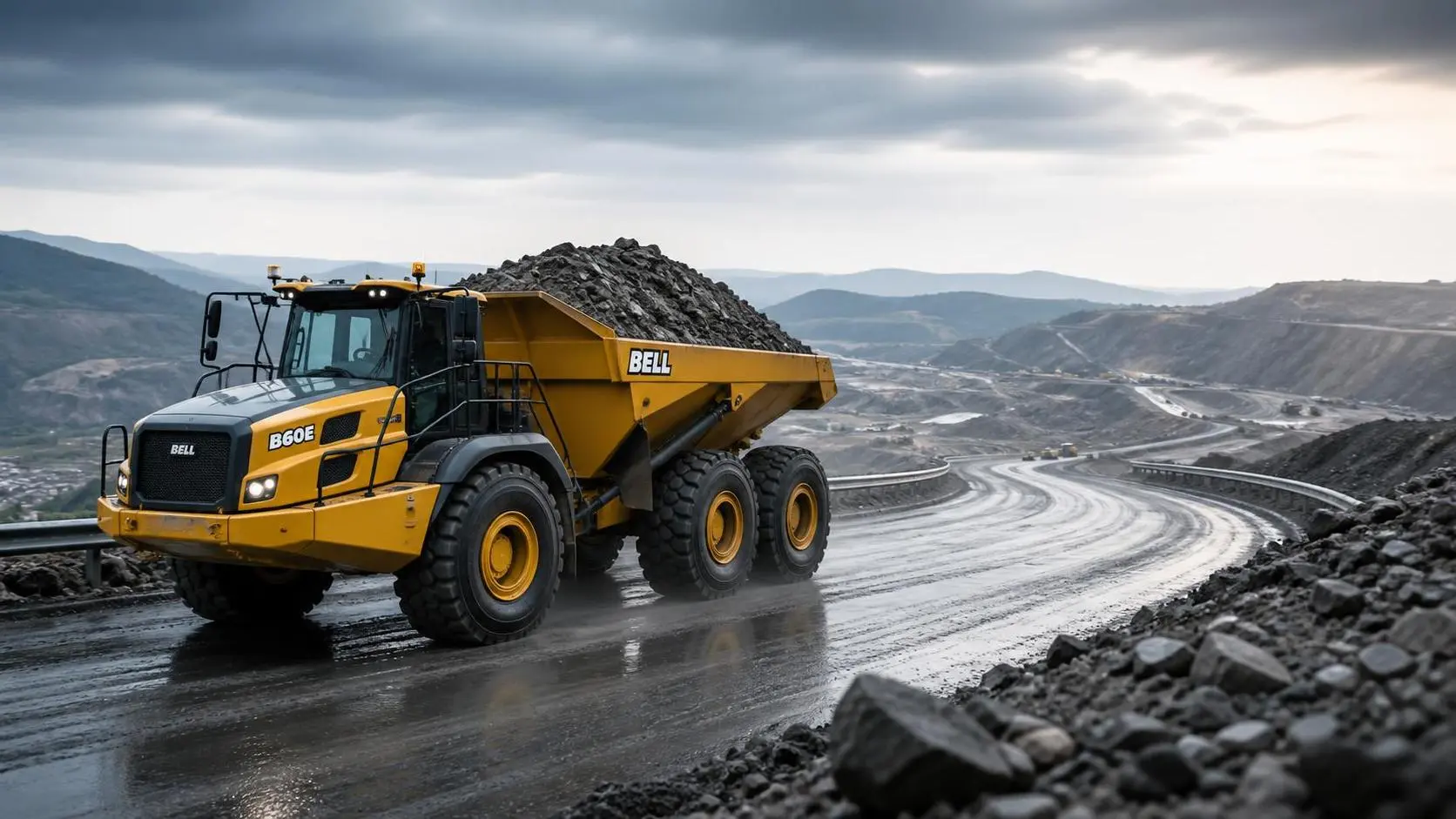
How to Evaluate Articulated Dump Trucks Payload for Haul Road Conditions and Cycle Efficiency
Articulated Dump Trucks payload evaluation starts with real haul road conditions, not brochure numbers. Learn how to balance payload, traction, grades, and cycle efficiency for safer, higher output.
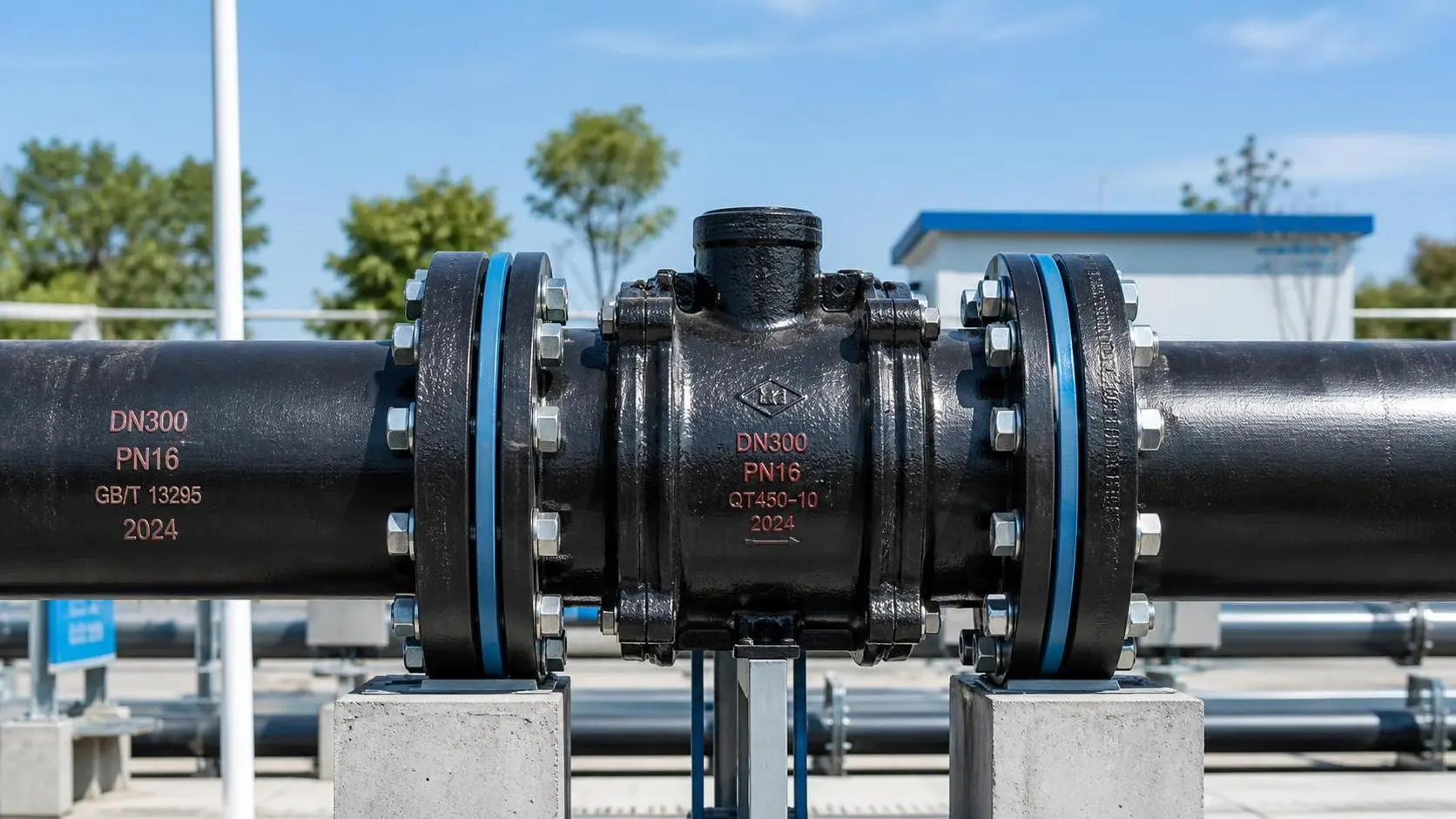
How Pipe Fittings Material and Pressure Class Affect Water Line Selection
Pipe fittings selection starts with material and pressure class. Learn how these factors affect water line reliability, corrosion resistance, installation, and long-term cost.
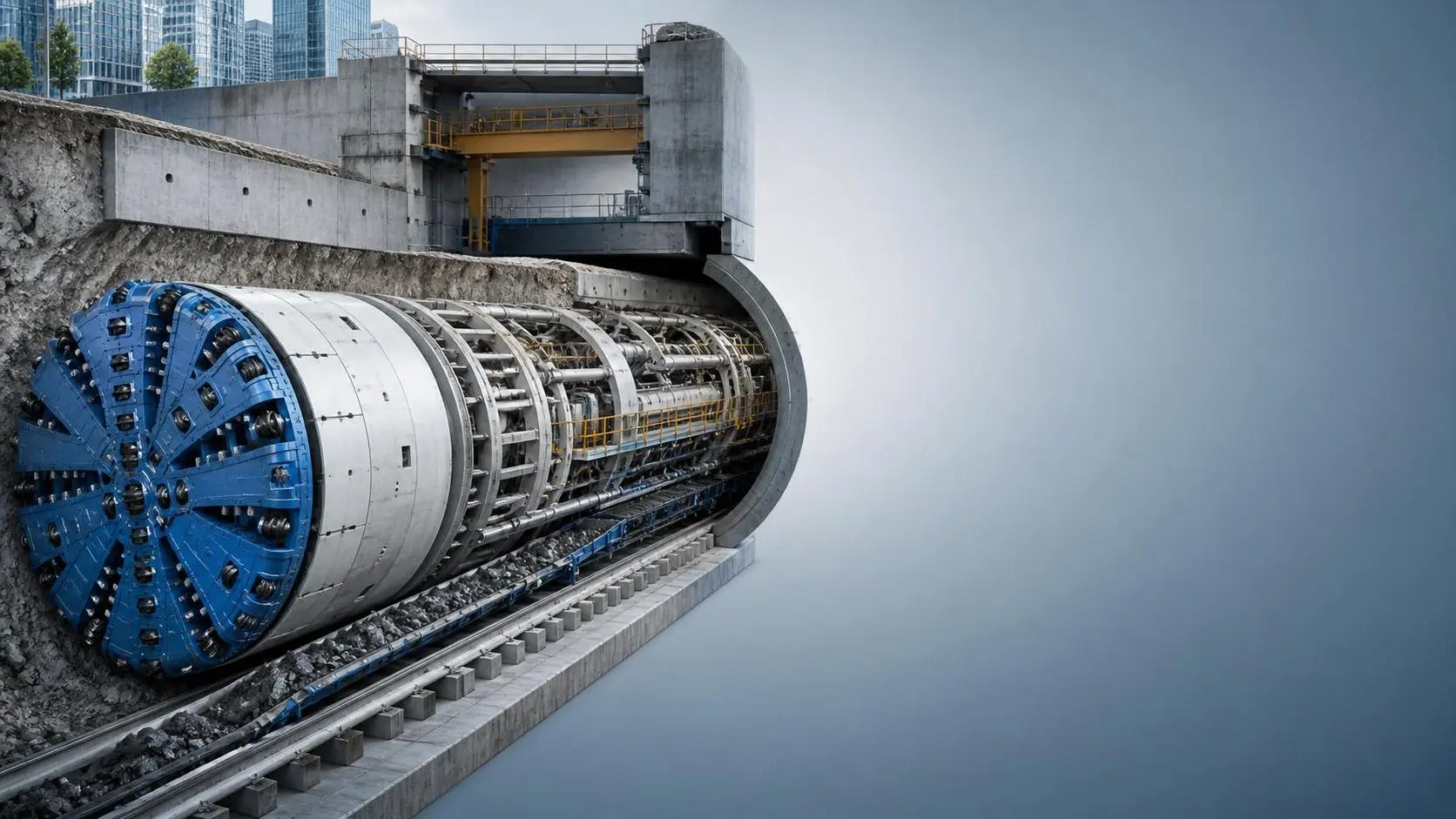
What Drives TBM Excavation Cost in Urban Tunneling Projects?
tbm excavation cost in urban tunneling depends on geology, shafts, segment lining, logistics, and risk. Discover the key cost drivers and compare bids with greater confidence.
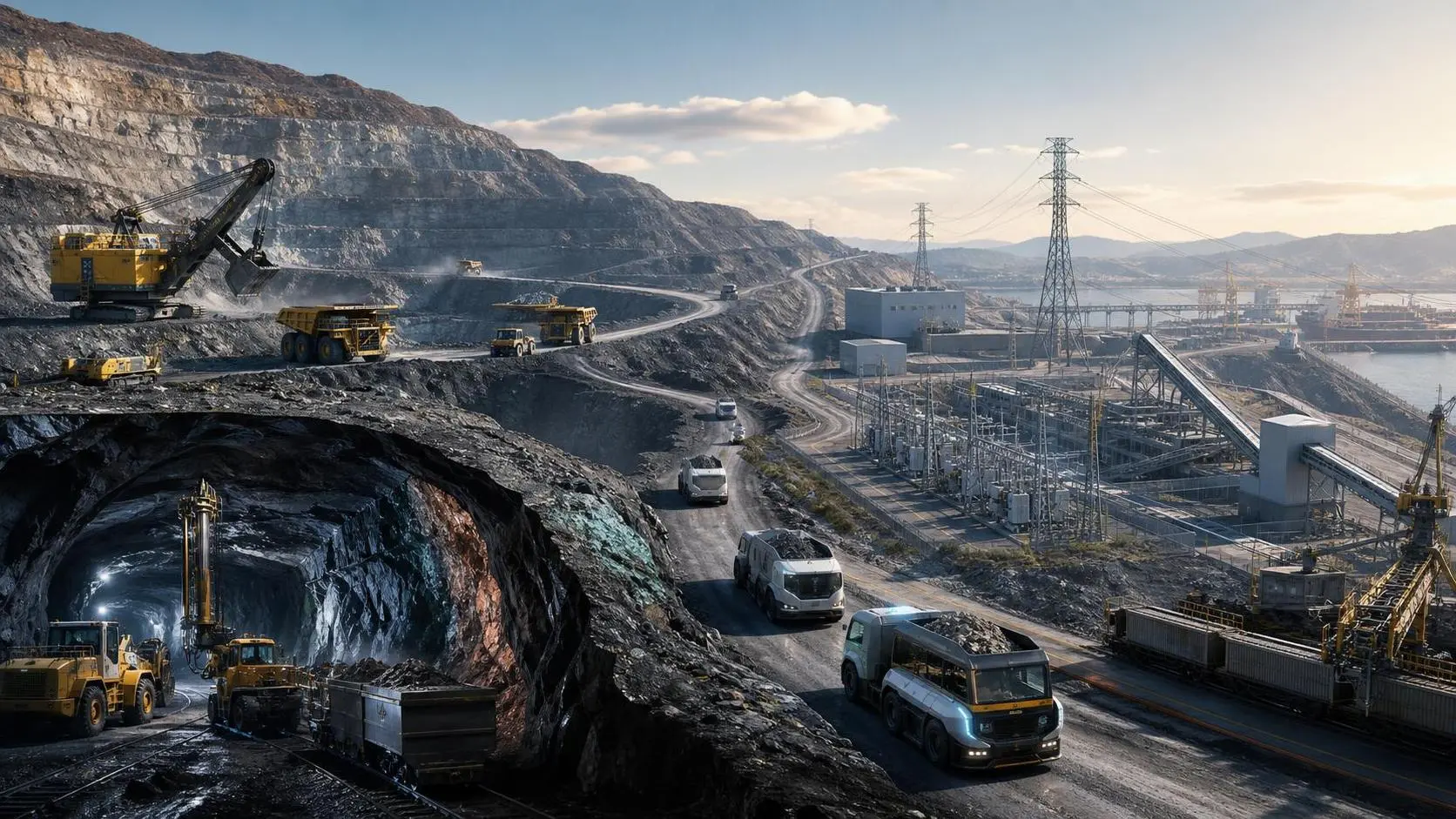
What Does Energy Metals Mining in Australia Mean for Supply, Cost, and Project Risk?
Energy metals mining Australia is reshaping supply, cost, and project risk. Discover what it means for buyers, investors, and operators.
EU Eases Dual CE and UKCA Path for Chinese Tunnel Boring Equipment
EU eases CE and UKCA certification for Chinese tunnel boring equipment, cutting compliance time and helping importers move faster.
Flameproof Underground Safety Equipment: What Mine Teams Should Check Before Buying
Underground Safety Equipment flameproof buying guide: learn how mine teams should verify certification, durability, serviceability, and supplier support before purchase.
Related News
- 00
0000-00
How to Evaluate Underground Haulage Systems for Ore Output, Ramp Grade, and Ventilation Limits - 00
0000-00
How to Evaluate a Pipe Jacking Equipment Distributor for Project Support and Uptime - 00
0000-00
How to Build a Mining Decarbonization Strategy That Balances Emissions, Cost, and Fleet Reality - 00
0000-00
How to Evaluate Articulated Dump Trucks Payload for Haul Road Conditions and Cycle Efficiency - 00
0000-00
How Pipe Fittings Material and Pressure Class Affect Water Line Selection
Weekly Insights
Stay ahead with our curated technology reports delivered every Monday.