
EU Updates EN 45013:2026 for Slurry Pipe Jacking





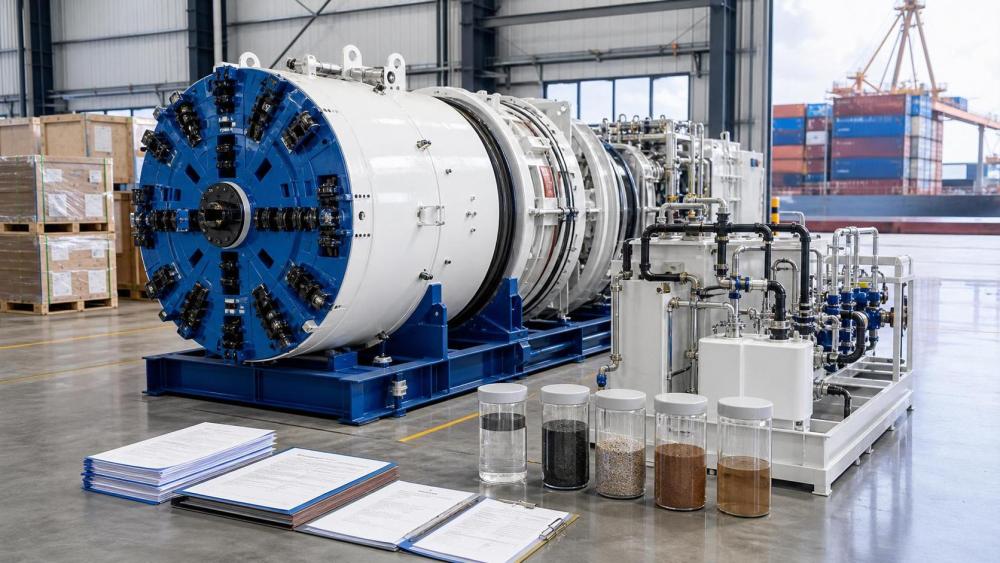
On July 6, 2026, CEN formally issued EN 45013:2026, introducing a new compliance threshold for Slurry Pipe Jacking equipment entering the EU market. From October 1, 2026, affected equipment must carry a groundwater pollution risk assessment report issued by a third-party certification body. This development deserves close attention from equipment manufacturers, exporters, certification-related service providers, and project supply chain teams because it connects environmental compatibility requirements directly to market access and customs timing.
What the new standard requires
The confirmed information shows that CEN released EN 45013:2026, titled environmental compatibility requirements for municipal pipe jacking equipment, on July 6, 2026. Under the revised standard, all Slurry Pipe Jacking equipment placed on the EU market must, from October 1, 2026, pass a groundwater pollution risk assessment documented by a third-party certification institution.
The new rule specifically sets quantitative limits in three areas: the sealing performance of slurry circulation systems, the heavy metal migration rate of bentonite slurry, and the disposal pathway for waste slurry. The input information also indicates that these requirements will directly affect the export compliance route and customs clearance timeliness of Chinese manufacturers.
Where the pressure is likely to appear first
Export-facing equipment makers will face a tighter compliance sequence
From an industry perspective, manufacturers shipping Slurry Pipe Jacking equipment to the EU are the first group likely to feel the impact. The reason is straightforward: the new assessment is tied to market entry rather than being treated as a secondary documentation matter. The main effect is likely to fall on pre-shipment preparation, technical file readiness, and the ability to align product design and supporting materials with third-party review requirements.
Trade and delivery teams may need to adjust customs-facing documentation
Direct trading companies and export operations teams may also be affected because the summary explicitly links the rule change to customs clearance timeliness. Analysis shows that the practical pressure point may not be limited to whether equipment is compliant in principle, but whether the required report is complete, correctly matched to the product, and available within delivery schedules.
Upstream material and slurry-related supply arrangements may draw more scrutiny
Because the standard highlights bentonite slurry heavy metal migration and waste slurry disposal pathways, procurement and supply chain participants connected to slurry-related inputs may need closer internal review. Observably, the impact here is less about general purchasing cost and more about whether supplied materials and disposal-related documentation can support downstream compliance submissions.
Certification and supporting service providers may become more central to project timing
Third-party certification bodies and related compliance service providers are also part of the affected chain. The new requirement makes external assessment an explicit gate in EU market access for the covered equipment. What deserves closer attention is how assessment scheduling, document completeness, and interpretation of the quantified limits could influence shipment planning and client communication.
What companies should monitor now
Watch the exact wording used in implementation and certification practice
Analysis shows that companies should focus not only on the existence of the new rule, but also on how its wording is applied in practice. The current confirmed facts establish the requirement for third-party groundwater pollution risk assessment, but businesses will still need to track how certification bodies and downstream customers interpret document scope, product coverage, and timing expectations.
Review whether existing technical documents map to the three quantified areas
A practical checkpoint is whether current product and process documentation can clearly address sealing in slurry circulation systems, heavy metal migration in bentonite slurry, and waste slurry disposal pathways. This is not a conclusion about any one company’s readiness; it is an operational observation based on the three topics explicitly named in the standard summary.
Prepare for longer coordination cycles in export and delivery workflows
Observably, the rule introduces a new third-party step ahead of EU market entry. For export teams, this makes delivery planning, customs document preparation, and customer communication more sensitive to timing. Companies involved in EU-bound shipments may need to review whether quotation, production, shipment, and handover timelines still match the new compliance sequence.
Clarify supplier and customer communication responsibilities early
What deserves closer attention is the handoff between manufacturers, trading entities, suppliers, and customers. Where compliance files depend on multiple parties, document ownership and response timelines can become a business risk even before any technical non-conformity is identified. Early clarification may matter as much as the technical assessment itself.
Why this looks like more than a short-term paperwork change
As an editorial observation, this update is better understood as a concrete compliance signal rather than a routine administrative adjustment. The reason is that the requirement is linked to third-party assessment and to quantified limits in environmental risk-related areas, which suggests a more formalized market access threshold for the covered equipment.
At the same time, it would be premature to treat this development as a fully settled long-term outcome beyond the confirmed scope. Analysis shows that the immediate fact pattern is clear, but the broader operational effect will still depend on how certification, documentation review, and customs-facing implementation unfold after the October 1, 2026 effective date.
How the market may need to read this development
The industry significance of this update lies in its direct connection between environmental compatibility requirements and export execution for Slurry Pipe Jacking equipment. For companies serving the EU market, the issue is not only regulatory awareness but also whether internal technical, documentation, and delivery processes can absorb the added compliance step without delay.
It is more appropriate to understand this as an active and actionable regulatory development with near-term business consequences, while still keeping room for further observation on implementation details. The confirmed change is already specific enough to warrant preparation, but the full commercial impact still needs continued tracking.
Basis of this article and what still needs verification
This article is based on the user-provided news title, event date, and event summary concerning EN 45013:2026 and the new groundwater pollution risk assessment requirement for Slurry Pipe Jacking equipment entering the EU market.
For this type of industry update, commonly relevant source categories may include official announcements, standard-setting organization documents, company disclosures, industry association information, and reporting by authoritative trade media. A specific official source link was not provided in the input, so the exact original publication path still requires further verification. Continued attention should be paid to any later official wording, certification application details, and implementation-related clarifications connected to the October 1, 2026 requirement.
Related News
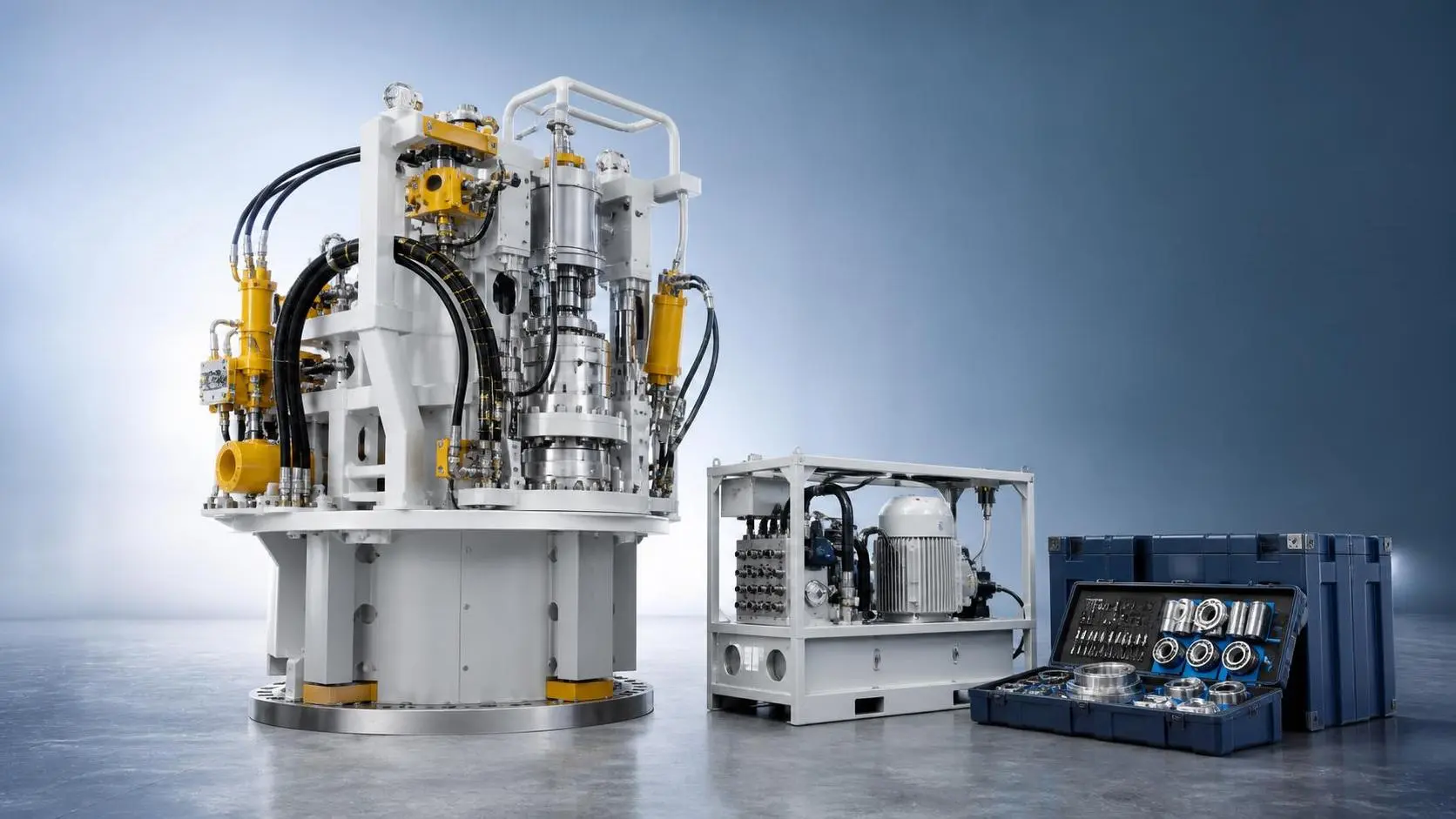
How to Evaluate a Pipe Jacking Equipment Distributor for Project Support and Uptime
Pipe jacking equipment distributor evaluation made practical: learn how to assess parts support, service response, training, and technical readiness to reduce downtime and protect project uptime.
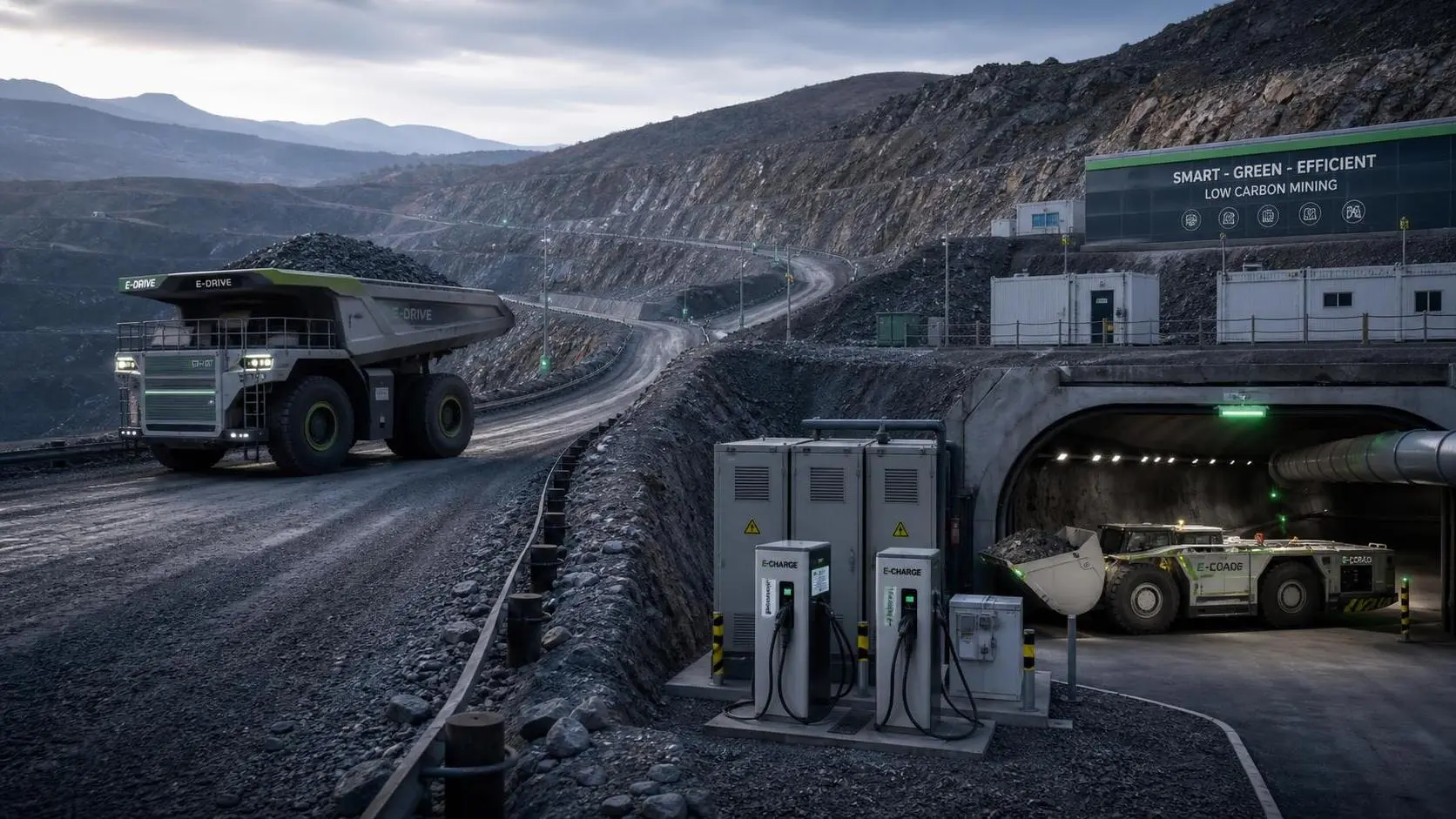
How to Build a Mining Decarbonization Strategy That Balances Emissions, Cost, and Fleet Reality
Mining decarbonization strategy starts with fleet reality. Learn how to cut emissions, control cost, and align power, ventilation, and production for a practical mine transition.
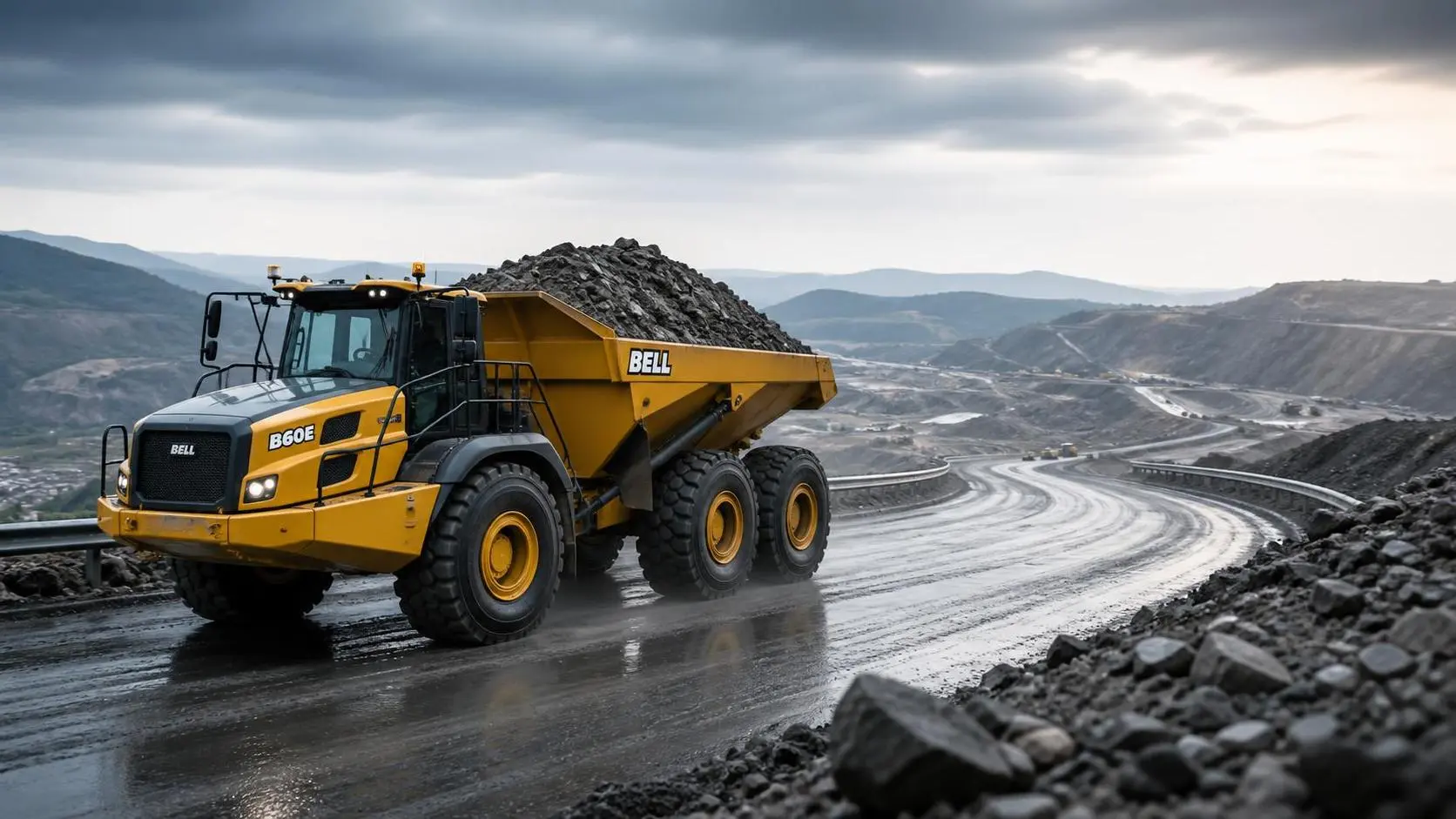
How to Evaluate Articulated Dump Trucks Payload for Haul Road Conditions and Cycle Efficiency
Articulated Dump Trucks payload evaluation starts with real haul road conditions, not brochure numbers. Learn how to balance payload, traction, grades, and cycle efficiency for safer, higher output.
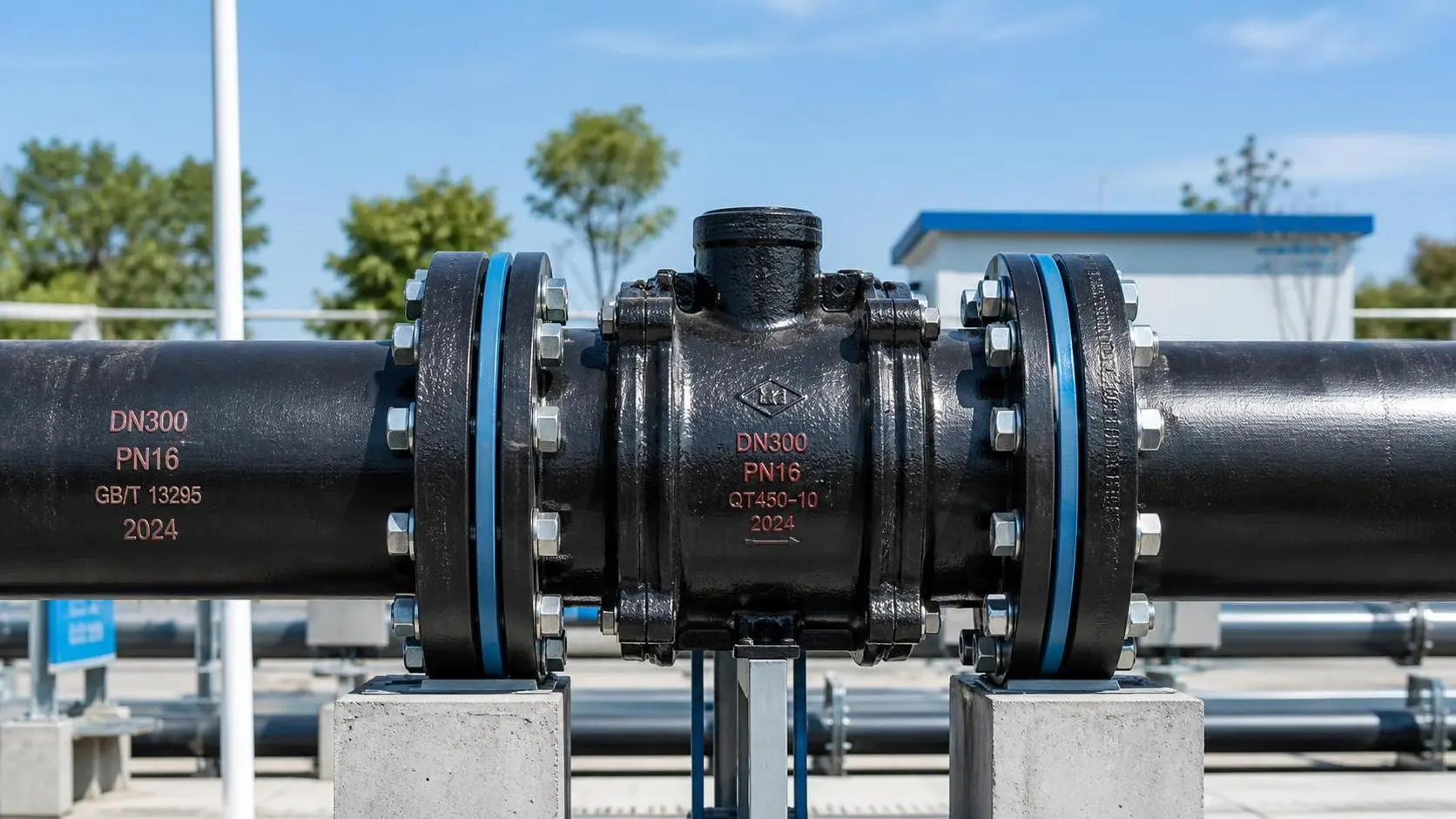
How Pipe Fittings Material and Pressure Class Affect Water Line Selection
Pipe fittings selection starts with material and pressure class. Learn how these factors affect water line reliability, corrosion resistance, installation, and long-term cost.
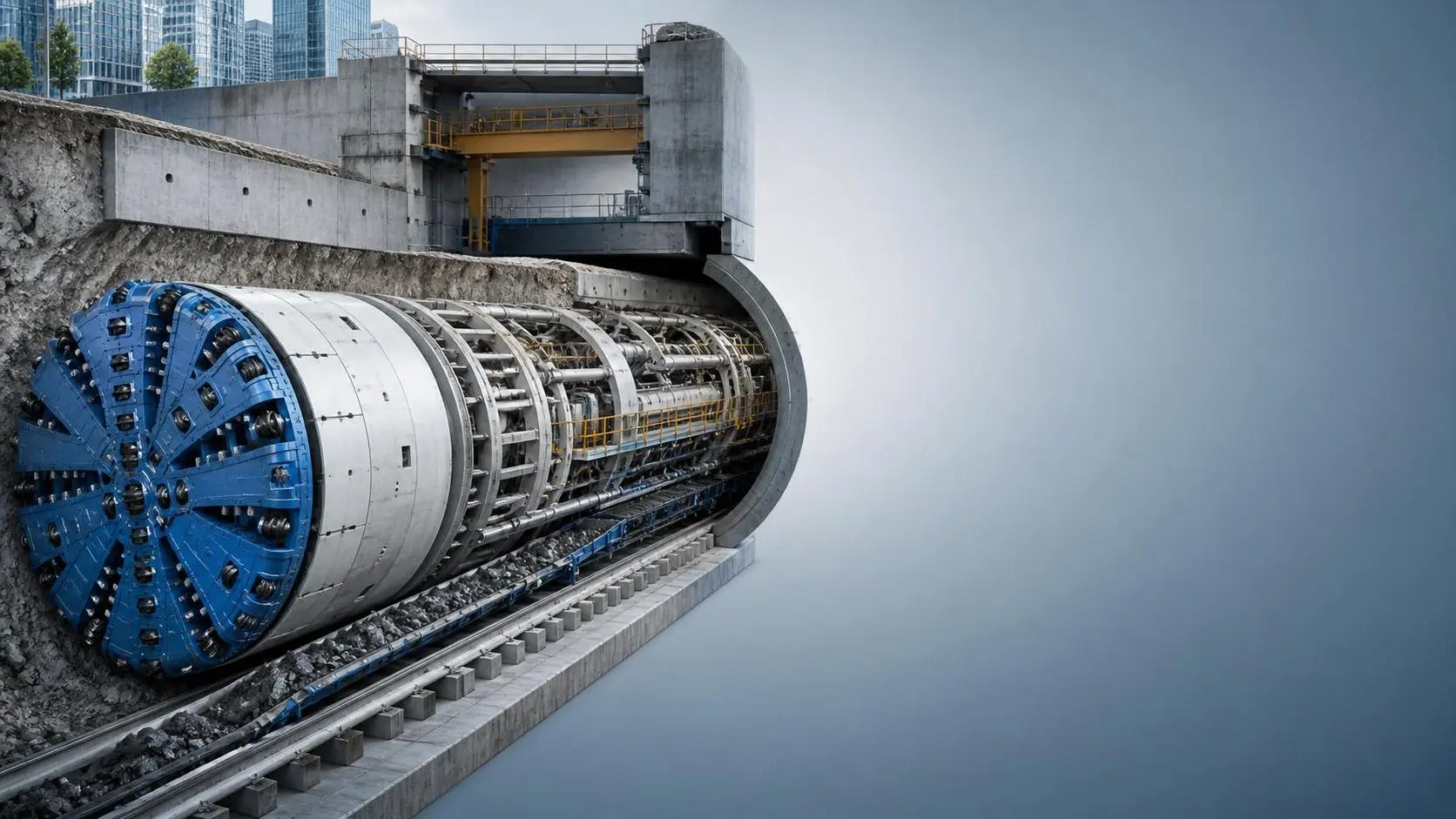
What Drives TBM Excavation Cost in Urban Tunneling Projects?
tbm excavation cost in urban tunneling depends on geology, shafts, segment lining, logistics, and risk. Discover the key cost drivers and compare bids with greater confidence.

What Does Energy Metals Mining in Australia Mean for Supply, Cost, and Project Risk?
Energy metals mining Australia is reshaping supply, cost, and project risk. Discover what it means for buyers, investors, and operators.

EU Eases Dual CE and UKCA Path for Chinese Tunnel Boring Equipment
EU eases CE and UKCA certification for Chinese tunnel boring equipment, cutting compliance time and helping importers move faster.
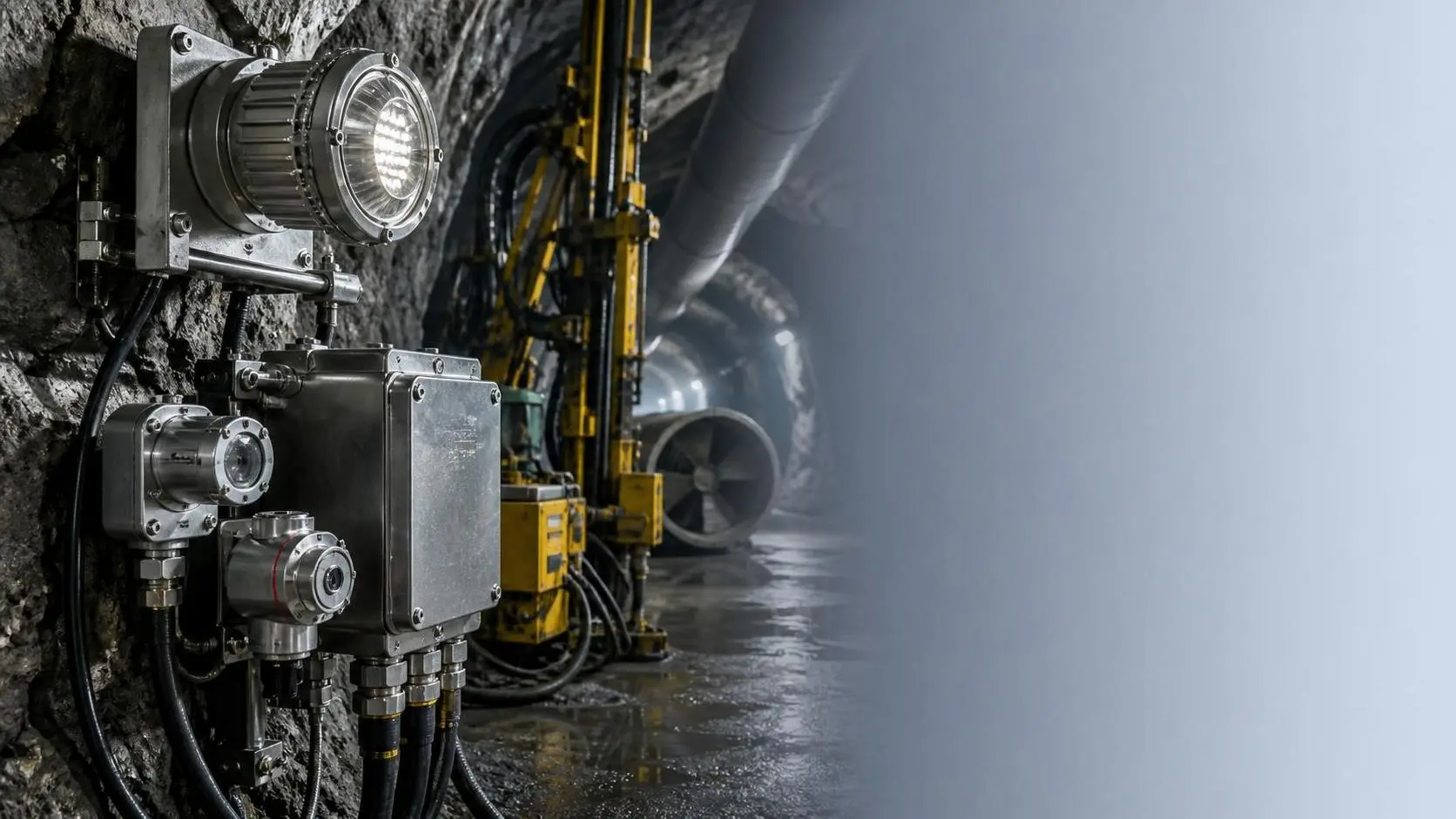
Flameproof Underground Safety Equipment: What Mine Teams Should Check Before Buying
Underground Safety Equipment flameproof buying guide: learn how mine teams should verify certification, durability, serviceability, and supplier support before purchase.
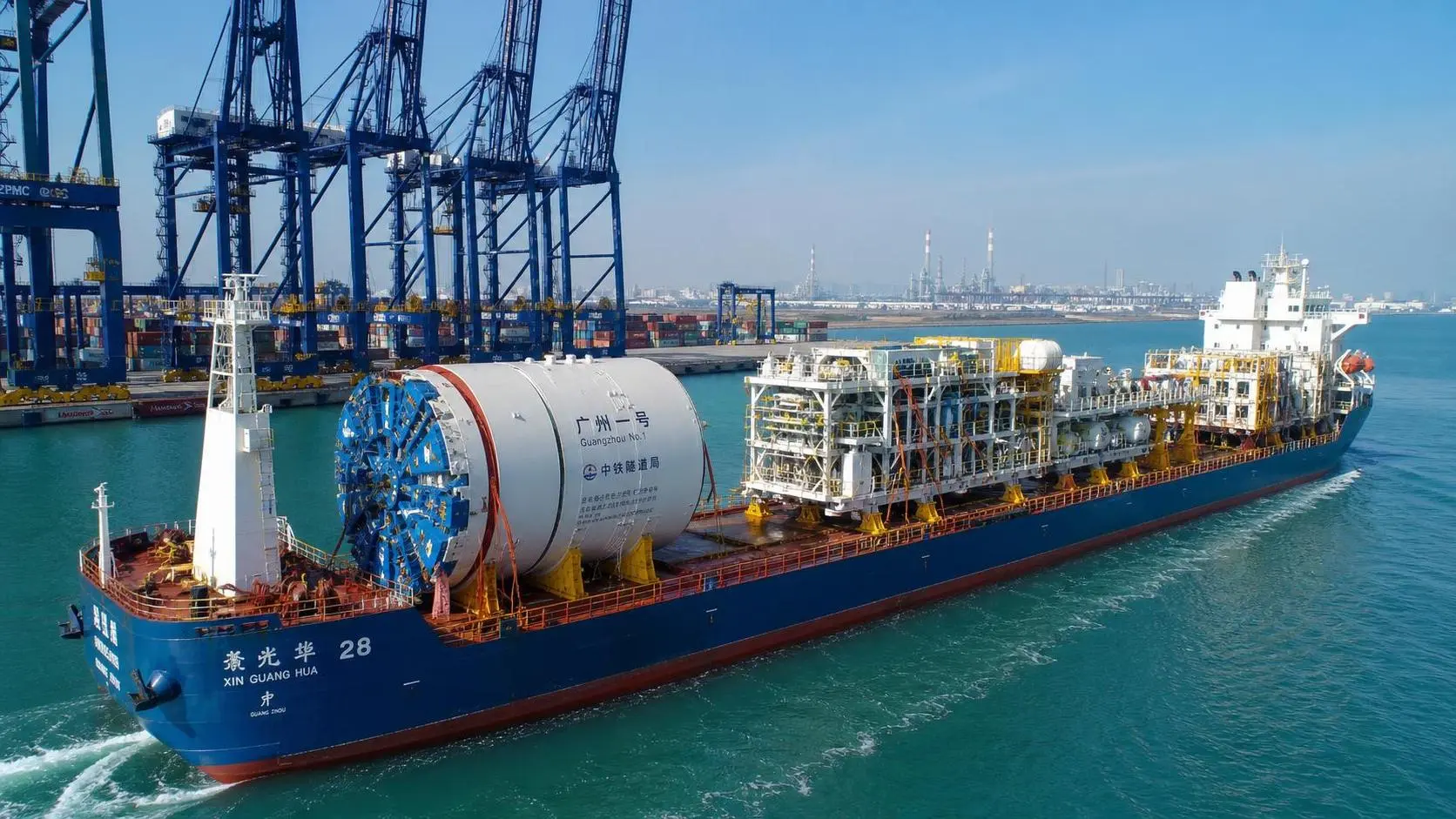
China-UAE Direct Sea Route Cuts TBM and Large Tunneling Equipment Lead Times
China-UAE direct sea route shortens TBM and large tunneling equipment lead times by 12–15 days, improving delivery predictability for major infrastructure projects. Read the full impact.
Related News
- 00
0000-00
How to Evaluate a Pipe Jacking Equipment Distributor for Project Support and Uptime - 00
0000-00
How to Build a Mining Decarbonization Strategy That Balances Emissions, Cost, and Fleet Reality - 00
0000-00
How to Evaluate Articulated Dump Trucks Payload for Haul Road Conditions and Cycle Efficiency - 00
0000-00
How Pipe Fittings Material and Pressure Class Affect Water Line Selection - 00
0000-00
What Drives TBM Excavation Cost in Urban Tunneling Projects?
Weekly Insights
Stay ahead with our curated technology reports delivered every Monday.