
Codelco Halts Haul Truck Tender Over ISO 19453-3:2026





On July 6, 2026, Codelco paused the opening of its planned July 15 procurement for 200 rigid haul trucks after introducing a new bid condition tied to ISO 19453-3:2026. The change centers on a mandatory remote diagnostic interface based on CAN FD and direct connectivity with the Codelco MineOS v5.2 platform. For equipment manufacturers, system integrators, and related delivery teams, this is not just a technical specification update; it is a procurement rule change that may affect bid eligibility, compliance documentation, interface design, and delivery planning.
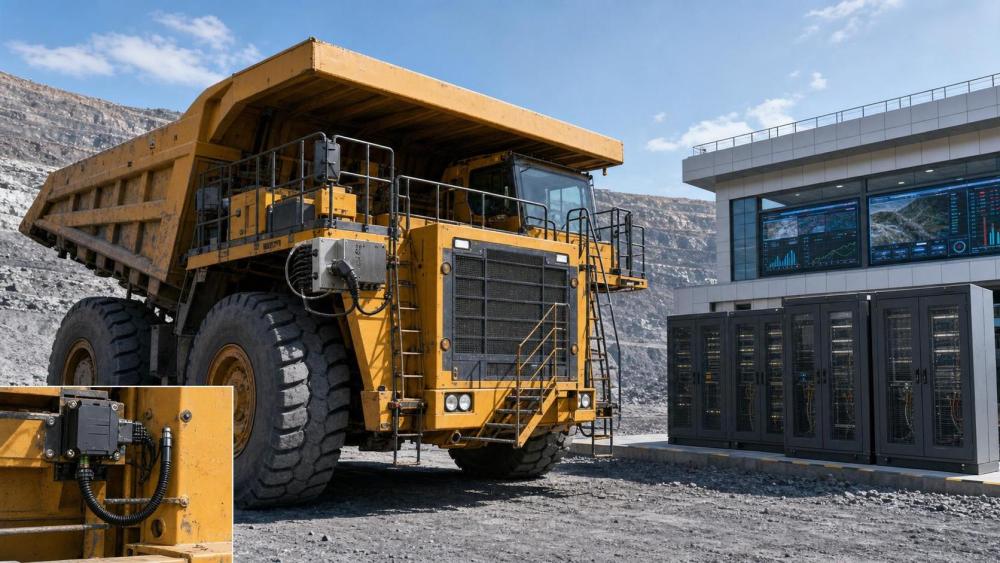
What the tender suspension confirms
The confirmed facts are limited but clear. Codelco announced on July 6, 2026 that it would suspend its procurement project for 200 rigid haul trucks that had been scheduled to open on July 15. The stated reason was a new requirement that all bidding equipment must comply with ISO 19453-3:2026. According to the provided event summary, this means the equipment must integrate a remote diagnostic data interface compliant with the CAN FD protocol and support direct connection to Codelco MineOS v5.2. The same summary states that this change will affect the bidding qualification and delivery solution design of Chinese OEMs and system integrators.
Where the requirement change may be felt first
OEM bid qualification may tighten at the specification stage
From an industry perspective, truck manufacturers may be affected first because the new requirement sits at the intersection of product configuration and tender access. If remote diagnostic capability and MineOS v5.2 connectivity are now mandatory conditions, the issue is no longer limited to optional digital features. It may directly shape whether a model can be presented as compliant in the technical bid, and whether existing configurations need redesign, interface validation, or updated technical files before submission.
System integration work moves closer to the core delivery scope
System integrators may also face a more immediate role in the bid and delivery process. Analysis shows that when a procurement condition explicitly requires direct platform connection, interface architecture, protocol handling, and diagnostic data compatibility become part of the commercial deliverable rather than a later-stage customization topic. This can affect technical bid alignment, scope allocation between OEM and integrator, and the documentation needed to show that the proposed solution matches the buyer's stated interface expectations.
Procurement and delivery planning may need to absorb new compliance checks
For procurement teams, exporters, and supply chain service providers, the practical impact may appear in bid package preparation and delivery sequencing. What deserves closer attention is whether the new requirement leads bidders to update configuration lists, compliance statements, interface descriptions, test records, or other technical documents referenced in tender materials. Even without additional confirmed execution details, the suspension itself signals that digital interface compliance may now sit alongside equipment performance as a procurement gate.
After-sales and support obligations may come under closer review
Observably, a mandatory remote diagnostic interface can also affect downstream service arrangements. Where direct connection to a mine platform is written into the equipment requirement, service providers may need to pay closer attention to fault data access, compatibility responsibilities, software support boundaries, and traceability in post-delivery operations. The current input does not confirm any new after-sales rules, but it does suggest that service planning may need to align more closely with interface compliance expectations.
What companies should watch now
Review whether existing configurations can meet the stated interface condition
Companies preparing bids should first examine whether their current rigid haul truck configurations already include a CAN FD-based remote diagnostic data interface that can be presented as compliant with the stated requirement. The key issue is not only hardware availability, but also whether the configuration can be documented clearly in tender-facing materials.
Check technical files and tender documents for consistency
Analysis shows that compliance risk may arise from documentation gaps as much as from product gaps. Manufacturers and integrators should pay close attention to specification sheets, interface descriptions, diagnostic architecture notes, and any other technical submission materials used to support bid qualification. Where wording is inconsistent, qualification questions may emerge even before delivery planning begins.
Monitor how the requirement is expressed in follow-up tender language
The provided information confirms the suspension and the new requirement, but it does not provide the full execution wording, review method, or acceptance standard. For that reason, companies should continue tracking how the requirement is reflected in any updated tender documents, clarification notices, or procurement language. This is especially important for firms deciding whether the requirement functions as a strict entry prerequisite, a scored technical item, or a delivery-stage obligation.
Reassess delivery design and partner responsibilities
Chinese OEMs and system integrators mentioned in the event summary may need to revisit delivery solution design, especially where interface integration depends on multiple parties. What deserves closer attention is the division of responsibility for onboard hardware, protocol compatibility, software linkage, commissioning support, and evidence of compliance. The current information does not establish a final execution model, so coordination risk remains a live issue.
Why this reads as an execution signal, not just a specification update
Analysis shows that the significance of this development lies less in the publication of a standard name and more in its immediate use inside a live procurement process. A suspended tender tied to a mandatory interface condition is better understood as an execution signal: the buyer is linking technical connectivity requirements directly to tender participation. At the same time, it is still too early to treat this as a fully settled market rule beyond the scope described in the provided input. The practical meaning will depend on how procurement documents, compliance reviews, and supplier responses develop after the suspension.
How to read the market significance at this stage
At this stage, it is more appropriate to understand the event as a concrete compliance trigger within a procurement setting rather than as a broad and final industry-wide conclusion. The confirmed facts already show that digital diagnostic interface standards can move from technical preference to bid access condition. For affected suppliers and service partners, the rational takeaway is to treat interface compliance, tender documentation, and delivery design as linked issues, while continuing to watch how the requirement is applied in practice.
Basis of this article and points that still require verification
This article is based on the user-provided news title, event date, and event summary. For developments of this kind, relevant source categories would typically include official procurement notices, buyer announcements, regulatory releases, trade or customs authority information, industry association updates, standard-setting organization documents, and reporting by authoritative industry media. A specific official source link was not provided in the input, so the exact original publication and subsequent wording still require ongoing verification. Further observation should focus on detailed execution language, certification or compliance interpretation, changes to tender documents, industry feedback, and how affected companies adjust their bidding and delivery arrangements.
Related News
How to Evaluate a Pipe Jacking Equipment Distributor for Project Support and Uptime
Pipe jacking equipment distributor evaluation made practical: learn how to assess parts support, service response, training, and technical readiness to reduce downtime and protect project uptime.
How to Build a Mining Decarbonization Strategy That Balances Emissions, Cost, and Fleet Reality
Mining decarbonization strategy starts with fleet reality. Learn how to cut emissions, control cost, and align power, ventilation, and production for a practical mine transition.
How to Evaluate Articulated Dump Trucks Payload for Haul Road Conditions and Cycle Efficiency
Articulated Dump Trucks payload evaluation starts with real haul road conditions, not brochure numbers. Learn how to balance payload, traction, grades, and cycle efficiency for safer, higher output.
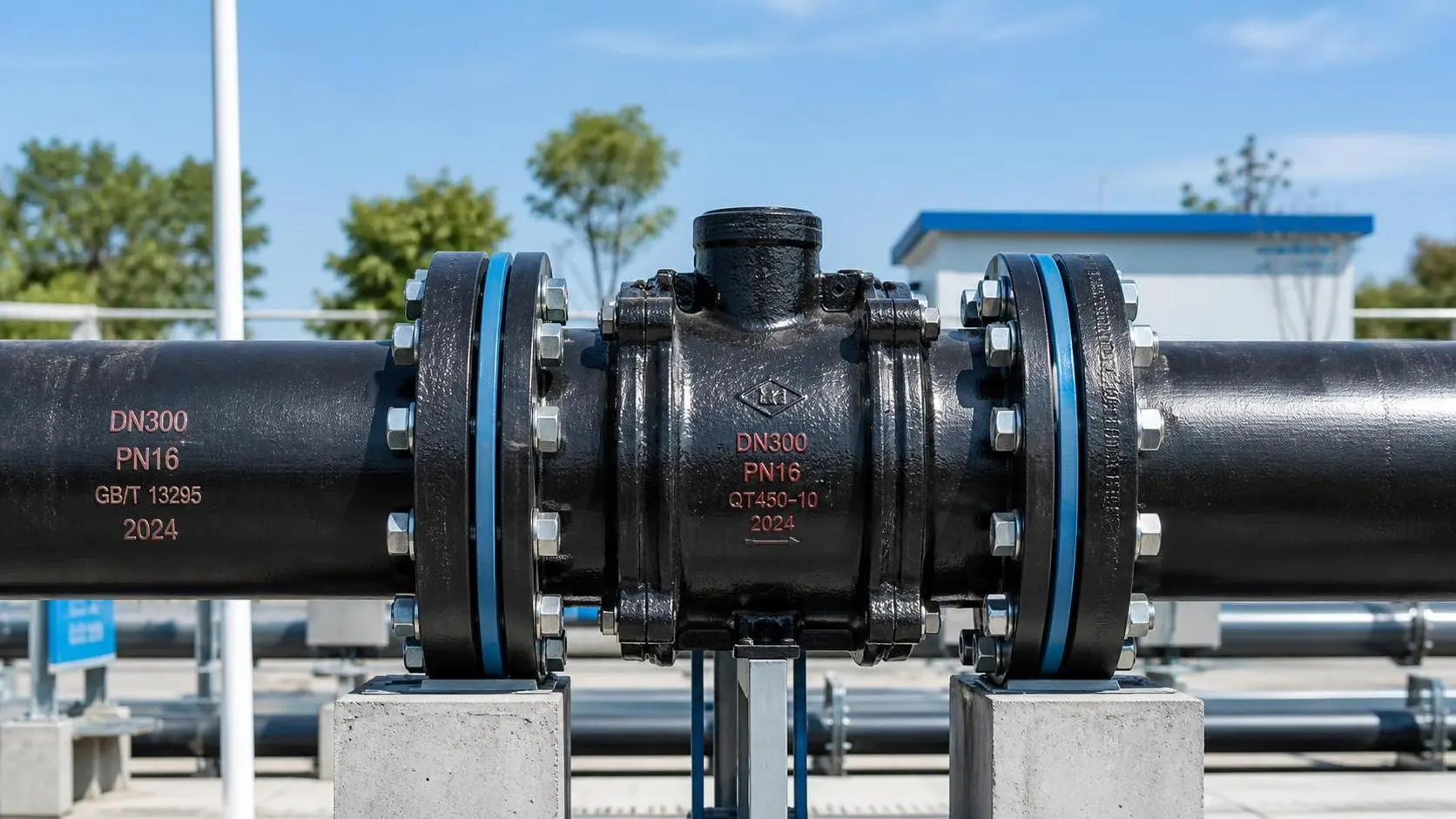
How Pipe Fittings Material and Pressure Class Affect Water Line Selection
Pipe fittings selection starts with material and pressure class. Learn how these factors affect water line reliability, corrosion resistance, installation, and long-term cost.
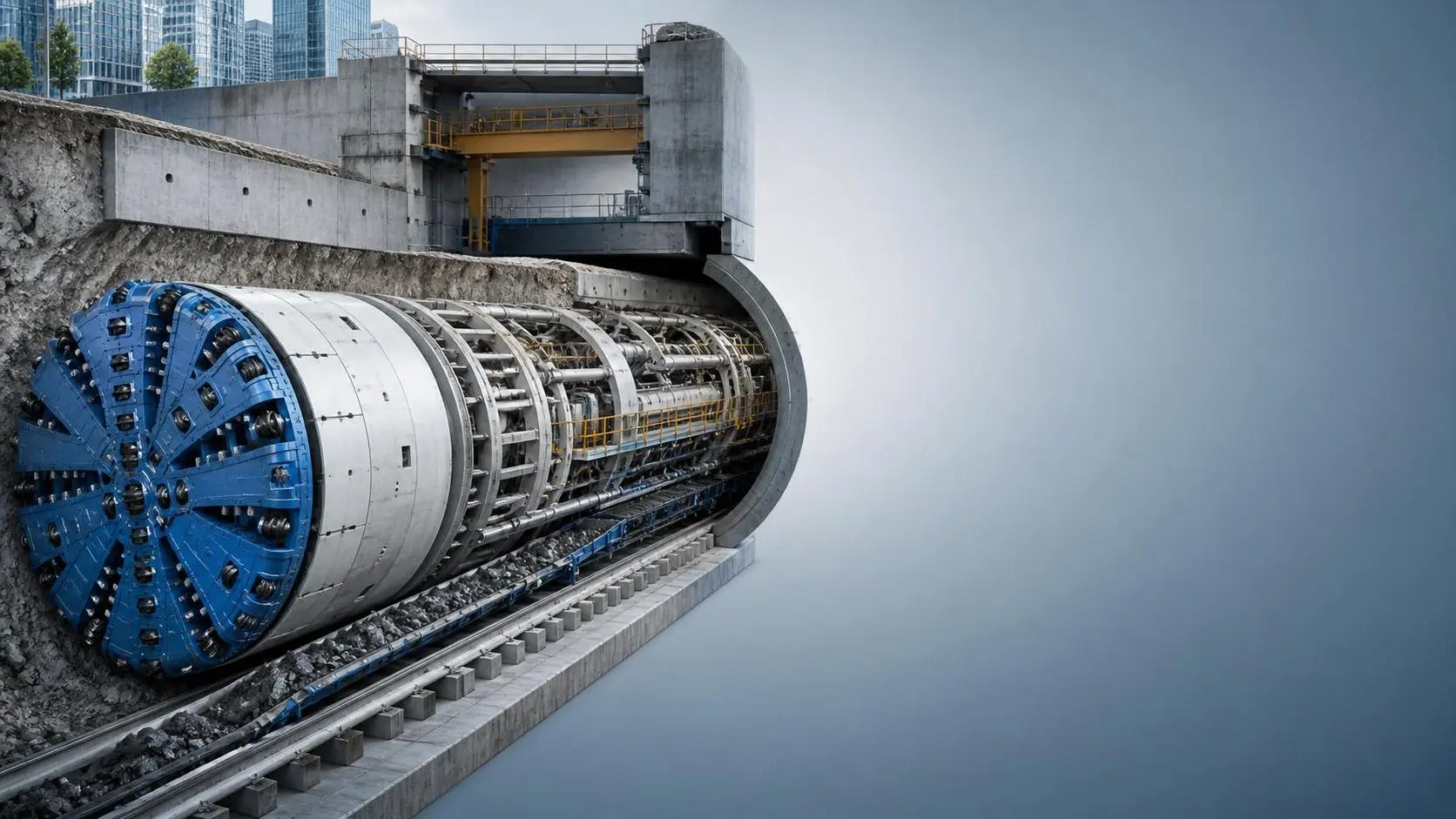
What Drives TBM Excavation Cost in Urban Tunneling Projects?
tbm excavation cost in urban tunneling depends on geology, shafts, segment lining, logistics, and risk. Discover the key cost drivers and compare bids with greater confidence.

What Does Energy Metals Mining in Australia Mean for Supply, Cost, and Project Risk?
Energy metals mining Australia is reshaping supply, cost, and project risk. Discover what it means for buyers, investors, and operators.

EU Eases Dual CE and UKCA Path for Chinese Tunnel Boring Equipment
EU eases CE and UKCA certification for Chinese tunnel boring equipment, cutting compliance time and helping importers move faster.
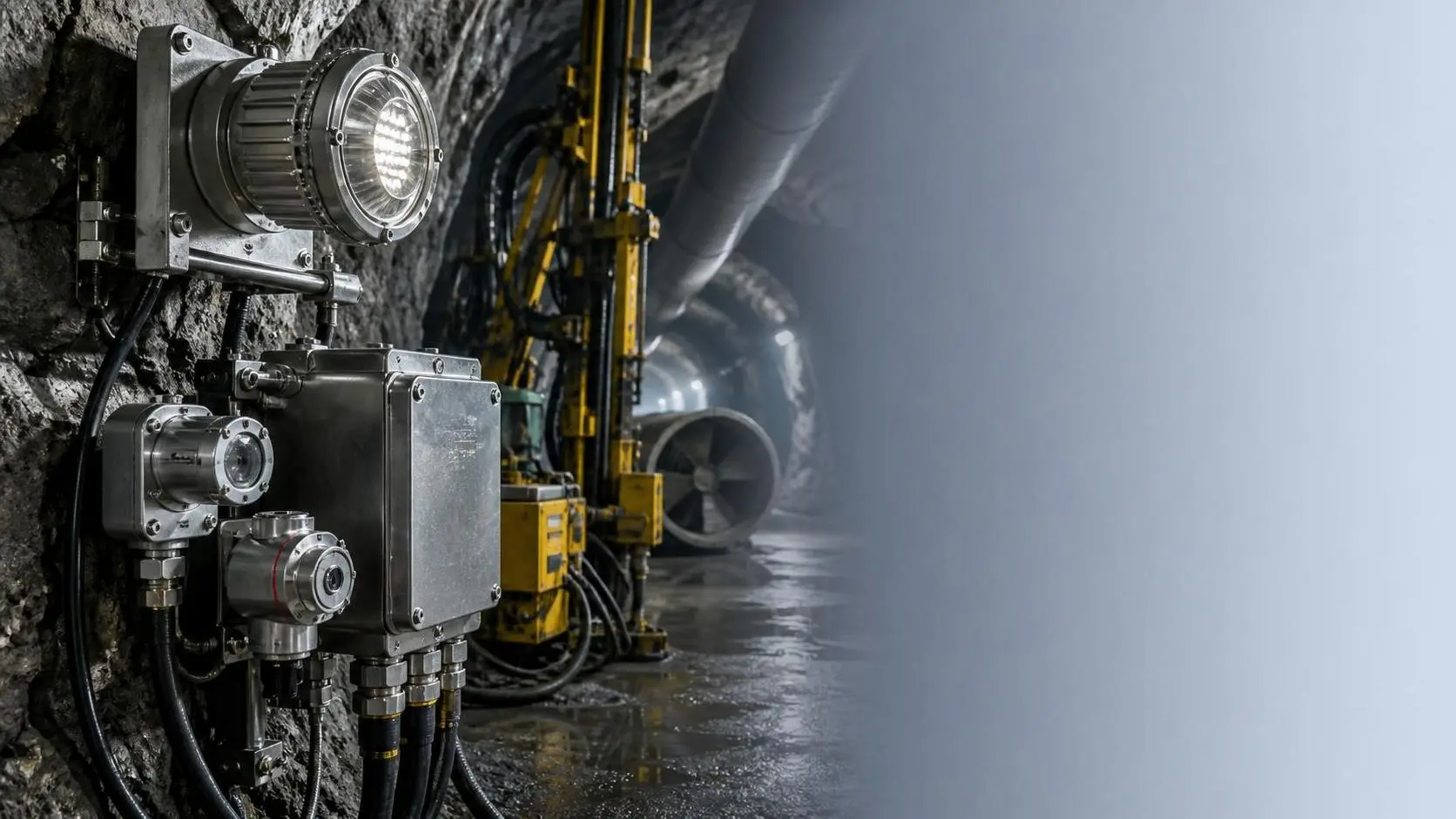
Flameproof Underground Safety Equipment: What Mine Teams Should Check Before Buying
Underground Safety Equipment flameproof buying guide: learn how mine teams should verify certification, durability, serviceability, and supplier support before purchase.
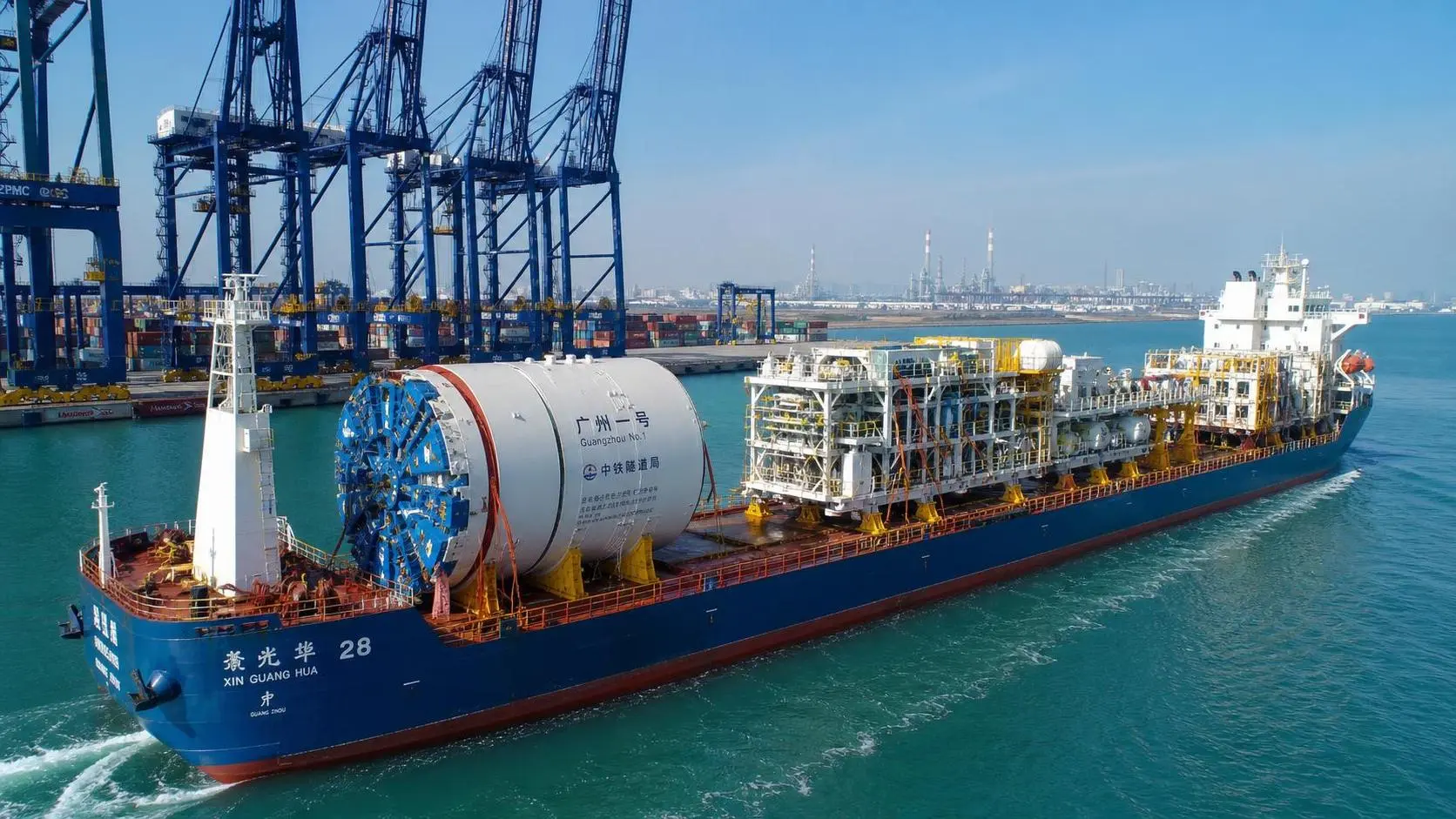
China-UAE Direct Sea Route Cuts TBM and Large Tunneling Equipment Lead Times
China-UAE direct sea route shortens TBM and large tunneling equipment lead times by 12–15 days, improving delivery predictability for major infrastructure projects. Read the full impact.
Related News
- 00
0000-00
How to Evaluate a Pipe Jacking Equipment Distributor for Project Support and Uptime - 00
0000-00
How to Build a Mining Decarbonization Strategy That Balances Emissions, Cost, and Fleet Reality - 00
0000-00
How to Evaluate Articulated Dump Trucks Payload for Haul Road Conditions and Cycle Efficiency - 00
0000-00
How Pipe Fittings Material and Pressure Class Affect Water Line Selection - 00
0000-00
What Drives TBM Excavation Cost in Urban Tunneling Projects?
Weekly Insights
Stay ahead with our curated technology reports delivered every Monday.