
What slows Underground Mining Transport the most?





Underground Mining Transport slows down most when multiple bottlenecks interact inside confined haulage networks. Narrow drifts, poor dispatching, loading imbalance, ventilation limits, and downtime often reinforce each other.
In modern mining, delay is not only a productivity issue. It affects energy use, tire wear, operator exposure, cycle consistency, and cost per ton across the whole underground value chain.
For intelligence platforms such as UTMD, this topic matters because Underground Mining Transport now sits at the center of electrification, automation, and digital mine planning.
Core Meaning of Underground Mining Transport Delays
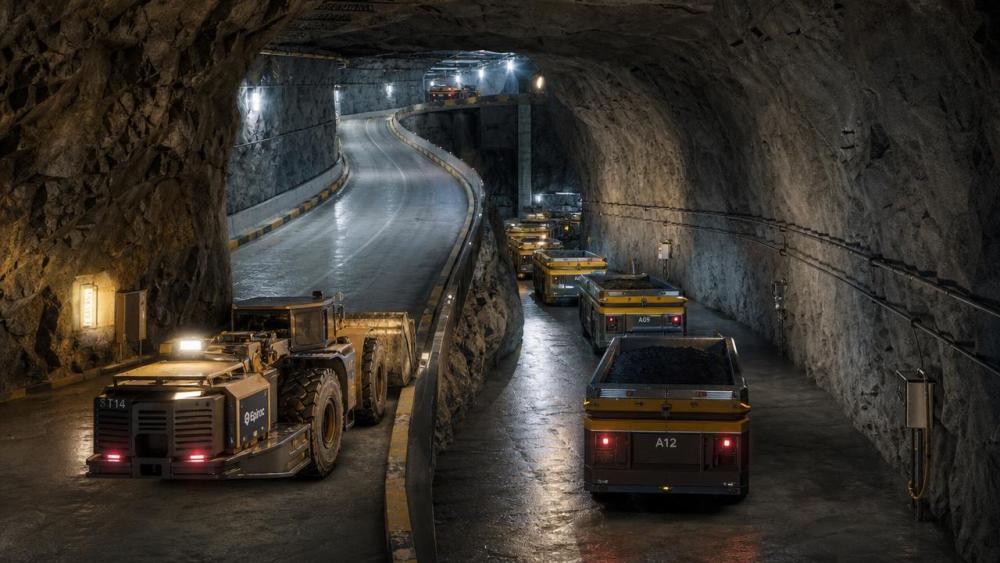
Underground Mining Transport includes loading, hauling, dumping, traffic control, recharge or refuel intervals, and the supporting ventilation and communication systems around them.
The biggest slowdown rarely comes from one machine alone. It usually comes from system friction between equipment, roadway design, shift timing, and ground conditions.
A loader may finish quickly, while trucks wait at a passing bay. A truck may run fast, while ore passes stay blocked. A battery unit may be available, while ventilation is restricted.
That is why Underground Mining Transport should be measured as a flow system, not a single vehicle performance issue.
The most common slowdown categories
- Roadway constraints and poor tunnel geometry
- Queueing at loading and dumping points
- Equipment downtime and maintenance gaps
- Weak traffic coordination between mobile assets
- Ventilation, heat, and exhaust management limits
- Operator variability and shift change losses
Industry Signals Shaping Underground Mining Transport Performance
Underground Mining Transport is changing fast because mines now balance tonnage targets with ESG pressure, automation goals, and stricter underground safety requirements.
Battery-electric fleets reduce diesel emissions, but they also introduce new planning questions around charging, swapping, heat load, and power infrastructure.
At the same time, smart dispatch systems promise smoother traffic, yet many sites still struggle with fragmented data between loaders, trucks, maintenance, and ventilation teams.
What Slows Underground Mining Transport the Most in Practice
Among all factors, traffic conflict in constrained tunnels is often the biggest hidden drag on Underground Mining Transport.
Many mines focus on engine power or payload first. Yet two-way movement through narrow drifts often erases those gains through waiting time.
1. Tunnel geometry and roadway condition
Sharp turns, rough floors, water accumulation, low backs, and limited passing pockets reduce average speed more than many planning models expect.
Even small gradients matter. A loaded vehicle on a steep ramp slows faster, consumes more energy, and may affect braking recovery on long declines.
2. Loading and dumping imbalance
If loader bucket fill factors vary, truck cycles become irregular. The result is queueing at the face, idle time at ore passes, and unstable hourly throughput.
Underground Mining Transport suffers most when one stage runs faster than the next but no dispatch logic rebalances the flow.
3. Equipment downtime
A single unavailable LHD or truck can disrupt several headings. In confined systems, there are fewer alternate routes and less spare capacity than surface mines.
Unplanned downtime is especially costly when it blocks an active haul route rather than only removing capacity.
4. Ventilation and environmental limits
Diesel fleets may need speed or access restrictions when airflow is insufficient. Electric fleets reduce exhaust, but heat and power availability still shape performance.
Underground Mining Transport cannot run faster than the environmental envelope allows, especially at deeper levels.
5. Weak coordination and poor visibility
Without reliable fleet visibility, dispatchers react late. Trucks bunch together, idle at intersections, or arrive at closed dumping points.
This is where digital tools, SLAM-based positioning, and live cycle analytics create measurable gains.
Business Value of Fixing Underground Mining Transport Bottlenecks
Improving Underground Mining Transport does more than raise speed. It improves reliability, which is often more valuable than isolated peak performance.
A stable haulage system helps planning teams forecast output better. It also reduces overtime pressure, emergency maintenance, and energy spikes.
- Lower cost per ton through fewer idle minutes
- Better safety through reduced congestion and clearer traffic rules
- Higher asset utilization across loaders, trucks, and ore passes
- Improved ventilation efficiency with cleaner, smoother movement
- Stronger readiness for automation and electrified fleet scaling
For organizations tracking smart mine development, Underground Mining Transport is one of the clearest indicators of whether digitalization is producing operational value.
Typical Underground Mining Transport Scenarios and Bottlenecks
Different mine layouts create different transport limits. The right response depends on depth, route length, fleet type, and ore handling architecture.
Practical Steps to Improve Underground Mining Transport
The best improvements usually come from removing recurring minutes from each cycle rather than chasing dramatic one-time changes.
- Map actual delays by segment, not only by shift totals.
- Separate travel time, wait time, loading time, and dumping time.
- Review passing bay spacing and intersection control logic.
- Align loader capacity with truck availability and ore pass status.
- Use predictive maintenance to prevent route-blocking failures.
- Integrate ventilation, power, and fleet dispatch data.
- Track battery, tire, and brake performance under actual haul gradients.
Underground Mining Transport improves fastest when teams treat haulage, mine design, and infrastructure as one coordinated operating system.
Key caution points
- Do not benchmark only maximum speed; focus on repeatable cycle time.
- Do not add fleet units before confirming route capacity.
- Do not separate electrification decisions from ventilation planning.
- Do not overlook roadway maintenance in digital optimization programs.
Action Path for Better Underground Mining Transport
A practical next step is to audit one haul circuit in detail for seven to fourteen days. Measure where time is truly lost and where congestion begins.
Then compare three layers together: physical route limits, fleet coordination quality, and environmental constraints. This reveals whether the real issue is design, operations, or infrastructure.
For organizations following UTMD intelligence, Underground Mining Transport should be evaluated alongside automation readiness, battery strategy, and deep-mine reliability goals.
The mines that move fastest are not always those with the biggest machines. They are the ones that remove friction from every meter, every cycle, and every decision.
Related News
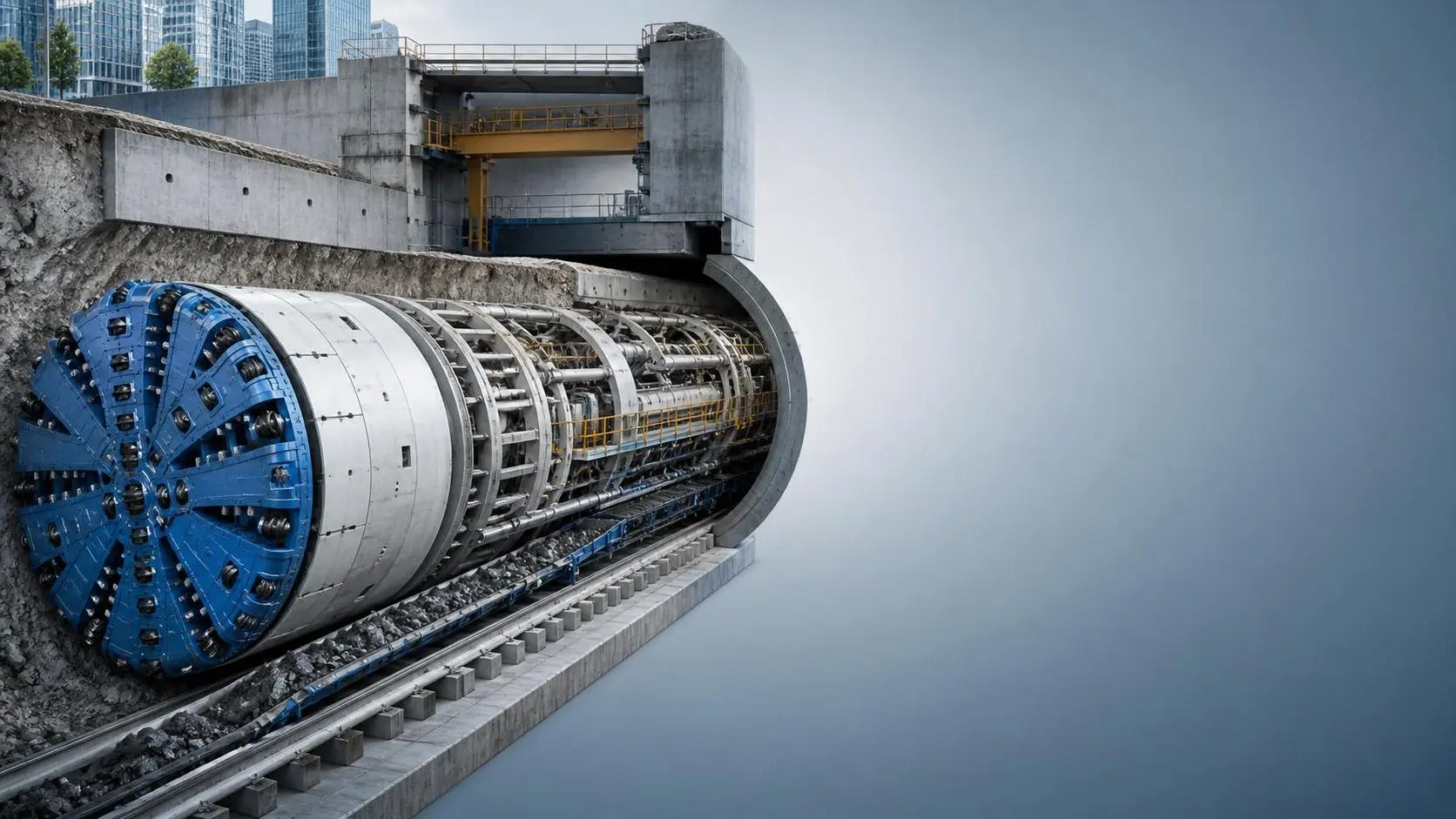
What Drives TBM Excavation Cost in Urban Tunneling Projects?
tbm excavation cost in urban tunneling depends on geology, shafts, segment lining, logistics, and risk. Discover the key cost drivers and compare bids with greater confidence.
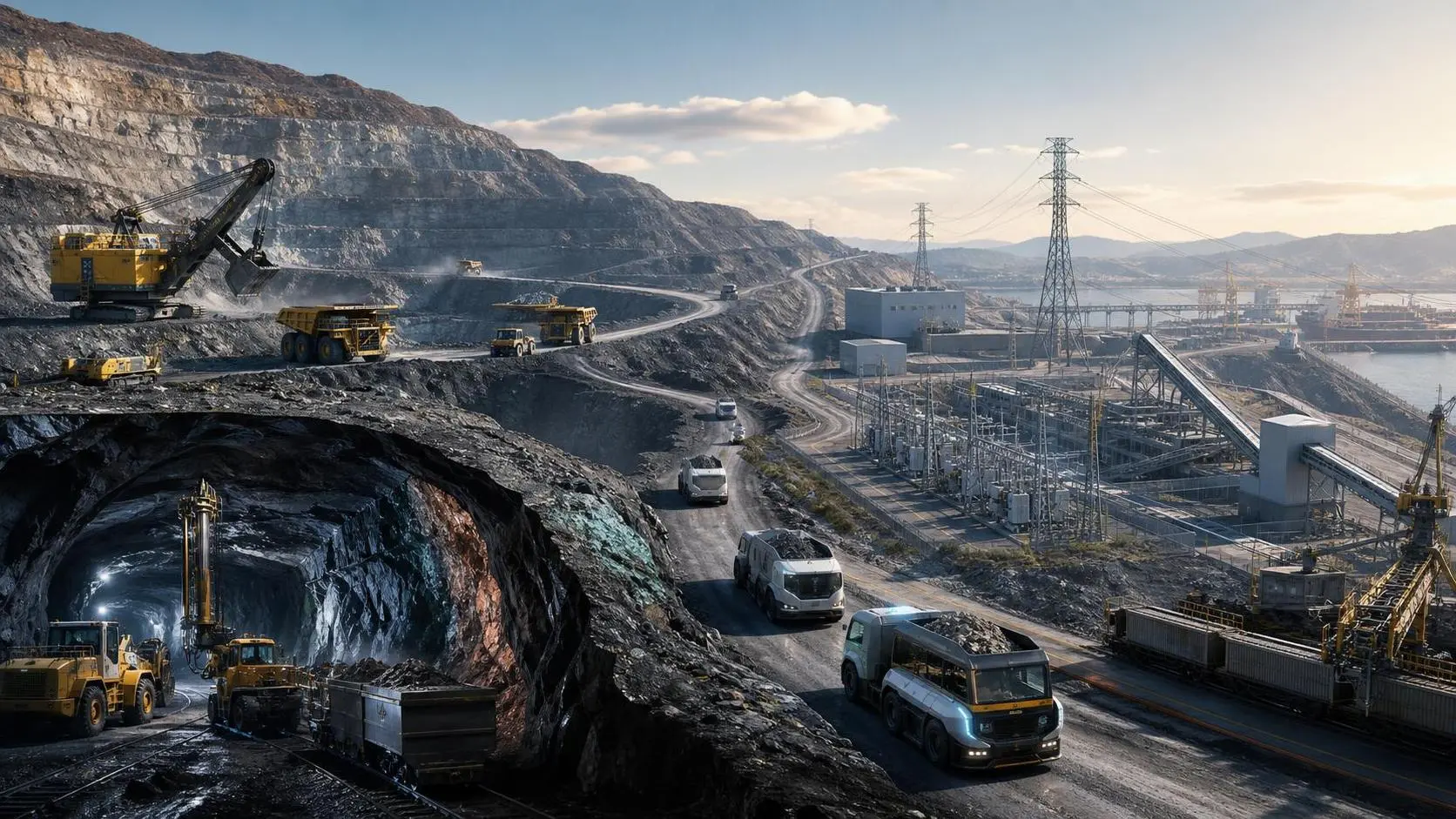
What Does Energy Metals Mining in Australia Mean for Supply, Cost, and Project Risk?
Energy metals mining Australia is reshaping supply, cost, and project risk. Discover what it means for buyers, investors, and operators.
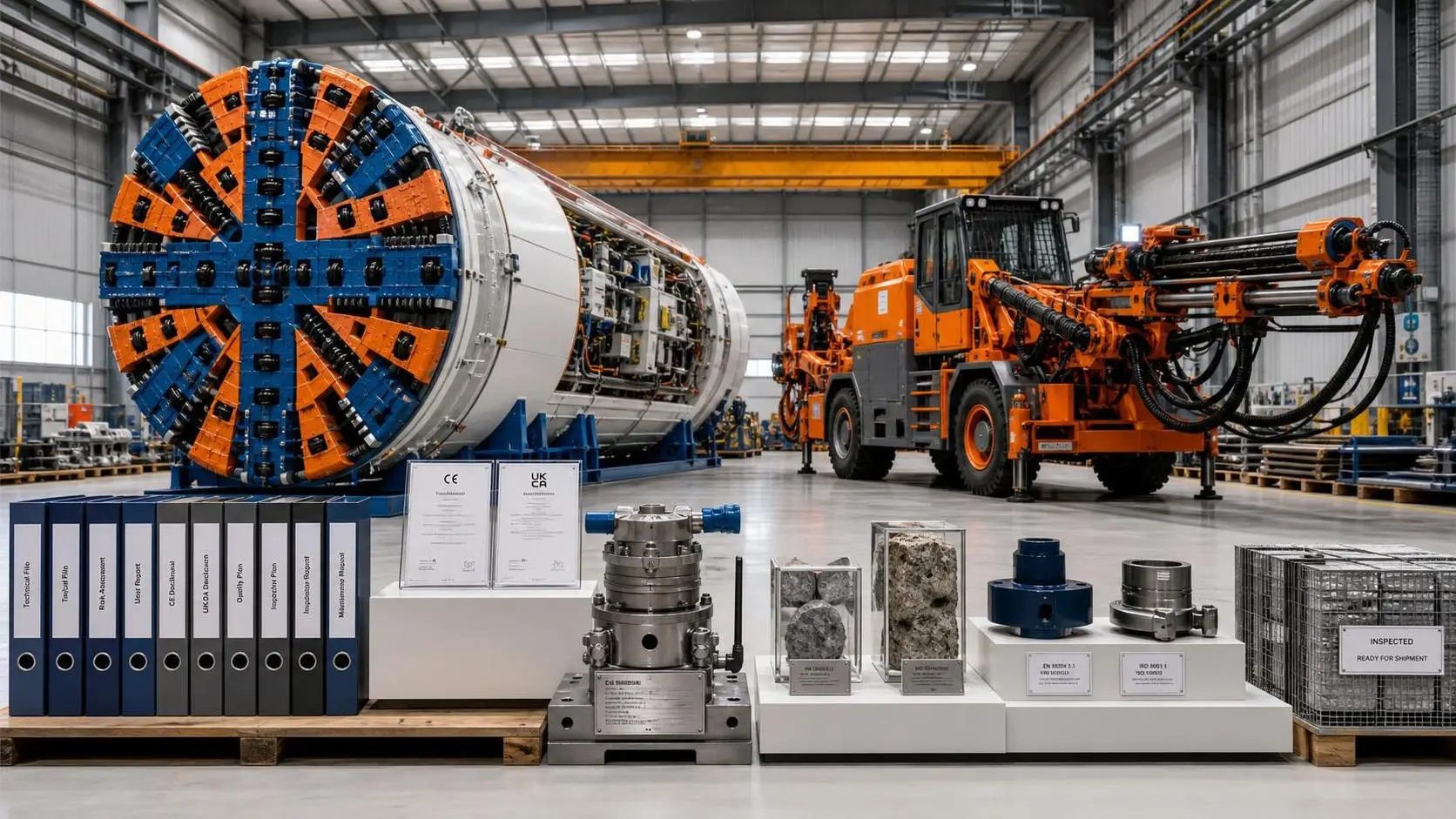
EU Eases Dual CE and UKCA Path for Chinese Tunnel Boring Equipment
EU eases CE and UKCA certification for Chinese tunnel boring equipment, cutting compliance time and helping importers move faster.
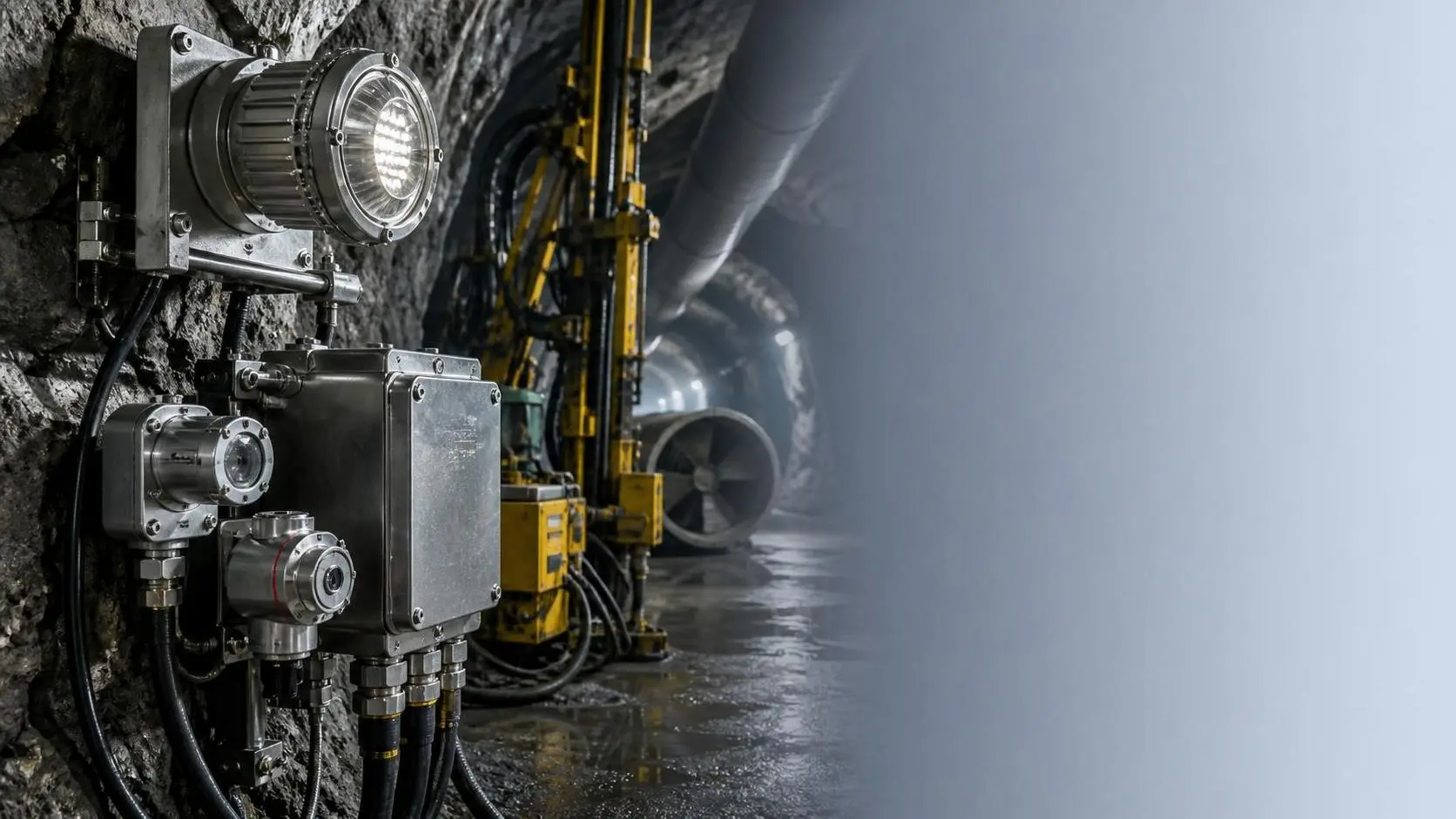
Flameproof Underground Safety Equipment: What Mine Teams Should Check Before Buying
Underground Safety Equipment flameproof buying guide: learn how mine teams should verify certification, durability, serviceability, and supplier support before purchase.
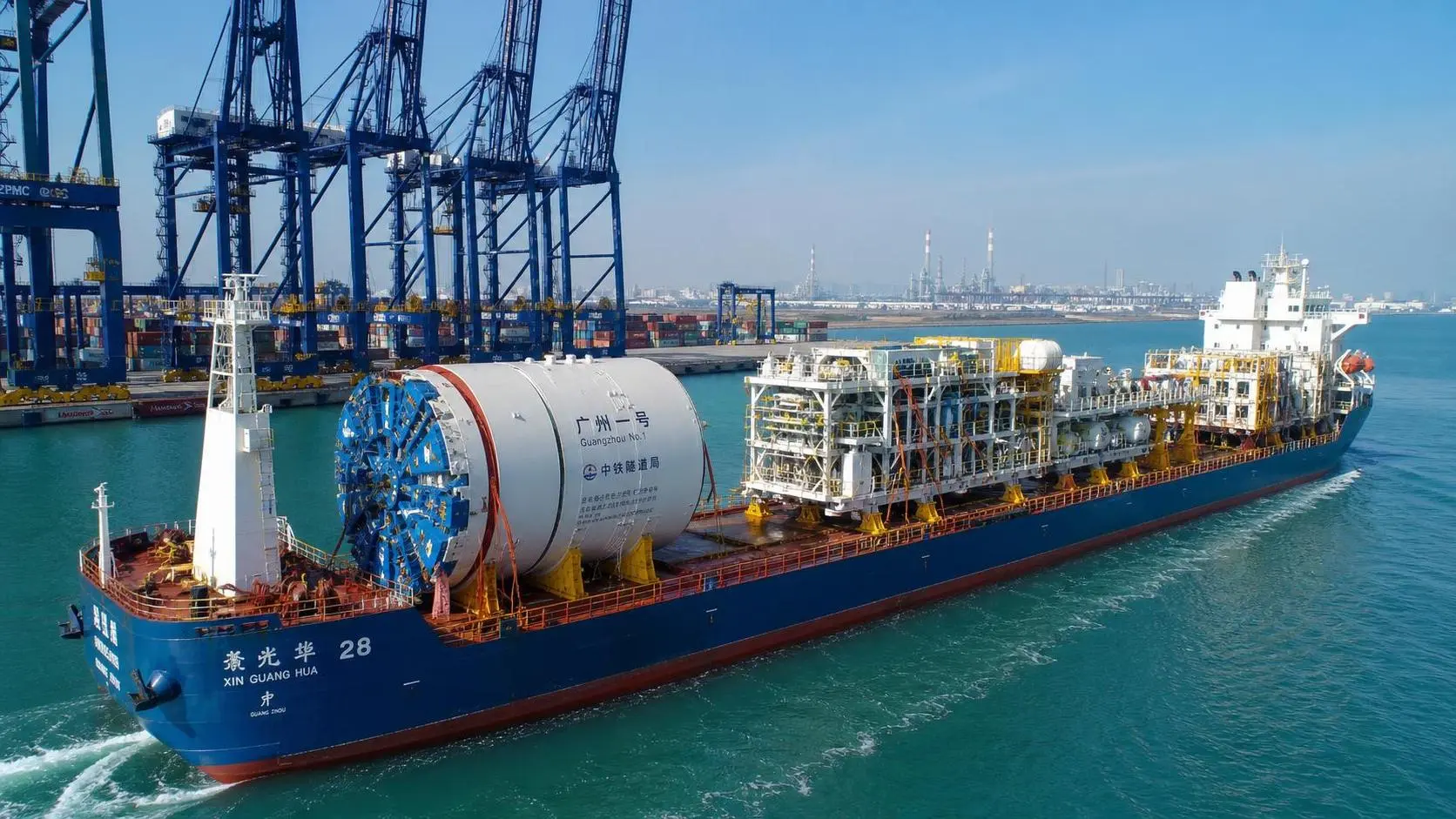
China-UAE Direct Sea Route Cuts TBM and Large Tunneling Equipment Lead Times
China-UAE direct sea route shortens TBM and large tunneling equipment lead times by 12–15 days, improving delivery predictability for major infrastructure projects. Read the full impact.
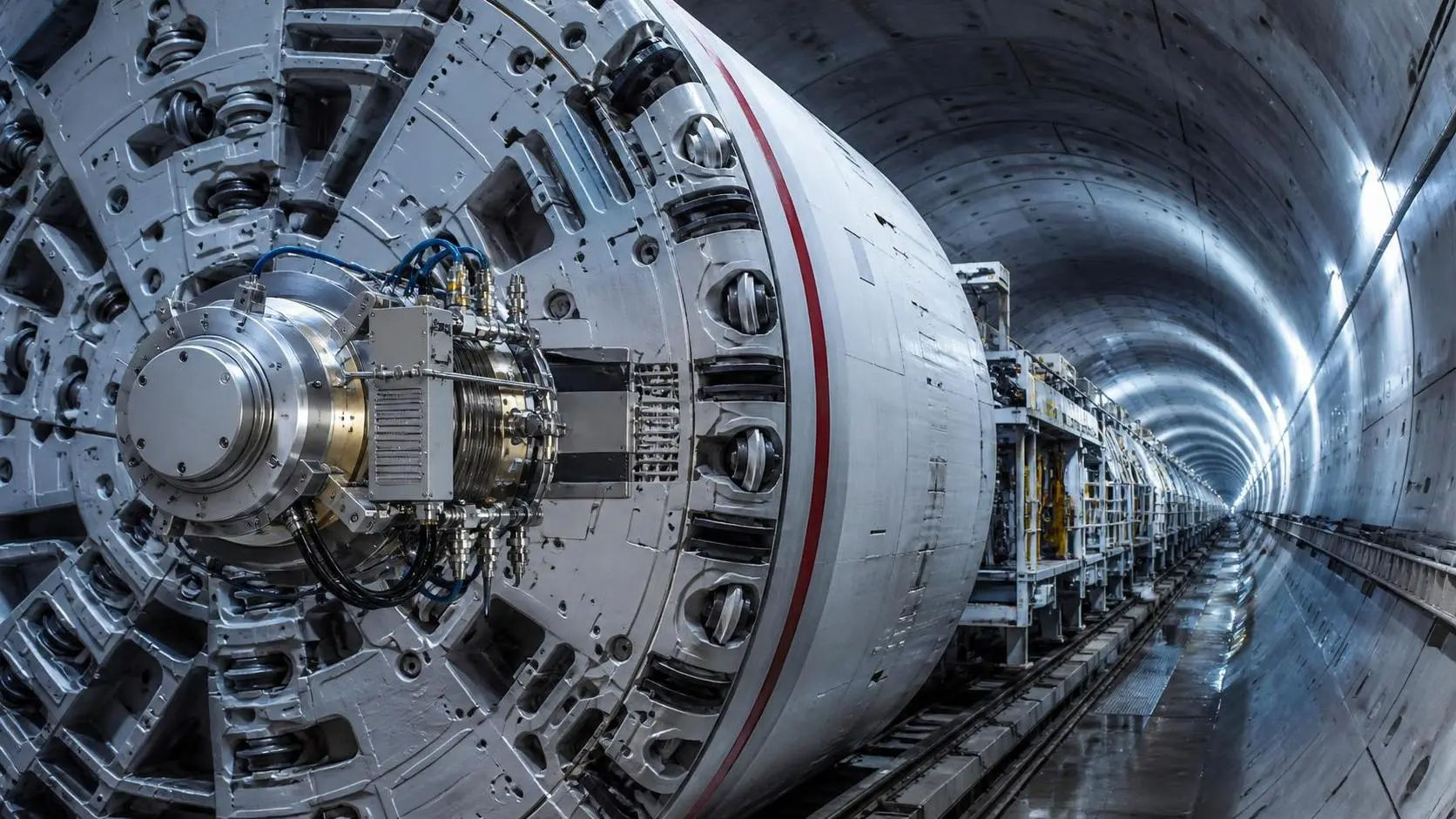
What Is a TBM Guidance System Gyroscope, and Why Does It Matter Underground?
TBM Guidance Systems gyroscope improves underground accuracy, reduces drift, and helps tunnel boring machines stay on line in harsh conditions.

China to Roll Out Nationwide Local and Foreign Currency Cash Pools for Multinationals on Sept. 14
China will roll out nationwide local and foreign currency cash pools for multinationals on Sept. 14, streamlining cross-border treasury management and boosting liquidity efficiency.
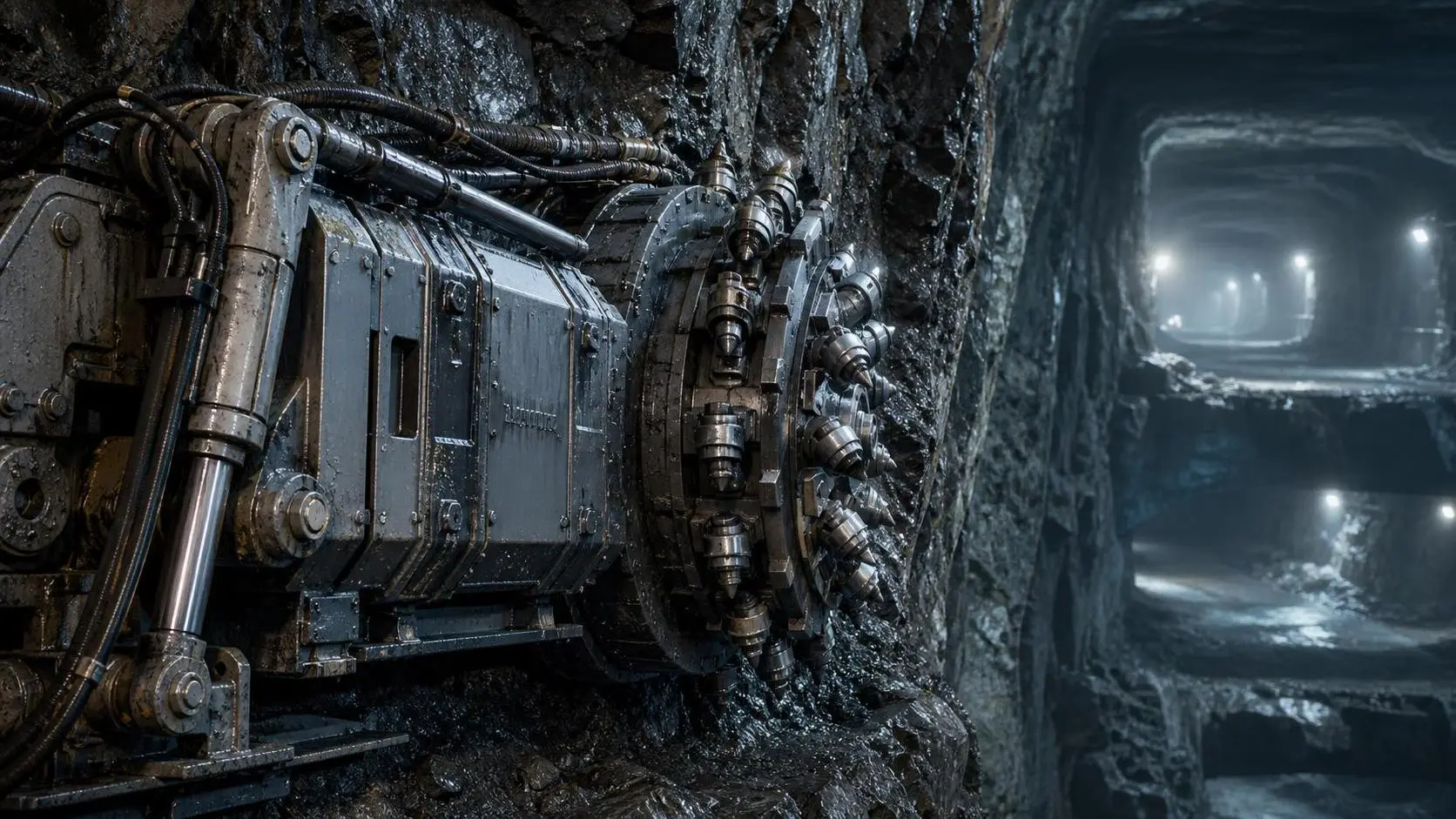
How to Choose a Reliable Underground Mining Equipment Supplier for Harsh Site Conditions
Find a reliable underground mining equipment supplier for harsh site conditions with rugged, maintainable solutions that boost uptime, reduce risk, and support long-term production.
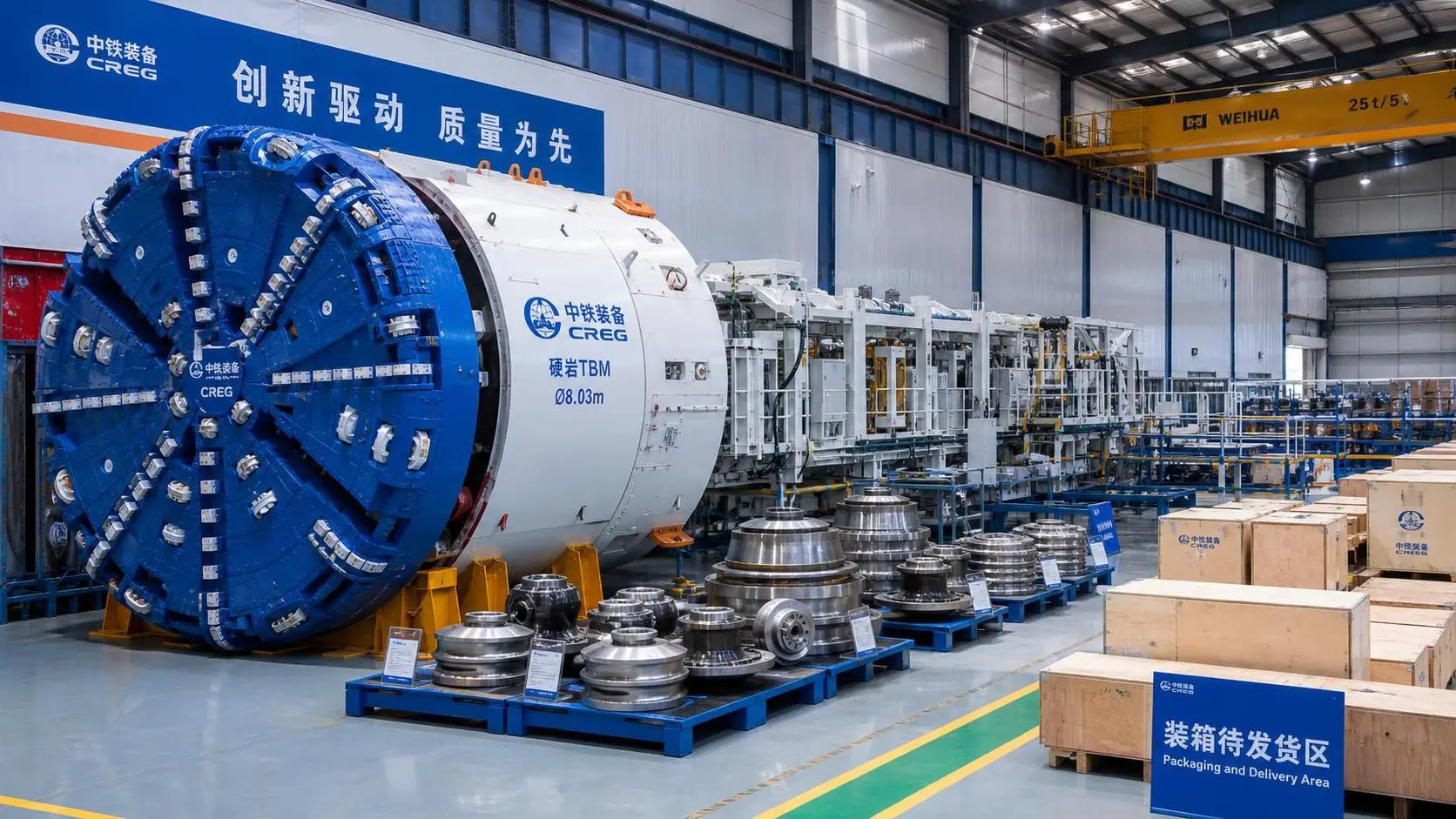
China Customs Tightens TBM Export Checks from Aug. 16
China Customs tightens TBM export checks from Aug. 16, 2026. Learn how new mandatory inspections may affect tunnelling equipment shipments, compliance, and delivery plans.
Related News
- 00
0000-00
What Drives TBM Excavation Cost in Urban Tunneling Projects? - 00
0000-00
What Does Energy Metals Mining in Australia Mean for Supply, Cost, and Project Risk? - 00
0000-00
EU Eases Dual CE and UKCA Path for Chinese Tunnel Boring Equipment - 00
0000-00
Flameproof Underground Safety Equipment: What Mine Teams Should Check Before Buying - 00
0000-00
China-UAE Direct Sea Route Cuts TBM and Large Tunneling Equipment Lead Times
Weekly Insights
Stay ahead with our curated technology reports delivered every Monday.