
When Trenchless Engineering beats open-cut construction





When urban disruption, permitting pressure, and lifecycle risk outweigh the apparent simplicity of excavation, Trenchless Engineering often becomes the better choice than open-cut construction. In utilities, transport corridors, industrial sites, and mining-linked infrastructure, the right method affects cost certainty, traffic continuity, environmental exposure, and long-term asset performance. A structured decision checklist helps compare disruption, geotechnical conditions, installation accuracy, and total delivery risk before choosing a construction path.
Why a checklist matters before choosing Trenchless Engineering
Open-cut construction can look straightforward on paper. Yet surface reinstatement, utility conflicts, public complaints, groundwater control, and schedule fragmentation often change the financial picture quickly.
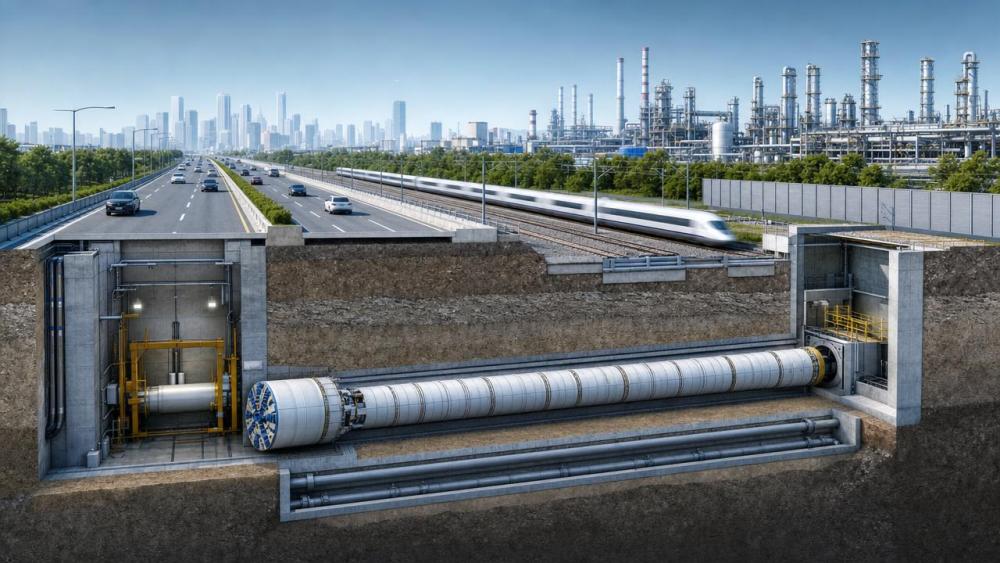
That is where Trenchless Engineering creates strategic value. Methods such as pipe jacking, microtunnelling, horizontal directional drilling, and auger boring reduce surface excavation while keeping services, roads, and business districts functioning.
A checklist-based review prevents teams from focusing only on excavation cost. It forces a wider comparison of permitting difficulty, settlement tolerance, carbon impact, crew safety, spoil handling, and long-term network resilience.
Core checklist: when Trenchless Engineering beats open-cut construction
Use the following decision points early in feasibility reviews, concept design, and contractor engagement.
- Prioritize surface continuity when roads, railways, port access, or plant operations cannot tolerate long closures, diversions, or repeated excavation along the full alignment.
- Measure reinstatement cost realistically, including pavement rebuilds, landscaping, utility relocations, drainage restoration, and business disruption that open-cut estimates often understate.
- Check congestion risk where dense underground services raise conflict probability, because Trenchless Engineering can pass beneath existing assets with less exposure.
- Assess geotechnical consistency carefully, since predictable ground, controlled groundwater, and suitable launch and reception zones strongly improve trenchless productivity and accuracy.
- Compare permitting pathways where protected trees, heritage streets, rivers, highways, or sensitive neighborhoods make open excavation slower and politically harder to approve.
- Review settlement tolerance around structures, because modern pipe jacking and microtunnelling provide better control than extensive trench excavation in constrained urban corridors.
- Factor carbon and ESG targets into method selection, especially where fewer truck movements, less spoil exposure, and lower surface reinstatement improve environmental performance.
- Examine schedule continuity, since trenchless drives can maintain steady progress when phased open-cut work would be interrupted by traffic windows, weather, or stakeholder restrictions.
- Confirm installation precision needs for gravity sewers, pressure pipelines, or service conduits where line, grade, and final asset integrity are critical to lifecycle performance.
- Estimate safety exposure across the full project, including trench collapse risk, public interface, night works, and repetitive plant movements associated with open-cut construction.
Where Trenchless Engineering delivers the strongest advantage
Urban utility corridors
In city streets, open-cut construction rarely affects only the trench line. It affects traffic signals, bus routes, deliveries, pedestrians, emergency access, and adjacent businesses.
Trenchless Engineering is often superior when launch shafts can be placed at manageable points while the pipe or casing passes beneath utilities, intersections, or landscaped zones with limited disturbance.
Highway and railway crossings
Crossing transport infrastructure with open-cut methods can trigger major approvals, shutdown windows, protection works, and stakeholder coordination. Those constraints can dominate total cost and schedule.
Pipe jacking, auger boring, or guided boring often reduce possession time and preserve transport operations. That makes Trenchless Engineering especially valuable where downtime carries high economic penalties.
Water, wastewater, and stormwater systems
Gravity pipelines need tight line and grade control. In constrained alignments, trenchless methods can achieve reliable installation while limiting dewatering and minimizing disturbance to adjacent foundations.
For rehabilitation or replacement in established districts, Trenchless Engineering also supports phased upgrades without turning long corridors into continuous excavation zones.
Industrial and mining-adjacent infrastructure
Industrial plants and mining support networks depend on uninterrupted access, drainage, process services, and haul routes. Open-cut work can interfere with production, safety zones, and heavy vehicle circulation.
In these settings, Trenchless Engineering helps maintain operations while installing pipelines, crossings, cable conduits, and drainage links under roads, conveyors, or active logistics corridors.
Commonly overlooked issues that can change the decision
Underestimating shaft requirements
Trenchless methods reduce linear excavation, not all excavation. Launch and reception shafts need space, support design, spoil management, and safe logistics. Poor shaft planning can erode expected gains.
Ignoring ground variability
Mixed face conditions, cobbles, abrasive rock, or unexpected groundwater can affect jacking forces, tool wear, and steering control. Ground investigation must be aligned with the selected trenchless method.
Comparing only direct construction cost
A narrow price comparison can favor open-cut construction unfairly. Include traffic control, utility relocation, reinstatement, claims exposure, social disruption, and lost operating time in the baseline model.
Neglecting operator capability and guidance systems
Advanced Trenchless Engineering depends on steering accuracy, slurry management, lubrication practice, and monitoring discipline. Capability gaps can create deviation, settlement, or productivity loss.
Practical execution advice for a better method selection
- Map all surface constraints first, including traffic, businesses, sensitive receptors, vegetation, and operational interfaces.
- Build a whole-life comparison model rather than a trench-versus-bore excavation rate comparison.
- Match the trenchless method to ground class, diameter, alignment length, and line-and-grade tolerance.
- Test shaft locations early against access, spoil removal, lifting plans, and community impact.
- Request settlement control, jacking force estimates, and contingency planning during preconstruction review.
- Use digital monitoring and as-built verification to support quality assurance and stakeholder confidence.
For projects tied to smart infrastructure, heavy industry, or underground development, this disciplined review aligns with broader goals around automation, reliability, and lower-impact construction. It also supports better communication between engineering, operations, and regulatory functions.
Conclusion: choose Trenchless Engineering when disruption costs more than excavation
The key question is not whether open-cut construction looks simpler. The real question is whether it remains better after accounting for disruption, permits, reinstatement, risk, safety, and lifecycle value.
When corridors are constrained, communities are sensitive, operations must continue, or ESG pressure is rising, Trenchless Engineering often delivers the more resilient answer. Start with the checklist, validate ground and shaft conditions, and compare whole-project impact before locking the construction method.
That approach leads to clearer decisions, stronger project control, and infrastructure delivery that fits modern underground engineering priorities.
Related News
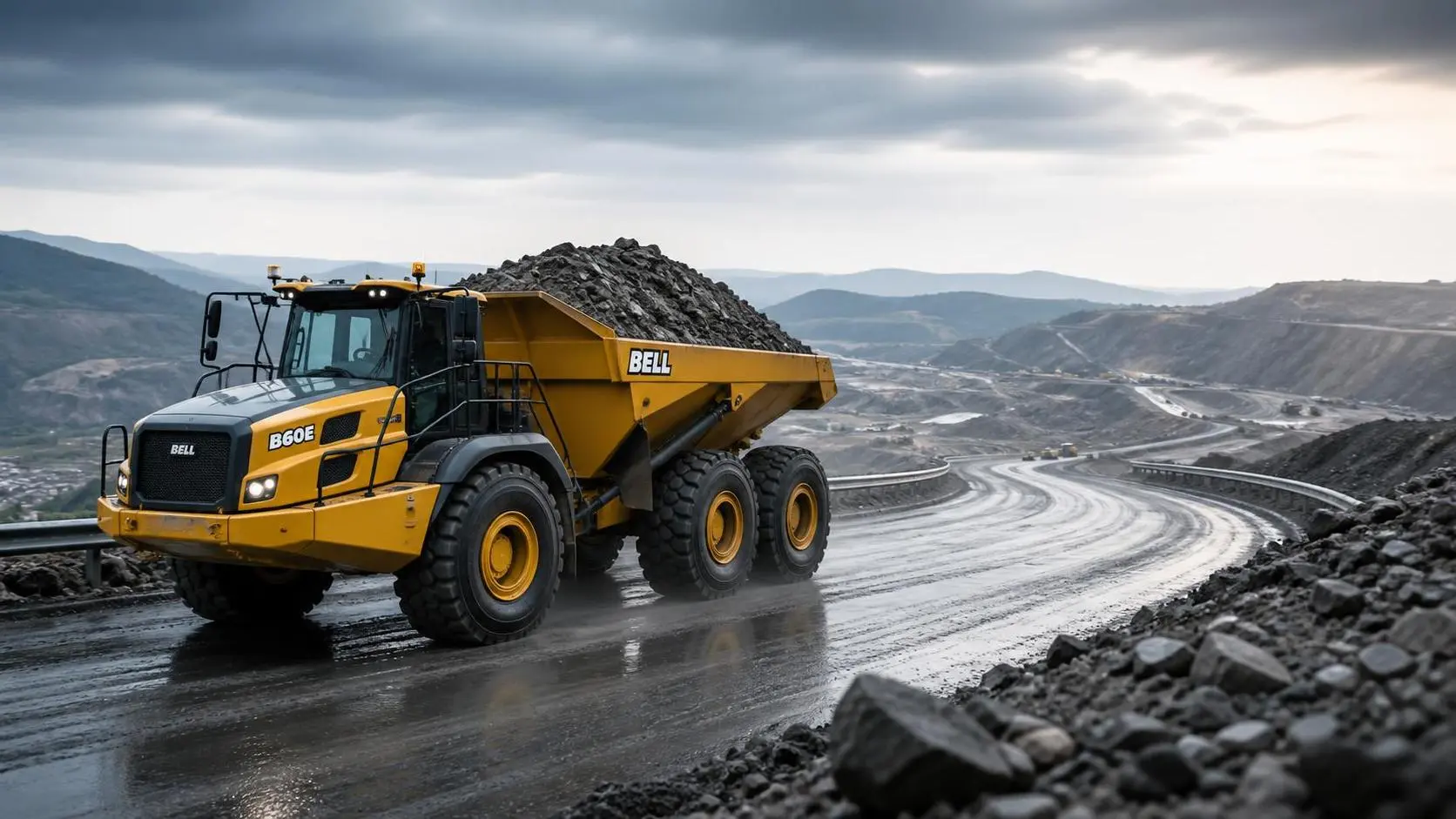
How to Evaluate Articulated Dump Trucks Payload for Haul Road Conditions and Cycle Efficiency
Articulated Dump Trucks payload evaluation starts with real haul road conditions, not brochure numbers. Learn how to balance payload, traction, grades, and cycle efficiency for safer, higher output.
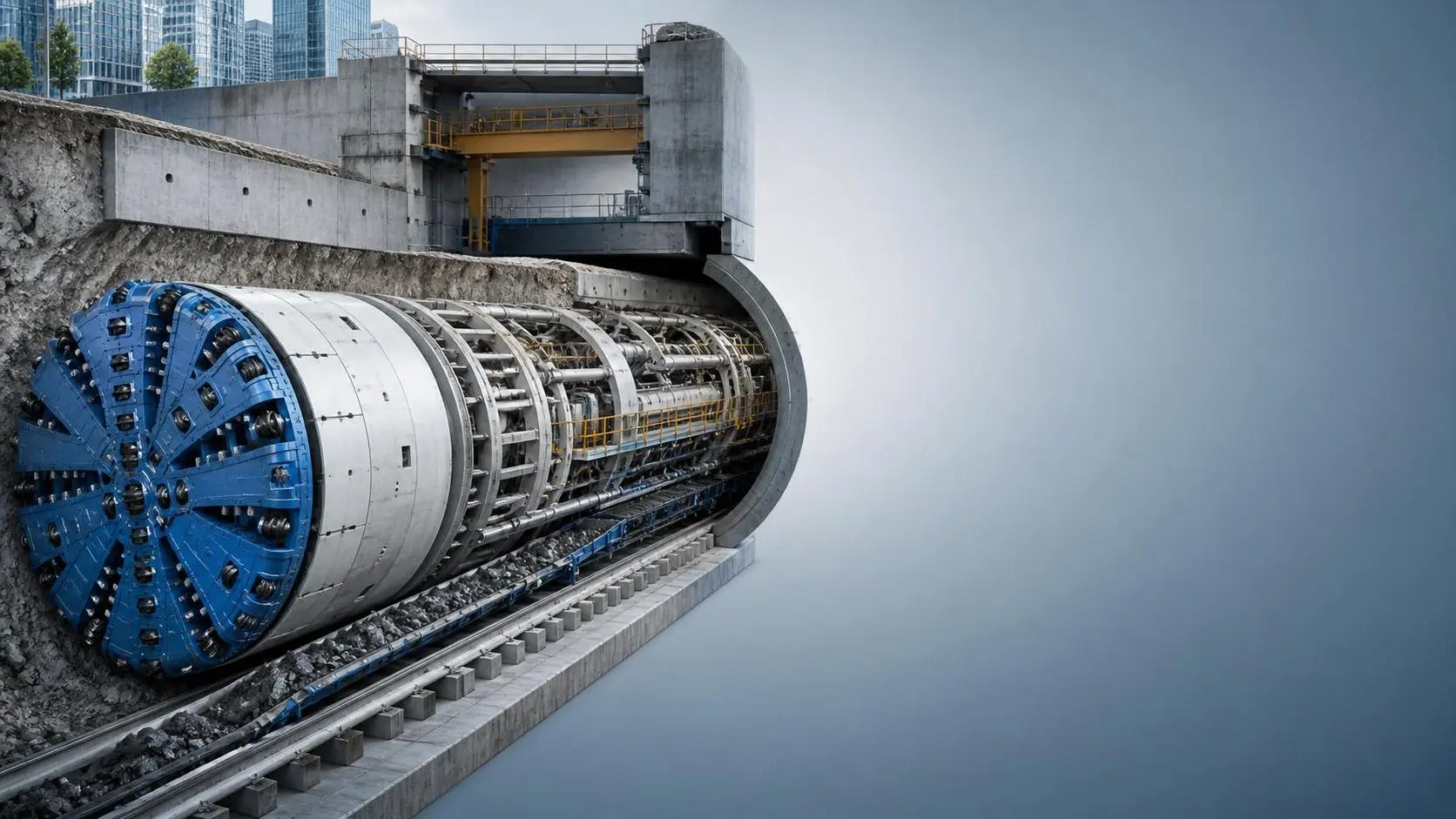
What Drives TBM Excavation Cost in Urban Tunneling Projects?
tbm excavation cost in urban tunneling depends on geology, shafts, segment lining, logistics, and risk. Discover the key cost drivers and compare bids with greater confidence.
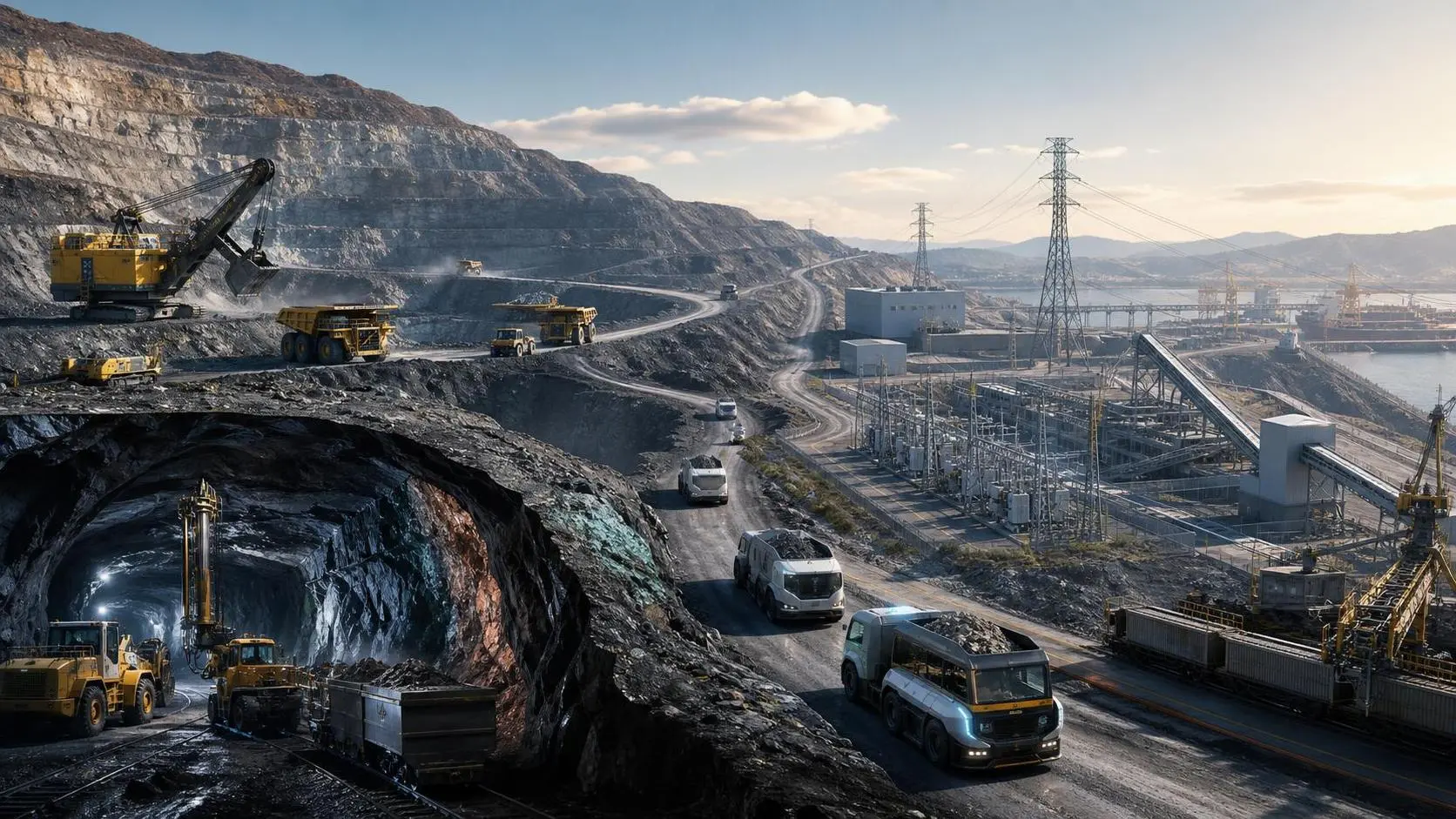
What Does Energy Metals Mining in Australia Mean for Supply, Cost, and Project Risk?
Energy metals mining Australia is reshaping supply, cost, and project risk. Discover what it means for buyers, investors, and operators.
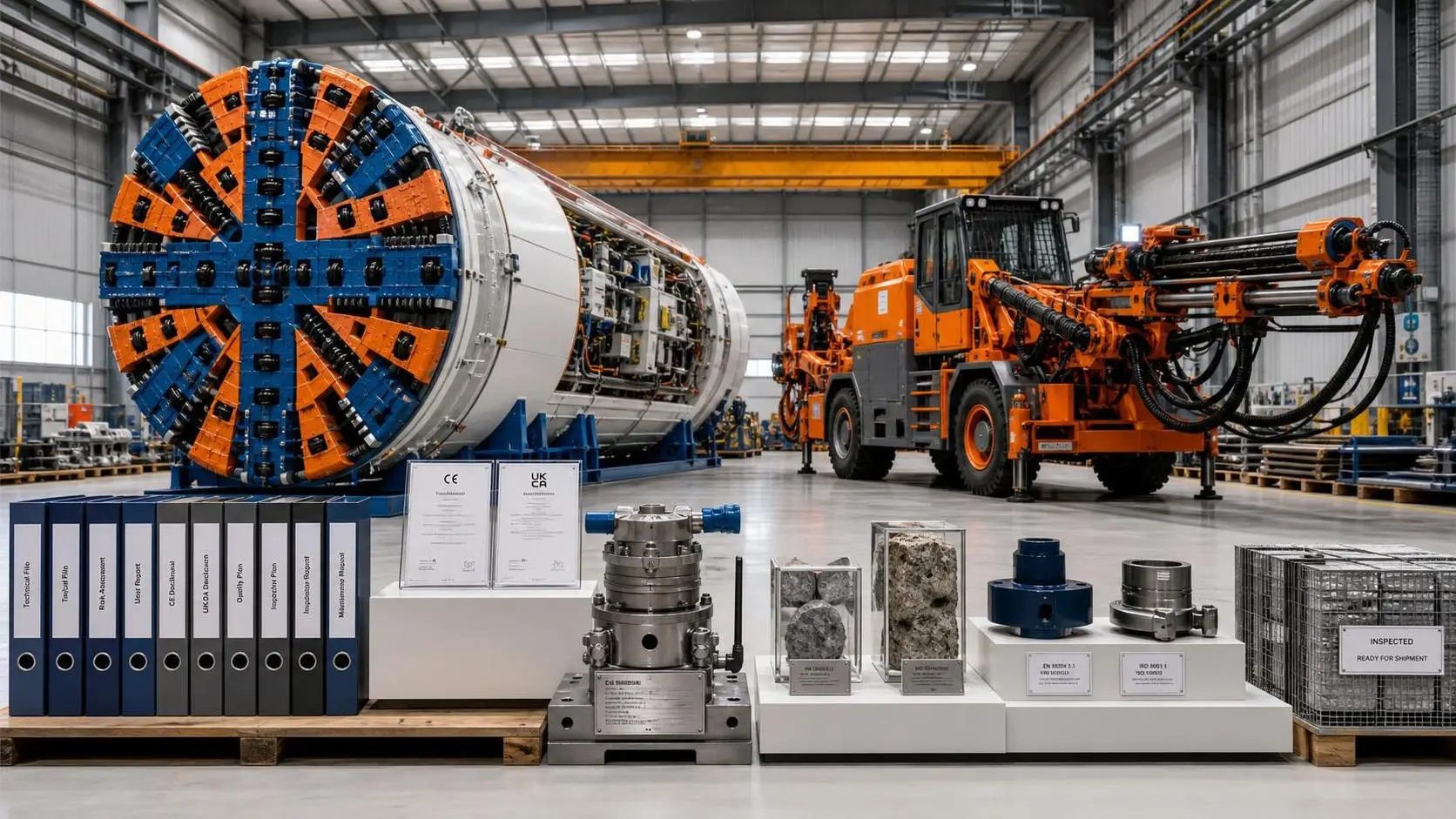
EU Eases Dual CE and UKCA Path for Chinese Tunnel Boring Equipment
EU eases CE and UKCA certification for Chinese tunnel boring equipment, cutting compliance time and helping importers move faster.
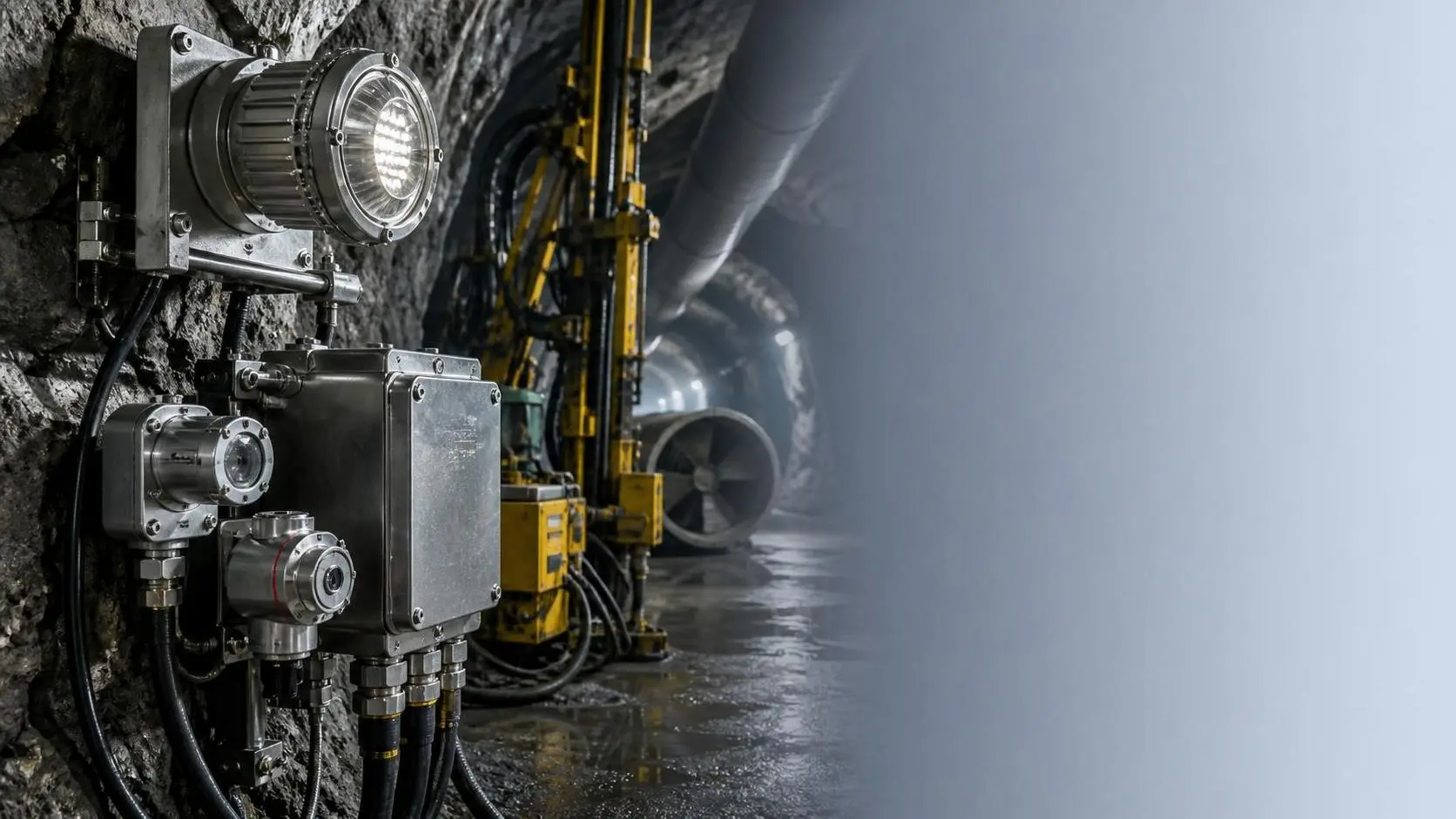
Flameproof Underground Safety Equipment: What Mine Teams Should Check Before Buying
Underground Safety Equipment flameproof buying guide: learn how mine teams should verify certification, durability, serviceability, and supplier support before purchase.
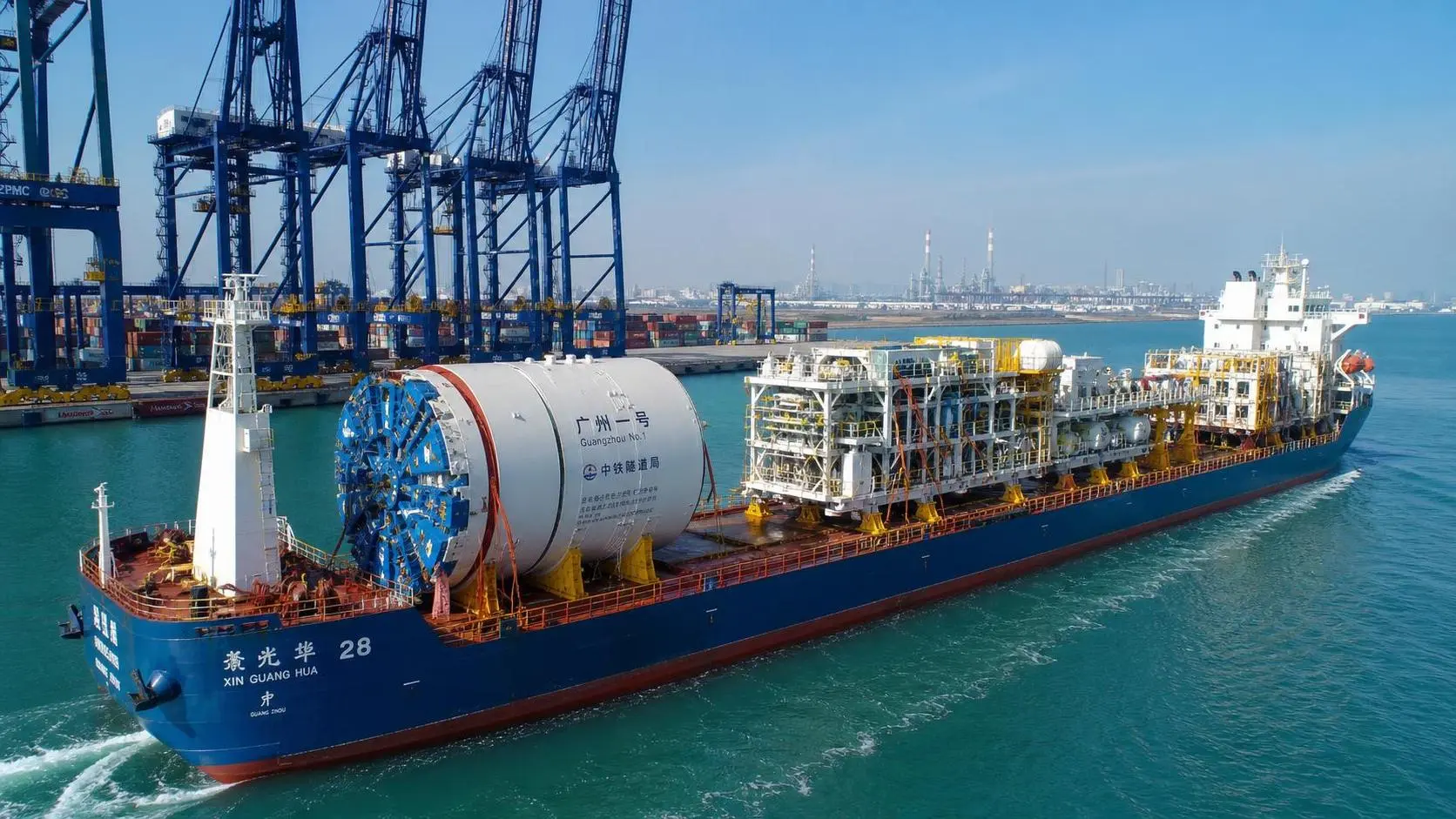
China-UAE Direct Sea Route Cuts TBM and Large Tunneling Equipment Lead Times
China-UAE direct sea route shortens TBM and large tunneling equipment lead times by 12–15 days, improving delivery predictability for major infrastructure projects. Read the full impact.
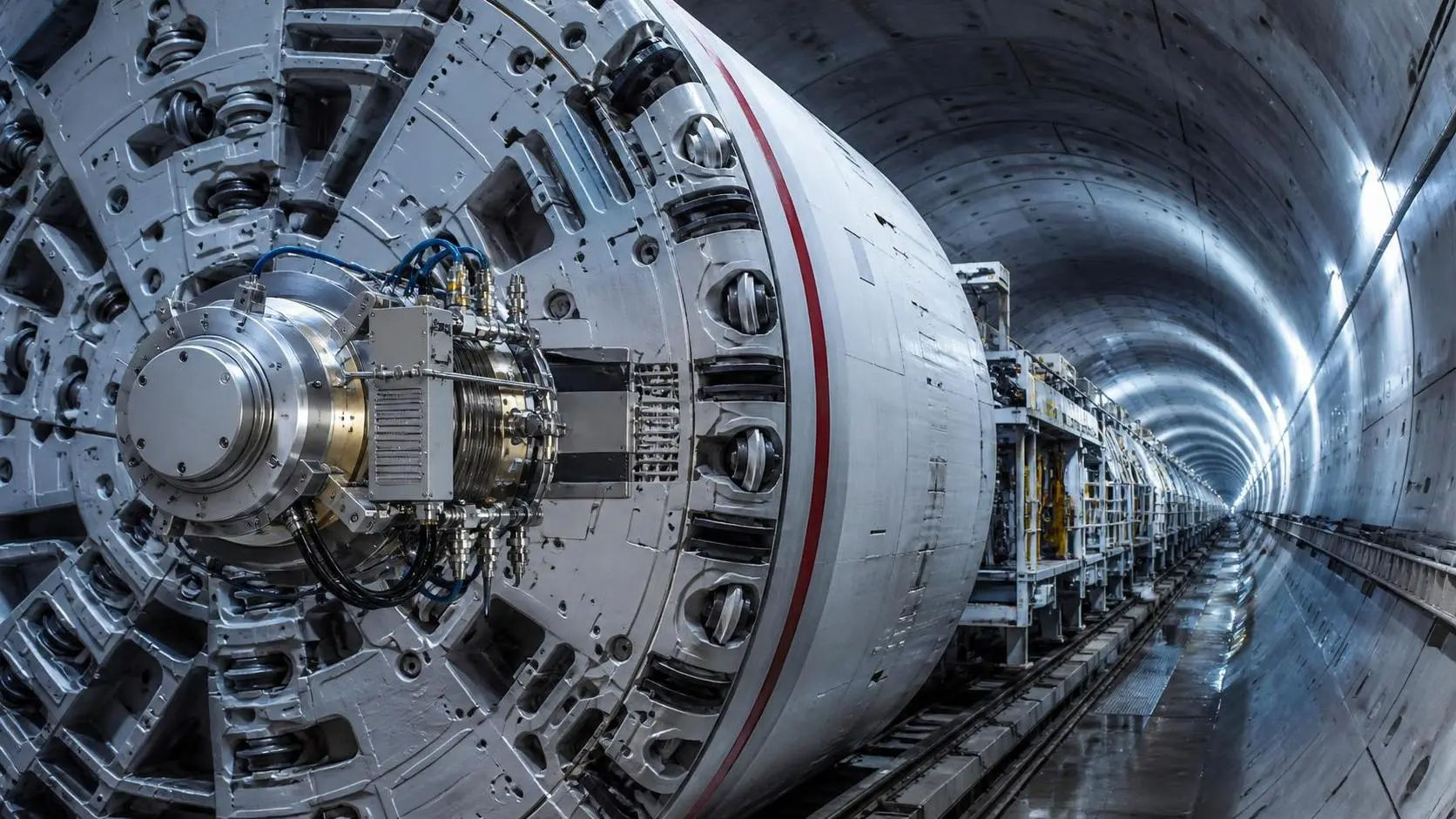
What Is a TBM Guidance System Gyroscope, and Why Does It Matter Underground?
TBM Guidance Systems gyroscope improves underground accuracy, reduces drift, and helps tunnel boring machines stay on line in harsh conditions.

China to Roll Out Nationwide Local and Foreign Currency Cash Pools for Multinationals on Sept. 14
China will roll out nationwide local and foreign currency cash pools for multinationals on Sept. 14, streamlining cross-border treasury management and boosting liquidity efficiency.
How to Choose a Reliable Underground Mining Equipment Supplier for Harsh Site Conditions
Find a reliable underground mining equipment supplier for harsh site conditions with rugged, maintainable solutions that boost uptime, reduce risk, and support long-term production.
Related News
- 00
0000-00
How to Evaluate Articulated Dump Trucks Payload for Haul Road Conditions and Cycle Efficiency - 00
0000-00
What Drives TBM Excavation Cost in Urban Tunneling Projects? - 00
0000-00
What Does Energy Metals Mining in Australia Mean for Supply, Cost, and Project Risk? - 00
0000-00
EU Eases Dual CE and UKCA Path for Chinese Tunnel Boring Equipment - 00
0000-00
Flameproof Underground Safety Equipment: What Mine Teams Should Check Before Buying
Weekly Insights
Stay ahead with our curated technology reports delivered every Monday.