
Autonomous Underground Logistics for Mines: Where It Works and What Infrastructure It Needs





Where autonomous underground logistics creates real operational value
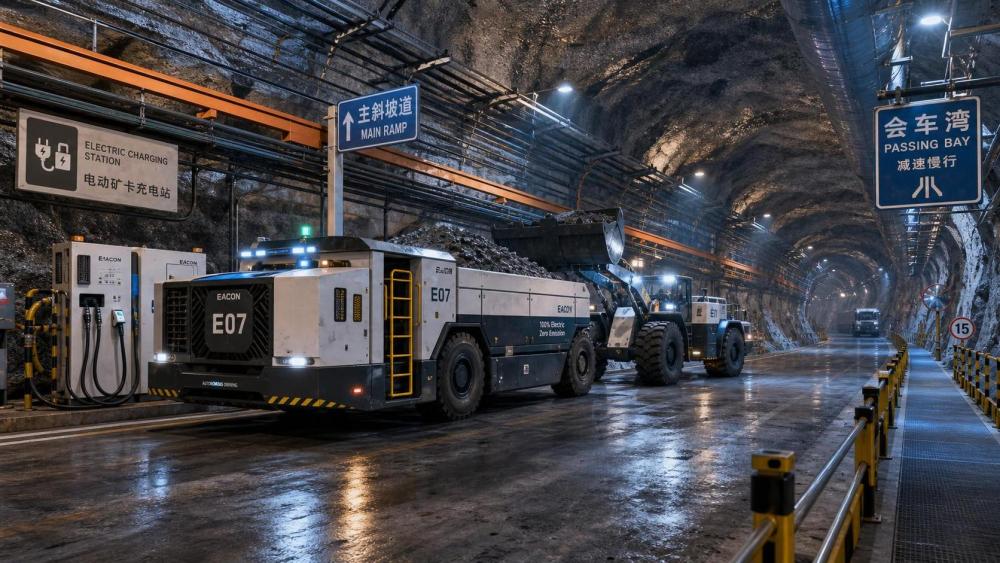
Autonomous underground logistics is no longer judged only by vehicle intelligence.
In deeper mines, the real question is whether the whole haulage system can support repeatable, safe, low-emission movement under changing underground conditions.
That is why deployment results vary so sharply from one mine to another.
A long decline with stable geometry behaves very differently from a fragmented development zone with frequent blasting, wet floors, and temporary services.
In practice, autonomous underground logistics works best where routes are predictable, interactions are controlled, and the mine already treats ventilation, power, and digital control as linked systems.
This systems view matters across the broader underground sector.
UTMD tracks the same logic in TBM automation, trenchless engineering equipment, drilling jumbos, and battery-electric underground LHD fleets.
The pattern is consistent: autonomy scales only when the surrounding infrastructure is designed for it, not added afterward as a thin software layer.
Why one underground haulage scenario is not the same as another
Mines often use the same phrase, autonomous underground logistics, for very different operating realities.
The demand profile changes with orebody layout, mining method, traffic mix, and how often headings move.
A block cave drawpoint network usually values repetitive haul cycles and dispatch coordination.
A narrow-vein mine may care more about precision navigation, passing rules, and recovery from route obstructions.
Ventilation also changes the business case.
Where diesel exposure drives airflow costs, autonomous underground logistics pairs naturally with battery-electric loaders and trucks.
Where ventilation is already oversized, the economic driver may be utilization, shift continuity, or reduced exposure in hazardous zones.
The more variable the ground and production sequence, the more important localization resilience becomes.
SLAM performance, reflector maintenance, and route remapping can decide whether automation remains reliable after each blast round.
The strongest fit is repetitive haulage on stable declines and main levels
The clearest starting point is a mine with long, repeatable routes between loading, ore passes, crushers, and charging or swapping stations.
Here, autonomous underground logistics can cut idle time, smooth dispatching, and keep equipment moving through shift changes or blasting windows.
The judgment focus is not top speed.
It is cycle consistency, traffic separation, and how often the route profile changes.
If gradients are known, passing bays are formalized, and service vehicles follow rules, autonomous underground logistics becomes easier to standardize.
This is especially true for battery-electric fleets.
Regenerative braking on long downhill hauls can improve energy efficiency, but only when route planning, state-of-charge management, and charger availability are coordinated.
A common misread is to assume that a productive manual route will automatically be a productive autonomous one.
In reality, inconsistent berms, poor signage, and ad hoc parking create small interruptions that autonomy exposes immediately.
Development headings and fast-changing faces need a different decision standard
More challenging conditions appear near active development fronts and drill-and-blast zones.
These areas can still benefit from autonomous underground logistics, but the value often comes from remote operation, exposure reduction, and controlled retreat after blasting.
The infrastructure burden is higher because headings move, tunnel surfaces change, and communications may be temporary.
In these settings, it is more useful to ask how quickly the system can adapt after each layout change.
Map refresh speed, sensor cleaning routines, and geofencing discipline matter more than headline autonomy level.
This is where lessons from adjacent underground domains are valuable.
UTMD’s coverage of TBM guidance systems and trenchless navigation shows the same principle: underground automation fails when spatial references drift faster than the control system can absorb.
For mines, that means development autonomy should usually start with bounded zones, limited interaction points, and clear fallback procedures.
Mixed fleets and shared tunnels are often the real constraint
Many underground operations do not run a clean autonomous fleet from day one.
They run loaders, utility vehicles, drill rigs, personnel carriers, and contractors through the same access network.
That mixed environment can limit autonomous underground logistics more than equipment capability does.
Intersections, refuge chambers, fueling or charging stops, and maintenance lay-bys become interaction hotspots.
If right-of-way rules are informal, autonomy spends too much time yielding or waiting for human decisions it cannot predict.
A practical comparison helps clarify where requirements diverge.
The table shows why autonomous underground logistics is really a traffic system decision, not only a fleet purchase decision.
Infrastructure needs usually decide whether scaling is smooth or frustrating
Once the scenario is clear, infrastructure should be assessed in layers.
The first layer is physical geometry: gradients, width, turning radii, sight restrictions, water, and floor condition.
The second layer is digital continuity: communications backbone, underground positioning, edge compute, and integration with dispatch.
The third layer is energy and ventilation.
Battery-electric autonomous underground logistics needs reliable charging or battery swap planning, plus ventilation logic that reflects lower diesel demand and different heat profiles.
The fourth layer is control governance.
Geofences, stop authorities, maintenance lockouts, and manual override rules must be unambiguous underground.
- Communications should be designed for tunnel continuity, not only headline bandwidth.
- Localization should tolerate dust, water spray, and wall changes after scaling or blasting.
- Power planning should include queue behavior at chargers, not just nameplate capacity.
- Control rooms need visibility across loaders, trucks, jumbos, and fixed underground constraints.
This layered approach fits UTMD’s broader intelligence model, where mechanical reliability, electrification, and digital automation are treated as one operating envelope.
Where mines often misjudge autonomous underground logistics
One frequent mistake is focusing on machine specifications while ignoring route discipline.
Another is copying a successful pilot from a clean demonstration zone into a production area with far more variability.
Some projects underestimate maintenance of the digital layer.
Cameras, lidar windows, network nodes, and localization markers all need cleaning, inspection, and replacement strategies.
There is also a planning gap around adjacent equipment.
Autonomous underground logistics may run well, yet still lose value if drilling jumbos, blasting schedules, and ore pass availability remain unmanaged.
The strongest operations avoid treating autonomy as an isolated technology island.
They connect haulage behavior to mine sequencing, ventilation planning, and asset utilization targets.
A practical path to decide fit before full deployment
A useful next step is to rank candidate zones by route stability, fleet interaction, and infrastructure readiness.
Start where autonomous underground logistics can deliver measurable cycle consistency with limited traffic complexity.
Then test the supporting layers with the same rigor as the vehicles themselves.
That means checking coverage gaps, remapping effort, charger queues, recovery procedures, and the effect of blasting on route availability.
In parallel, define a scenario-based standard for expansion.
The standard should compare stable haulage corridors, active development areas, and mixed-traffic tunnels against one set of operational criteria.
For mines evaluating deeper electrified operations, this is also the point to connect haulage autonomy with ventilation savings, energy balance, and maintenance windows.
Autonomous underground logistics works best when the mine knows exactly which underground scenario it is solving for, which constraints are fixed, and which infrastructure gaps must be closed before scaling.
That disciplined comparison is usually more valuable than chasing the most advanced autonomy label.
Related News
Tunnel Boring Machine Costs: Budgeting for Purchase, Operation, and Project Risk
Tunnel Boring Machines cost more than purchase price. Learn how to budget lifecycle costs, downtime, logistics, wear, and project risk for smarter TBM decisions.
Open-Pit Haulage Cost Analysis: How Mine Managers Can Cut Cost per Tonne
Open pit haulage cost analysis: discover practical ways to reduce cost per tonne through payload control, cycle-time optimization, road performance, and smarter fleet decisions.
Tunnel Construction Innovations That Reduce Risk and Schedule Delays on Urban Projects
Tunnel construction innovation for urban projects: discover smarter TBMs, real-time monitoring, trenchless methods, and automation that reduce risk and protect schedules.
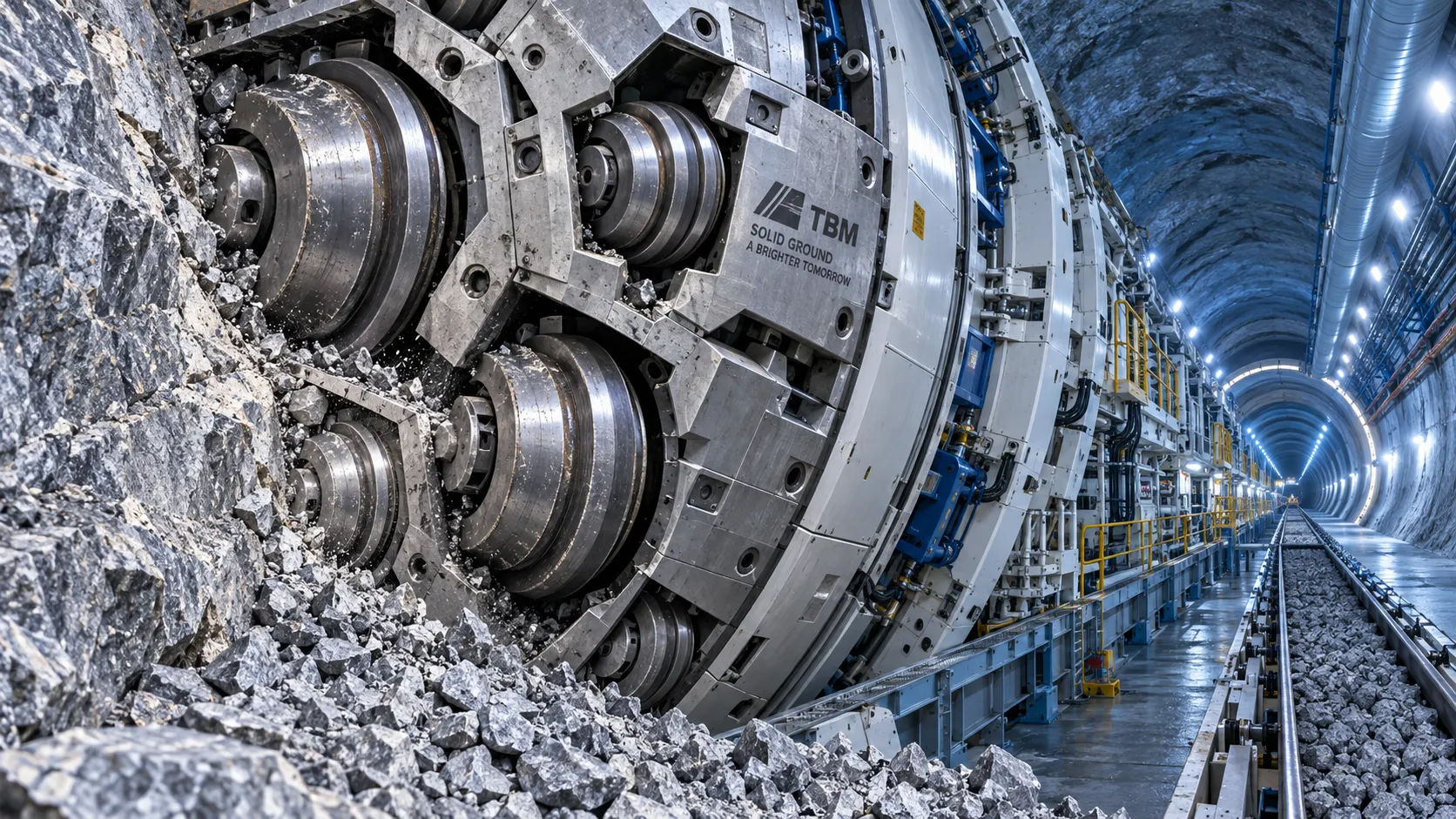
TBM Disc Cutter Design: Key Geometry and Load Factors for Hard Rock Tunnelling
TBM disc cutter design explained: explore geometry, spacing, load distribution and maintenance factors for reliable, efficient hard-rock tunnelling performance.
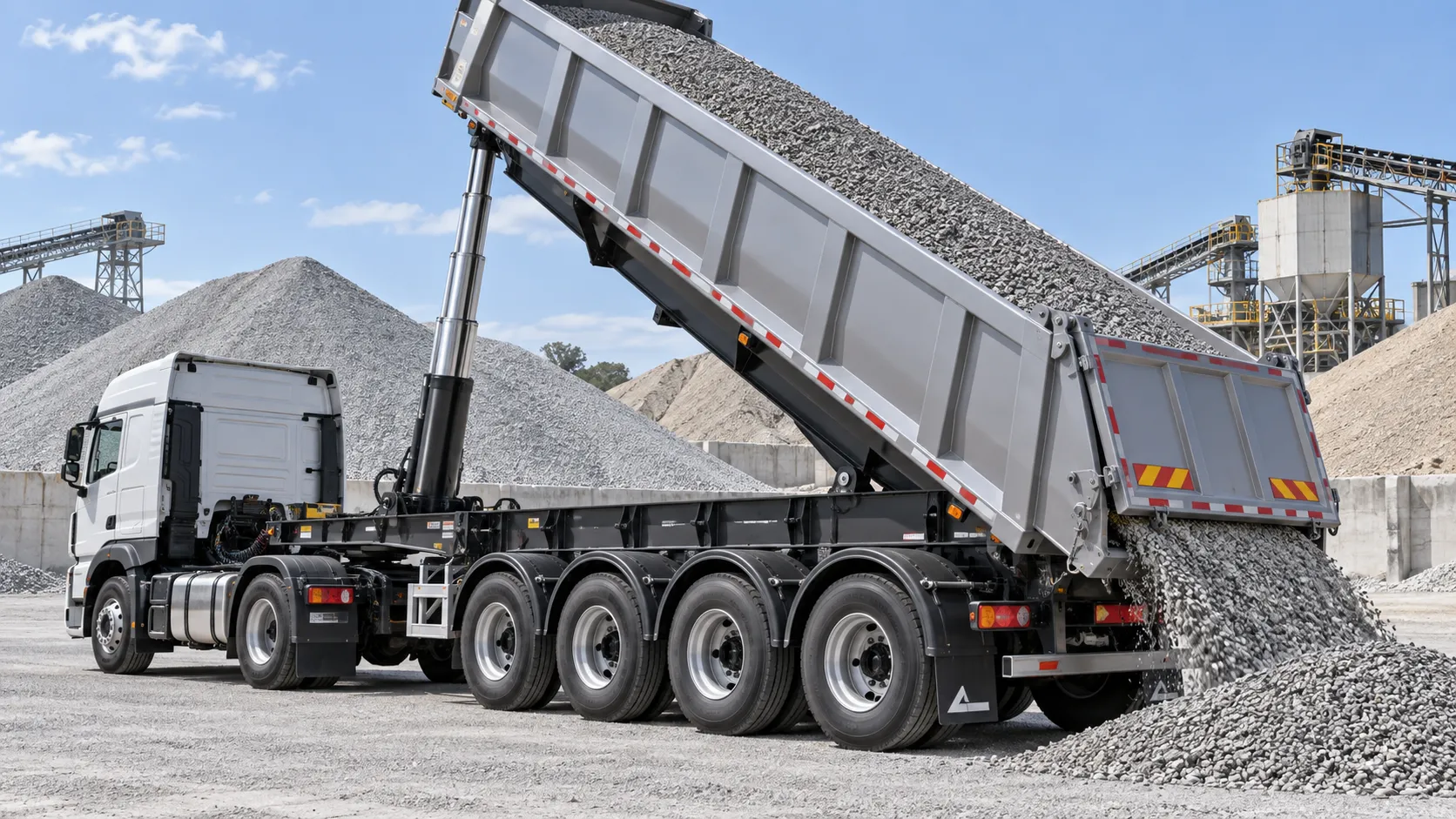
Hydraulic Tipping Stability Risks in Multi-Axle Dump Special Trailers
Dump special trailers: discover key hydraulic tipping stability risks, multi-axle load dynamics, and practical safety controls for safer, smarter bulk hauling.
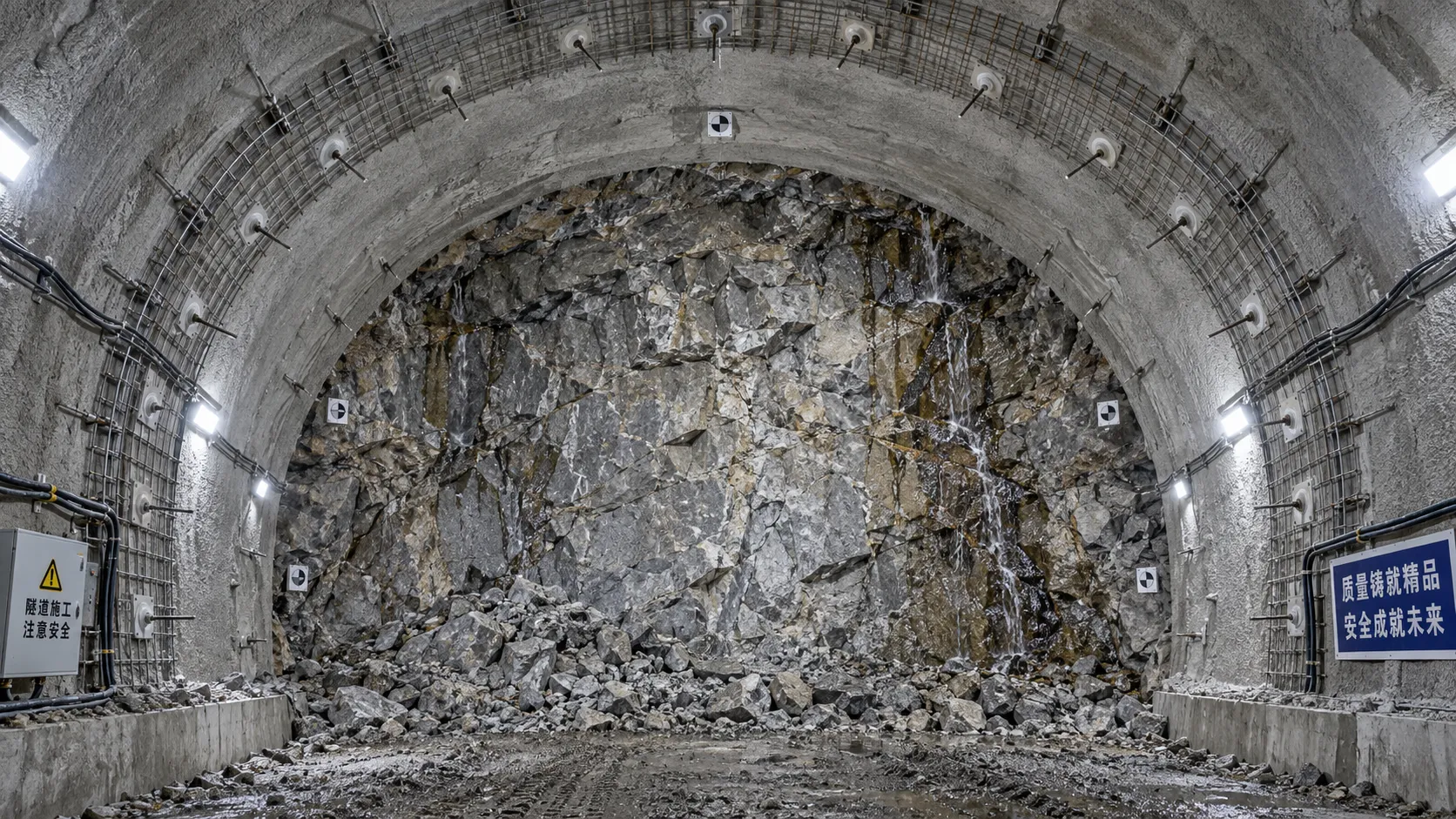
When rock reinforcement in tunnel construction must change after blasting
Rock reinforcement in tunnel construction must change when blasting reveals overbreak, weak joints, water inflow, or deformation. Discover key post-blast support decisions.
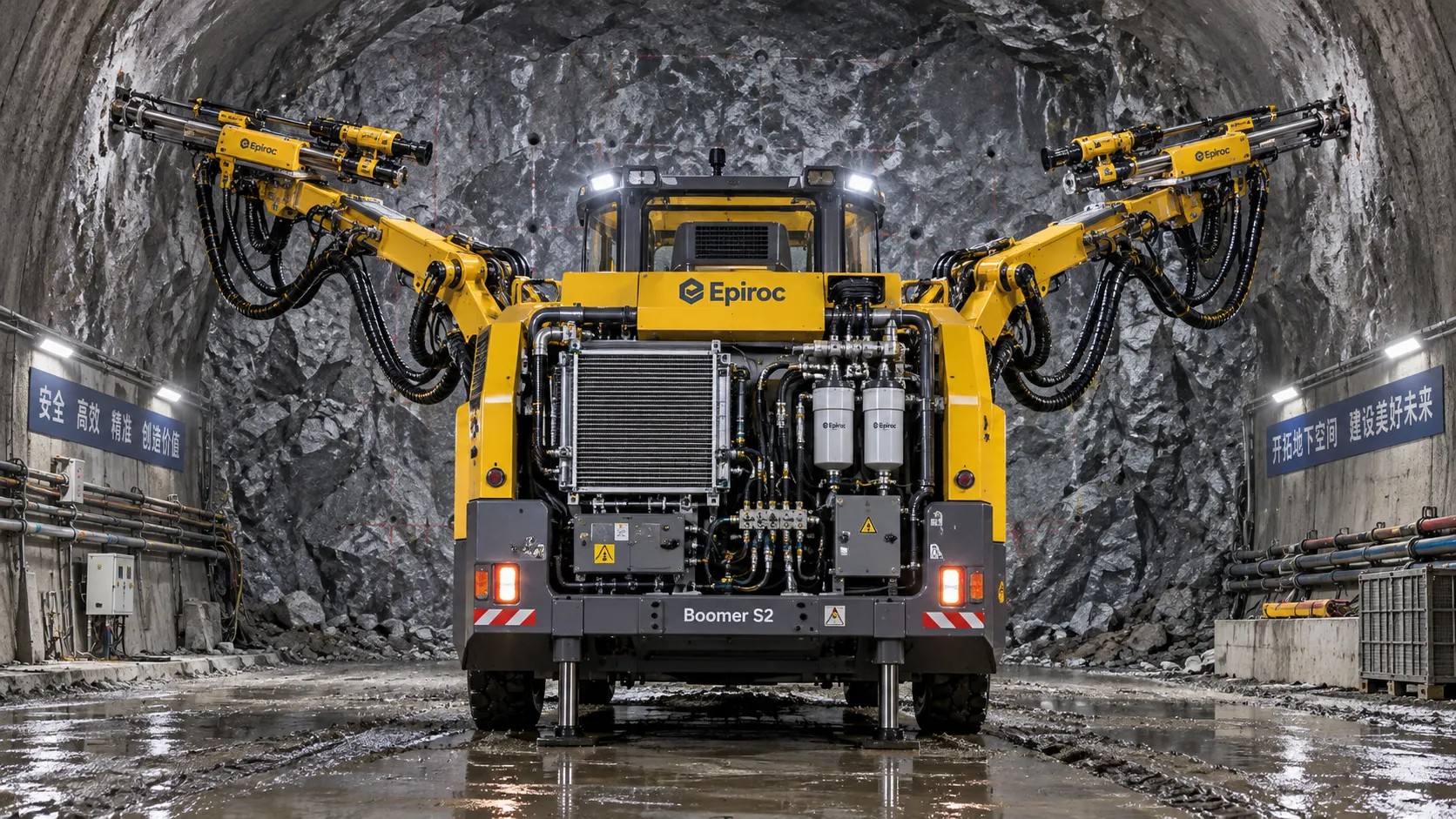
How tunnel hydraulic systems influence drill jumbo uptime underground
Tunnel hydraulic systems directly influence drill jumbo uptime. Explore how stable pressure, clean oil, cooling, and maintainable design reduce underground downtime.
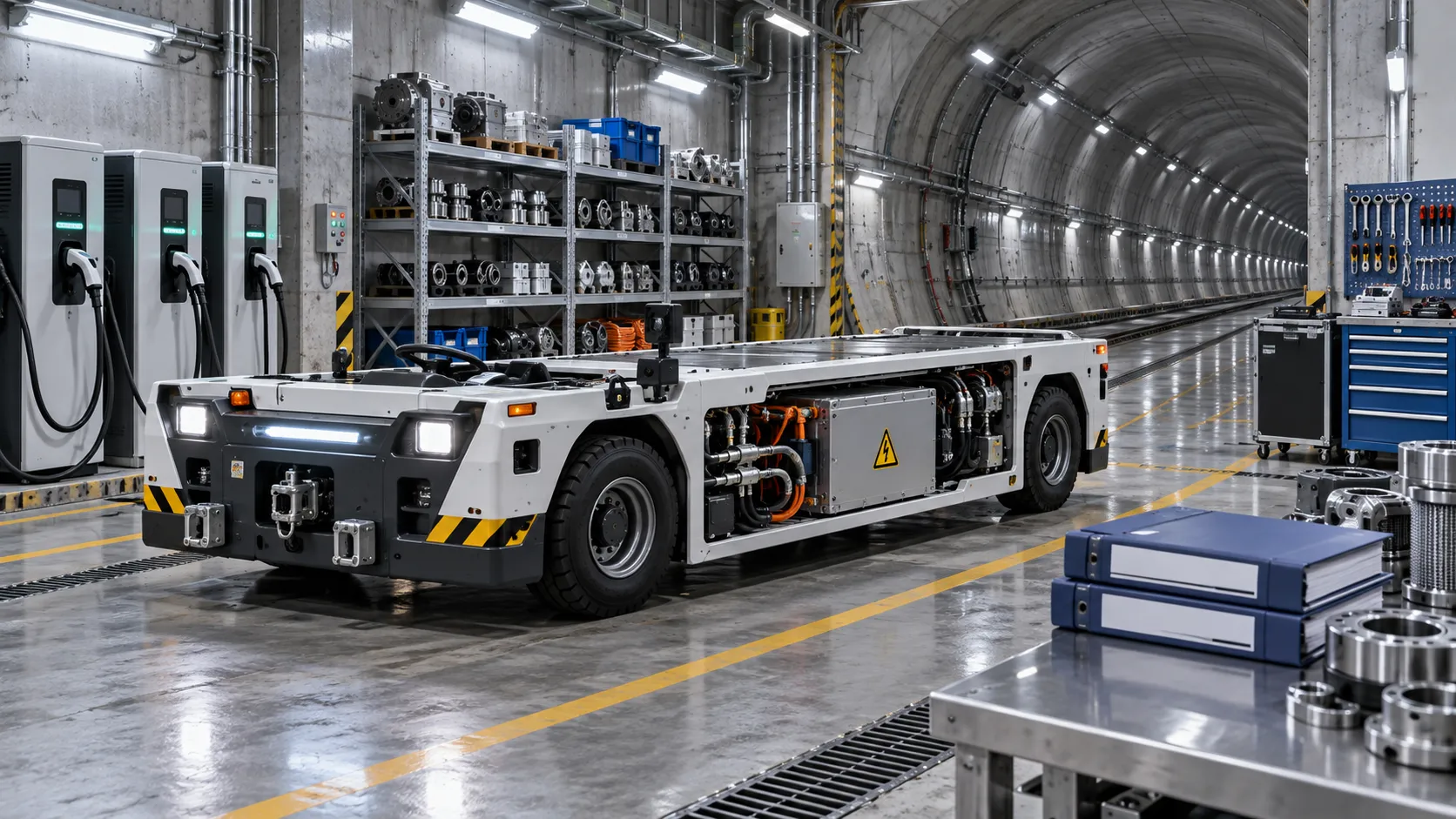
What to verify before appointing a tunneling vehicles manufacturer
Choosing a tunneling vehicles manufacturer? Verify application fit, reliability, compliance, parts support, training, and channel terms before appointing a partner.
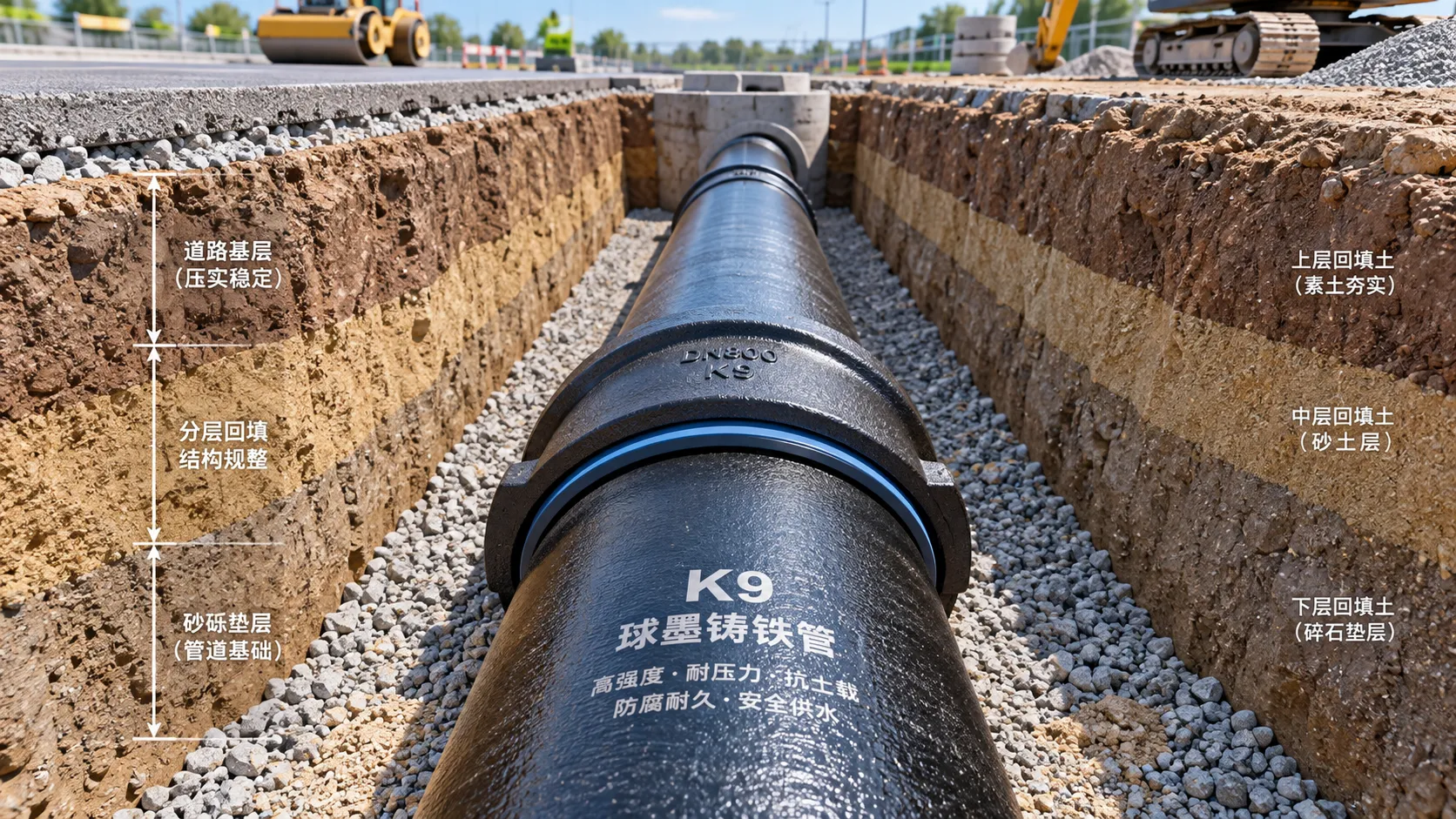
Selecting K9 Ductile Iron Pipe for Buried Water Pipeline Conditions
K9 ductile iron pipe selection for buried water pipelines: compare pressure duty, joints, soil loads, corrosion protection, and installation controls for reliable long-term performance.
Related News
- 00
0000-00
Tunnel Boring Machine Costs: Budgeting for Purchase, Operation, and Project Risk - 00
0000-00
Open-Pit Haulage Cost Analysis: How Mine Managers Can Cut Cost per Tonne - 00
0000-00
Tunnel Construction Innovations That Reduce Risk and Schedule Delays on Urban Projects - 00
0000-00
TBM Disc Cutter Design: Key Geometry and Load Factors for Hard Rock Tunnelling - 00
0000-00
Hydraulic Tipping Stability Risks in Multi-Axle Dump Special Trailers
Weekly Insights
Stay ahead with our curated technology reports delivered every Monday.