
Smart Mines in 2026: Where Automation Is Delivering Measurable Gains





Smart Mines are moving from pilot concepts to operational reality in 2026, delivering measurable gains in safety, uptime, energy efficiency, and cost control. For enterprise decision-makers, the shift is no longer about whether to automate, but where automation creates the fastest and most sustainable returns across underground mining, haulage, and infrastructure operations.
For leaders evaluating capital allocation, the real question is practical: which smart mine investments are already proving value, and under what operating conditions? In 2026, the strongest results are not coming from automation everywhere at once. They are coming from targeted deployments in underground haulage, drilling, loading, ventilation, traffic control, and equipment health management—areas where variability, labor exposure, and unplanned downtime have historically been most expensive.
This matters far beyond technology adoption. In deep mines and underground infrastructure environments, automation is now tied directly to production continuity, ESG performance, workforce availability, and the economics of electrification. Companies that treat Smart Mines as a staged operating model—rather than a branding exercise—are seeing measurable gains that can be defended at board level.
What enterprise decision-makers really need to know about Smart Mines in 2026
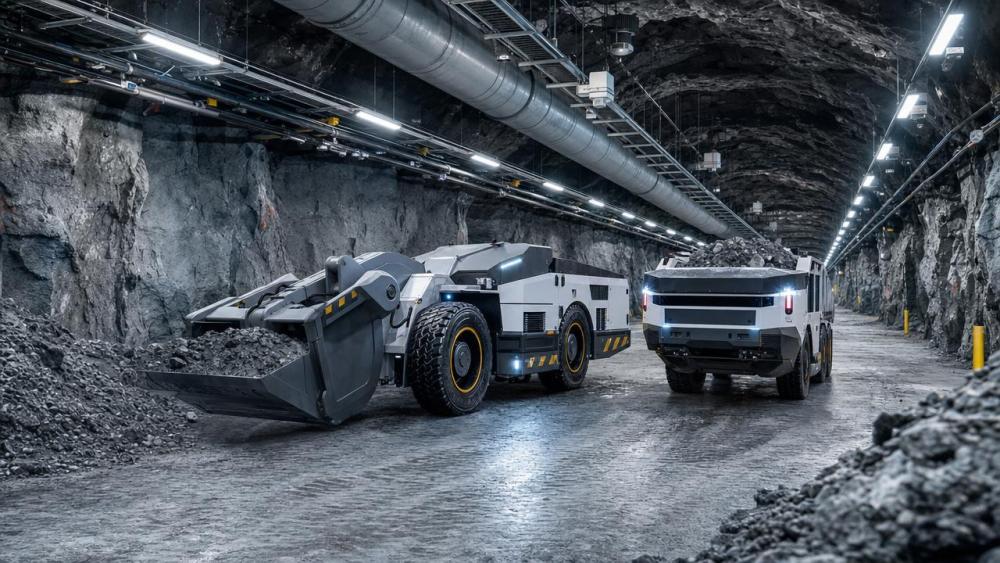
The core search intent behind “Smart Mines” in 2026 is not basic definition. Decision-makers are looking for evidence of business value, implementation priorities, and investment logic. They want to understand where automation is working now, what gains can be measured, what risks remain, and how to separate scalable solutions from expensive pilots.
The most relevant answer is clear: measurable gains are being delivered where smart systems reduce exposure to constrained underground conditions, stabilize cycle times, and improve asset utilization. This is especially true for underground LHD loaders, battery-electric fleets, autonomous or semi-autonomous haulage, drilling jumbos with advanced guidance, and connected mine control systems that combine telemetry, localization, and maintenance data.
For executives in mining, tunnelling, and underground transport ecosystems, the value of Smart Mines is no longer theoretical. The strategic issue is sequencing. A mine that automates the wrong process first may create digital complexity without operational leverage. A mine that automates high-friction bottlenecks first can unlock productivity, improve safety performance, and build a usable data foundation for broader transformation.
Where Smart Mines are delivering the fastest measurable gains
In 2026, the most consistent returns are appearing in five operating domains: autonomous or tele-remote loading and hauling, drilling optimization, predictive maintenance, ventilation-on-demand, and integrated fleet coordination. These areas are producing gains because they address recurring cost centers and operational constraints that every underground operator understands.
1. Loading and haulage automation. Underground LHD loaders and haul trucks are among the clearest automation winners. In narrow, dark, high-risk environments, tele-remote and autonomous operations reduce personnel exposure while improving equipment utilization across shift changes, blasting windows, and ventilation constraints. The gain is not only labor substitution. It is more stable ore movement with fewer interruptions.
2. Drilling accuracy and repeatability. Smart drilling jumbos with digital drill plans, automated boom positioning, and rock data capture are improving blast quality and reducing overbreak, rework, and support demand. This translates into better downstream productivity, because fragmentation quality affects mucking, haulage efficiency, and processing consistency.
3. Predictive maintenance for critical mobile assets. Connected condition monitoring is helping operators anticipate failures in hydraulics, drivetrains, batteries, tires, brakes, and cutting components. In deep operations, one unplanned equipment stoppage can trigger a chain reaction across production and maintenance schedules. Predictive maintenance reduces the cost of surprise and improves spare-parts planning.
4. Ventilation and energy management. As mines deepen and energy prices remain volatile, ventilation-on-demand has become a major Smart Mines value case. By matching airflow to real-time equipment location and activity, mines can cut power use without compromising safety. When combined with battery-electric fleets, the economics become even stronger, because diesel dilution requirements fall while heat and air quality profiles improve.
5. Centralized traffic and fleet orchestration. Digital dispatch, underground positioning, and route coordination reduce congestion and idle time. This is especially important in mixed fleets where autonomous, tele-operated, and manually operated machines share the same underground network. Better coordination improves throughput without necessarily adding more equipment.
Why these gains are more credible now than in earlier automation waves
Previous automation programs often struggled because enabling conditions were weak. Communications were unreliable, underground localization was inconsistent, battery systems were immature, and many mines lacked the data discipline needed to support decision-making. In 2026, several of these barriers have improved enough to make deployments more credible at production scale.
Private LTE and 5G networks have strengthened underground connectivity in many operations. Advances in SLAM-based navigation, sensor fusion, and edge computing have improved the reliability of machine awareness in GPS-denied spaces. Battery-electric underground equipment has also become more practical through better thermal management, higher power density, and battery-swapping or fast-charging strategies adapted to cycle demands.
Another reason results are more measurable is that operators are no longer trying to automate around isolated machines only. They are increasingly redesigning workflows around connected systems. That means loading, hauling, maintenance, ventilation, and control-room decision-making are being treated as linked operational layers rather than separate digital projects.
This shift is significant for boards and executive teams. It means Smart Mines performance can be measured against business KPIs such as tons moved per shift, equipment availability, cost per ton, injury exposure hours, energy intensity, and schedule reliability—not just technology uptime or pilot completion metrics.
What business leaders care about most: ROI, risk, and operational fit
Enterprise decision-makers usually do not need more enthusiasm about innovation. They need a reliable way to judge whether a Smart Mines investment fits their orebody, mine design, labor model, and capital constraints. In practice, three questions dominate the decision process.
First, where is the economic leverage? The best smart mine projects target the points where delays, variability, or safety exposure create outsized cost. If haulage is constraining production, fleet orchestration and autonomous loading may have a stronger case than adding more sensors to non-critical assets. If ventilation costs are rising sharply, connected air management may outperform more visible but less impactful digital upgrades.
Second, can the site absorb the operational change? Automation success depends on network quality, maintenance capability, workforce readiness, and change management discipline. A technically sound system can still underperform if the mine lacks integration capacity or if operating procedures remain designed for manual workflows.
Third, how quickly can value be verified? Leaders increasingly favor use cases with short measurement cycles. They want early proof in throughput, utilization, downtime reduction, or safety improvement before expanding to broader mine-wide architecture. This is one reason why targeted Smart Mines deployments are outperforming “big-bang” transformation programs.
How to identify the best Smart Mines opportunities in underground operations
For companies in underground mining and related heavy equipment ecosystems, the best opportunities usually emerge from process mapping rather than technology scouting. A useful starting point is to identify where the mine loses the most value today. That often means examining shift delays, re-entry wait times, equipment queuing, maintenance bottlenecks, and energy spikes.
Once those pain points are visible, leaders can evaluate them against four filters: safety criticality, production sensitivity, implementation complexity, and data readiness. A good automation candidate is one where the risk exposure is high, the operational impact is recurring, the workflow is sufficiently standardized, and the site can generate trustworthy baseline data for comparison.
In many underground settings, strong candidates include tele-remote mucking after blasting, autonomous tramming on repeatable routes, digital drilling guidance, connected rock support workflows, and battery-electric fleet coordination. In open-pit-linked mining systems, autonomous or electric mining dump trucks may also play a larger role in the Smart Mines roadmap, especially where regenerative braking and downhill haul cycles improve energy economics.
For tunnelling-adjacent applications, similar logic applies. Full-face TBM operations, pipe jacking systems, and other underground engineering assets can benefit from smart control, predictive wear modeling, and automated segment or lining workflows. The common thread is measurable reduction in variability, downtime, and labor exposure within high-cost underground environments.
The most common reasons Smart Mines projects underperform
Even in 2026, not every automation project succeeds. The most common failure pattern is treating Smart Mines as a technology purchase instead of an operating system redesign. When companies deploy sensors, software, or autonomous machines without changing planning logic, maintenance routines, shift management, and accountability structures, the expected gains often stall.
A second issue is weak interoperability. Many mines still operate mixed fleets and fragmented software environments. If dispatch, maintenance, ventilation, and equipment OEM systems cannot share data effectively, decision quality remains limited. Integration costs can then erode the business case unless they are anticipated early.
A third issue is poor KPI design. Some organizations measure digital adoption rather than operational outcomes. The board does not benefit from knowing how many machines are connected if throughput, cost, and safety performance do not materially improve. Smart Mines programs need baseline metrics, control groups where possible, and clear stage gates for expansion or redesign.
Finally, workforce transition remains a decisive factor. Automation changes roles, skills, and supervision models. Mines that invest only in equipment and software, but not in operator retraining, maintenance capability, and control-room competence, often struggle to sustain gains after initial commissioning.
What a practical 2026 Smart Mines roadmap looks like
The strongest roadmap for most enterprise operators is phased, value-led, and site-specific. It usually begins with one or two operationally critical use cases, supported by connectivity and data foundations that can scale. This avoids overcommitting capital while still building momentum.
Phase one: establish baseline performance and select a high-value target area, such as underground haulage, tele-remote loading, or predictive maintenance for critical fleet assets. The goal is to prove measurable operational value within a limited scope.
Phase two: strengthen enabling infrastructure, including communications, localization, cybersecurity, and control-room workflows. Without these layers, expansion becomes fragile and expensive.
Phase three: integrate adjacent systems. For example, autonomous hauling should connect with maintenance planning, battery charging or swapping schedules, ventilation logic, and shift-level production planning. This is where isolated gains turn into broader Smart Mines performance improvement.
Phase four: standardize governance. Leading operators define who owns data quality, operating changes, vendor coordination, safety assurance, and ROI reporting. Governance is often what separates repeatable transformation from scattered innovation.
What Smart Mines mean for competitiveness in the next few years
By 2026, Smart Mines are becoming a competitiveness issue as much as an efficiency issue. Mines facing deeper orebodies, tighter labor markets, stricter ESG expectations, and rising energy costs cannot rely on legacy operating models indefinitely. Automation and electrification are increasingly linked, especially in underground environments where air quality, heat load, and workforce exposure are major constraints.
For equipment manufacturers, contractors, and intelligence-focused industry platforms, this creates a parallel opportunity. Buyers are no longer asking only for machine specifications. They are asking how systems perform inside a connected underground operation, how they reduce total cost of ownership, and how quickly they support production resilience.
That is why the Smart Mines conversation now extends beyond mining companies alone. It includes OEMs, infrastructure developers, digital platform providers, and underground engineering specialists who can link rock mechanics, energy transition, asset performance, and automation strategy into one coherent operating vision.
Conclusion: Smart Mines are no longer about experimentation—they are about disciplined value capture
The defining reality of Smart Mines in 2026 is that measurable gains are already being delivered, but not evenly across every technology or every site. The strongest results come from focused automation of high-impact underground processes such as loading, haulage, drilling, maintenance, ventilation, and traffic coordination.
For enterprise decision-makers, the right response is not to pursue full automation for its own sake. It is to identify where operational friction is highest, where data and connectivity can support reliable deployment, and where measurable returns can be proven quickly. In other words, the best Smart Mines strategy is selective before it becomes expansive.
Organizations that take this disciplined approach are better positioned to improve safety, stabilize output, control energy costs, and strengthen long-term competitiveness in increasingly complex underground environments. In 2026, Smart Mines are not just smarter mines. They are better-run mines with clearer economics and more resilient operating models.
Related News
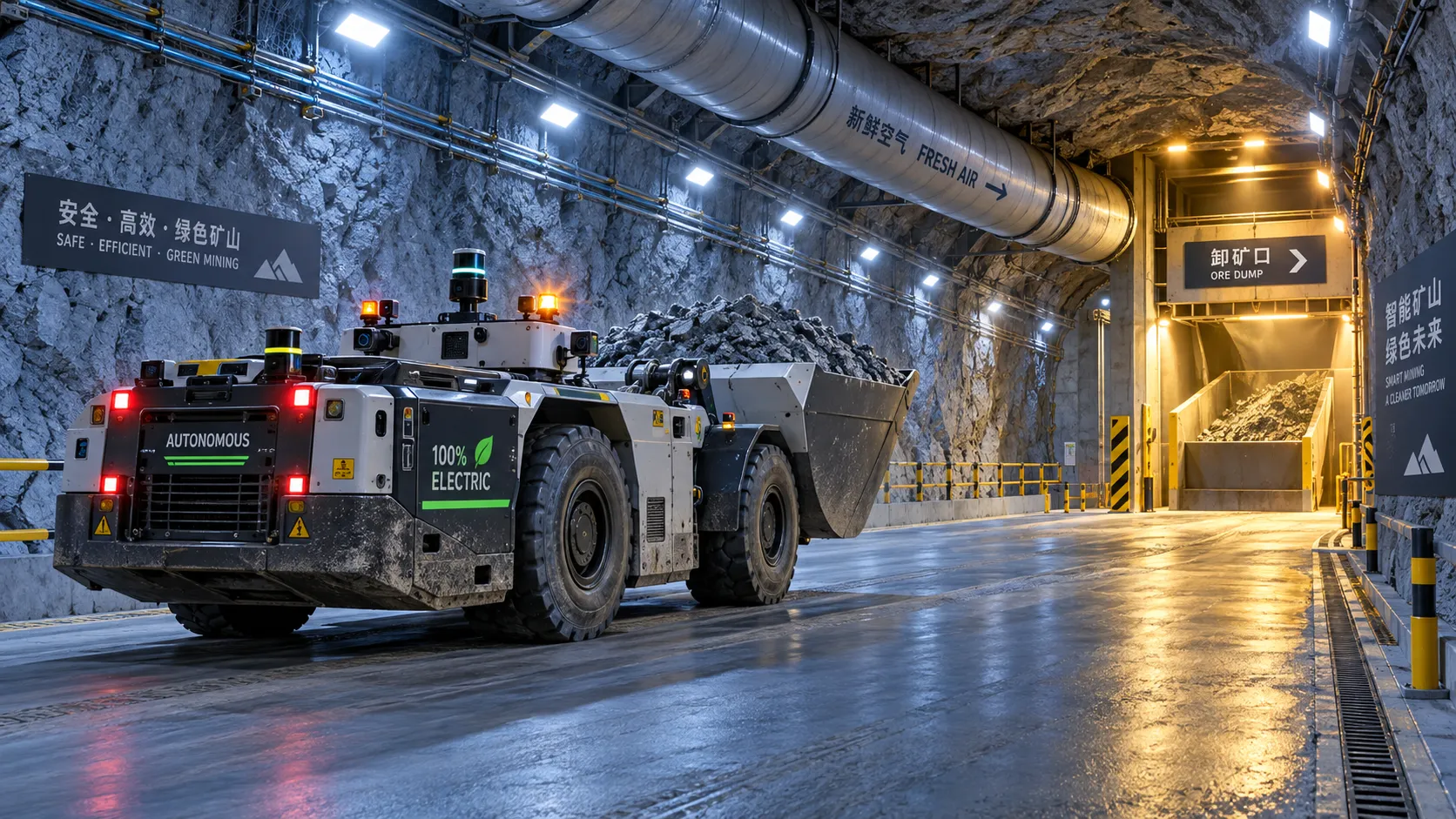
Where Autonomous Mining Loaders Deliver the Most Value in Underground Operations
Autonomous Mining Loaders deliver greater underground value through safer blast-zone work, repeatable haul cycles, and improved ventilation efficiency. Discover the best deployment zones.
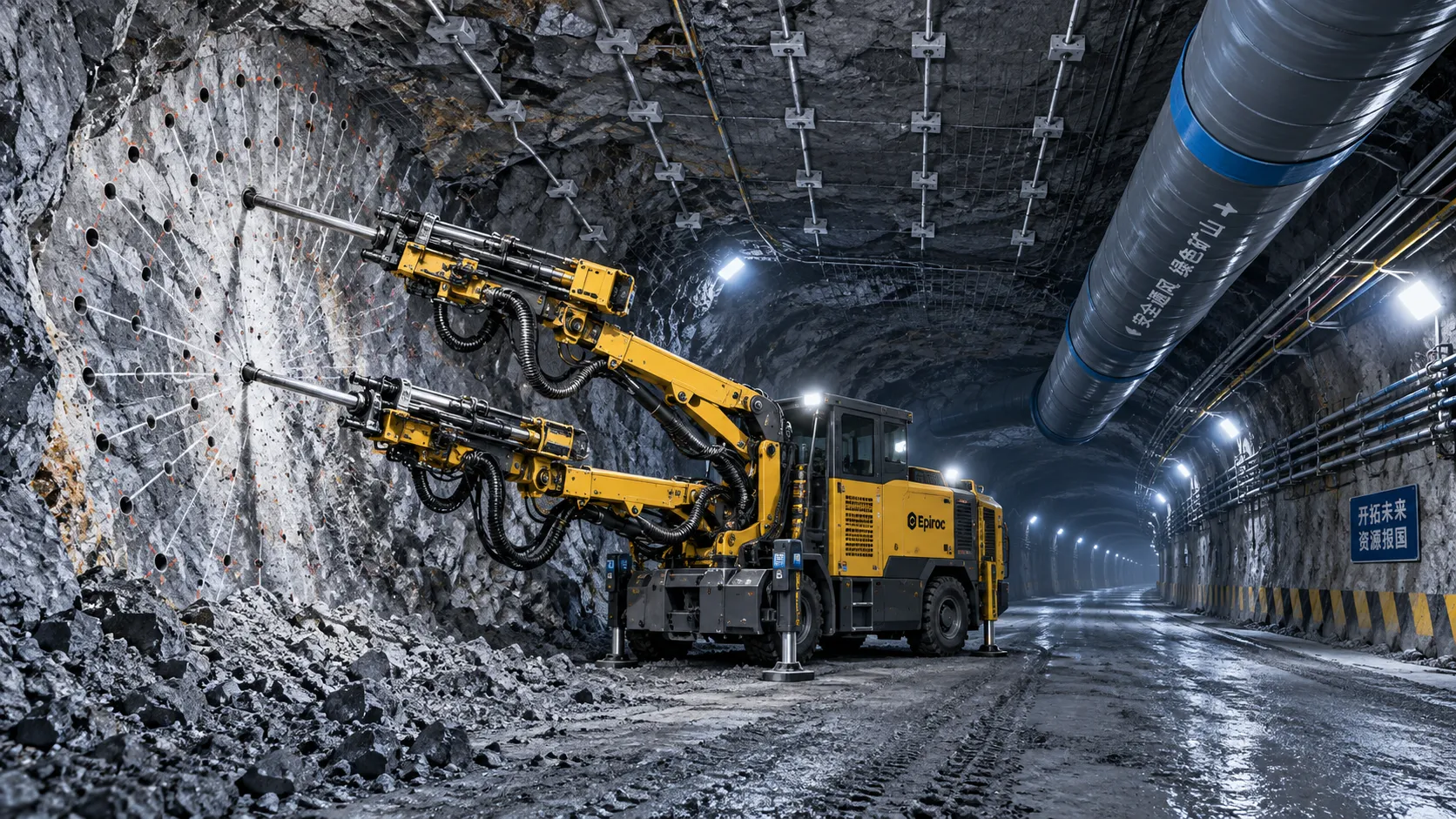
Underground Drilling for Mining: Selecting Methods for Rock Conditions and Mine Layout
Underground drilling for mining: learn how to match drilling methods to rock conditions, mine layout, accuracy needs, ground support, and cycle efficiency.
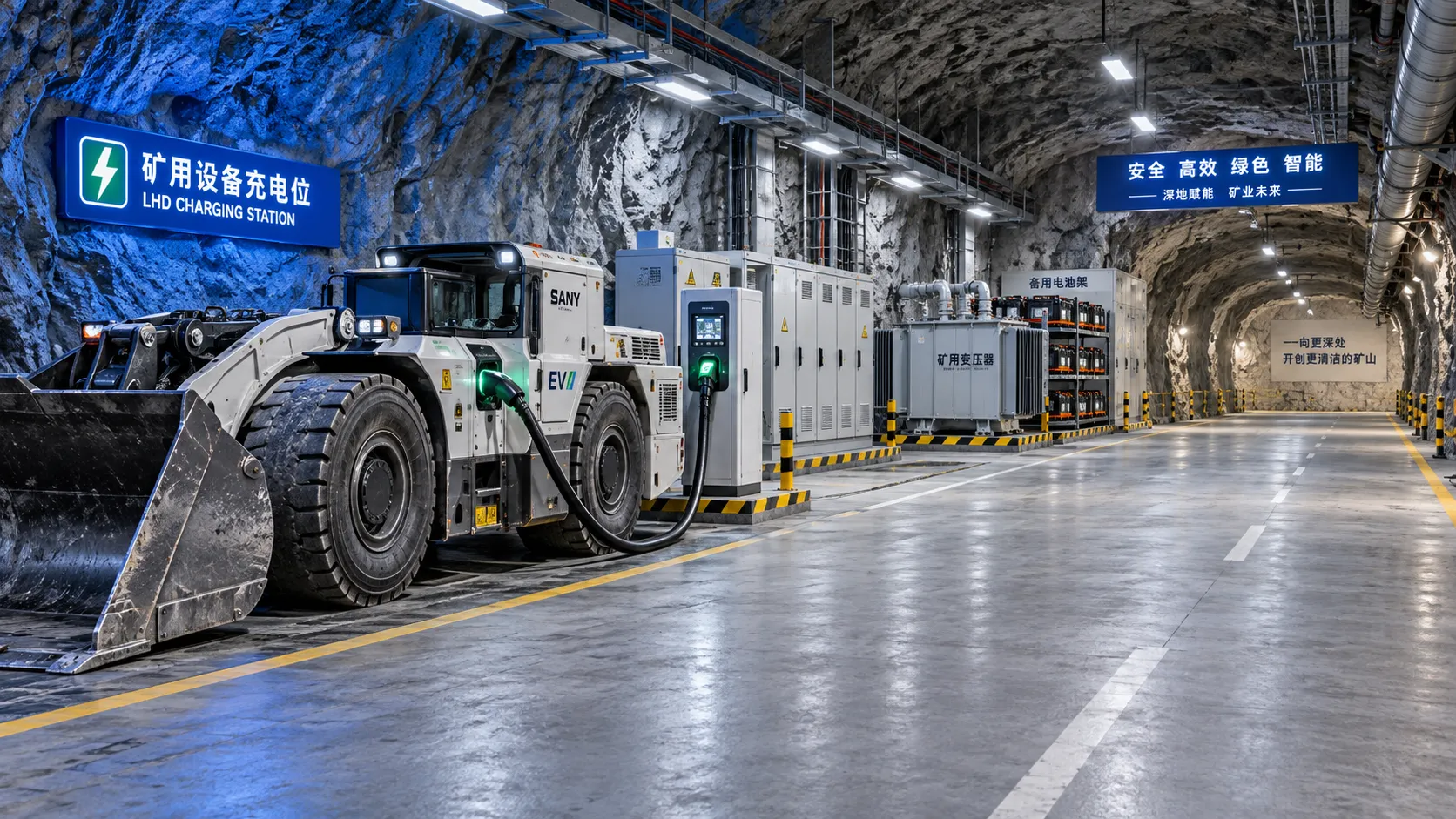
Underground Mine Electrification: How to Size Battery Fleets and Charging Capacity
Mining electrification for underground mines: learn how to size battery fleets, chargers, and power capacity to prevent queues, peak-load issues, and production downtime.
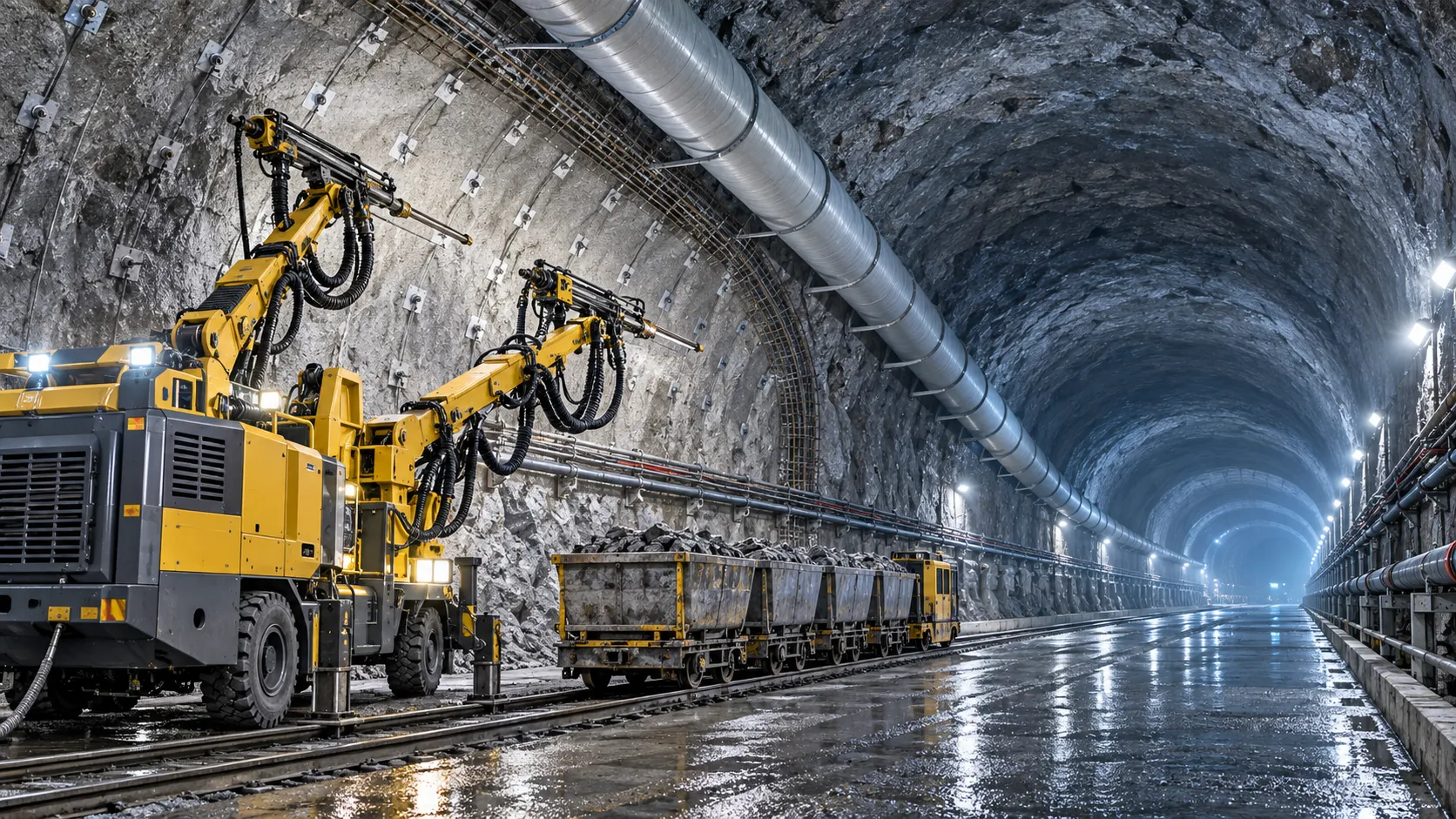
How to Evaluate European Drill-and-Blast Tunnelling Contractors for Complex Projects
Drill and blast tunnelling contractors Europe: learn how to assess geology expertise, blast control, equipment reliability, safety, and programme resilience for complex projects.
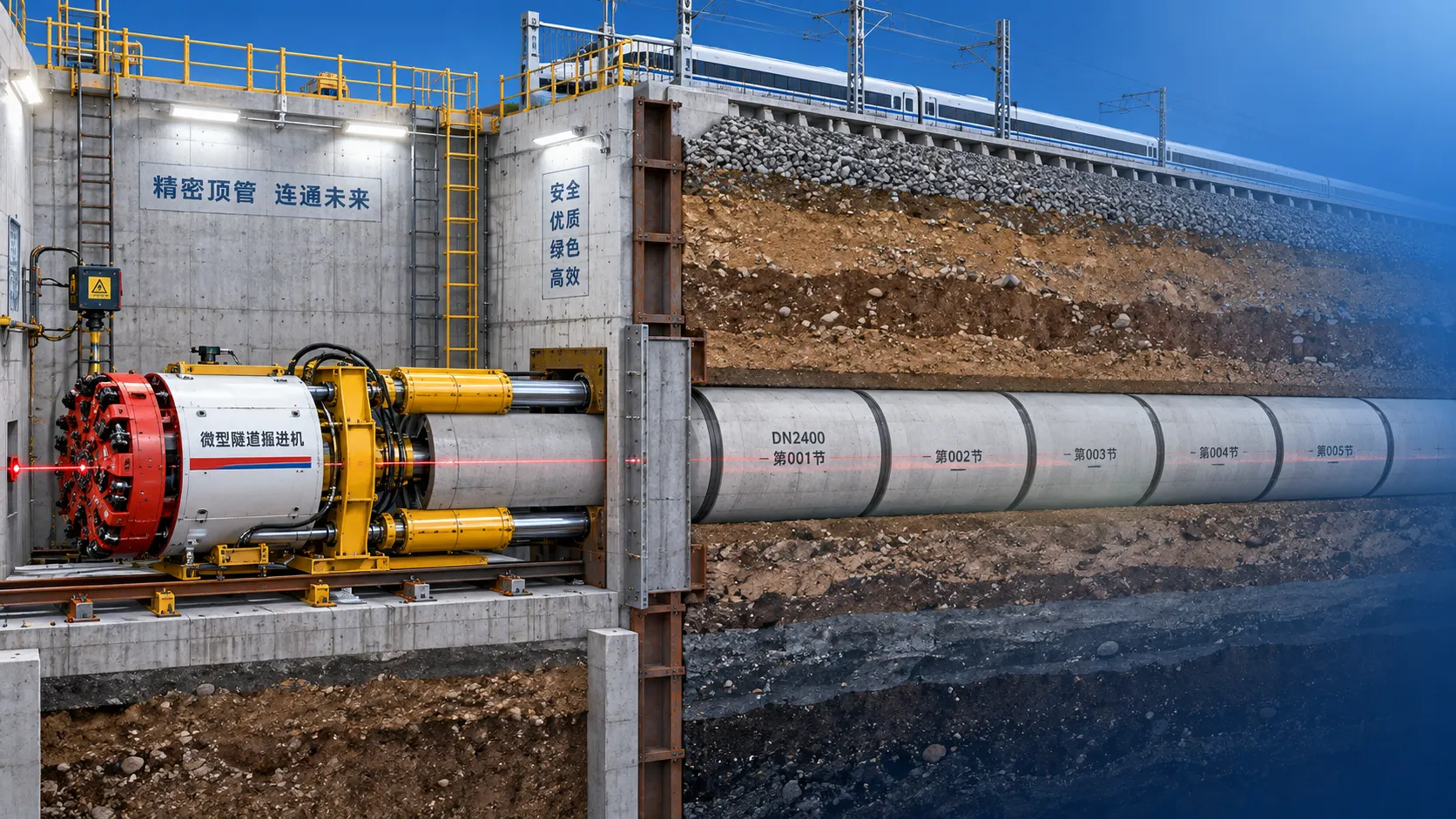
Which Trenchless Construction Technique Fits Your Utility Crossing Conditions?
Trenchless construction techniques compared for utility crossings: choose HDD, microtunnelling, pipe jacking, or auger boring based on ground, accuracy, access, and risk.
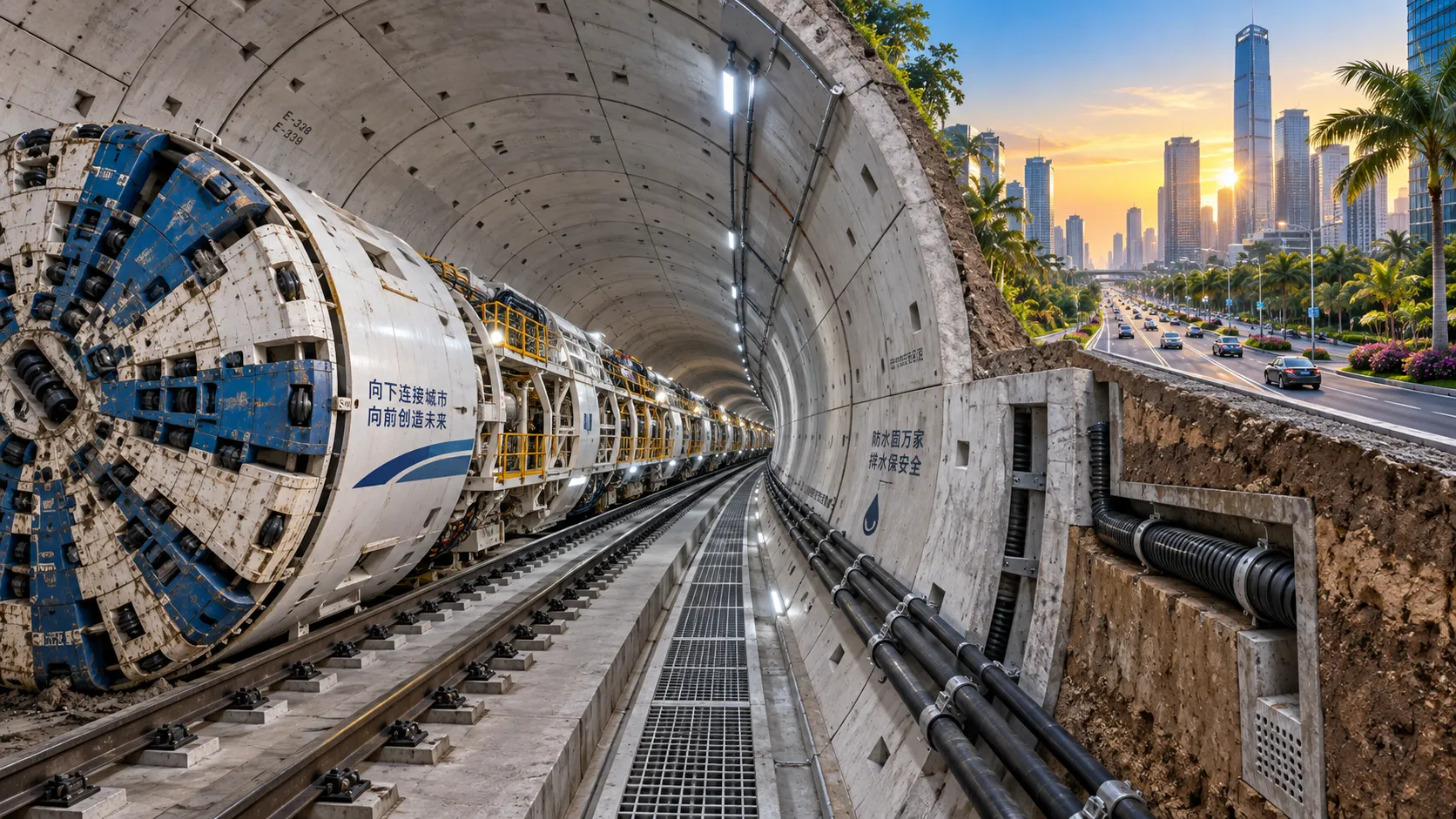
What Is Driving Metro Tunnelling Demand Across Southeast Asia’s Major Cities?
Metro tunnelling Southeast Asia is accelerating as major cities tackle congestion, flooding, and connectivity. Explore the market forces, technical risks, and opportunities shaping demand.
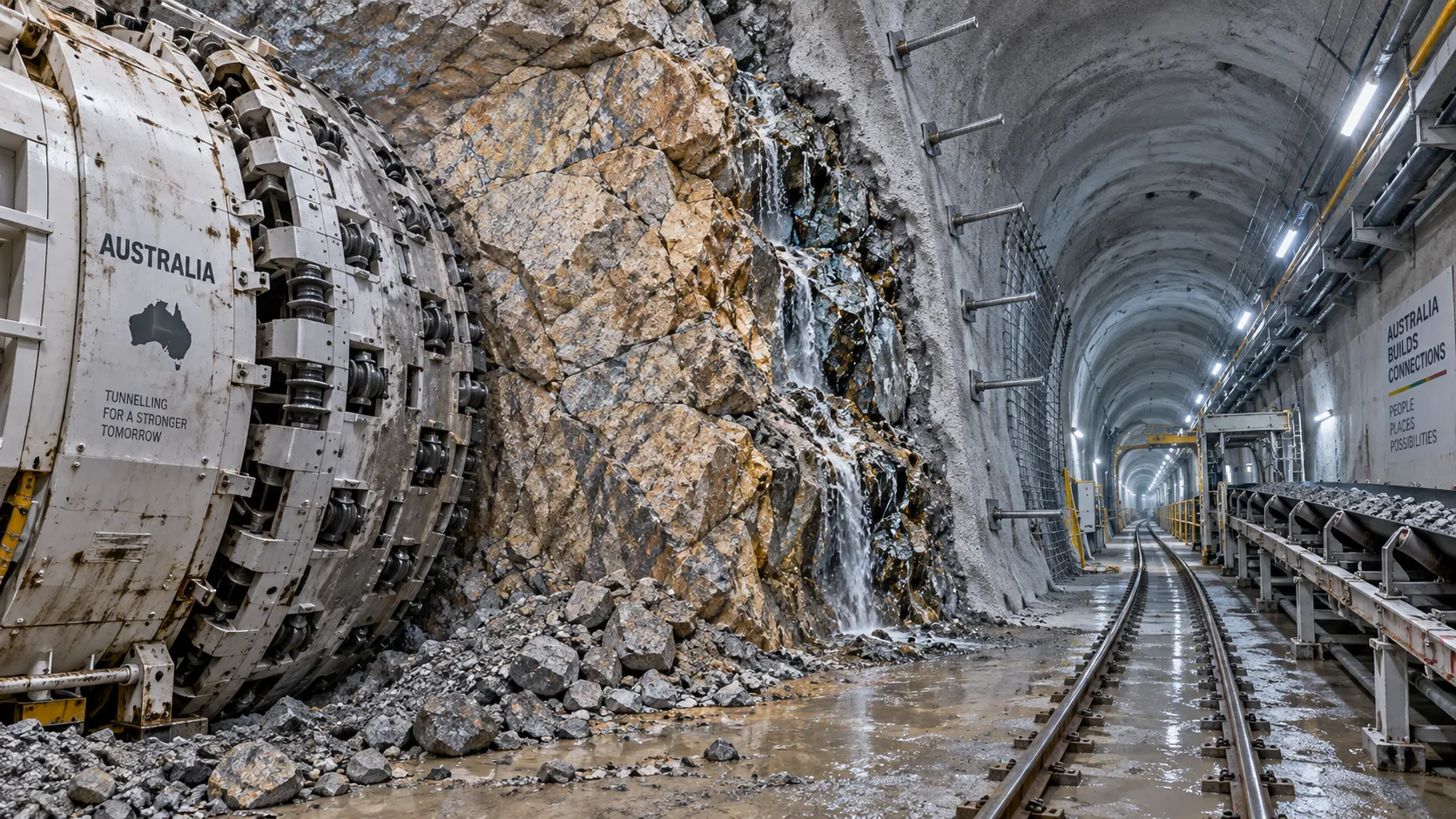
Hard Rock Tunnelling in Australia: Selecting Methods for Variable Ground Conditions
Hard rock tunnelling in Australia: compare TBM, drill-and-blast and hybrid methods to manage variable ground, reduce risk and protect project costs.
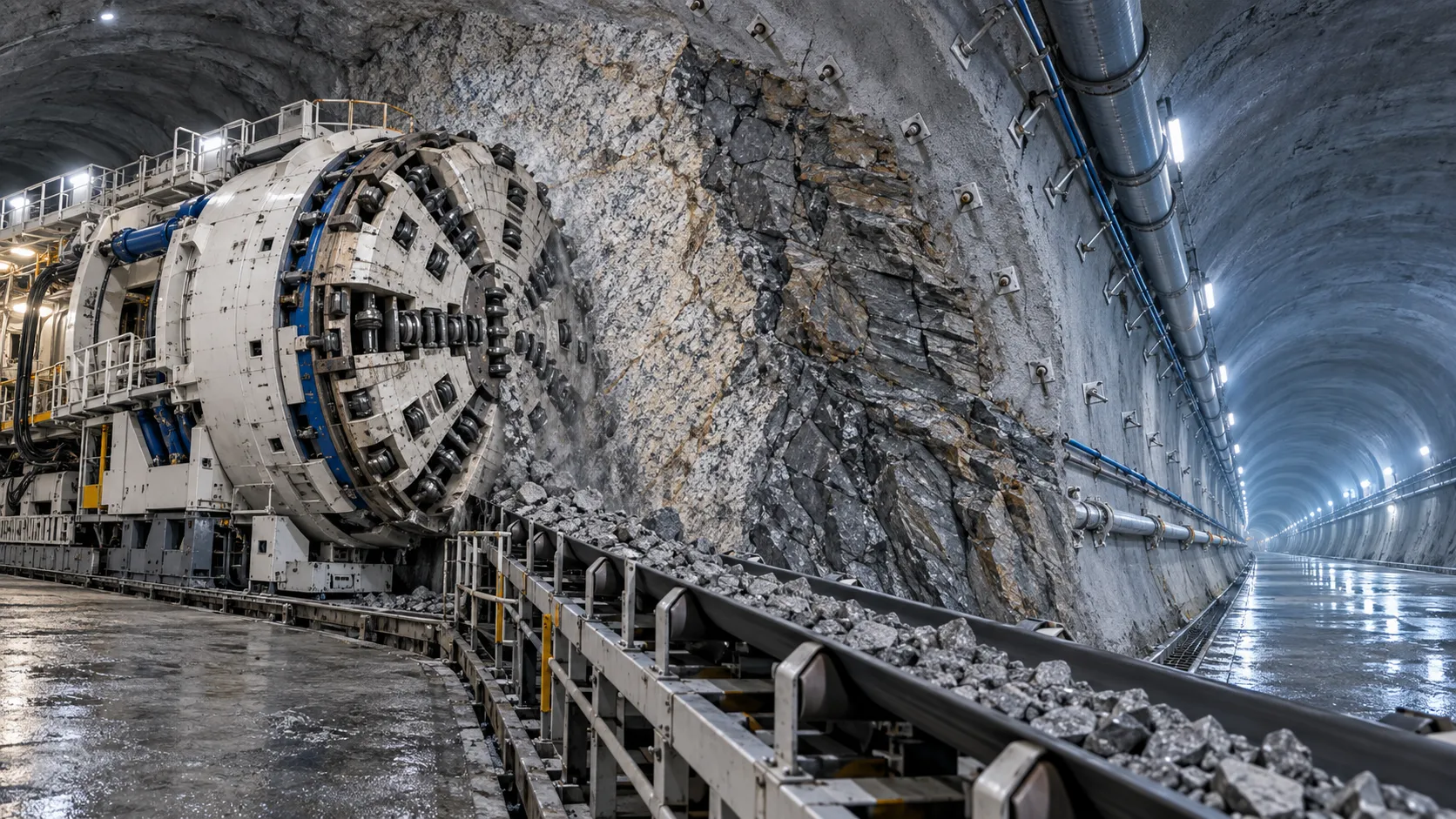
Hydropower Tunnel Excavation: Selecting Methods for Variable Rock Conditions
Hydropower tunnel excavation methods for variable rock conditions: compare TBM, drill-and-blast, and hybrid strategies to improve safety, progress, and project control.
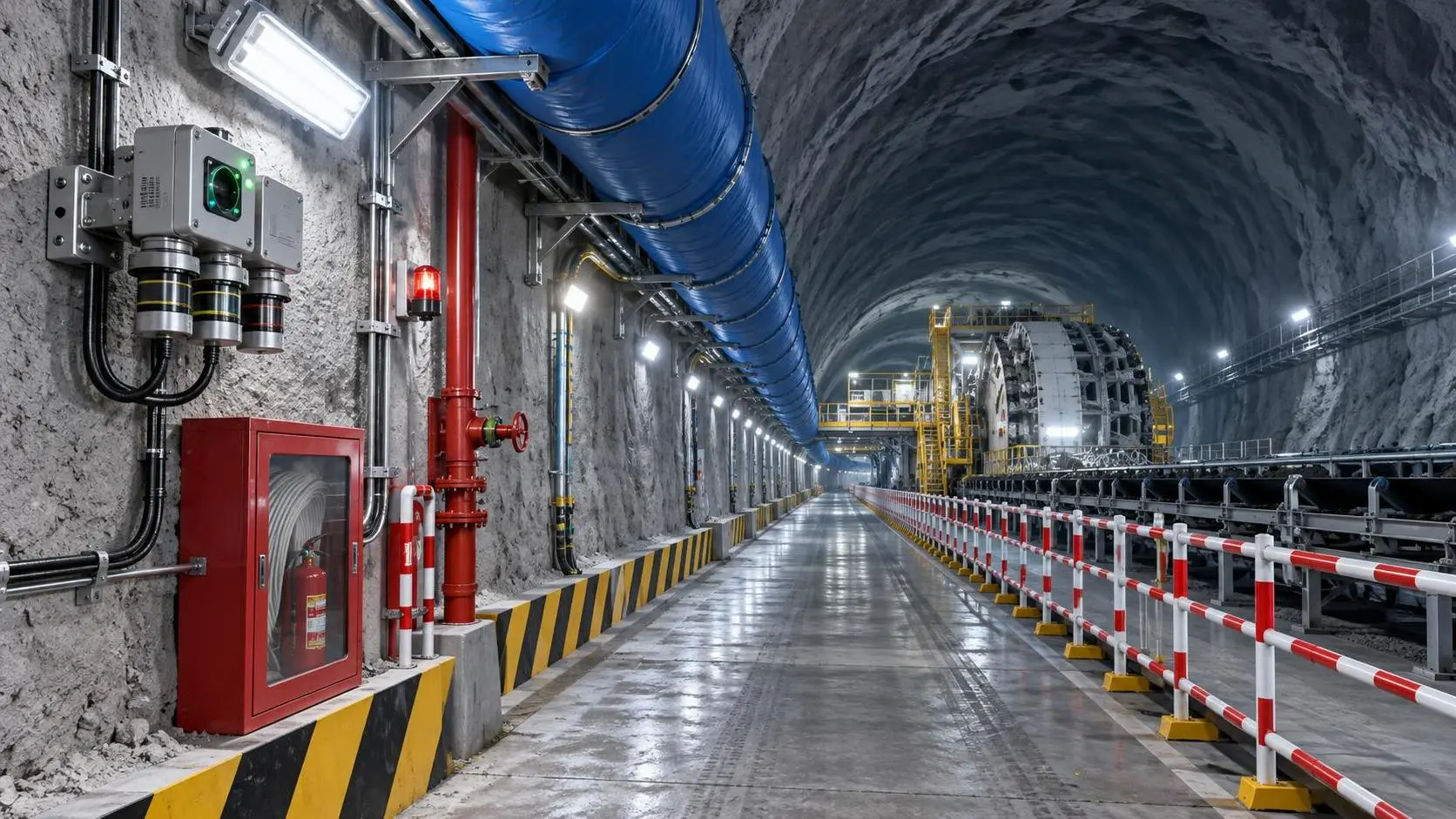
How to Select Underground Safety Equipment for Tunnelling by Hazard and Work Zone
Underground Safety Equipment for tunnelling: match protection to hazards, work zones, compliance, and emergency needs with this practical selection guide.
Related News
- 00
0000-00
Where Autonomous Mining Loaders Deliver the Most Value in Underground Operations - 00
0000-00
Underground Drilling for Mining: Selecting Methods for Rock Conditions and Mine Layout - 00
0000-00
Underground Mine Electrification: How to Size Battery Fleets and Charging Capacity - 00
0000-00
How to Evaluate European Drill-and-Blast Tunnelling Contractors for Complex Projects - 00
0000-00
Which Trenchless Construction Technique Fits Your Utility Crossing Conditions?
Weekly Insights
Stay ahead with our curated technology reports delivered every Monday.