
What Makes SLAM Algorithms Reliable in Underground Navigation





In underground navigation, reliability is never a bonus—it is the foundation of safety, productivity, and automation. SLAM Algorithms play a decisive role in helping machines operate accurately where GPS fails, visibility is poor, and tunnel conditions constantly change. Understanding what makes these algorithms dependable is essential for engineers, fleet planners, and industry researchers tracking the future of smart mining and tunnelling systems.
Why reliability in underground navigation is becoming a sharper industry signal
A clear shift is underway across mining, tunnelling, and trenchless construction: automation programs are moving from controlled pilot zones into harsher, deeper, and more variable underground environments. That transition changes the standard for navigation. In the past, operators could compensate for limited digital positioning with local experience, visual cues, and conservative machine movement. Today, autonomous and semi-autonomous fleets require repeatable positioning performance across longer cycles, mixed traffic, battery-electric operations, and tighter safety expectations. This is why the discussion around SLAM Algorithms is no longer purely academic. It has become a practical question of asset utilization, system uptime, and operational risk.
For intelligence platforms such as UTMD, this trend matters because reliable localization now sits at the intersection of several major industry changes: zero-emission underground equipment, smart mine deployment, digital tunnel construction, and remote operation. When loaders, mining trucks, drilling jumbos, or tunnel support systems become more automated, their value depends on whether localization and mapping stay stable under dust, vibration, darkness, water spray, metallic interference, and changing geometry. In other words, reliable SLAM Algorithms are becoming a gatekeeper technology for the next stage of underground automation.
The biggest change: reliability now means resilience, not just accuracy
A major industry misunderstanding is beginning to fade. Reliable underground navigation is not simply about achieving high positional accuracy in ideal tests. The stronger market signal is resilience. In underground applications, a navigation stack must continue performing when sensors degrade, tunnel walls change after blasting, machine speed varies, or communications become intermittent. This shifts evaluation criteria from laboratory precision to operational continuity.
That change affects procurement and engineering decisions. Buyers increasingly look beyond headline sensor specifications and ask harder questions: How does the system recover after drift? What happens when reflective dust degrades LiDAR returns? Can the mapping engine distinguish between permanent tunnel structure and temporary obstacles such as people, support vehicles, or ore piles? Does the solution remain stable across production headings, decline ramps, drawpoints, and maintenance bays? Reliable SLAM Algorithms are gaining importance because underground operations now need navigation systems that degrade gracefully instead of failing suddenly.
What actually makes SLAM Algorithms reliable underground
The strongest underground SLAM Algorithms share several traits. First, they are multi-sensor by design. LiDAR often leads because it works in darkness and can capture geometry well, but underground reliability improves when systems fuse LiDAR with inertial measurement units, wheel odometry, cameras where practical, and sometimes radar or ultra-wideband references. No single sensor remains perfect in all underground conditions. Reliability grows when the algorithm can weigh each source according to current confidence rather than treating all inputs equally.
Second, robust motion estimation matters as much as map quality. Underground machines experience jolts, wheel slip, articulated steering movement, and uneven surfaces. If motion estimation collapses during these events, drift compounds quickly. Reliable SLAM Algorithms include outlier rejection, dynamic filtering, and strong back-end optimization to keep temporary noise from becoming permanent map error.
Third, they must distinguish static structure from dynamic clutter. Underground routes are not empty corridors. They contain service vehicles, ventilation ducts, mesh, temporary ground support, hanging cables, water pools, and fragmented rock. Algorithms that map everything indiscriminately often become unstable because they lock onto objects that move or disappear. Reliable systems learn which features are persistent enough for localization and which should be treated as short-lived interference.
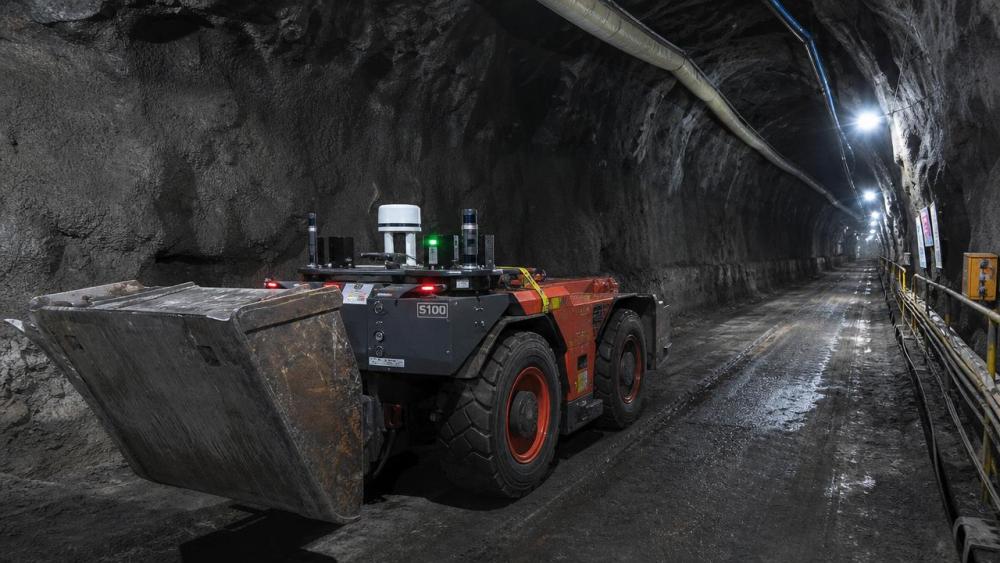
Fourth, relocalization speed is a major marker of dependability. Underground operations cannot tolerate long pauses after signal loss, dust events, or abrupt environmental changes. A good system not only tracks well when everything is normal; it also recovers fast after partial failure. This is especially important for underground LHD loaders, autonomous haulage units, and tunnel robots moving through repetitive tunnel geometry where similar-looking sections can confuse simpler approaches.
Finally, reliability depends on lifecycle engineering, not only core algorithm design. Calibration stability, sensor mounting integrity, update management, and edge computing performance all influence field results. In practice, many localization failures are system-integration failures first and algorithm failures second.
Why reliability challenges are increasing instead of disappearing
It may seem that better sensors should automatically solve underground navigation. In reality, the challenge is increasing because applications are becoming more ambitious. Mines are pushing automation into active headings and production areas with continuous blasting impact. Urban tunnelling projects are integrating more digital control in constrained corridors with strict settlement and schedule requirements. Electrified fleets are increasing route planning complexity because charging logistics, battery swapping, and ventilation optimization interact with machine movement. All of this puts more pressure on SLAM Algorithms.
Another reason is that underground environments are not only harsh; they are structurally deceptive. Tunnels can be long, repetitive, low-texture, and geometrically similar from one section to the next. That creates ambiguity for mapping engines. In mining, changes caused by scaling, bolting, mucking, and face advance mean the map itself is never fully static. Reliability therefore requires algorithms that can manage partial map aging, not just build a map once and assume it remains valid.
Who feels the impact most as SLAM reliability becomes a competitive factor
The impact of reliable SLAM Algorithms is spreading across multiple decision groups. Equipment OEMs need dependable localization to support automation packages and protect brand credibility. Mine operators care because navigation instability translates into cycle loss, traffic delays, and safety interventions. Tunnelling contractors need confidence that digital navigation can support tighter project controls in complex geology and restricted access conditions. Researchers and technical buyers monitor the field because reliability trends indicate which platforms are ready for scale rather than only demonstration.
The strongest reliability drivers now come from integration, not isolated code improvements
One of the most important market shifts is that reliable SLAM Algorithms are increasingly judged as part of a full operating stack. Underground localization now interacts with autonomy software, traffic management, machine health monitoring, ventilation planning, and digital twin workflows. This means the winning solutions are not necessarily those with the most sophisticated academic architecture, but those that fit industrial realities: limited compute budgets, rugged hardware, maintainability, and predictable behavior over long deployment cycles.
There is also rising pressure from ESG and zero-emission strategies. As underground mines adopt battery-electric LHDs, trucks, and support equipment, traffic paths and operational timing become more critical. Localization reliability affects queue management, charging bay access, and mission scheduling. In that sense, SLAM Algorithms are becoming indirectly linked to energy efficiency and sustainability performance, not just navigation.
What signals should companies monitor before scaling underground SLAM deployment
Companies evaluating underground navigation technology should watch for a set of practical signals. The first is consistency across environments. A solution that performs well only in a clean demonstration tunnel may struggle in production mining or utility corridors. The second is failure transparency. Mature vendors can explain where their SLAM Algorithms are strong, where they degrade, and how recovery works. Overpromising is usually a warning sign in underground autonomy.
The third signal is map maintenance strategy. Underground spaces evolve. Vendors should show how maps are updated, validated, and versioned without interrupting operations. The fourth is interoperability. Reliable localization gains value when it can feed dispatch, fleet management, collision avoidance, and remote operations systems. The fifth is field support. Since underground conditions vary widely, deployment success often depends on calibration discipline, data review, and site-specific tuning.
A practical judgment framework for buyers and researchers
For information researchers and industrial decision-makers, the best approach is to judge SLAM Algorithms through an operational lens rather than a purely theoretical one. Ask whether the system can maintain performance over repeated cycles, whether it supports mixed manual and autonomous traffic, and whether its reliability is measured in hours and shifts rather than short test segments. Pay close attention to recovery behavior, sensor redundancy, map aging controls, and integration readiness with broader digital infrastructure.
Where the next reliability gains are likely to come from
Looking ahead, the next gains in reliable underground SLAM will likely come from three directions. First is better sensor fusion with adaptive confidence weighting, allowing the navigation stack to respond intelligently when one modality weakens. Second is stronger semantic understanding, helping systems separate permanent tunnel features from temporary clutter. Third is tighter connection between localization, planning, and machine health data, so navigation decisions can reflect changing traction, load state, or equipment condition.
This is especially relevant for UTMD’s core focus areas. Underground LHD loaders, electrified mining trucks, drilling jumbos, and advanced tunnelling systems all depend on dependable positioning to unlock autonomous potential. As these sectors evolve, reliable SLAM Algorithms will increasingly be judged not as isolated software modules, but as infrastructure for productivity, safety, and digital mine performance.
What to confirm next if the trend affects your business
If your organization is assessing how underground automation trends will affect procurement, engineering, or market strategy, focus on a few immediate questions. Which underground zones create the highest localization risk? How often does the physical environment change? What level of redundancy is required for production continuity? Can current digital systems absorb localization outputs in a usable way? And does your chosen vendor discuss long-term field reliability as clearly as algorithm performance?
The direction is clear: underground operations are demanding more dependable navigation in more difficult conditions. That is why reliable SLAM Algorithms are becoming a central indicator of technology maturity across smart mines, trenchless engineering, and next-generation tunnelling. For companies that want to judge the trend early, the real task is not asking whether SLAM matters, but identifying which reliability signals will most affect safety, fleet efficiency, and future competitiveness.
Related News
Where Autonomous Mining Loaders Deliver the Most Value in Underground Operations
Autonomous Mining Loaders deliver greater underground value through safer blast-zone work, repeatable haul cycles, and improved ventilation efficiency. Discover the best deployment zones.
Underground Drilling for Mining: Selecting Methods for Rock Conditions and Mine Layout
Underground drilling for mining: learn how to match drilling methods to rock conditions, mine layout, accuracy needs, ground support, and cycle efficiency.
Underground Mine Electrification: How to Size Battery Fleets and Charging Capacity
Mining electrification for underground mines: learn how to size battery fleets, chargers, and power capacity to prevent queues, peak-load issues, and production downtime.
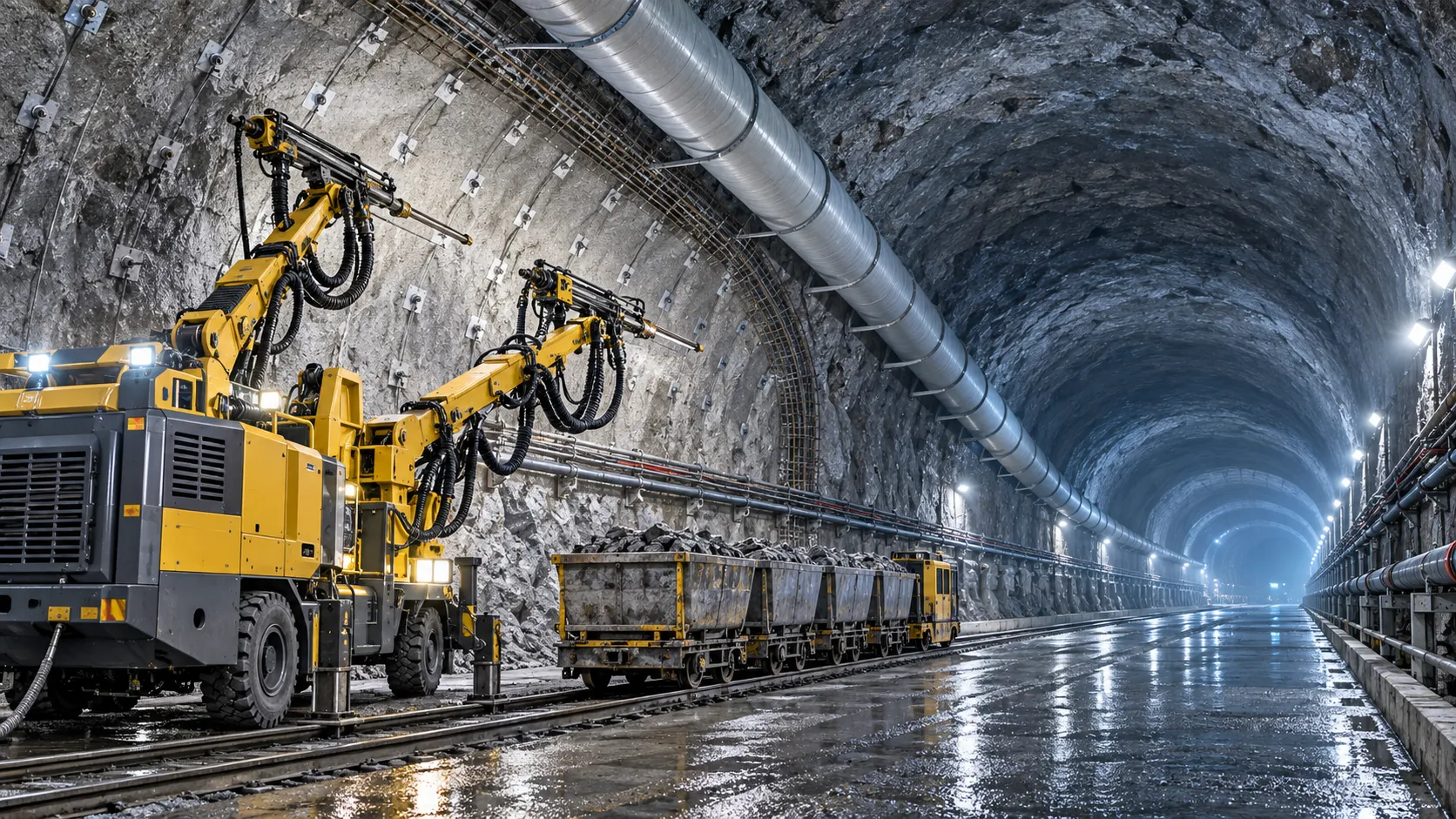
How to Evaluate European Drill-and-Blast Tunnelling Contractors for Complex Projects
Drill and blast tunnelling contractors Europe: learn how to assess geology expertise, blast control, equipment reliability, safety, and programme resilience for complex projects.
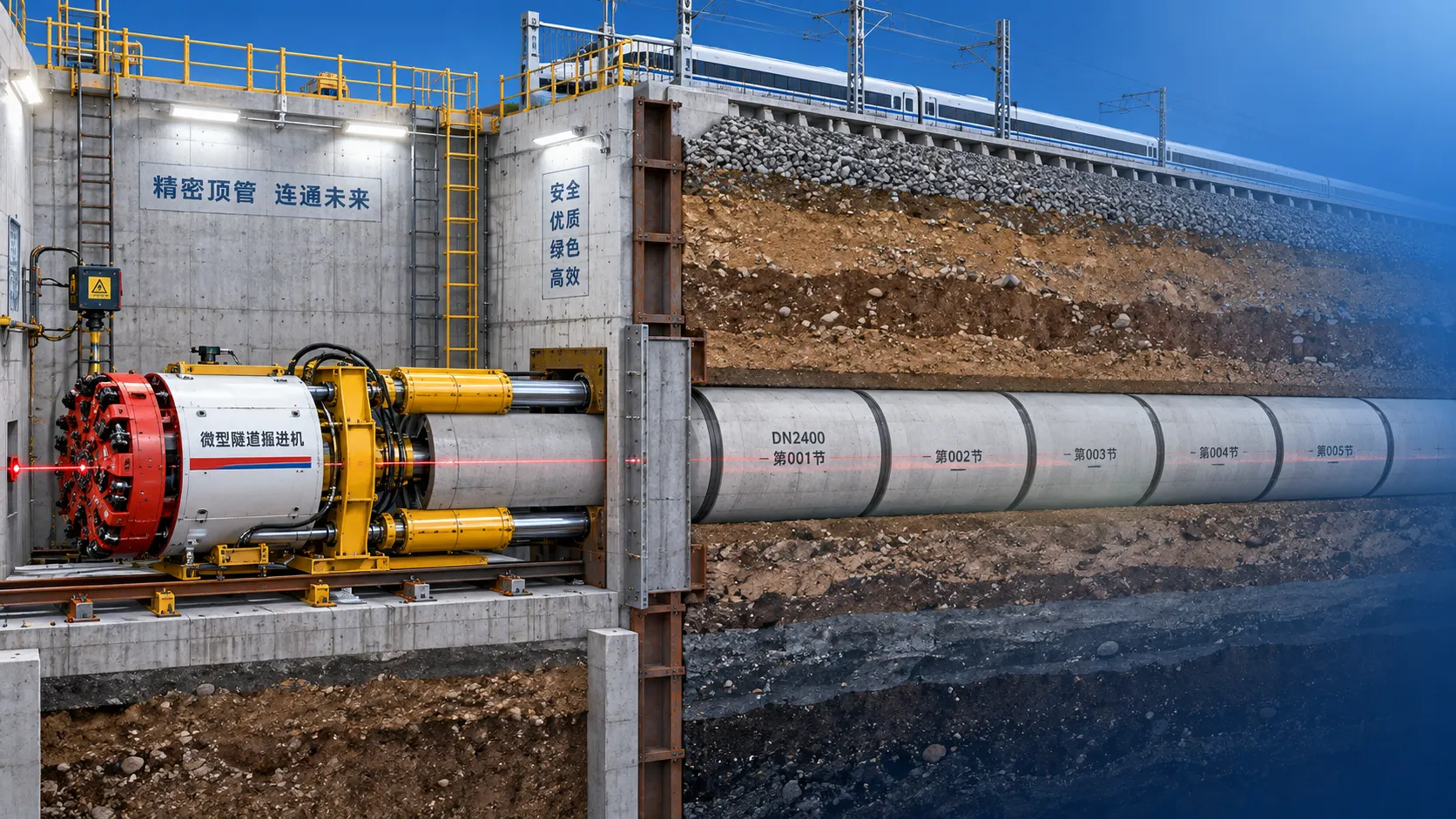
Which Trenchless Construction Technique Fits Your Utility Crossing Conditions?
Trenchless construction techniques compared for utility crossings: choose HDD, microtunnelling, pipe jacking, or auger boring based on ground, accuracy, access, and risk.
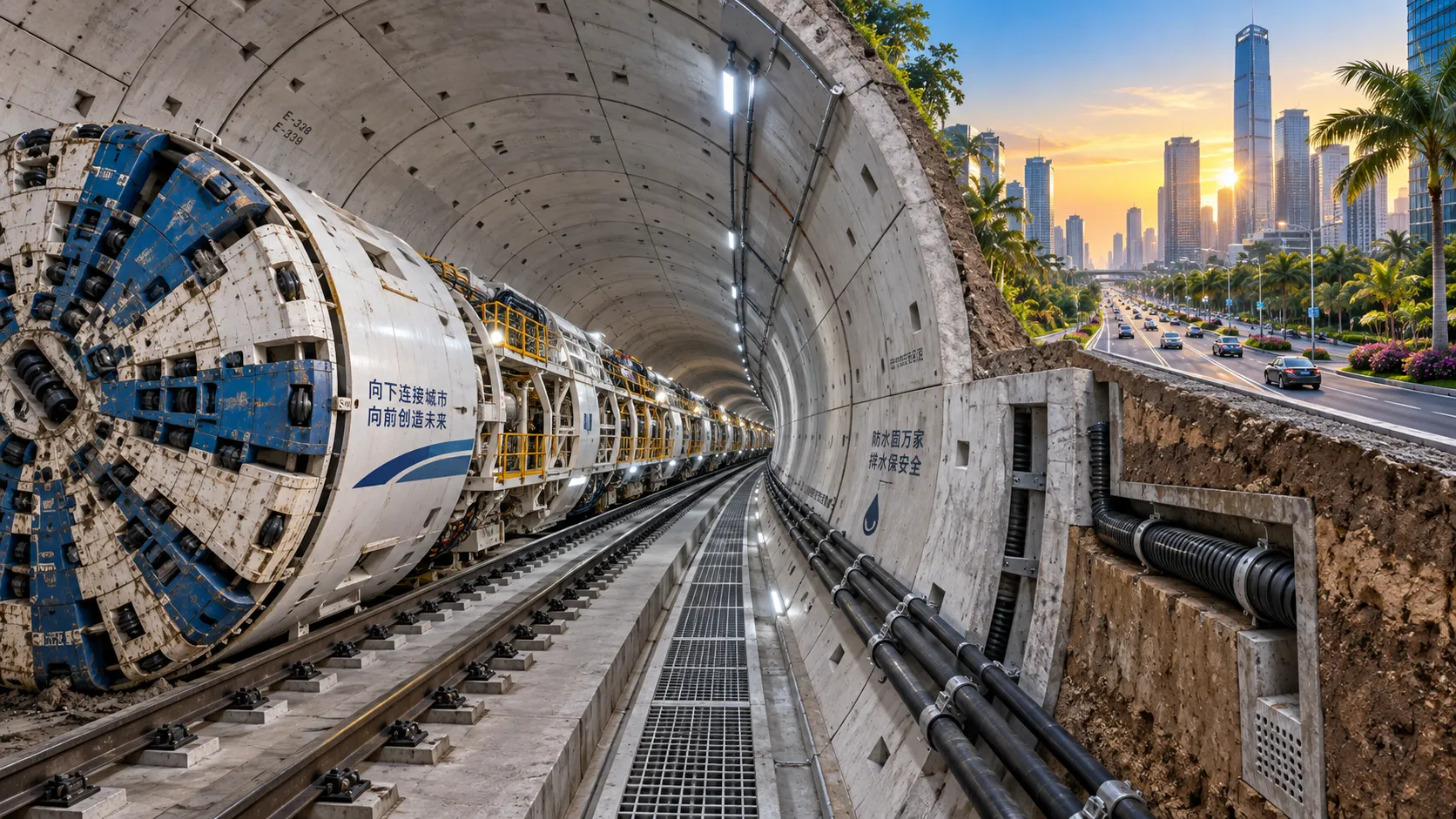
What Is Driving Metro Tunnelling Demand Across Southeast Asia’s Major Cities?
Metro tunnelling Southeast Asia is accelerating as major cities tackle congestion, flooding, and connectivity. Explore the market forces, technical risks, and opportunities shaping demand.
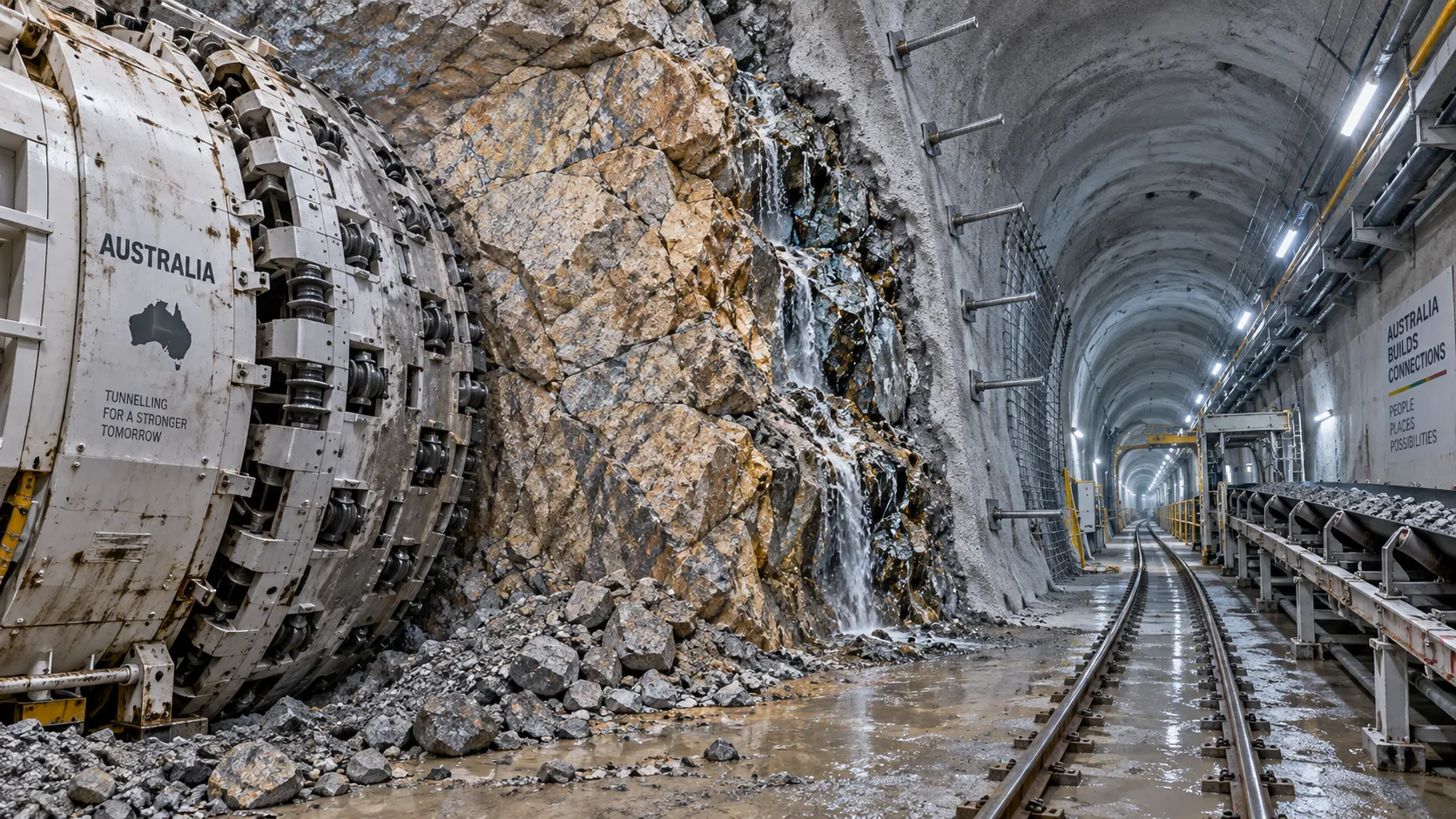
Hard Rock Tunnelling in Australia: Selecting Methods for Variable Ground Conditions
Hard rock tunnelling in Australia: compare TBM, drill-and-blast and hybrid methods to manage variable ground, reduce risk and protect project costs.
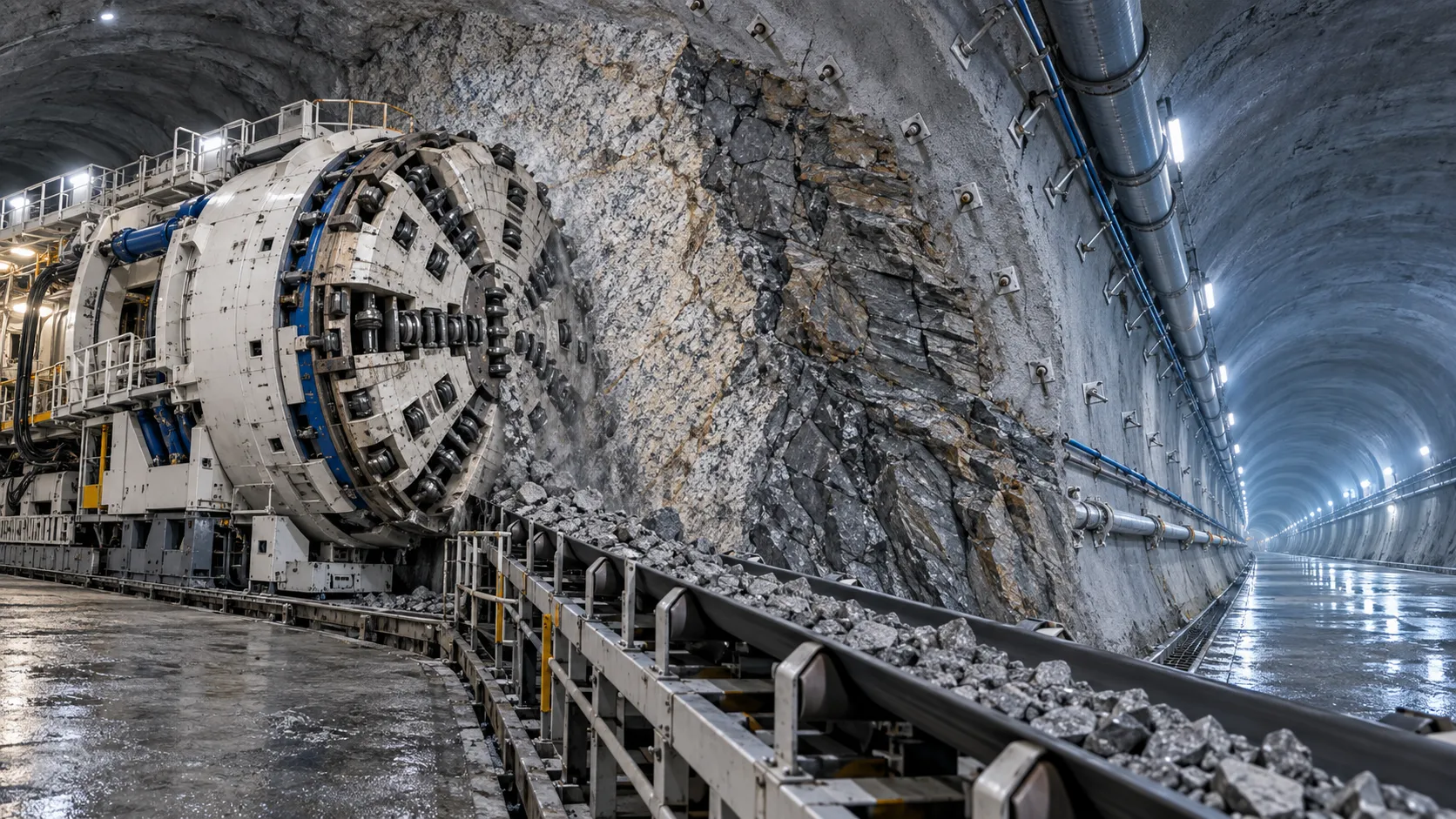
Hydropower Tunnel Excavation: Selecting Methods for Variable Rock Conditions
Hydropower tunnel excavation methods for variable rock conditions: compare TBM, drill-and-blast, and hybrid strategies to improve safety, progress, and project control.
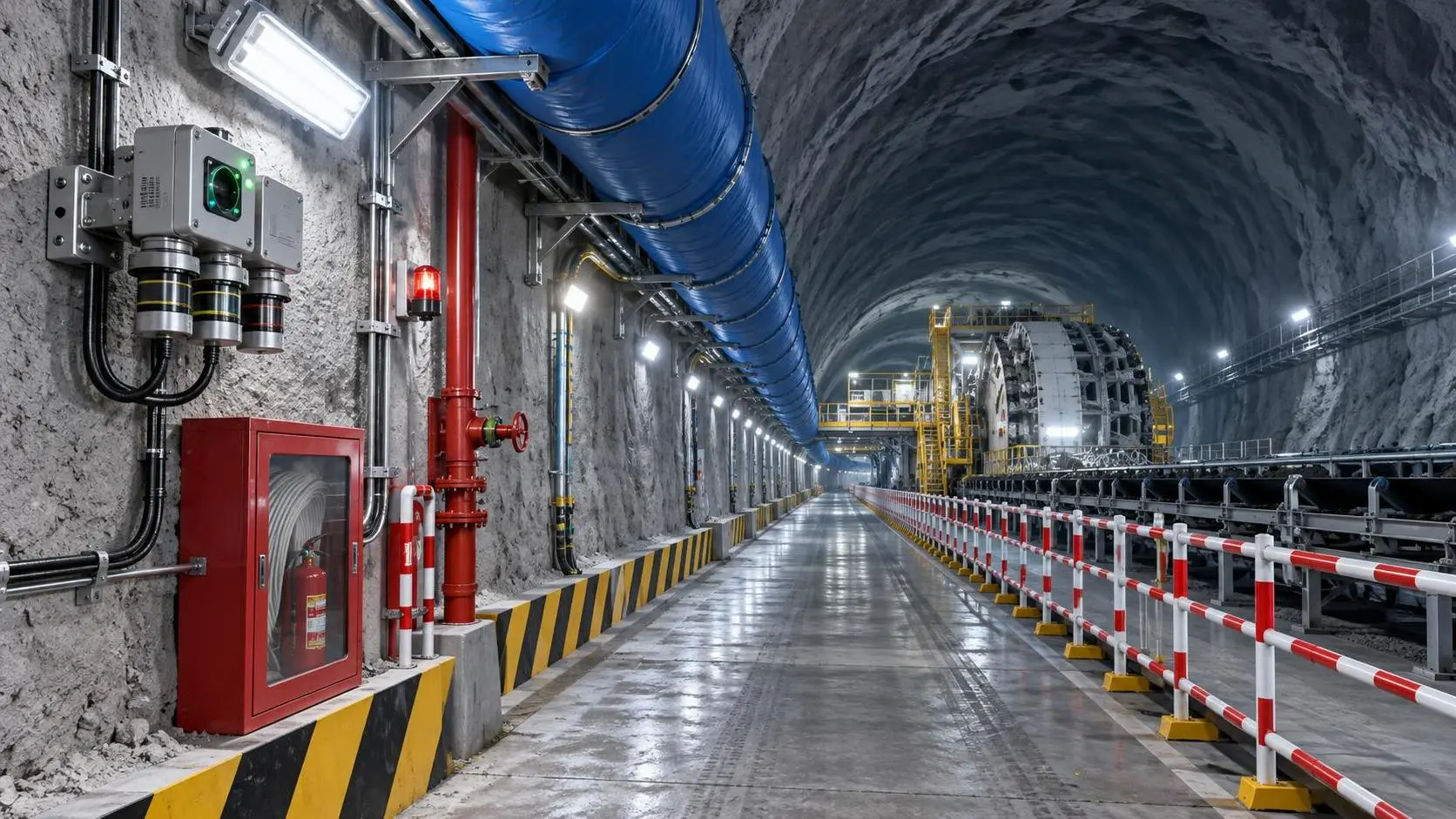
How to Select Underground Safety Equipment for Tunnelling by Hazard and Work Zone
Underground Safety Equipment for tunnelling: match protection to hazards, work zones, compliance, and emergency needs with this practical selection guide.
Related News
- 00
0000-00
Where Autonomous Mining Loaders Deliver the Most Value in Underground Operations - 00
0000-00
Underground Drilling for Mining: Selecting Methods for Rock Conditions and Mine Layout - 00
0000-00
Underground Mine Electrification: How to Size Battery Fleets and Charging Capacity - 00
0000-00
How to Evaluate European Drill-and-Blast Tunnelling Contractors for Complex Projects - 00
0000-00
Which Trenchless Construction Technique Fits Your Utility Crossing Conditions?
Weekly Insights
Stay ahead with our curated technology reports delivered every Monday.