
Boonray and Vale Indonesia Deepen Electric Mining Truck Cooperation





On November 24, 2026, Boonray Technology and Vale Indonesia held a signing ceremony to deepen cooperation on a battery-electric mining truck project in Indonesia. The event is relevant to equipment suppliers, mining companies and service providers assessing how large electric vehicles can be procured and supported at mine sites. The information provided does not identify a new policy, regulation, standard or certification requirement; its immediate significance is as a commercial and operational signal that warrants attention to the rules and contract terms that may govern future delivery.
A Mining Truck Project Moves Into Deeper Cooperation
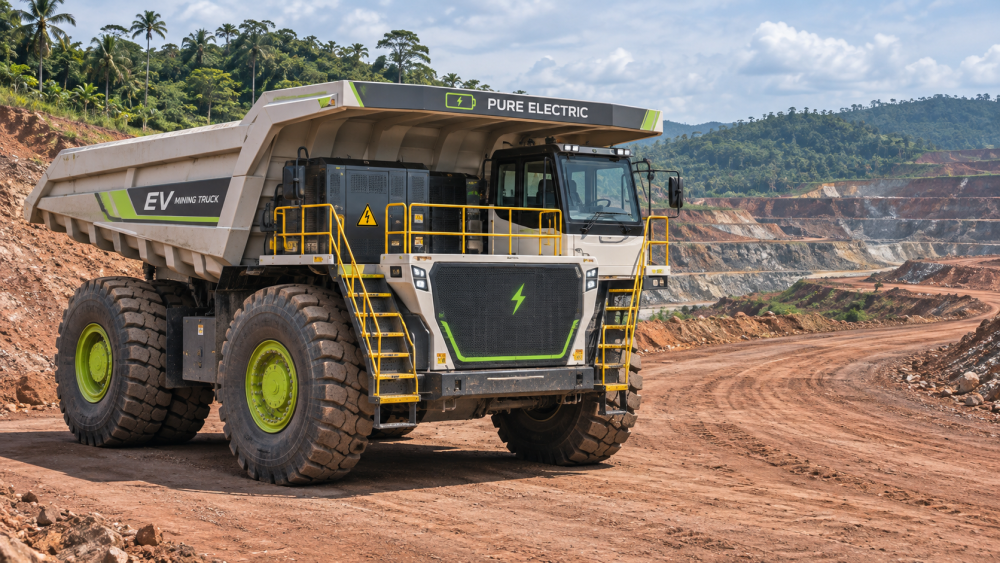
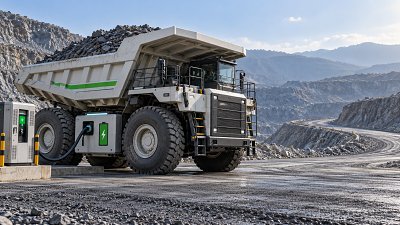
The signing ceremony brought Boonray Technology and Vale Indonesia together to deepen their cooperation on electric mining trucks in Indonesia. The project is described in the supplied event summary as Indonesia's first large-tonnage fully electric mining truck project.
Boonray already has electric trucks operating at mining sites in Indonesia. The cooperation marks a further application of Chinese electric mining truck solutions by a major mining company in Southeast Asia and a deepening of the related supply chain.
The supplied information does not specify the number of vehicles covered by the agreement, a delivery schedule, contract value, vehicle specifications or the parties' respective service obligations. It also does not identify a policy announcement or a change to an existing regulatory requirement.
Where the Project Could Affect Purchasing and Delivery
Mine operators and procurement teams
From an industry perspective, the cooperation may encourage procurement teams to examine electric mining trucks as a complete operating arrangement rather than as vehicles purchased in isolation. A buyer considering a similar project could need to assess vehicle performance alongside charging arrangements, maintenance support and the ability to keep equipment available under the site's operating conditions.
The practical effect on purchasing would depend on the contract and technical documents for each project. Buyers may therefore wish to examine how tender documents define operating duties, acceptance procedures, responsibilities for supporting equipment and the evidence requested from suppliers. The announcement does not establish that Vale Indonesia has adopted any particular procurement criteria or changed its tender rules.
Where a fleet is expected to operate alongside existing equipment, an evaluation may also need to address how vehicles fit into the mine's working schedule. Questions about charging time, access to service support and the allocation of downtime could affect a purchasing decision. These are potential areas for assessment, not performance claims about the announced project.
Vehicle manufacturers and component suppliers
For manufacturers, a deeper relationship with a mining customer may increase the importance of demonstrating that a truck and its supporting systems meet the requirements set for a specific site. Analysis suggests that battery systems, vehicle controls and other components could receive closer attention during technical review, particularly where buyers seek evidence about performance, maintenance and compatibility.
Component suppliers may in turn be asked to provide documentation that supports a vehicle maker's bid or delivery package. Relevant material could include product specifications, test information, maintenance instructions and records identifying the components supplied. The precise documents would depend on applicable requirements and commercial agreements; no such document list is confirmed by the event summary.
Suppliers should also avoid assuming that an established deployment automatically satisfies another customer's requirements. Even when equipment is intended for a similar mining application, the buyer's specification, site conditions and acceptance process may differ. The announced cooperation provides a reason to examine those interfaces, but it does not disclose how they have been resolved.
Trade, logistics and after-sales providers
For businesses involved in cross-border supply, the project may bring attention to how vehicles, batteries, replacement parts and supporting equipment are classified, documented and delivered. Companies considering comparable transactions should verify the trade and transport requirements applicable to the actual goods and route. The supplied information does not identify a change in customs treatment or establish which documents are required for this project.
After-sales providers and equipment integrators may also be affected if a buyer expects local access to maintenance, diagnostic support or replacement parts. A contract could allocate these responsibilities among the vehicle supplier, the customer and other providers. Whether such arrangements exist in the announced cooperation, and how they are structured, remains unconfirmed.
For all these participants, the main commercial question is how an agreement translates into deliverable obligations. A vehicle order, for example, may need to be coordinated with site readiness and the availability of service resources. That coordination is a possible execution issue for comparable projects, not a disclosed condition of this agreement.
Questions to Resolve Before an Electric Fleet Is Delivered
Check the applicable requirements against the actual equipment
Companies evaluating an Indonesian mining truck transaction should identify the requirements that apply to their particular product, intended use and delivery arrangements. This may involve reviewing applicable safety, environmental, transport and site requirements, as well as any standards or certifications specified by the customer.
The event summary names no applicable standard, certification scheme or regulator. Businesses should therefore verify current requirements through authoritative sources and the relevant contract documents instead of treating the signing ceremony as evidence of a new compliance obligation. They should also distinguish a legal requirement from a buyer's own technical or contractual condition.
Where testing or certification is requested, suppliers may benefit from checking the scope of the evidence: whether it covers the vehicle as supplied, a component, or a particular operating condition. Any gap should be assessed before a bid or delivery commitment is finalized. The necessary evidence will depend on the transaction.
Align specifications, acceptance and site readiness
A prospective buyer and supplier could use the project planning stage to clarify the intended duties of the trucks, the conditions under which performance will be assessed and the process for accepting delivered equipment. These details matter because a technical specification can influence both the choice of equipment and the work needed before it enters service.
Documents worth reviewing may include technical specifications, test records, operating instructions and proposed acceptance procedures. If charging or other supporting systems are part of a proposed delivery, the parties could also clarify who supplies them and how compatibility will be verified. The announced agreement provides no details on these points, so they remain questions for project-specific review.
Procurement teams may also want to compare the timing of vehicle delivery with the readiness of the site and supporting equipment. A delivery date alone may not show when a vehicle can be accepted or used. Contract terms and implementation plans would determine how those milestones relate to one another.
Plan documentation, parts and service responsibilities
For suppliers pursuing similar work, a useful preparation step is to map the documents needed from the initial bid through delivery and service. Depending on the transaction, this could include product descriptions, relevant test evidence, shipping documents, operating instructions and records that support identification of replacement parts.
Parties may also wish to define how service requests, spare parts and technical support will be handled after delivery. Clear responsibilities can help a buyer assess the practical support available for a fleet and help suppliers understand the resources a contract may call for. The appropriate arrangements must be established by the parties; they cannot be inferred from the signing announcement.
For cross-border shipments, companies should check documentation against the actual goods and applicable trade rules before dispatch. Any review of batteries or other components should reflect their specific characteristics and transport arrangements, rather than assumptions drawn from the broad term electric mining truck.
A Commercial Signal, With Rule Changes Still to Be Verified
At this stage, it is more appropriate to understand the event as a reported deepening of commercial cooperation and an execution signal for electric mining equipment than as a confirmed change in law or industry-wide rules. The parties held a signing ceremony, and the supplied summary identifies an existing operational presence for Boonray's electric trucks in Indonesian mining sites. It does not describe a new regulatory measure or disclose the agreement's implementation terms.
That distinction matters for businesses deciding whether to change a compliance process or invest in a new supply arrangement. The announcement may justify closer examination of customer requirements and delivery capabilities, but it does not by itself establish a new certification threshold, a mandatory purchasing condition or a timetable for broader adoption.
Further information that could affect an assessment includes the parties' subsequent statements on project scope, technical specifications, delivery milestones and service responsibilities. For the wider market, companies may also monitor any relevant official guidance, certification practice, tender language and feedback from users of electric mining equipment. Changes in those areas would need to be verified independently and assessed against the specific transaction.
Analysis also suggests that the significance of the cooperation will depend partly on how project commitments are executed. A signed agreement can indicate intent to deepen cooperation, while delivery, acceptance and sustained operation require details that are not provided here. The available information does not support a conclusion about future fleet performance or market uptake.
What the Agreement Means for Market Participants
The reported cooperation places procurement, technical documentation, cross-border delivery and ongoing support at the center of the conversation around large electric mining trucks in Indonesia. For companies active in those areas, the most useful response is to review relevant requirements and capabilities against the needs of individual projects.
The confirmed event is the signing ceremony and the stated deepening of cooperation. Its broader effects remain a matter for observation. Businesses should treat subsequent contract disclosures, authoritative rules and operating feedback as separate evidence when assessing compliance obligations or commercial opportunities.
Basis for This Report and Further Verification
This article is based on the user-provided news title, event date and event summary. The input did not provide a specific official source link, so the event details and any subsequent developments require continued verification. Company announcements, relevant regulatory publications, trade authority information, standards documents and authoritative industry reporting may provide material for that review.
Further monitoring may include applicable policy details, certification practices, tender documents, trade execution, company implementation and industry feedback. No specific change in any of those areas is established by the supplied information.
Share your questions or requirements, and our team will get in touch.
We respect your privacy. Your information is strictly confidential.
Related News
 Hydrogen Mining Truck Price: What Drives the Purchase Cost?Hydrogen mining truck price depends on more than payload. Explore key cost drivers, fueling infrastructure and lifetime expenses to compare quotes with confidence.
 CiDi Unveils Cabless Electric Mining Truck and Agentic AI SolutionCiDi unveils a cabless electric mining truck and Agentic AI solution. Explore what the announcement could mean for autonomous mining and procurement.
 Boonray and Vale Indonesia Deepen Electric Mining Truck CooperationBoonray and Vale Indonesia deepen electric mining truck cooperation. Explore what the project could mean for procurement, delivery and ongoing support.
 Hydrogen Fuel Cells for Mining Trucks: How Do They Handle Heavy Loads?Hydrogen Mining Equipment fuel cell systems combine fuel cells and batteries to haul heavy loads. Explore grade performance, cooling, range, and refueling needs.
 Battery-Electric Underground Mining Trucks: Range and Charging SelectionBattery underground mining transport depends on more than range. Learn how to select truck batteries and charging strategies that support reliable production.
 World's First 176-Tonne Battery-Electric Rigid Mining Truck Rolls Off Production LineDiscover the world's first 176-tonne battery-electric mining truck, featuring a 2,400-kWh battery and a 20-minute charging target.
 BHP and Rio Tinto Complete First Megawatt Charging Test for Cat 793 XEBHP and Rio Tinto complete the first megawatt charging test for Cat 793 XE. Discover what charging above 1 MW could mean for electric mining trucks and future fleet deployment.
 Battery-Electric Mining Trucks: Matching Payload, Range, and Charging to Duty CyclesEvaluate battery mining transport equipment with confidence. Discover how to match payload, range, and charging to haul cycles, reduce downtime, and meet production targets.
Related News
- 00
0000-00
Dinghai Shield Machine Passes 5,000 Metres in Jintang Undersea Tunnel - 00
0000-00
Pipe Jacking Machine Cost: Key Price Factors and What to Budget - 00
0000-00
Bauma China 2026 Closes as Visitor Numbers Rise 21% - 00
0000-00
Chinese-Made 16-Meter Shield Machine Completes Yangtze River Crossing - 00
0000-00
Hydrogen Mining Truck Price: What Drives the Purchase Cost?
Weekly Insights
Stay ahead with our curated technology reports delivered every Monday.