
CiDi Unveils Cabless Electric Mining Truck and Agentic AI Solution





On November 24, 2026, autonomous driving company CiDi unveiled a cabless battery-powered mining truck and an Agentic AI solution at bauma CHINA 2026 in Shanghai. The announcement points to a possible shift in how autonomous mining equipment is specified, assessed and operated. No new law, standard or certification requirement is identified in the supplied information; the immediate issue for mine operators, equipment suppliers and service providers is how existing requirements and commercial specifications may apply to a vehicle designed for more autonomous operation.
A mining truck designed without a cab
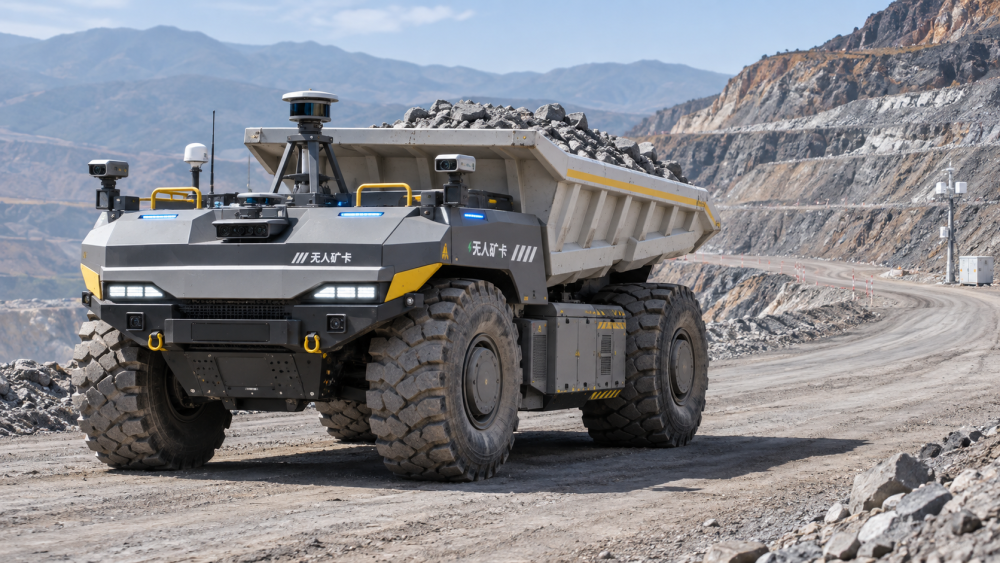
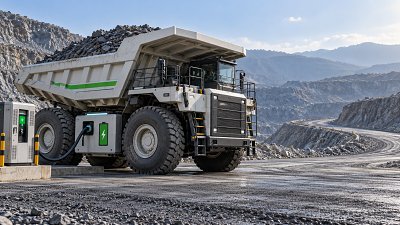
CiDi presented a cabless battery-powered mining truck and an Agentic AI solution at bauma CHINA 2026. The event took place on November 24, 2026, in Shanghai.
According to the supplied event summary, removing the cab further optimizes the vehicle layout and improves safety. The summary also describes the combination with Agentic AI as a step in the development of autonomous mining technology, moving from decision support toward more advanced autonomous operations.
Beyond these points, the supplied information does not specify the truck's technical parameters, the capabilities of the AI solution, certification status, delivery schedule or operating arrangements.
Where autonomous operation could change commercial expectations
From an industry perspective, the announcement is best treated as a signal about product design and operating models. It does not establish that purchasing rules or safety obligations have changed. Its potential influence lies in the questions buyers and suppliers may ask when an autonomous vehicle has no cab and is presented alongside an AI solution intended for more advanced operation.
Mine operators may need clearer operating boundaries
For a prospective buyer, analysis suggests that a cabless design could make the definition of intended use especially important. A procurement team may want to understand which tasks the vehicle is designed to perform autonomously, what conditions are covered and how the system responds when it cannot continue a task. Those questions could shape technical specifications and acceptance criteria.
The absence of a cab may also affect how a buyer evaluates access, supervision and intervention. A purchaser could ask the supplier to explain how personnel interact with the vehicle during normal operation, maintenance and abnormal situations. These are matters for assessment, not confirmed features of CiDi's offering or newly established obligations.
Manufacturers and integrators may face more interface questions
Equipment manufacturers and system integrators could encounter closer scrutiny of the relationship between the vehicle, its battery system and its autonomous functions. In a procurement or delivery discussion, buyers may seek a clear division of responsibility for integration, testing, updates and fault response. Analysis suggests that incomplete descriptions of these interfaces could make technical alignment more difficult.
Where other equipment or site systems are involved, the parties may also need to establish how compatibility will be evaluated. The announcement does not identify any supported interfaces or integration partners, so such points would need to be confirmed for each proposed application.
Testing and service providers may see different evidence requests
Testing providers, assessors and after-sales teams may be affected if customers request evidence that addresses both the cabless vehicle and its autonomous operation. Depending on the project and applicable rules, that evidence could include technical descriptions, test results, operating limitations and maintenance instructions. The supplied summary does not identify any particular test method, certification scheme or approval body.
Service arrangements could also receive closer attention. For example, a buyer may wish to establish who can diagnose a fault, how software changes are documented and what support is available when a vehicle is out of service. These are possible commercial considerations rather than confirmed conditions of the announced product.
Trade and delivery teams may need product-specific checks
If a cabless autonomous truck is considered for delivery across a border, analysis suggests that sellers and buyers should verify the requirements applicable to the actual destination and transaction. Product classification, documentation, acceptance arrangements and access to service may all be relevant to a particular deal. The announcement itself identifies no change to trade rules and provides no information about export plans or destination markets.
For delivery planning, a useful starting point would be to separate the physical vehicle, battery-related documentation and autonomous-system materials in the information request. Whether any particular document is required would depend on the applicable rules and contract, which are not specified in the supplied information.
Questions to resolve before specifications and contracts are set
Define what autonomous operation includes
Prospective buyers could ask for a written description of the proposed operating functions and their limits. This may include the tasks the system is intended to perform, the conditions in which it is designed to operate and the circumstances that call for human intervention. The purpose is to compare the proposed solution with the mine's intended use; the announcement alone does not establish those capabilities.
It may also be useful to distinguish a demonstration, a proposed configuration and a delivered system. Each could involve different evidence and contractual commitments. Procurement documents can then state which configuration is being evaluated and what information remains subject to confirmation.
Review safety evidence and applicable requirements
A cabless layout is described in the supplied summary as improving safety, but a prospective purchaser would still need evidence relevant to its own application. Analysis suggests requesting the supplier's explanation of the design, identified operating limitations and available test documentation. Buyers can assess that material against their site conditions and the rules applicable to the transaction.
Certification and compliance status should be checked directly rather than inferred from the product announcement. Where external assessment is relevant, the scope of any certificate or report matters: a document covering one part of a system may not address the complete vehicle or its intended operating arrangement. No specific certification requirement or certification result is provided in the input.
Align vehicle, AI and service responsibilities
A purchase specification could ask the parties to identify who is responsible for the vehicle, autonomous functions, integration and continuing support. This is particularly relevant when performance depends on several elements working together. The supplier and buyer may also wish to define how faults are reported, how changes are approved and what records accompany an update.
For after-sales planning, practical questions include the availability of technical support, maintenance instructions and replacement components for the proposed configuration. None of these arrangements is confirmed by the announcement. Their inclusion in a request for information can help a buyer assess delivery and operating readiness without assuming that a particular service model exists.
Set evidence and acceptance terms in procurement documents
Before placing an order, a buyer could identify the documents needed to evaluate the vehicle and define how acceptance will be determined. Depending on the project, this may involve technical specifications, relevant test reports, operating instructions and a description of system interfaces. The parties can then establish which materials are available and which need further verification.
Delivery dates, configuration changes and the handling of unresolved technical issues are also matters for negotiation. The supplied information gives no delivery timetable, so it would be premature to infer either immediate availability or a delay. Any schedule used in a purchasing decision should be confirmed with the relevant supplier.
Why the announcement is a signal, not a rule change
Editorial analysis suggests that the most useful interpretation is a technology and procurement signal that warrants follow-up. The announcement describes a cabless electric vehicle and an Agentic AI solution, but it does not announce a policy, regulation, standard or certification change. It therefore provides no basis for concluding that authorities have introduced new obligations or that an existing compliance route has changed.
The distinction matters because commercial specifications can evolve even when formal rules remain unchanged. A buyer may ask for more detailed evidence about autonomous functions, while a supplier may need to explain how its design meets the requirements that apply to a particular project. Such changes would depend on procurement decisions, contractual terms and the relevant regulatory context; none is confirmed by the supplied event summary.
Further information about the vehicle's capabilities, operating limits and safety evidence could materially affect how the announcement is assessed. So could clarification of certification scope, tender language, service arrangements and user feedback. Until such information is available, expectations about market adoption or compliance outcomes remain observations rather than established results.
Keeping procurement decisions proportionate to the evidence
CiDi's presentation brings together a cabless battery-powered mining truck and an Agentic AI solution in a stated move toward more advanced autonomous operations. For industry participants, the practical significance is the potential need to examine vehicle design, operating boundaries and responsibility for integrated systems together.
At this stage, the announcement is most appropriately handled as a development to monitor and a prompt for more precise technical questions. Buyers and suppliers can prepare for discussions about evidence, acceptance and support while checking the rules applicable to their own projects. The available information does not establish a new industry rule or a settled commercial outcome.
Basis for this report and points for verification
This article is based on the user-provided news title, event date and event summary. No specific official source link was provided in the input, and the details should continue to be verified. Relevant materials to check, where available, may include company announcements, regulatory publications, standards documents, tender documents and authoritative industry reporting.
Further observation should focus on any later policy details, certification guidance, procurement specifications, trade implementation and feedback from users and suppliers. Those materials may clarify how a cabless autonomous mining vehicle is assessed and delivered in practice; their contents and outcomes are not established by the information supplied for this article.
Share your questions or requirements, and our team will get in touch.
We respect your privacy. Your information is strictly confidential.
Related News
 Hydrogen Mining Truck Price: What Drives the Purchase Cost?Hydrogen mining truck price depends on more than payload. Explore key cost drivers, fueling infrastructure and lifetime expenses to compare quotes with confidence.
 CiDi Unveils Cabless Electric Mining Truck and Agentic AI SolutionCiDi unveils a cabless electric mining truck and Agentic AI solution. Explore what the announcement could mean for autonomous mining and procurement.
 Boonray and Vale Indonesia Deepen Electric Mining Truck CooperationBoonray and Vale Indonesia deepen electric mining truck cooperation. Explore what the project could mean for procurement, delivery and ongoing support.
 Hydrogen Fuel Cells for Mining Trucks: How Do They Handle Heavy Loads?Hydrogen Mining Equipment fuel cell systems combine fuel cells and batteries to haul heavy loads. Explore grade performance, cooling, range, and refueling needs.
 Battery-Electric Underground Mining Trucks: Range and Charging SelectionBattery underground mining transport depends on more than range. Learn how to select truck batteries and charging strategies that support reliable production.
 World's First 176-Tonne Battery-Electric Rigid Mining Truck Rolls Off Production LineDiscover the world's first 176-tonne battery-electric mining truck, featuring a 2,400-kWh battery and a 20-minute charging target.
 BHP and Rio Tinto Complete First Megawatt Charging Test for Cat 793 XEBHP and Rio Tinto complete the first megawatt charging test for Cat 793 XE. Discover what charging above 1 MW could mean for electric mining trucks and future fleet deployment.
 Battery-Electric Mining Trucks: Matching Payload, Range, and Charging to Duty CyclesEvaluate battery mining transport equipment with confidence. Discover how to match payload, range, and charging to haul cycles, reduce downtime, and meet production targets.
Related News
- 00
0000-00
Dinghai Shield Machine Passes 5,000 Metres in Jintang Undersea Tunnel - 00
0000-00
Pipe Jacking Machine Cost: Key Price Factors and What to Budget - 00
0000-00
Bauma China 2026 Closes as Visitor Numbers Rise 21% - 00
0000-00
Chinese-Made 16-Meter Shield Machine Completes Yangtze River Crossing - 00
0000-00
Hydrogen Mining Truck Price: What Drives the Purchase Cost?
Weekly Insights
Stay ahead with our curated technology reports delivered every Monday.