
World's First 176-Tonne Battery-Electric Rigid Mining Truck Rolls Off Production Line





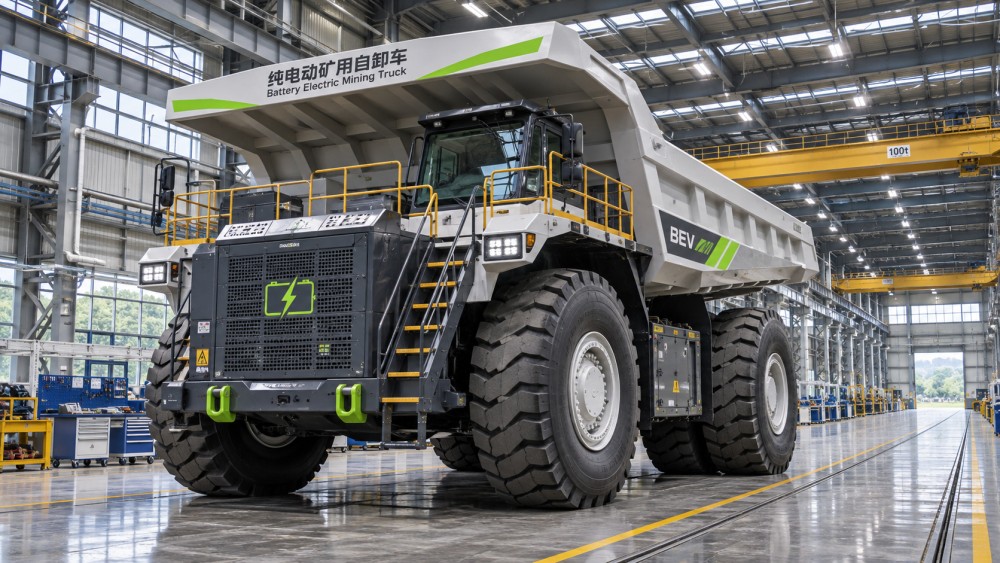
The world's first 176-tonne-class battery-electric rigid mining truck rolled off the production line in Shiyan, Hubei, on November 9, 2026. The truck has a rated payload of 176 tonnes and a 2,400-kWh battery. It is designed to replenish 90% of its battery capacity in 20 minutes, while its energy consumption is reported to be more than 65% lower than that of a diesel model.
All vehicle components and control systems are domestically produced, according to the announcement. The truck is also set to appear at the Shanghai construction machinery exhibition.
For mine operators considering electric haulage, the combination of payload, battery capacity and charging time is the central feature of the announcement. The truck brings battery-electric propulsion to a 176-tonne payload class, but its practical value will depend on how those specifications translate into a mine's operating schedule.
Charging time and energy use in context
The stated 20-minute replenishment time describes charging performance under conditions that have not been detailed in the announcement. For an operator, the effect on vehicle availability would also depend on charger access, the time needed to reach a charging point and how charging fits around hauling work. Those details matter when assessing whether a truck can meet a particular site's production requirements.
The reported energy-consumption reduction of more than 65% offers a comparison with diesel equipment, but it should not be read as an equivalent reduction in operating costs. Electricity and fuel prices, charging equipment, maintenance and other site-specific factors would all affect the financial comparison. The announcement does not specify the test conditions or the diesel vehicle used as the benchmark.
Similarly, the 2,400-kWh battery capacity identifies the size of the onboard energy store; it does not by itself establish how long the truck can operate between charges. Payload, travel distance, gradients and operating conditions are among the factors that would influence energy use during a shift.
What domestic components mean for the supply chain
The claim that all components and control systems are domestically produced is a distinguishing part of the launch. It indicates that the announced vehicle has been assembled around a domestic supply chain for both physical components and the systems used to control it.
For equipment buyers, that claim raises practical questions about the availability of replacement parts, technical support and the servicing arrangements for the battery and control systems. Domestic sourcing alone does not establish how those services will be provided or how the truck will perform over its working life.
The announcement establishes a product milestone: a 176-tonne-class electric rigid mining truck has rolled off the production line. Wider commercial significance will depend on subsequent information about deployment, charging arrangements, reliability and operating performance. Its planned exhibition appearance may provide an opportunity for prospective users to examine the vehicle, while operational results will be more useful for assessing its suitability for particular mines.
Related News
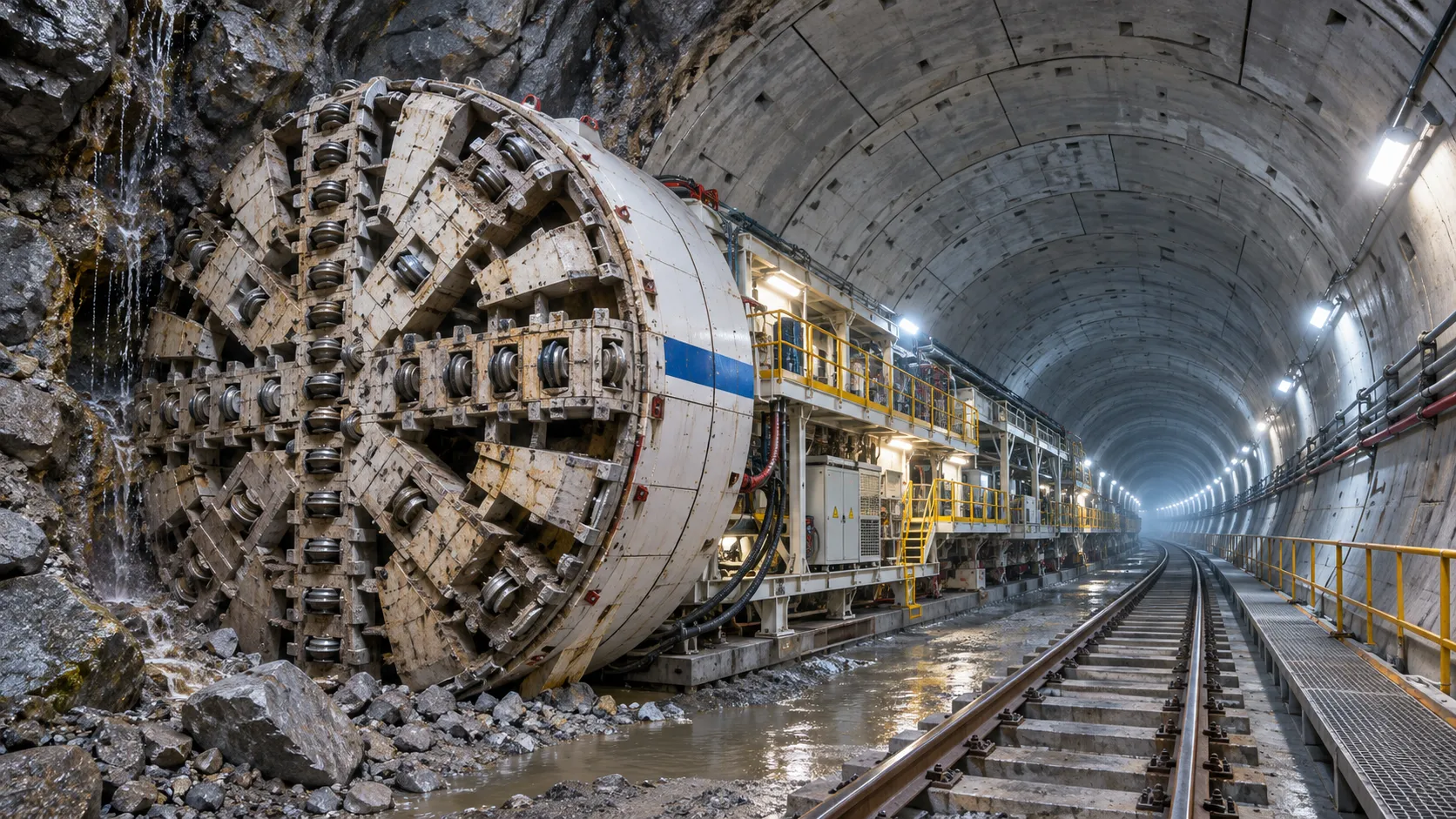
Mega Tunnel Contractors: How to Evaluate Experience and Project Risks
Evaluate mega tunnel contractors with confidence. Learn how to assess relevant experience, ground risks, construction plans, and bid assumptions before award.
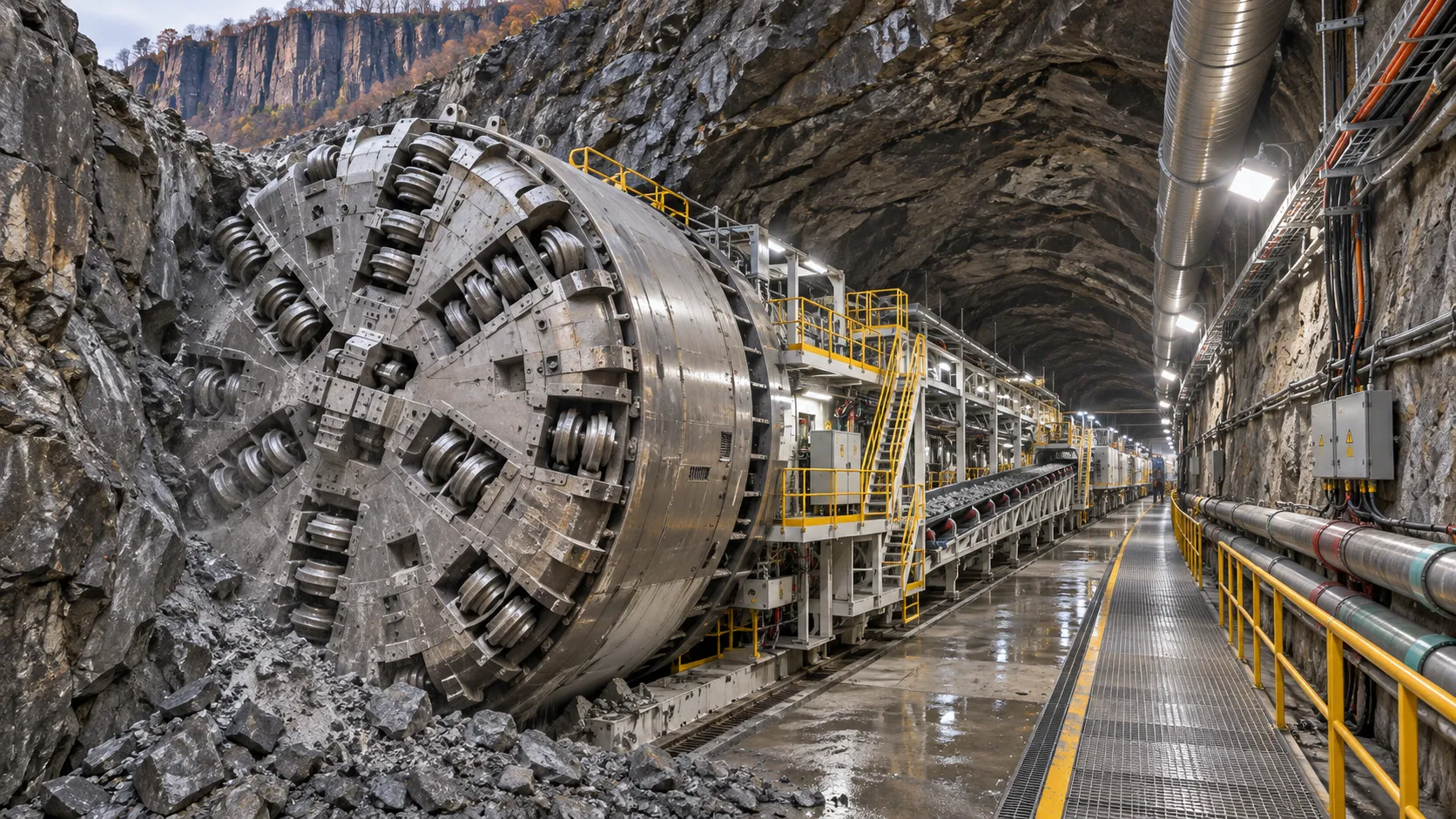
Hudson Tunnel Project’s Second TBM Begins Excavating South Tunnel
Hudson Tunnel Project’s second TBM begins south tunnel excavation. Explore what this milestone could mean for contractors and suppliers.
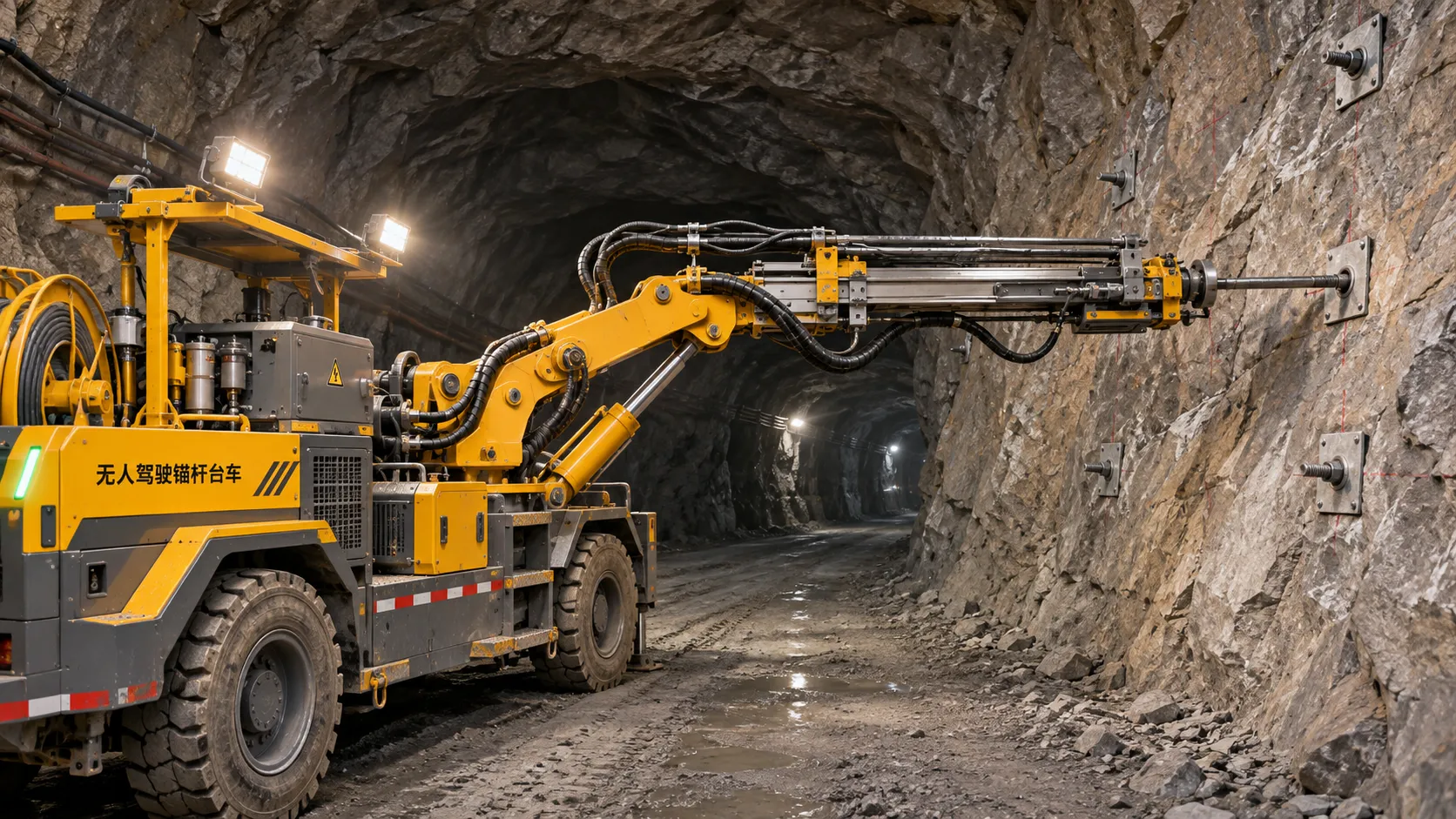
How Bolting Jumbo Automation Works in Underground Rock Support
Explore how bolting jumbo automation coordinates drilling and rock support, and discover what to assess for safer, more consistent underground operations.
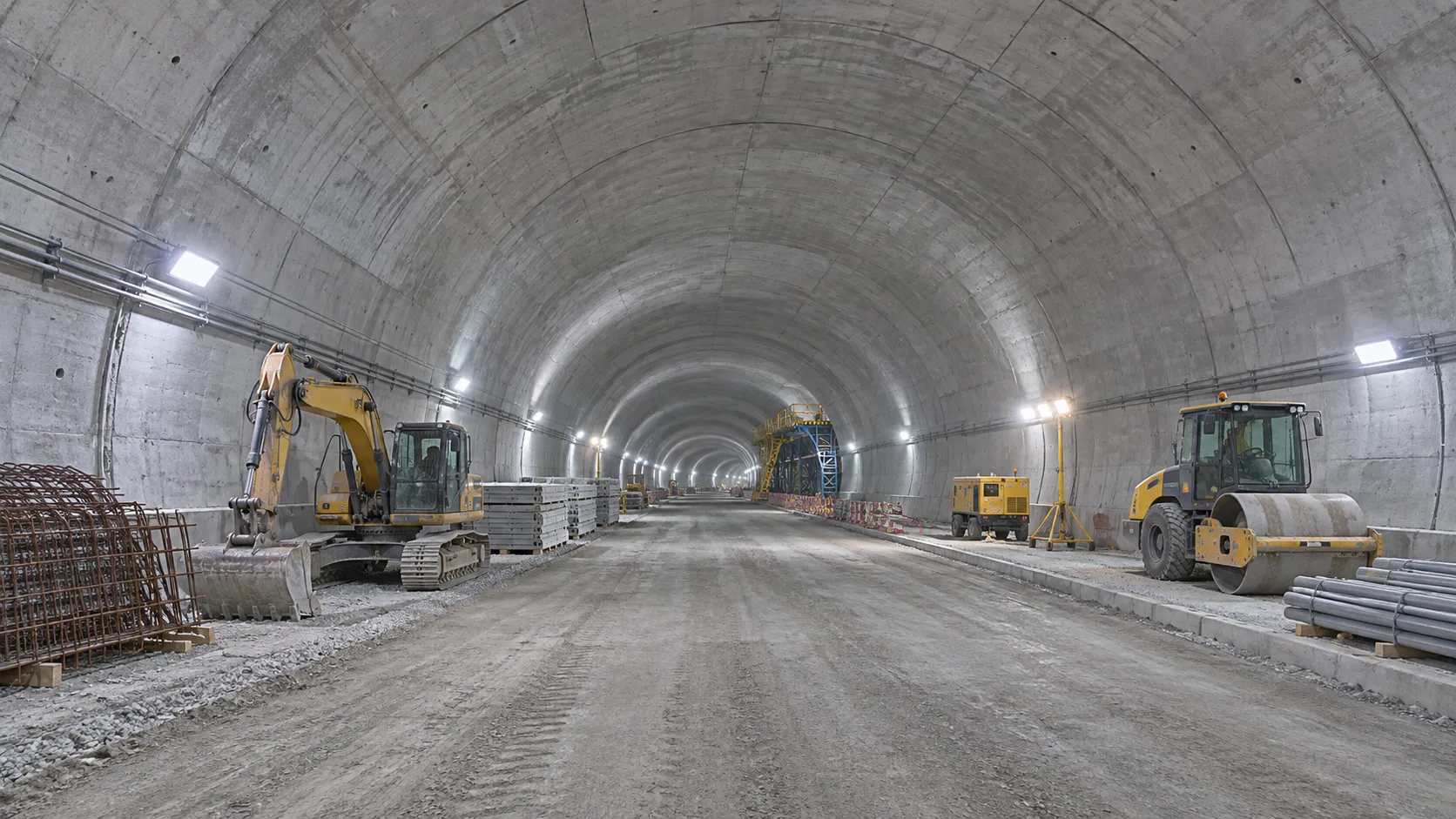
China’s Transport Ministry Issues Highway Tunnel Upgrade Standard
China’s highway tunnel upgrade standard takes effect December 1, 2026. Explore potential implications for contractors, project owners and equipment suppliers.
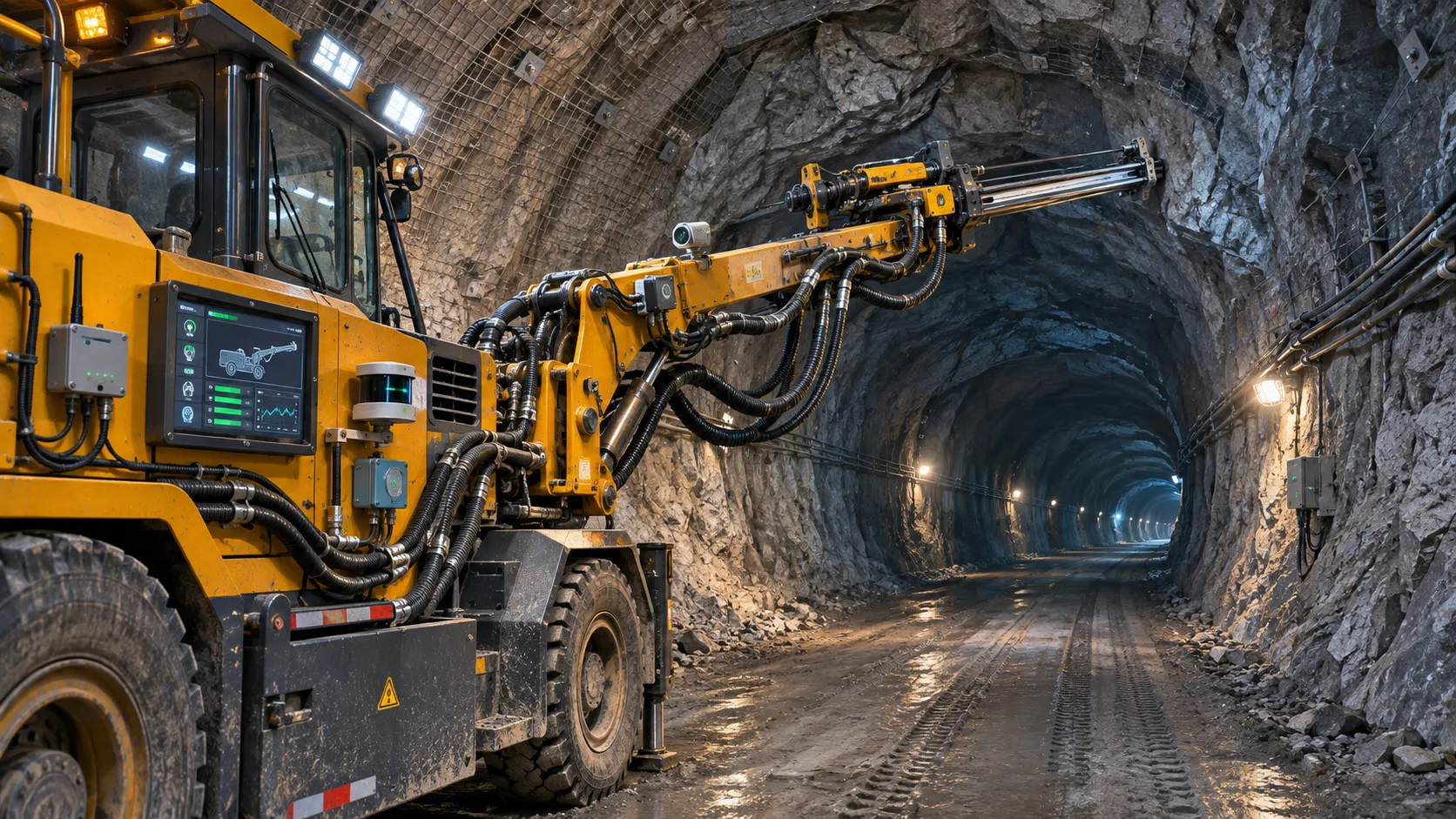
Smart Underground Mining Analytics: Using Equipment Data to Reduce Downtime
Smart underground mining analytics turns equipment data into actionable insights. Discover how to reduce downtime and improve maintenance decisions.
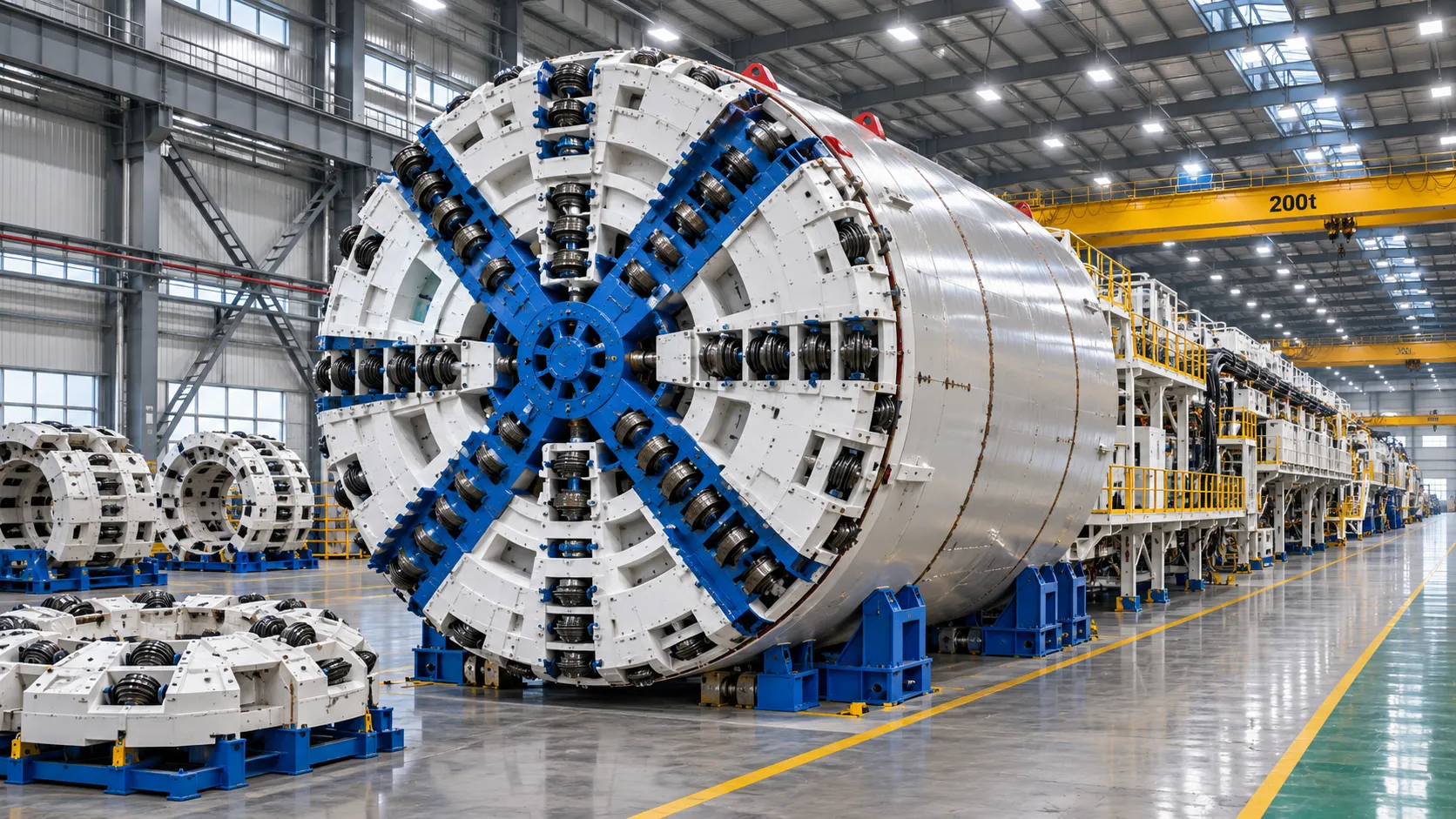
Three Export Control Notices Take Effect November 18, Adding Tunnel Boring Machines
China export controls add tunnel boring machines to the dual-use list. Explore potential licensing implications for equipment, components and project delivery.
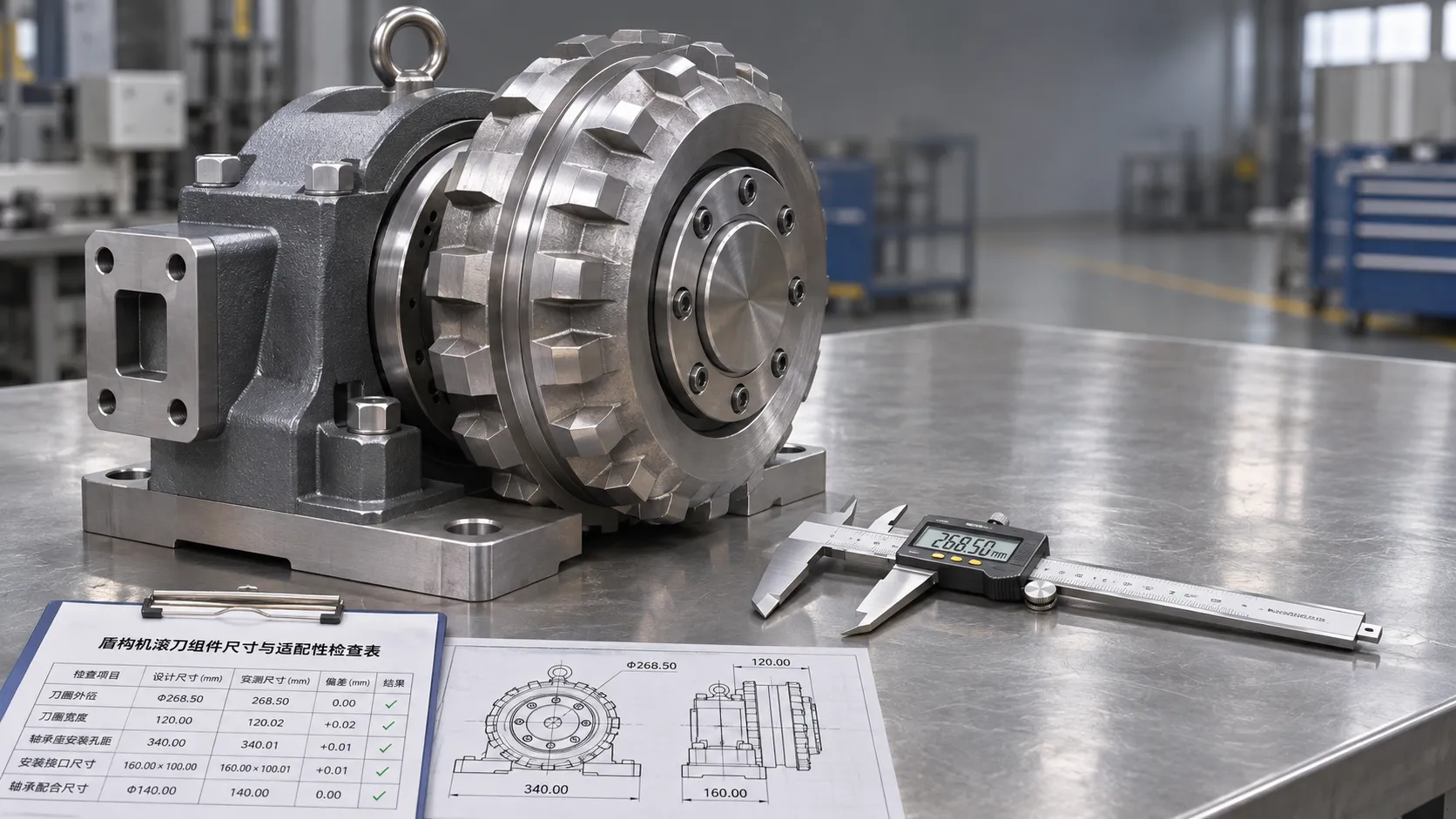
Choosing a TBM Components Supplier: Lead Times, Quality and Compatibility
Choose a TBM components supplier with confidence. Compare lead times, quality evidence and compatibility to reduce procurement risk and keep your project moving.
How Autonomous LHD Collision Avoidance Works in Underground Mines
Discover how autonomous LHD collision avoidance combines sensing, positioning and braking to manage underground hazards and support safer mine operations.
Mining Equipment Market Could Reach $19.42 Billion by 2033, Report Says
Mining equipment market could reach $19.42 billion by 2033. Explore how electrification, automation and surface mining demand are shaping the industry's outlook.
Related News
- 00
0000-00
Mega Tunnel Contractors: How to Evaluate Experience and Project Risks - 00
0000-00
Hudson Tunnel Project’s Second TBM Begins Excavating South Tunnel - 00
0000-00
How Bolting Jumbo Automation Works in Underground Rock Support - 00
0000-00
China’s Transport Ministry Issues Highway Tunnel Upgrade Standard - 00
0000-00
Smart Underground Mining Analytics: Using Equipment Data to Reduce Downtime
Weekly Insights
Stay ahead with our curated technology reports delivered every Monday.