
China Launches Joint Enforcement on EV Battery Recycling





On May 14, 2026, China’s Ministry of Industry and Information Technology (MIIT) and four other departments launched a joint law enforcement campaign targeting the illegal collection, dismantling, and cross-border transfer of retired power batteries from electric vehicles and hydrogen-powered mining equipment. This action directly affects global supply chains for battery-integrated mining machinery—including EV/hydrogen mining trucks and battery-powered LHDs (Load-Haul-Dump vehicles)—particularly those exported to the EU, US, and Southeast Asia. Companies involved in international trade, component sourcing, and ESG-compliant equipment manufacturing should closely monitor implications for battery traceability, remanufacturing certification, and regulatory reporting.
Event Overview
On May 14, 2026, MIIT, the Ministry of Ecology and Environment, the Ministry of Commerce, the General Administration of Customs, and the State Administration for Market Regulation jointly initiated a special law enforcement operation titled “Regulating the Recycling and Utilization of Retired Power Batteries.” The campaign focuses on three key areas: unauthorized dismantling of used batteries, storage or handling by unlicensed entities, and risks associated with cross-border movement of retired batteries. No further implementation details, timelines, or penalty frameworks have been publicly released as of the launch date.
Industries Affected
Direct Exporters and International Trading Firms
These firms face increased scrutiny when exporting battery-integrated mining equipment—such as EV mining trucks and battery LHDs—to markets with strict ESG and circular economy requirements (e.g., EU Battery Regulation, U.S. Inflation Reduction Act reporting). Compliance now hinges on demonstrable full-lifecycle battery traceability from original equipment to end-of-life management, including documented recycling pathways and certified remanufacturing status.
Raw Material Sourcing and Refining Entities
Suppliers of cathode materials, cobalt, lithium, and nickel that rely on recycled feedstock from China must verify whether their upstream battery recovery partners hold valid licenses under the new enforcement framework. Unlicensed collection channels may be disrupted, potentially tightening supply of secondary raw materials and increasing due diligence burdens for responsible sourcing certifications (e.g., IRMA, RMI).
OEMs and Equipment Manufacturers
Manufacturers integrating traction batteries into mining vehicles must reassess design-for-recycling protocols and supplier qualification criteria. The enforcement raises expectations for OEM-level accountability—not only for battery performance but also for post-use management commitments, including take-back programs, data sharing with recyclers, and alignment with national battery passport systems under development.
Distribution and Aftermarket Service Providers
Firms managing spare parts logistics, field battery replacements, or refurbishment services for mining fleets must now ensure all retired units are directed exclusively to licensed recyclers. Any deviation risks non-compliance exposure for both service providers and their end customers, especially where contractual ESG clauses reference adherence to Chinese regulatory standards.
What Enterprises and Practitioners Should Monitor and Do Now
Track official guidance on licensing criteria and traceability system requirements
The five departments have not yet published technical specifications for authorized recyclers or mandatory battery passport data fields. Enterprises should monitor MIIT’s official notices and provincial implementation guidelines, particularly those referencing QR-code-based tracking, battery health reporting, and interoperability with China’s national battery recycling information platform.
Review export documentation and ESG disclosures for battery-related claims
Exporters to the EU and North America should audit current declarations on battery origin, recycling rate assumptions, and second-life use statements. Claims about “circular” or “responsible” battery sourcing may require updated verification if underlying collection networks lack formal licensing under the new enforcement regime.
Distinguish between policy signals and enforceable obligations
This is a targeted enforcement initiative—not a new regulation. Its immediate effect lies in heightened inspections and penalties for existing violations, rather than introducing novel compliance thresholds. Businesses should assess operational exposure based on actual activities (e.g., whether they physically handle retired batteries), not extrapolate broader regulatory shifts prematurely.
Prepare internal coordination between procurement, compliance, and logistics teams
Companies should initiate cross-departmental reviews of battery supply chain maps, identify touchpoints involving retired units (e.g., warranty returns, fleet upgrades), and update vendor questionnaires to include licensing status verification and traceability documentation capabilities.
Editorial Perspective / Industry Observation
Observably, this joint enforcement action functions primarily as a signal—not yet an operational overhaul—of China’s intent to consolidate control over the downstream battery value chain. Analysis shows it reflects growing alignment between domestic environmental governance priorities and international ESG expectations, especially as Chinese battery manufacturers expand globally. From an industry perspective, the campaign is better understood as a calibration step: reinforcing existing legal frameworks (e.g., the 2021 Interim Measures for Power Battery Recycling Management) rather than launching a wholly new regime. Continued attention is warranted because enforcement intensity, provincial rollout variations, and linkage to upcoming national battery passport mandates remain open questions.
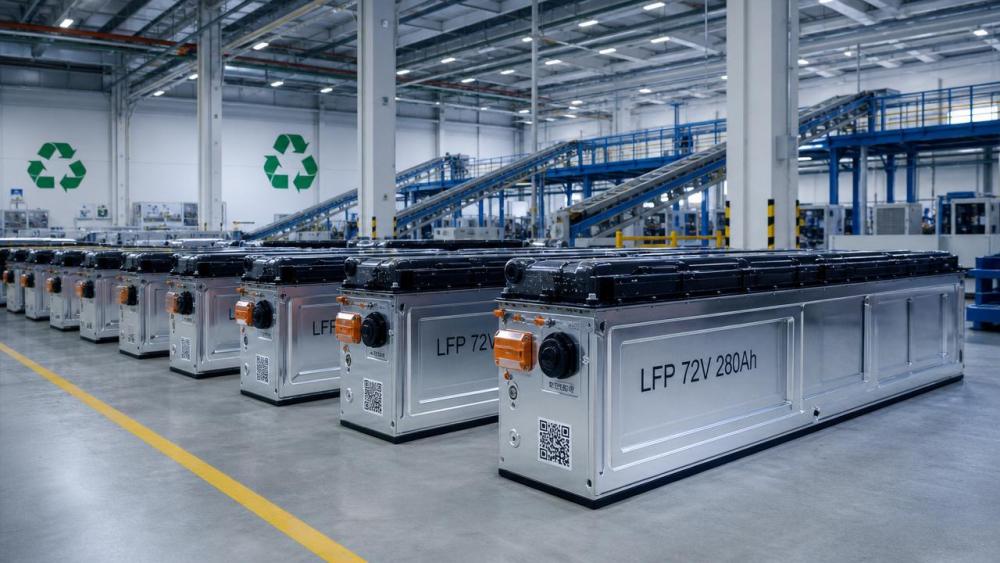
In summary, this enforcement action underscores that battery lifecycle governance is no longer a back-office compliance item—it is now embedded in cross-border equipment trade, raw material procurement, and ESG reporting infrastructure. For stakeholders, the most rational interpretation is not alarm but recalibration: treating battery traceability as a core supply chain capability, not just a regulatory checkbox. Current readiness depends less on anticipating new rules and more on verifying existing practices against already-enforceable provisions.
Source: Official announcement issued jointly by MIIT, Ministry of Ecology and Environment, Ministry of Commerce, General Administration of Customs, and State Administration for Market Regulation on May 14, 2026. Note: Implementation details, provincial rollout schedules, and integration with China’s national battery information platform remain under observation.
Related News
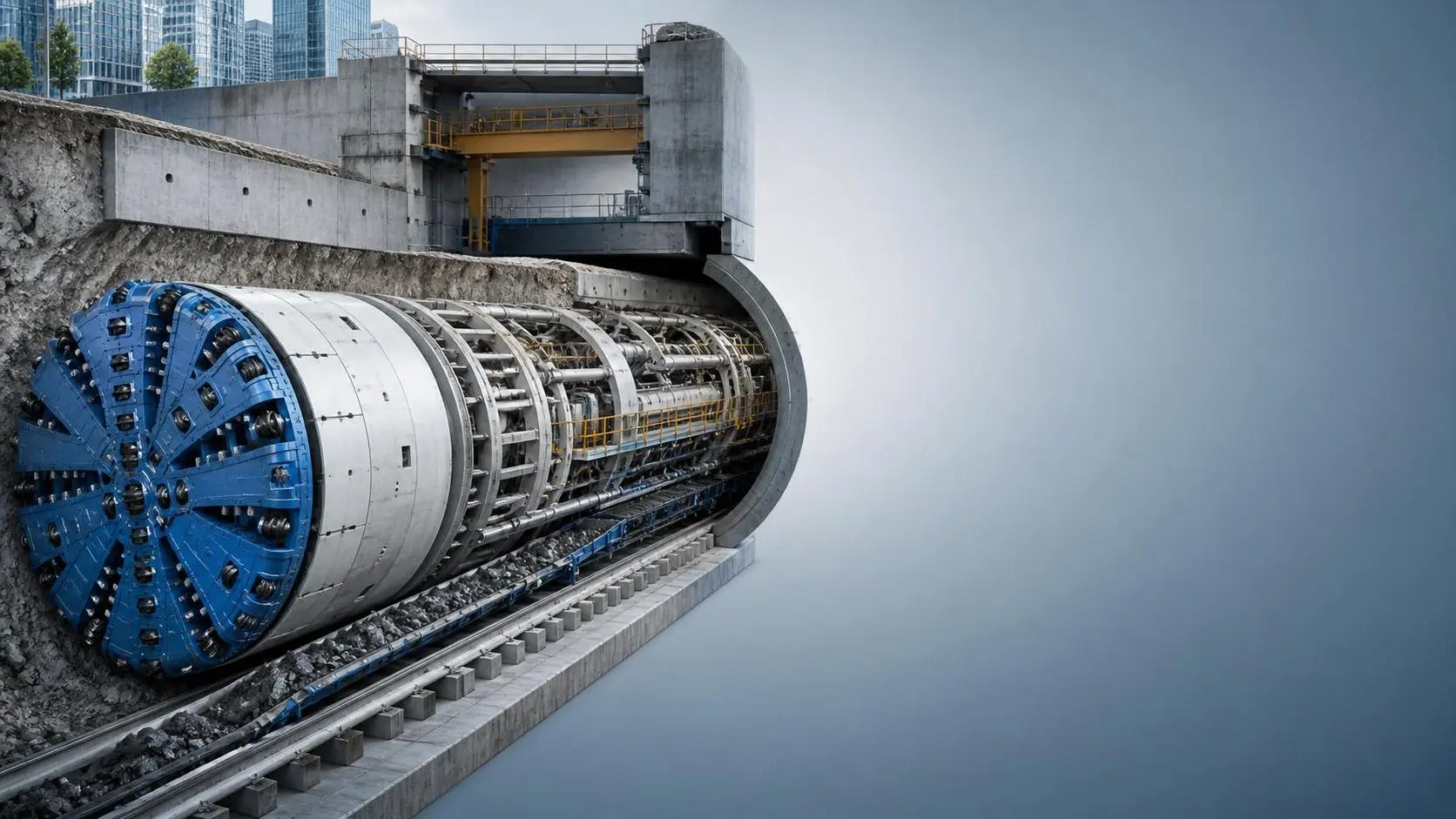
What Drives TBM Excavation Cost in Urban Tunneling Projects?
tbm excavation cost in urban tunneling depends on geology, shafts, segment lining, logistics, and risk. Discover the key cost drivers and compare bids with greater confidence.
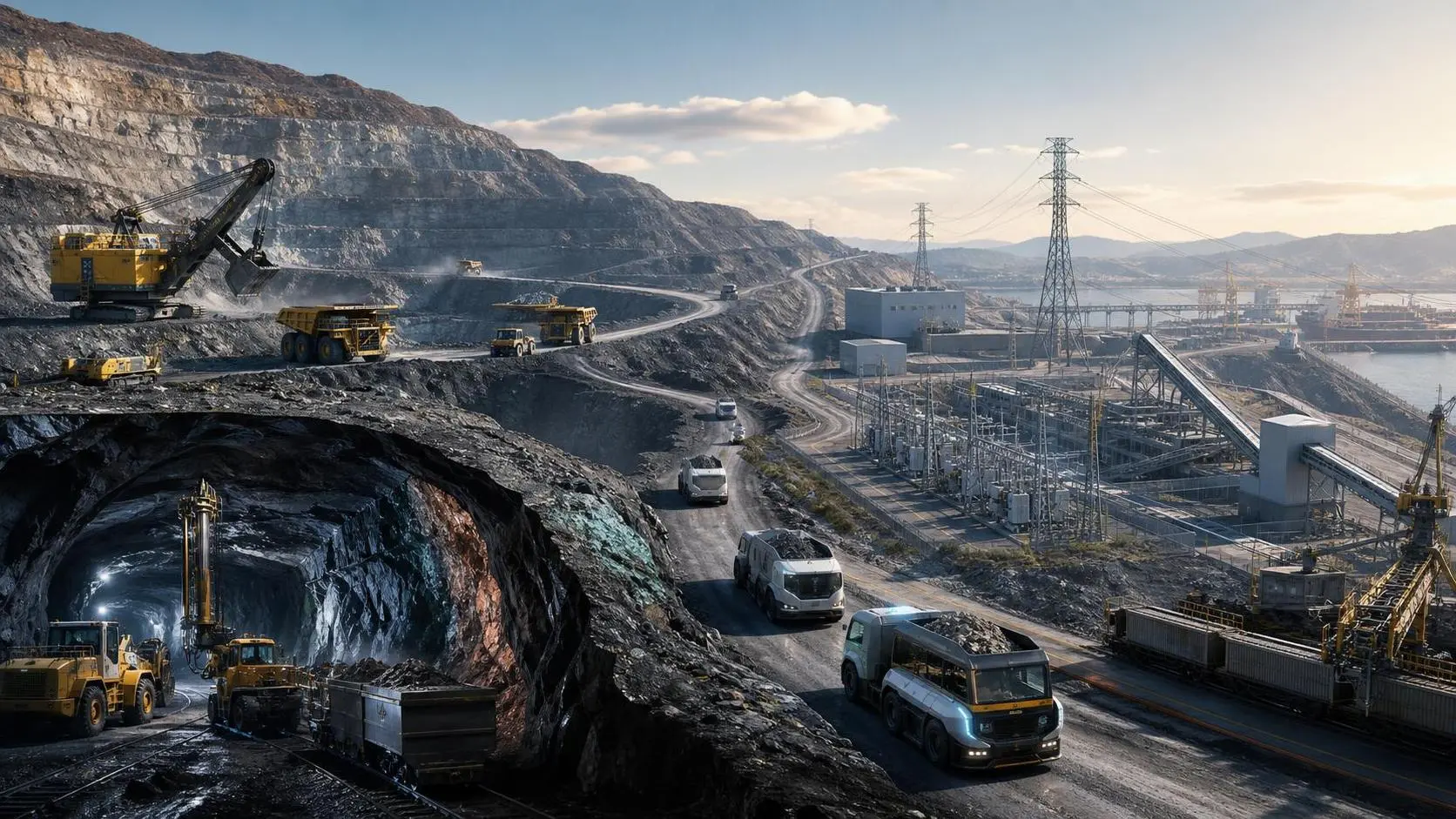
What Does Energy Metals Mining in Australia Mean for Supply, Cost, and Project Risk?
Energy metals mining Australia is reshaping supply, cost, and project risk. Discover what it means for buyers, investors, and operators.
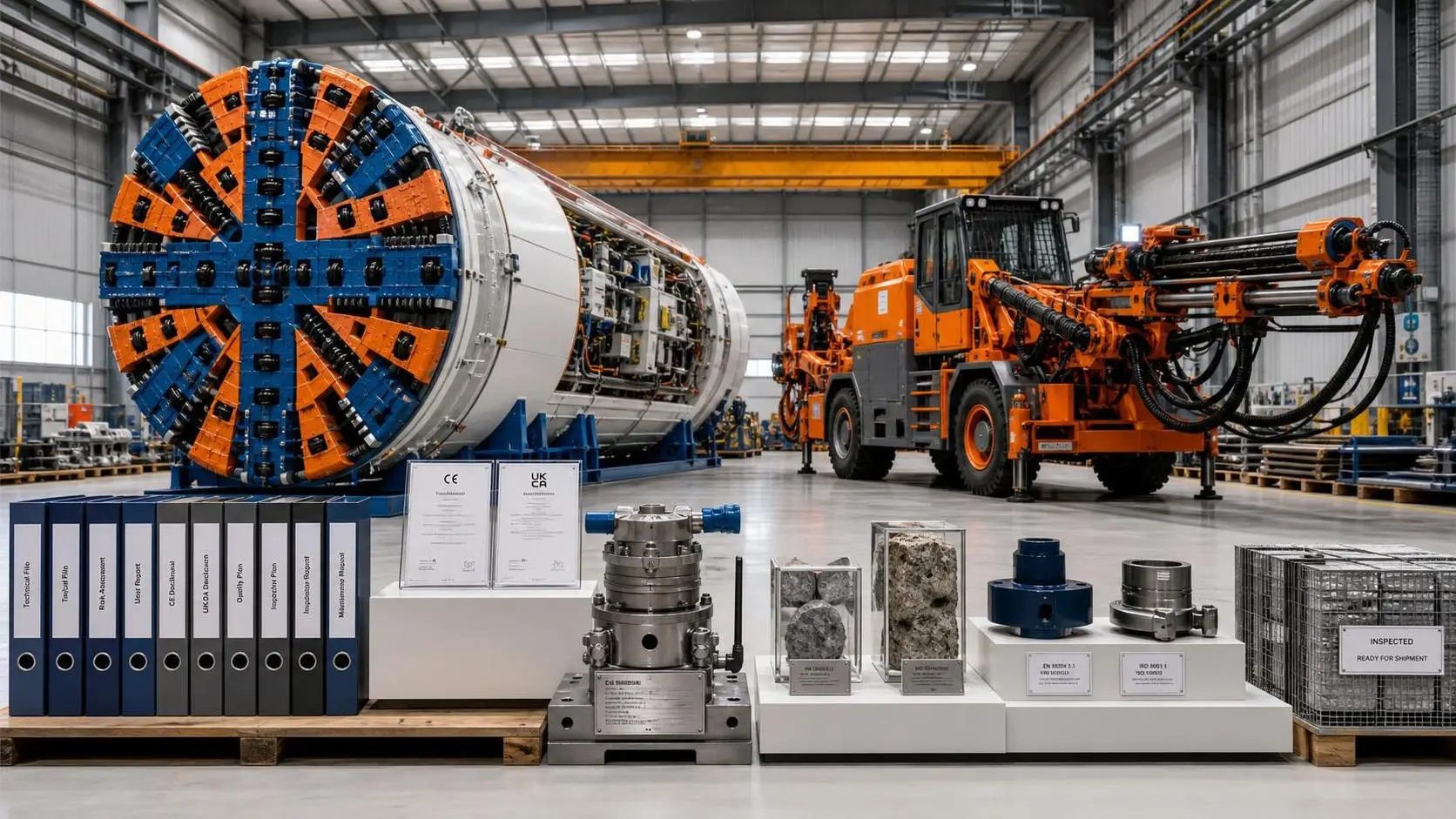
EU Eases Dual CE and UKCA Path for Chinese Tunnel Boring Equipment
EU eases CE and UKCA certification for Chinese tunnel boring equipment, cutting compliance time and helping importers move faster.
Flameproof Underground Safety Equipment: What Mine Teams Should Check Before Buying
Underground Safety Equipment flameproof buying guide: learn how mine teams should verify certification, durability, serviceability, and supplier support before purchase.
China-UAE Direct Sea Route Cuts TBM and Large Tunneling Equipment Lead Times
China-UAE direct sea route shortens TBM and large tunneling equipment lead times by 12–15 days, improving delivery predictability for major infrastructure projects. Read the full impact.
What Is a TBM Guidance System Gyroscope, and Why Does It Matter Underground?
TBM Guidance Systems gyroscope improves underground accuracy, reduces drift, and helps tunnel boring machines stay on line in harsh conditions.
China to Roll Out Nationwide Local and Foreign Currency Cash Pools for Multinationals on Sept. 14
China will roll out nationwide local and foreign currency cash pools for multinationals on Sept. 14, streamlining cross-border treasury management and boosting liquidity efficiency.
How to Choose a Reliable Underground Mining Equipment Supplier for Harsh Site Conditions
Find a reliable underground mining equipment supplier for harsh site conditions with rugged, maintainable solutions that boost uptime, reduce risk, and support long-term production.
China Customs Tightens TBM Export Checks from Aug. 16
China Customs tightens TBM export checks from Aug. 16, 2026. Learn how new mandatory inspections may affect tunnelling equipment shipments, compliance, and delivery plans.
Related News
- 00
0000-00
What Drives TBM Excavation Cost in Urban Tunneling Projects? - 00
0000-00
What Does Energy Metals Mining in Australia Mean for Supply, Cost, and Project Risk? - 00
0000-00
EU Eases Dual CE and UKCA Path for Chinese Tunnel Boring Equipment - 00
0000-00
Flameproof Underground Safety Equipment: What Mine Teams Should Check Before Buying - 00
0000-00
China-UAE Direct Sea Route Cuts TBM and Large Tunneling Equipment Lead Times
Weekly Insights
Stay ahead with our curated technology reports delivered every Monday.