
How to Evaluate an Electric Mining Truck OEM for Fleet Procurement





How to Evaluate an Electric Mining Truck OEM for Fleet Procurement
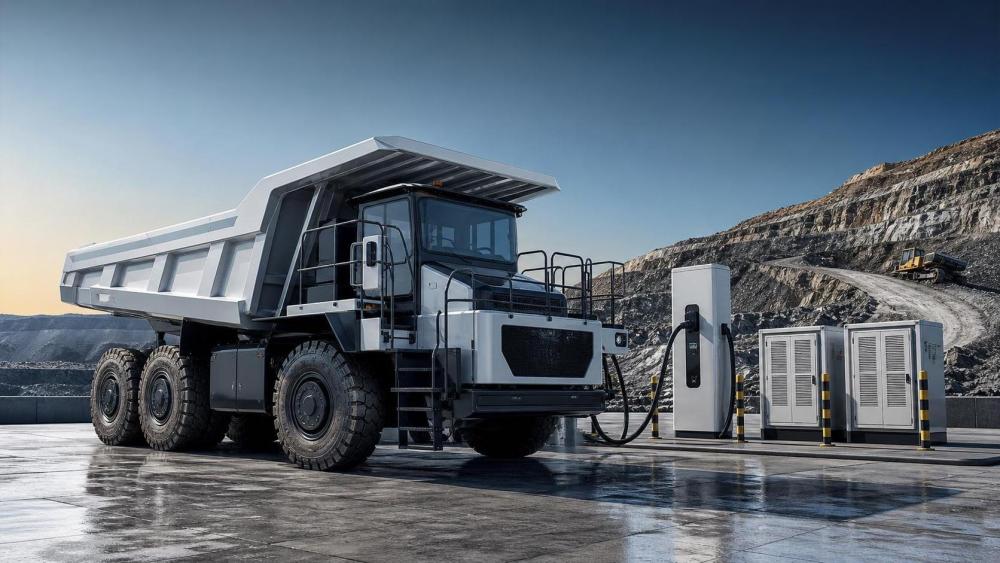
Choosing an electric mining truck OEM is rarely a simple vehicle comparison.
It is a fleet decision tied to safety, uptime, power infrastructure, maintenance capability, and long-term capital planning.
In underground and surface mining, the wrong supplier can lock a site into years of avoidable cost.
The right electric mining truck OEM can improve energy efficiency, operator comfort, and asset utilization at the same time.
That is why procurement should evaluate more than truck price, payload, or battery size.
A strong review process should measure technical maturity, aftermarket support, integration risk, and lifecycle value.
This is especially important as mine electrification moves from pilot projects into core fleet procurement.
Start with the Operating Reality
Every electric mining truck OEM will present a strong brochure.
The real question is whether the truck fits the mine’s duty cycle.
Look first at ramp gradients, haul distance, stop frequency, ambient temperature, and shift pattern.
Battery performance on paper can look excellent, then drift under heat, dust, and repeated high-load climbs.
This also affects charging strategy, spare battery planning, and substation requirements.
A credible electric mining truck OEM should ask for route profiles and production targets before quoting a configuration.
If the supplier jumps straight to price, the evaluation is already weak.
Core fit questions
- What payload class matches the mine plan over the next five years?
- How many cycles per shift can the truck complete under real site conditions?
- Is charging, battery swapping, or trolley assist the best operating model?
- Can the electric mining truck OEM prove performance with reference sites?
Assess Technology Maturity, Not Just Innovation Claims
Mining teams often like bold technology stories.
Procurement should prefer tested systems over ambitious prototypes.
A reliable electric mining truck OEM should clearly document battery chemistry, thermal management, motor architecture, and control systems.
Ask how many operating hours the platform has accumulated across comparable mines.
A mature platform usually shows fewer software surprises, cleaner service workflows, and more stable spare parts planning.
Recent market movement makes this even more relevant.
Many OEMs are entering electric haulage quickly because ESG pressure is rising.
That does not mean every electric mining truck OEM has solved battery degradation, regenerative braking control, or underground service access.
What to verify during technical review
- Battery cycle life under similar gradients and payload profiles.
- Thermal performance in high-temperature or poorly ventilated zones.
- Redundancy in drive systems, braking systems, and safety controls.
- Software update process and cyber security governance.
- Compatibility with mine dispatch, telemetry, and autonomy systems.
Look Hard at Total Cost of Ownership
An electric mining truck OEM should be evaluated on cost over the asset life, not only purchase price.
This is where many fleet procurement decisions either become durable or become expensive.
Electric trucks can lower ventilation cost, diesel handling cost, and routine engine maintenance.
But they can also introduce new cost centers around charging equipment, battery replacements, technician training, and power quality management.
In practical procurement work, the strongest suppliers are transparent about these tradeoffs.
They provide scenario-based cost models instead of headline savings claims.
Important cost lines to compare
Service Capability Often Decides Fleet Success
A capable electric mining truck OEM must support the truck after delivery.
This sounds obvious, but service gaps remain one of the biggest procurement risks.
Electric haulage introduces high-voltage systems, software diagnostics, and battery handling practices that many sites are still building.
If regional parts inventory is thin, downtime can erase the expected savings quickly.
A good supplier should define response times, field service coverage, remote diagnostics, and training plans in the contract stage.
This also helps compare established manufacturers against newer entrants more fairly.
Signs of a stronger support model
- Local technicians certified for high-voltage maintenance.
- Guaranteed spare parts stocking near the mining region.
- Clear escalation path for software and controls issues.
- Operator and maintainer training tied to commissioning milestones.
- Performance dashboards linked to uptime and energy indicators.
Check Safety, Compliance, and Underground Suitability
Not every electric mining truck OEM is equally prepared for underground constraints.
Confined spaces, heat buildup, fire response planning, and emergency recovery procedures must be reviewed carefully.
The battery system is only one part of the safety picture.
You also need to review brake redundancy, fail-safe logic, isolation methods, and collision awareness systems.
More importantly, ask how the OEM supports site risk assessments and emergency drills.
A supplier focused only on hardware may leave major operating risk on the mine.
Safety review points
- Battery containment, thermal event response, and detection systems.
- Safe towing, recovery, and isolation procedures underground.
- Compliance with relevant mining, electrical, and functional safety standards.
- Cab ergonomics, visibility, and human-machine interface quality.
Evaluate Automation and Digital Readiness Early
The best electric mining truck OEM should support where the fleet is going, not just where it is today.
Many mines are moving toward remote operation, dispatch optimization, and partial autonomy.
That makes software architecture and data access procurement issues, not just engineering issues.
A truck that cannot share usable telemetry may become a dead end inside a digital mine roadmap.
This is a stronger signal now as mines demand integrated platforms instead of isolated machines.
Ask the electric mining truck OEM whether APIs, health data, and autonomy interfaces are open, restricted, or licensed separately.
Use a Structured Supplier Scorecard Before Award
A structured scorecard keeps the electric mining truck OEM review grounded in evidence.
It also reduces the influence of polished presentations and short-term price pressure.
The scorecard should combine technical, commercial, operational, and ESG criteria.
Weighting should reflect site priorities.
For example, underground mines may assign greater weight to thermal safety, charging logistics, and ventilation savings.
Open-pit sites may focus more on downhill energy recovery, tire management, and autonomy scaling.
Recommended scorecard categories
- Platform maturity and field references.
- Battery performance and charging model.
- Lifecycle cost and commercial transparency.
- Safety, compliance, and underground suitability.
- Service network and local support strength.
- Digital integration and automation readiness.
Final Procurement Takeaway
Selecting an electric mining truck OEM is a long-horizon asset decision.
The strongest choice usually comes from disciplined comparison, site-specific testing, and realistic cost modeling.
A capable electric mining truck OEM should show proven uptime, solid safety logic, practical service coverage, and a believable digital roadmap.
Before award, request reference visits, validate performance assumptions, and test warranty language against expected duty cycles.
That extra diligence usually pays back through lower risk, better fleet reliability, and stronger value across the full procurement cycle.
Related News
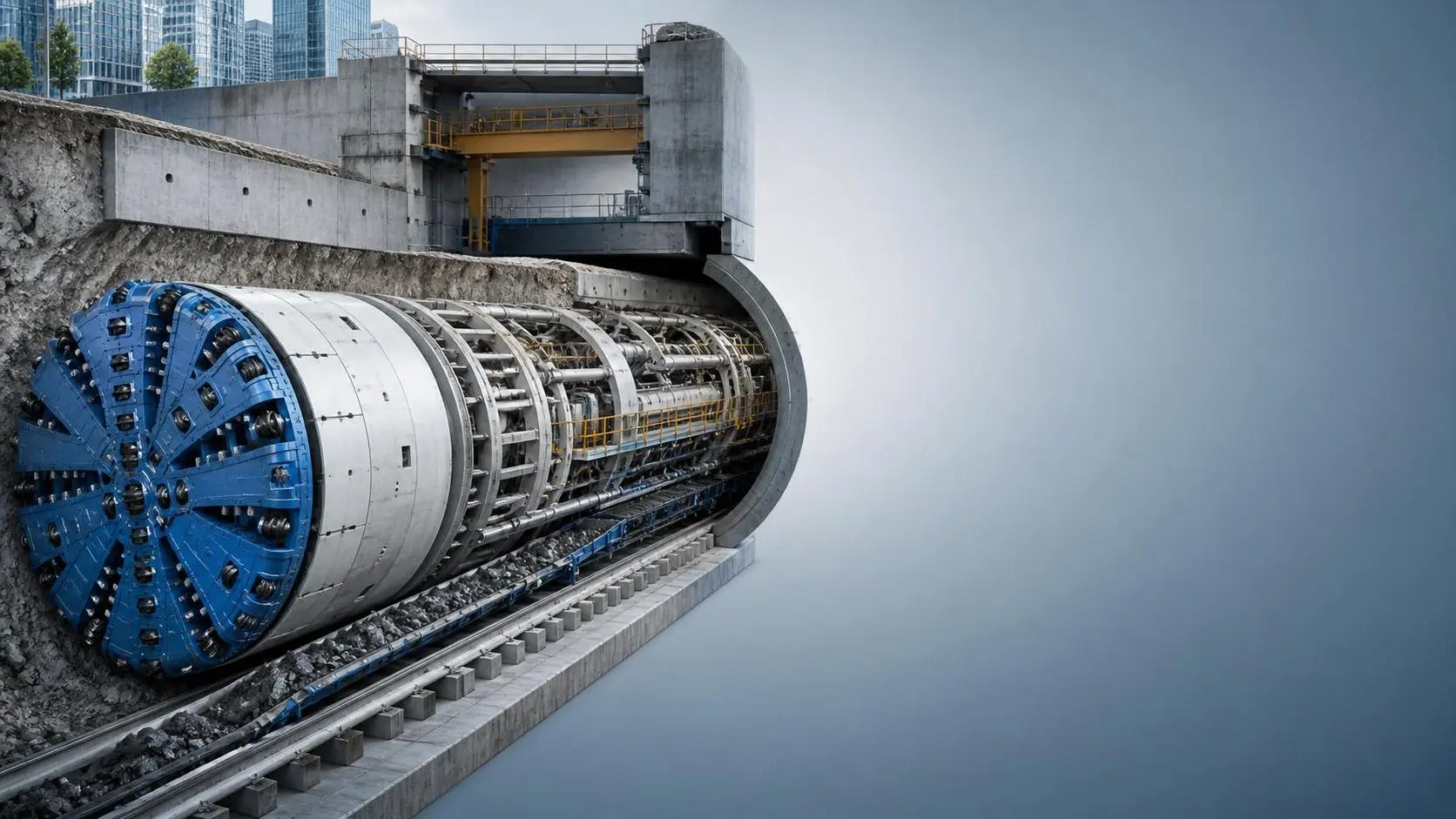
What Drives TBM Excavation Cost in Urban Tunneling Projects?
tbm excavation cost in urban tunneling depends on geology, shafts, segment lining, logistics, and risk. Discover the key cost drivers and compare bids with greater confidence.
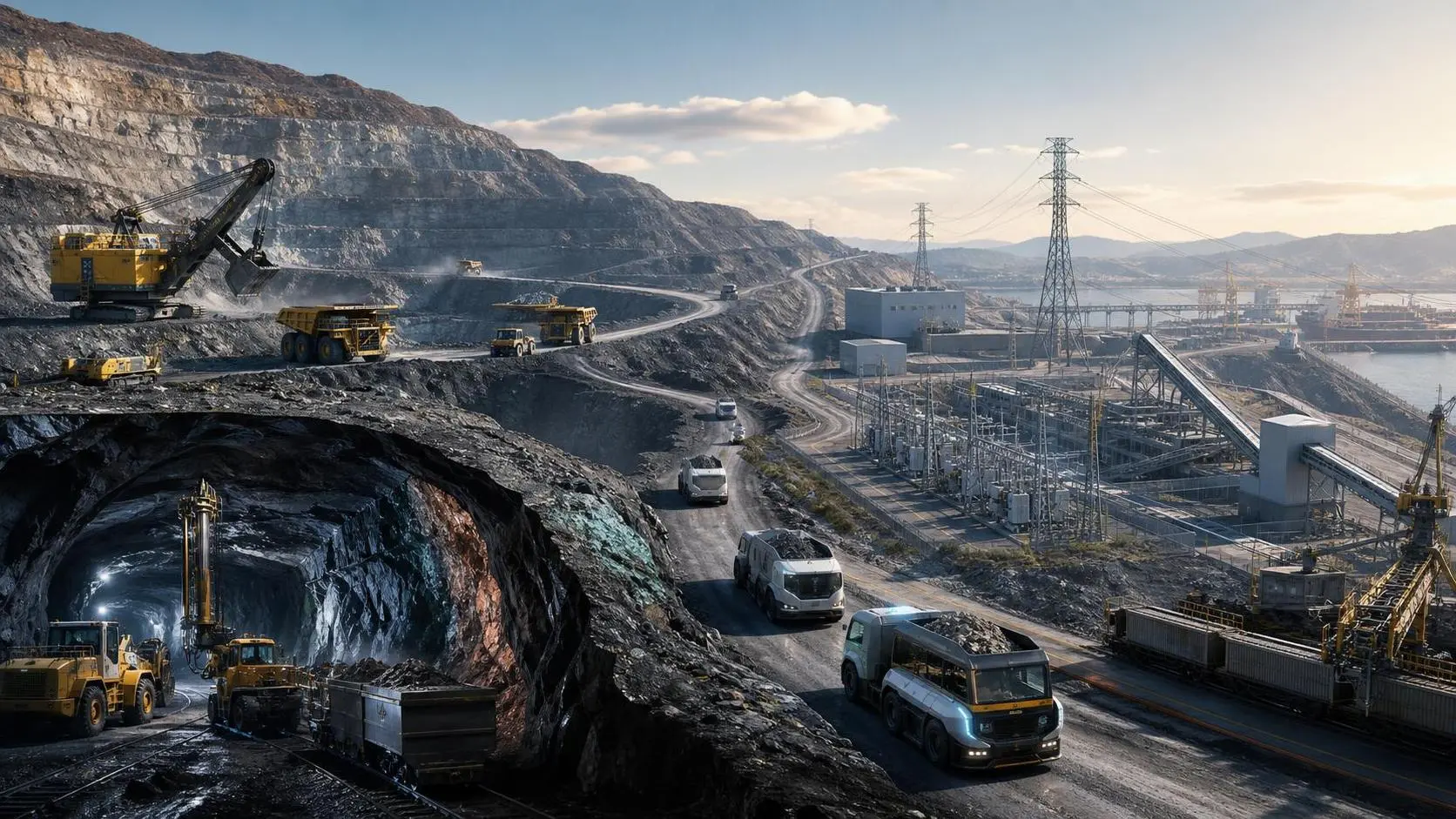
What Does Energy Metals Mining in Australia Mean for Supply, Cost, and Project Risk?
Energy metals mining Australia is reshaping supply, cost, and project risk. Discover what it means for buyers, investors, and operators.
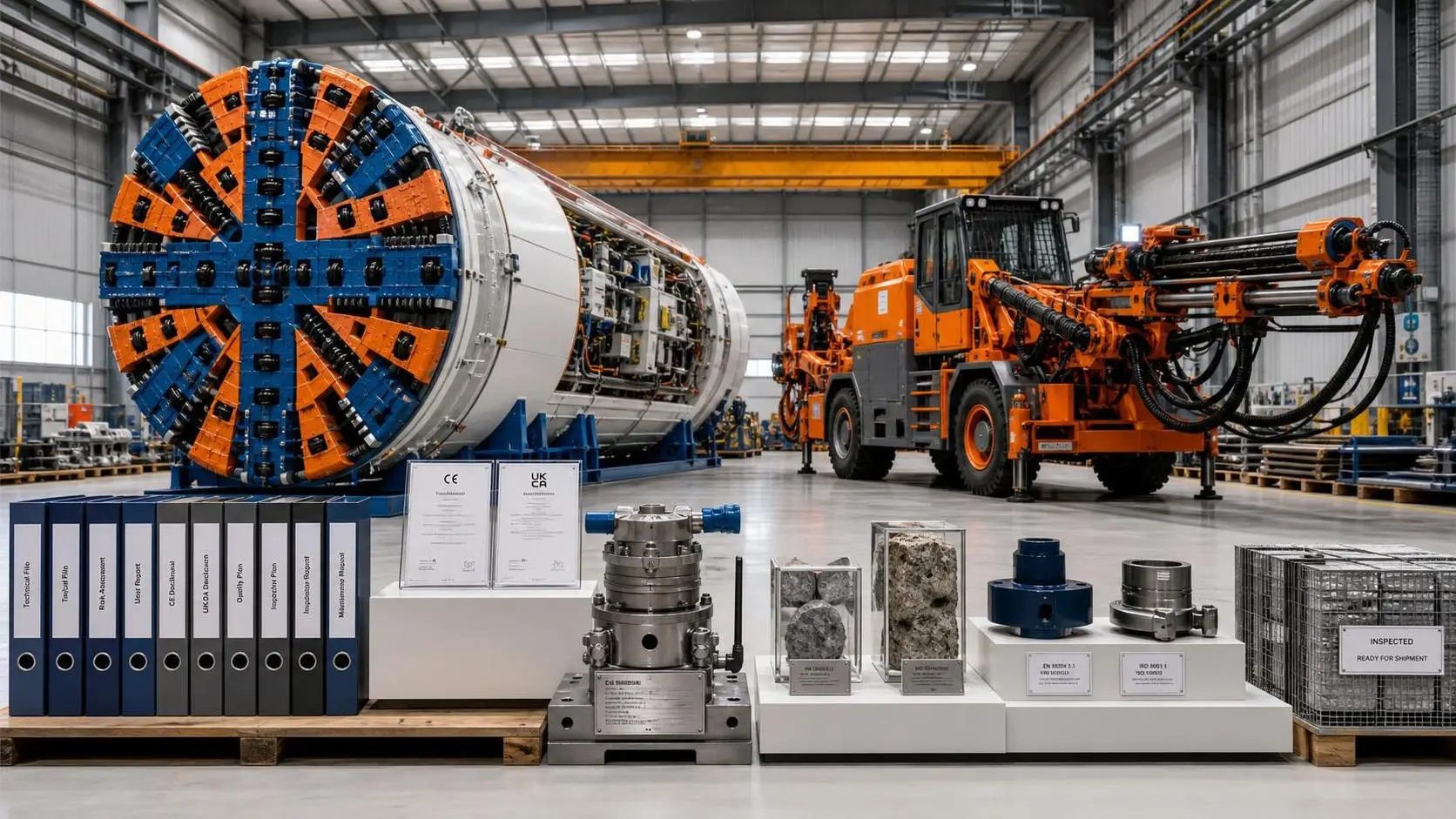
EU Eases Dual CE and UKCA Path for Chinese Tunnel Boring Equipment
EU eases CE and UKCA certification for Chinese tunnel boring equipment, cutting compliance time and helping importers move faster.
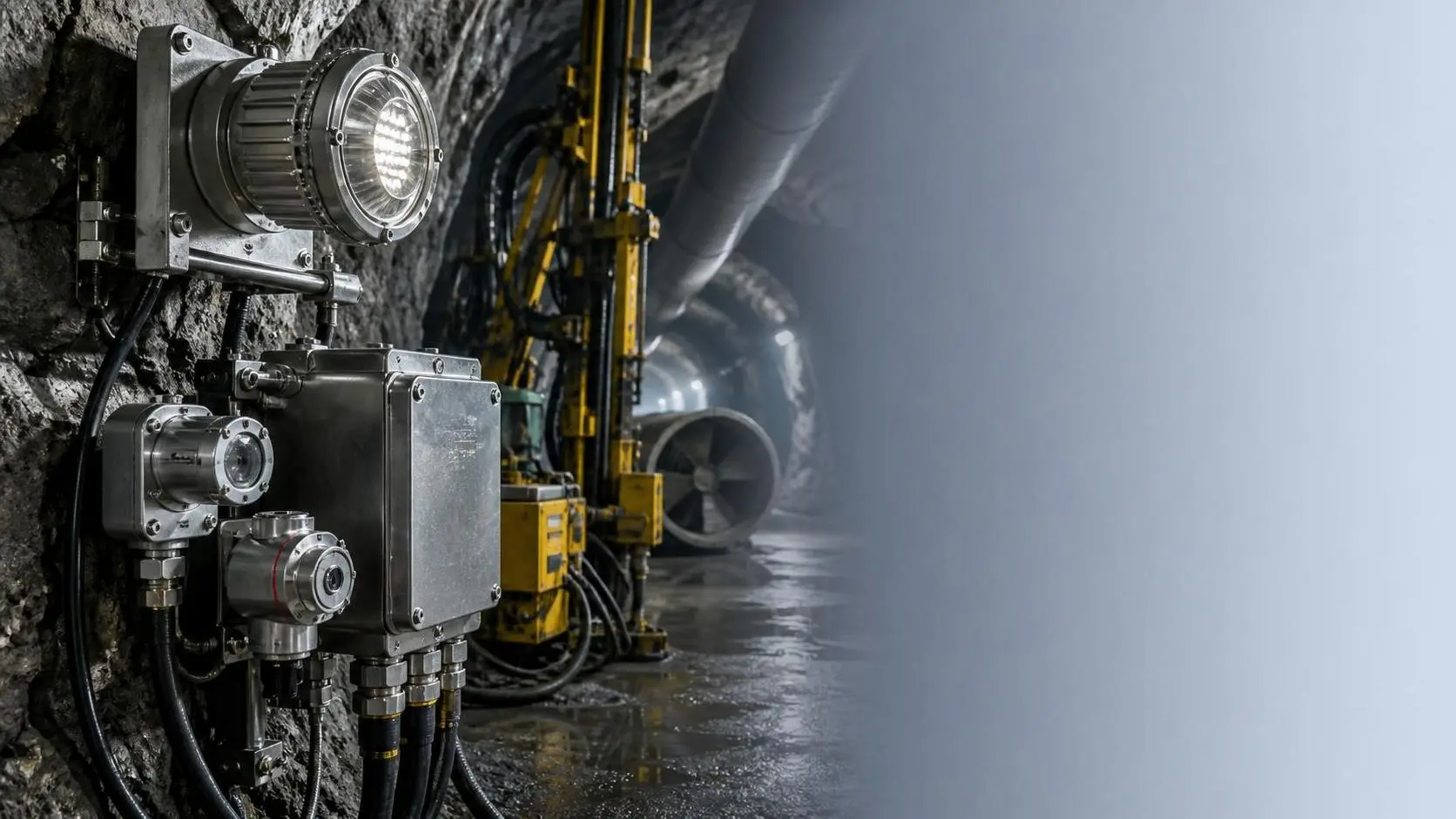
Flameproof Underground Safety Equipment: What Mine Teams Should Check Before Buying
Underground Safety Equipment flameproof buying guide: learn how mine teams should verify certification, durability, serviceability, and supplier support before purchase.
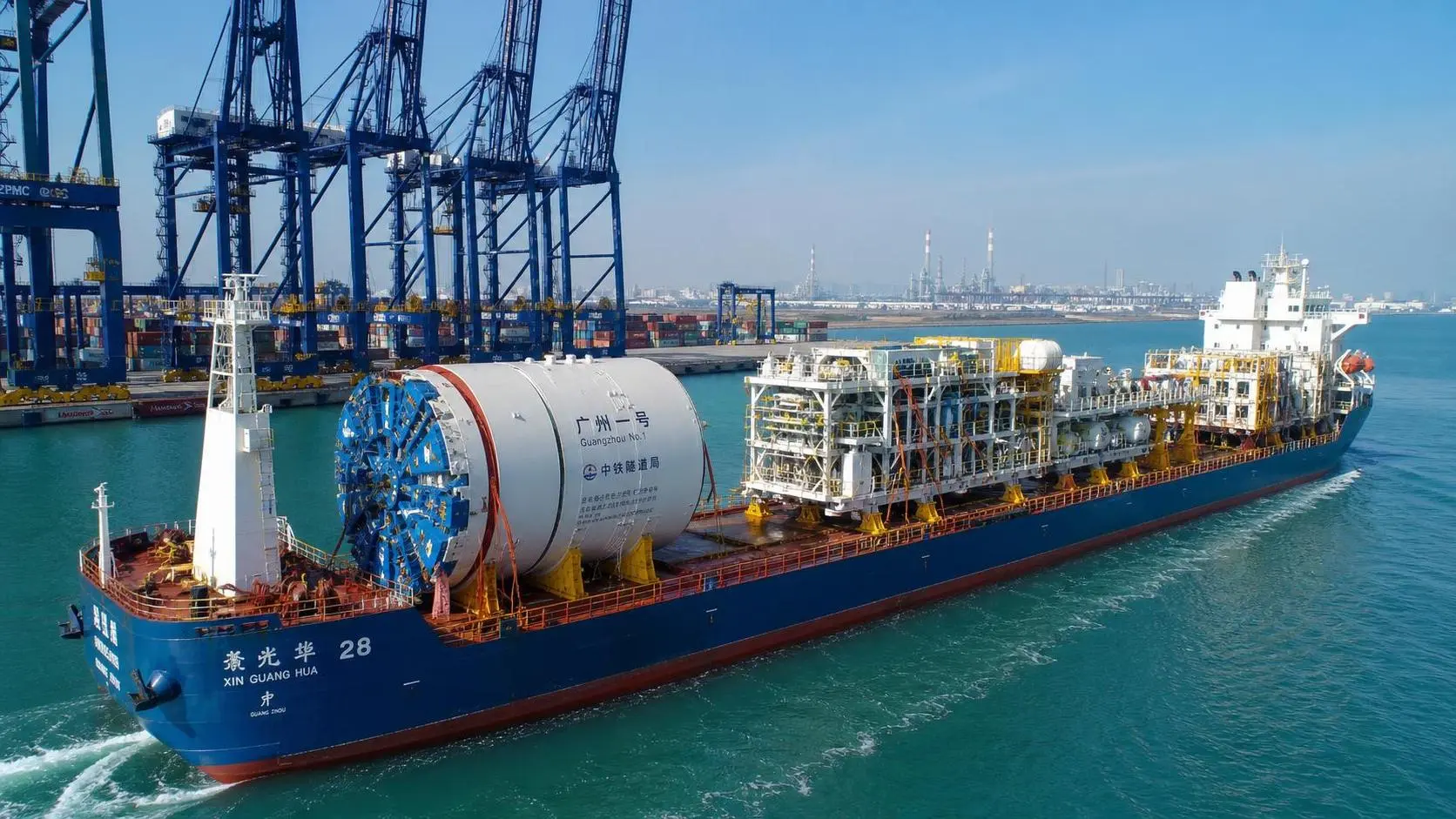
China-UAE Direct Sea Route Cuts TBM and Large Tunneling Equipment Lead Times
China-UAE direct sea route shortens TBM and large tunneling equipment lead times by 12–15 days, improving delivery predictability for major infrastructure projects. Read the full impact.
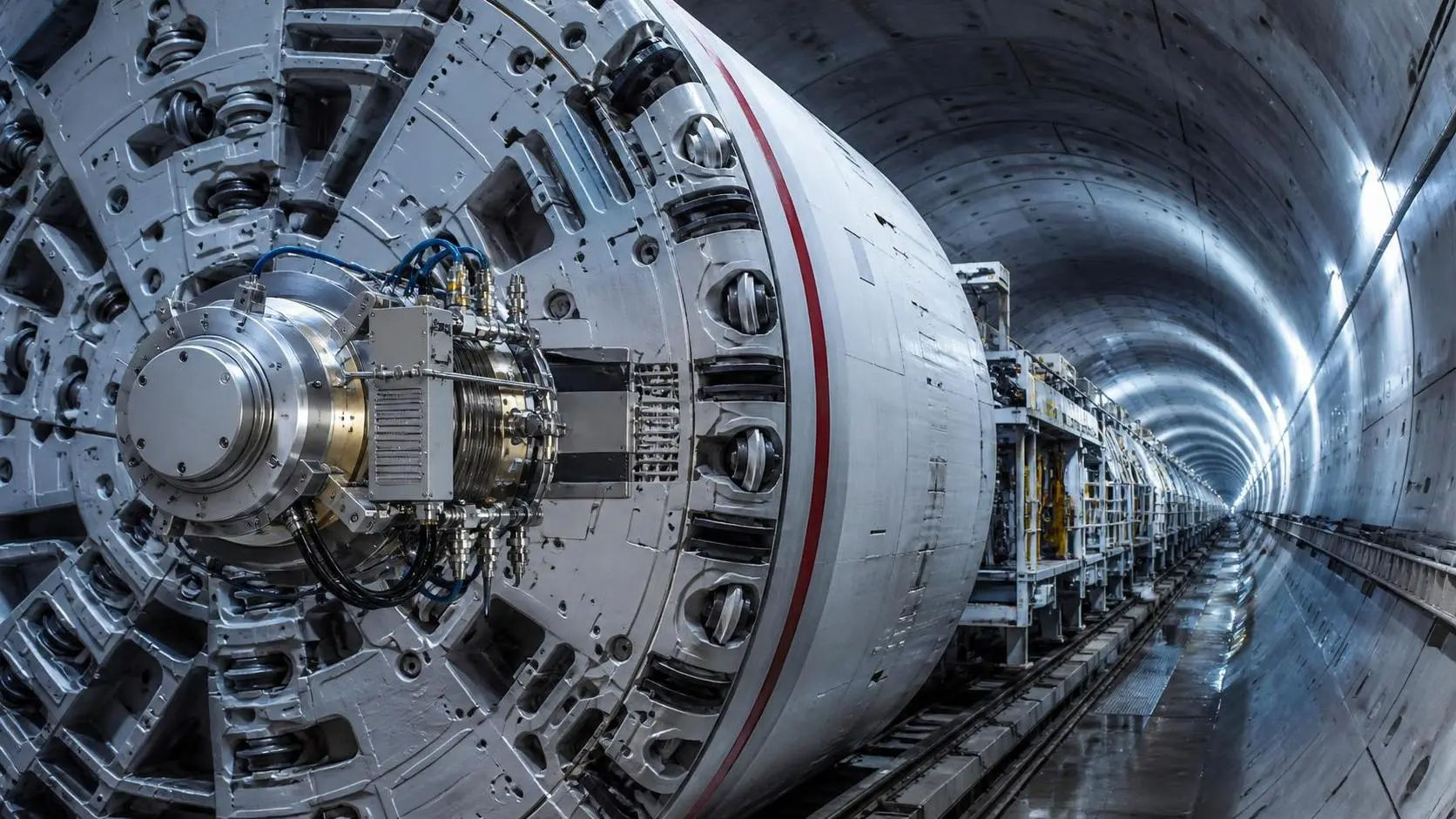
What Is a TBM Guidance System Gyroscope, and Why Does It Matter Underground?
TBM Guidance Systems gyroscope improves underground accuracy, reduces drift, and helps tunnel boring machines stay on line in harsh conditions.
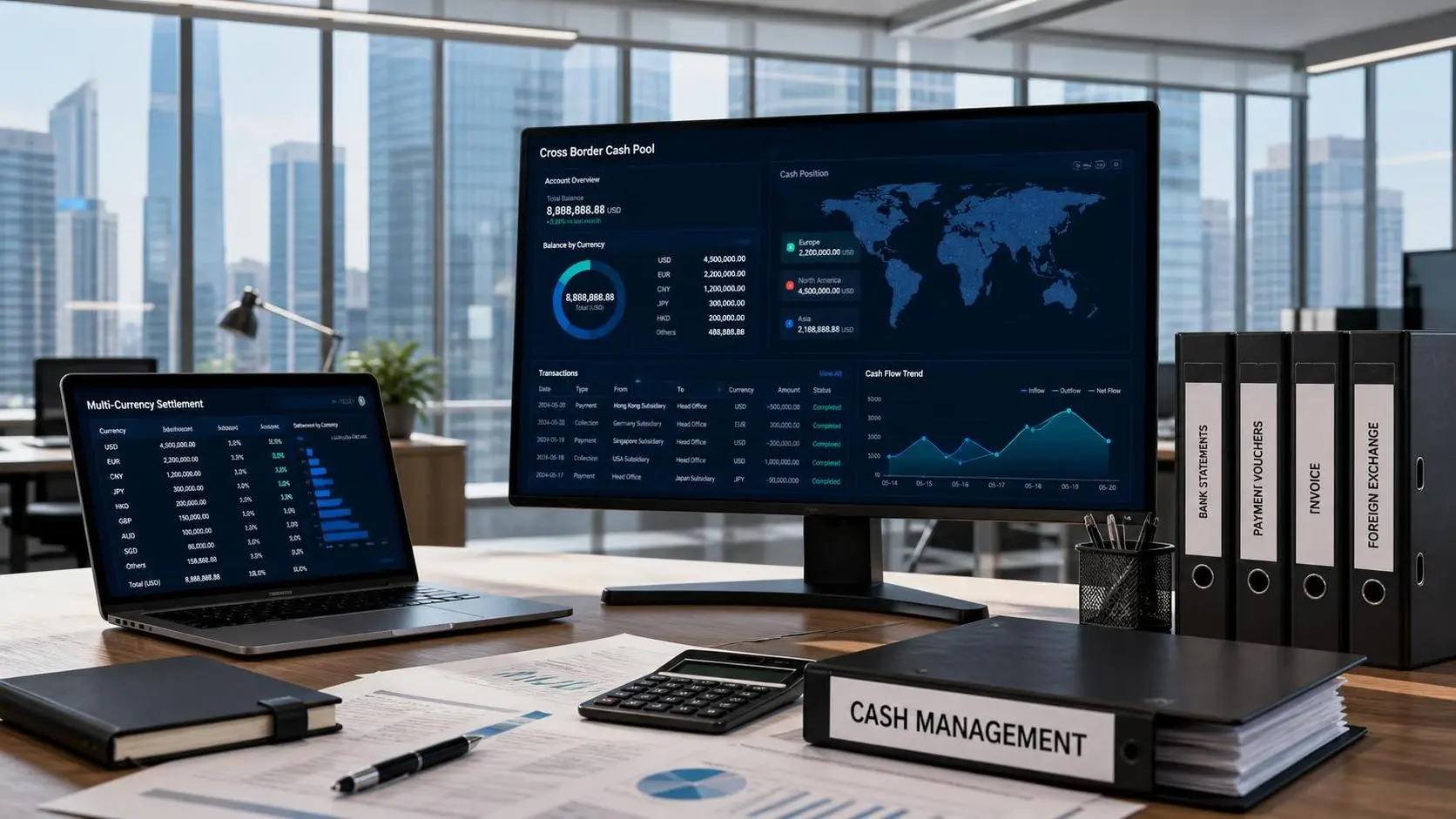
China to Roll Out Nationwide Local and Foreign Currency Cash Pools for Multinationals on Sept. 14
China will roll out nationwide local and foreign currency cash pools for multinationals on Sept. 14, streamlining cross-border treasury management and boosting liquidity efficiency.
How to Choose a Reliable Underground Mining Equipment Supplier for Harsh Site Conditions
Find a reliable underground mining equipment supplier for harsh site conditions with rugged, maintainable solutions that boost uptime, reduce risk, and support long-term production.
China Customs Tightens TBM Export Checks from Aug. 16
China Customs tightens TBM export checks from Aug. 16, 2026. Learn how new mandatory inspections may affect tunnelling equipment shipments, compliance, and delivery plans.
Related News
- 00
0000-00
What Drives TBM Excavation Cost in Urban Tunneling Projects? - 00
0000-00
What Does Energy Metals Mining in Australia Mean for Supply, Cost, and Project Risk? - 00
0000-00
EU Eases Dual CE and UKCA Path for Chinese Tunnel Boring Equipment - 00
0000-00
Flameproof Underground Safety Equipment: What Mine Teams Should Check Before Buying - 00
0000-00
China-UAE Direct Sea Route Cuts TBM and Large Tunneling Equipment Lead Times
Weekly Insights
Stay ahead with our curated technology reports delivered every Monday.