
Hydrogen Mining Equipment Fuel Cell vs Battery: Which Fits Heavy-Duty Haulage?





Heavy-duty haulage is forcing a sharper energy decision across mines, tunnels, and underground logistics systems. The debate is no longer about whether zero-emission equipment will expand, but which architecture can sustain production without creating new operational bottlenecks.
That is why Hydrogen Mining Equipment fuel cell platforms are being weighed against battery-electric fleets with unusual intensity. The answer affects shift continuity, ventilation planning, charging or refueling layouts, payload design, and the economics of deep or remote operations.
Across the UTMD coverage universe, this question sits at the intersection of rock mechanics, confined-space decarbonization, and smart transport automation. It matters for underground LHDs, large mining dump trucks, and future haulage systems linked to digital mine control.
Why the comparison has become urgent
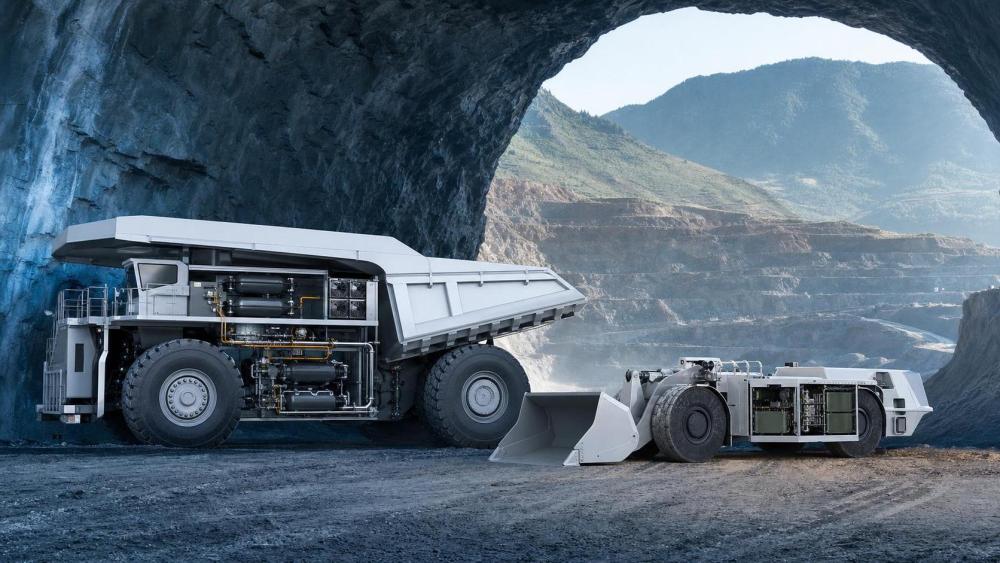
Mines are under pressure from three directions at once. They need lower emissions, stronger energy resilience, and higher equipment utilization in harsher environments.
In open-pit haulage, electrification is tied to fuel cost volatility, carbon targets, and autonomous truck development. Underground, the equation becomes even stricter because heat, exhaust, and ventilation costs shape the total business case.
Battery-electric machines already perform well in many duty cycles. Yet once routes grow longer, ambient conditions become severe, or uptime windows tighten, Hydrogen Mining Equipment fuel cell systems begin to look strategically relevant.
The comparison also reflects infrastructure timing. A mine may be ready for battery swapping today, while another site may prefer centralized hydrogen refueling if it supports future expansion across trucks, loaders, and auxiliary fleets.
Two zero-emission paths, very different operating logic
A battery-electric haulage machine stores energy directly in onboard battery packs. It delivers high drivetrain efficiency, instant torque, and relatively mature power electronics.
A Hydrogen Mining Equipment fuel cell machine converts hydrogen into electricity onboard. The fuel cell typically works with a battery buffer, which handles peaks, braking recovery, and transient loads.
This distinction matters because the operating constraints are different. Batteries are limited mainly by charging time, thermal management, and energy density. Fuel cells are shaped by hydrogen supply, storage pressure, and system complexity.
On paper, both remove diesel exhaust. In practice, they solve the same problem through different infrastructure, maintenance, and fleet planning models.
Where batteries usually lead
- High energy conversion efficiency from grid to wheels.
- Simpler energy chain when charging power is available.
- Strong fit for shorter cycles, predictable shifts, and regenerative braking routes.
- Growing maturity in underground loaders using battery-swap strategies.
Where fuel cells attract attention
- Faster refueling relative to full battery charging.
- Lower onboard mass penalty for very long energy demand windows.
- Potential fit for remote sites with weak grid access.
- Scalability for continuous haulage where downtime is expensive.
What heavy-duty haulage really asks from the power system
The real decision starts with duty cycle realism, not technology preference. Haul profiles vary sharply between open-pit descent, uphill return, underground stop-start loading, and long tunnel transfer runs.
A mine truck on long downhill hauls can recover meaningful energy through regenerative braking. That favors battery-electric economics when route geometry is stable and charging can be integrated around dispatch rhythms.
An underground haulage fleet faces another layer: ventilation savings. Removing diesel exhaust can reduce airflow demand, but thermal loads from charging rooms, battery cycling, and equipment concentration still require careful design.
Hydrogen Mining Equipment fuel cell systems may help when fleets need extended range without carrying very large battery packs. That can matter in deep mines, long drift networks, or operations where production windows are too tight for charging pauses.
Still, fast refueling alone does not settle the issue. Hydrogen storage, safety procedures, supply contracts, and refueling logistics can shift complexity from the vehicle to the site system.
A practical comparison by decision criteria
For most fleet planning discussions, the useful comparison is operational, not ideological. The table below captures the core trade-offs.
How this plays out in underground and surface scenarios
UTMD tracks both underground transport systems and large surface haulage. The preferred architecture often changes with mine geometry and energy access.
Underground LHDs and confined haulage drifts
Battery-electric remains highly competitive here. Shorter loops, regenerative opportunities, and battery swapping can support productive cycles with strong air-quality gains.
Hydrogen Mining Equipment fuel cell concepts become more interesting when drifts extend, waiting time is intolerable, or the site wants one refueling model across several vehicle classes.
Open-pit mining dump trucks
Very large trucks demand immense energy over long shifts. Battery packs can become heavy and expensive, though trolley assist and predictable routes can improve the battery case.
Fuel cells appeal where truck utilization is critical and hydrogen can be supplied at scale. That said, lifecycle economics depend heavily on the delivered cost of green or low-carbon hydrogen.
Remote projects and new mine developments
A greenfield site has more freedom to design its energy backbone. It can model renewable power, electrolysis, charging hubs, and automation together rather than retrofitting around diesel-era layouts.
That integrated approach is where Hydrogen Mining Equipment fuel cell strategies may gain traction, especially if the operation expects staged expansion over many years.
What deserves closer scrutiny before committing capital
Technology headlines can hide the harder questions. The choice should be tested against production mathematics, not only emissions claims.
- Map actual haul cycles by elevation, distance, queue time, and payload variation.
- Model energy demand by season, rock handling intensity, and ventilation constraints.
- Compare site infrastructure costs, not just vehicle purchase price.
- Stress-test uptime assumptions for charging, refueling, and maintenance interventions.
- Quantify the value of lower heat and zero exhaust in underground operations.
- Check whether autonomy plans favor one architecture through simpler scheduling or energy management.
This is also where platform interoperability matters. A mine electrification roadmap should connect haulage decisions with digital fleet control, remote operation, and future equipment replacement waves.
The likely direction: coexistence, then specialization
The market is unlikely to settle on one universal winner. Battery-electric systems will keep expanding where duty cycles are regular and infrastructure is manageable.
Hydrogen Mining Equipment fuel cell platforms will remain under serious evaluation for heavier, longer, or less forgiving haulage profiles. Their strongest case appears where operational continuity outweighs efficiency penalties.
In other words, the future may be less about fuel cell versus battery in absolute terms, and more about matching energy architecture to the mine’s physical reality and development stage.
A useful next step is to build a site-specific comparison around three numbers: delivered energy cost, productive hours per shift, and total infrastructure burden. That framework usually reveals whether a Hydrogen Mining Equipment fuel cell pathway is a strategic fit or a premature detour.
Related News
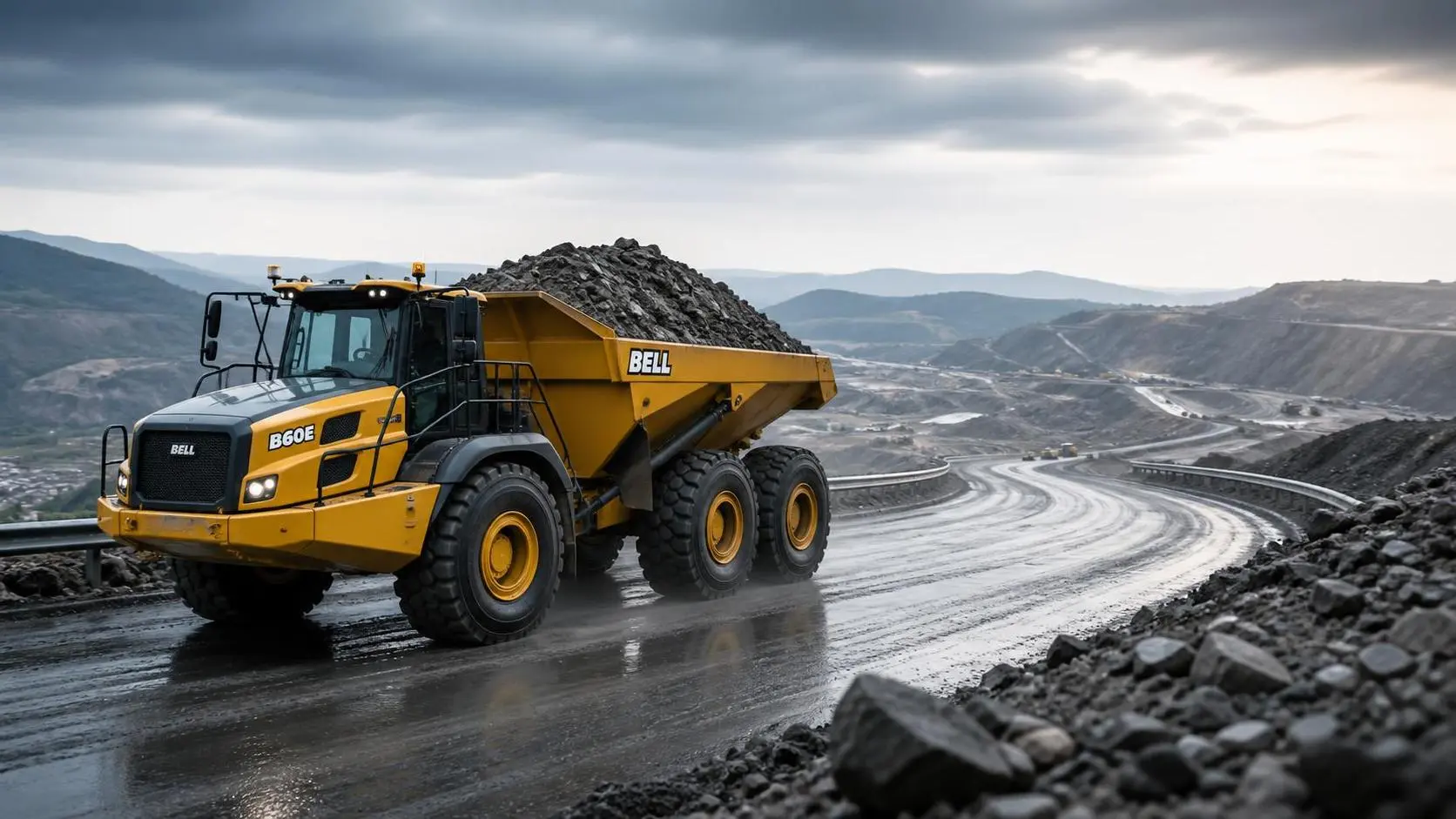
How to Evaluate Articulated Dump Trucks Payload for Haul Road Conditions and Cycle Efficiency
Articulated Dump Trucks payload evaluation starts with real haul road conditions, not brochure numbers. Learn how to balance payload, traction, grades, and cycle efficiency for safer, higher output.
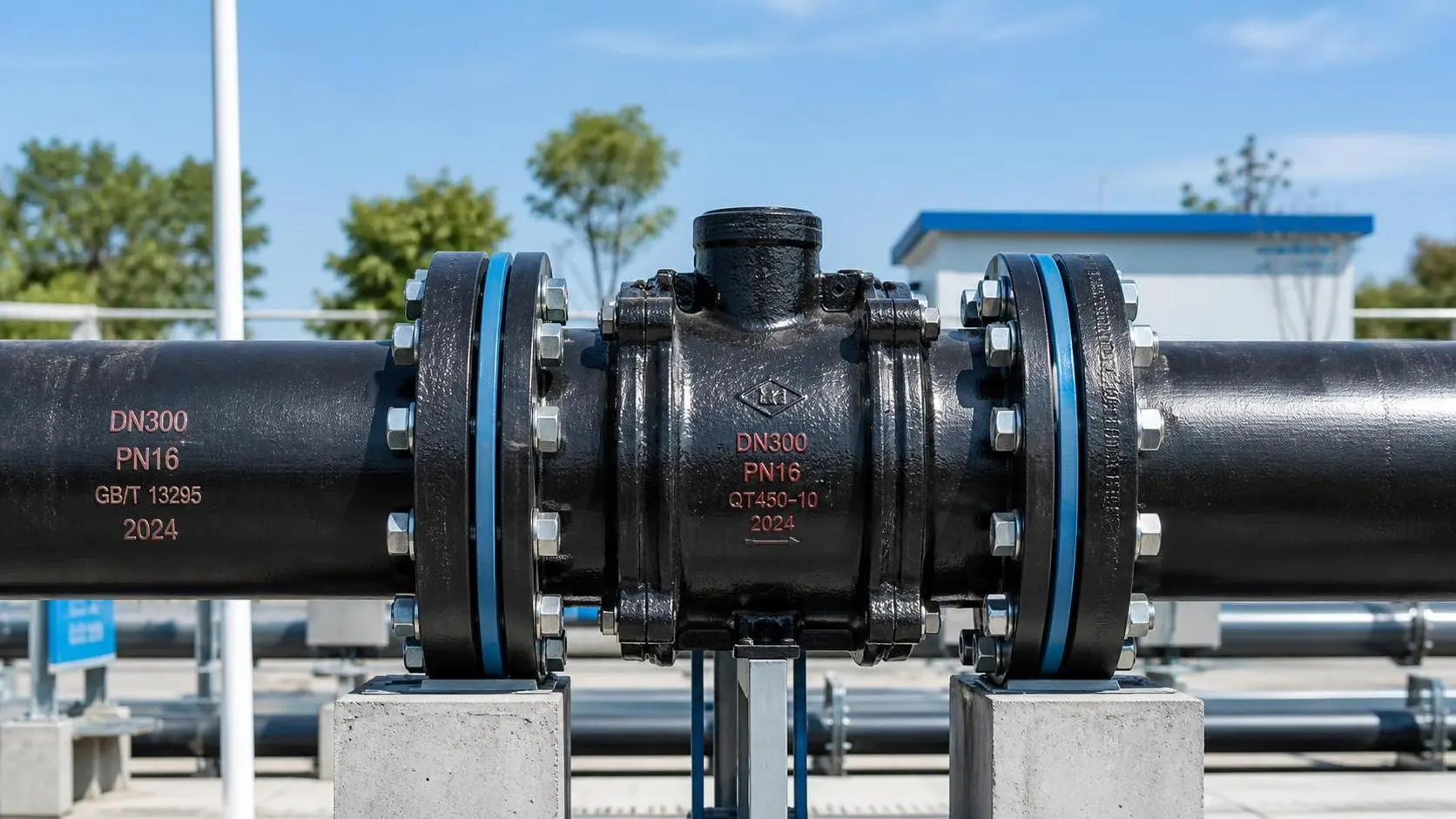
How Pipe Fittings Material and Pressure Class Affect Water Line Selection
Pipe fittings selection starts with material and pressure class. Learn how these factors affect water line reliability, corrosion resistance, installation, and long-term cost.
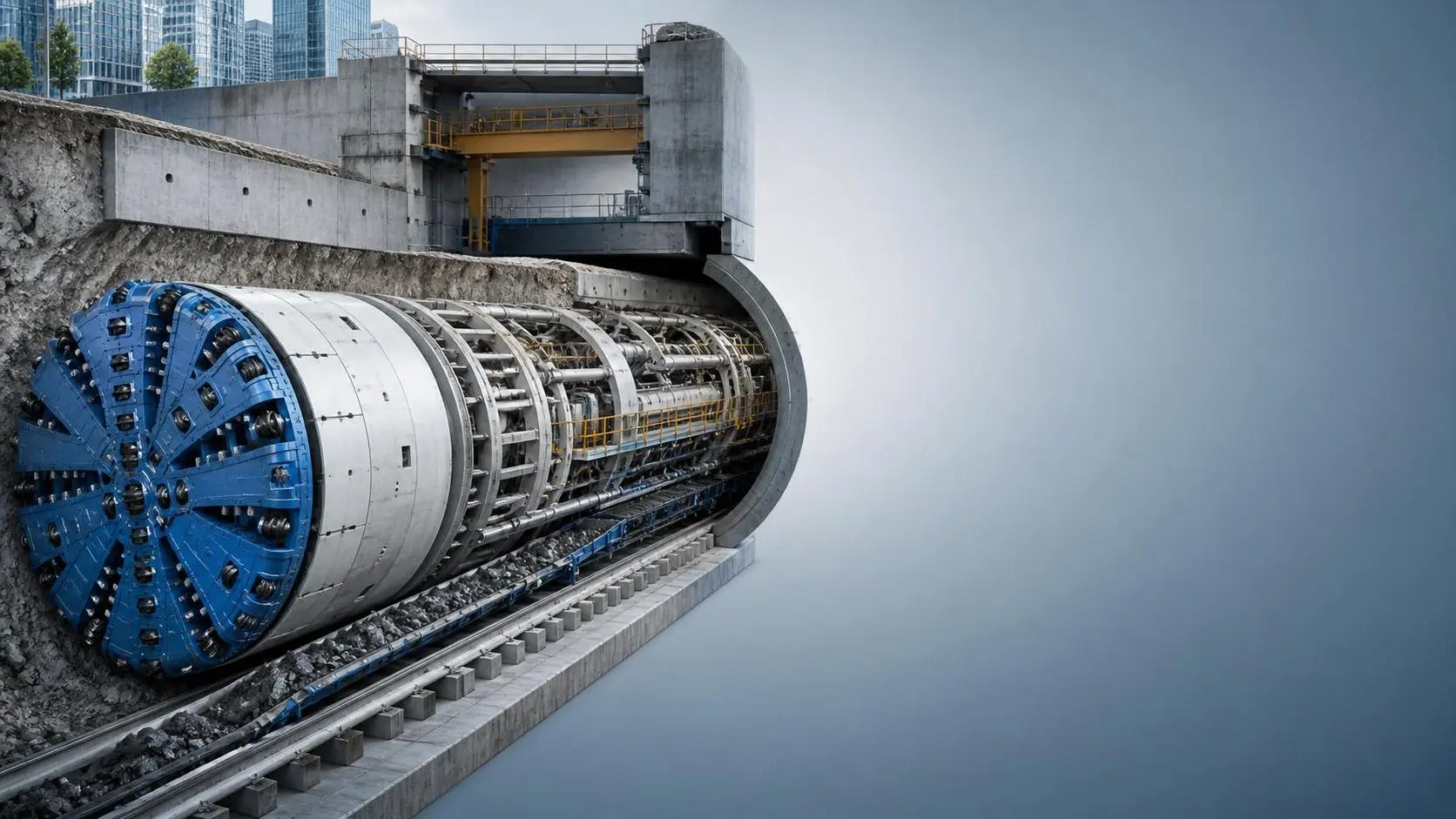
What Drives TBM Excavation Cost in Urban Tunneling Projects?
tbm excavation cost in urban tunneling depends on geology, shafts, segment lining, logistics, and risk. Discover the key cost drivers and compare bids with greater confidence.
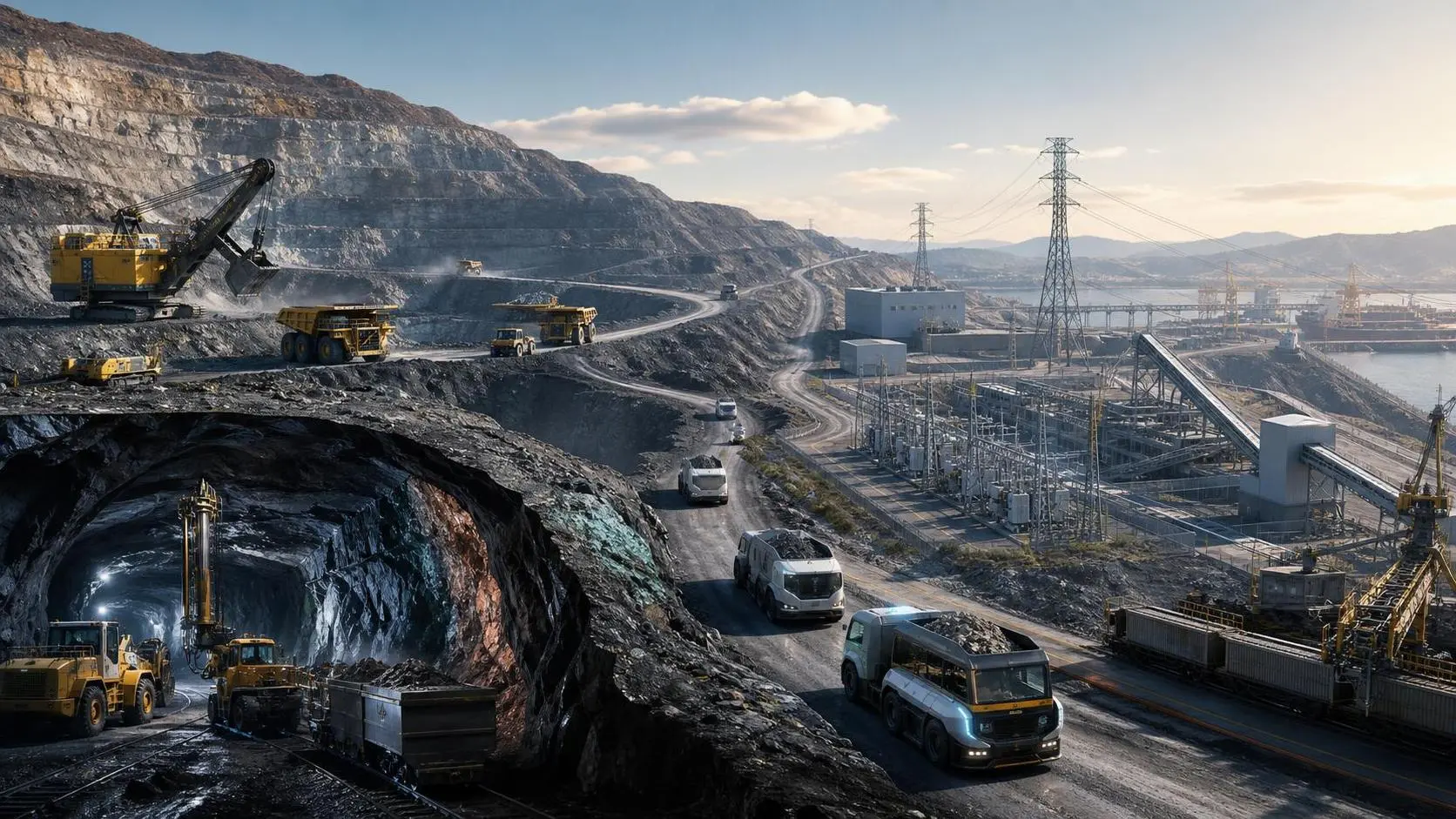
What Does Energy Metals Mining in Australia Mean for Supply, Cost, and Project Risk?
Energy metals mining Australia is reshaping supply, cost, and project risk. Discover what it means for buyers, investors, and operators.
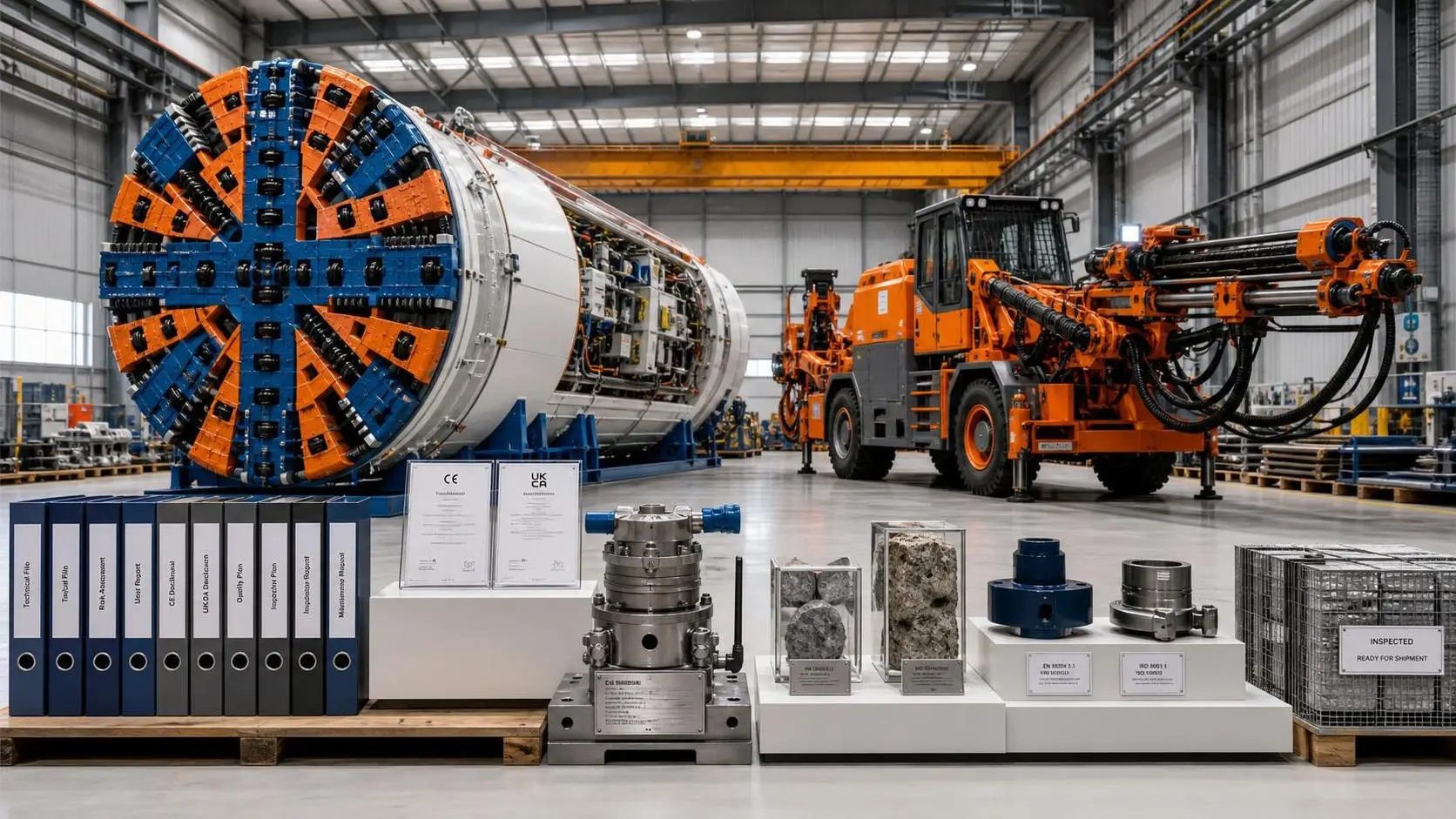
EU Eases Dual CE and UKCA Path for Chinese Tunnel Boring Equipment
EU eases CE and UKCA certification for Chinese tunnel boring equipment, cutting compliance time and helping importers move faster.
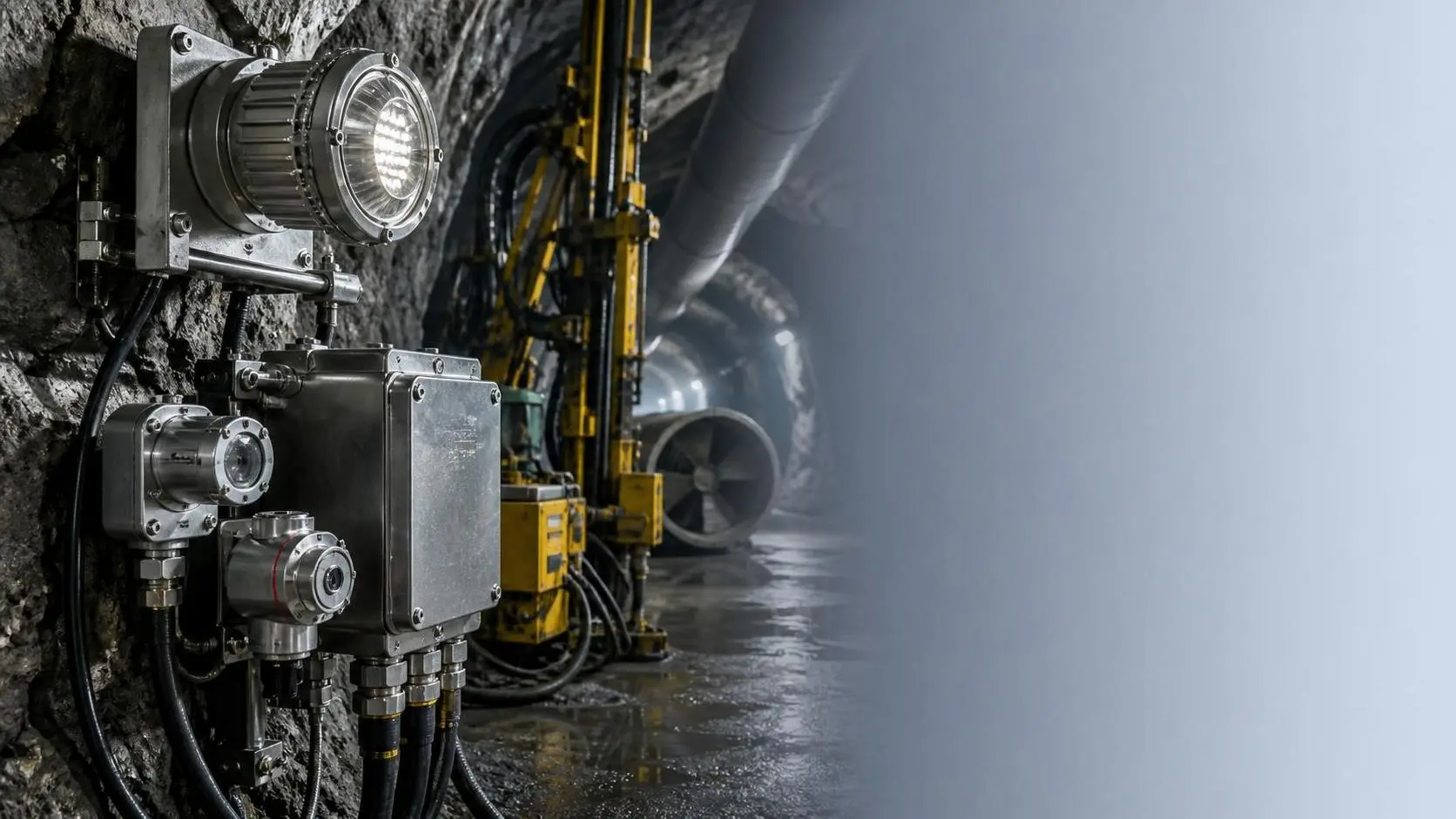
Flameproof Underground Safety Equipment: What Mine Teams Should Check Before Buying
Underground Safety Equipment flameproof buying guide: learn how mine teams should verify certification, durability, serviceability, and supplier support before purchase.
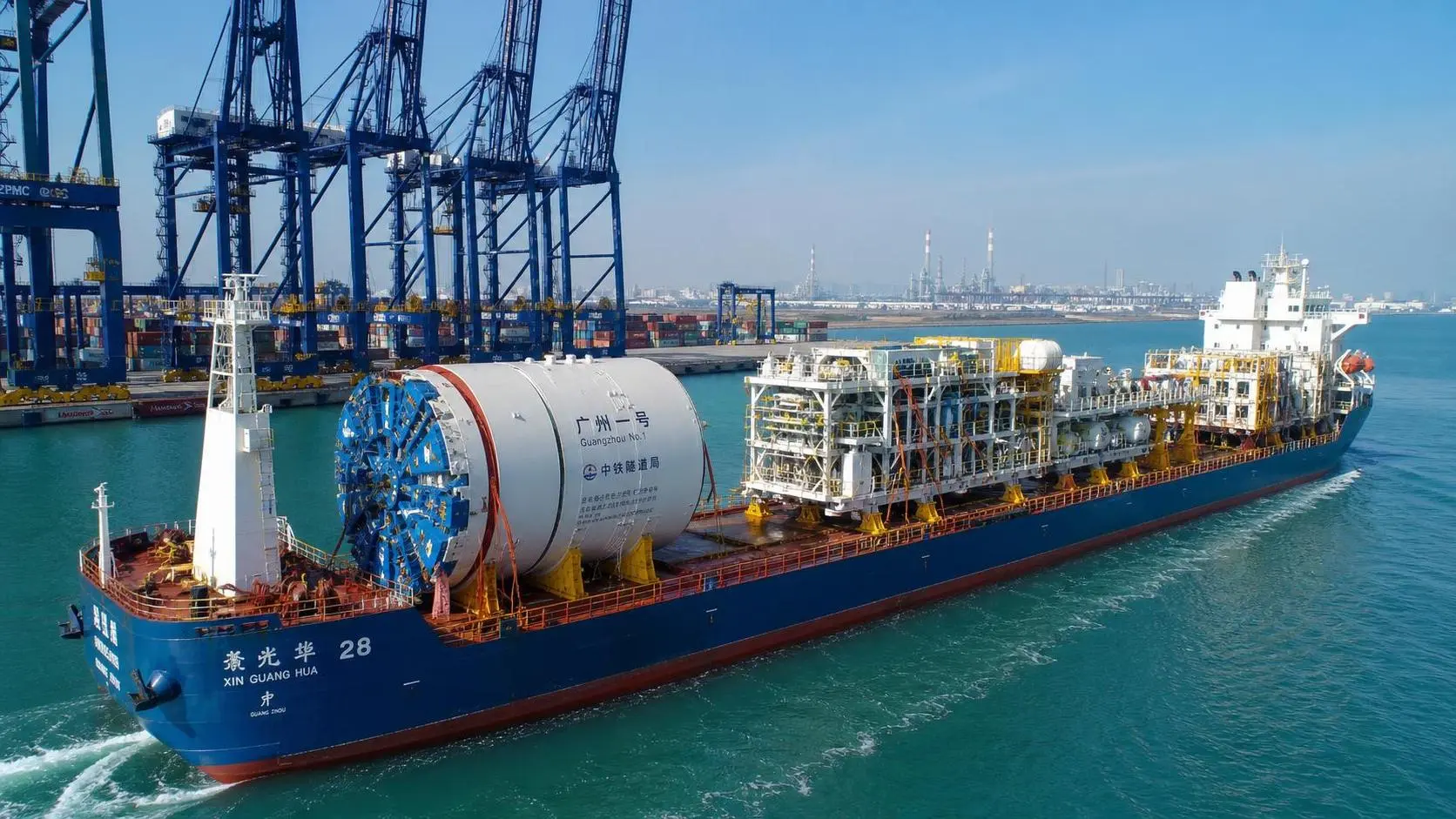
China-UAE Direct Sea Route Cuts TBM and Large Tunneling Equipment Lead Times
China-UAE direct sea route shortens TBM and large tunneling equipment lead times by 12–15 days, improving delivery predictability for major infrastructure projects. Read the full impact.
What Is a TBM Guidance System Gyroscope, and Why Does It Matter Underground?
TBM Guidance Systems gyroscope improves underground accuracy, reduces drift, and helps tunnel boring machines stay on line in harsh conditions.
China to Roll Out Nationwide Local and Foreign Currency Cash Pools for Multinationals on Sept. 14
China will roll out nationwide local and foreign currency cash pools for multinationals on Sept. 14, streamlining cross-border treasury management and boosting liquidity efficiency.
Related News
- 00
0000-00
How to Evaluate Articulated Dump Trucks Payload for Haul Road Conditions and Cycle Efficiency - 00
0000-00
How Pipe Fittings Material and Pressure Class Affect Water Line Selection - 00
0000-00
What Drives TBM Excavation Cost in Urban Tunneling Projects? - 00
0000-00
What Does Energy Metals Mining in Australia Mean for Supply, Cost, and Project Risk? - 00
0000-00
EU Eases Dual CE and UKCA Path for Chinese Tunnel Boring Equipment
Weekly Insights
Stay ahead with our curated technology reports delivered every Monday.