
South Korea Extends Fuel Tax Cut to July 31, 2026





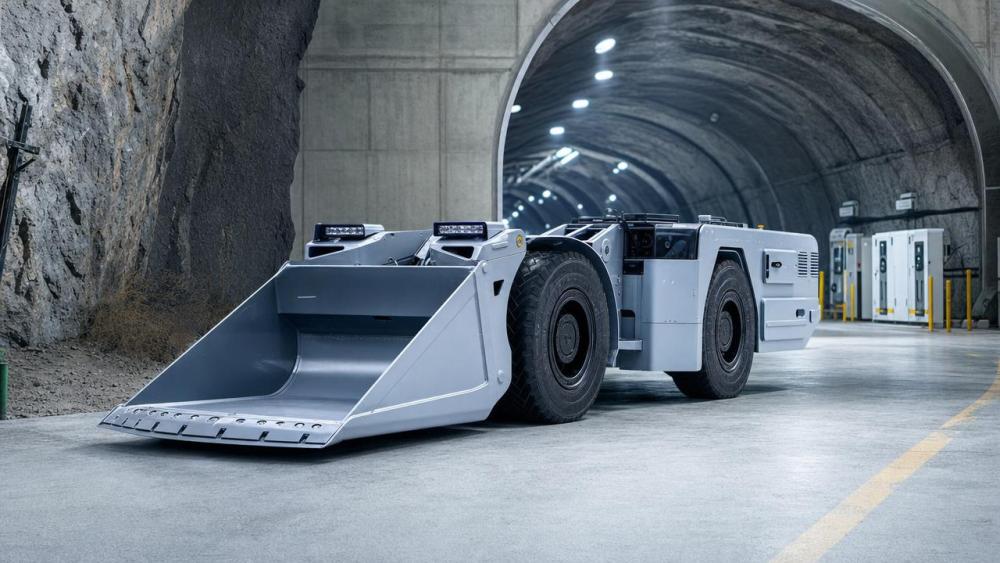
On May 21, 2026, the South Korean government announced a two-month extension of its fuel tax reduction policy, now effective through July 31, 2026. This measure aims to alleviate operational cost pressures on logistics and mining enterprises—and indirectly supports increased budget flexibility for zero-emission mining equipment procurement. Exporters of Chinese-made battery-electric LHDs (Load-Haul-Dump vehicles) and EV mining trucks should monitor implications for pricing competitiveness, import cost sensitivity, and local service readiness in the Korean market.
Event Overview
On May 21, 2026, the South Korean government confirmed the extension of its fuel tax exemption or reduction policy by two months, maintaining it until July 31, 2026. The stated objective is to ease cost burdens on logistics and mining companies. No further details—such as revised tax rates, eligibility criteria, or administrative implementation timelines—have been publicly released as of the announcement date.
Industries Affected
Direct Exporters (EV Mining Truck & Battery LHD Manufacturers)
Chinese manufacturers exporting battery-electric underground mining vehicles—including LHDs and off-highway mining trucks—to South Korea face reduced indirect cost pressure on end buyers. With fuel tax relief lowering operating costs for Korean mine operators, capital allocation toward higher-upfront-cost zero-emission equipment may become comparatively more feasible. This does not alter tariff rates but may widen the acceptable price band for imported Chinese EV mining equipment.
Supply Chain Service Providers (Local After-Sales & Maintenance Partners)
Service providers supporting Chinese OEMs in South Korea—including those offering localized maintenance, parts warehousing, or technical training—are likely to see elevated demand signals. As Korean miners (e.g., POSCO Holdings, Korea Zinc) advance underground electrification projects, reliability of post-sale support becomes a stronger differentiator. The fuel tax extension reinforces near-term stability in mine CAPEX planning, potentially accelerating tender timelines for electric fleet upgrades.
Trade Finance & Settlement Service Providers
Financial intermediaries facilitating cross-border transactions—including those enabling KRW-denominated invoicing, currency hedging, or letter-of-credit processing—may observe increased interest from Chinese exporters seeking to align pricing and payment terms with Korean buyers’ budget cycles. The extended tax relief window provides a defined timeframe (through July 31, 2026) within which commercial terms can be negotiated with greater predictability.
What Enterprises Should Monitor and Act On
Track official implementation guidance and sector-specific eligibility updates
The current announcement confirms only the extension period—not whether the fuel tax relief applies uniformly across all fuel types, vehicle classes, or industrial users. Exporters and service partners should monitor bulletins from Korea’s Ministry of Economy and Finance and the National Tax Service for clarifications affecting mining fleets or energy-intensive operations.
Assess pricing and service packaging for KRW-based contracts
Given the stated aim of easing operator cost pressure, Korean mining firms may prioritize total cost of ownership (TCO) over upfront price. Chinese exporters could refine quotations to include bundled KRW-denominated service packages—e.g., multi-year maintenance agreements or battery health monitoring—rather than standalone hardware pricing.
Distinguish between policy signal and procurement acceleration
The fuel tax extension is a macroeconomic cost-relief measure—not a direct subsidy for EV adoption. While it improves budget elasticity, actual procurement decisions remain subject to mine-specific feasibility studies, charging infrastructure readiness, and OEM performance track records. Exporters should avoid assuming automatic demand uplift without validating project timelines with end users like POSCO or Korea Zinc.
Prepare localized technical documentation and spare parts inventory plans
With underground electrification programs already underway at major Korean miners, responsiveness in after-sales capacity matters. Exporters should verify whether existing Korean service partners hold certified technicians, maintain critical spare parts (e.g., traction motor controllers, battery module replacements), and can issue bilingual (Korean/English) operation manuals aligned with local safety regulations.
Editorial Perspective / Industry Observation
Observably, this extension functions primarily as a short-term fiscal buffer—not a structural shift in Korea’s energy or mining policy framework. Analysis shows it lowers the opportunity cost of deferring diesel fleet renewal, thereby modestly improving the relative attractiveness of battery-electric alternatives during a defined six-week window beyond the original expiry. From an industry perspective, it is better understood as a timing enabler than a demand catalyst: it sustains existing momentum in mine electrification planning but does not initiate new programs. Continued attention is warranted because any further extension—or linkage to dedicated EV incentive schemes—would meaningfully recalibrate procurement risk profiles for foreign suppliers.
South Korea’s fuel tax policy extension signals cautious fiscal support for energy-intensive sectors amid broader decarbonization goals—but its direct impact on Chinese EV mining equipment exports remains conditional on execution at the enterprise level. It does not guarantee faster orders or lower tariffs; rather, it creates a marginally more receptive environment for commercial discussions around TCO, service integration, and local compliance. For stakeholders, the event is best interpreted as a tactical alignment window—not a strategic inflection point.
Source: Official announcement by the Government of the Republic of Korea, May 21, 2026. No additional regulatory documents or implementation guidelines have been published as of the announcement date. Ongoing monitoring of Korea’s Ministry of Economy and Finance and Korea Customs Service advisories is recommended.
Related News
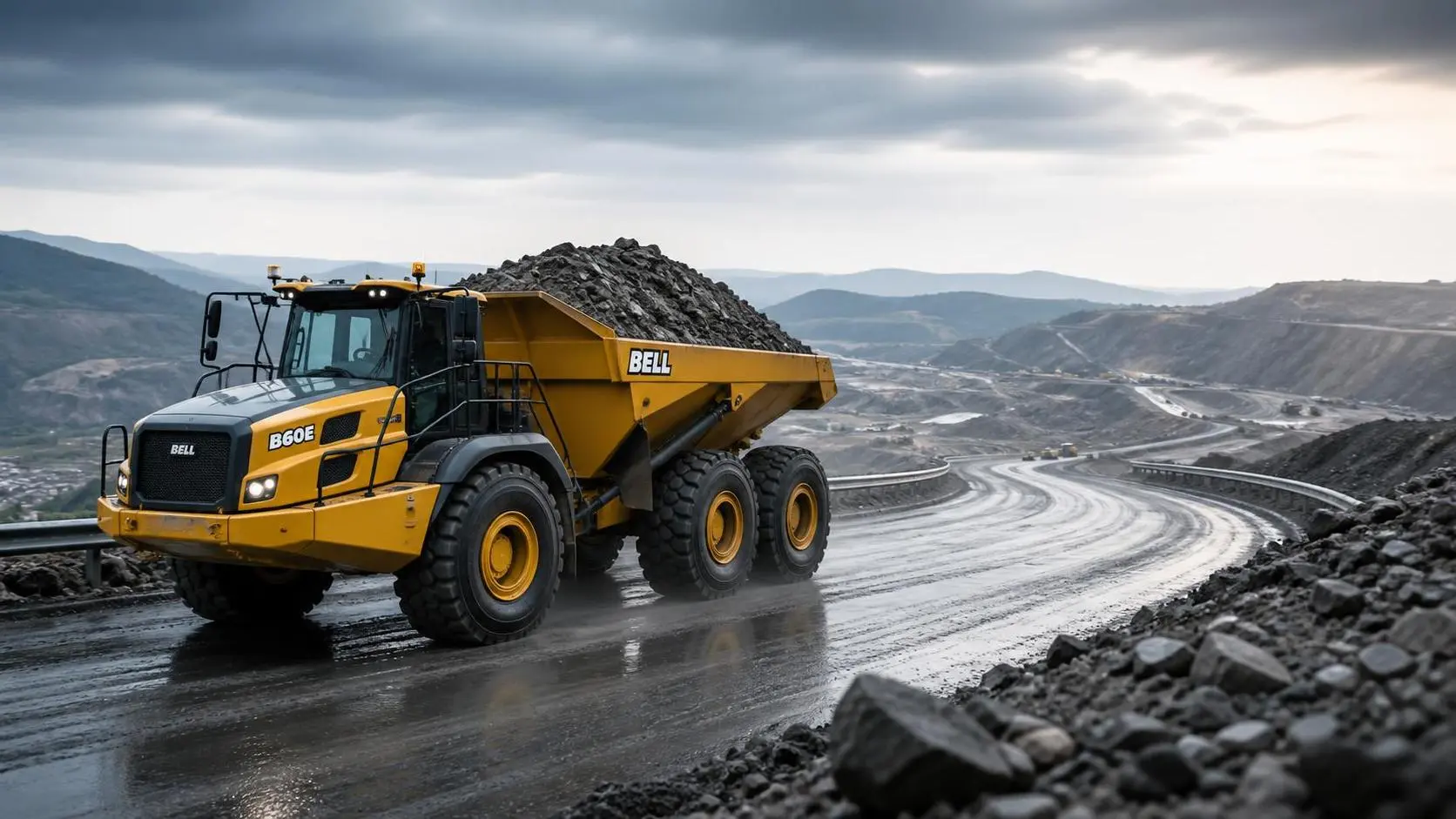
How to Evaluate Articulated Dump Trucks Payload for Haul Road Conditions and Cycle Efficiency
Articulated Dump Trucks payload evaluation starts with real haul road conditions, not brochure numbers. Learn how to balance payload, traction, grades, and cycle efficiency for safer, higher output.
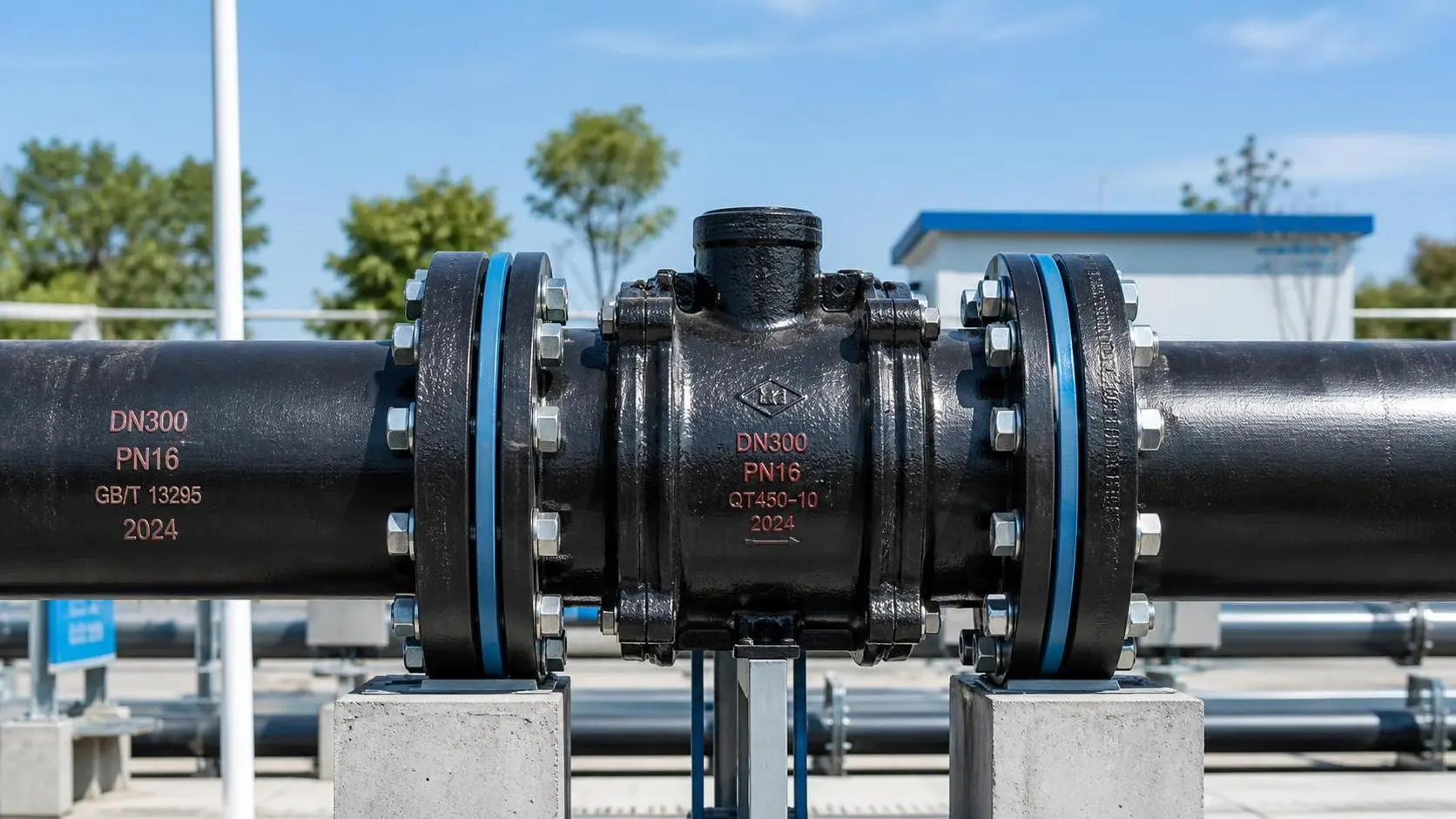
How Pipe Fittings Material and Pressure Class Affect Water Line Selection
Pipe fittings selection starts with material and pressure class. Learn how these factors affect water line reliability, corrosion resistance, installation, and long-term cost.
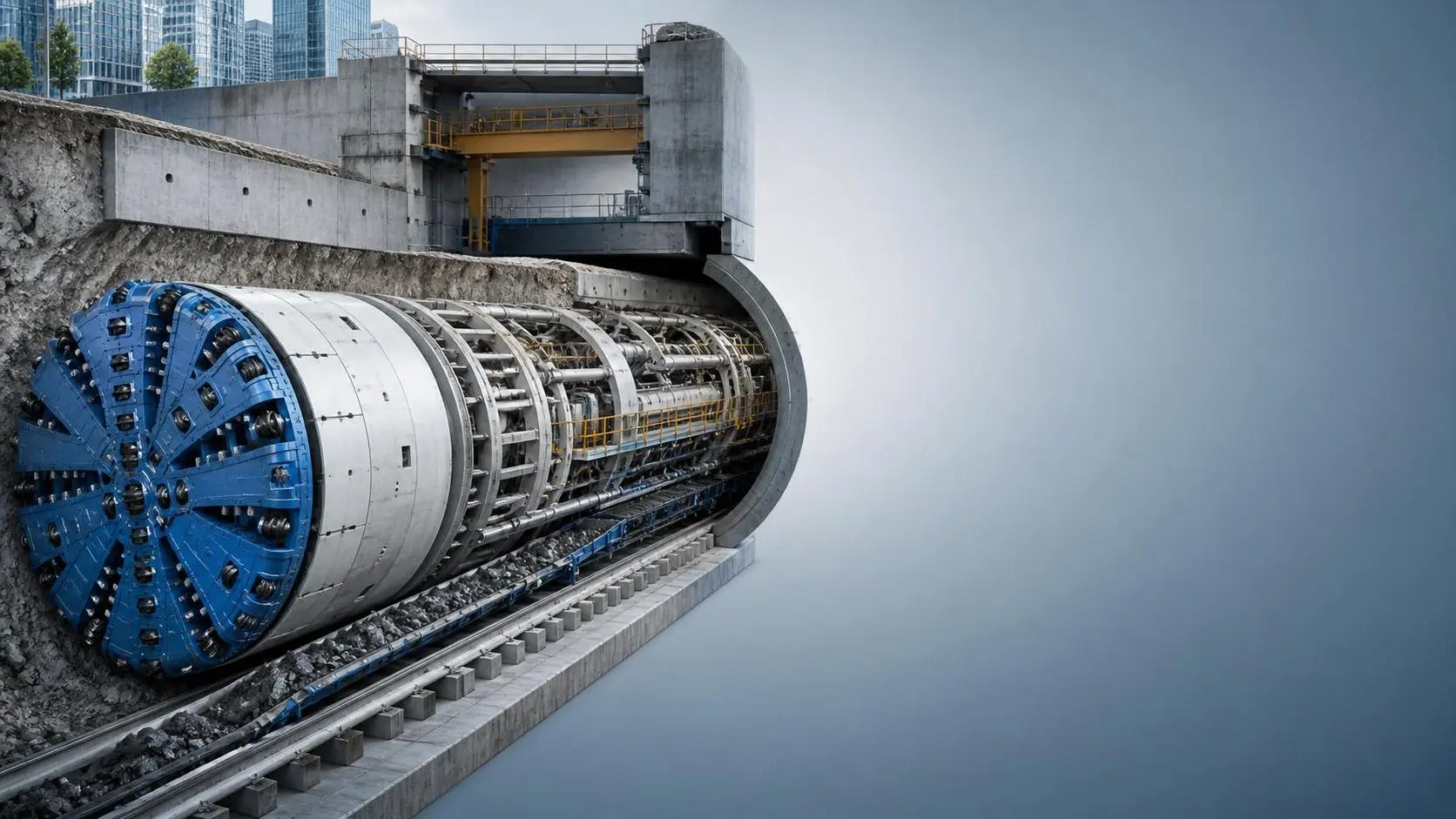
What Drives TBM Excavation Cost in Urban Tunneling Projects?
tbm excavation cost in urban tunneling depends on geology, shafts, segment lining, logistics, and risk. Discover the key cost drivers and compare bids with greater confidence.
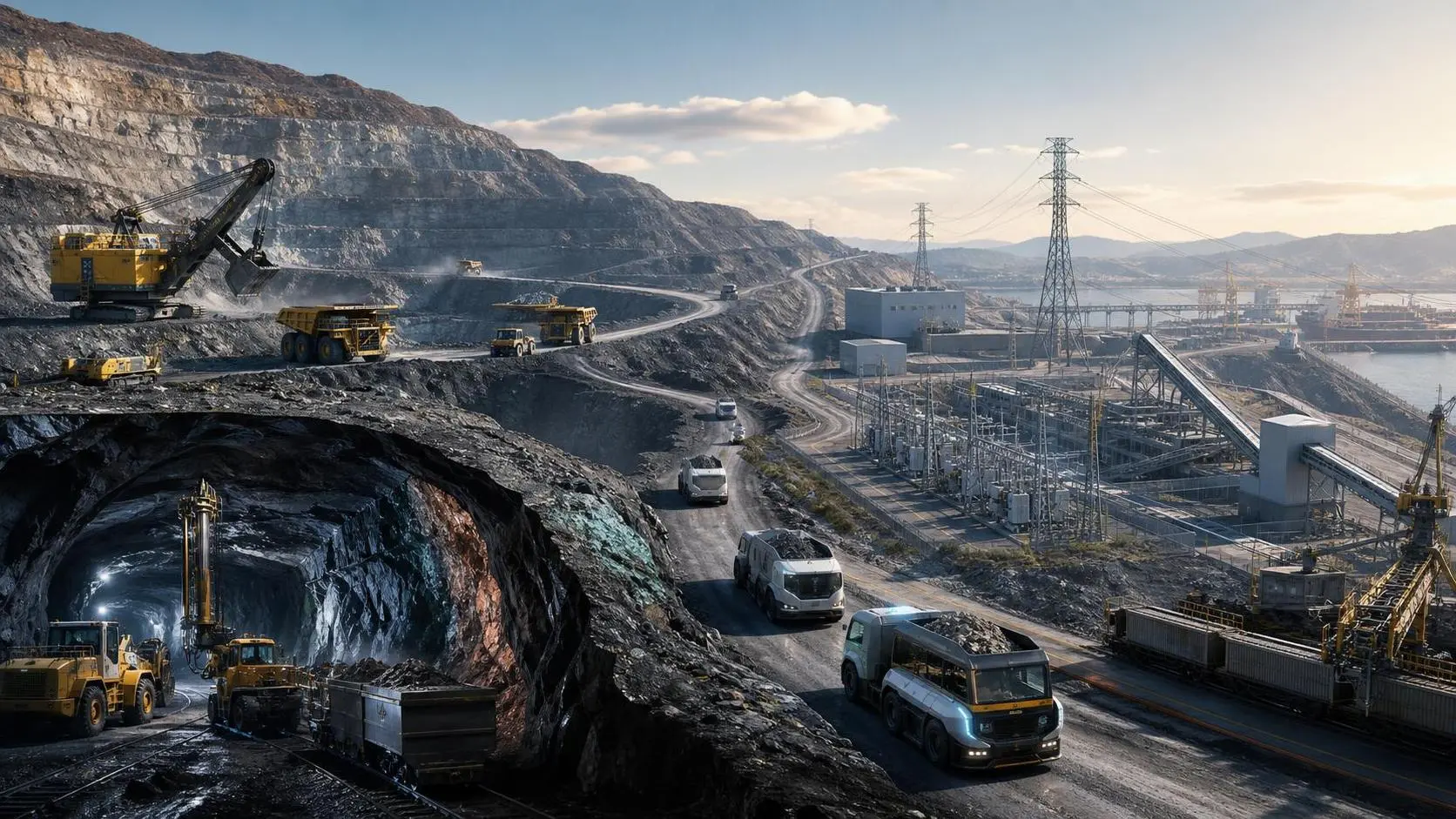
What Does Energy Metals Mining in Australia Mean for Supply, Cost, and Project Risk?
Energy metals mining Australia is reshaping supply, cost, and project risk. Discover what it means for buyers, investors, and operators.
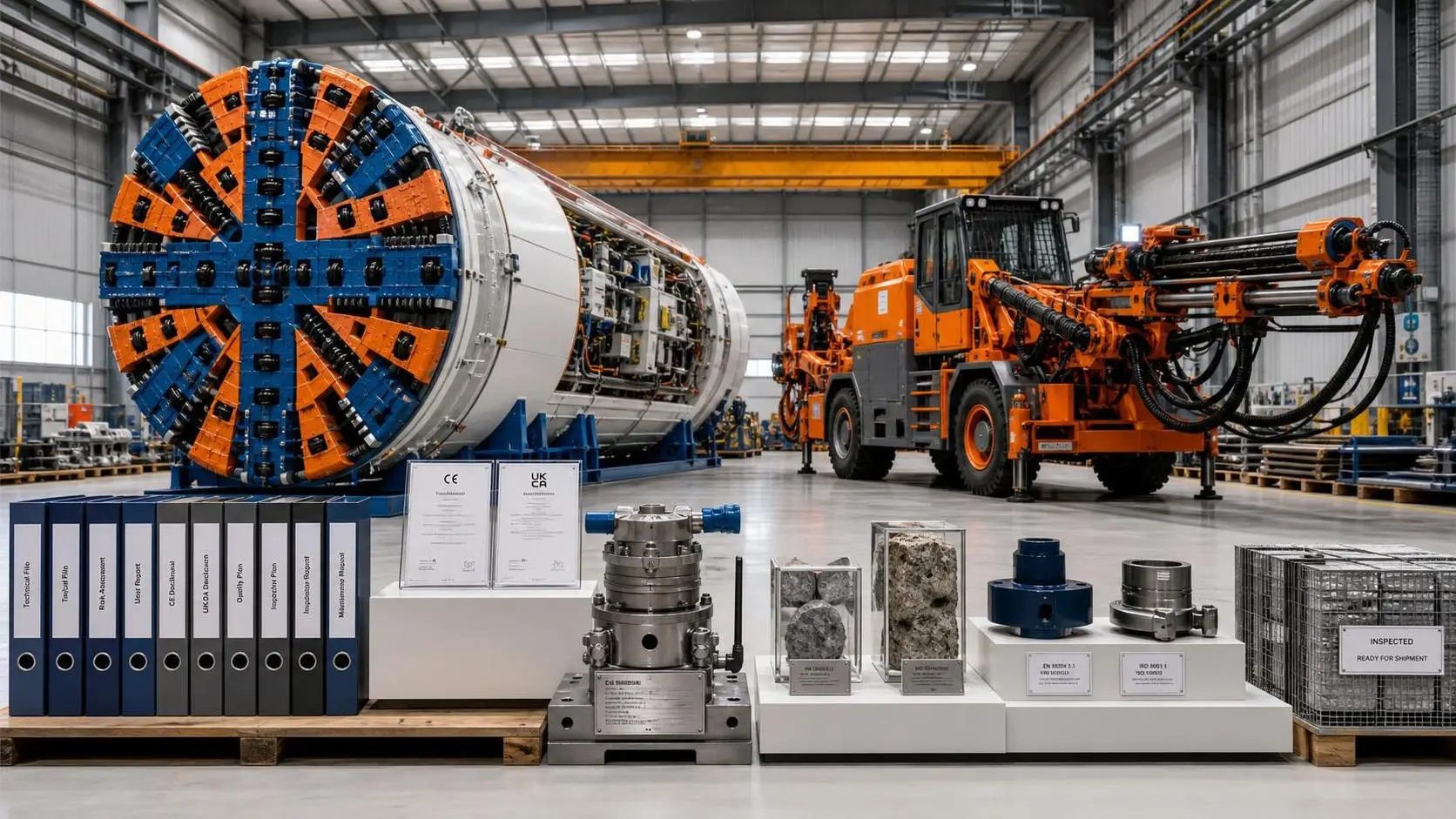
EU Eases Dual CE and UKCA Path for Chinese Tunnel Boring Equipment
EU eases CE and UKCA certification for Chinese tunnel boring equipment, cutting compliance time and helping importers move faster.
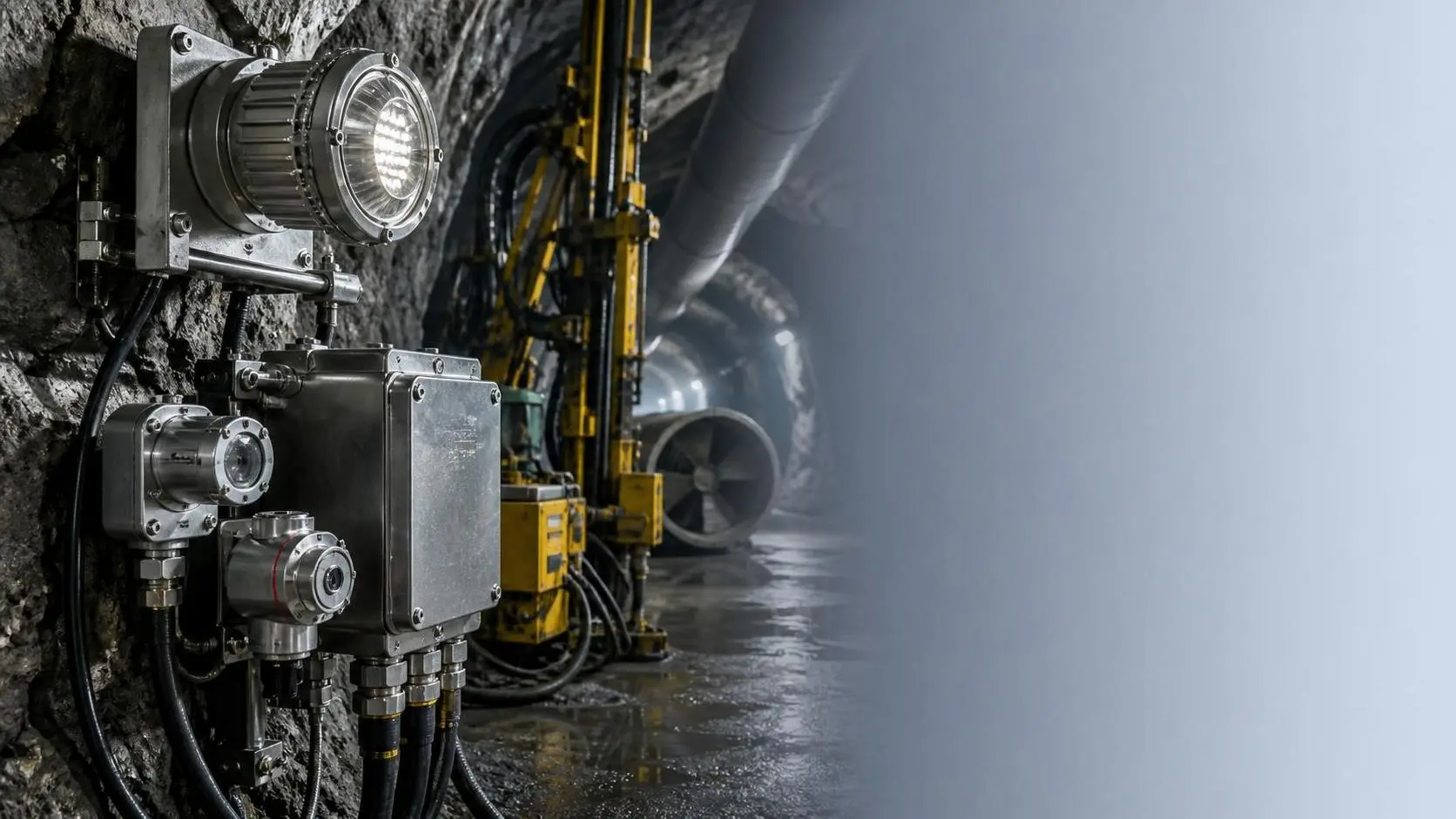
Flameproof Underground Safety Equipment: What Mine Teams Should Check Before Buying
Underground Safety Equipment flameproof buying guide: learn how mine teams should verify certification, durability, serviceability, and supplier support before purchase.
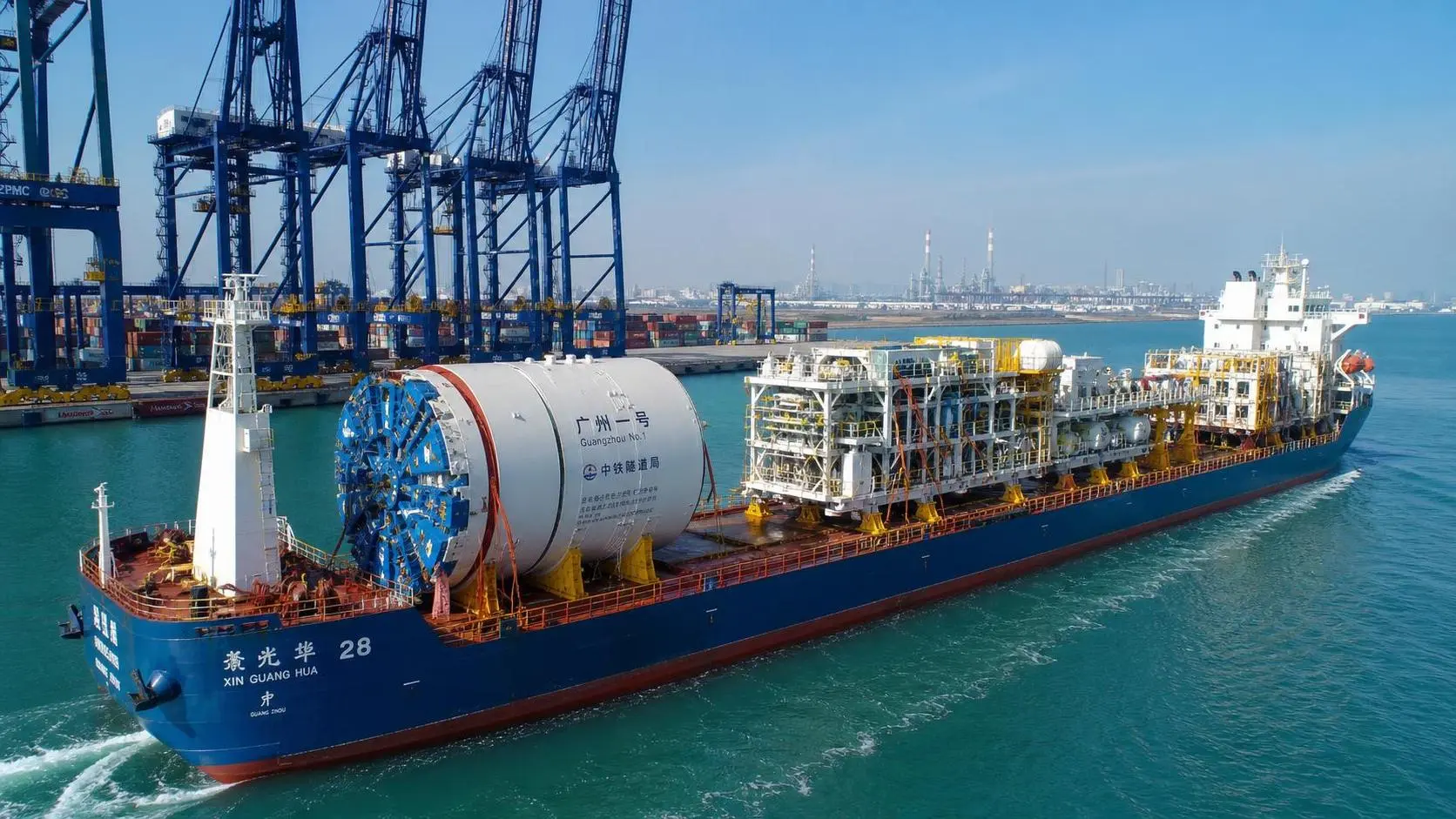
China-UAE Direct Sea Route Cuts TBM and Large Tunneling Equipment Lead Times
China-UAE direct sea route shortens TBM and large tunneling equipment lead times by 12–15 days, improving delivery predictability for major infrastructure projects. Read the full impact.
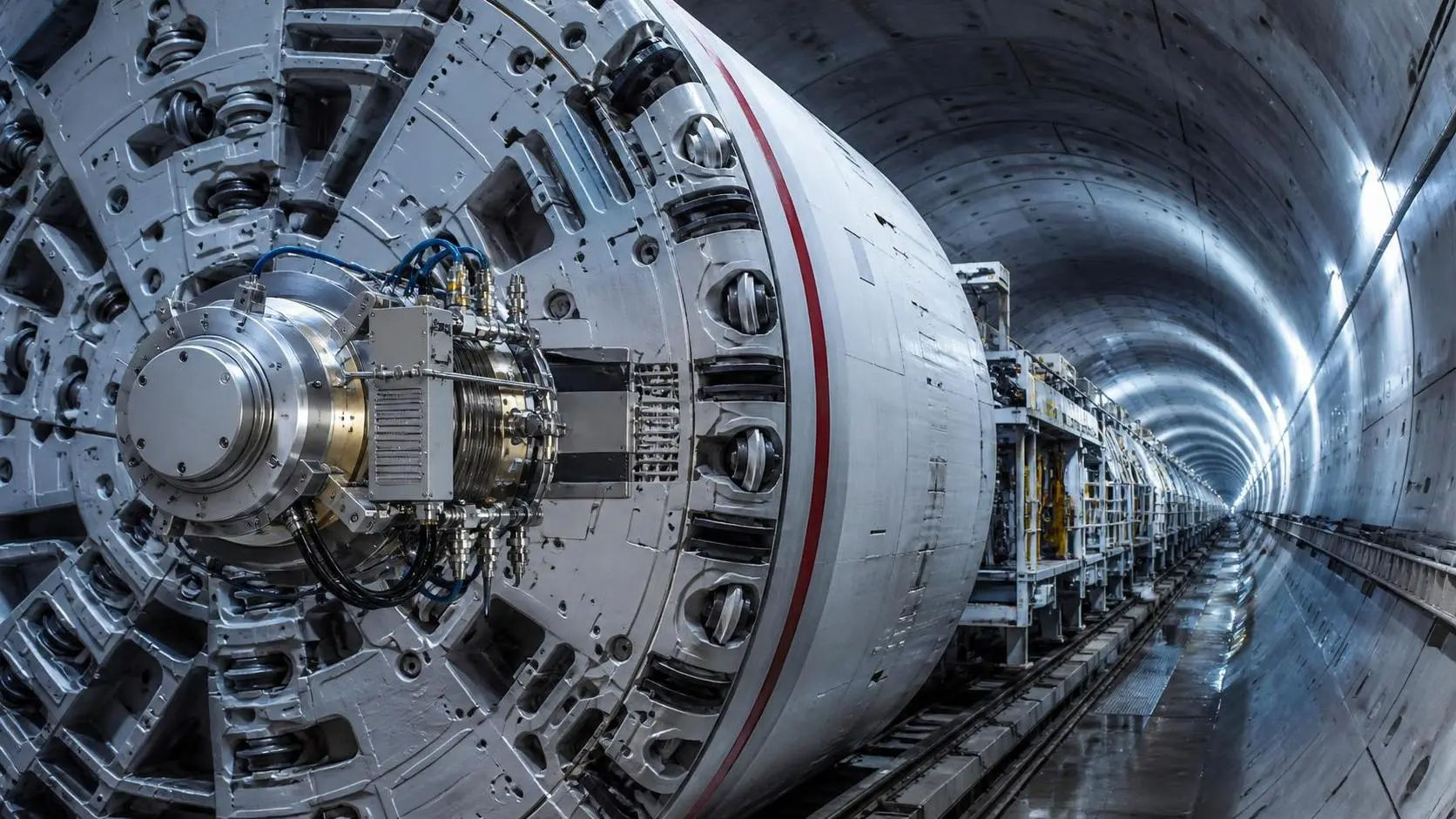
What Is a TBM Guidance System Gyroscope, and Why Does It Matter Underground?
TBM Guidance Systems gyroscope improves underground accuracy, reduces drift, and helps tunnel boring machines stay on line in harsh conditions.
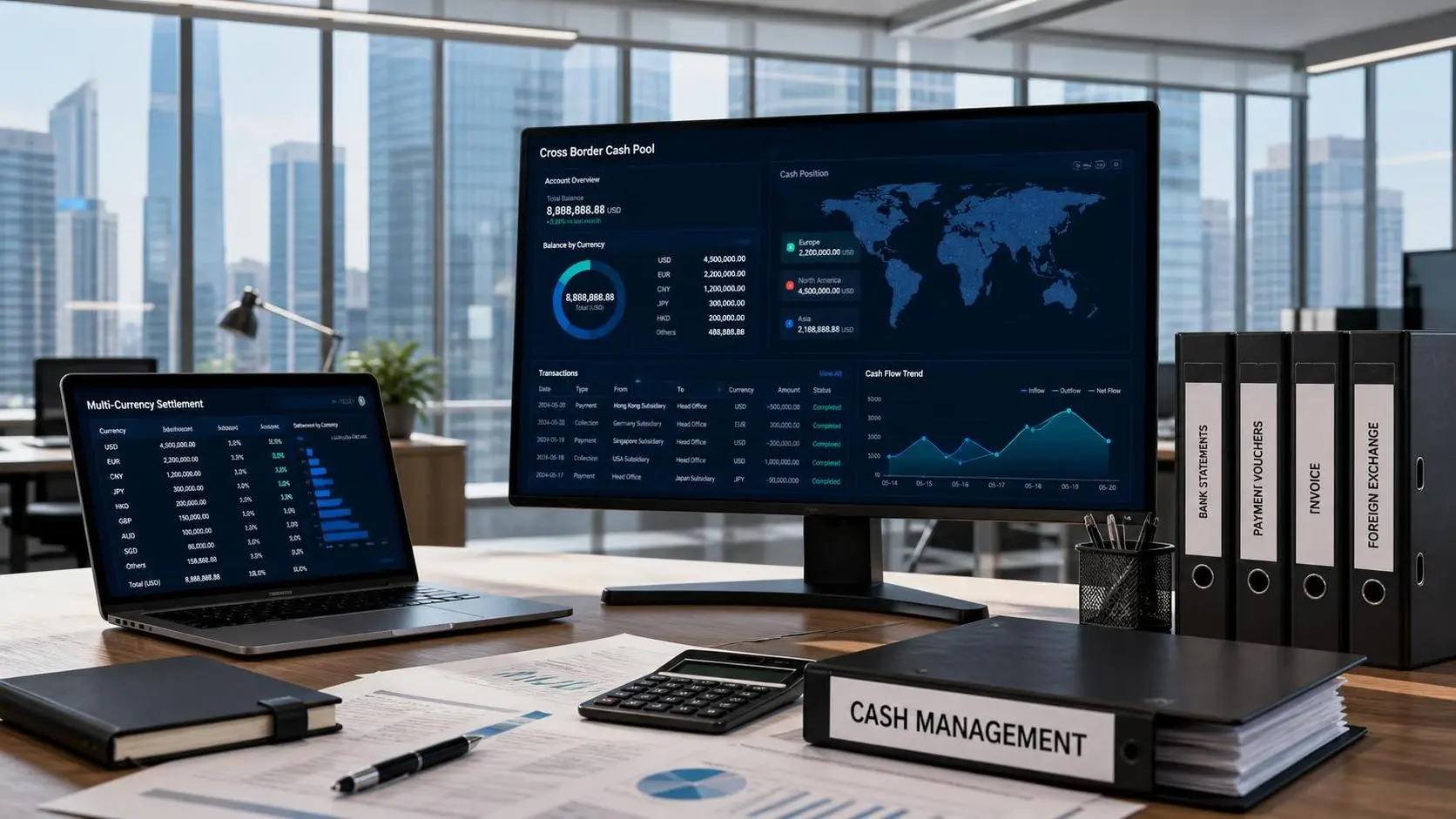
China to Roll Out Nationwide Local and Foreign Currency Cash Pools for Multinationals on Sept. 14
China will roll out nationwide local and foreign currency cash pools for multinationals on Sept. 14, streamlining cross-border treasury management and boosting liquidity efficiency.
Related News
- 00
0000-00
How to Evaluate Articulated Dump Trucks Payload for Haul Road Conditions and Cycle Efficiency - 00
0000-00
How Pipe Fittings Material and Pressure Class Affect Water Line Selection - 00
0000-00
What Drives TBM Excavation Cost in Urban Tunneling Projects? - 00
0000-00
What Does Energy Metals Mining in Australia Mean for Supply, Cost, and Project Risk? - 00
0000-00
EU Eases Dual CE and UKCA Path for Chinese Tunnel Boring Equipment
Weekly Insights
Stay ahead with our curated technology reports delivered every Monday.