
Autonomous Haulage Systems vs Manned Fleets: What to Compare Before a Mine Deployment





Why does the AHS versus manned fleet choice deserve a deeper review?
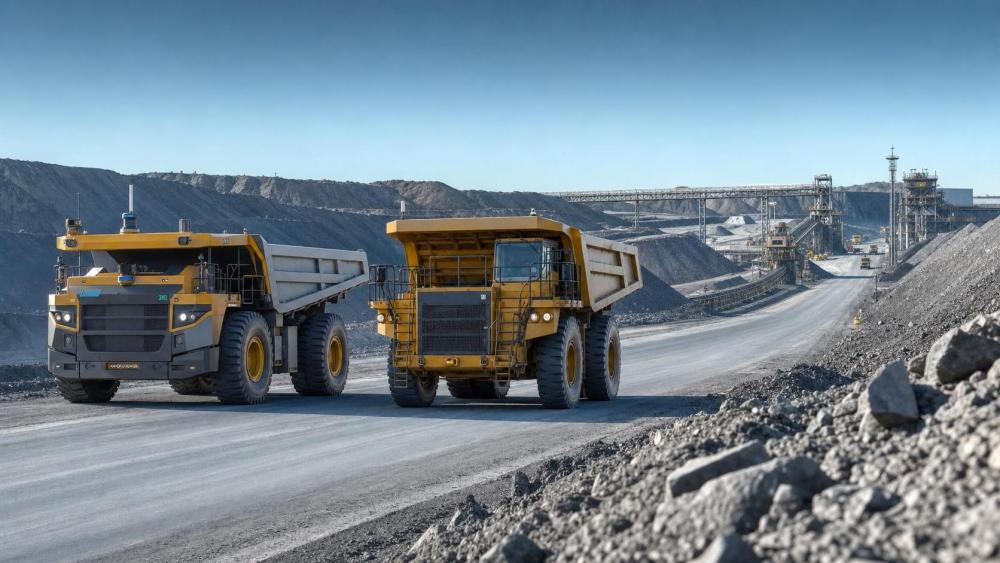
Autonomous Haulage Systems are no longer a future concept reserved for flagship mines.
They now sit in real deployment discussions across open-pit operations, underground transport networks, and expansion-stage projects.
That is why a simple truck price comparison rarely leads to a sound decision.
In practice, the better question is broader: which haulage model fits the mine’s geometry, safety exposure, ventilation constraints, and digital maturity?
For UTMD, this comparison matters because haulage does not operate in isolation.
It links drilling cycles, loading rhythm, tunnel access, energy systems, and the wider push toward electrified, data-driven underground operations.
A mine evaluating Autonomous Haulage Systems should therefore test operational fit before testing vendor claims.
That approach usually reduces deployment risk more effectively than chasing headline productivity figures.
When do Autonomous Haulage Systems make more sense than a manned fleet?
The answer depends less on ideology and more on route stability.
Autonomous Haulage Systems tend to perform best where haul roads, dumping points, and loading interfaces are predictable.
That often favors large open-pit mines and well-structured underground haul loops.
Manned fleets remain stronger where the operating face changes quickly or where ground conditions introduce frequent exceptions.
A narrow heading under development, for example, may still require human judgment and flexible maneuvering.
By contrast, repeated point-to-point transport is where Autonomous Haulage Systems usually show their strongest value.
Common indicators that favor autonomy include:
- Consistent haul distances and limited route variation.
- High exposure to fatigue, dust, or collision-prone traffic zones.
- Ventilation costs that rise sharply with diesel equipment and operator presence.
- A mine plan that supports years of repeatable traffic patterns.
- Existing dispatch, positioning, and network infrastructure.
Where those conditions are weak, a fully manned fleet may remain the more practical choice.
More commonly, the near-term answer is hybrid deployment rather than full replacement.
What should be compared first: safety, productivity, or ventilation impact?
Safety usually comes first, but not in a generic way.
The useful question is whether Autonomous Haulage Systems remove people from the mine’s highest-risk interactions.
That includes blind intersections, long downhill braking zones, loading bays, and shift-change congestion.
If autonomy only reduces driver count without changing exposure hotspots, the benefit may be overstated.
Productivity should be checked next, but through cycle stability rather than peak speed.
Autonomous Haulage Systems often improve consistency, queue discipline, and route adherence.
Those gains can matter more than occasional fast cycles from highly skilled operators.
Ventilation impact becomes critical in underground mines and deep declines.
When autonomy is paired with battery-electric trucks or zero-exhaust LHD support, the savings can extend beyond fuel.
The mine may reduce airflow demand, cooling load, and re-entry delays after blasting.
That wider systems effect is often missed in early business cases.
A practical screening table helps anchor the first comparison:
How important are site infrastructure and data integration before deployment?
They are often the real gatekeepers.
A mine can purchase capable trucks and still fail to realize value if the digital environment is immature.
Autonomous Haulage Systems rely on positioning, communications, fleet management logic, and disciplined route control.
In underground settings, that requirement becomes even sharper.
Signal loss, tunnel curvature, poor line-of-sight, and changing headings can all affect autonomy performance.
UTMD’s coverage of SLAM-driven underground mobility reflects this shift.
The issue is no longer only mechanical reliability; it is navigation reliability under harsh geologic and operational conditions.
Before deployment, it helps to confirm five integration questions:
- Can the system maintain accurate localization across the full route?
- Does dispatch software communicate cleanly with loading and dumping assets?
- How will geofencing, emergency stops, and mixed-traffic rules be governed?
- Is the maintenance team prepared for sensors, networks, and control hardware?
- Can operational data feed planning, utilization, and energy analysis?
If those answers are partial, the deployment should be staged.
A controlled zone, fixed route, or dedicated shift often provides a better starting point than site-wide automation.
Is the cost comparison really about labor savings?
Not usually.
Labor is visible, so it dominates early discussions, but the stronger business case often comes from system economics.
Autonomous Haulage Systems may improve tire life, reduce collision damage, stabilize energy use, and lift hours available for productive movement.
They can also reduce variability between shifts, which matters in long-term mine planning.
At the same time, autonomy adds new costs.
These include network infrastructure, software licensing, sensor upkeep, commissioning delays, and change-management effort.
Where electrification is part of the roadmap, the comparison becomes more interesting.
AHS combined with electric mining trucks or battery-swapping underground loaders can affect energy recovery, ventilation demand, and maintenance profiles.
That is consistent with the wider ESG-driven replacement cycle UTMD tracks across heavy underground equipment.
A sound evaluation model should include:
- Capital cost for vehicles, sensors, and control systems.
- Site infrastructure cost for communications and positioning.
- Ventilation and energy savings where relevant.
- Expected uptime change, including planned and unplanned stoppages.
- Training, commissioning, and mixed-fleet transition cost.
This is why the cheapest purchase path can still become the more expensive operating model.
What deployment risks are most often underestimated?
The first is assuming autonomy will fix an unstable operation.
If loading delays, poor road conditions, or weak dispatch discipline already exist, Autonomous Haulage Systems may expose those problems rather than solve them.
The second is underestimating mixed-traffic complexity.
Human-driven service vehicles, water trucks, and support equipment often create the hardest edge cases.
The third is overlooking scalability.
A pilot that works on one route may not translate easily to expanding pits, deeper levels, or new decline access.
Another common mistake is treating vendor autonomy capability as equal across vehicle classes.
Performance can differ sharply between dump trucks, underground LHDs, and support machines.
That matters in integrated mines where haulage interacts with jumbos, crushers, ore passes, or TBM logistics corridors.
A more reliable deployment sequence is to define the operating envelope first, then test autonomy inside it.
That means setting clear limits for route type, grade, traffic interaction, weather or water conditions, and recovery procedures.
So how should the final decision be framed before mine deployment?
A useful final question is not whether Autonomous Haulage Systems are better in theory.
It is whether they fit the mine’s next operating decade better than a manned fleet.
If the mine is moving toward electrification, deeper development, and tighter safety controls, autonomy may align strongly with that direction.
If route conditions remain volatile and digital infrastructure is still limited, a staged or hybrid model is often the stronger answer.
The decision becomes clearer when comparison criteria are kept concrete:
- Measure hazard reduction, not only headcount reduction.
- Compare cycle consistency, not just maximum speed.
- Test data and network readiness before scaling scope.
- Model ventilation, energy, and maintenance as linked variables.
- Plan deployment in phases with clear success thresholds.
For teams tracking smart mines through UTMD, the wider lesson is simple.
Haulage decisions now sit at the intersection of mechanics, automation, zero-emission pressure, and underground system design.
The next step is to build a site-specific comparison sheet, validate assumptions with route data, and review whether Autonomous Haulage Systems improve the mine as a whole, not just the truck fleet.
Related News
Tunnel Boring Machine Costs: Budgeting for Purchase, Operation, and Project Risk
Tunnel Boring Machines cost more than purchase price. Learn how to budget lifecycle costs, downtime, logistics, wear, and project risk for smarter TBM decisions.
Open-Pit Haulage Cost Analysis: How Mine Managers Can Cut Cost per Tonne
Open pit haulage cost analysis: discover practical ways to reduce cost per tonne through payload control, cycle-time optimization, road performance, and smarter fleet decisions.
Tunnel Construction Innovations That Reduce Risk and Schedule Delays on Urban Projects
Tunnel construction innovation for urban projects: discover smarter TBMs, real-time monitoring, trenchless methods, and automation that reduce risk and protect schedules.
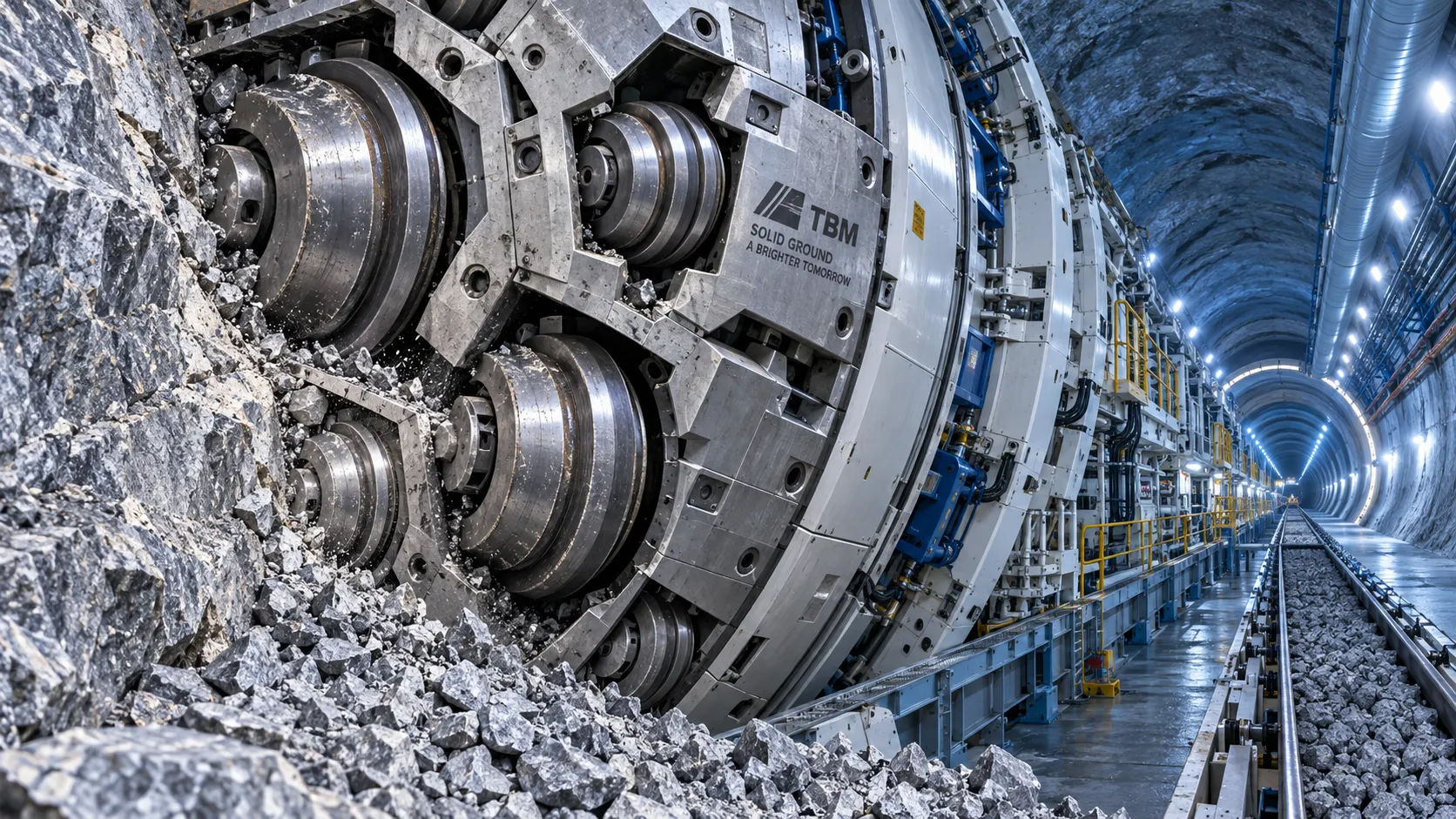
TBM Disc Cutter Design: Key Geometry and Load Factors for Hard Rock Tunnelling
TBM disc cutter design explained: explore geometry, spacing, load distribution and maintenance factors for reliable, efficient hard-rock tunnelling performance.
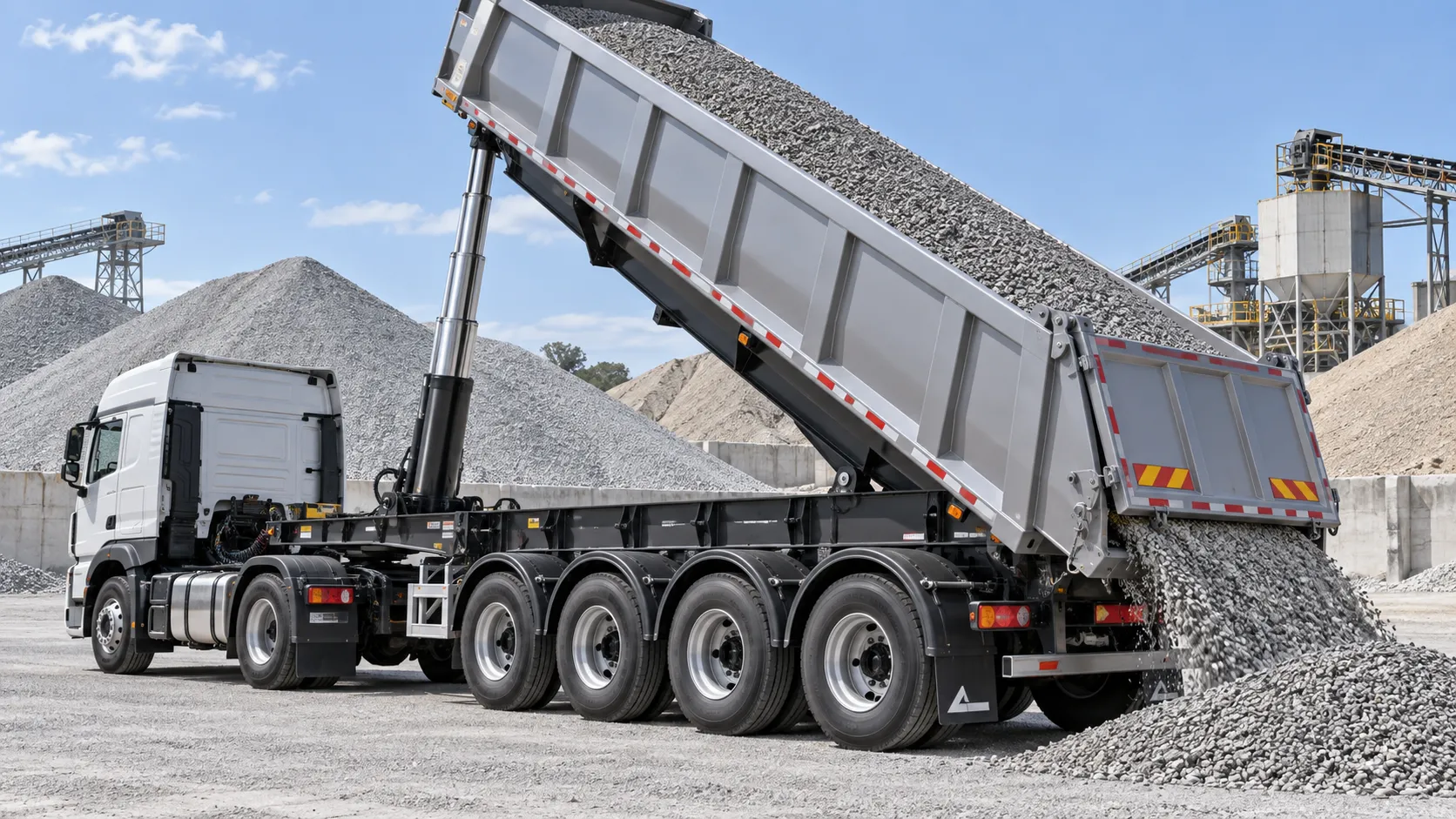
Hydraulic Tipping Stability Risks in Multi-Axle Dump Special Trailers
Dump special trailers: discover key hydraulic tipping stability risks, multi-axle load dynamics, and practical safety controls for safer, smarter bulk hauling.
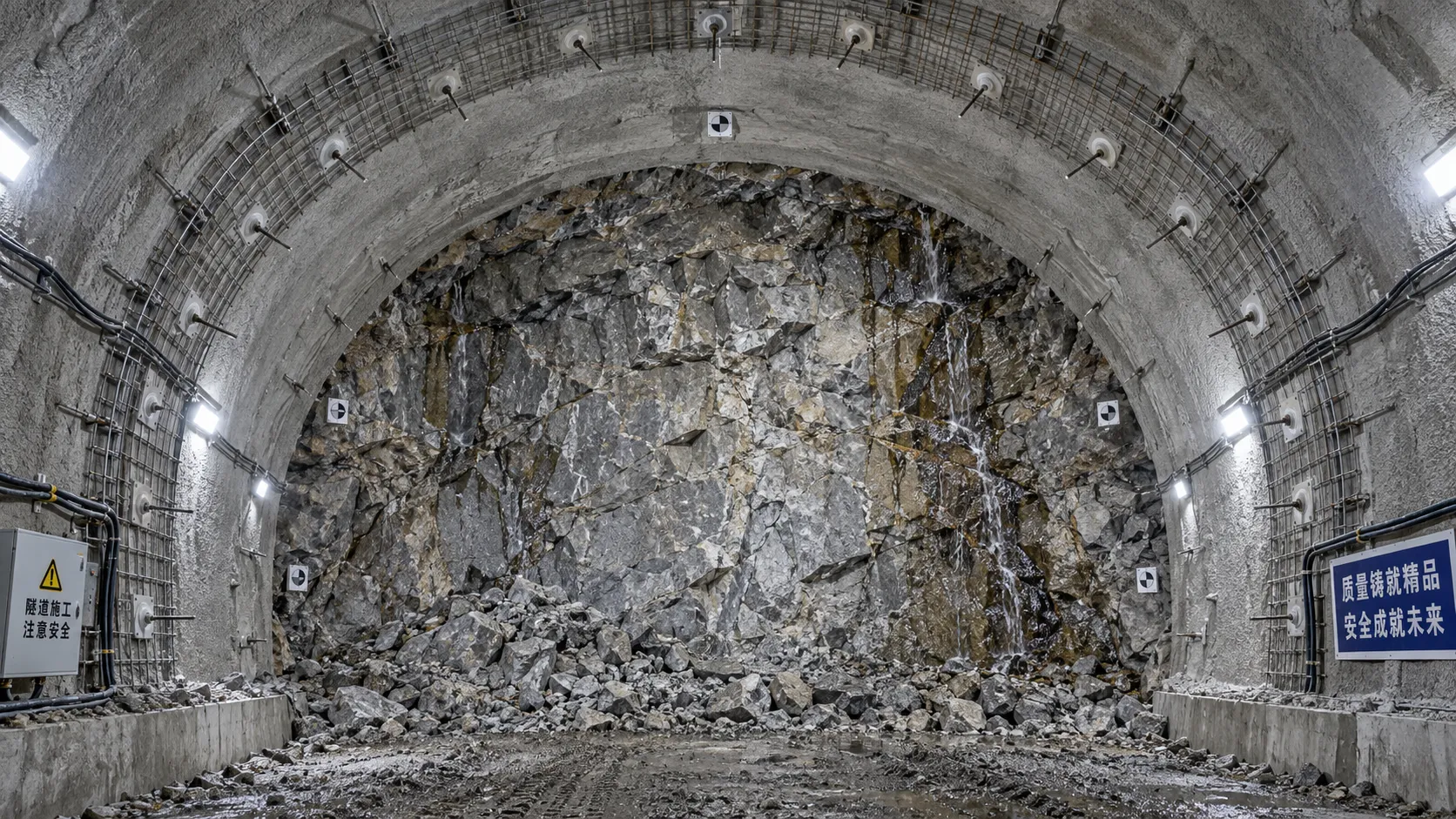
When rock reinforcement in tunnel construction must change after blasting
Rock reinforcement in tunnel construction must change when blasting reveals overbreak, weak joints, water inflow, or deformation. Discover key post-blast support decisions.
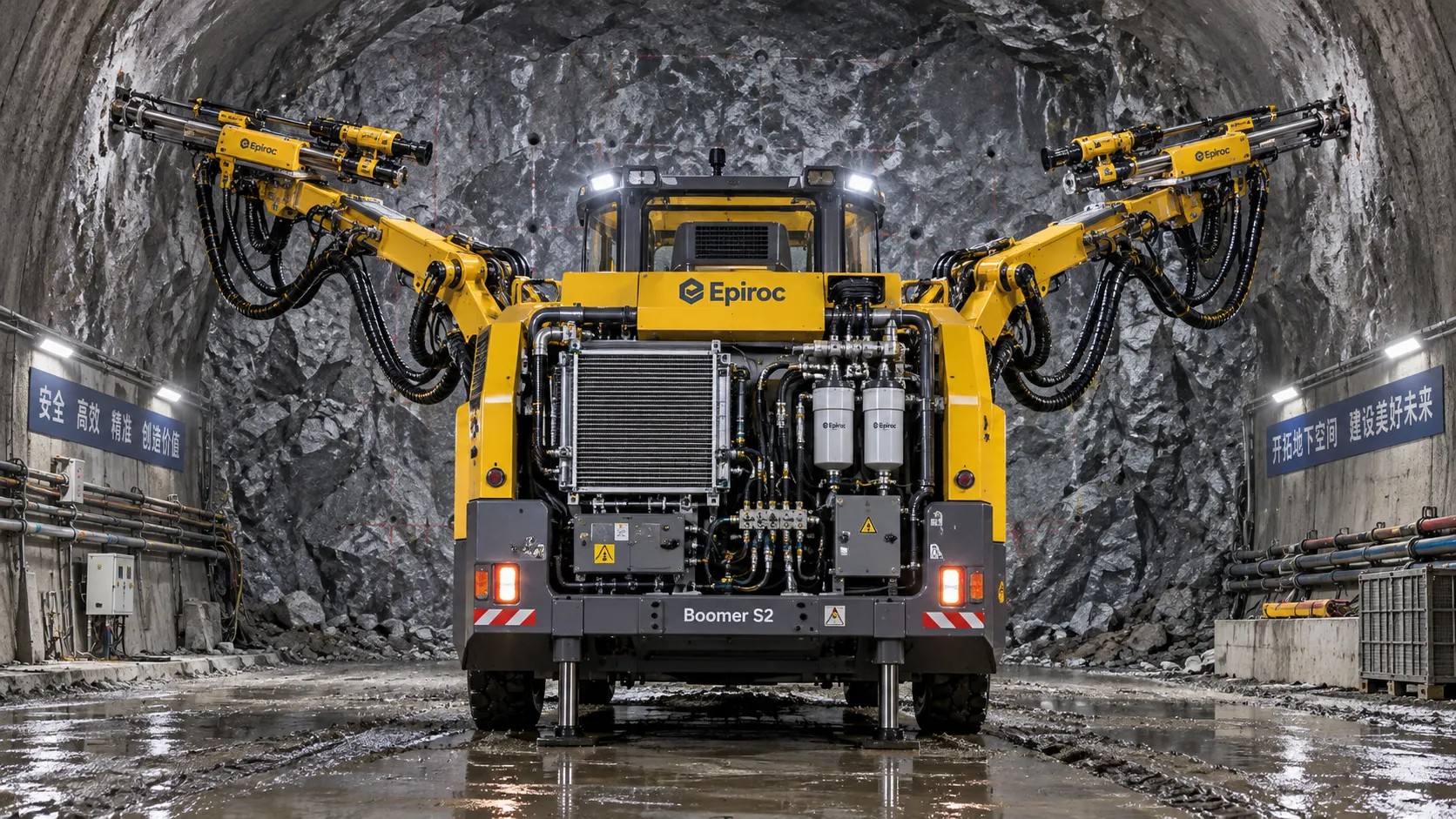
How tunnel hydraulic systems influence drill jumbo uptime underground
Tunnel hydraulic systems directly influence drill jumbo uptime. Explore how stable pressure, clean oil, cooling, and maintainable design reduce underground downtime.
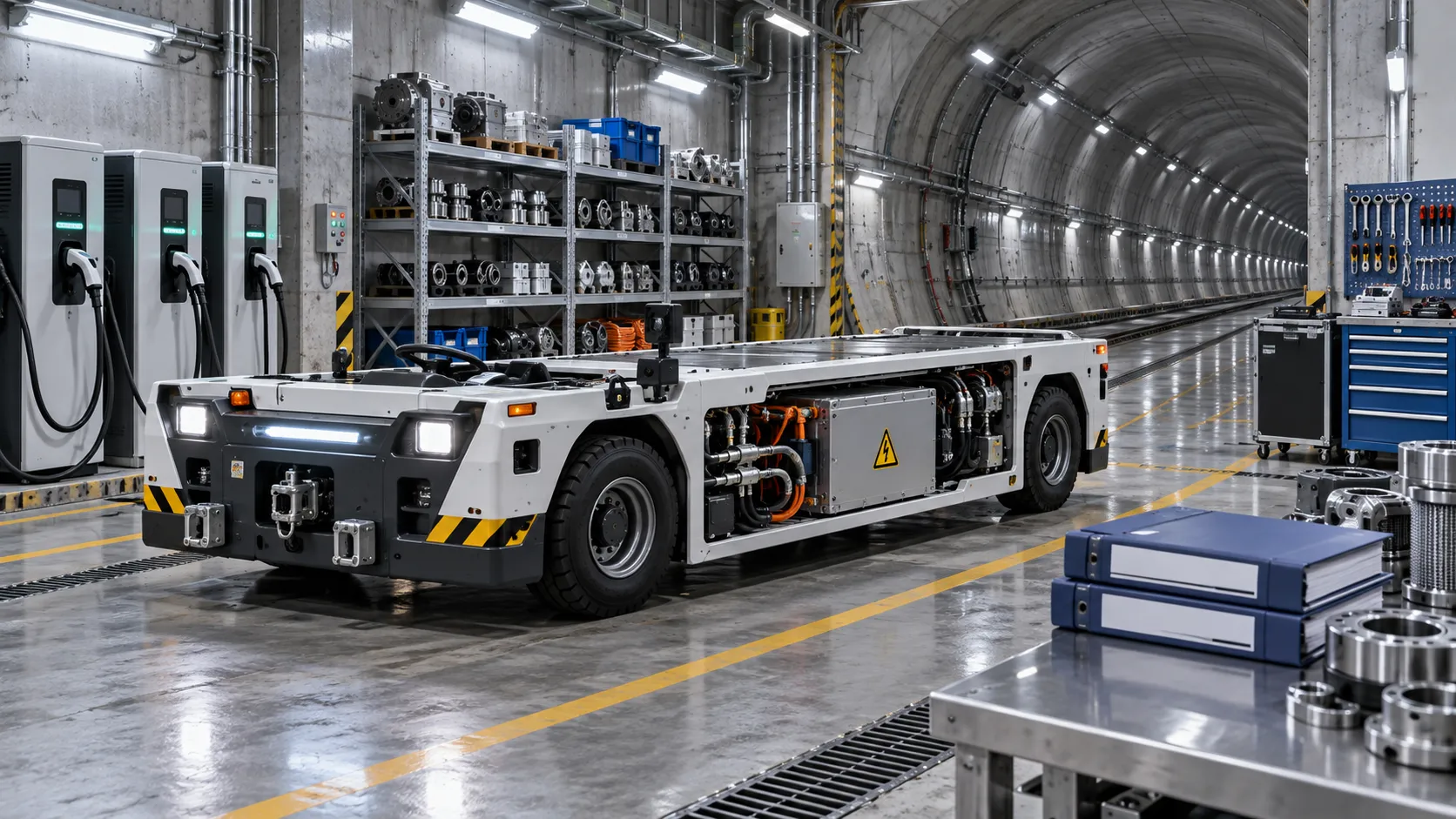
What to verify before appointing a tunneling vehicles manufacturer
Choosing a tunneling vehicles manufacturer? Verify application fit, reliability, compliance, parts support, training, and channel terms before appointing a partner.
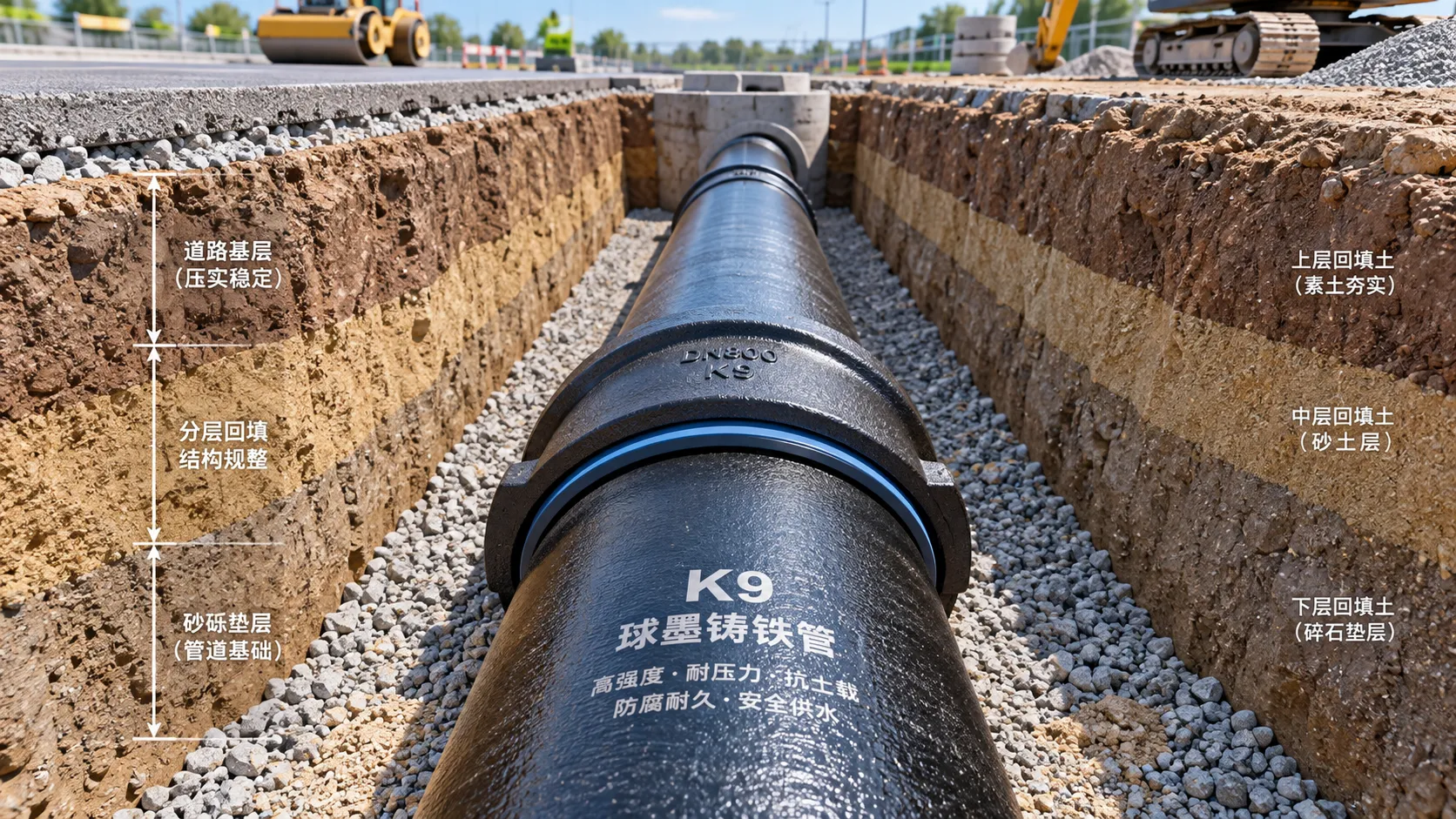
Selecting K9 Ductile Iron Pipe for Buried Water Pipeline Conditions
K9 ductile iron pipe selection for buried water pipelines: compare pressure duty, joints, soil loads, corrosion protection, and installation controls for reliable long-term performance.
Related News
- 00
0000-00
Tunnel Boring Machine Costs: Budgeting for Purchase, Operation, and Project Risk - 00
0000-00
Open-Pit Haulage Cost Analysis: How Mine Managers Can Cut Cost per Tonne - 00
0000-00
Tunnel Construction Innovations That Reduce Risk and Schedule Delays on Urban Projects - 00
0000-00
TBM Disc Cutter Design: Key Geometry and Load Factors for Hard Rock Tunnelling - 00
0000-00
Hydraulic Tipping Stability Risks in Multi-Axle Dump Special Trailers
Weekly Insights
Stay ahead with our curated technology reports delivered every Monday.