
MSHA Tightens Rigid Haul Truck Safety Rule





On July 2, 2026, the U.S. Mine Safety and Health Administration (MSHA) issued an emergency amendment that changes the compliance baseline for newly imported Rigid Haul Trucks entering the U.S. market. From October 1, 2026, those units must include a real-time hydrogen leak monitoring system that meets ANSI/ISA-12.12.01-2025, while existing inventory may continue to be sold until March 31, 2027. For importers, manufacturers, distributors, procurement teams, and mine equipment service providers, this is worth close attention because it links market access to a specific safety configuration and a defined transition timeline.
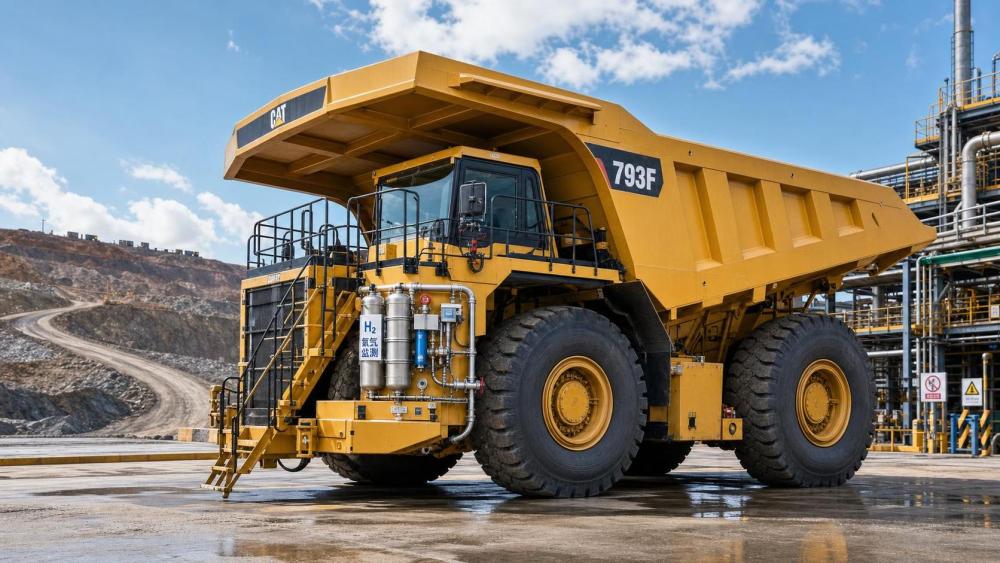
What the Emergency Amendment Requires
The confirmed facts are limited but clear. MSHA released the emergency amendment under FR Doc. 2026-15289 on July 2, 2026. The measure applies to all new Rigid Haul Trucks imported into the United States.
Under the amendment, trucks imported on or after October 1, 2026 must integrate a hydrogen leak real-time monitoring system compliant with ANSI/ISA-12.12.01-2025. The required technical thresholds stated in the summary are a response time of no more than 2 seconds and a detection limit of no more than 200 ppm.
MSHA also set a transition arrangement for existing inventory. Units already in stock are allowed to remain on sale until March 31, 2027.
Where the Immediate Pressure Falls
Imported equipment programs face a compliance gate
From an industry perspective, import-oriented equipment businesses are the first group likely to feel the impact. The reason is straightforward: the amendment directly targets new imports into the U.S. market. The main pressure points are product configuration, import scheduling, and model-level compliance review. What deserves closer attention is whether each imported unit can demonstrate that the required monitoring system is integrated before the October 1, 2026 deadline.
Manufacturing and integration teams must align specifications early
Analysis shows that equipment manufacturers and system integration teams may be affected at the design and production stage. The rule does not merely reference hydrogen monitoring in general terms; it points to a named standard and measurable performance thresholds. That means attention is likely to shift to specification matching, component selection, and documentation readiness tied to the final truck configuration.
Channel and inventory operators need to manage the transition window
Distributors and channel operators may be affected through inventory planning and delivery timing. The allowance for existing stock to be sold until March 31, 2027 creates a defined but limited transition period. Observably, the key business issue is not only whether stock can still be sold, but also how companies distinguish existing inventory from newly imported units in contracts, records, and customer communications.
Mine operators and procurement teams may tighten acceptance checks
For end users and procurement teams, the amendment may influence equipment acceptance, technical review, and supplier communication. Analysis shows that buyers involved in U.S.-bound projects may place more emphasis on whether incoming trucks meet the stated monitoring requirement and whether supporting compliance materials are complete at the time of delivery.
Practical Issues Companies Should Track Now
Separate confirmed requirements from internal assumptions
What deserves closer attention is the difference between the confirmed rule text in the provided summary and any broader market interpretation. The confirmed requirement is tied to newly imported Rigid Haul Trucks, the October 1, 2026 start date, the ANSI/ISA-12.12.01-2025 reference, and the stated response time and detection limit. Companies should avoid building plans around assumptions that are not yet stated in the available information.
Review inventory status against the sales cutoff
Businesses with stock already in the pipeline should focus on whether units qualify as existing inventory under the transition arrangement that runs through March 31, 2027. In practical terms, this makes inventory classification, shipment timing, and sales documentation more important than usual.
Check supplier documentation and configuration traceability
Analysis shows that supplier communication should now center on two issues: whether the hydrogen leak monitoring system is integrated into the truck, and whether the relevant compliance documentation can support that claim. For companies handling imports, distribution, or project delivery, traceability at the unit level may become a critical operational detail.
Watch for further official clarification
Observably, an emergency amendment can create immediate compliance action while still leaving room for later clarification in implementation language, interpretation, or supporting guidance. The practical focus for industry participants is to monitor any subsequent official wording that affects scope, documentation expectations, or enforcement detail.
Why This Reads as More Than a Routine Update
Analysis shows that this is not just a minor technical adjustment. By tying U.S. import eligibility for Rigid Haul Trucks to a specific hydrogen leak real-time monitoring requirement, MSHA is signaling that safety-related system integration is becoming a more explicit entry condition for this equipment category. At the same time, it is more appropriate to understand this as a defined regulatory change with a transition period rather than as a complete market outcome. The practical effects will depend on how quickly supply chain participants align products, records, and delivery schedules with the new requirement.
How the Industry Should Read the Signal
At this stage, the amendment is best understood as both a short-term compliance change and a longer-term regulatory signal. The short-term issue is clear: new imports after October 1, 2026 must meet the stated monitoring requirement, while existing stock has a limited sell-through period. The longer-term signal is that technical safety functions tied to measurable performance thresholds may draw closer scrutiny in market access decisions. A neutral reading is warranted here: the rule already creates an immediate operational requirement, but its broader commercial effects still need to be observed through implementation.
Basis of This Article
This article is based on the user-provided news title, event date, and event summary concerning MSHA's July 2, 2026 emergency amendment, identified as FR Doc. 2026-15289. The summary provided states the compliance date, the inventory sell-through deadline, and the required ANSI/ISA-12.12.01-2025 performance thresholds for hydrogen leak real-time monitoring systems.
For developments of this type, source categories typically worth checking include official regulatory notices, company compliance statements, industry association updates, authoritative media coverage, and standard-setting organization documents. The specific official source link was not provided in the input, so further verification remains necessary. Continued attention should focus on any later official clarification related to implementation scope, documentation expectations, and transition handling.
Related News

Tunnel Boring Machine Costs: Budgeting for Purchase, Operation, and Project Risk
Tunnel Boring Machines cost more than purchase price. Learn how to budget lifecycle costs, downtime, logistics, wear, and project risk for smarter TBM decisions.

Open-Pit Haulage Cost Analysis: How Mine Managers Can Cut Cost per Tonne
Open pit haulage cost analysis: discover practical ways to reduce cost per tonne through payload control, cycle-time optimization, road performance, and smarter fleet decisions.

Tunnel Construction Innovations That Reduce Risk and Schedule Delays on Urban Projects
Tunnel construction innovation for urban projects: discover smarter TBMs, real-time monitoring, trenchless methods, and automation that reduce risk and protect schedules.

TBM Disc Cutter Design: Key Geometry and Load Factors for Hard Rock Tunnelling
TBM disc cutter design explained: explore geometry, spacing, load distribution and maintenance factors for reliable, efficient hard-rock tunnelling performance.

Hydraulic Tipping Stability Risks in Multi-Axle Dump Special Trailers
Dump special trailers: discover key hydraulic tipping stability risks, multi-axle load dynamics, and practical safety controls for safer, smarter bulk hauling.
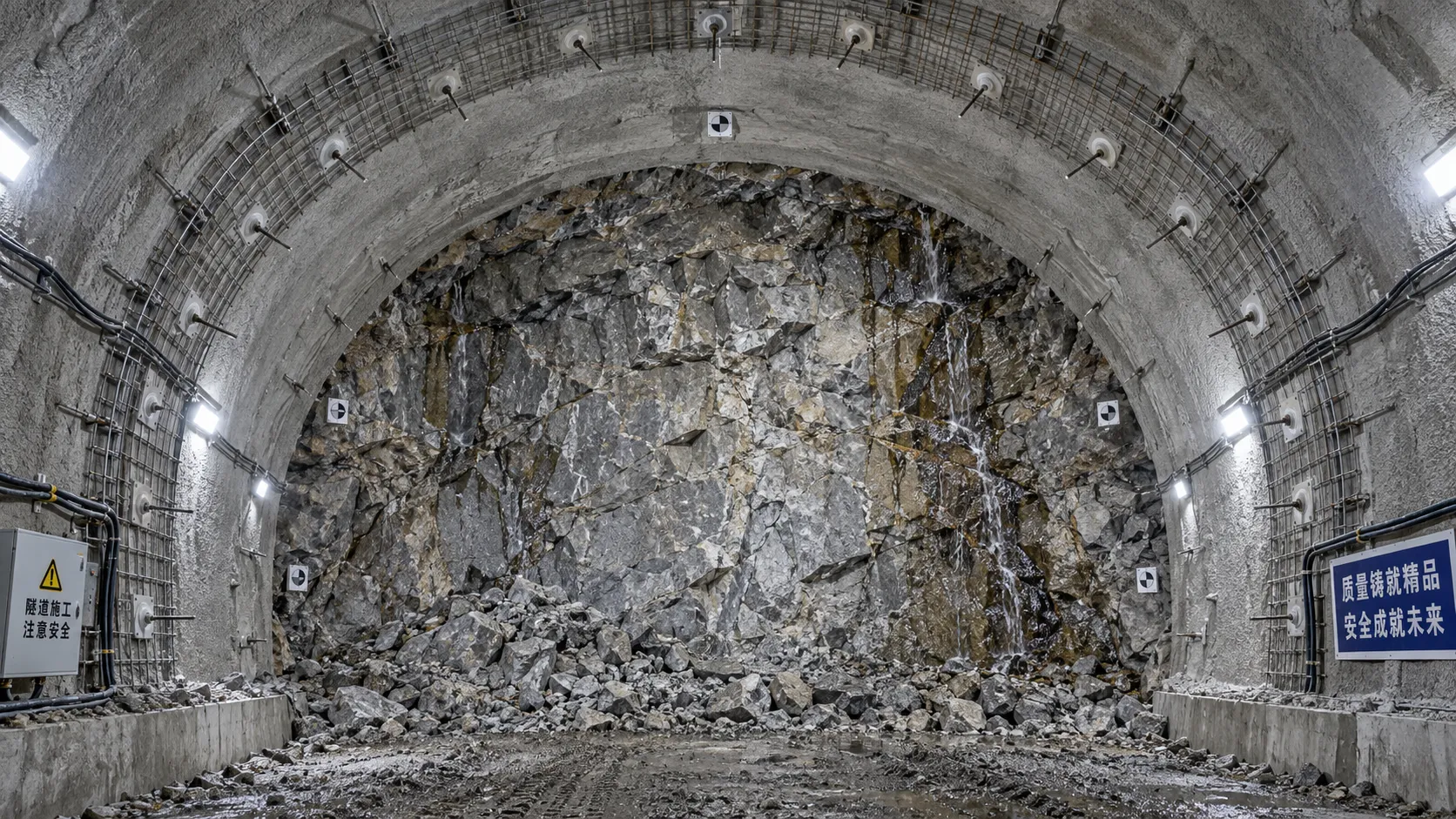
When rock reinforcement in tunnel construction must change after blasting
Rock reinforcement in tunnel construction must change when blasting reveals overbreak, weak joints, water inflow, or deformation. Discover key post-blast support decisions.

How tunnel hydraulic systems influence drill jumbo uptime underground
Tunnel hydraulic systems directly influence drill jumbo uptime. Explore how stable pressure, clean oil, cooling, and maintainable design reduce underground downtime.
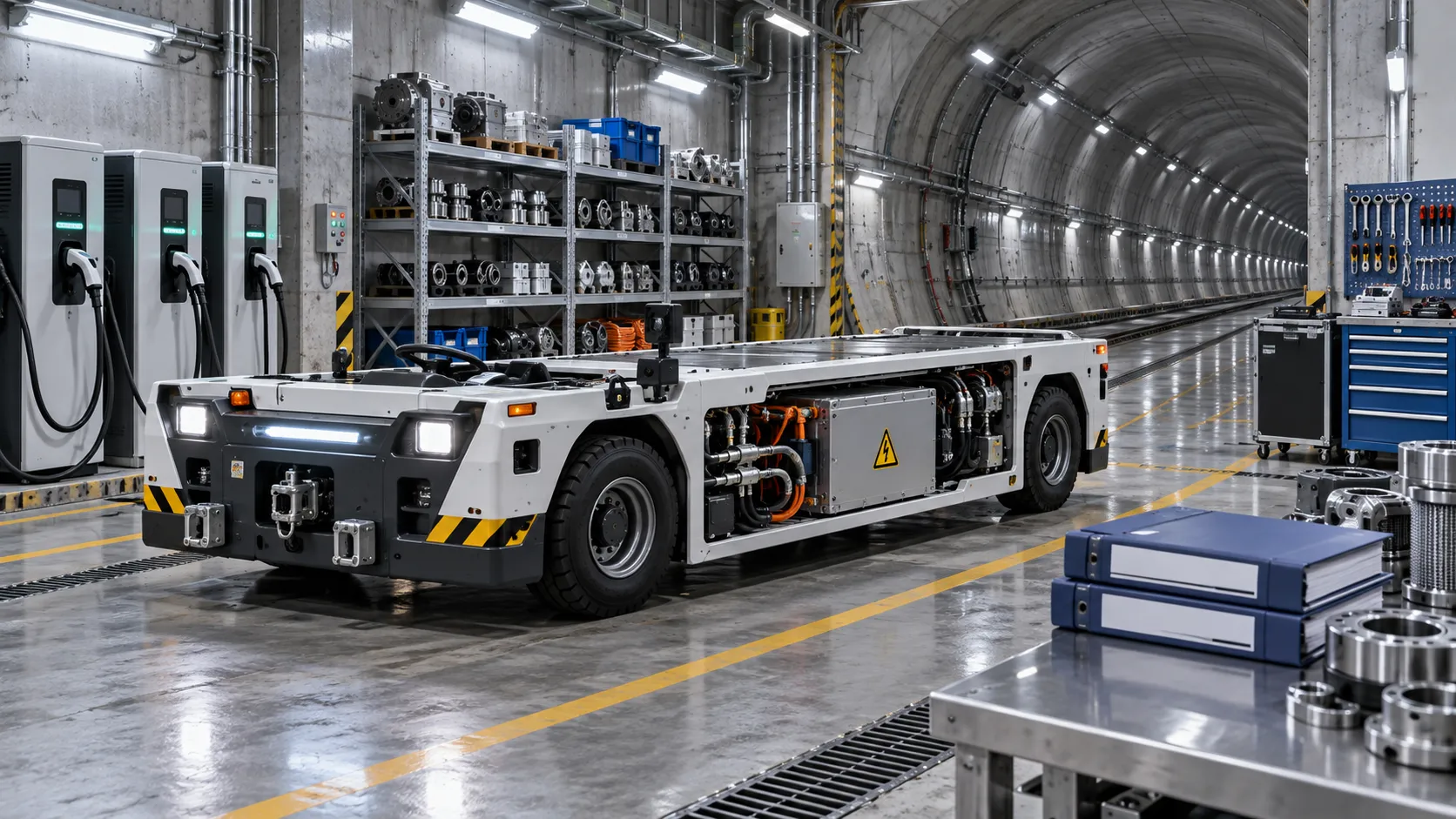
What to verify before appointing a tunneling vehicles manufacturer
Choosing a tunneling vehicles manufacturer? Verify application fit, reliability, compliance, parts support, training, and channel terms before appointing a partner.
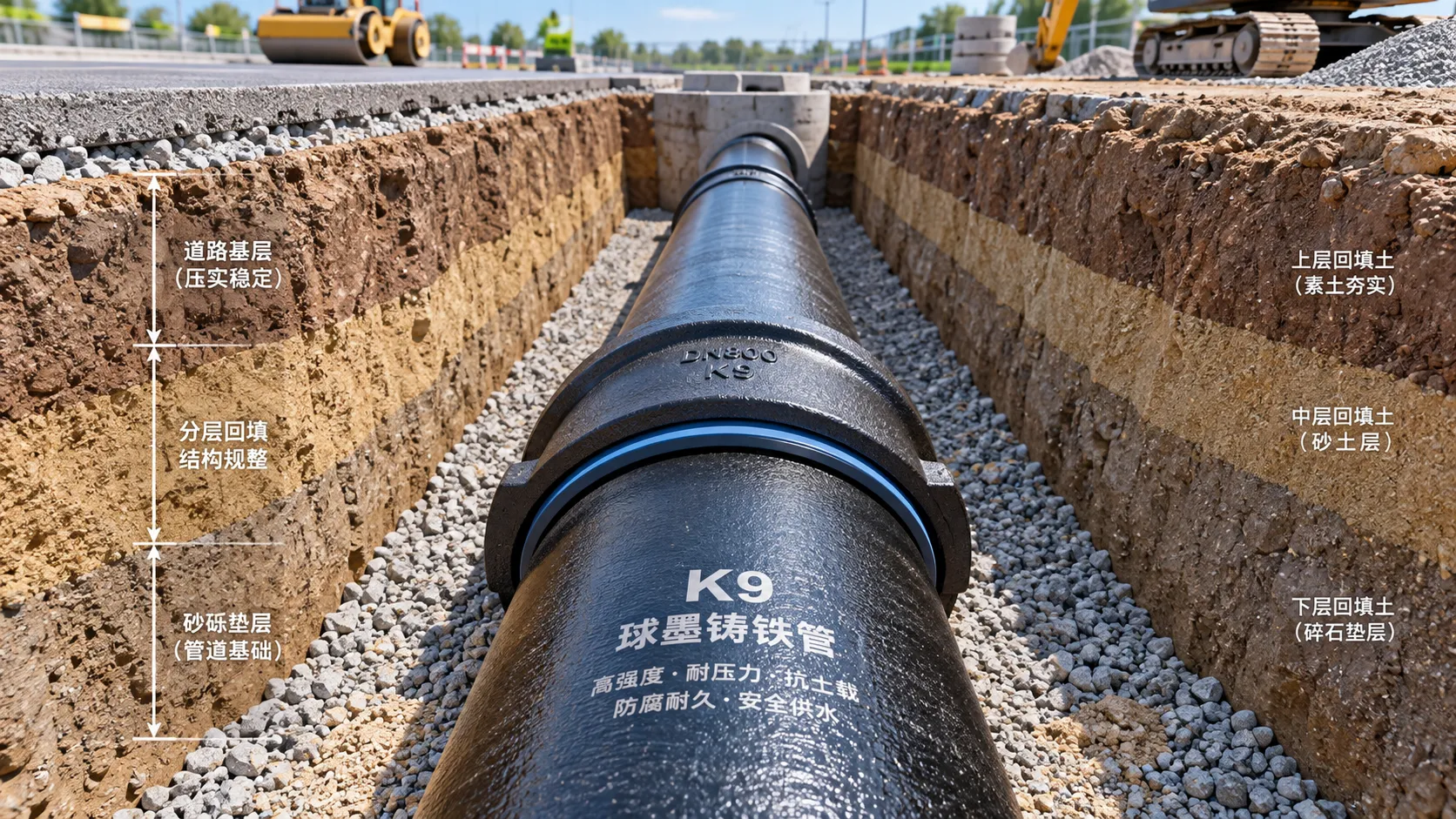
Selecting K9 Ductile Iron Pipe for Buried Water Pipeline Conditions
K9 ductile iron pipe selection for buried water pipelines: compare pressure duty, joints, soil loads, corrosion protection, and installation controls for reliable long-term performance.
Related News
- 00
0000-00
Tunnel Boring Machine Costs: Budgeting for Purchase, Operation, and Project Risk - 00
0000-00
Open-Pit Haulage Cost Analysis: How Mine Managers Can Cut Cost per Tonne - 00
0000-00
Tunnel Construction Innovations That Reduce Risk and Schedule Delays on Urban Projects - 00
0000-00
TBM Disc Cutter Design: Key Geometry and Load Factors for Hard Rock Tunnelling - 00
0000-00
Hydraulic Tipping Stability Risks in Multi-Axle Dump Special Trailers
Weekly Insights
Stay ahead with our curated technology reports delivered every Monday.