
MSHA Mandates Hydrogen Leak Monitoring for Rigid Haul Trucks





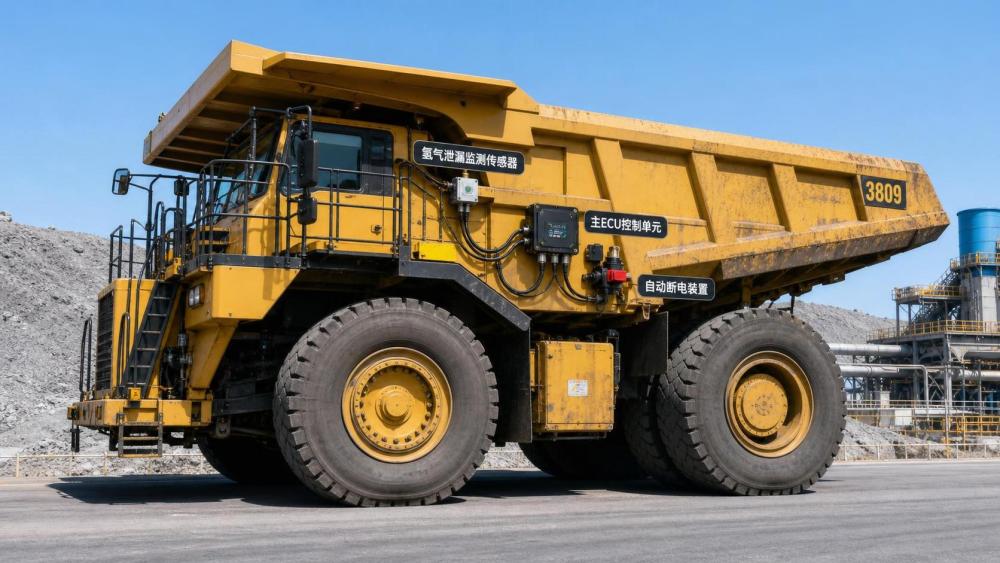
On July 3, 2026, the U.S. Mine Safety and Health Administration (MSHA) issued an emergency revision that changes the compliance baseline for Rigid Haul Trucks operating in the United States. The new requirement ties explosion-protection compliance to the installation of a NIOSH-certified real-time hydrogen leak monitoring system with automatic power shutoff linked to the vehicle’s main ECU, effective October 1, 2026. Because the rule applies to both imported new vehicles and retrofits for trucks already in service, it is immediately relevant to equipment suppliers, importers, mine operators, retrofit providers, certification-related businesses, and aftersales service teams managing delivery, modification, and compliance readiness.
What the emergency revision requires
According to the provided information, MSHA released emergency revision order MSHA-2026-07-ER01 on July 3, 2026. The order requires all Rigid Haul Trucks operating in the United States to be equipped, from October 1, 2026, with a NIOSH-certified real-time hydrogen leak monitoring system. The system must also be linked to the vehicle’s main ECU so that it can trigger automatic power shutoff.
The requirement covers two categories at the same time: imported new vehicles and modifications to trucks that are already in operation. The provided information also states that there is no transitional exemption.
Where the compliance pressure is likely to appear first
Imported vehicle programs face a changed entry condition
From an industry perspective, companies bringing new Rigid Haul Trucks into the U.S. market may be affected because the rule is framed as a mandatory equipment and system requirement rather than an optional specification. The practical impact is likely to fall on product configuration, import planning, pre-delivery technical review, and supporting compliance documentation. What deserves closer attention is whether procurement files, technical specifications, and delivery documents clearly reflect the required NIOSH-certified monitoring system and ECU-linked automatic power shutoff arrangement.
Operators of in-service fleets may need retrofit coordination
Observably, mine operators and fleet owners may be affected through maintenance scheduling, vehicle downtime planning, and retrofit execution, since the rule expressly extends to trucks already in operation and offers no transition exemption. The key business issue is not only hardware installation, but also whether retrofit work, technical records, and vehicle control integration can be aligned in time with the October 1, 2026 effective date.
Certification and testing-related participants may see tighter document scrutiny
Analysis shows that certification-related companies, testing service providers, and technical compliance teams may face greater scrutiny around proof of NIOSH certification and the functional linkage between leak detection and automatic power shutoff. In business terms, this can affect how conformity evidence, test records, technical files, and customer-facing compliance statements are prepared and reviewed.
Aftersales and service channels may carry a larger execution burden
For service providers and aftersales teams, the rule may translate into more work around retrofit support, parts planning, installation quality control, and traceable service records. Because in-service vehicles are included, companies involved in field support may need to pay close attention to how modification work is documented and how responsibility is allocated across supply, installation, and follow-up verification.
What companies should review now
Check whether certification status is already aligned
Analysis shows that companies should first verify whether the hydrogen leak monitoring system intended for use on affected vehicles is NIOSH-certified, because the requirement is described in certification-specific terms. Where product or retrofit plans are still being finalized, certification status and supporting documents may become an immediate gating factor for procurement and delivery decisions.
Review technical files tied to ECU shutdown logic
What deserves closer attention is the requirement that the monitoring system must be linked to the main ECU for automatic power shutoff. Companies involved in sales, delivery, retrofit, or servicing may need to review technical descriptions, installation specifications, control logic documentation, and related records to ensure the compliance position is supported consistently across internal and external documents.
Reassess delivery and retrofit schedules against the effective date
Observably, the October 1, 2026 effective date and the absence of a transitional exemption make timing a practical issue. Businesses may need to recheck which units are intended for import, which trucks in service may require modification, and whether current procurement and service schedules leave enough room for compliant installation and documentation before the rule takes effect.
Monitor how the requirement appears in commercial and compliance documents
From an industry perspective, companies should also watch for changes in tender specifications, customer procurement requirements, compliance checklists, service agreements, and acceptance documentation. The provided information does not specify the detailed enforcement workflow, so it would be premature to assume a settled market practice; however, document language is likely to become an early signal of how the requirement is being operationalized.
Why this reads as an execution signal rather than a distant policy discussion
Analysis shows that this update is better understood as an implemented compliance change with a defined effective date than as a general policy direction. The combination of a named emergency revision order, a fixed start date, explicit application to imported new trucks and in-service retrofits, and the absence of a transitional exemption points to a near-term execution issue for affected market participants.
At the same time, observably, some parts of implementation still require continued attention. The provided information does not include further detail on enforcement practice, document expectations, or operational interpretation, so the market will still need to watch how certification language, retrofit expectations, and procurement-side compliance requirements are expressed in subsequent official and commercial materials.
How the market may need to frame this change
From an industry perspective, the significance of this development lies in the fact that explosion-protection compliance for Rigid Haul Trucks in the U.S. is being tied directly to a specific monitored safety function and a certification requirement, with immediate implications for imports and in-service fleets alike. The most reasonable current reading is that this is not merely a policy signal to note, but a rule change that should already be shaping compliance review, retrofit planning, procurement checks, and delivery preparation.
It is more appropriate to understand this as a rule now entering practical execution, while still recognizing that the detailed market response and implementation language will need further observation.
Basis of this article and what still needs verification
This article is generated based on the user-provided news title, event date, and event summary. For developments of this kind, relevant source categories usually include official regulatory notices, releases by supervisory authorities, trade or customs-related authority information, industry association updates, standard-setting documents, certification materials, and reporting by authoritative trade media.
No specific official source link was provided in the input, so the exact official publication link remains to be verified. Further follow-up should focus on any additional official wording, certification implementation interpretation, tender document changes, market feedback, and how affected companies carry out compliance and retrofit actions in practice.
Related News
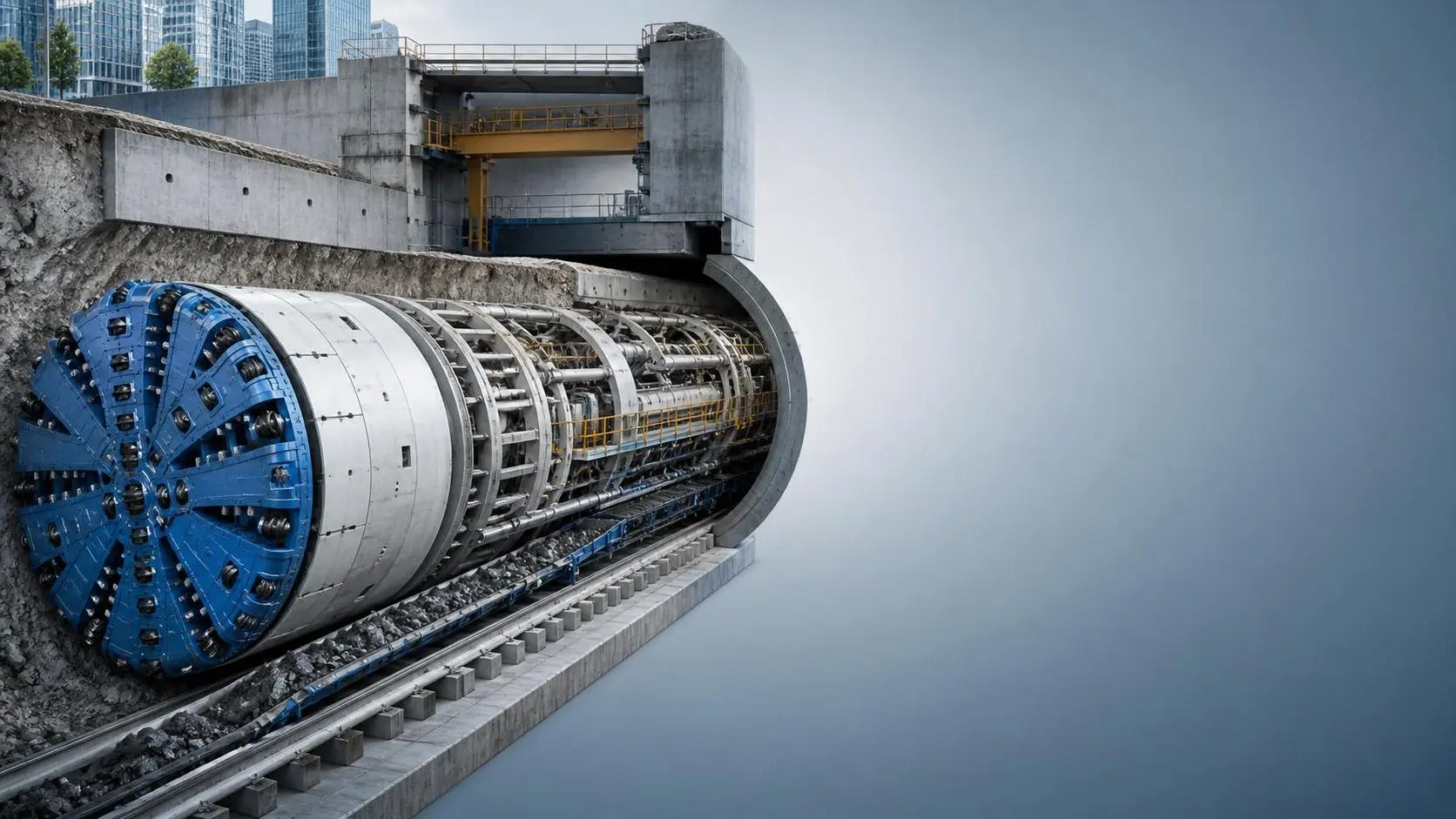
What Drives TBM Excavation Cost in Urban Tunneling Projects?
tbm excavation cost in urban tunneling depends on geology, shafts, segment lining, logistics, and risk. Discover the key cost drivers and compare bids with greater confidence.

What Does Energy Metals Mining in Australia Mean for Supply, Cost, and Project Risk?
Energy metals mining Australia is reshaping supply, cost, and project risk. Discover what it means for buyers, investors, and operators.

EU Eases Dual CE and UKCA Path for Chinese Tunnel Boring Equipment
EU eases CE and UKCA certification for Chinese tunnel boring equipment, cutting compliance time and helping importers move faster.
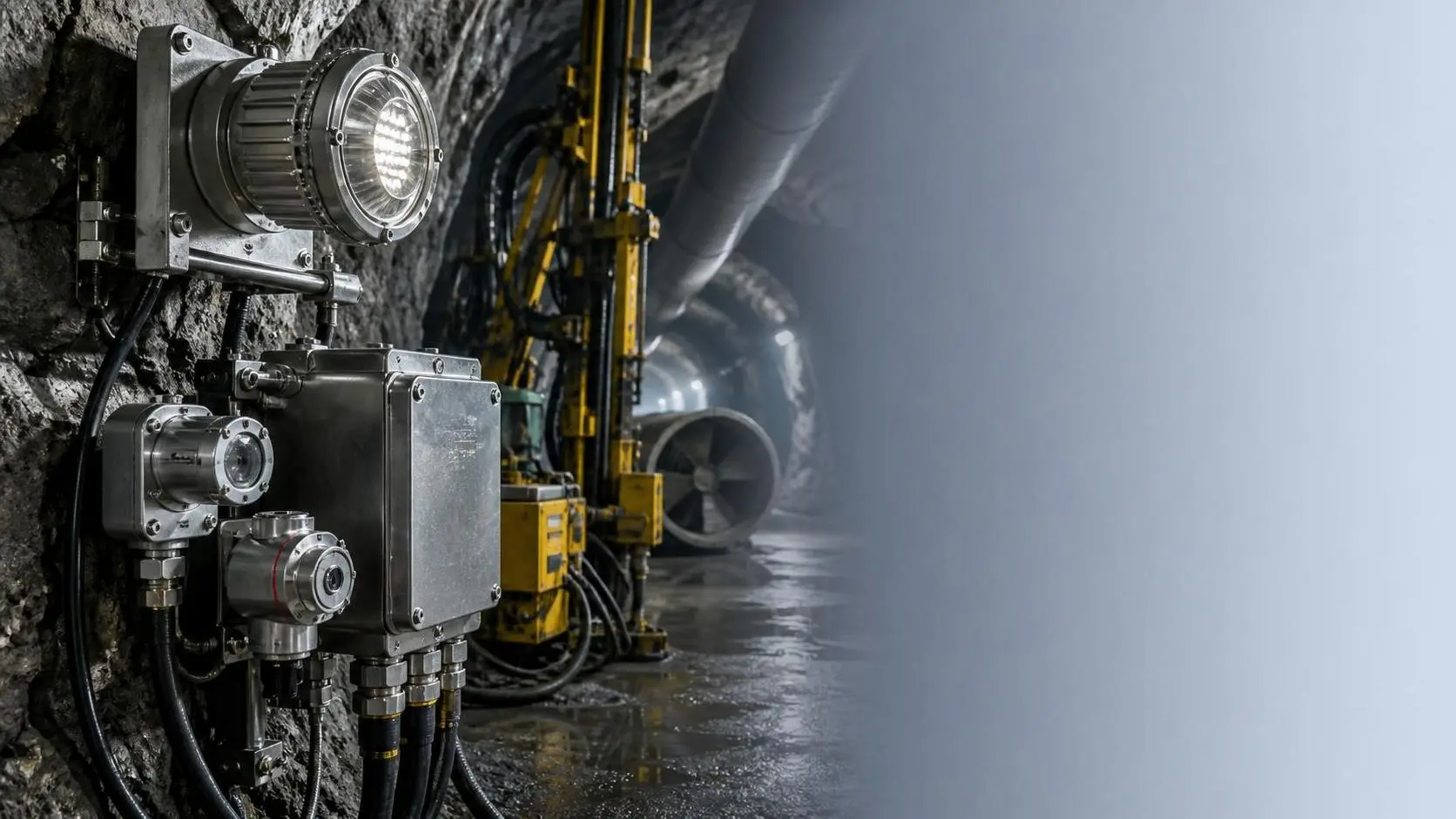
Flameproof Underground Safety Equipment: What Mine Teams Should Check Before Buying
Underground Safety Equipment flameproof buying guide: learn how mine teams should verify certification, durability, serviceability, and supplier support before purchase.
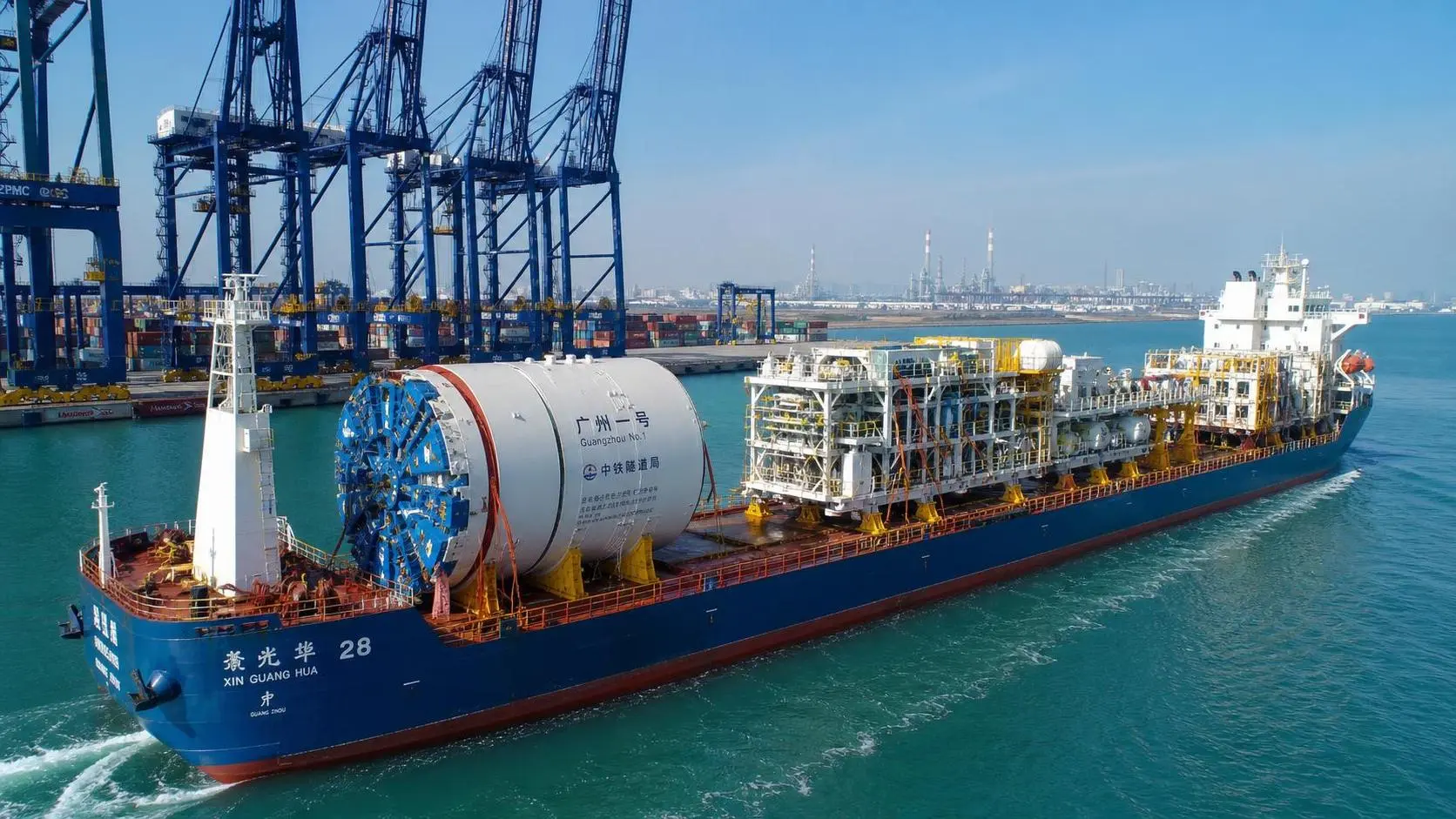
China-UAE Direct Sea Route Cuts TBM and Large Tunneling Equipment Lead Times
China-UAE direct sea route shortens TBM and large tunneling equipment lead times by 12–15 days, improving delivery predictability for major infrastructure projects. Read the full impact.

What Is a TBM Guidance System Gyroscope, and Why Does It Matter Underground?
TBM Guidance Systems gyroscope improves underground accuracy, reduces drift, and helps tunnel boring machines stay on line in harsh conditions.

China to Roll Out Nationwide Local and Foreign Currency Cash Pools for Multinationals on Sept. 14
China will roll out nationwide local and foreign currency cash pools for multinationals on Sept. 14, streamlining cross-border treasury management and boosting liquidity efficiency.
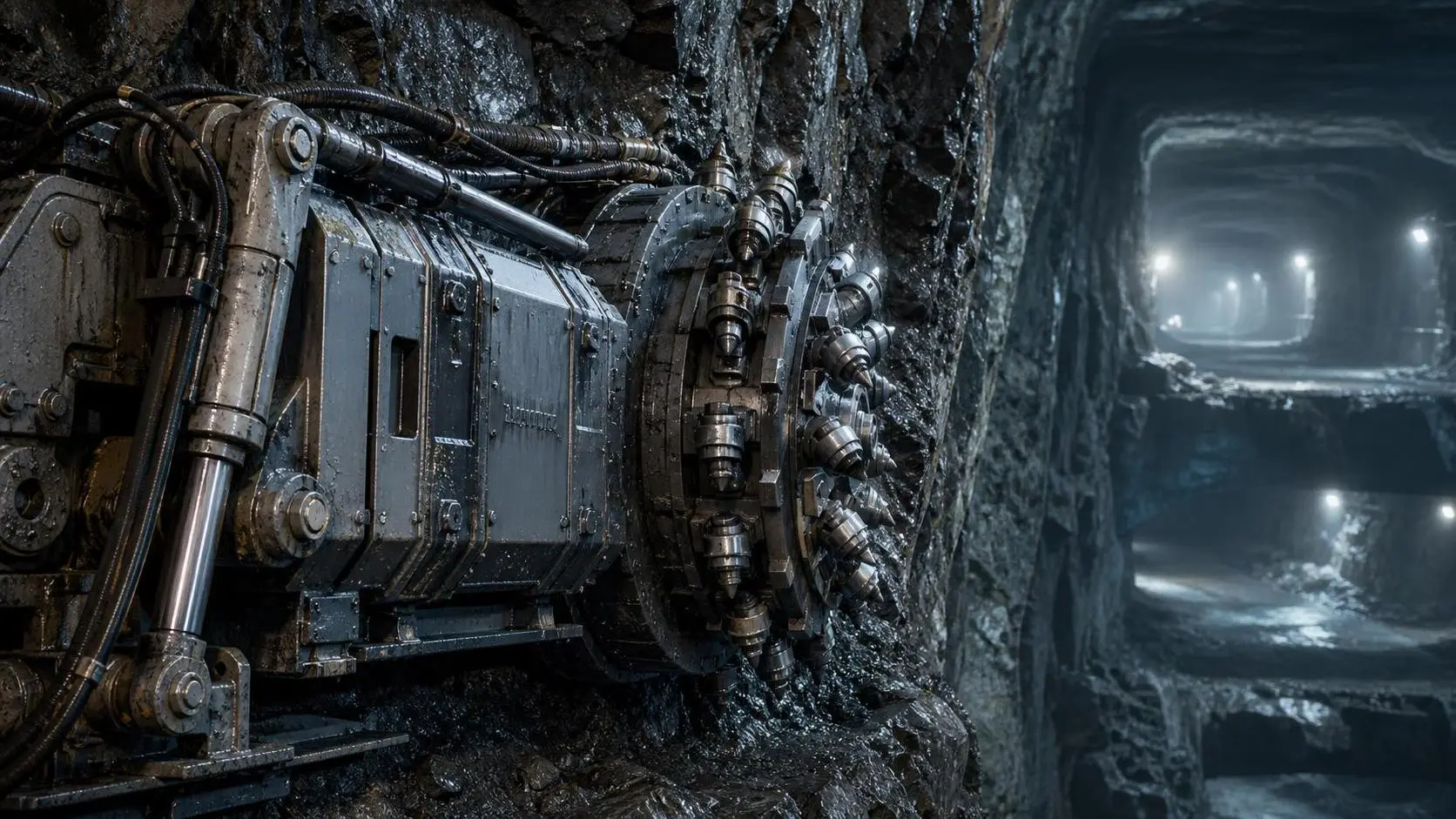
How to Choose a Reliable Underground Mining Equipment Supplier for Harsh Site Conditions
Find a reliable underground mining equipment supplier for harsh site conditions with rugged, maintainable solutions that boost uptime, reduce risk, and support long-term production.
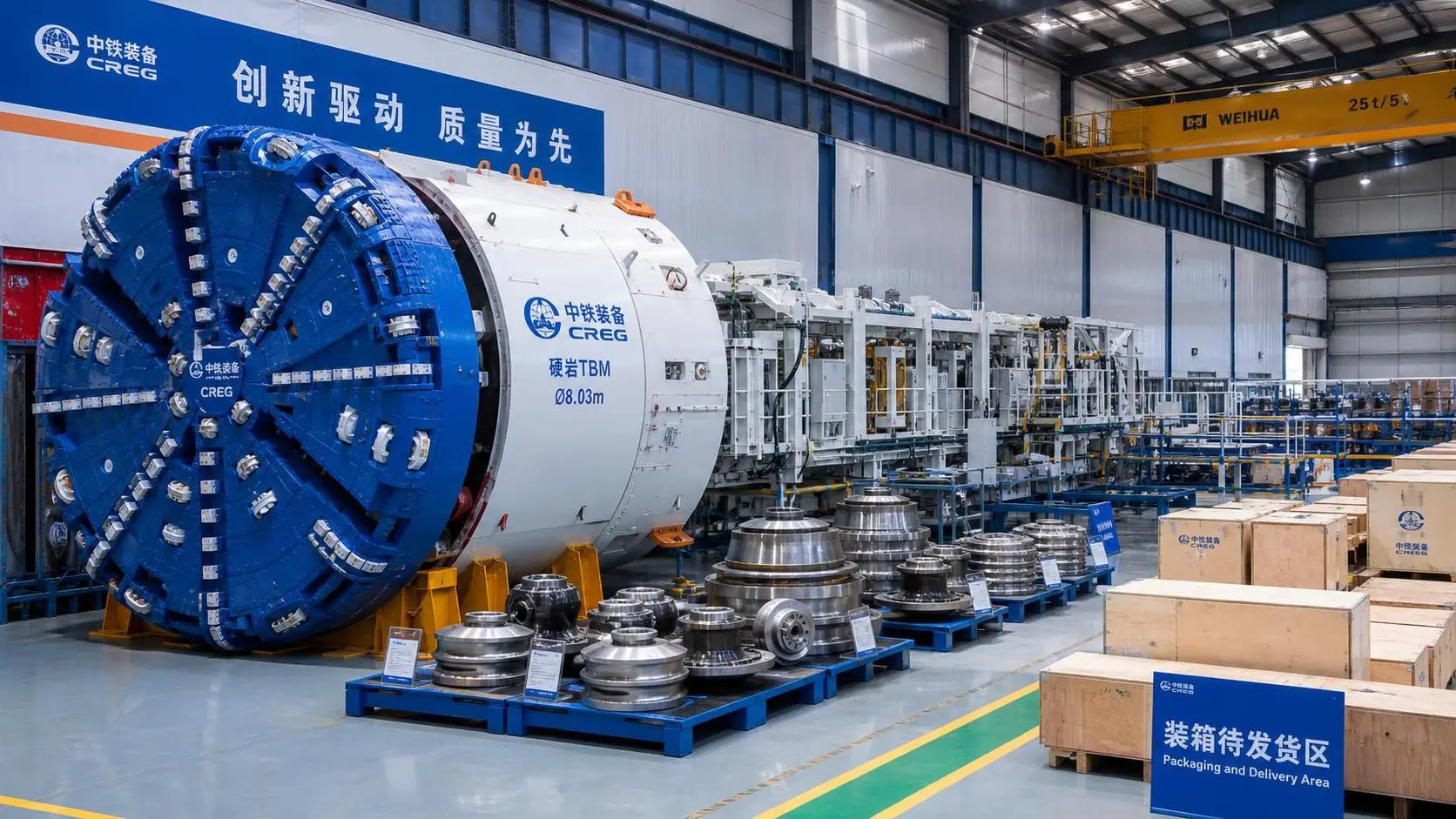
China Customs Tightens TBM Export Checks from Aug. 16
China Customs tightens TBM export checks from Aug. 16, 2026. Learn how new mandatory inspections may affect tunnelling equipment shipments, compliance, and delivery plans.
Related News
- 00
0000-00
What Drives TBM Excavation Cost in Urban Tunneling Projects? - 00
0000-00
What Does Energy Metals Mining in Australia Mean for Supply, Cost, and Project Risk? - 00
0000-00
EU Eases Dual CE and UKCA Path for Chinese Tunnel Boring Equipment - 00
0000-00
Flameproof Underground Safety Equipment: What Mine Teams Should Check Before Buying - 00
0000-00
China-UAE Direct Sea Route Cuts TBM and Large Tunneling Equipment Lead Times
Weekly Insights
Stay ahead with our curated technology reports delivered every Monday.