
MSHA Sets 2-Second H2 Response Rule for Haul Trucks





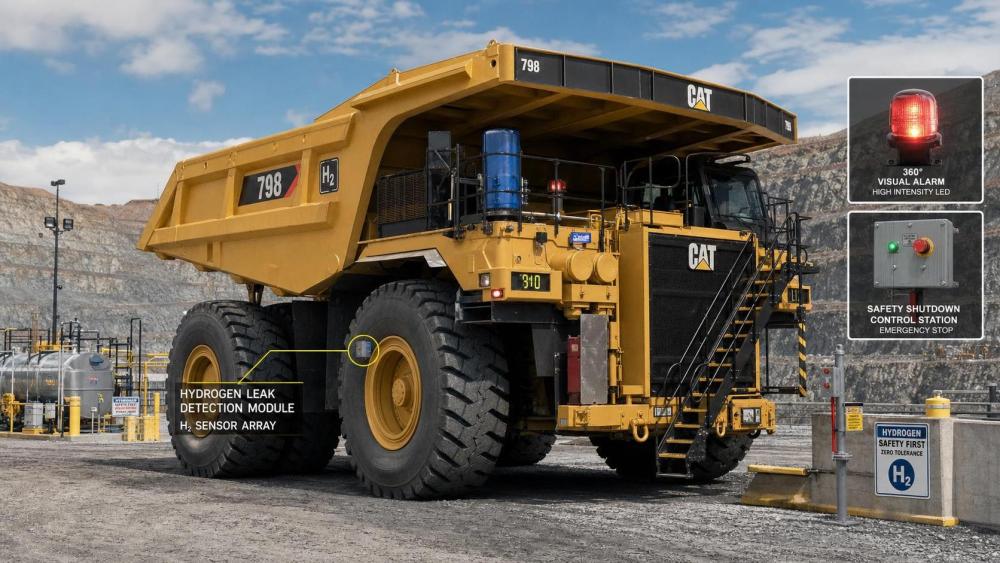
On July 4, 2026, the U.S. Mine Safety and Health Administration (MSHA) issued interim instruction MI-2026-07, adding a more specific compliance requirement for large Rigid Haul Trucks sold or used in the U.S. market. The change centers on explosion-protection controls for trucks rated at 130 tons or above, requiring a NIOSH-certified hydrogen leak monitoring module and limiting system response time to no more than two seconds from leak occurrence to shutdown or audible and visual alarm activation. For manufacturers, certification teams, procurement functions, and mine equipment buyers, this is worth close attention because it affects how new models are prepared for certification and how technical compliance may need to be reflected in sourcing and delivery planning.
What the Interim Instruction Now Requires
According to the information provided, MSHA released interim instruction MI-2026-07 on July 4, 2026. The instruction applies to Rigid Haul Trucks with a rated payload of 130 tons or more that are sold or used in the United States.
The new requirement states that these trucks must be equipped with a hydrogen leak monitoring module certified by NIOSH. It also sets a mandatory performance threshold: the time from the occurrence of a leak to system-triggered shutdown or activation of audible and visual alarms must not exceed two seconds.
The rule applies to all new models whose certification applications are submitted after October 1, 2026.
Where the Compliance Pressure May Appear First
New model certification work will likely face earlier technical review
Analysis shows that the most immediate effect is likely to fall on manufacturers and certification-related teams handling new model applications for the U.S. market. Because the instruction links compliance to both NIOSH-certified monitoring hardware and a defined response-time requirement, affected companies may need to pay closer attention to whether product documentation, technical descriptions, and certification materials clearly address these points before submission.
Procurement decisions may shift toward component traceability and approval status
From an industry perspective, procurement teams and sourcing managers may need to focus more closely on the compliance status of hydrogen leak monitoring modules. The practical issue is not only component availability, but also whether the selected module can be matched to the certification pathway required for the relevant truck model. In business terms, this may affect supplier qualification, technical specification alignment, and the completeness of supporting documents used in purchasing and project delivery.
Buyers and project teams may review bid and delivery terms more carefully
Observably, mine operators, project purchasers, and channel-side commercial teams may need to examine whether new model offers intended for the U.S. market explicitly reflect the updated requirement. Where sales, tendering, or project delivery involve models at or above the stated payload threshold, closer attention may be needed on compliance wording in technical bids, equipment configuration lists, and delivery commitments tied to certification timing.
After-sales and service functions may need clearer compliance records
Analysis shows that service providers and after-sales teams may also be affected indirectly. Even though the provided information does not set out service obligations, the introduction of a mandatory monitoring module and response threshold suggests that technical records, equipment configuration traceability, and compliance-related documentation could become more important in customer support and quality follow-up for affected new models.
What Companies Should Track Now
Check whether certification files address both module approval and response timing
What deserves closer attention is whether internal certification and engineering files for applicable new models clearly address the two named elements in the instruction: NIOSH certification of the hydrogen leak monitoring module and the requirement that shutdown or alarm response occur within two seconds of a leak. Where documentation is incomplete, companies may face pressure in submission readiness rather than only in product design.
Watch for later clarification in enforcement wording and application practice
Analysis shows that this instruction should not yet be treated as a fully detailed execution manual. The provided information confirms the mandatory requirement and the application date for new model certification submissions, but it does not provide further detail on review procedures, documentation format, or enforcement interpretation. Companies with U.S.-bound models should therefore monitor subsequent official wording and implementation signals closely.
Review tender, contract, and technical document language for affected models
For commercial and project teams, a practical step is to review whether quotations, bid packages, specification sheets, and certification-related statements for Rigid Haul Trucks at or above 130 tons remain aligned with the new requirement. This is especially relevant where delivery planning overlaps with the October 1, 2026 submission threshold for new models.
Reassess supplier readiness and delivery sequencing
From an operational perspective, companies may also need to examine whether supplier qualifications, component document packages, and model release schedules are consistent with the updated rule. The available information does not confirm any supply disruption, but it is reasonable to pay attention to whether compliance-dependent components and supporting paperwork could affect certification timing or downstream delivery commitments.
Why This Looks Like an Execution Signal, Not Just a Headline
Observably, this development is more appropriately understood as an execution-oriented regulatory signal rather than a general policy discussion. The instruction identifies a specific vehicle category, a concrete technical requirement, a named certification condition, and a clear trigger date tied to certification applications for new models. At the same time, analysis shows that the market still needs to watch how the requirement is interpreted in practice through certification review, procurement specifications, and customer-facing technical documentation.
In that sense, the current significance lies less in broad market prediction and more in the fact that affected businesses now have a defined compliance point that may influence design review, submission preparation, supplier selection, and bid alignment for the U.S. market.
How This Update Is Best Understood at This Stage
At this stage, the update is best understood as a confirmed rule change with practical implications for new-model certification and related commercial preparation in the U.S. market. It does not by itself establish all downstream outcomes, and the provided information does not support firm conclusions about market scale, cost impact, or enforcement results.
A neutral reading is that companies involved with Rigid Haul Trucks of 130 tons or more should treat the requirement as an active compliance checkpoint for future U.S.-bound new models, while continuing to monitor how certification practice, tender language, and industry response develop after the stated application date.
Basis of This Article and Items Still Requiring Verification
This article is generated based on the user-provided news title, event date, and event summary. The information provided identifies the title of the update, the date of July 4, 2026, and the summary of MSHA interim instruction MI-2026-07, including the NIOSH-certified hydrogen leak monitoring requirement, the maximum two-second response threshold, and the applicability to new model certification applications submitted after October 1, 2026.
For developments of this type, source categories typically worth checking include official regulator releases, notices from supervisory agencies, standards or certification documents, trade and market access notices, industry association updates, and reporting by authoritative industry media. A specific official source link was not provided in the input, so the exact source text still requires further verification.
What still needs ongoing observation includes any subsequent official clarification, certification implementation practice, wording used in tender and procurement documents, market feedback from affected participants, and how companies incorporate the requirement into compliance and delivery processes.
Related News

How to Evaluate Articulated Dump Trucks Payload for Haul Road Conditions and Cycle Efficiency
Articulated Dump Trucks payload evaluation starts with real haul road conditions, not brochure numbers. Learn how to balance payload, traction, grades, and cycle efficiency for safer, higher output.
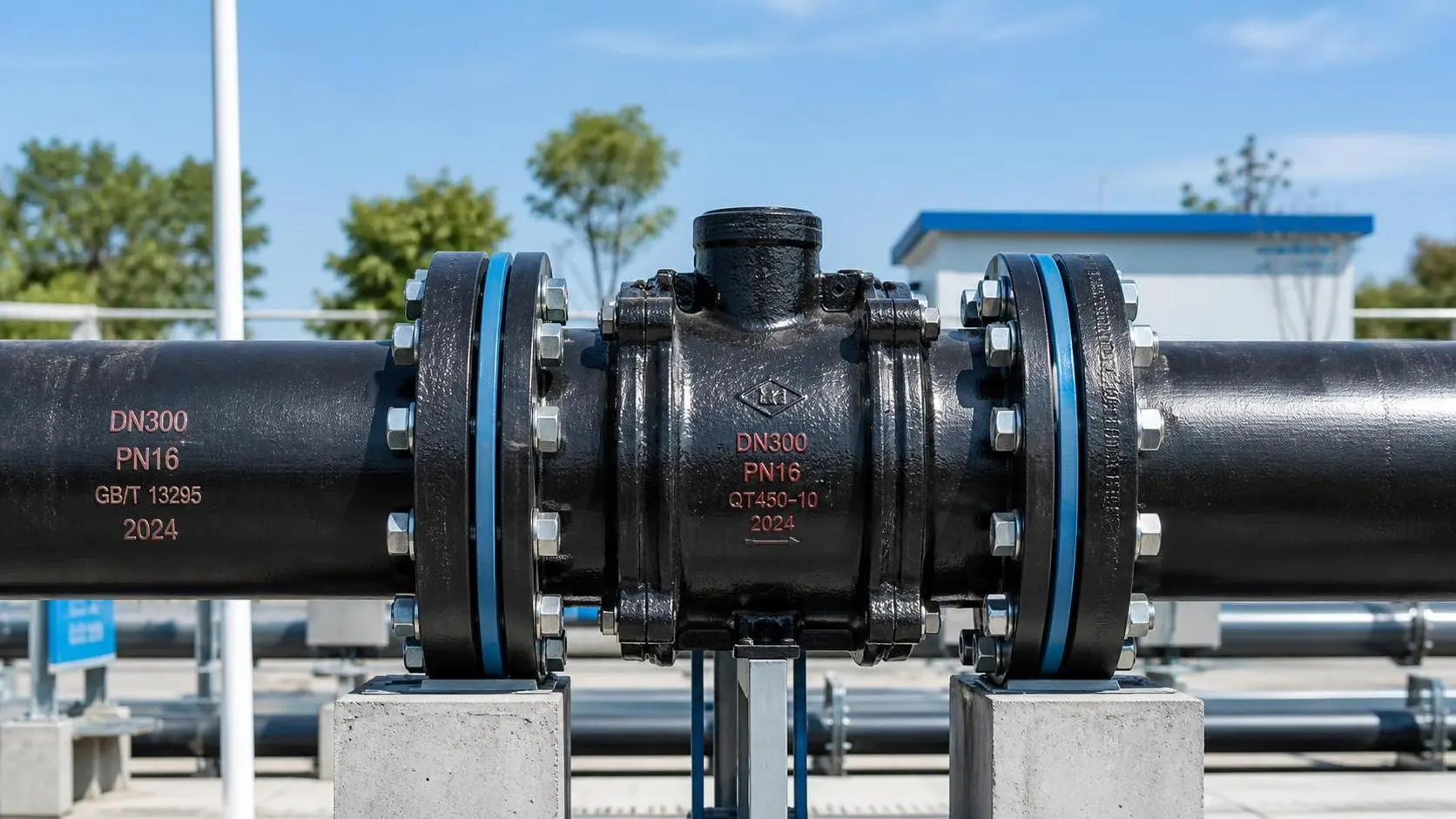
How Pipe Fittings Material and Pressure Class Affect Water Line Selection
Pipe fittings selection starts with material and pressure class. Learn how these factors affect water line reliability, corrosion resistance, installation, and long-term cost.
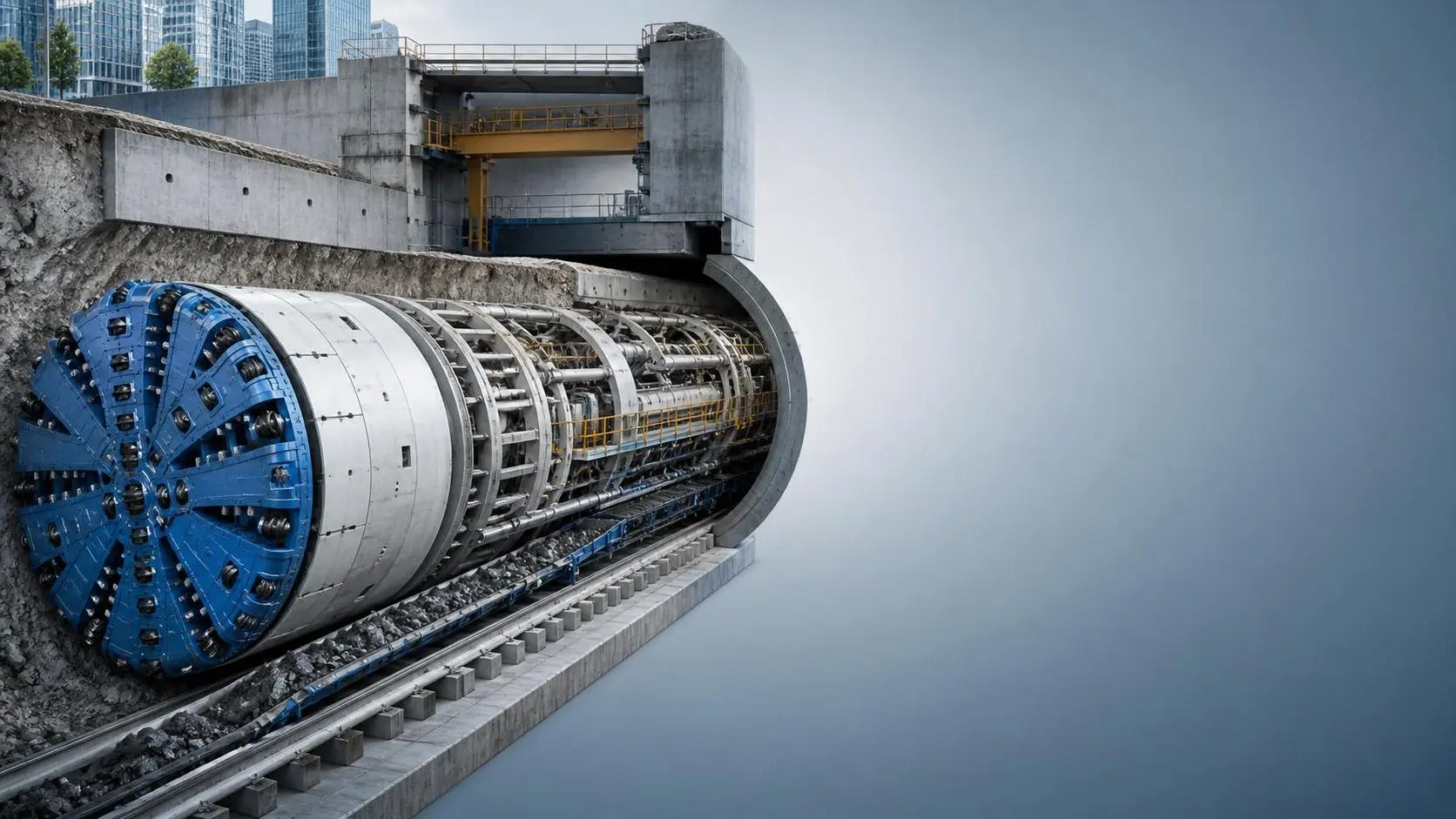
What Drives TBM Excavation Cost in Urban Tunneling Projects?
tbm excavation cost in urban tunneling depends on geology, shafts, segment lining, logistics, and risk. Discover the key cost drivers and compare bids with greater confidence.

What Does Energy Metals Mining in Australia Mean for Supply, Cost, and Project Risk?
Energy metals mining Australia is reshaping supply, cost, and project risk. Discover what it means for buyers, investors, and operators.
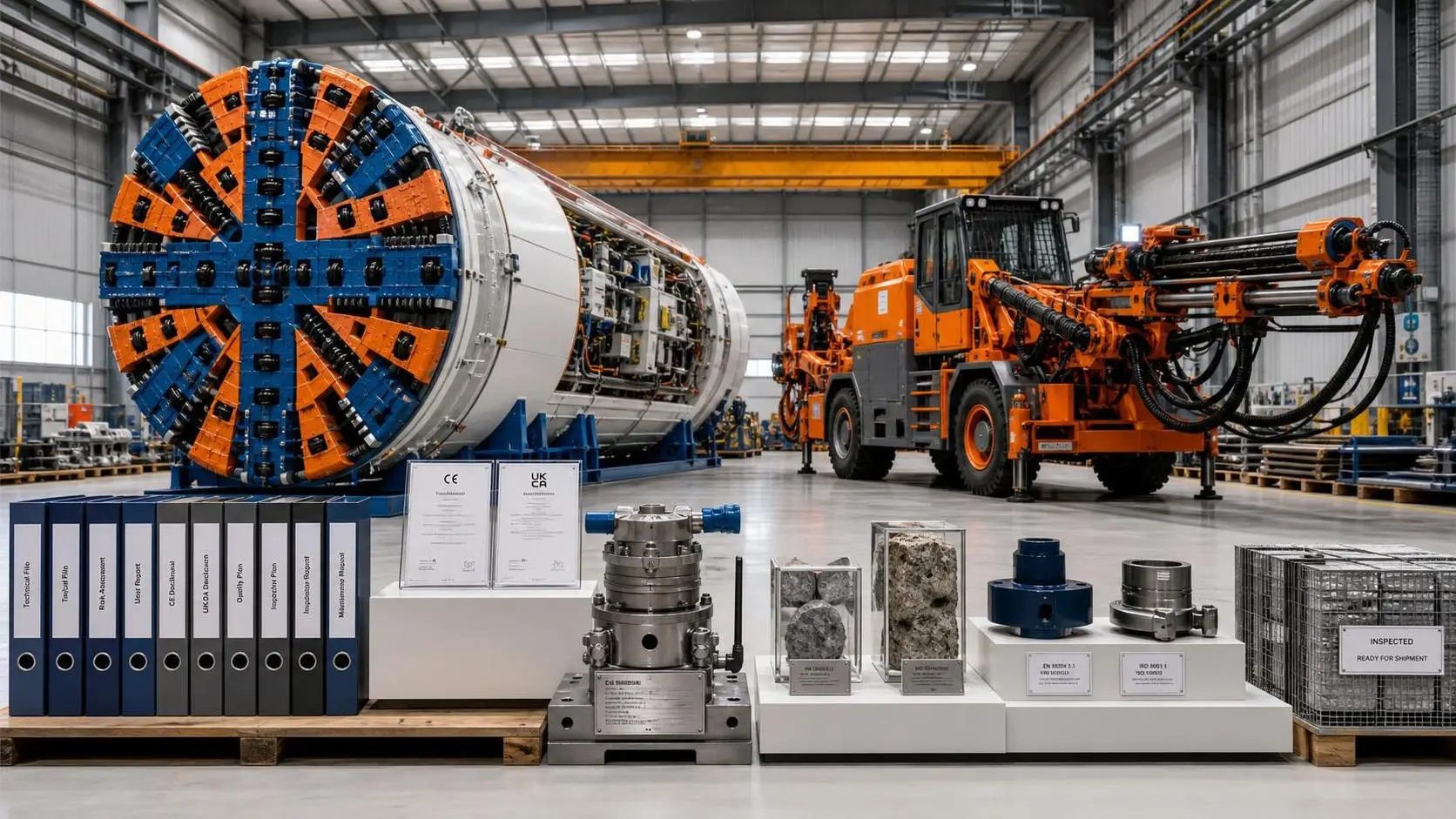
EU Eases Dual CE and UKCA Path for Chinese Tunnel Boring Equipment
EU eases CE and UKCA certification for Chinese tunnel boring equipment, cutting compliance time and helping importers move faster.
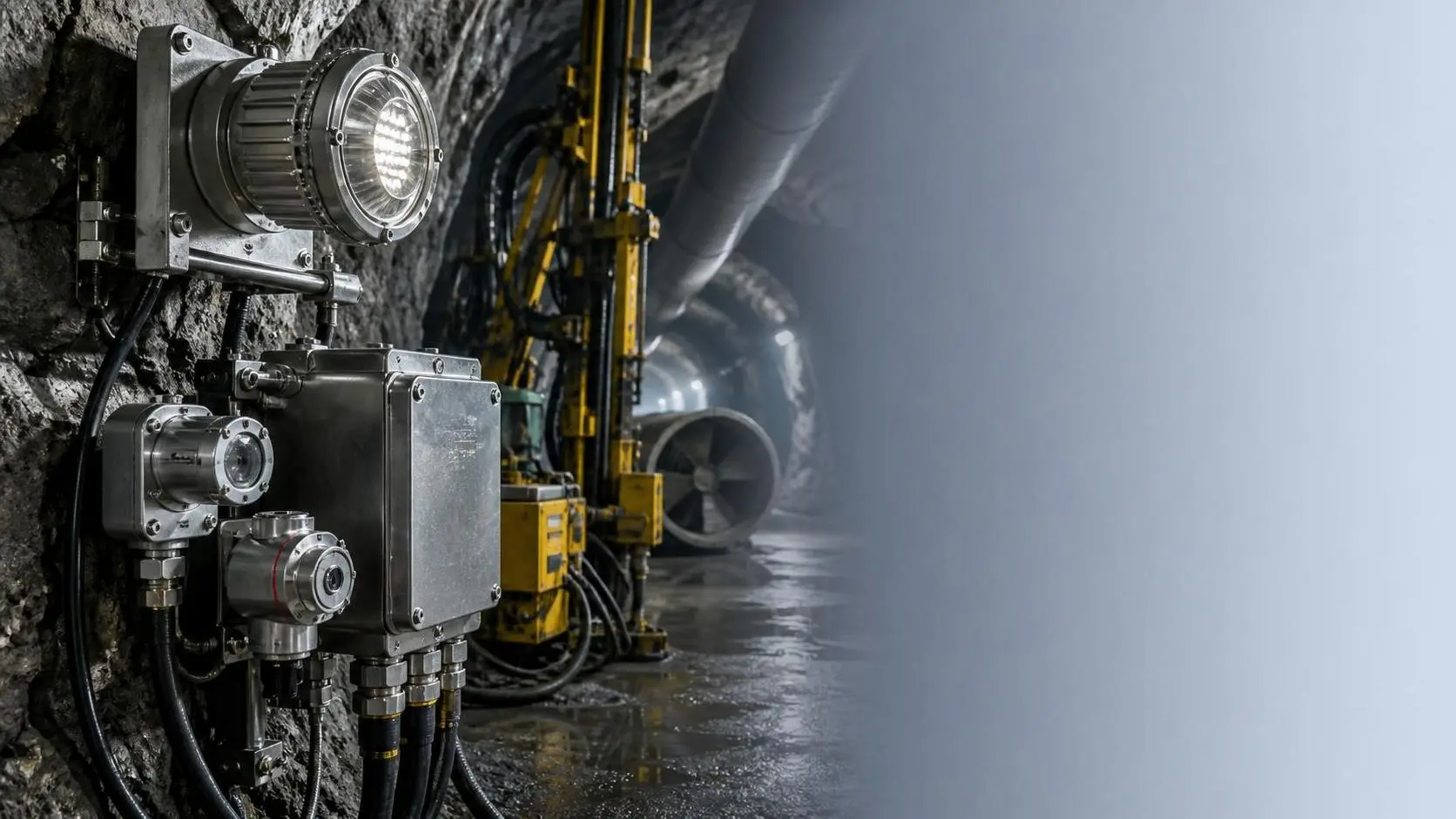
Flameproof Underground Safety Equipment: What Mine Teams Should Check Before Buying
Underground Safety Equipment flameproof buying guide: learn how mine teams should verify certification, durability, serviceability, and supplier support before purchase.
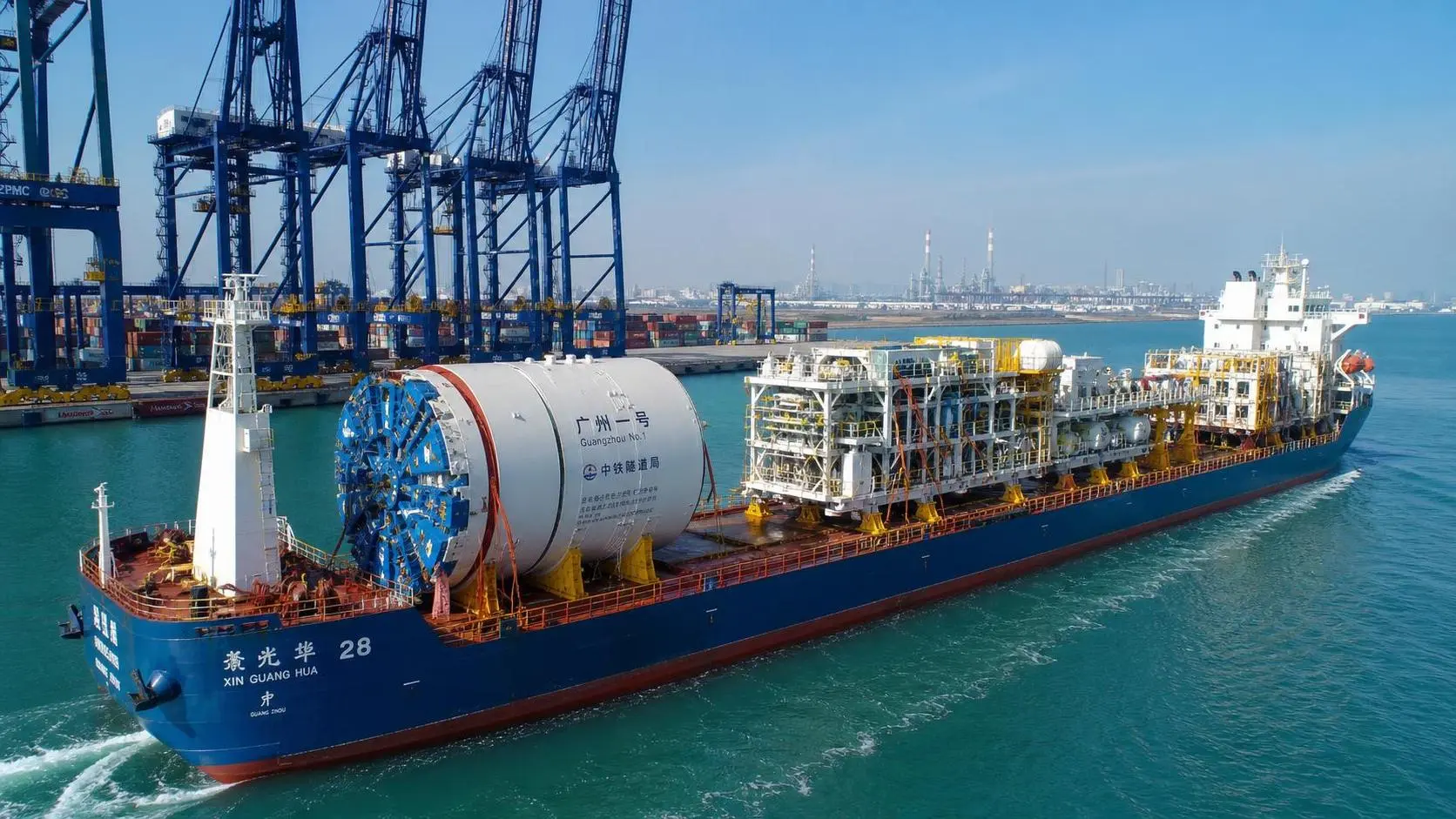
China-UAE Direct Sea Route Cuts TBM and Large Tunneling Equipment Lead Times
China-UAE direct sea route shortens TBM and large tunneling equipment lead times by 12–15 days, improving delivery predictability for major infrastructure projects. Read the full impact.

What Is a TBM Guidance System Gyroscope, and Why Does It Matter Underground?
TBM Guidance Systems gyroscope improves underground accuracy, reduces drift, and helps tunnel boring machines stay on line in harsh conditions.

China to Roll Out Nationwide Local and Foreign Currency Cash Pools for Multinationals on Sept. 14
China will roll out nationwide local and foreign currency cash pools for multinationals on Sept. 14, streamlining cross-border treasury management and boosting liquidity efficiency.
Related News
- 00
0000-00
How to Evaluate Articulated Dump Trucks Payload for Haul Road Conditions and Cycle Efficiency - 00
0000-00
How Pipe Fittings Material and Pressure Class Affect Water Line Selection - 00
0000-00
What Drives TBM Excavation Cost in Urban Tunneling Projects? - 00
0000-00
What Does Energy Metals Mining in Australia Mean for Supply, Cost, and Project Risk? - 00
0000-00
EU Eases Dual CE and UKCA Path for Chinese Tunnel Boring Equipment
Weekly Insights
Stay ahead with our curated technology reports delivered every Monday.