
Trenchless Pipeline Pipe Jacking vs Open Cut: Which Method Fits Urban Utility Crossings?





Trenchless Pipeline Pipe Jacking vs Open Cut: Which Method Fits Urban Utility Crossings?
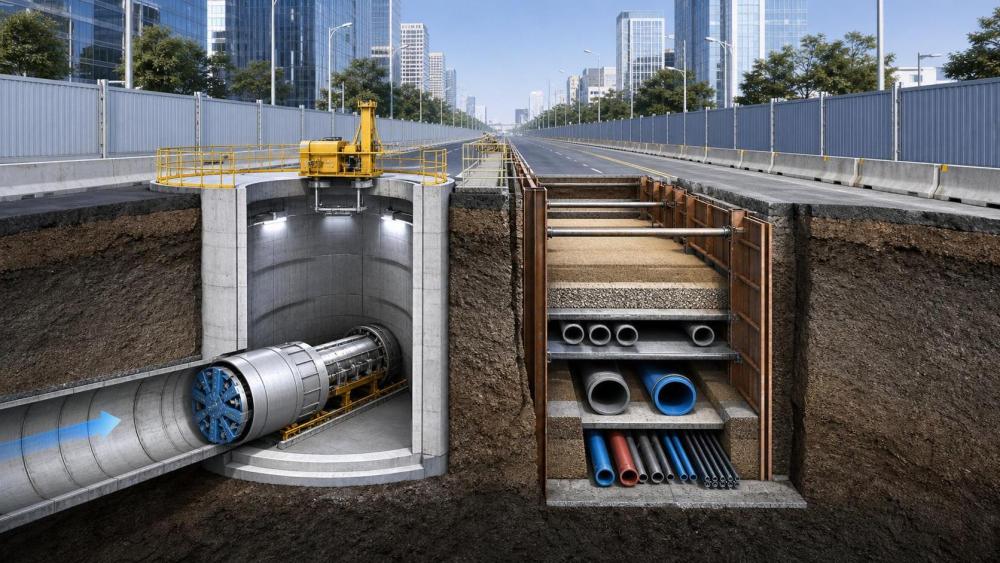
When urban utility crossings demand minimal disruption, method selection becomes a project-level decision, not just a construction detail.
The choice between trenchless pipeline pipe jacking and open cut affects cost, schedule, traffic, permitting, public response, and operational risk.
In dense cities, that choice often decides whether a crossing stays controlled or turns into a high-visibility problem.
Both methods remain valid. The better option depends on geometry, ground behavior, utility congestion, access constraints, and stakeholder tolerance for disruption.
This guide compares trenchless pipeline pipe jacking with open cut for urban utility crossings, using practical decision points rather than generic claims.
Why This Comparison Matters More in Cities
Urban crossings rarely offer clean working space. Roads stay live, buried services overlap, and access windows are usually short.
That changes the decision logic. A method with a lower direct construction price may still create higher total project cost.
Traffic management, business interruption, surface restoration, utility relocation, and public complaints can quickly outweigh excavation savings.
This is where trenchless pipeline pipe jacking often gains attention. It reduces surface disturbance while maintaining line and grade control for critical crossings.
Open cut still works well in the right corridor. It becomes less attractive when surface occupation carries a high social or regulatory price.
What Trenchless Pipeline Pipe Jacking Actually Delivers
Trenchless pipeline pipe jacking installs pipe from a launch shaft to a reception shaft, pushing segments underground with controlled excavation.
Its core strength is obvious: the surface above the alignment can often remain largely untouched.
That matters for crossings under major roads, rail lines, intersections, waterways, hospitals, airports, and built-up commercial corridors.
Another advantage is reduced utility conflict. Instead of exposing every crossing point from the surface, the installation passes beneath obstacles.
For gravity sewers and precise utility tunnels, trenchless pipeline pipe jacking also offers better alignment control than many less guided trenchless methods.
However, it is not automatically easier. Shaft construction, geotechnical uncertainty, spoil handling, lubrication, jacking loads, and settlement control all need disciplined planning.
Best-fit conditions for pipe jacking
- High-traffic roads where lane closure costs are severe.
- Rail or transit crossings with strict possession limits.
- City centers with dense buried utility networks.
- Sensitive districts where noise, dust, and access disruption must stay low.
- Crossings requiring accurate line and grade over moderate to long distances.
Where Open Cut Still Makes Sense
Open cut remains a strong option when the corridor is accessible, shallow, and not overloaded with surface restrictions.
Its biggest advantage is straightforward execution. Crews can visually confirm conditions, adjust around obstacles, and simplify inspection during installation.
For short runs in low-congestion zones, open cut often delivers the lowest initial construction cost.
It also works well when pipe diameter, tie-ins, shallow depth, or service connections make full trenchless installation less efficient.
The issue is not technical viability. The issue is whether the city can absorb excavation impacts without triggering larger project consequences.
Best-fit conditions for open cut
- Shallow alignments with clear access.
- Industrial or peripheral areas with manageable traffic diversion.
- Short utility crossings with simple restoration requirements.
- Projects where multiple service connections need direct access.
- Ground conditions that make jacking risk or shaft cost disproportionate.
Cost: Direct Price vs Total Urban Impact
This is where many comparisons go wrong. Teams often compare bid-line excavation costs without pricing urban disruption realistically.
Trenchless pipeline pipe jacking usually carries higher equipment, shaft, and specialist setup costs.
Open cut usually looks cheaper at first glance. Yet that can reverse once temporary works, traffic staging, reinstatement, and utility relocation are included.
There is also schedule risk cost. Surface works in busy corridors attract permit conditions, public objections, and tighter working-hour restrictions.
In practice, trenchless pipeline pipe jacking often wins when indirect city costs are transparent and measured early.
Typical hidden costs to compare
- Road closure management and police coordination.
- Bus route changes and commercial access disruption.
- Pavement and hardscape restoration quality.
- Temporary utility support or relocation.
- Claims linked to delay, vibration, settlement, or stakeholder complaints.
Risk Profile: Different Risks, Not Fewer Risks
A common mistake is assuming trenchless pipeline pipe jacking is simply the safer option. The reality is more specific.
It reduces surface exposure, but introduces subsurface control risks that require stronger design, monitoring, and contractor capability.
Key concerns include face stability, groundwater behavior, settlement, obstructions, line deviation, and excessive jacking force.
Open cut has a more visible risk profile. Excavation support, worker safety, utility strikes, and public interface are easier to identify, but still expensive to manage.
The better question is not which method has less risk. It is which risk profile your project can predict and control better.
Risk controls that matter early
- Complete targeted ground investigation along the crossing, not just at shaft locations.
- Map utility congestion with verification, not record drawings alone.
- Set trigger levels for settlement, groundwater response, and alignment deviation.
- Match procurement to technical complexity and specialist experience.
- Price contingency against the real failure modes of the chosen method.
Ground Conditions Often Make the Decision
Ground behavior is often the most decisive factor in trenchless pipeline pipe jacking versus open cut selection.
Stable ground with predictable properties supports smoother jacking performance and better settlement control.
Mixed face conditions, boulders, cobbles, high groundwater, or unidentified debris can raise trenchless uncertainty quickly.
On the other hand, poor near-surface soils, contaminated material, or fragile pavement structures can make open cut much more disruptive.
In actual delivery, the right method often emerges after combining geotechnical data with traffic and utility mapping, not before.
A Practical Selection Framework
For urban utility crossings, a useful screening process should be simple, fast, and evidence-based.
Start with the corridor impact question. If the city cannot tolerate excavation at the surface, trenchless pipeline pipe jacking moves to the front.
Then test geotechnical suitability, shaft feasibility, and specialist market capacity. A trenchless method is only as strong as its delivery setup.
If open cut remains viable, compare total installed cost, restoration exposure, traffic obligations, and permit conditions on the same basis.
This avoids a false economy decision that looks efficient at tender stage and expensive during delivery.
Five questions before choosing
- What is the true cost of surface disruption in this corridor?
- Can trenchless pipeline pipe jacking manage the confirmed ground conditions reliably?
- Are launch and reception shafts practical within available land and utility constraints?
- Does the project need direct access for multiple connections or modifications?
- Which option leaves the project with fewer high-impact uncertainties?
Final Takeaway for Urban Utility Crossings
Trenchless pipeline pipe jacking is usually the stronger choice when urban crossings sit beneath critical roads, rail, dense utilities, or sensitive public spaces.
Open cut remains effective where access is easy, depth is shallow, disruption is acceptable, and direct installation flexibility matters most.
The best decision comes from total corridor impact, not construction habit. In many cities, that shifts the balance toward trenchless pipeline pipe jacking.
For planning teams, the practical move is clear: test both methods against ground truth, stakeholder constraints, and full-life project exposure before locking the crossing strategy.
That approach gives urban utility crossings a better chance of staying buildable, defensible, and publicly manageable from design through handover.
Related News
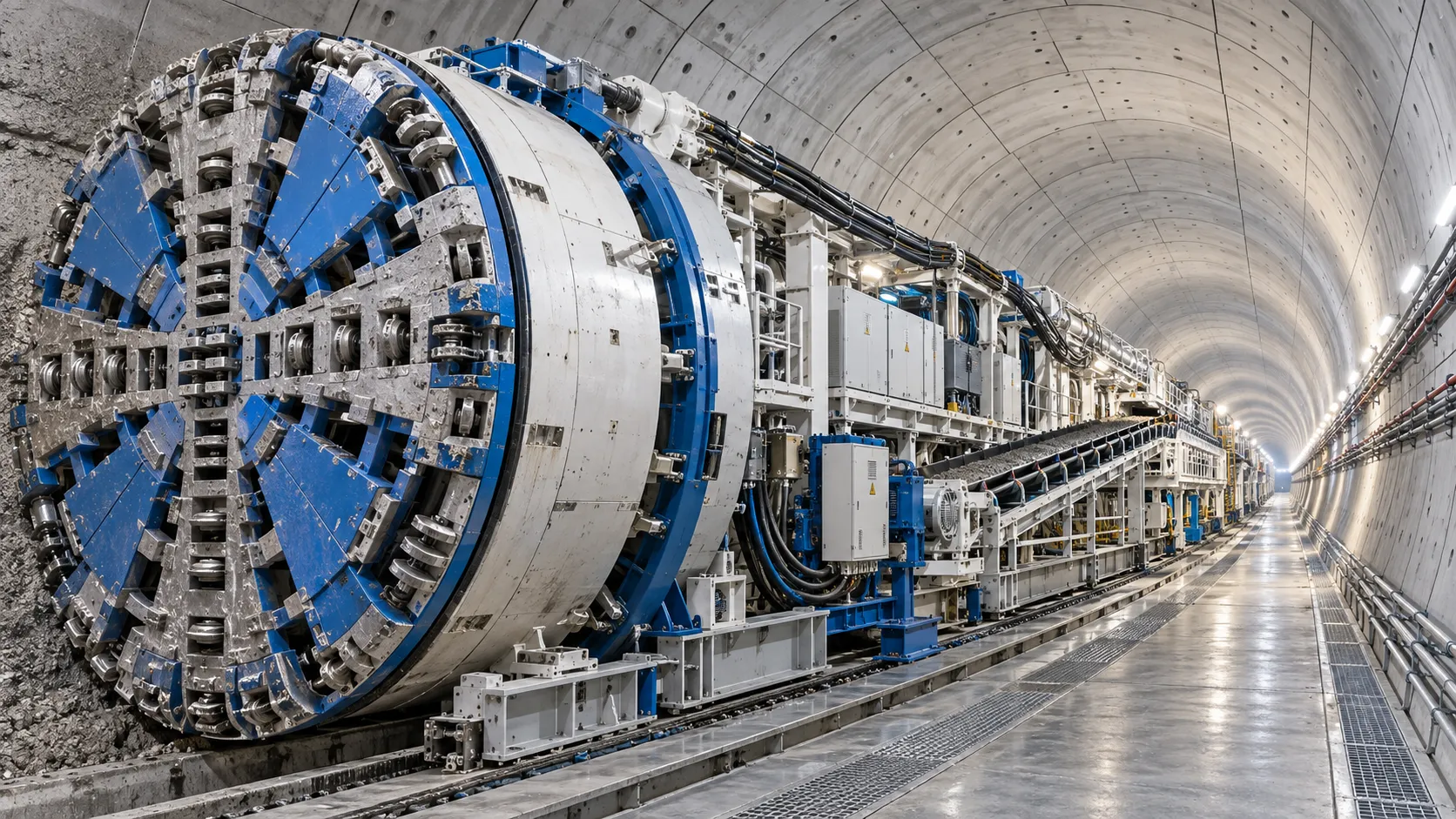
Tunnel Boring Machine Costs: Budgeting for Purchase, Operation, and Project Risk
Tunnel Boring Machines cost more than purchase price. Learn how to budget lifecycle costs, downtime, logistics, wear, and project risk for smarter TBM decisions.
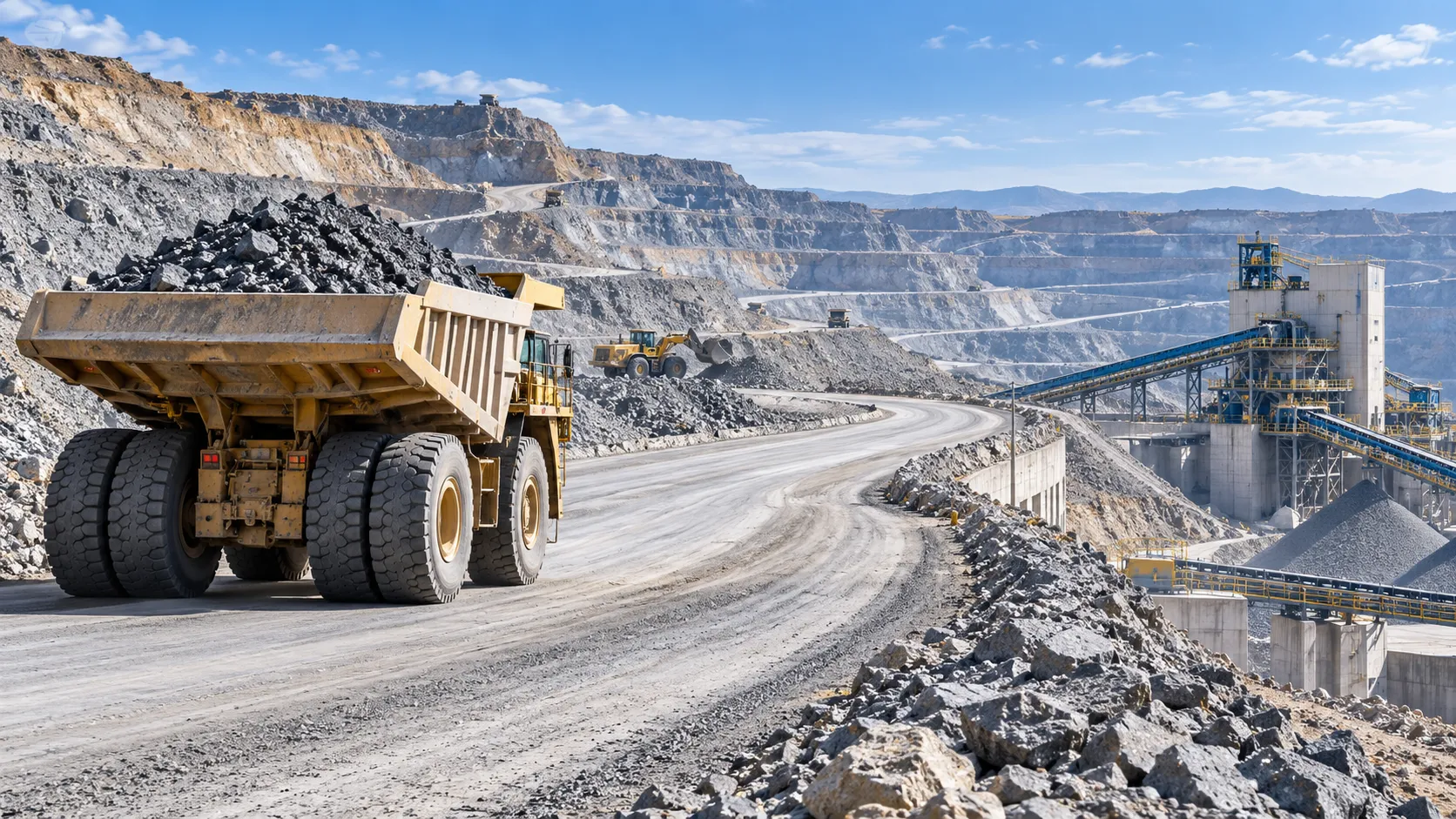
Open-Pit Haulage Cost Analysis: How Mine Managers Can Cut Cost per Tonne
Open pit haulage cost analysis: discover practical ways to reduce cost per tonne through payload control, cycle-time optimization, road performance, and smarter fleet decisions.
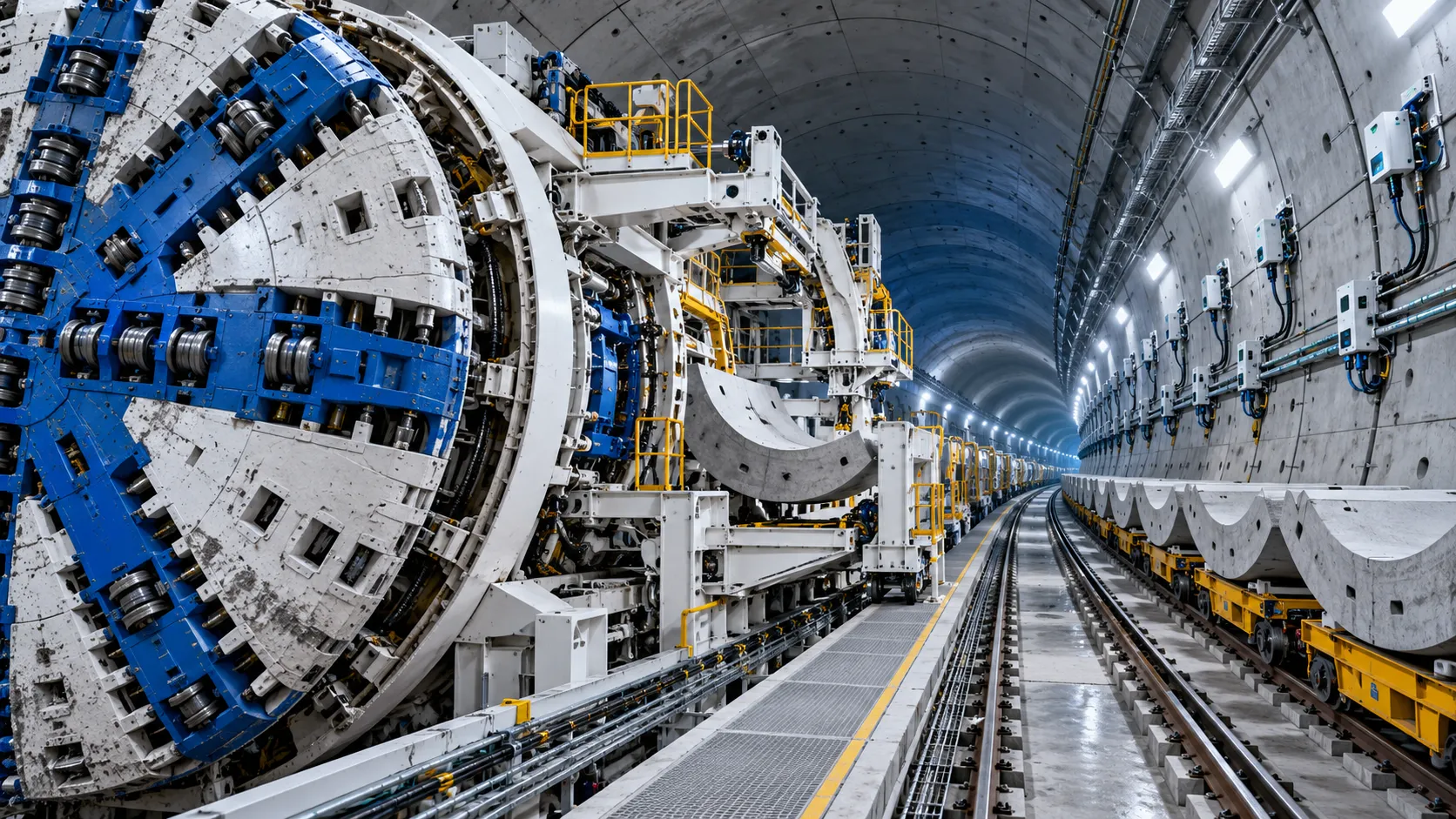
Tunnel Construction Innovations That Reduce Risk and Schedule Delays on Urban Projects
Tunnel construction innovation for urban projects: discover smarter TBMs, real-time monitoring, trenchless methods, and automation that reduce risk and protect schedules.
TBM Disc Cutter Design: Key Geometry and Load Factors for Hard Rock Tunnelling
TBM disc cutter design explained: explore geometry, spacing, load distribution and maintenance factors for reliable, efficient hard-rock tunnelling performance.
Hydraulic Tipping Stability Risks in Multi-Axle Dump Special Trailers
Dump special trailers: discover key hydraulic tipping stability risks, multi-axle load dynamics, and practical safety controls for safer, smarter bulk hauling.
When rock reinforcement in tunnel construction must change after blasting
Rock reinforcement in tunnel construction must change when blasting reveals overbreak, weak joints, water inflow, or deformation. Discover key post-blast support decisions.
How tunnel hydraulic systems influence drill jumbo uptime underground
Tunnel hydraulic systems directly influence drill jumbo uptime. Explore how stable pressure, clean oil, cooling, and maintainable design reduce underground downtime.
What to verify before appointing a tunneling vehicles manufacturer
Choosing a tunneling vehicles manufacturer? Verify application fit, reliability, compliance, parts support, training, and channel terms before appointing a partner.
Selecting K9 Ductile Iron Pipe for Buried Water Pipeline Conditions
K9 ductile iron pipe selection for buried water pipelines: compare pressure duty, joints, soil loads, corrosion protection, and installation controls for reliable long-term performance.
Related News
- 00
0000-00
Tunnel Boring Machine Costs: Budgeting for Purchase, Operation, and Project Risk - 00
0000-00
Open-Pit Haulage Cost Analysis: How Mine Managers Can Cut Cost per Tonne - 00
0000-00
Tunnel Construction Innovations That Reduce Risk and Schedule Delays on Urban Projects - 00
0000-00
TBM Disc Cutter Design: Key Geometry and Load Factors for Hard Rock Tunnelling - 00
0000-00
Hydraulic Tipping Stability Risks in Multi-Axle Dump Special Trailers
Weekly Insights
Stay ahead with our curated technology reports delivered every Monday.