
Pipe Jacking Machines: How to Avoid Alignment Problems on Tight Corridors





In congested urban projects, Pipe Jacking Machines must deliver precise line and grade control where corridor tolerances are unforgiving and surface disruption is not an option. For project managers, avoiding alignment problems means balancing geotechnical uncertainty, steering performance, lubrication strategy, and real-time monitoring from launch to breakthrough. This article outlines the key causes of deviation and the practical controls that keep tight-corridor pipe jacking on track.
Why alignment control is becoming a bigger management issue
A clear shift is taking place in urban trenchless construction. Corridors are getting narrower, utility congestion is increasing, environmental approvals are tighter, and owners expect less disruption with higher certainty on schedule and cost. In that environment, alignment control for Pipe Jacking Machines is no longer a purely technical matter handled by the drive team alone. It has become a project management issue that affects risk allocation, stakeholder confidence, claims exposure, and handover quality.
For project leaders, the practical implication is simple: small deviations now carry larger consequences. A minor drift that may once have been corrected over a longer drive can become a critical event when the corridor passes under roads, rail assets, foundations, or dense utility bundles. The trend is especially visible in municipal drainage, microtunnelling for water and sewer upgrades, and utility tunnelling in city renewal zones, where design envelopes leave almost no room for late correction.
This change also reflects a broader industry direction observed across underground engineering platforms such as UTMD: decision-makers are moving from equipment selection based mainly on installed power and nominal diameter toward reliability under constrained operating windows. In short, Pipe Jacking Machines are being evaluated not only on excavation capability, but on how consistently they can protect line and grade under difficult ground and restricted geometry.
The signals behind tighter tolerance demands
Several trend signals explain why alignment problems are receiving more executive attention. First, urban authorities increasingly prefer trenchless methods to reduce traffic closures, carbon-intensive excavation, and social disruption. Second, the underground asset map is becoming more crowded, even where records remain incomplete. Third, clients are integrating digital reporting requirements into contracts, expecting traceable steering data rather than post-event explanations.
At the same time, the market is seeing more mixed-ground and redevelopment projects. Old industrial zones, reclaimed ground, variable fill, weathered rock interfaces, and legacy structures all increase the chance of asymmetric cutting resistance or settlement-sensitive steering behavior. That means alignment problems are often driven less by a single operator error and more by the interaction of geology, machine configuration, jacking force distribution, and delayed decision-making.
What actually causes alignment problems on tight corridors
Although every drive has unique conditions, alignment problems with Pipe Jacking Machines usually emerge from a manageable set of causes. For project managers, the important shift is to view these causes as linked system risks rather than isolated site events.
One major cause is incomplete understanding of the ground transition ahead of the face. Changes from soft clay to dense sand, fill to boulder zones, or weathered to harder rock can alter cutting resistance across the face. If the machine meets unequal resistance, it tends to yaw or pitch. Another common cause is launch shaft geometry. Poor initial setup, rail inaccuracy, or reaction wall issues can create a small departure error that becomes difficult to remove later.
Lubrication is another overlooked factor. When bentonite distribution is uneven, friction along the pipe string rises irregularly, and the jacking load does not transfer uniformly. This may reduce steering responsiveness and increase the chance of overcorrection. Similarly, intermediate jacking station performance affects how force is shared across the drive. If the force path is unbalanced, maintaining line and grade becomes harder, especially on longer alignments.
Human factors still matter, but often in the form of delayed recognition rather than lack of skill. On tight corridors, a deviation is rarely dangerous because it appears; it becomes dangerous because it is noticed too late, interpreted too slowly, or corrected too aggressively.
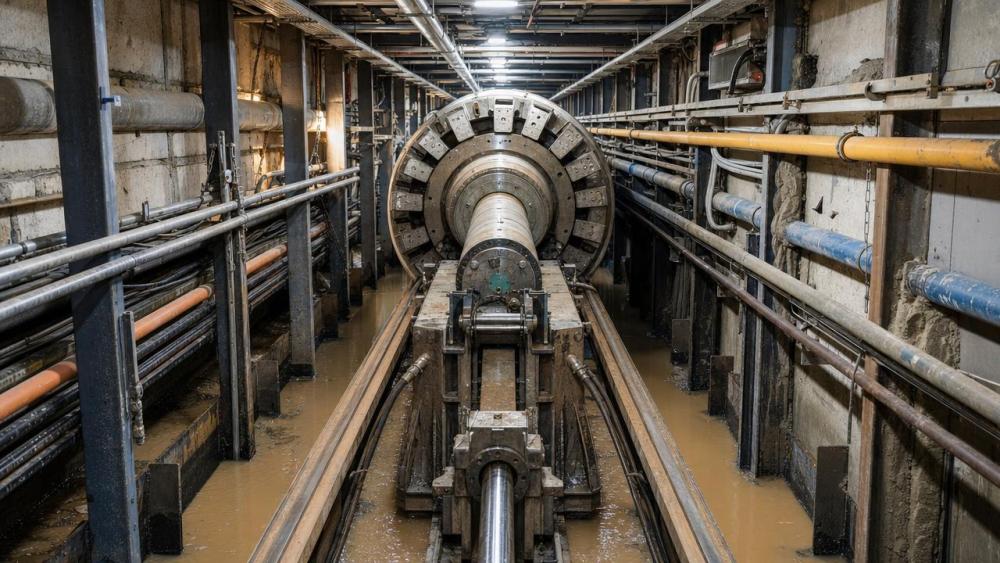
The market is rewarding smarter steering, not just stronger machines
A notable industry direction is that buyers and contractors are placing more value on integrated guidance, sensing, and control support. In previous procurement cycles, the focus often stayed on machine thrust, cutterhead suitability, and delivery timing. Today, high-performing Pipe Jacking Machines are increasingly judged by how well they support predictive steering decisions through laser guidance stability, articulation response, slurry balance visibility, and data logging quality.
This trend aligns with the larger digitalization wave in underground engineering. As in TBM and mining equipment markets, asset owners want more than mechanical performance; they want decision intelligence. For pipe jacking projects, that means the best operational outcomes often come from teams that combine machine capability with disciplined interpretation of trend data: jacking force changes, face pressure fluctuation, articulation movements, advance rate shifts, and settlement indicators.
For project managers, this changes supplier evaluation. The key question is no longer only whether a machine can steer, but whether the machine-package-team combination can detect developing misalignment early enough to respond without creating new risks.
How the impact differs across the project chain
Alignment risk does not hit all participants in the same way. Understanding who is affected, and when, helps teams set more realistic controls and communication routines.
What stronger control looks like from launch to breakthrough
The most effective response is not a single corrective technique, but a staged control model. Before launch, the focus should be on validating shaft geometry, survey control, utility offsets, and expected ground transitions. During early drive stages, the priority is proving steering behavior under actual conditions, because early deviations often reveal setup or response issues. Mid-drive, attention shifts toward lubrication continuity, jacking force distribution, and confirmation that correction inputs are producing predictable results. Near breakthrough, teams should resist the temptation to chase perfect geometry with abrupt steering changes if that introduces settlement or damage risk.
For Pipe Jacking Machines in tight corridors, a useful discipline is to define action thresholds before work starts. Examples include acceptable short-interval drift, maximum correction rate, jacking force imbalance tolerances, slurry pressure variation bands, and the trigger point for geotechnical reassessment. These thresholds create a shared decision language between project management, site engineers, and the machine crew.
Why geotechnical interpretation is now a live operational task
A growing lesson across trenchless projects is that the ground model cannot remain a preconstruction document only. In difficult urban drives, geotechnical interpretation has to stay active throughout execution. This is particularly important when Pipe Jacking Machines cross interfaces where borehole spacing was too wide to resolve local variability with confidence.
Project managers should therefore look for structured comparison between predicted ground and actual machine response. Are jacking loads rising earlier than expected? Is steering correction becoming less effective in one direction? Are excavation parameters suggesting clogging, overcut instability, or contact friction growth? These are not minor technical details; they are early signals that the assumed control envelope may be changing.
The next competitive edge: integrated data, disciplined decisions
Looking ahead, the likely competitive advantage in Pipe Jacking Machines will come from better integration of machine telemetry, survey updates, settlement monitoring, and field decision protocols. The direction is similar to broader underground equipment markets tracked by UTMD: automation and sensing matter most when they improve reliability under physical constraints, not when they simply add dashboard complexity.
This does not mean every project needs advanced autonomy. It does mean high-value urban drives increasingly benefit from a more structured digital workflow: trend-based alarms, shift-by-shift alignment reviews, linked geotechnical notes, and a documented response plan for emerging drift. Over time, these practices will likely separate contractors who can repeatedly deliver on narrow corridors from those who rely on operator intuition alone.
Practical judgment points for project managers
If you are responsible for delivery, the most useful question is not whether alignment problems can happen, but how early your team can see them and how calmly it can respond. In today’s market, projects using Pipe Jacking Machines should pay special attention to five judgment points: whether corridor tolerances were translated into operational thresholds, whether launch accuracy was independently verified, whether lubrication and jacking force data are reviewed as trend indicators, whether ground uncertainty has a live response protocol, and whether reporting supports quick cross-functional decisions.
These checks matter because the industry is moving toward less tolerance for avoidable underground risk. Owners, regulators, and urban stakeholders increasingly expect trenchless work to be not only less disruptive, but also more predictable. Alignment performance is becoming one of the clearest indicators of that predictability.
FAQ: decision-oriented questions on alignment risk
Are tighter corridor projects mainly a machine issue or a planning issue?
They are both, but planning quality often determines whether machine capability can be used effectively. Pipe Jacking Machines perform best when survey control, shaft setup, utility intelligence, and steering thresholds are already aligned before excavation begins.
What is the earliest warning sign of future deviation?
A combination of subtle signals is usually more useful than one large event: repeated small steering corrections, rising or uneven jacking forces, reduced response to articulation, or a mismatch between expected and actual advance behavior.
Should teams correct deviation aggressively as soon as it appears?
Not always. On sensitive urban drives, aggressive correction can create additional settlement or stress. The better approach is controlled correction based on a clear understanding of ground condition, lubrication status, and force distribution.
Final takeaway
The bigger industry change is that alignment control for Pipe Jacking Machines is moving from a specialist concern to a board-level project reliability signal. As corridors become tighter and stakeholder tolerance for disruption falls, success depends on linking machine performance, ground interpretation, and management discipline into one operating model. If your organization wants to judge how this trend affects upcoming projects, focus first on corridor tolerance, launch precision, data visibility, and response rules. Those four questions often reveal whether alignment risk is truly under control or only assumed to be.
Related News
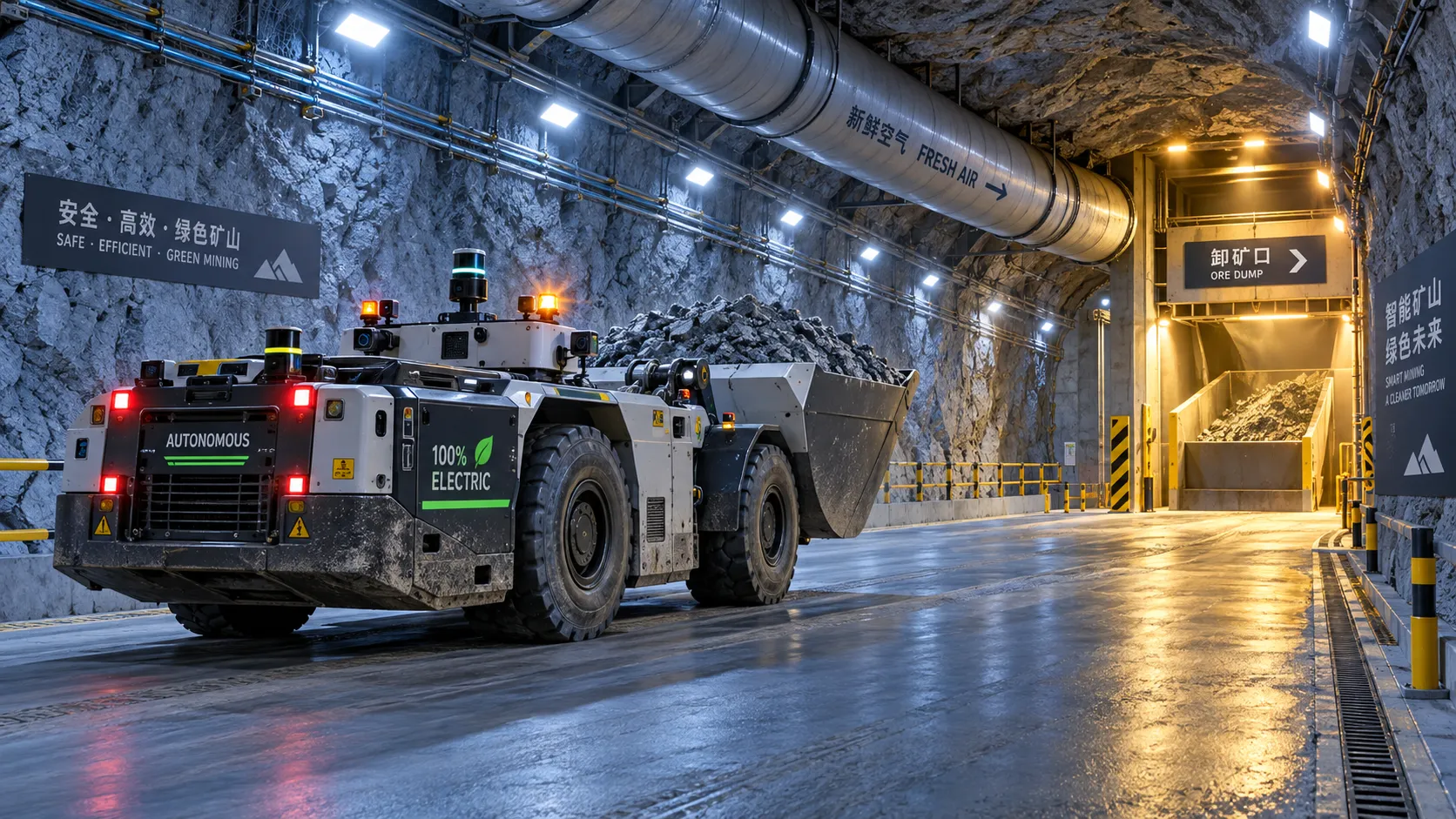
Where Autonomous Mining Loaders Deliver the Most Value in Underground Operations
Autonomous Mining Loaders deliver greater underground value through safer blast-zone work, repeatable haul cycles, and improved ventilation efficiency. Discover the best deployment zones.
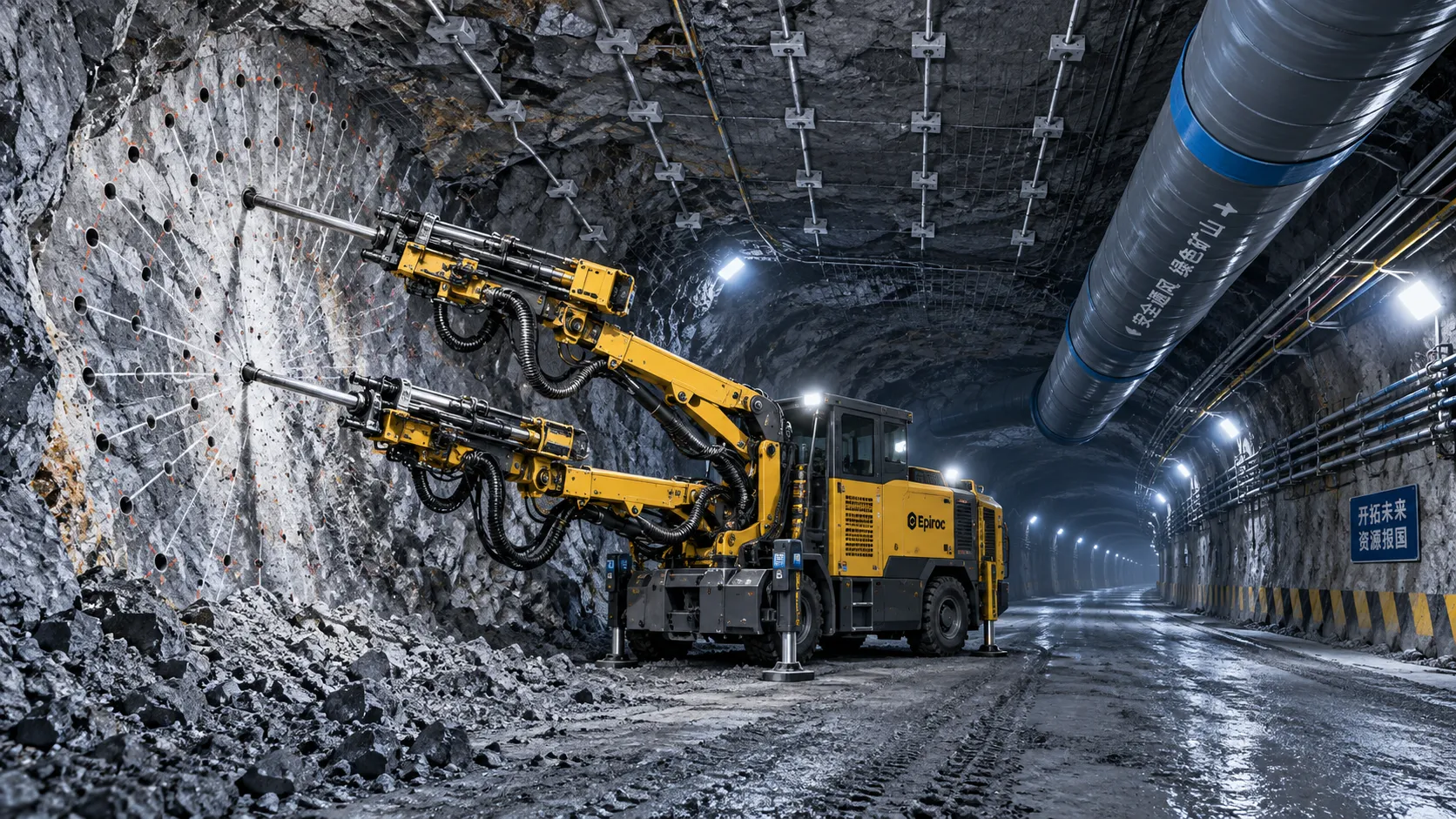
Underground Drilling for Mining: Selecting Methods for Rock Conditions and Mine Layout
Underground drilling for mining: learn how to match drilling methods to rock conditions, mine layout, accuracy needs, ground support, and cycle efficiency.
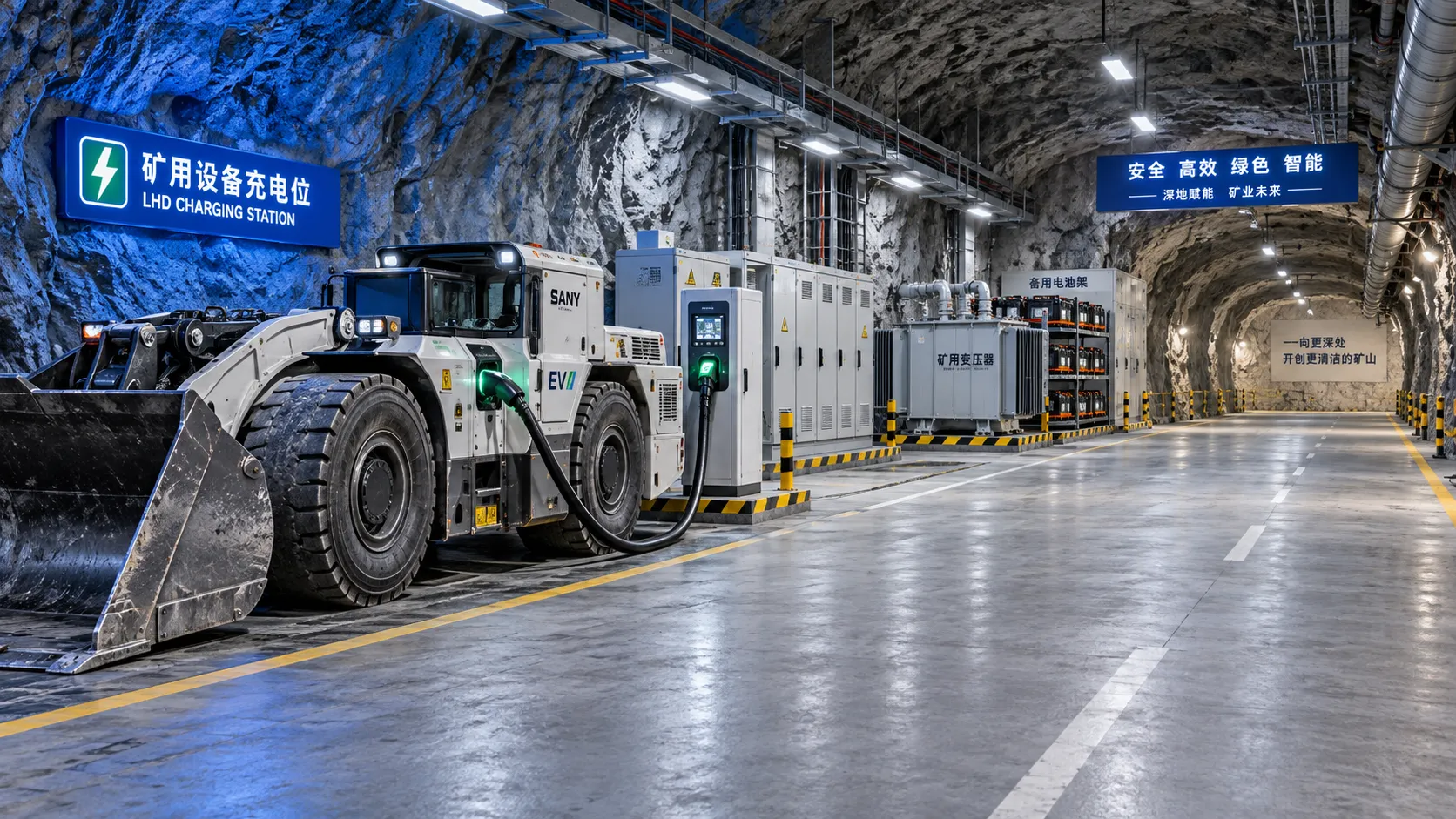
Underground Mine Electrification: How to Size Battery Fleets and Charging Capacity
Mining electrification for underground mines: learn how to size battery fleets, chargers, and power capacity to prevent queues, peak-load issues, and production downtime.

How to Evaluate European Drill-and-Blast Tunnelling Contractors for Complex Projects
Drill and blast tunnelling contractors Europe: learn how to assess geology expertise, blast control, equipment reliability, safety, and programme resilience for complex projects.

Which Trenchless Construction Technique Fits Your Utility Crossing Conditions?
Trenchless construction techniques compared for utility crossings: choose HDD, microtunnelling, pipe jacking, or auger boring based on ground, accuracy, access, and risk.

What Is Driving Metro Tunnelling Demand Across Southeast Asia’s Major Cities?
Metro tunnelling Southeast Asia is accelerating as major cities tackle congestion, flooding, and connectivity. Explore the market forces, technical risks, and opportunities shaping demand.

Hard Rock Tunnelling in Australia: Selecting Methods for Variable Ground Conditions
Hard rock tunnelling in Australia: compare TBM, drill-and-blast and hybrid methods to manage variable ground, reduce risk and protect project costs.

Hydropower Tunnel Excavation: Selecting Methods for Variable Rock Conditions
Hydropower tunnel excavation methods for variable rock conditions: compare TBM, drill-and-blast, and hybrid strategies to improve safety, progress, and project control.

How to Select Underground Safety Equipment for Tunnelling by Hazard and Work Zone
Underground Safety Equipment for tunnelling: match protection to hazards, work zones, compliance, and emergency needs with this practical selection guide.
Related News
- 00
0000-00
Where Autonomous Mining Loaders Deliver the Most Value in Underground Operations - 00
0000-00
Underground Drilling for Mining: Selecting Methods for Rock Conditions and Mine Layout - 00
0000-00
Underground Mine Electrification: How to Size Battery Fleets and Charging Capacity - 00
0000-00
How to Evaluate European Drill-and-Blast Tunnelling Contractors for Complex Projects - 00
0000-00
Which Trenchless Construction Technique Fits Your Utility Crossing Conditions?
Weekly Insights
Stay ahead with our curated technology reports delivered every Monday.