
Smart Slurry Pipe Jacking Line Cuts Lead Time to 11 Weeks





On July 1, 2026, a leading tunneling equipment manufacturer in Jiangsu announced the start of mass production on what it described as the world’s first intelligent production line for Slurry Pipe Jacking equipment. The update matters not only for equipment manufacturing, but also for buyers, project delivery teams, cross-border supply chains, and contractors serving EU and Middle East markets, because it points to a shorter standard delivery cycle and a more export-ready supply setup.
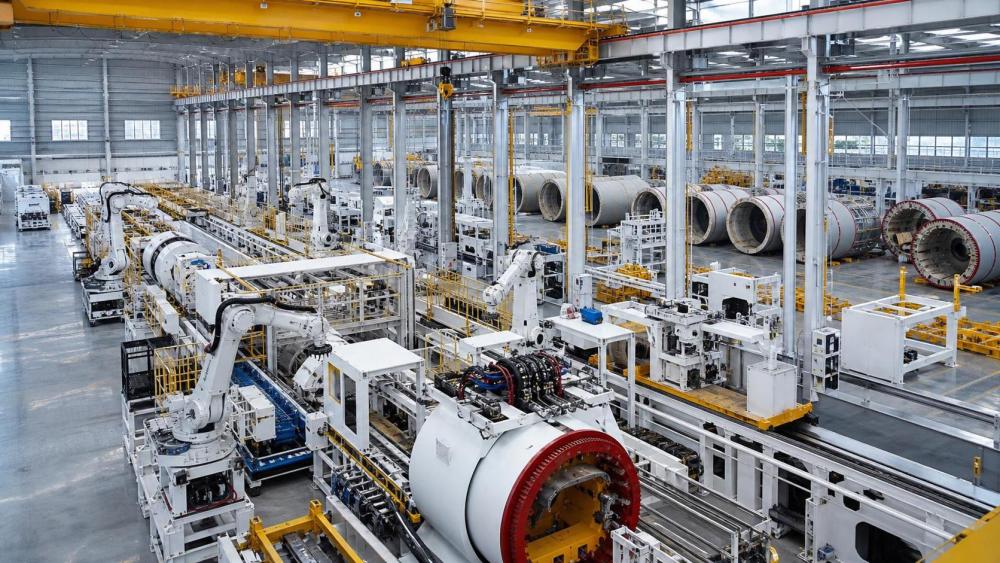
What Has Been Confirmed So Far
According to the information provided, the company’s fully automated flexible production line for Slurry Pipe Jacking has officially entered volume production. The manufacturer said the line uses digital-twin production scheduling and a modular pre-assembly process for hydraulic drive units. Based on these changes, the delivery cycle for standard-specification equipment has been reduced from 16 weeks to 11 weeks.
The same production line has also obtained dual certification from TÜV Rheinland under ISO 9001:2025 and EN 13501-3:2026. The information provided further states that this setup supports direct supply to projects in the European Union and the Middle East.
Where the Effects May Be Felt First
For equipment buyers, timing becomes a more active planning variable
From an industry perspective, procurement teams and project owners may be affected first because delivery lead time is a core factor in equipment booking, budget timing, and project sequencing. If an 11-week standard delivery cycle proves stable in practice, buyers may need to reassess tender schedules, equipment reservation windows, and internal approval timing. What deserves closer attention is whether the shortened cycle applies consistently to standard configurations only, or whether adjacent specifications are handled in a similar way.
For manufacturing and assembly partners, process discipline matters more
Analysis shows that the manufacturing side of the chain may feel pressure to align more tightly with modular production logic. The disclosed use of digital-twin scheduling and pre-assembled hydraulic drive units suggests that upstream and supporting suppliers may need to match more predictable delivery, documentation, and interface standards. The likely impact is less about volume alone and more about whether partners can fit into a production model built around standardized flow and shorter handoff times.
For cross-border delivery service providers, compliance may move closer to the sales front end
For companies involved in export support, documentation, inspection coordination, and overseas fulfillment, the dual certification element may be the practical point to watch. Because the line is described as supporting direct supply to EU and Middle East projects, service providers may need to pay closer attention to how certification materials, product records, and customer-facing compliance files are prepared earlier in the order cycle. The business effect is likely to appear in pre-shipment coordination, contract review, and client communication rather than in logistics alone.
What Companies Should Watch Next
Scope of the shorter lead time
Companies evaluating orders should focus on the boundary of the announced 11-week cycle. The confirmed statement refers to standard-specification equipment, so purchasers and sales teams should distinguish clearly between standard models and any non-standard or project-specific requirements when discussing delivery commitments.
How certification is used in actual transactions
What deserves closer attention is the difference between having certification at the production-line level and using that status smoothly in real project execution. Importers, distributors, and end customers may still require supporting documentation, technical files, or project-specific submission packages. This makes document readiness and customer communication an immediate operational issue.
Whether direct supply changes channel expectations
The reference to direct supply into EU and Middle East projects may affect how channel partners, procurement intermediaries, and service firms position themselves. Observably, the key question is not simply whether direct supply is possible, but which parts of the transaction still require local support, after-sales coordination, or compliance handling in destination markets.
How internal planning should adapt
For contractors and procurement managers, a shorter equipment cycle may require updates to project planning assumptions. Teams may need to revisit procurement milestones, supplier confirmation steps, and fallback plans in case actual execution differs from the announced standard cycle. This is especially relevant where equipment timing affects downstream construction sequencing.
Why This Looks Like a Structural Signal, Not Just a Routine Update
Analysis shows that this development is more meaningful as a manufacturing and delivery signal than as a standalone product announcement. The combination of automated flexible production, digital-twin scheduling, modular hydraulic pre-assembly, and export-facing certification indicates a push toward tighter integration between factory process, lead-time control, and overseas project access.
At the same time, it is more appropriate to understand this as an early operational signal rather than a fully settled market outcome. The announcement confirms production readiness and a shorter standard lead time, but the broader industry impact will still depend on how consistently this model performs across orders, customer requirements, and international project delivery conditions.
How to Read This Development Now
At this stage, the industry significance lies in the linkage between production organization and commercial responsiveness. A reduction from 16 weeks to 11 weeks is notable because it changes the timing logic around standard equipment supply, while the certification detail points to stronger readiness for cross-border business. The most balanced reading is that this is a concrete short-term change with possible longer-term implications, but one that still warrants continued observation before broader conclusions are drawn.
Basis of This Article and What Still Needs Verification
This article is based on the user-provided news title, event date, and event summary. For developments of this type, relevant source categories typically include company announcements, official statements, industry association updates, authoritative media coverage, and standards or certification-related documents. No specific official source link was provided in the input, so the exact primary source documentation still needs ongoing verification.
Further monitoring should focus on whether subsequent official disclosures clarify the scope of standard-specification delivery, the practical use of the cited certifications in overseas project supply, and any follow-up information that shows how the announced production capability translates into actual order execution.
Related News
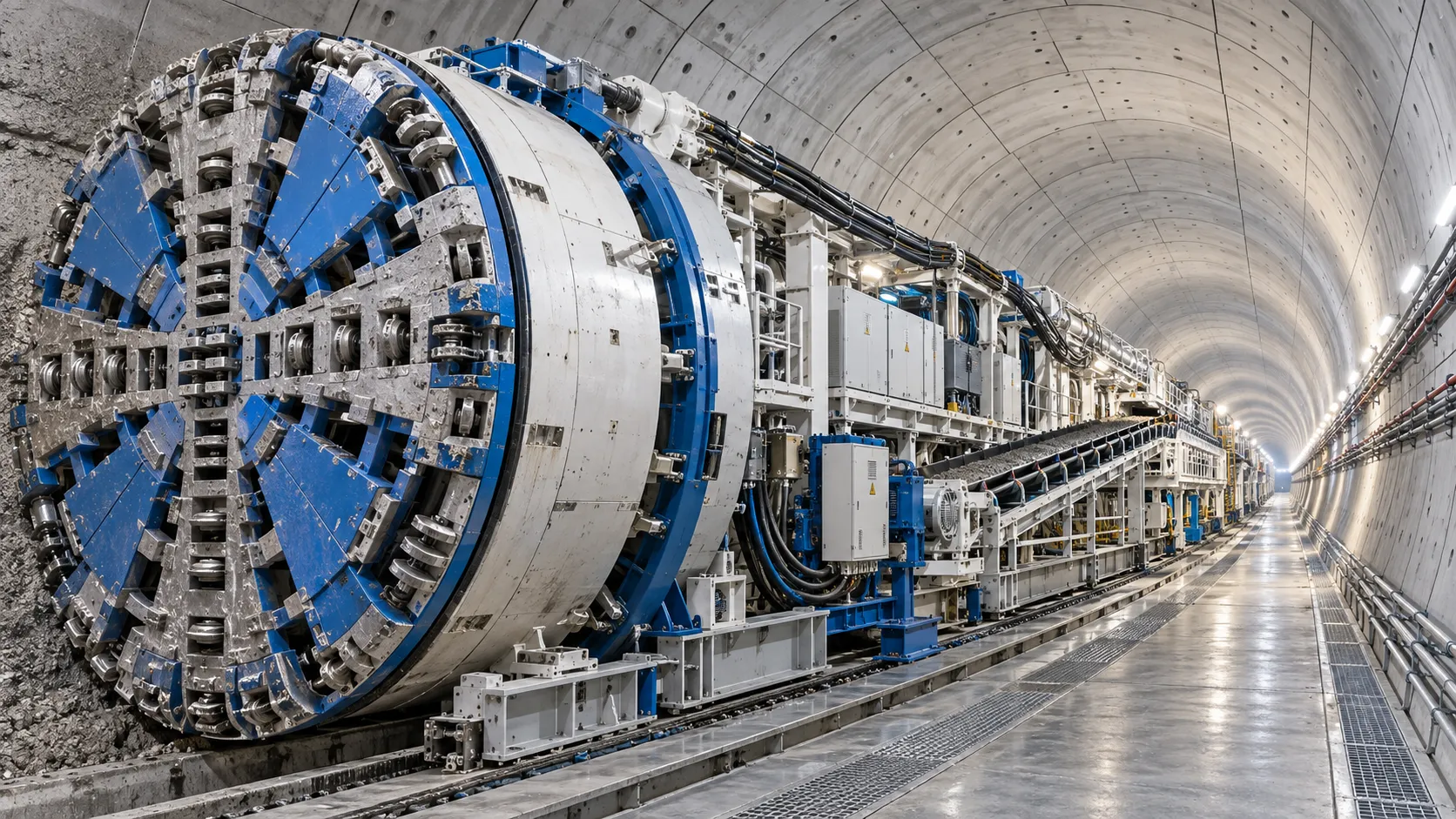
Tunnel Boring Machine Costs: Budgeting for Purchase, Operation, and Project Risk
Tunnel Boring Machines cost more than purchase price. Learn how to budget lifecycle costs, downtime, logistics, wear, and project risk for smarter TBM decisions.
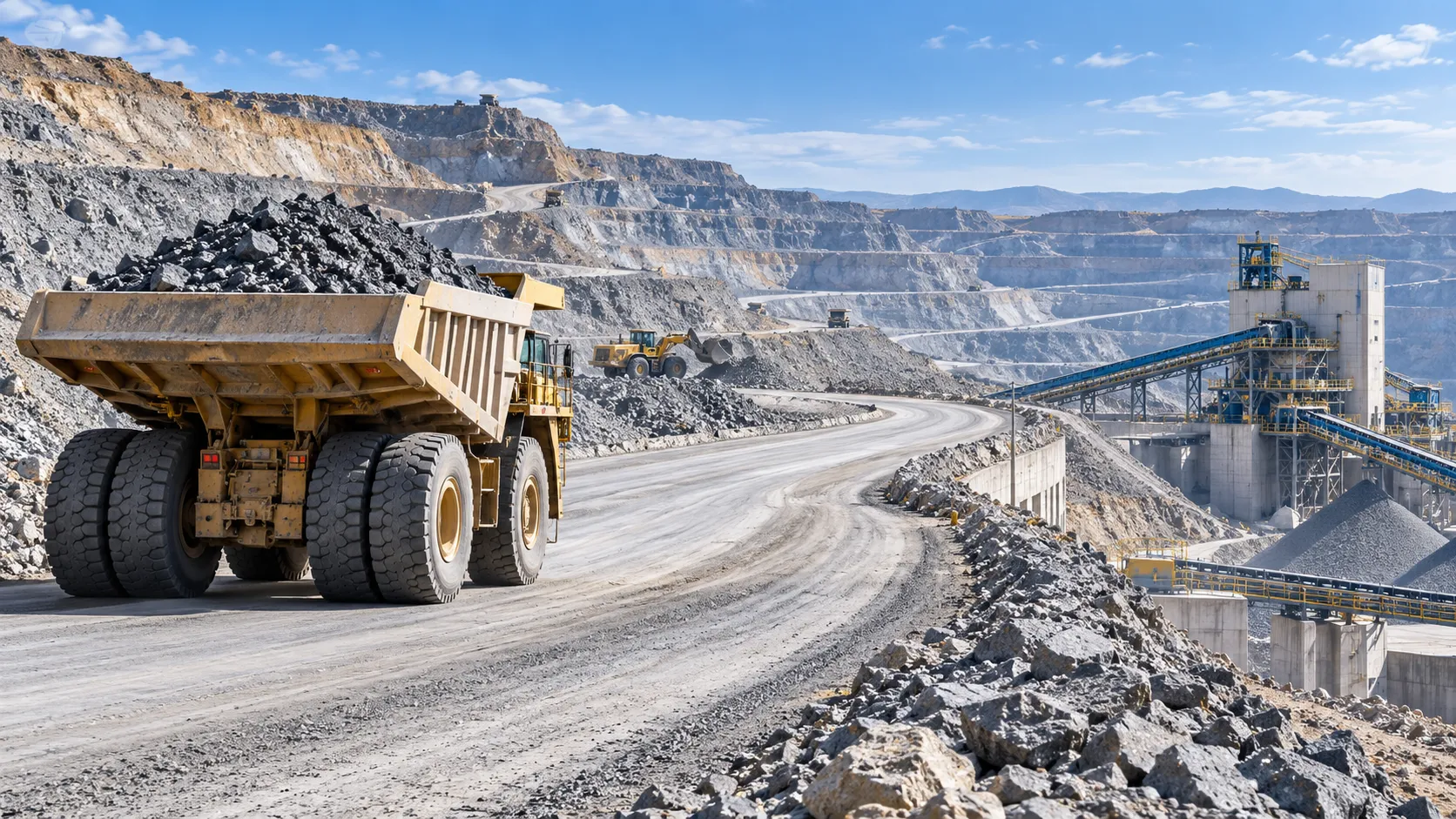
Open-Pit Haulage Cost Analysis: How Mine Managers Can Cut Cost per Tonne
Open pit haulage cost analysis: discover practical ways to reduce cost per tonne through payload control, cycle-time optimization, road performance, and smarter fleet decisions.
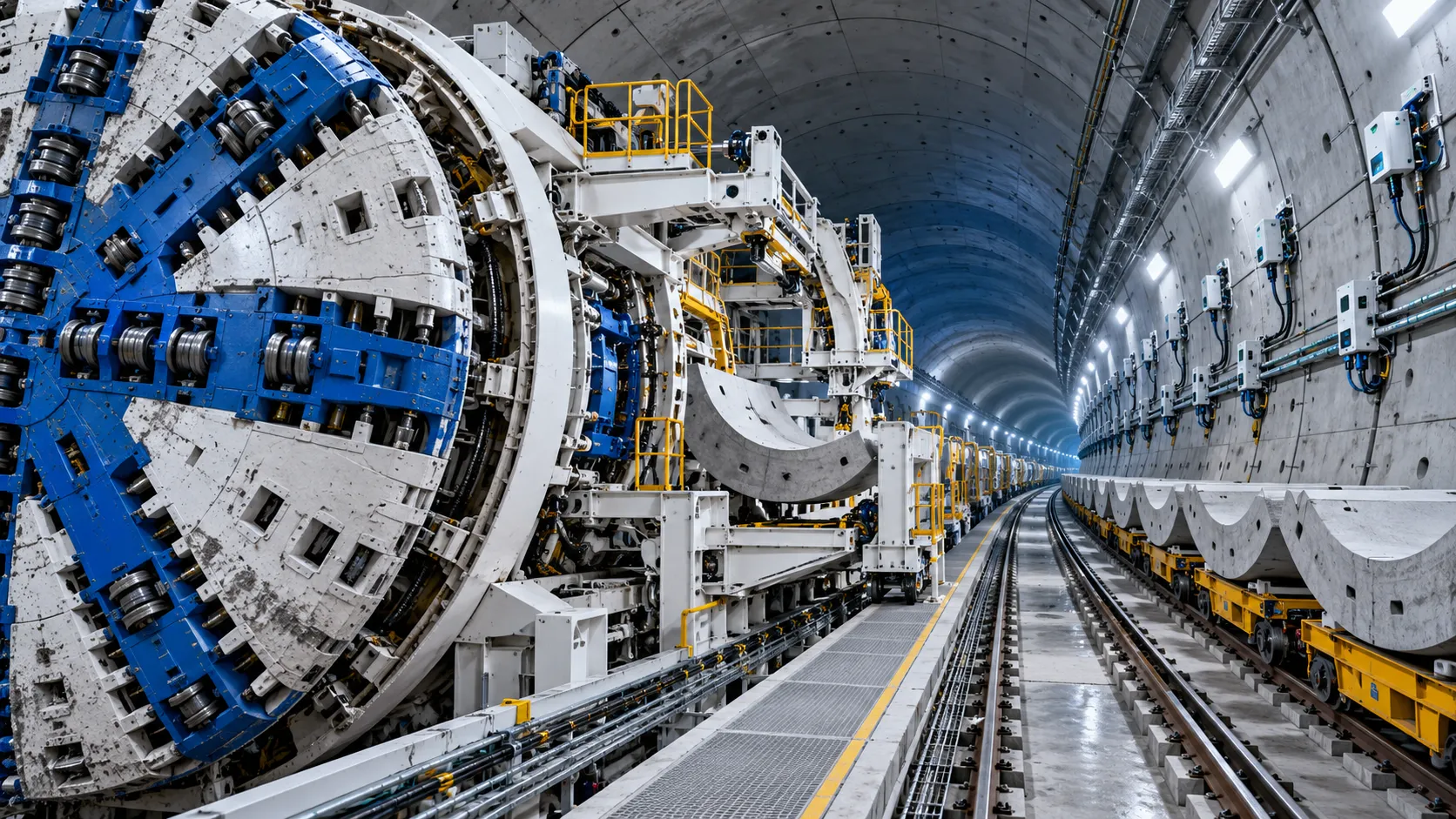
Tunnel Construction Innovations That Reduce Risk and Schedule Delays on Urban Projects
Tunnel construction innovation for urban projects: discover smarter TBMs, real-time monitoring, trenchless methods, and automation that reduce risk and protect schedules.

TBM Disc Cutter Design: Key Geometry and Load Factors for Hard Rock Tunnelling
TBM disc cutter design explained: explore geometry, spacing, load distribution and maintenance factors for reliable, efficient hard-rock tunnelling performance.
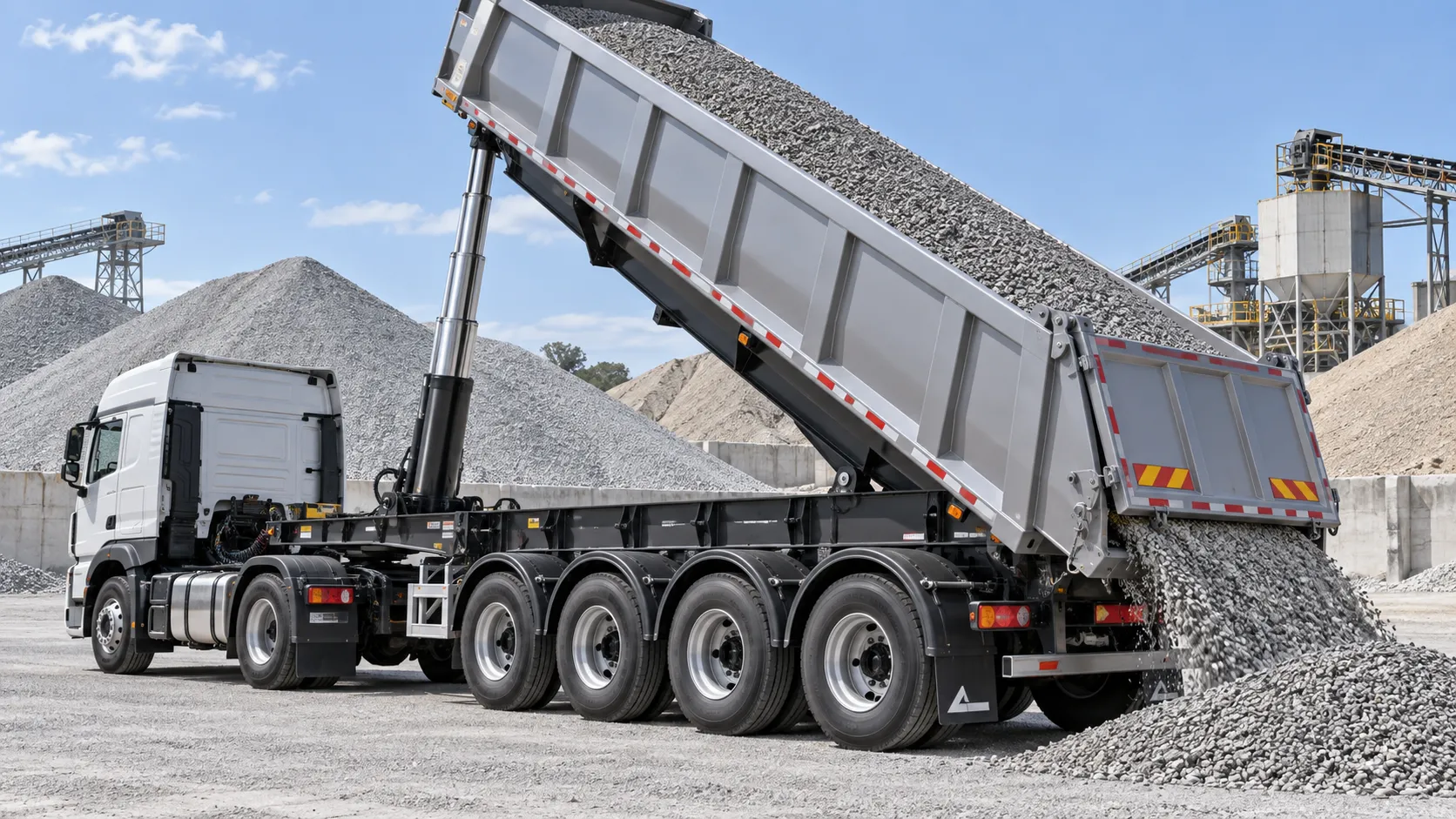
Hydraulic Tipping Stability Risks in Multi-Axle Dump Special Trailers
Dump special trailers: discover key hydraulic tipping stability risks, multi-axle load dynamics, and practical safety controls for safer, smarter bulk hauling.
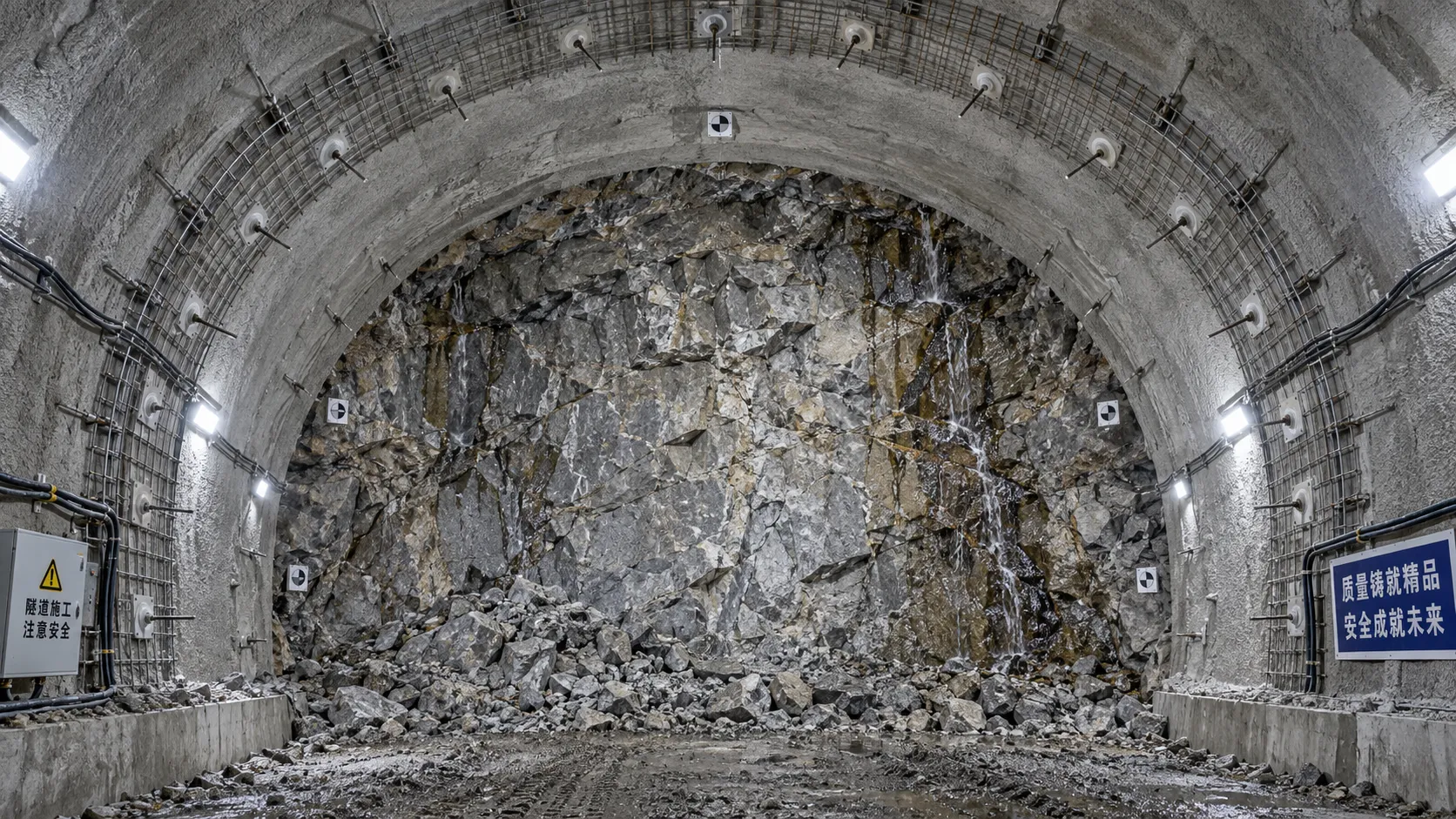
When rock reinforcement in tunnel construction must change after blasting
Rock reinforcement in tunnel construction must change when blasting reveals overbreak, weak joints, water inflow, or deformation. Discover key post-blast support decisions.
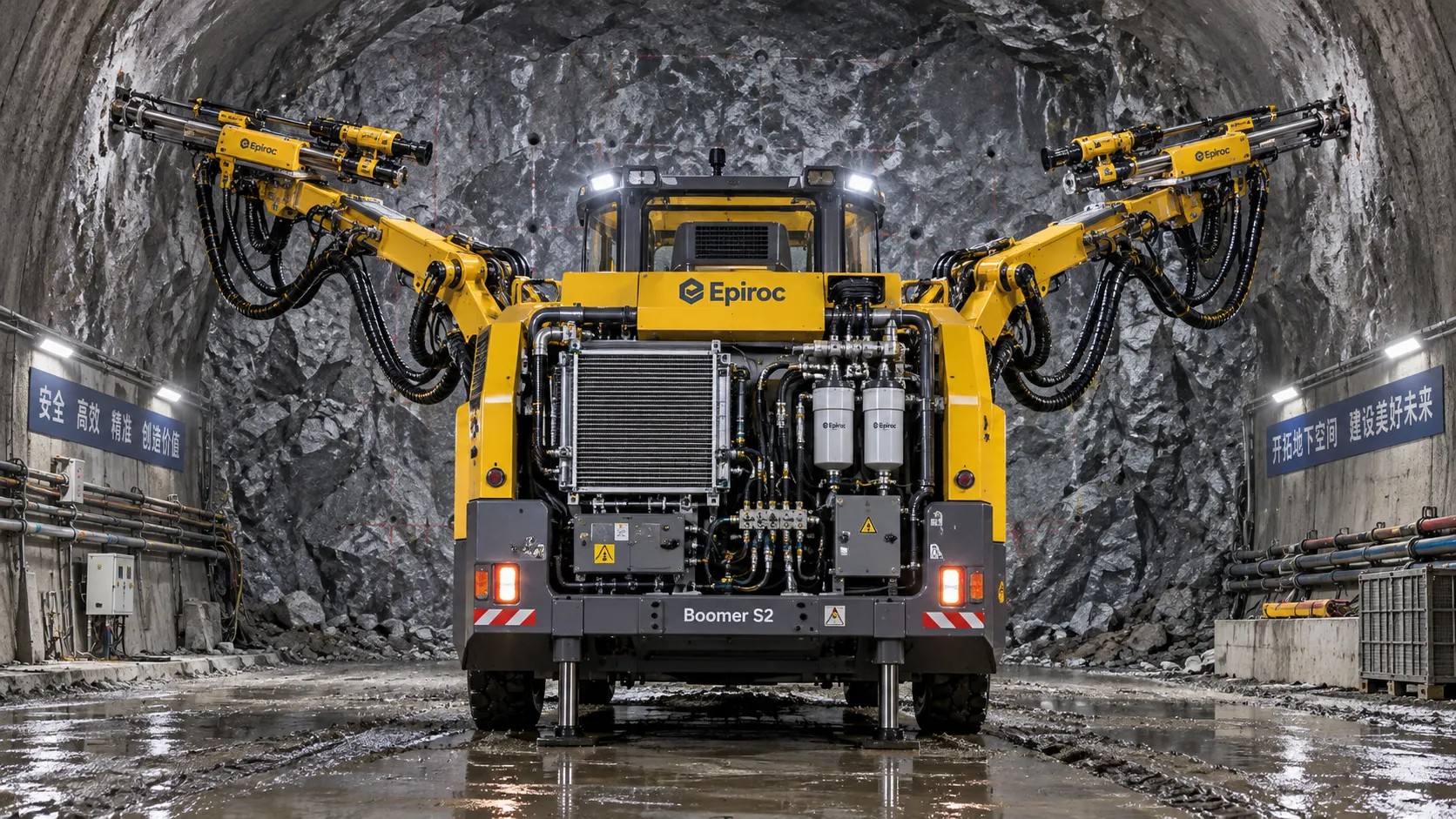
How tunnel hydraulic systems influence drill jumbo uptime underground
Tunnel hydraulic systems directly influence drill jumbo uptime. Explore how stable pressure, clean oil, cooling, and maintainable design reduce underground downtime.
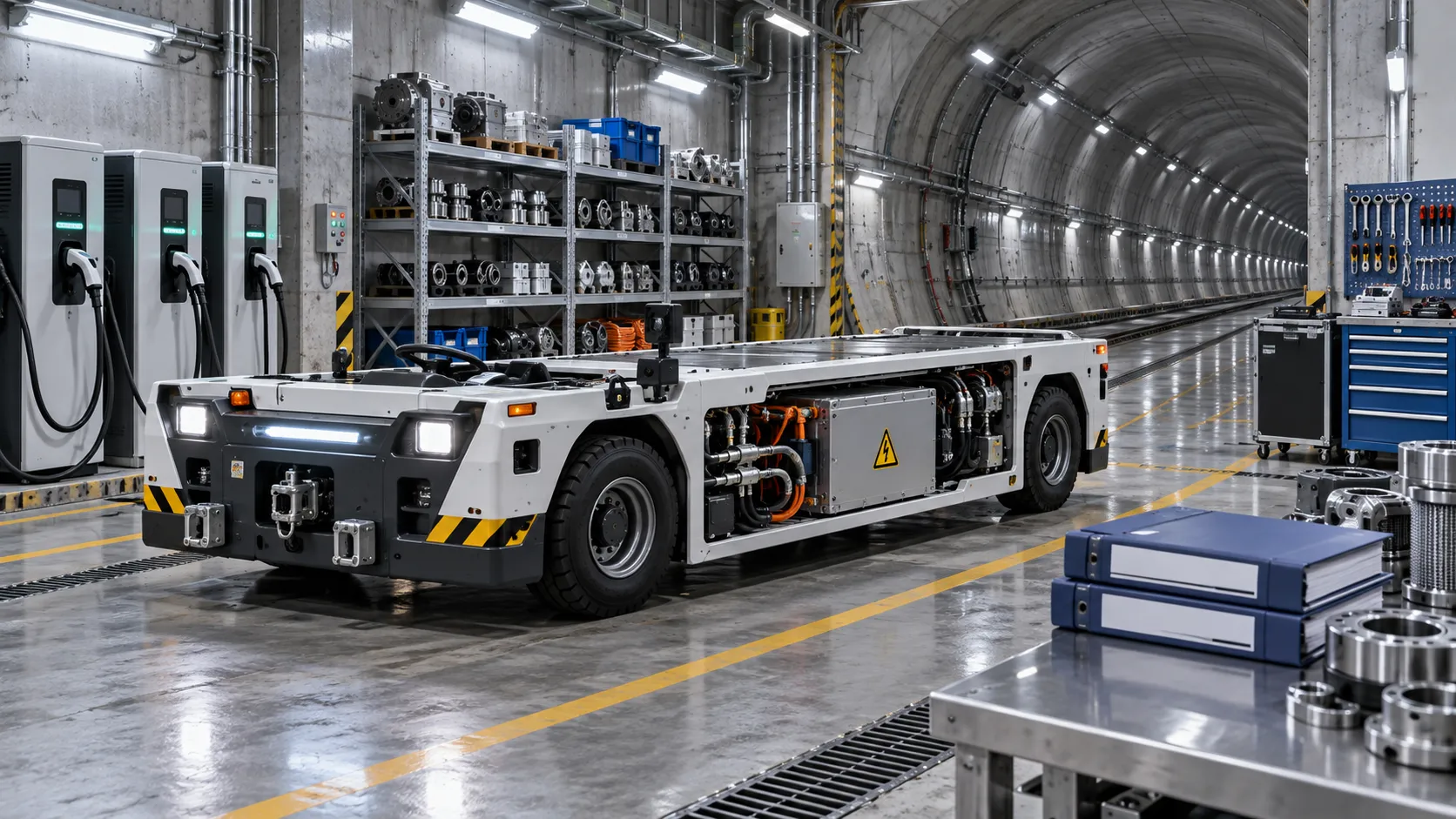
What to verify before appointing a tunneling vehicles manufacturer
Choosing a tunneling vehicles manufacturer? Verify application fit, reliability, compliance, parts support, training, and channel terms before appointing a partner.
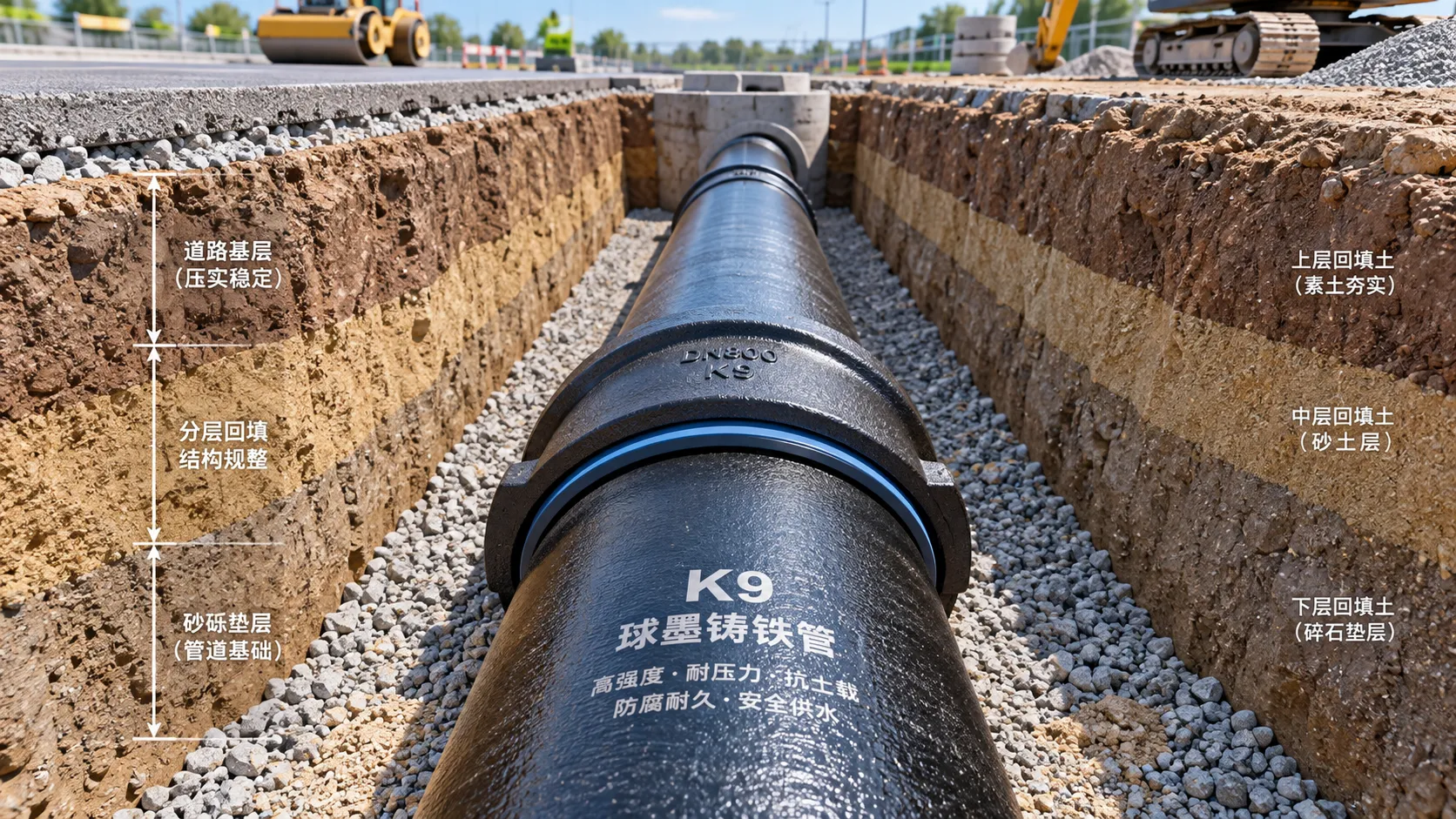
Selecting K9 Ductile Iron Pipe for Buried Water Pipeline Conditions
K9 ductile iron pipe selection for buried water pipelines: compare pressure duty, joints, soil loads, corrosion protection, and installation controls for reliable long-term performance.
Related News
- 00
0000-00
Tunnel Boring Machine Costs: Budgeting for Purchase, Operation, and Project Risk - 00
0000-00
Open-Pit Haulage Cost Analysis: How Mine Managers Can Cut Cost per Tonne - 00
0000-00
Tunnel Construction Innovations That Reduce Risk and Schedule Delays on Urban Projects - 00
0000-00
TBM Disc Cutter Design: Key Geometry and Load Factors for Hard Rock Tunnelling - 00
0000-00
Hydraulic Tipping Stability Risks in Multi-Axle Dump Special Trailers
Weekly Insights
Stay ahead with our curated technology reports delivered every Monday.