TUV Rheinland Adds EN 16191:2026 Coating Test for CE





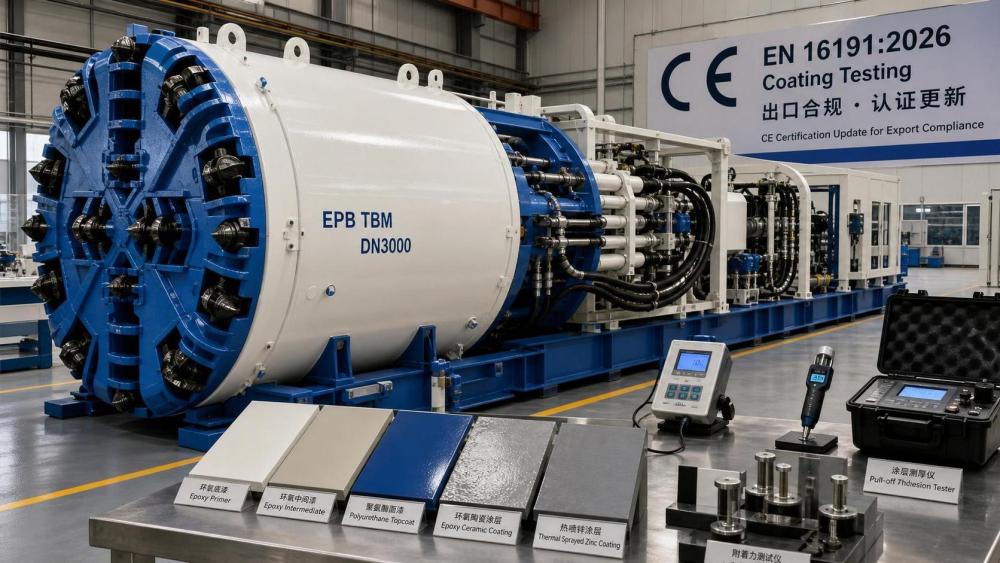
On June 30, 2026, TUV Rheinland issued a technical notice updating the CE certification path for slurry pipe jacking equipment. From September 1, 2026, applicants will need to complete a mandatory anti-corrosion coating performance test under EN 16191:2026 for hydraulic system piping and the jacking shell in high-solids slurry conditions. For exporters, manufacturers, certification teams, and delivery planners, this matters because the new requirement affects both technical preparation and certification timing, with Chinese exporters advised to reserve an additional 6 to 8 weeks in their planning.
What the updated CE path now requires
According to the information provided, the update was released by TUV Rheinland on June 30, 2026. Starting on September 1, 2026, all slurry pipe jacking equipment applying for CE marking must undergo coating performance testing in line with EN 16191:2026.
The mandatory scope of testing covers hydraulic system pipelines and the propulsion shell. The test is intended to evaluate resistance to corrosion from high-solids slurry under simulated underground service conditions equivalent to 30,000 hours.
The information provided also states that Chinese export enterprises should reserve 6 to 8 weeks for the certification process.
Where the immediate pressure is likely to appear
For equipment exporters, the main issue is scheduling
From an industry perspective, exporters are likely to feel the first impact in quotation, order confirmation, and shipment planning. Once the September 1, 2026 effective date applies, CE-related project timelines may need to account for the added testing step and the stated 6 to 8 week certification window.
For manufacturers, the focus shifts to product documentation and test readiness
Analysis shows that manufacturers of slurry pipe jacking equipment may need to pay closer attention to whether the hydraulic piping and propulsion shell coating arrangements are ready for the new test requirement. The operational impact is less about broad market change at this stage and more about whether technical files, product configurations, and certification submissions are aligned with the updated path.
For supply chain and delivery teams, coordination risk may rise
What deserves closer attention is the handoff between production, certification, and export delivery. Where projects are time-sensitive, any mismatch between manufacturing completion and certification readiness could affect dispatch planning, customer communication, and milestone commitments.
What companies should watch in the coming weeks
Track the exact wording of the certification requirement
Companies involved in CE applications should closely review how the EN 16191:2026 coating test is described in official certification communications and application materials. The practical issue is not only that a new test has been added, but also how its scope and evidence requirements are expressed during certification handling.
Review products already in the export pipeline
For businesses with pending or planned exports, the most immediate task is to identify which slurry pipe jacking equipment applications may fall after the September 1, 2026 implementation date. This is especially relevant for orders already moving through production, documentation, or customer approval stages.
Build the 6 to 8 week window into delivery commitments
Observably, the stated certification cycle should be treated as a concrete planning factor. Commercial, project, and logistics teams may need to reflect that timing in contract discussions, internal schedules, and external delivery communication to reduce avoidable deadline pressure.
Keep customer and supplier communication tightly aligned
Where coating-related testing affects submission timing, companies should pay attention to coordination across suppliers, engineering staff, and end customers. In practice, the important point is to keep technical preparation and certification expectations aligned before formal CE application milestones are reached.
Why this reads as more than a routine procedural note
Analysis shows that this update should not be read merely as an administrative adjustment. The addition of a mandatory coating performance test tied to simulated 30,000-hour underground service conditions indicates closer scrutiny of durability-related aspects within the CE path for this equipment category.
At the same time, it would be premature to treat the notice as evidence of a wider market outcome beyond the certification step described in the provided information. It is more appropriate to understand this as a clear near-term compliance change and a signal that technical readiness, not only formal application filing, will matter more in upcoming CE submissions.
How the market may best interpret this update now
For the industry, the immediate significance lies in execution rather than broad speculation. The change creates a defined new testing requirement, a clear implementation date, and a planning implication for certification lead time. Current interpretation is best kept practical: this is a short-term operational change with potential longer-term significance, but the strongest confirmed impact today is on certification preparation, timeline control, and export coordination.
Basis of this article and points still requiring verification
This article is based on the user-provided news title, event date, and event summary concerning TUV Rheinland's update to the CE certification path for slurry pipe jacking equipment. For this type of industry development, commonly relevant source categories may include official notices, company announcements, industry association updates, authoritative media coverage, and standards-related documents.
No specific official source link was provided in the input, so the exact primary document link still requires continued verification. Follow-up attention should remain on any further official wording, implementation details, and application handling guidance related to the EN 16191:2026 test requirement after September 1, 2026.
Related News
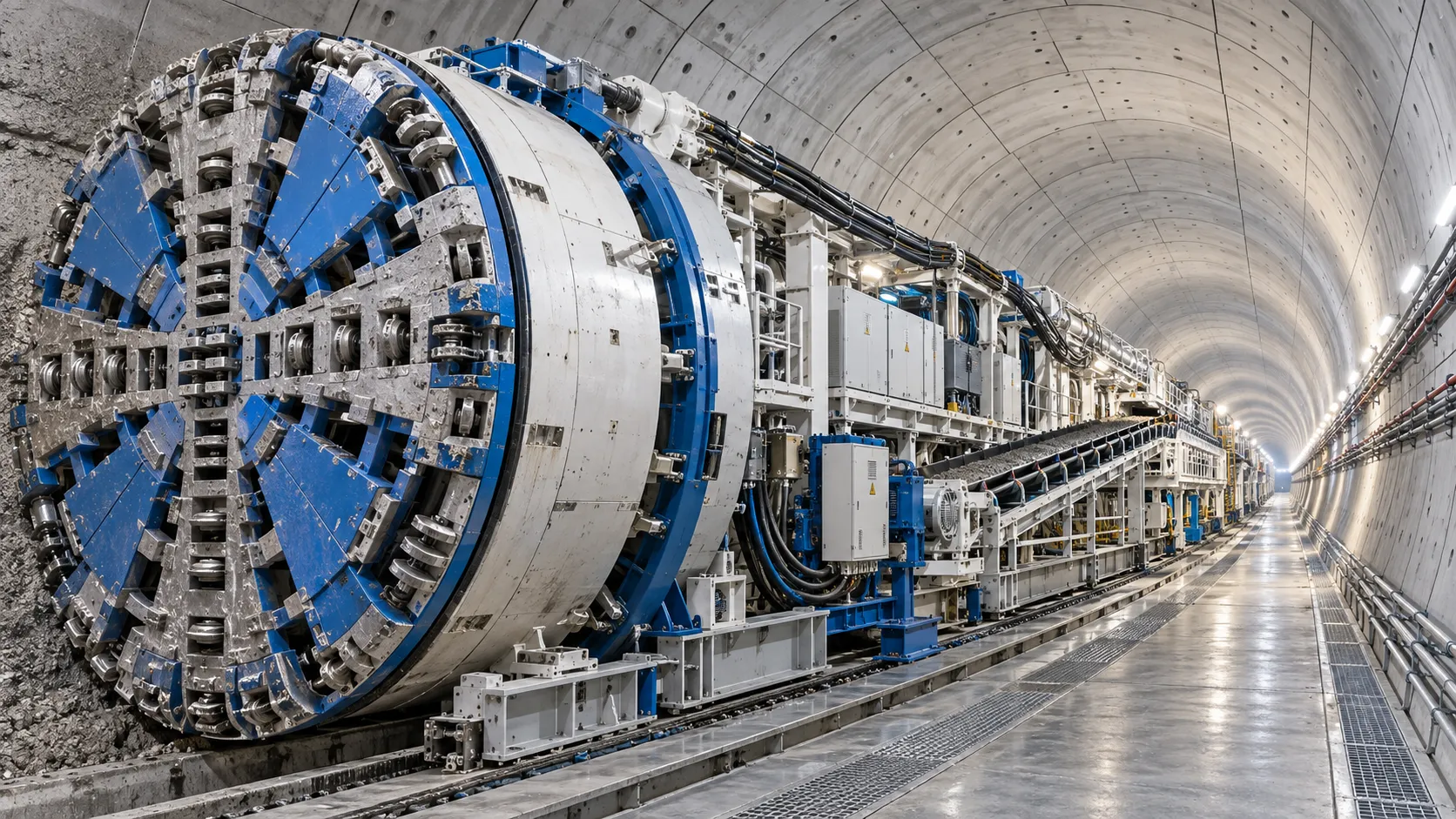
Tunnel Boring Machine Costs: Budgeting for Purchase, Operation, and Project Risk
Tunnel Boring Machines cost more than purchase price. Learn how to budget lifecycle costs, downtime, logistics, wear, and project risk for smarter TBM decisions.
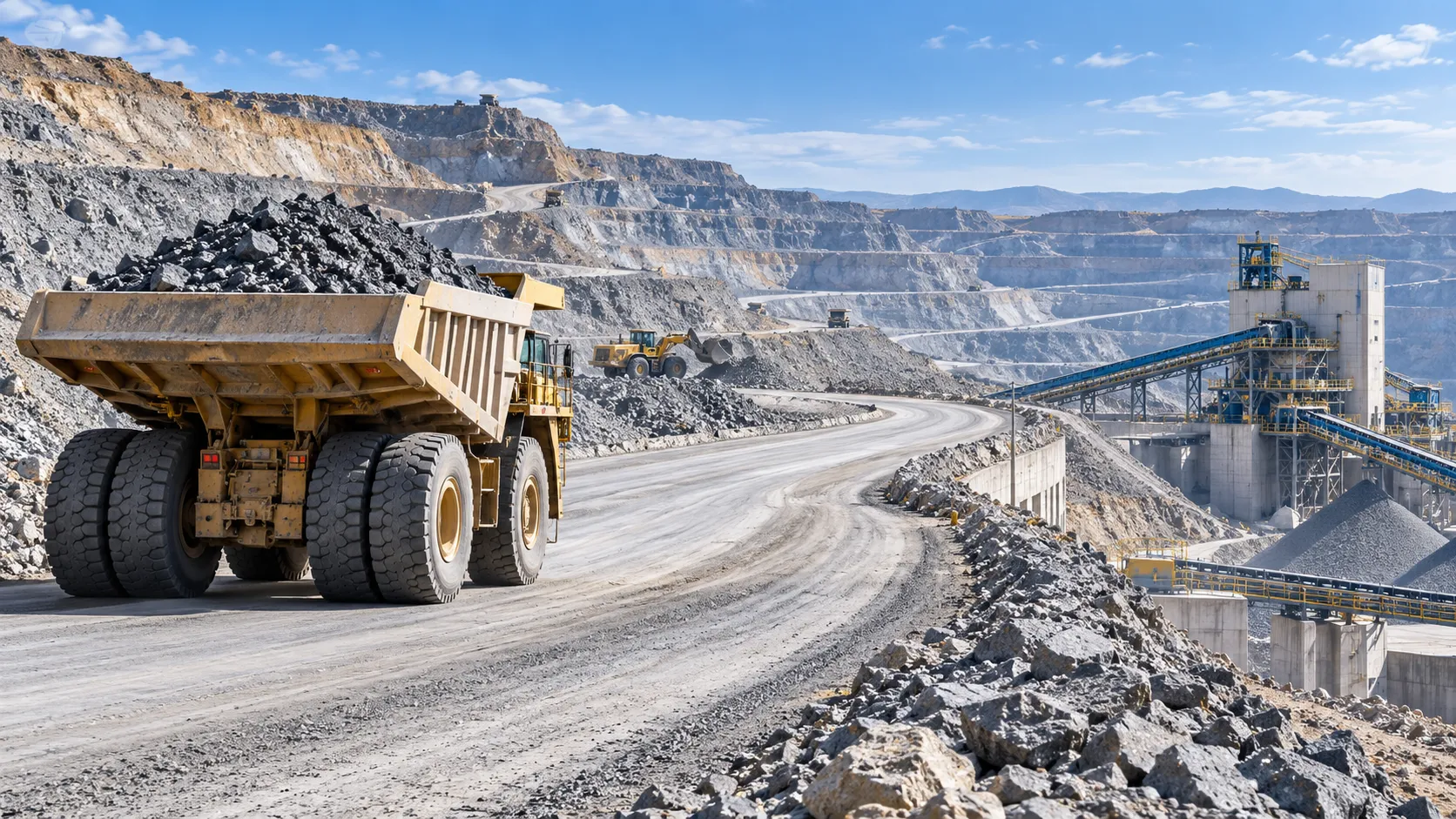
Open-Pit Haulage Cost Analysis: How Mine Managers Can Cut Cost per Tonne
Open pit haulage cost analysis: discover practical ways to reduce cost per tonne through payload control, cycle-time optimization, road performance, and smarter fleet decisions.
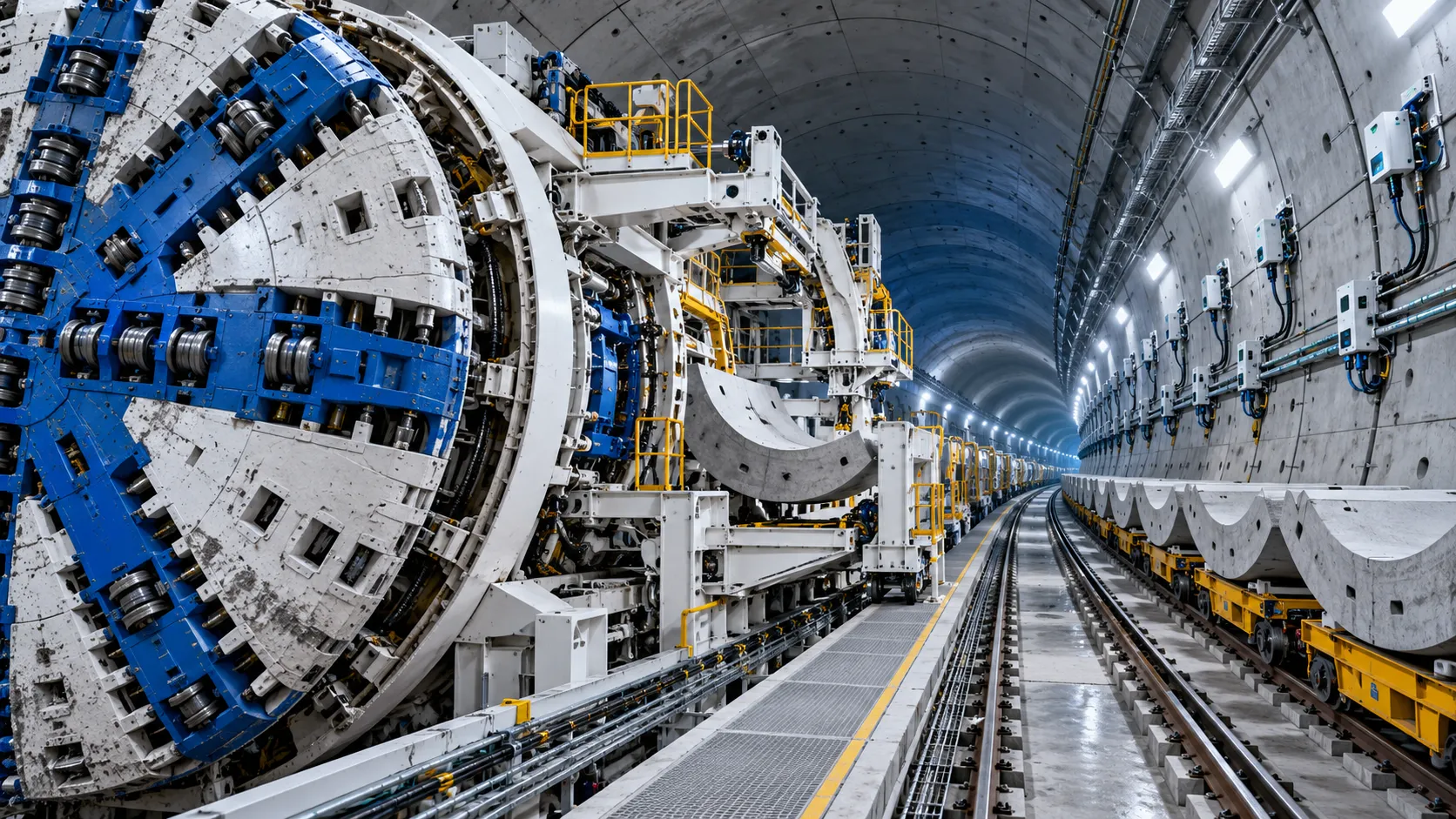
Tunnel Construction Innovations That Reduce Risk and Schedule Delays on Urban Projects
Tunnel construction innovation for urban projects: discover smarter TBMs, real-time monitoring, trenchless methods, and automation that reduce risk and protect schedules.
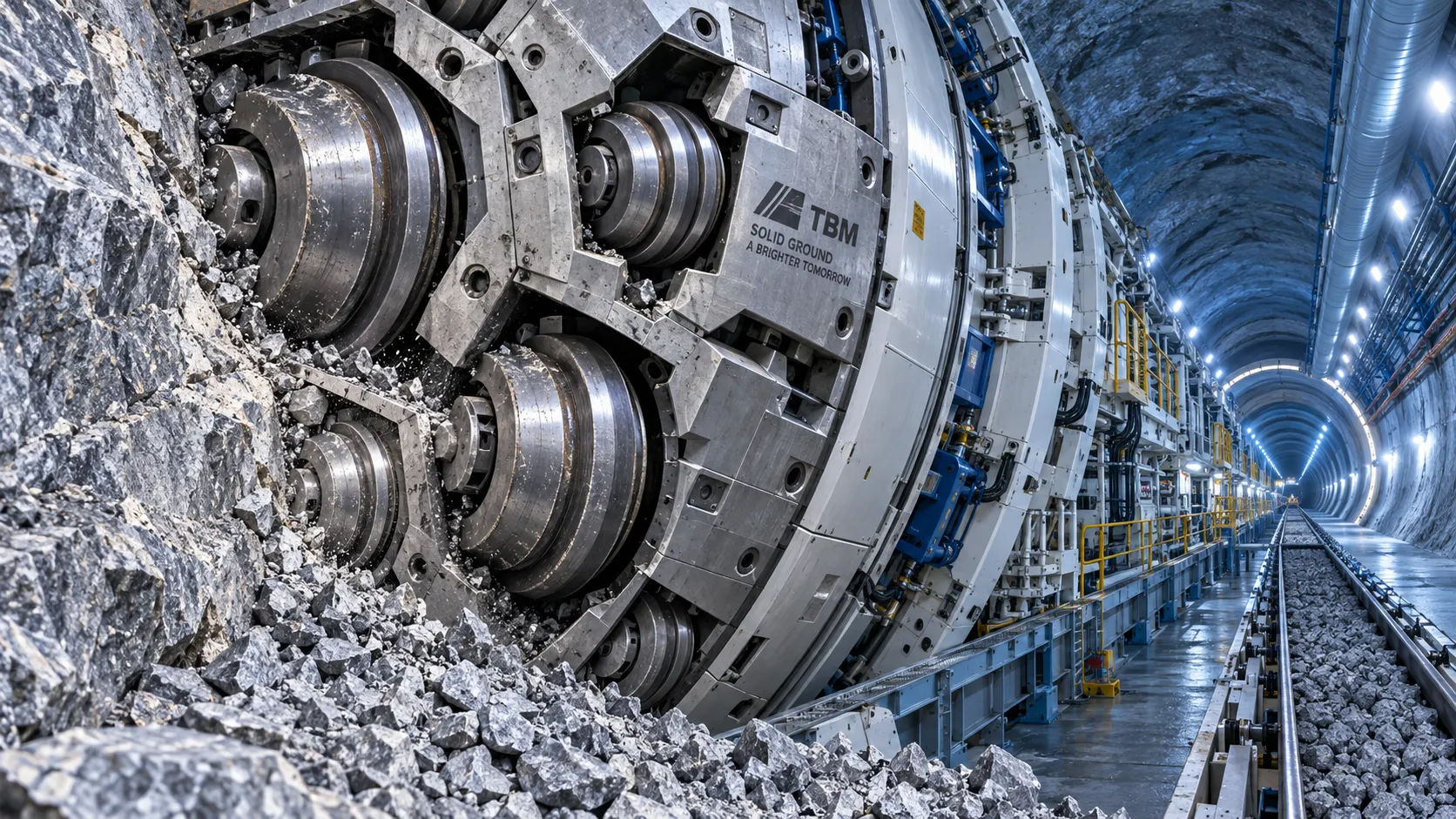
TBM Disc Cutter Design: Key Geometry and Load Factors for Hard Rock Tunnelling
TBM disc cutter design explained: explore geometry, spacing, load distribution and maintenance factors for reliable, efficient hard-rock tunnelling performance.
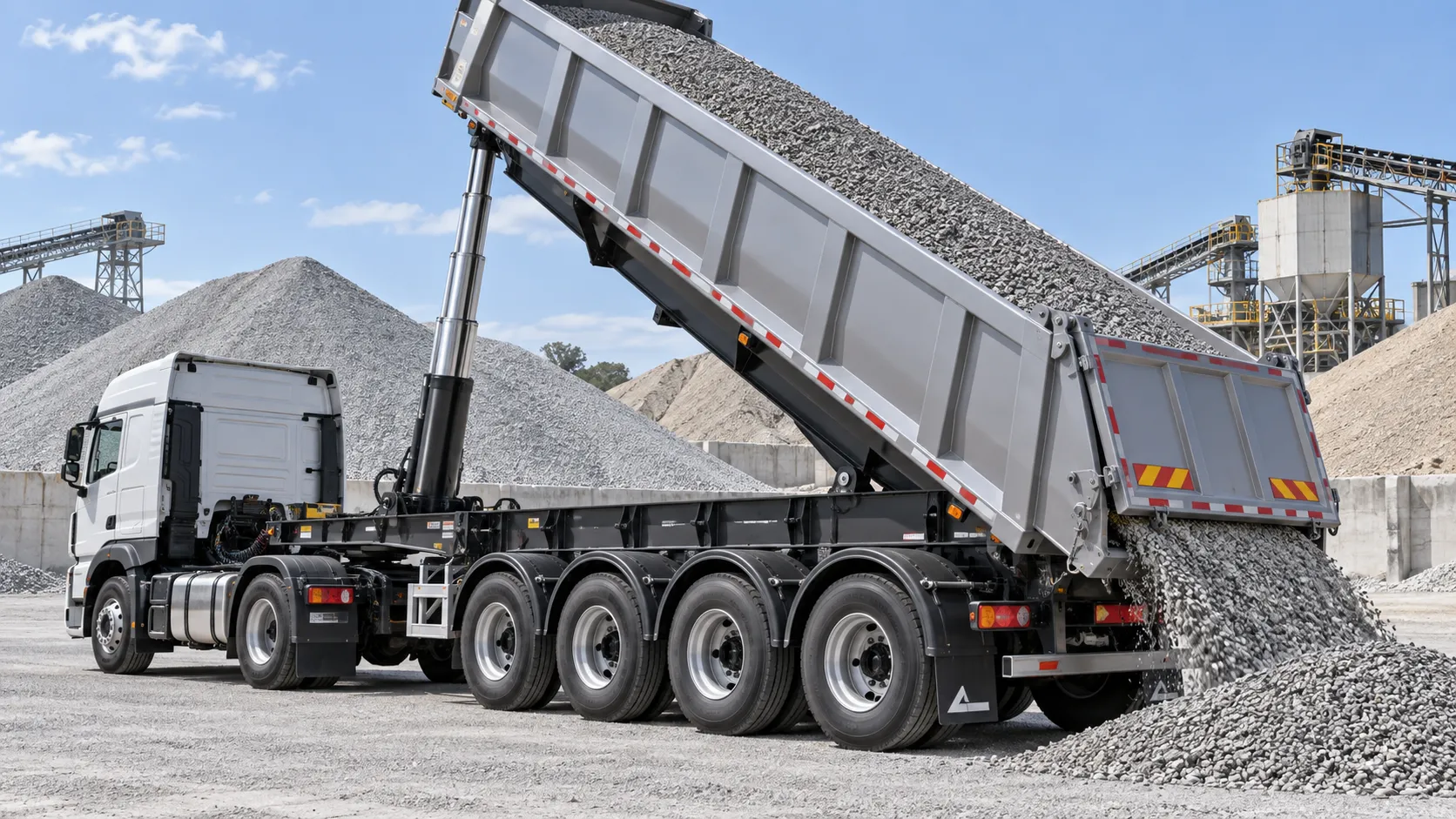
Hydraulic Tipping Stability Risks in Multi-Axle Dump Special Trailers
Dump special trailers: discover key hydraulic tipping stability risks, multi-axle load dynamics, and practical safety controls for safer, smarter bulk hauling.
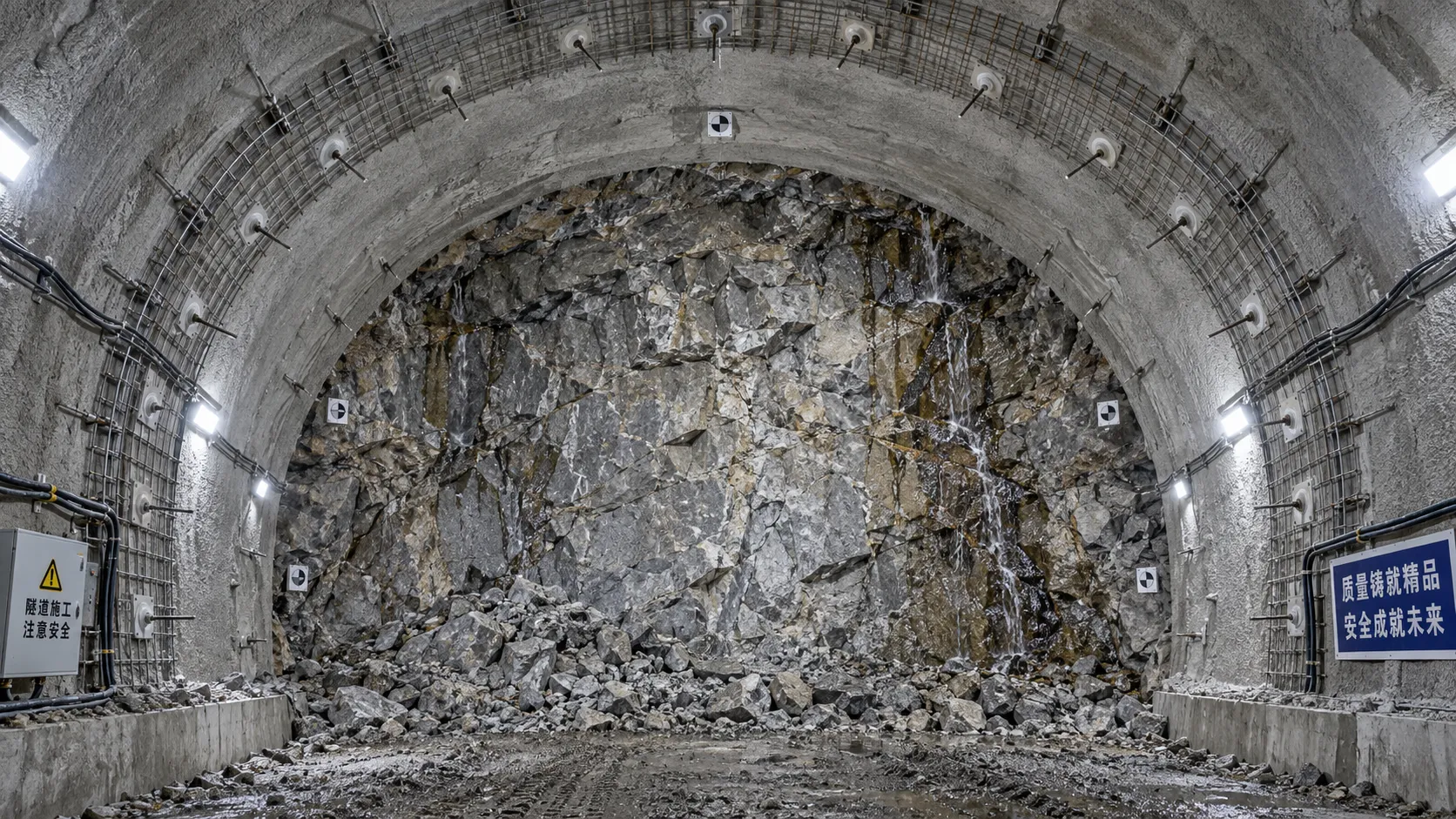
When rock reinforcement in tunnel construction must change after blasting
Rock reinforcement in tunnel construction must change when blasting reveals overbreak, weak joints, water inflow, or deformation. Discover key post-blast support decisions.
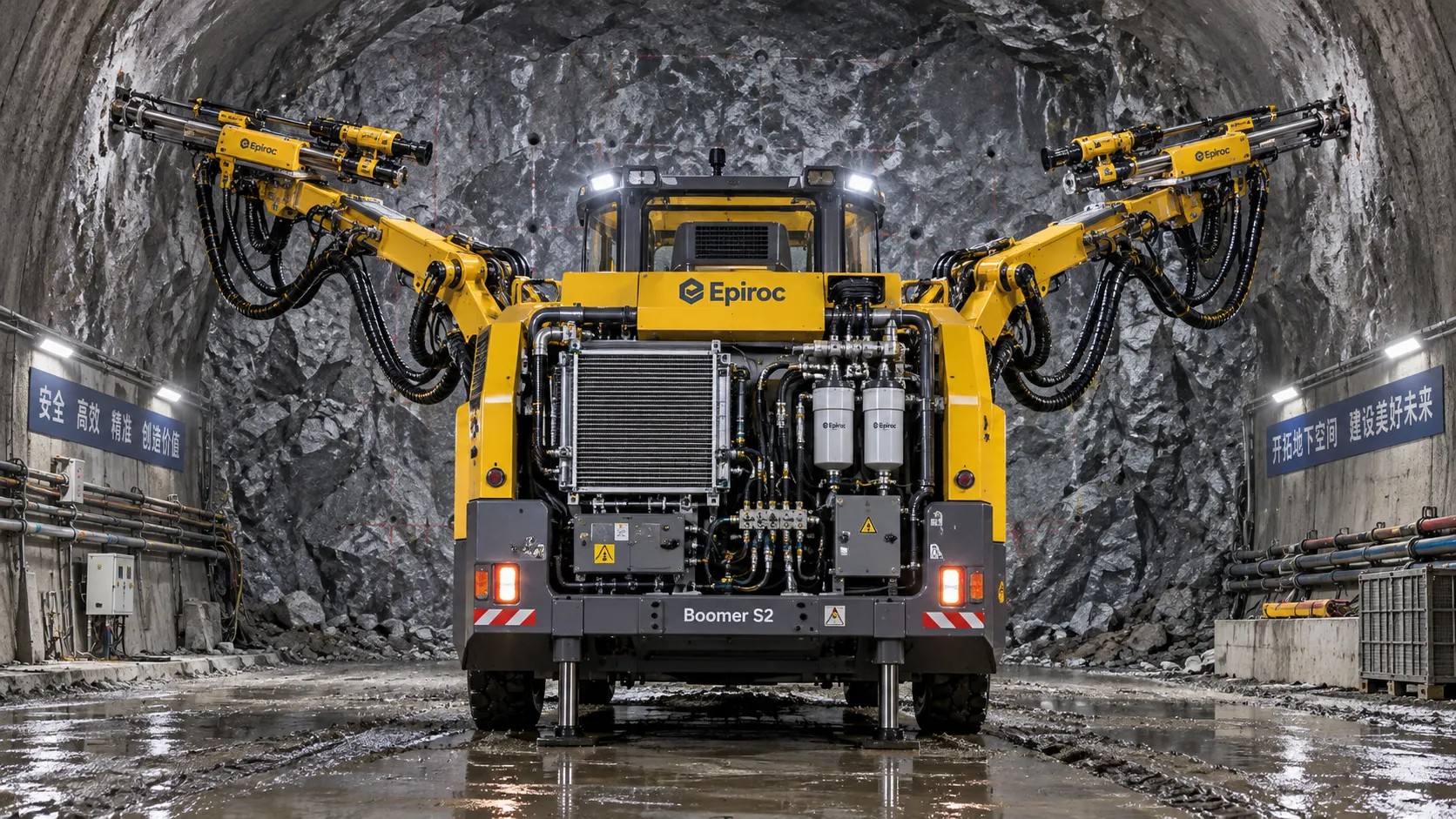
How tunnel hydraulic systems influence drill jumbo uptime underground
Tunnel hydraulic systems directly influence drill jumbo uptime. Explore how stable pressure, clean oil, cooling, and maintainable design reduce underground downtime.
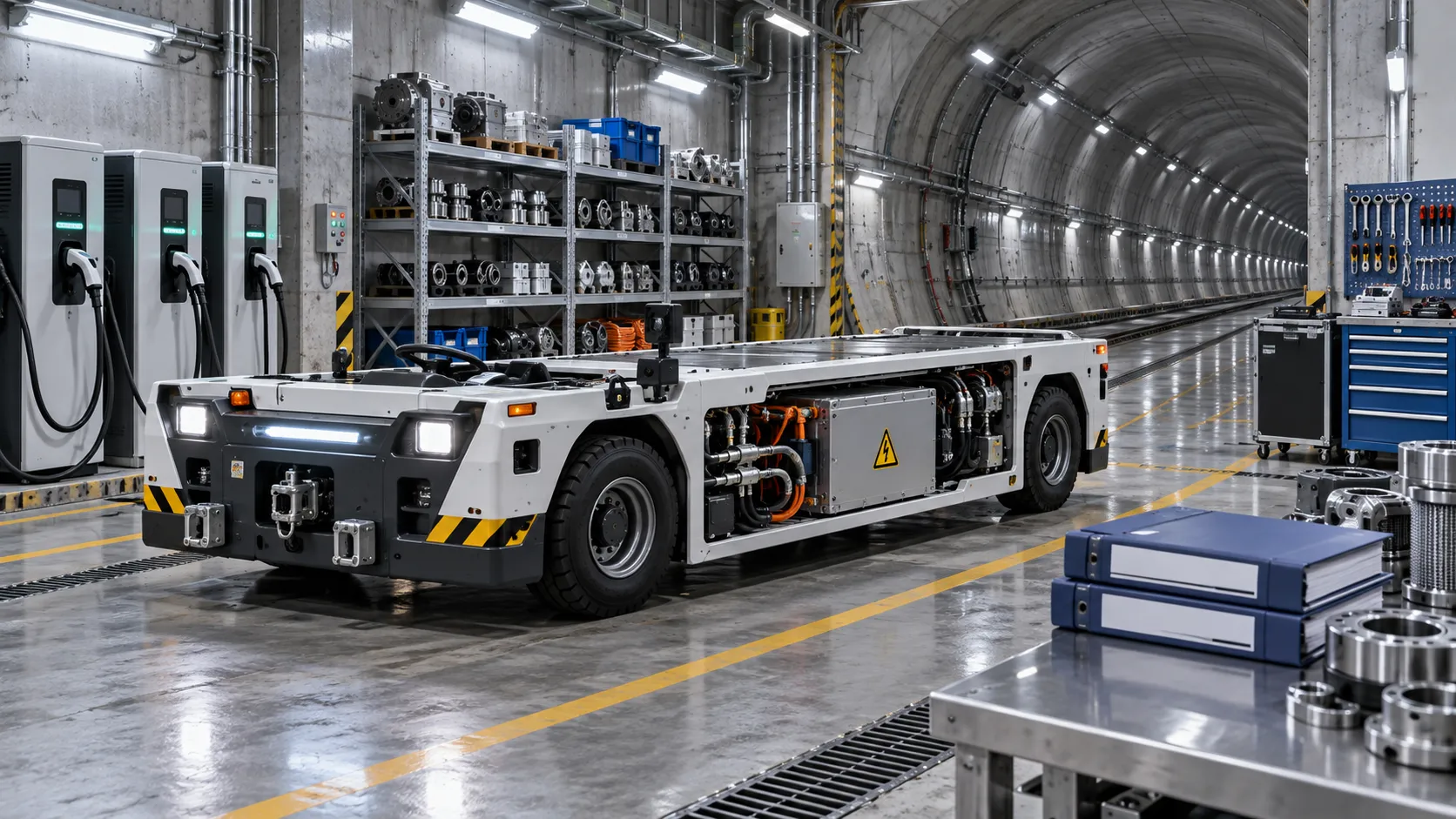
What to verify before appointing a tunneling vehicles manufacturer
Choosing a tunneling vehicles manufacturer? Verify application fit, reliability, compliance, parts support, training, and channel terms before appointing a partner.
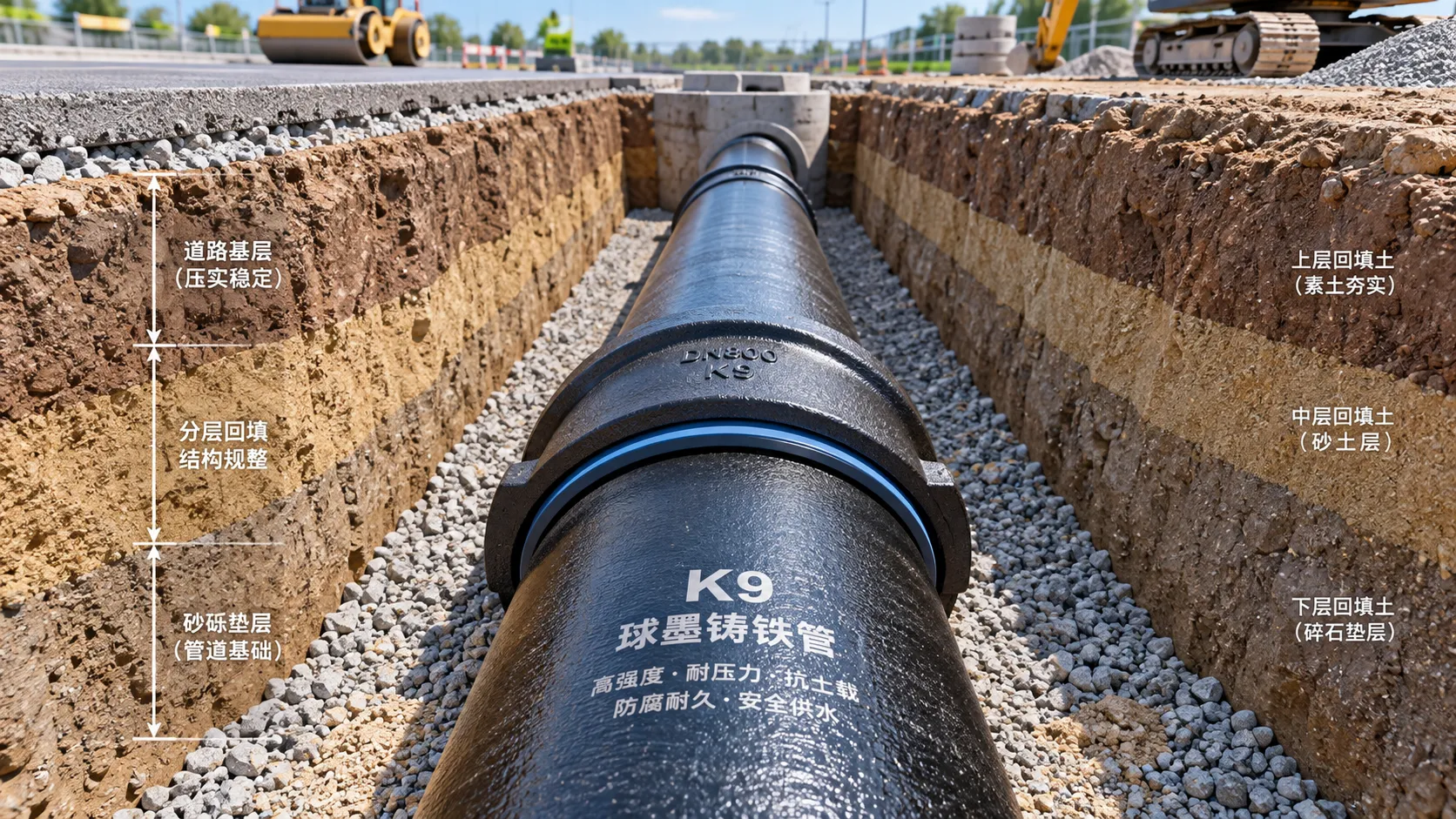
Selecting K9 Ductile Iron Pipe for Buried Water Pipeline Conditions
K9 ductile iron pipe selection for buried water pipelines: compare pressure duty, joints, soil loads, corrosion protection, and installation controls for reliable long-term performance.
Related News
- 00
0000-00
Tunnel Boring Machine Costs: Budgeting for Purchase, Operation, and Project Risk - 00
0000-00
Open-Pit Haulage Cost Analysis: How Mine Managers Can Cut Cost per Tonne - 00
0000-00
Tunnel Construction Innovations That Reduce Risk and Schedule Delays on Urban Projects - 00
0000-00
TBM Disc Cutter Design: Key Geometry and Load Factors for Hard Rock Tunnelling - 00
0000-00
Hydraulic Tipping Stability Risks in Multi-Axle Dump Special Trailers
Weekly Insights
Stay ahead with our curated technology reports delivered every Monday.