
When Is Trenchless Pipeline Installation for Sewer Better Than Open-Cut Methods?





When Is Trenchless Pipeline Installation for Sewer Better Than Open-Cut Methods?
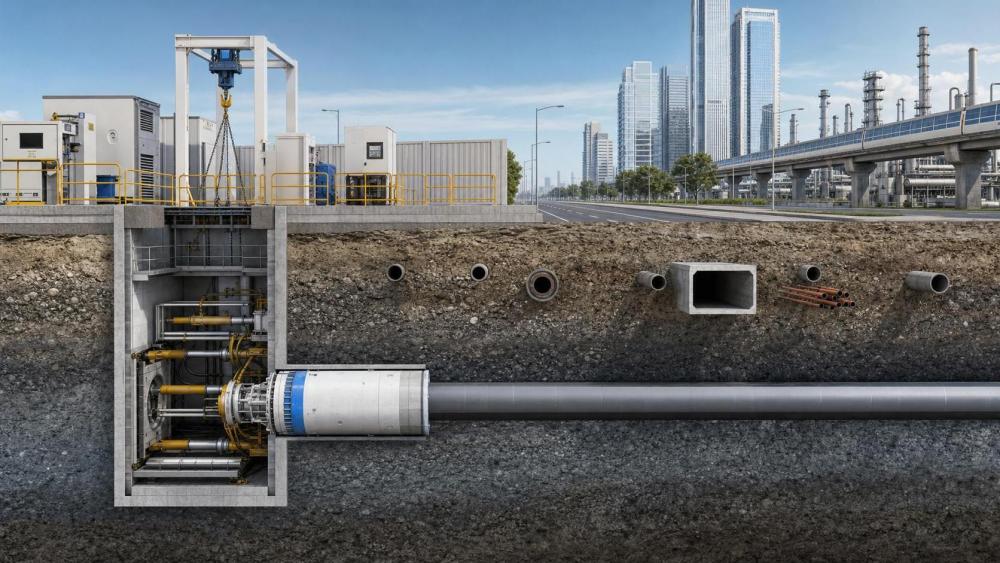
For infrastructure planners, method selection is rarely just an engineering choice.
It shapes budget exposure, delivery speed, traffic impact, regulatory risk, and public response.
That is why trenchless pipeline installation for sewer is drawing stronger attention in complex projects.
In simple ground with easy access, open-cut can still be practical and cost-efficient.
But in busy urban corridors, that equation changes quickly.
Road closures, utility conflicts, reinstatement costs, and social disruption can outweigh apparent construction savings.
In those cases, trenchless pipeline installation for sewer often becomes the stronger strategic option.
The key is knowing where trenchless methods create measurable value, and where open-cut remains the better fit.
Why the Comparison Matters More Now
Sewer networks are aging while urban density keeps increasing.
At the same time, cities face tighter ESG pressure, stricter permitting, and less tolerance for disruptive civil works.
This shifts decision-making away from direct excavation cost alone.
A modern sewer delivery model must include whole-of-project impacts.
That includes traffic management, business interruption, noise, carbon, reinstatement, and long-term network resilience.
From that wider lens, trenchless pipeline installation for sewer is not simply a niche construction technique.
It is often a risk management and stakeholder management tool.
When Trenchless Pipeline Installation for Sewer Clearly Performs Better
The strongest case appears when surface conditions are expensive to disturb.
That can include arterial roads, rail crossings, airports, industrial facilities, hospitals, and dense commercial streets.
In these settings, open-cut construction triggers costs that are easy to underestimate early on.
- High traffic diversion and congestion management costs
- Losses for nearby businesses and service facilities
- Extended utility relocation and coordination cycles
- Pavement, landscape, and surface restoration obligations
- Public complaints and political exposure
Trenchless pipeline installation for sewer reduces most of those pressures by limiting excavation to launch and reception points.
That smaller footprint can unlock faster approvals and lower social resistance.
Urban Corridors and Congested Rights-of-Way
In crowded subsurface environments, open-cut often exposes unknowns at every meter.
Existing water lines, telecom ducts, gas assets, and legacy foundations can slow progress sharply.
Pipe jacking and microtunnelling can pass below many of these conflicts.
That lowers exposure to unplanned utility strikes and repeated design changes.
Sensitive Environmental or Community Zones
Wetlands, waterways, parks, heritage districts, and residential neighborhoods often favor lower-impact methods.
Here, trenchless pipeline installation for sewer can reduce dust, spoil handling, tree loss, and habitat disturbance.
That also strengthens the project’s environmental narrative during review.
Deep Alignments or Long Crossings
The deeper the alignment, the less attractive open-cut usually becomes.
Deep trench support, dewatering, haulage, and safety controls add cost and schedule pressure.
For river crossings, highway crossings, and rail interfaces, trenchless installation is often the only realistic option.
Where Open-Cut Still Makes Sense
A balanced decision needs the other side of the argument.
Open-cut methods can still outperform trenchless approaches in straightforward conditions.
Typical examples include shallow alignments in open land, greenfield developments, or areas with minimal traffic and utility density.
Open-cut may also suit short runs where shaft construction would erode trenchless advantages.
If soil is stable, access is easy, and reinstatement obligations are limited, conventional excavation can be faster to mobilize.
It can also simplify inspection, tie-ins, and field adjustments.
The mistake is assuming those conditions apply in mixed urban reality.
The Real Decision Framework: Cost, Risk, and Asset Outcomes
A useful comparison goes beyond bid price.
It should test total installed value under realistic operating constraints.
In practical evaluation, three questions usually decide the outcome.
- What is the cost of disturbing the surface, not just digging below it?
- How likely are utility, geotechnical, and stakeholder delays?
- Which method protects long-term service performance with fewer claims and surprises?
Key Risks That Can Change the Preferred Method
Neither approach is universally superior.
The preferred option can shift when project risks are poorly defined.
For trenchless pipeline installation for sewer, the main watchpoints include ground variability, shaft constraints, slurry handling, and alignment control.
For open-cut, the recurring risks are broader disruption, unknown buried assets, water management, and restoration overruns.
The stronger choice is the one with more controllable risk, not just the lower unit rate.
Ground Intelligence Matters Early
This is where disciplined underground intelligence changes outcomes.
Accurate geotechnical data, utility mapping, and constructability review reduce method-selection errors.
That is especially true for trenchless pipeline installation for sewer in mixed ground or highly sensitive corridors.
A weak baseline can make either method look better on paper than in delivery.
How to Make a Better Sewer Installation Decision
A workable decision process should stay simple and evidence-based.
- Map the alignment against traffic, utilities, community sensitivity, and access constraints
- Quantify reinstatement, diversion, and permit costs before comparing base construction prices
- Test trenchless pipeline installation for sewer on deep, congested, or high-consequence segments first
- Review ground conditions with method-specific specialists, not generic estimators alone
- Use risk-adjusted scenarios for schedule, claims, and stakeholder disruption
This approach avoids false savings and produces a more credible board-level investment case.
Final Takeaway
Trenchless pipeline installation for sewer is usually better than open-cut when surface disruption is costly, underground congestion is high, or crossings are deep and sensitive.
Open-cut still works well in shallow, accessible, low-impact environments.
The best decision comes from comparing full project consequences, not excavation cost in isolation.
In today’s underground infrastructure market, that broader view is becoming the standard for resilient sewer planning.
Related News
What Drives TBM Excavation Cost in Urban Tunneling Projects?
tbm excavation cost in urban tunneling depends on geology, shafts, segment lining, logistics, and risk. Discover the key cost drivers and compare bids with greater confidence.
What Does Energy Metals Mining in Australia Mean for Supply, Cost, and Project Risk?
Energy metals mining Australia is reshaping supply, cost, and project risk. Discover what it means for buyers, investors, and operators.
EU Eases Dual CE and UKCA Path for Chinese Tunnel Boring Equipment
EU eases CE and UKCA certification for Chinese tunnel boring equipment, cutting compliance time and helping importers move faster.
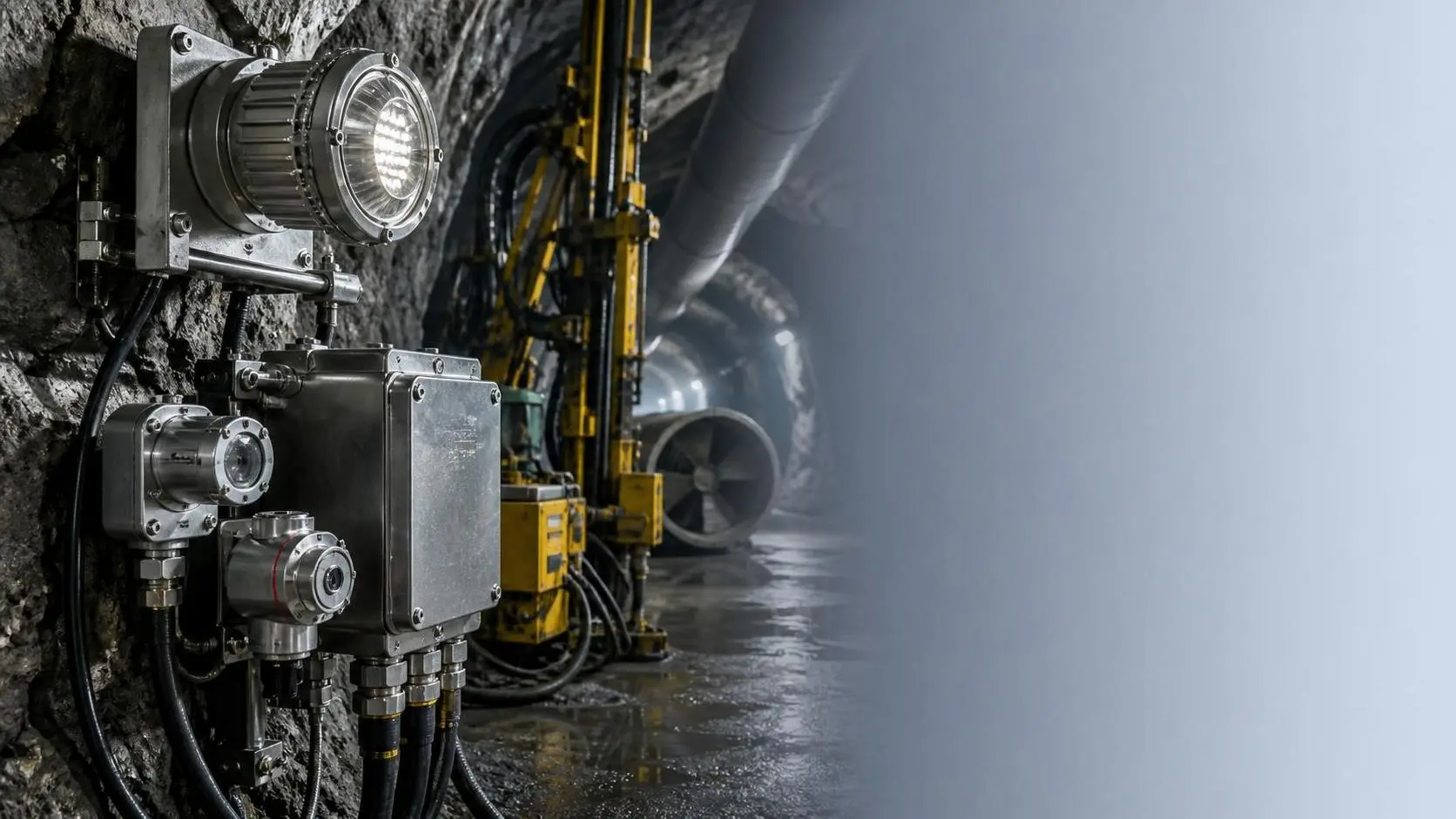
Flameproof Underground Safety Equipment: What Mine Teams Should Check Before Buying
Underground Safety Equipment flameproof buying guide: learn how mine teams should verify certification, durability, serviceability, and supplier support before purchase.
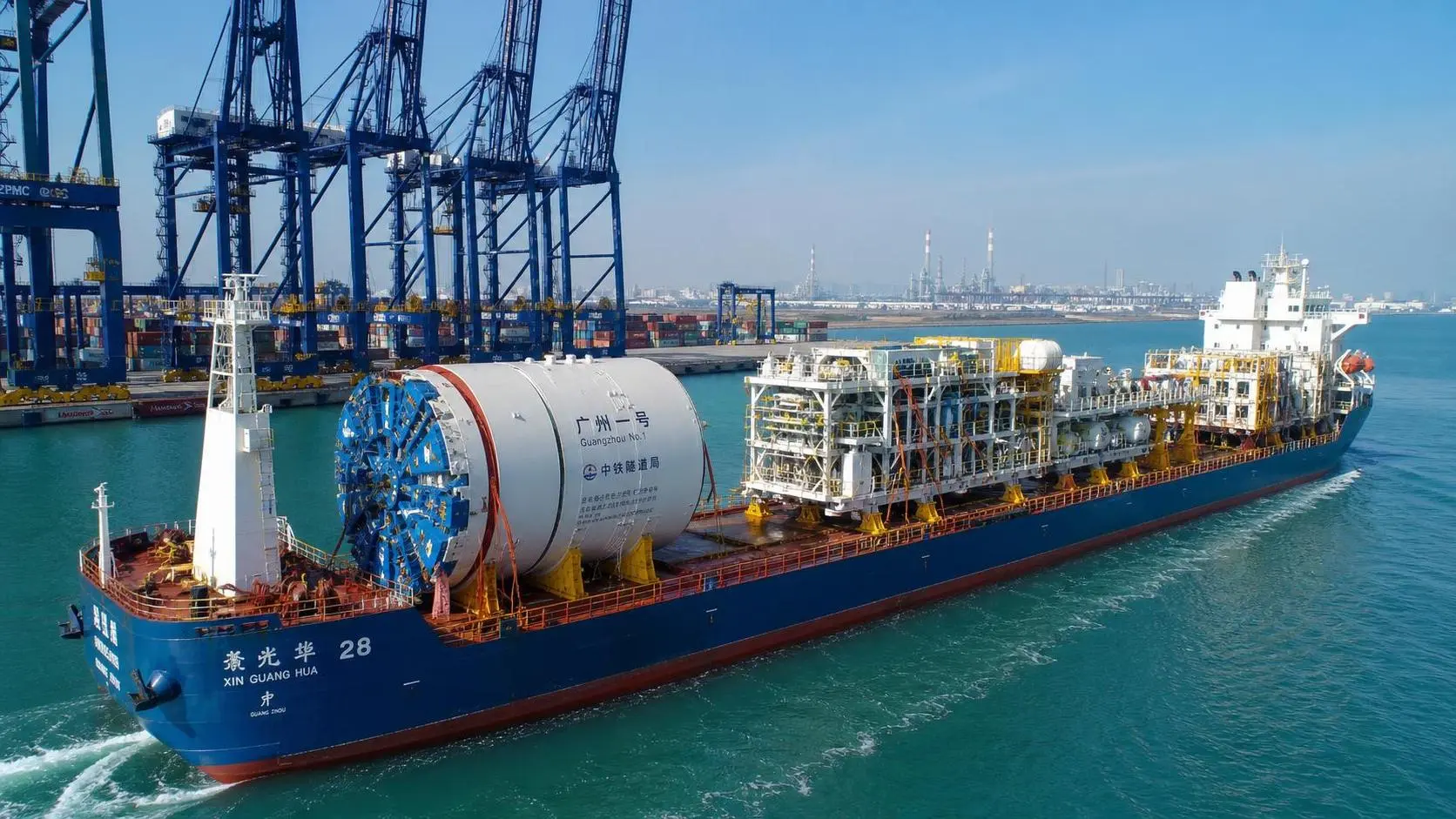
China-UAE Direct Sea Route Cuts TBM and Large Tunneling Equipment Lead Times
China-UAE direct sea route shortens TBM and large tunneling equipment lead times by 12–15 days, improving delivery predictability for major infrastructure projects. Read the full impact.

What Is a TBM Guidance System Gyroscope, and Why Does It Matter Underground?
TBM Guidance Systems gyroscope improves underground accuracy, reduces drift, and helps tunnel boring machines stay on line in harsh conditions.

China to Roll Out Nationwide Local and Foreign Currency Cash Pools for Multinationals on Sept. 14
China will roll out nationwide local and foreign currency cash pools for multinationals on Sept. 14, streamlining cross-border treasury management and boosting liquidity efficiency.
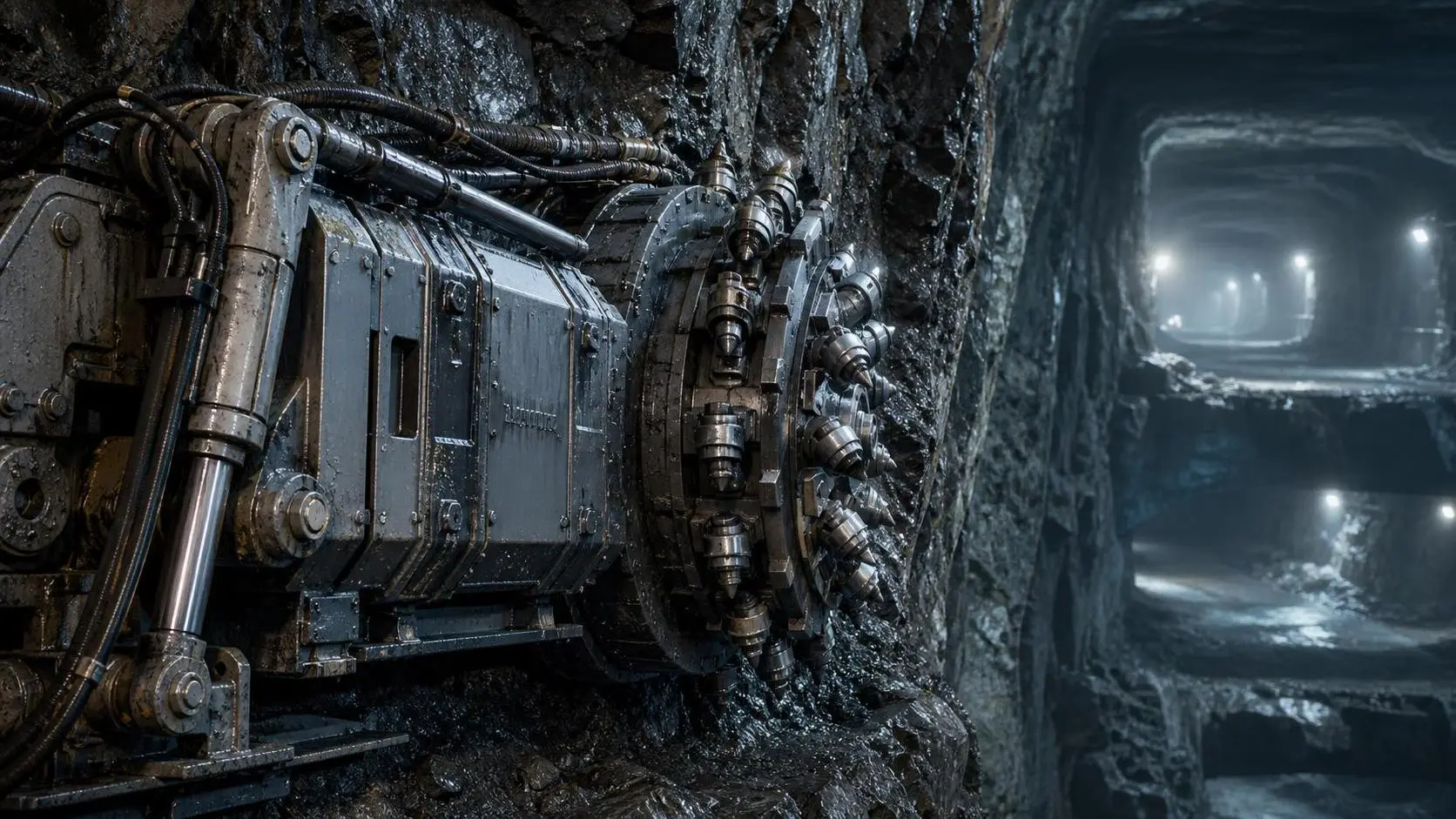
How to Choose a Reliable Underground Mining Equipment Supplier for Harsh Site Conditions
Find a reliable underground mining equipment supplier for harsh site conditions with rugged, maintainable solutions that boost uptime, reduce risk, and support long-term production.
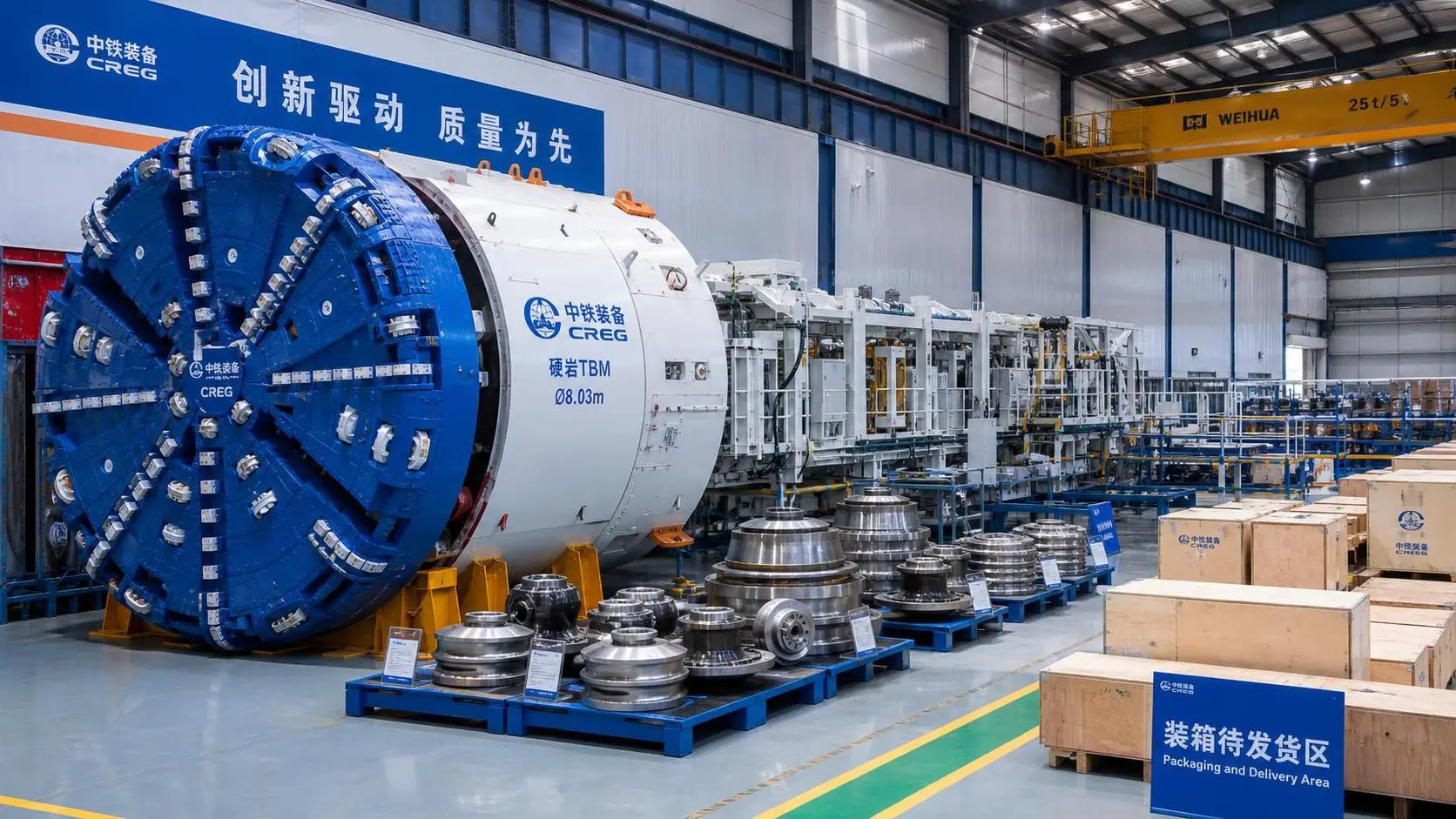
China Customs Tightens TBM Export Checks from Aug. 16
China Customs tightens TBM export checks from Aug. 16, 2026. Learn how new mandatory inspections may affect tunnelling equipment shipments, compliance, and delivery plans.
Related News
- 00
0000-00
What Drives TBM Excavation Cost in Urban Tunneling Projects? - 00
0000-00
What Does Energy Metals Mining in Australia Mean for Supply, Cost, and Project Risk? - 00
0000-00
EU Eases Dual CE and UKCA Path for Chinese Tunnel Boring Equipment - 00
0000-00
Flameproof Underground Safety Equipment: What Mine Teams Should Check Before Buying - 00
0000-00
China-UAE Direct Sea Route Cuts TBM and Large Tunneling Equipment Lead Times
Weekly Insights
Stay ahead with our curated technology reports delivered every Monday.