
Changsha Smart Line Cuts Disc Cutter Lead Time to 6 Weeks





On July 4, 2026, Zhuzhou Institute under CRRC announced that its fully automated Cutterheads & Disc Cutters digital production line in Changsha had entered mass production. For companies involved in tunnel boring equipment, hard-rock tool procurement, and supply planning, the update is worth close attention because it combines two signals in one event: batch production capacity for disc cutters designed for f ≥ 12 extremely hard rock, and a reduction in first-order delivery time from an industry-average 14 weeks to 6 weeks.
What Has Been Confirmed So Far
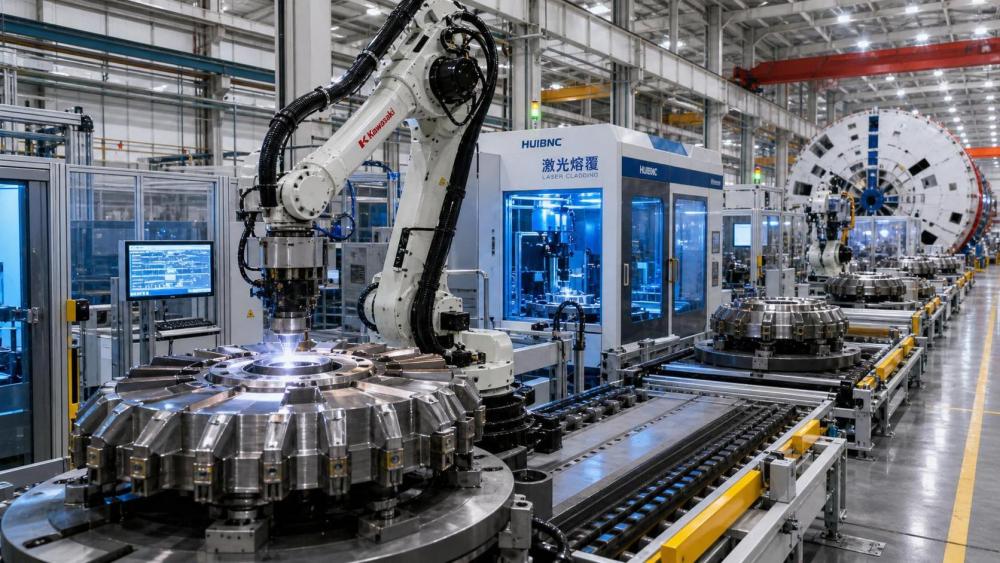
According to the information provided, the Changsha line is described as the world’s first smart production line dedicated to Cutterheads & Disc Cutters. Zhuzhou Institute stated that the line is fully automated and digitally managed, and that it has formally moved into volume production.
The production line uses AI-based wear prediction modeling together with laser cladding gradient coating technology. Based on the disclosed specifications, it can manufacture disc cutters in the φ450–φ550mm range for extremely hard rock formations rated at f ≥ 12.
The same disclosure states that the delivery cycle for the first batch of orders has been shortened from the industry average of 14 weeks to 6 weeks. It also states that memorandums of procurement intent have already been obtained from Germany’s Herrenknecht and Canada’s Sandvik.
Where the Industry Impact May Appear First
Procurement teams may focus more on delivery certainty
From an industry perspective, procurement-side attention is likely to center on lead time and product availability. If a supplier can move from a 14-week industry-average cycle to 6 weeks for initial orders, the immediate impact may be felt in sourcing schedules, spare-parts planning, and tender preparation for projects that require hard-rock disc cutters.
What deserves closer attention is not only the shorter cycle itself, but whether procurement teams begin to treat domestic sourcing options as more viable for time-sensitive requirements in the φ450–φ550mm segment.
Manufacturing and processing players may watch process competitiveness
For manufacturers and processors in related tooling and wear-part segments, the notable point is the combination of AI wear prediction modeling with laser cladding gradient coating in a mass-production setting. Analysis shows that this may shift competitive discussion from unit output alone toward process consistency, coating capability, and how quickly production can be translated into usable delivery commitments.
The operational impact would likely be most visible in production planning, quality control checkpoints, and how suppliers present technical capability to customers evaluating hard-rock applications.
Supply chain service providers may need to reassess inventory assumptions
For distributors, logistics planners, and other supply chain service providers, a shorter delivery window can affect stocking logic and replenishment timing. Observably, if lead times compress materially, the pressure to hold longer-cycle inventory may change, especially for buyers that had previously planned around extended procurement periods.
The key variable to monitor is whether the shorter cycle remains limited to first-batch orders or becomes a stable operating pattern across subsequent orders.
End users in hard-rock applications may pay closer attention to specification fit
For end-use buyers operating in extremely hard rock conditions, the disclosed range and rock-strength target are likely the main reference points. The impact is not simply that more cutters can be produced, but that a clearly defined product band for f ≥ 12 formations is now being tied to an automated domestic production line.
That makes specification matching, qualification review, and supplier communication more important than broad price comparison alone.
What Companies Should Track Next
Watch for follow-up statements on sustained output and delivery
Companies evaluating this development should pay close attention to future official wording around output stability, repeat-order delivery, and any additional clarification on the production line’s operating status. The current information confirms formal mass production and first-batch lead time compression, but later disclosures will matter for commercial planning.
Prioritize contract and qualification communication
For procurement and sales teams, the practical issue is whether customers will require added technical documentation, qualification materials, or performance validation when considering supply for hard-rock disc cutters. The presence of procurement memorandums of intent is noteworthy, but it is not the same as completed long-term supply execution.
Review supply planning for the targeted product range
Businesses dealing in cutterheads, disc cutters, or related support services should align their attention with the disclosed scope: φ450–φ550mm disc cutters for f ≥ 12 extremely hard rock. That means reviewing where current demand overlaps with this specification window and whether delivery planning assumptions still reflect older lead-time expectations.
Separate announced capability from realized market rollout
Analysis shows that companies should distinguish between a confirmed production launch and broader market adoption. The announced technologies and compressed lead time are commercially relevant, but actual purchasing behavior, repeat ordering, and operational consistency still require continued verification.
How This Development Is Best Read at This Stage
Observably, this news is more than a routine factory update because it links manufacturing method, product specification, and delivery-cycle compression in a single disclosure. That said, it is more appropriate to understand this as a strong operating signal rather than a fully settled market outcome.
Analysis shows that the most meaningful near-term implication is for supply responsiveness in a specialized hard-rock tool segment. The longer-term implication, which still needs observation, is whether this production model changes how buyers evaluate domestic supply options for high-specification disc cutters.
The memorandums of procurement intent from Herrenknecht and Sandvik add weight to the announcement, but they should be read carefully as indicators of interest rather than final proof of broad-based market conversion.
Why the Sector Will Keep Watching
The practical significance of this event lies in three confirmed points: formal mass production, application to extremely hard rock conditions, and a first-batch lead time reduction to 6 weeks. Taken together, these points suggest a potentially important shift in how fast specialized disc cutters can move from order to delivery.
At the same time, the current stage calls for a measured reading. It is more appropriate to understand this development as a meaningful industry signal with immediate relevance for procurement and supply planning, while the broader commercial and competitive effects still need to be tracked through later disclosures and order execution.
Basis of This Article
This article is based on the user-provided news title, event date, and event summary. The confirmed facts used here come only from that provided information.
For developments of this type, commonly relevant source categories may include official company announcements, corporate disclosures, industry association updates, authoritative media coverage, and technical or standards-related documents. No specific official source link was provided in the input, so the underlying official link still needs continued verification.
Areas that warrant further follow-up include any later official updates on repeat-order delivery performance, additional statements about production continuity, and whether the disclosed procurement memorandums of intent progress into executed commercial orders.
Related News
How to Evaluate Articulated Dump Trucks Payload for Haul Road Conditions and Cycle Efficiency
Articulated Dump Trucks payload evaluation starts with real haul road conditions, not brochure numbers. Learn how to balance payload, traction, grades, and cycle efficiency for safer, higher output.
How Pipe Fittings Material and Pressure Class Affect Water Line Selection
Pipe fittings selection starts with material and pressure class. Learn how these factors affect water line reliability, corrosion resistance, installation, and long-term cost.
What Drives TBM Excavation Cost in Urban Tunneling Projects?
tbm excavation cost in urban tunneling depends on geology, shafts, segment lining, logistics, and risk. Discover the key cost drivers and compare bids with greater confidence.

What Does Energy Metals Mining in Australia Mean for Supply, Cost, and Project Risk?
Energy metals mining Australia is reshaping supply, cost, and project risk. Discover what it means for buyers, investors, and operators.
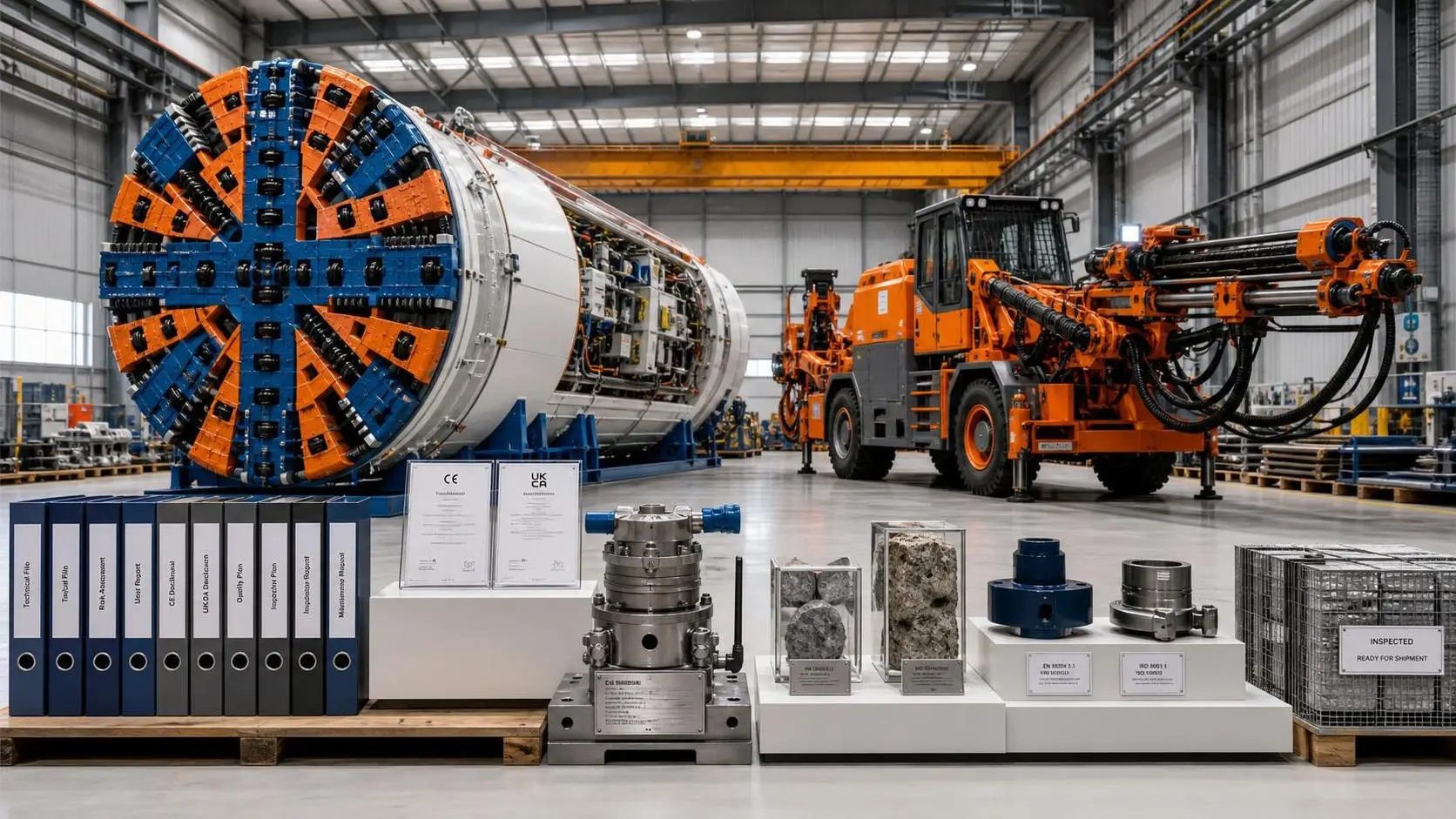
EU Eases Dual CE and UKCA Path for Chinese Tunnel Boring Equipment
EU eases CE and UKCA certification for Chinese tunnel boring equipment, cutting compliance time and helping importers move faster.
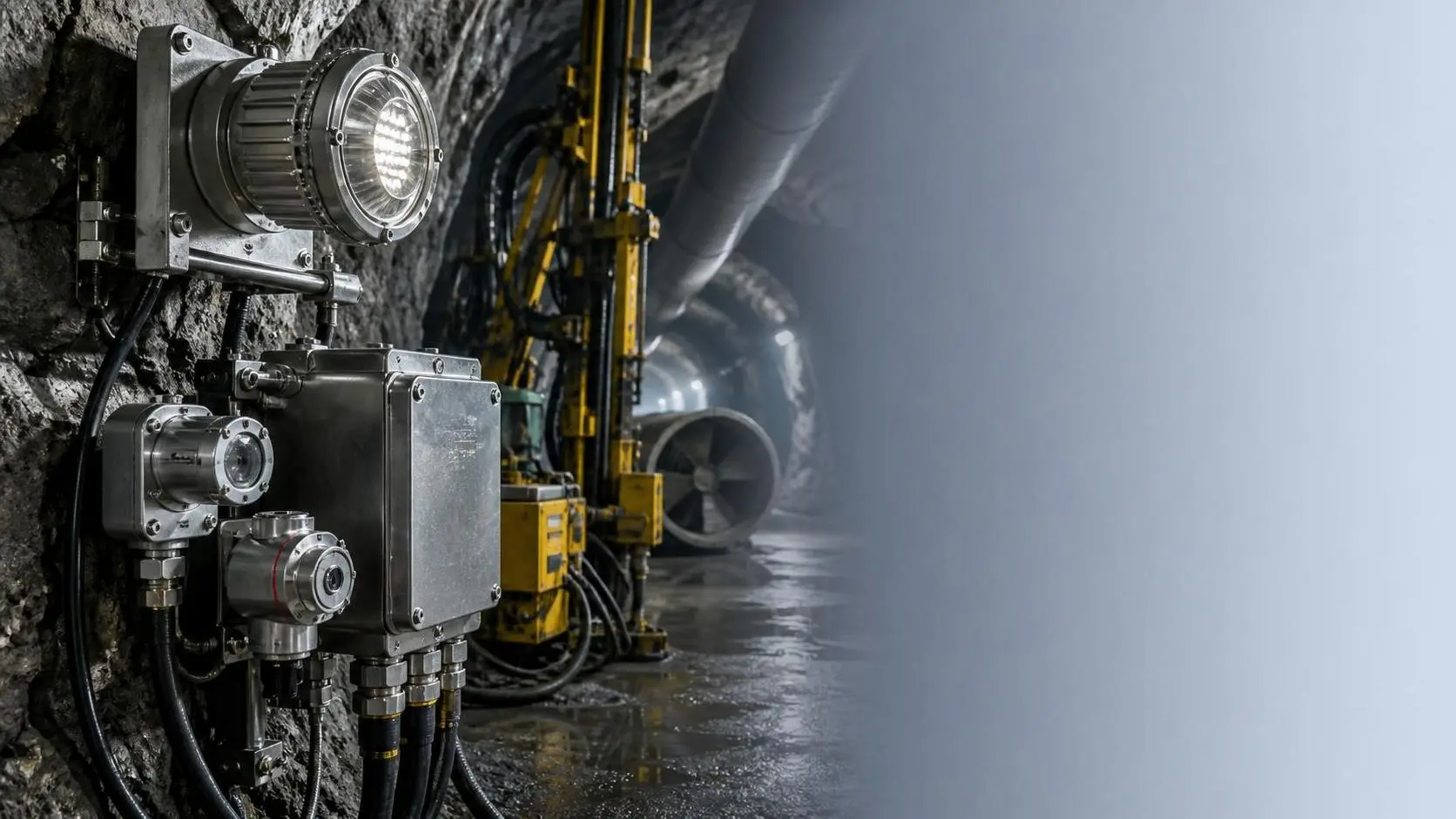
Flameproof Underground Safety Equipment: What Mine Teams Should Check Before Buying
Underground Safety Equipment flameproof buying guide: learn how mine teams should verify certification, durability, serviceability, and supplier support before purchase.
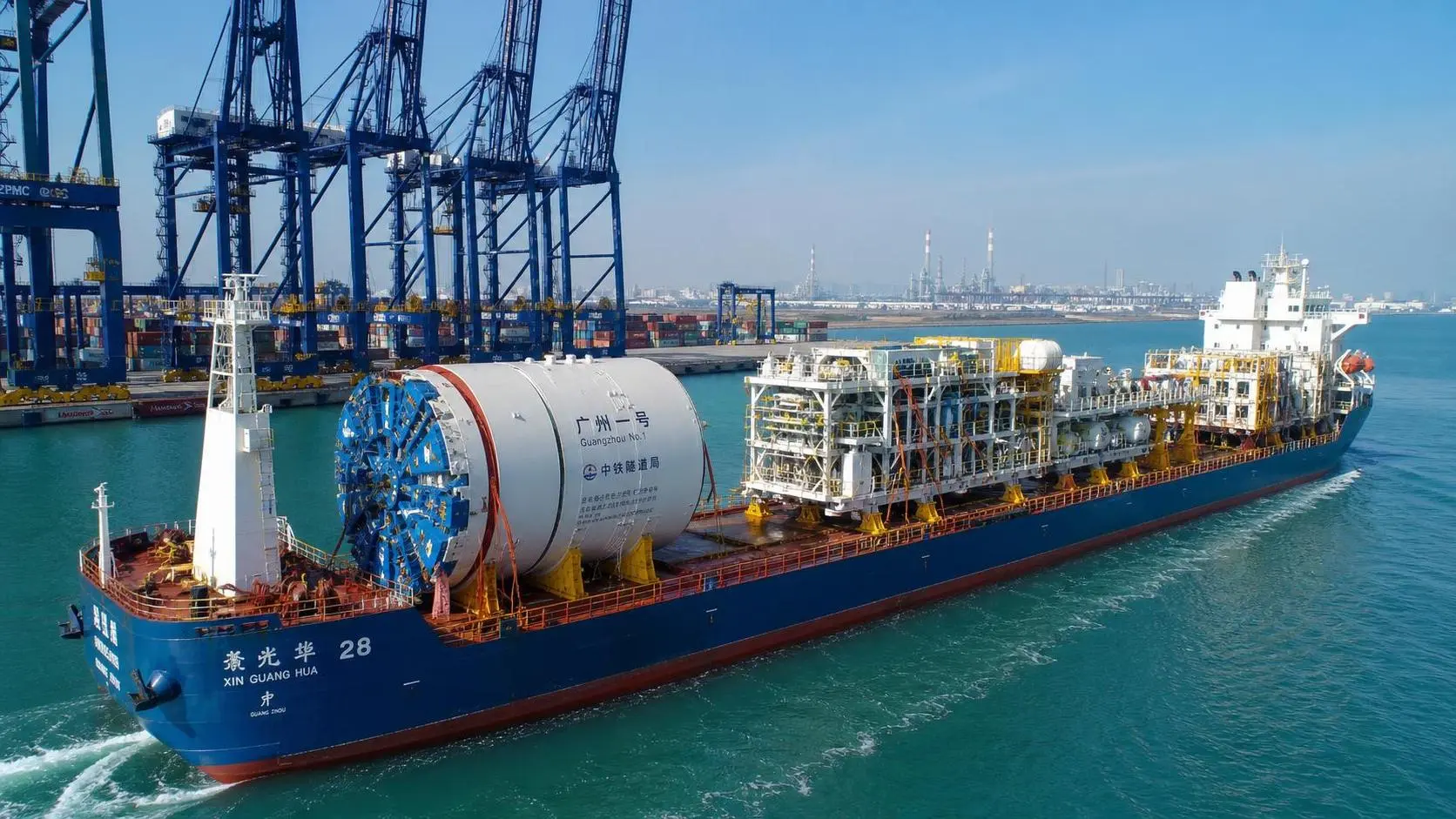
China-UAE Direct Sea Route Cuts TBM and Large Tunneling Equipment Lead Times
China-UAE direct sea route shortens TBM and large tunneling equipment lead times by 12–15 days, improving delivery predictability for major infrastructure projects. Read the full impact.

What Is a TBM Guidance System Gyroscope, and Why Does It Matter Underground?
TBM Guidance Systems gyroscope improves underground accuracy, reduces drift, and helps tunnel boring machines stay on line in harsh conditions.

China to Roll Out Nationwide Local and Foreign Currency Cash Pools for Multinationals on Sept. 14
China will roll out nationwide local and foreign currency cash pools for multinationals on Sept. 14, streamlining cross-border treasury management and boosting liquidity efficiency.
Related News
- 00
0000-00
How to Evaluate Articulated Dump Trucks Payload for Haul Road Conditions and Cycle Efficiency - 00
0000-00
How Pipe Fittings Material and Pressure Class Affect Water Line Selection - 00
0000-00
What Drives TBM Excavation Cost in Urban Tunneling Projects? - 00
0000-00
What Does Energy Metals Mining in Australia Mean for Supply, Cost, and Project Risk? - 00
0000-00
EU Eases Dual CE and UKCA Path for Chinese Tunnel Boring Equipment
Weekly Insights
Stay ahead with our curated technology reports delivered every Monday.