
TBM Cutter Tools China: How to Compare Materials, Lead Time, and OEM Capability





TBM cutter tools China: what should be compared before price?
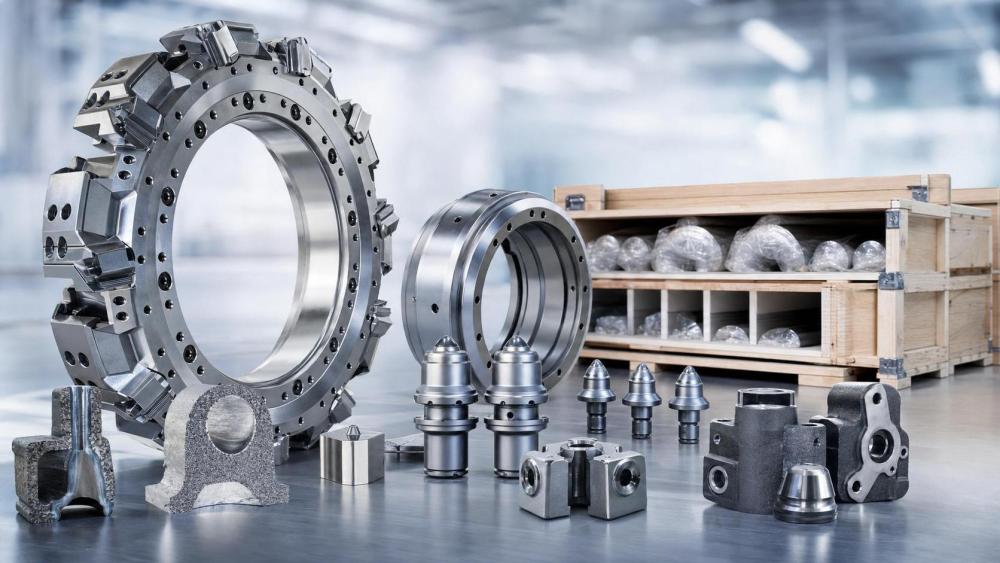
When reviewing TBM cutter tools China, the first mistake is treating all offers as comparable steel parts.
They are not. Material chemistry, heat treatment stability, machining accuracy, and supplier discipline shape field performance far more than headline unit cost.
In underground projects, cutter failure is rarely an isolated spare-parts problem. It can affect penetration rate, intervention frequency, shift planning, and downstream segment installation.
That is why TBM cutter tools China sourcing usually needs a wider view than standard industrial procurement.
UTMD often tracks this through rock-cutting mechanics, wear behavior, and project execution realities rather than catalog language alone.
A useful comparison starts with three linked questions: what material is really being supplied, how dependable is lead time, and whether OEM capability is genuine or only claimed.
Once these three are clear, supplier screening becomes much more practical.
How do you judge material quality without over-relying on brochures?
For TBM cutter tools China, “material” should never mean hardness only.
A disc cutter ring or related cutter component must balance hardness, toughness, wear resistance, and crack resistance under impact loading.
In hard rock, a higher hardness number may look attractive, yet brittle behavior can shorten service life.
The more reliable approach is to ask for a material evidence package, not a single property claim.
- Steel grade and source mill information.
- Heat treatment process control records.
- Hardness range, not just one peak value.
- Impact or toughness test data.
- Microstructure photos and inspection standards.
- Field wear references from comparable geology.
In actual use, geology matters as much as metallurgy.
A supplier performing well in mixed ground may not deliver the same result in abrasive quartzite or fractured granite.
That is why TBM cutter tools China comparisons should connect test data with project conditions, including UCS range, abrasivity, groundwater, and intervention constraints.
Another useful sign is consistency between batches.
One good sample proves very little. Stable quality across repeated shipments is what protects uptime.
A quick material comparison table
This checklist helps separate technically solid offers from generic quoting.
Is lead time just a logistics issue, or a performance risk?
For TBM cutter tools China, lead time is operational risk management.
A delayed shipment does more than postpone inventory arrival. It can force premature cutter replacement decisions or create unsafe pressure on maintenance windows.
Many quotations show an attractive standard lead time, but that figure may apply only to routine models and normal raw material availability.
The more relevant question is how the supplier performs during disruption.
Ask what portion of the lead time belongs to forging, machining, heat treatment, inspection, and export preparation.
If the answer is vague, the published delivery promise may not be dependable.
It also helps to separate prototype, first batch, and repeat order timing.
A supplier may handle repeat production well but struggle with customized starts, especially when drawings require nonstandard tolerances.
UTMD’s reporting on large tunnel and mining programs repeatedly shows that supply resilience matters most when utilization targets are tight.
In those settings, realistic delivery planning often beats aggressive promises.
- Check normal lead time and peak-load lead time separately.
- Confirm safety stock policy for standard wear parts.
- Review export documents and packaging readiness.
- Ask how urgent replenishment orders are prioritized.
What does real OEM capability look like in TBM cutter tools China?
This is where many evaluations become blurred.
Some suppliers in TBM cutter tools China are true manufacturers with engineering control. Others are assembly-focused traders with outsourced production.
Both may use similar language online, so the distinction needs evidence.
Real OEM capability usually means more than making parts to drawing.
It includes design interpretation, tolerance control, metallurgy adaptation, failure analysis support, and repeatable process ownership.
A capable OEM partner should be able to explain why a specific geometry, sealing arrangement, or ring profile suits a given cutterhead configuration.
They should also discuss wear patterns, not simply quote dimensions.
If a supplier cannot support drawing revision control, sample validation, and failure feedback loops, its OEM claim is limited.
For long campaigns, that limitation becomes expensive.
Practical signs of credible OEM depth
- In-house engineering review before quotation.
- Controlled documentation for drawings and revisions.
- Dimensional inspection tied to functional fit.
- Ability to discuss wear, fracture, and bearing-related failures.
- Pilot batch support before full order release.
- After-sales technical feedback based on operating data.
In a market shaped by larger ESG and automation trends, this matters even more.
Underground equipment is expected to run longer, cleaner, and with fewer unplanned interventions. Cutter tools therefore sit inside a broader reliability system.
Where do buyers usually misread cost when comparing suppliers?
The common error is using purchase price as the main comparison line.
For TBM cutter tools China, total cost is driven by service life, replacement frequency, downtime exposure, and stock planning.
A cheaper cutter that wears faster may still be the costlier option once interventions and lost advance are counted.
This is especially true in hard rock tunnels, remote mine access drifts, or mixed-face sections where intervention is difficult.
A clearer evaluation model includes direct and indirect cost factors.
A strong offer usually holds up across all four lines, not only the first one.
What should be confirmed before moving from shortlist to order?
At shortlist stage, the goal shifts from broad comparison to execution certainty.
For TBM cutter tools China, it helps to close the remaining gaps with a structured final review.
- Match cutter type and geology assumptions in writing.
- Lock drawing version and tolerance points.
- Define inspection documents required per batch.
- Confirm realistic lead time and emergency response path.
- Set rules for nonconformity, replacement, and technical feedback.
This is also the stage to test communication quality.
A supplier that answers technical deviations clearly before order placement is usually easier to work with after deployment.
In contrast, slow or generic responses often signal future friction.
For organizations following UTMD’s intelligence approach, the best sourcing decision is rarely the cheapest or fastest in isolation.
It is the one that best aligns rock conditions, uptime targets, supply continuity, and technical accountability.
Final takeaway: how should TBM cutter tools China be evaluated now?
TBM cutter tools China should be compared as a reliability input, not a commodity line item.
Material quality needs proof beyond brochure language. Lead time must be tested for resilience, not optimism. OEM capability should be verified through engineering ownership and process control.
If the next step is practical, begin with a side-by-side review sheet using geology, wear targets, batch evidence, delivery risk, and support depth.
That kind of structure makes supplier comparison clearer and reduces the chance of buying hidden risk at a lower visible price.
Related News
Tunnel Boring Machine Costs: Budgeting for Purchase, Operation, and Project Risk
Tunnel Boring Machines cost more than purchase price. Learn how to budget lifecycle costs, downtime, logistics, wear, and project risk for smarter TBM decisions.

Open-Pit Haulage Cost Analysis: How Mine Managers Can Cut Cost per Tonne
Open pit haulage cost analysis: discover practical ways to reduce cost per tonne through payload control, cycle-time optimization, road performance, and smarter fleet decisions.

Tunnel Construction Innovations That Reduce Risk and Schedule Delays on Urban Projects
Tunnel construction innovation for urban projects: discover smarter TBMs, real-time monitoring, trenchless methods, and automation that reduce risk and protect schedules.
TBM Disc Cutter Design: Key Geometry and Load Factors for Hard Rock Tunnelling
TBM disc cutter design explained: explore geometry, spacing, load distribution and maintenance factors for reliable, efficient hard-rock tunnelling performance.
Hydraulic Tipping Stability Risks in Multi-Axle Dump Special Trailers
Dump special trailers: discover key hydraulic tipping stability risks, multi-axle load dynamics, and practical safety controls for safer, smarter bulk hauling.
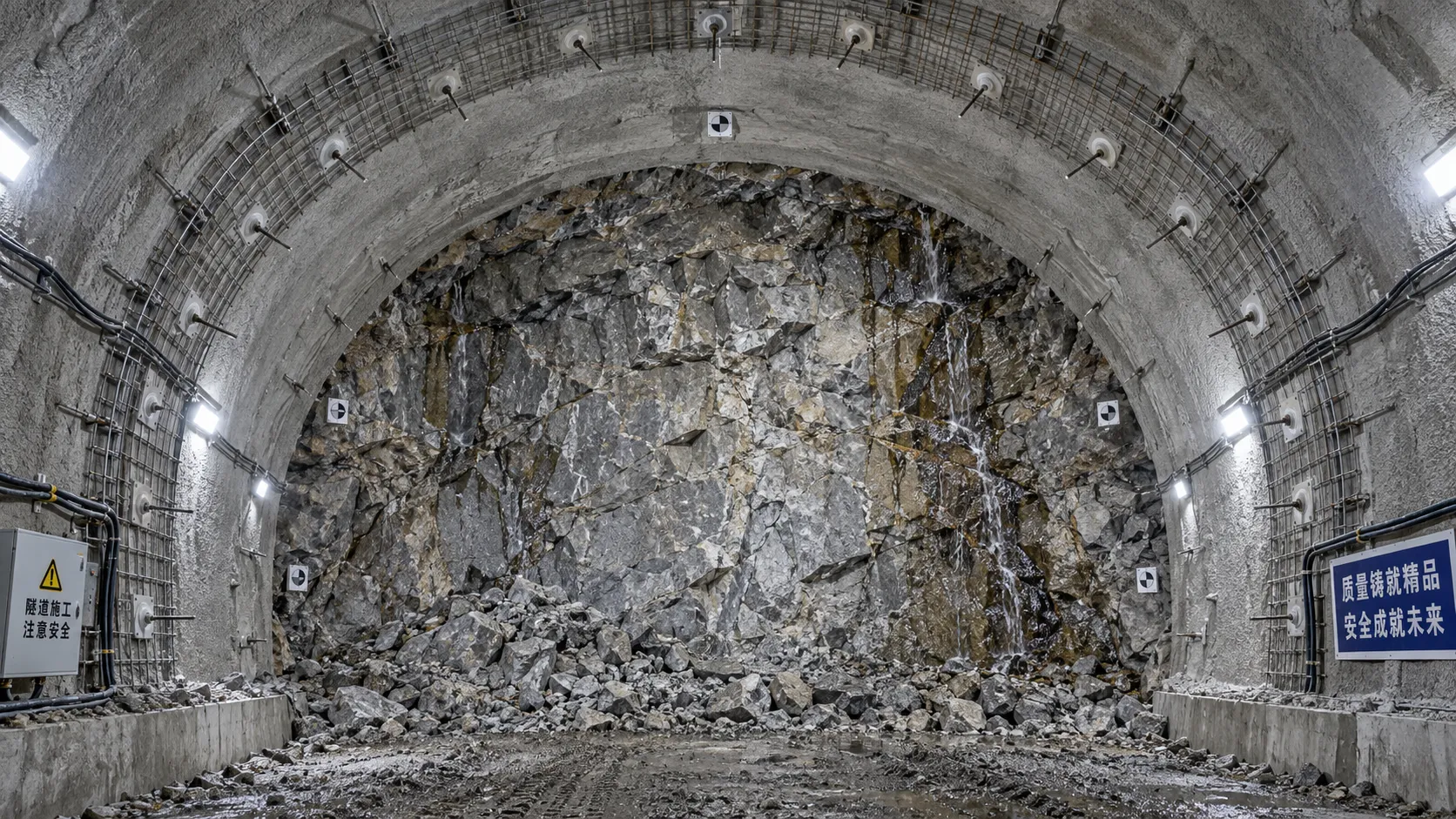
When rock reinforcement in tunnel construction must change after blasting
Rock reinforcement in tunnel construction must change when blasting reveals overbreak, weak joints, water inflow, or deformation. Discover key post-blast support decisions.
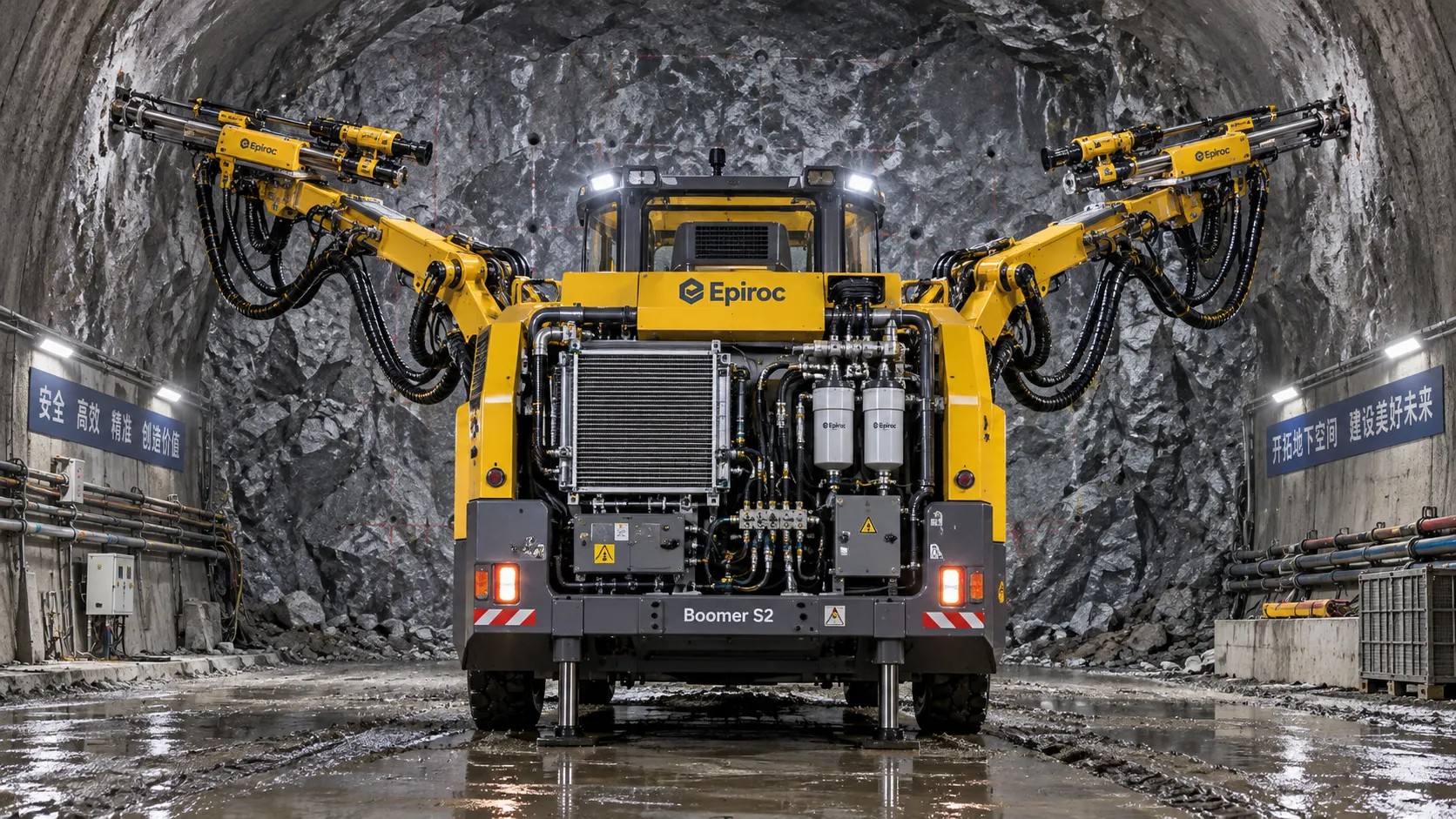
How tunnel hydraulic systems influence drill jumbo uptime underground
Tunnel hydraulic systems directly influence drill jumbo uptime. Explore how stable pressure, clean oil, cooling, and maintainable design reduce underground downtime.
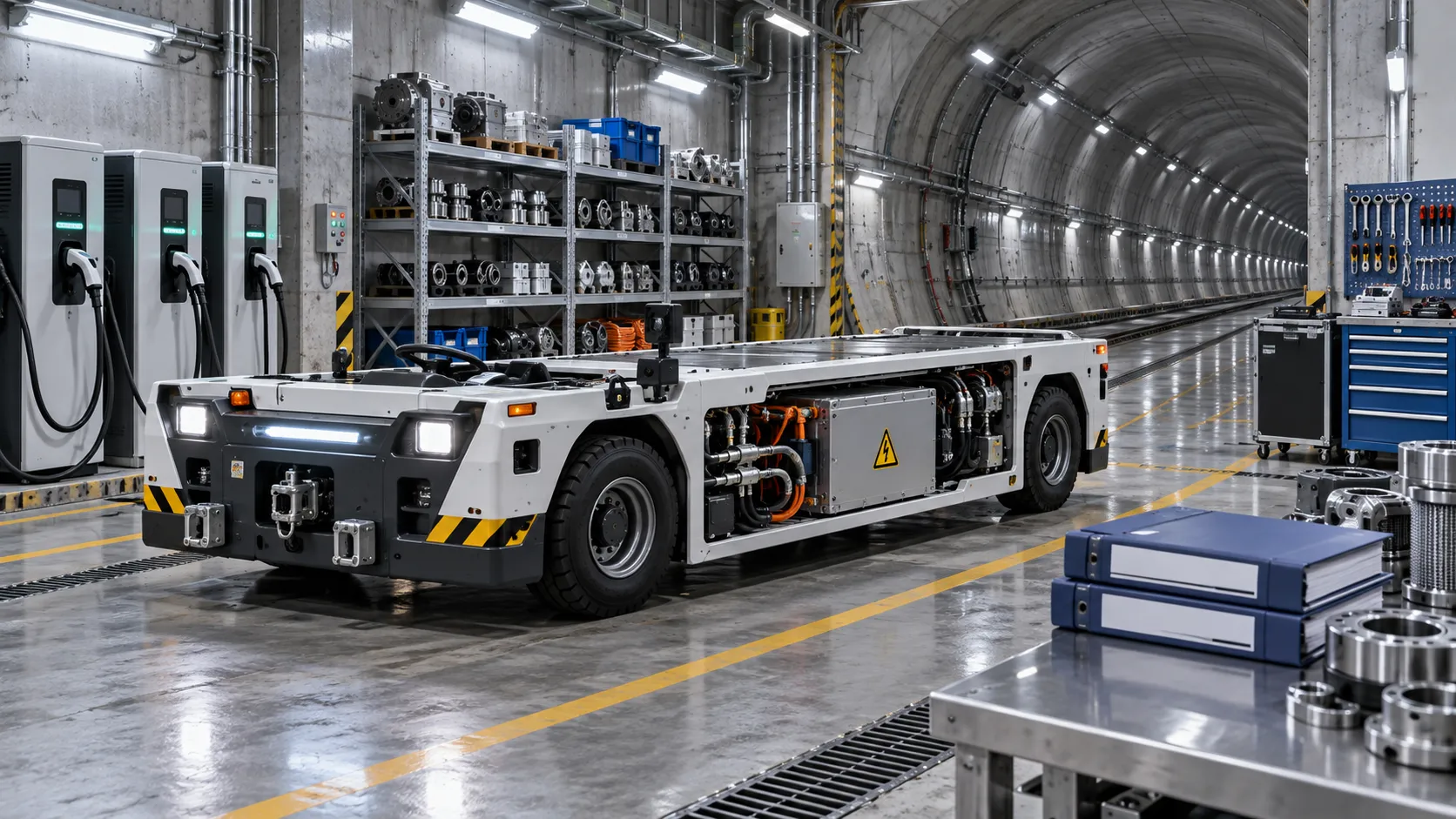
What to verify before appointing a tunneling vehicles manufacturer
Choosing a tunneling vehicles manufacturer? Verify application fit, reliability, compliance, parts support, training, and channel terms before appointing a partner.
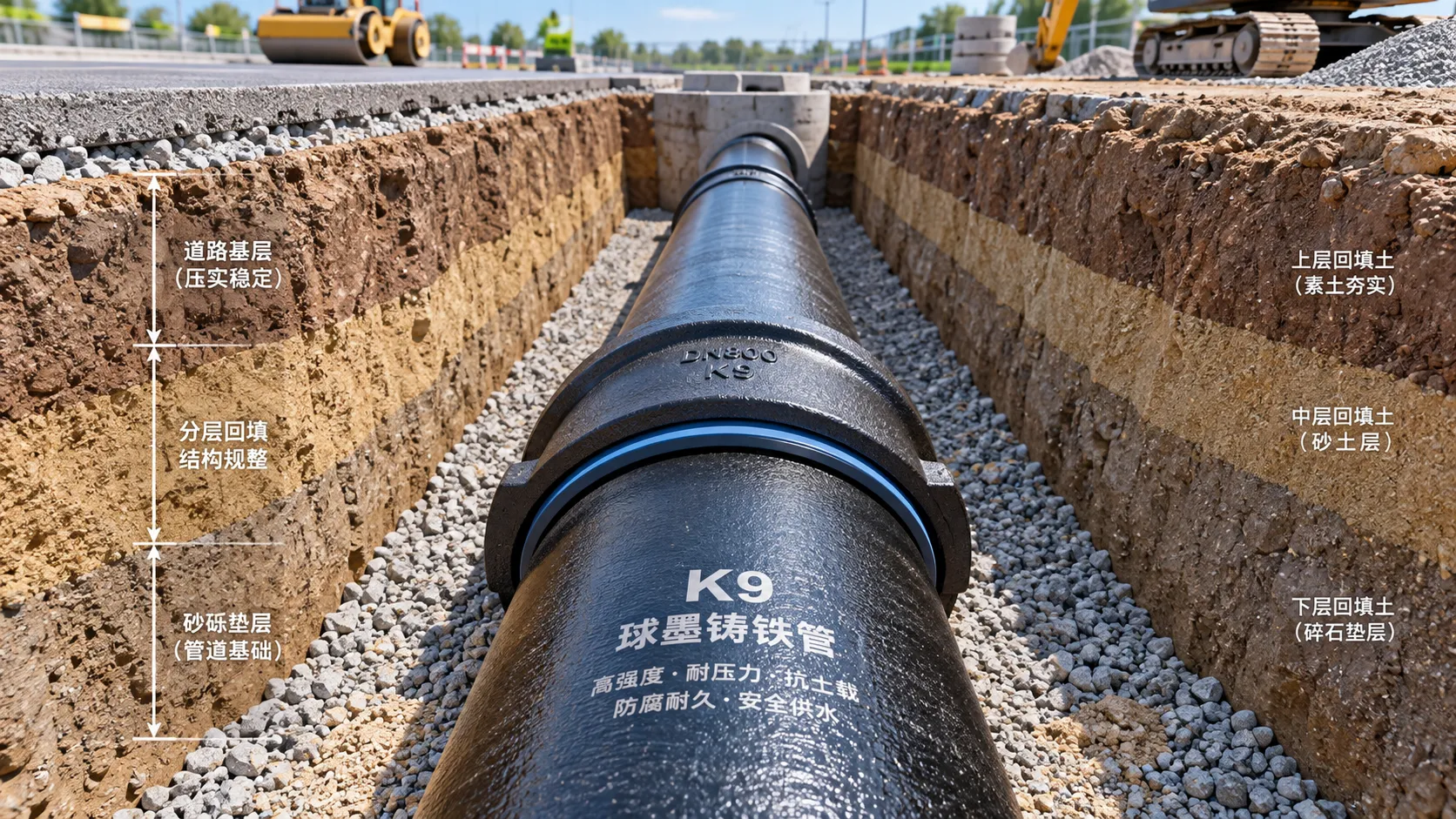
Selecting K9 Ductile Iron Pipe for Buried Water Pipeline Conditions
K9 ductile iron pipe selection for buried water pipelines: compare pressure duty, joints, soil loads, corrosion protection, and installation controls for reliable long-term performance.
Related News
- 00
0000-00
Tunnel Boring Machine Costs: Budgeting for Purchase, Operation, and Project Risk - 00
0000-00
Open-Pit Haulage Cost Analysis: How Mine Managers Can Cut Cost per Tonne - 00
0000-00
Tunnel Construction Innovations That Reduce Risk and Schedule Delays on Urban Projects - 00
0000-00
TBM Disc Cutter Design: Key Geometry and Load Factors for Hard Rock Tunnelling - 00
0000-00
Hydraulic Tipping Stability Risks in Multi-Axle Dump Special Trailers
Weekly Insights
Stay ahead with our curated technology reports delivered every Monday.