
Cutterhead Engineering Basics: How Design Affects Wear Rate, Torque, and Advance Speed





Cutterhead Engineering sits at the center of tunnel boring performance because the cutterhead is where machine power becomes rock breakage, heat, vibration, and wear. In hard rock, mixed ground, and long drives, small design choices can change torque demand, cutter consumption, maintenance intervals, and daily advance more than headline installed power suggests.
That is why the topic matters well beyond TBM design teams. For infrastructure planners, mining analysts, and technology observers following UTMD, Cutterhead Engineering is a practical lens for reading project risk, machine suitability, energy efficiency, and asset utilization across deep underground construction.
Why cutterhead design has become a frontline issue
Global tunnel and mine development is moving into tougher geological and operating conditions. Longer drives, deeper alignment, stricter emission limits, and rising maintenance costs are forcing closer attention to the mechanics at the rock face.
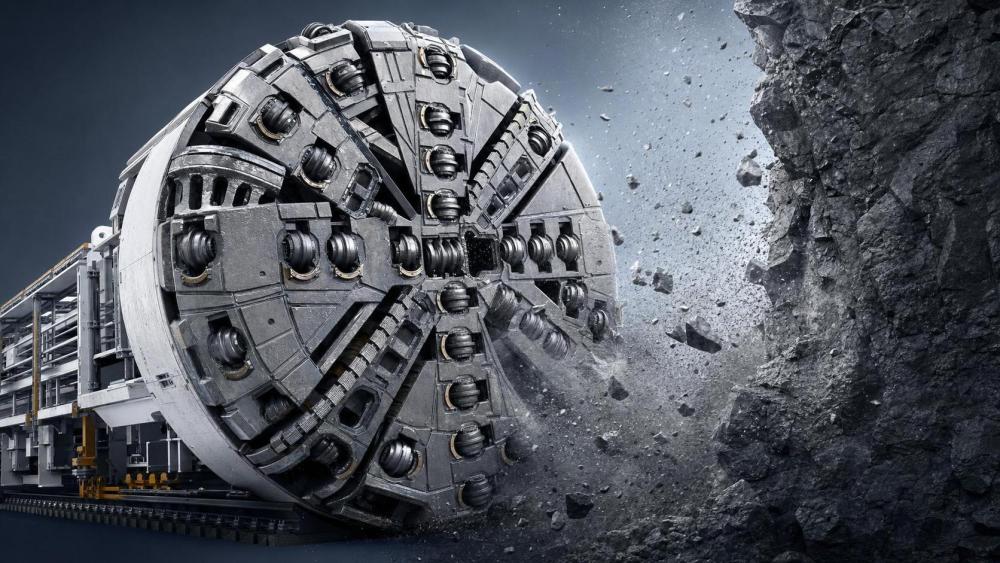
This is especially relevant in the UTMD coverage universe, where full-face TBMs, trenchless systems, and smart mining equipment are judged not only by output, but also by reliability, serviceability, and operating intelligence.
In that context, Cutterhead Engineering is not an isolated mechanical subject. It connects rock-cutting physics with gearbox loading, bearing stress, tool replacement logistics, electric power demand, and digital monitoring strategy.
What Cutterhead Engineering actually covers
At a basic level, Cutterhead Engineering concerns how the front end of a TBM is shaped, reinforced, equipped, and operated to break ground efficiently under a defined geology and tunnel objective.
It includes cutterhead diameter, opening ratio, spoke or domed structure, disc cutter arrangement, gauge protection, muck flow path, face support compatibility, and the relationship between penetration and rotational speed.
The best designs balance competing demands. A cutterhead must cut aggressively enough to sustain advance, yet remain stable enough to avoid excessive vibration, cutter chipping, clogging, and structural fatigue.
Simple comparisons are often misleading. A heavier cutterhead is not automatically better, and a more open face is not always more efficient. Performance depends on how the geometry matches rock mass behavior.
How design affects wear rate
Wear rate is usually the first operational signal that something is mismatched. Disc cutters, scrapers, buckets, wear plates, and gauge tools all respond differently to rock strength, abrasivity, jointing, and machine control.
In Cutterhead Engineering, cutter spacing is a major variable. If cutters are too far apart, rock fragmentation becomes inefficient and point loads rise. If they are too close, rolling resistance and redundant crushing increase.
Face geometry also matters. Uneven load distribution across the center, intermediate zone, and gauge can create localized overloading. That often shows up as accelerated edge wear, ring cracking, or abnormal bearing failure.
Ground conditions complicate the picture. Abrasive quartz-rich formations consume tools differently from blocky fractured rock. Mixed-face sections can be worse because steel contacts, impact spikes, and unstable muck flow happen together.
A useful way to read wear is to separate normal consumption from design-driven consumption. Normal wear follows geology. Design-driven wear appears when replacement patterns cluster around certain cutter zones or operating modes.
Common wear drivers linked to design
- Poor cutter spacing relative to expected penetration per revolution
- Insufficient gauge protection at the tunnel perimeter
- Muck flow paths that recycle abrasive fines across exposed steel
- Cutter access layouts that delay timely inspection and replacement
- Structural stiffness that amplifies shock loading in broken ground
Why torque demand rises or falls with geometry
Torque is not just a motor issue. It is a reflection of how much resistance the cutterhead meets while rotating through a given penetration depth, rock texture, and face condition.
Cutterhead Engineering influences torque through diameter, cutter count, layout symmetry, opening ratio, and muck evacuation behavior. Any factor that increases friction, re-crushing, or face instability tends to raise torque demand.
A cutterhead with poor spoil clearance may keep material circulating at the face. That creates parasitic resistance. The machine then spends energy moving broken rock repeatedly instead of using power for fresh penetration.
Torque spikes are especially important in hard rock TBMs because they affect gearbox durability, drive train sizing, and control stability. In electrified underground operations, they also shape transient power draw and thermal loading.
For this reason, Cutterhead Engineering should be judged with both average torque and peak torque in mind. A design that looks acceptable on average may still create damaging peaks in faulted or heterogeneous sections.
Advance speed depends on more than aggressive cutting
Advance speed is often treated as the headline output, yet high penetration per revolution does not guarantee faster project progress. The real measure is sustainable advance over days and months.
Cutterhead Engineering affects this through a chain of causes. Better fragmentation lowers torque waste. Lower torque waste supports smoother rotation. Smoother rotation reduces abnormal wear. Lower wear reduces stoppages. Fewer stoppages improve advance.
That chain explains why some machines with moderate penetration achieve better project rates than machines that cut aggressively but stop often for inspections, tool changes, or face intervention.
In practice, advance speed is also constrained by segment erection, conveyor capacity, face pressure control, and ground treatment. Even so, cutterhead behavior remains one of the earliest indicators of whether the system is balanced.
A practical comparison framework
Where these basics matter most
The strongest relevance is in hard rock TBMs and mixed-ground tunnelling, but the same engineering logic carries into trenchless and mining environments where cutting tools, rock interaction, and maintenance access define productivity.
For pipe jacking systems, face tool design affects jacking load, intervention frequency, and settlement control. In underground mining, cutter and bit layout decisions influence drilling efficiency, equipment stress, and downstream haulage rhythm.
That wider relevance fits UTMD’s intelligence model. Mechanical design can no longer be separated from electrification, automation, condition monitoring, and commercial planning. A poor cutting interface creates problems the rest of the system must absorb.
What to examine when evaluating a cutterhead
A useful review starts with geology, not with catalog claims. Rock strength, abrasivity, fracture spacing, groundwater, and mixed-face probability should frame any assessment of Cutterhead Engineering.
Then look at how design choices support field realities. Tool accessibility, inspection intervals, spare consumption, lifting requirements, and response to torque spikes often determine whether theoretical performance survives actual operations.
- Compare expected wear zones across center, face, and gauge
- Check whether torque reserve covers difficult sections, not only average ground
- Review cutter change logistics and intervention safety
- Examine how muck flow design limits re-crushing and clogging
- Use operating data to distinguish geology effects from design effects
More advanced assessments also include sensor feedback. Vibration signatures, torque curves, penetration trends, and cutter temperature patterns can reveal whether the cutterhead is working in its intended regime.
The next step in reading Cutterhead Engineering
Cutterhead Engineering is easiest to underestimate when it is viewed as a front-end component choice. In reality, it is a systems decision that shapes maintenance burden, drive train stress, energy use, and schedule confidence.
For any upcoming TBM review, tender comparison, or technology scan, the most useful next move is to map design features against three realities: geology, operating window, and service strategy.
That approach creates a clearer basis for judging wear risk, torque behavior, and realistic advance speed. It also aligns well with UTMD’s broader view of underground equipment, where performance is measured by dependable output under extreme conditions, not by isolated specifications.
Related News

Tunnel Boring Machine Costs: Budgeting for Purchase, Operation, and Project Risk
Tunnel Boring Machines cost more than purchase price. Learn how to budget lifecycle costs, downtime, logistics, wear, and project risk for smarter TBM decisions.
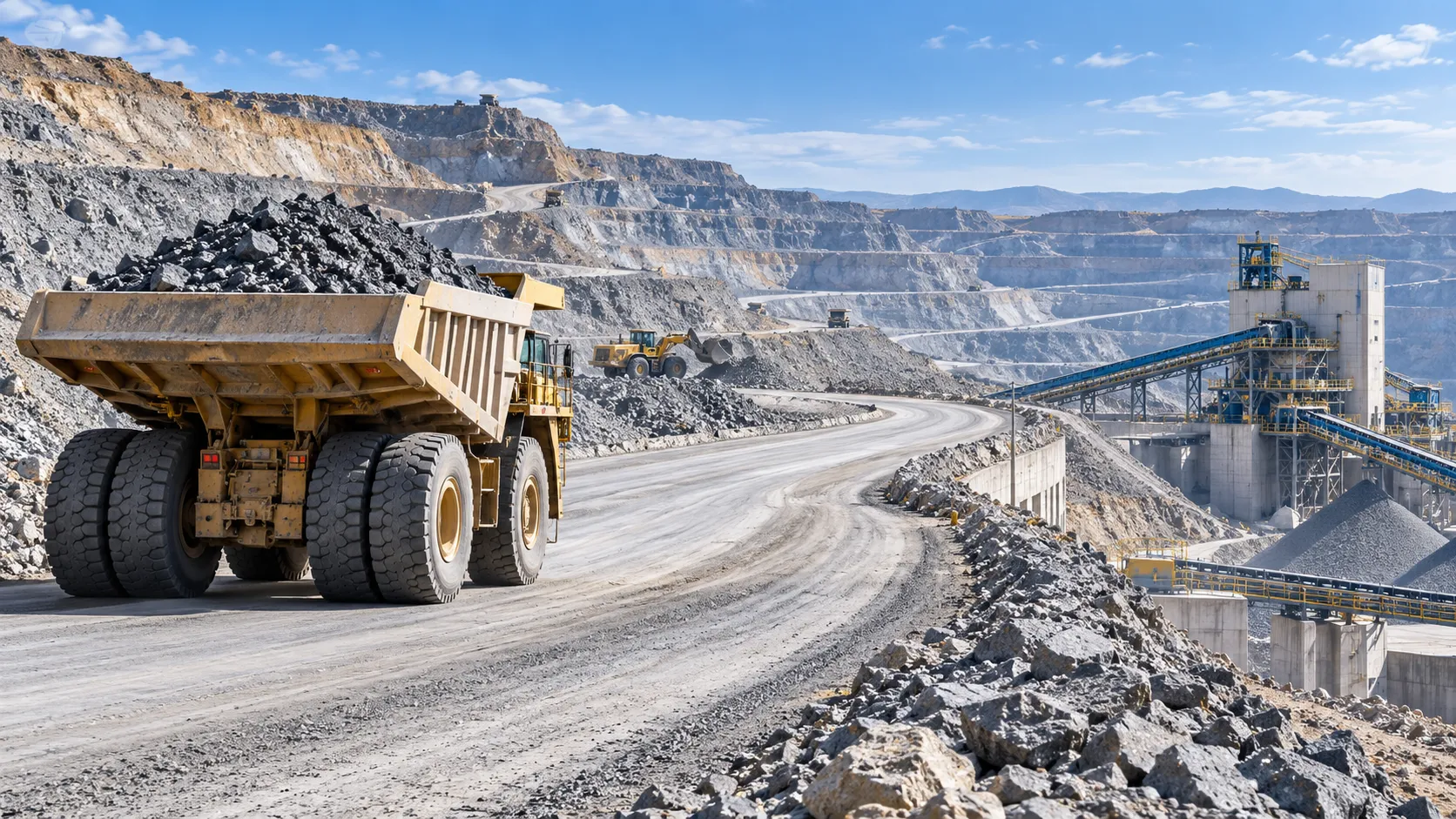
Open-Pit Haulage Cost Analysis: How Mine Managers Can Cut Cost per Tonne
Open pit haulage cost analysis: discover practical ways to reduce cost per tonne through payload control, cycle-time optimization, road performance, and smarter fleet decisions.

Tunnel Construction Innovations That Reduce Risk and Schedule Delays on Urban Projects
Tunnel construction innovation for urban projects: discover smarter TBMs, real-time monitoring, trenchless methods, and automation that reduce risk and protect schedules.
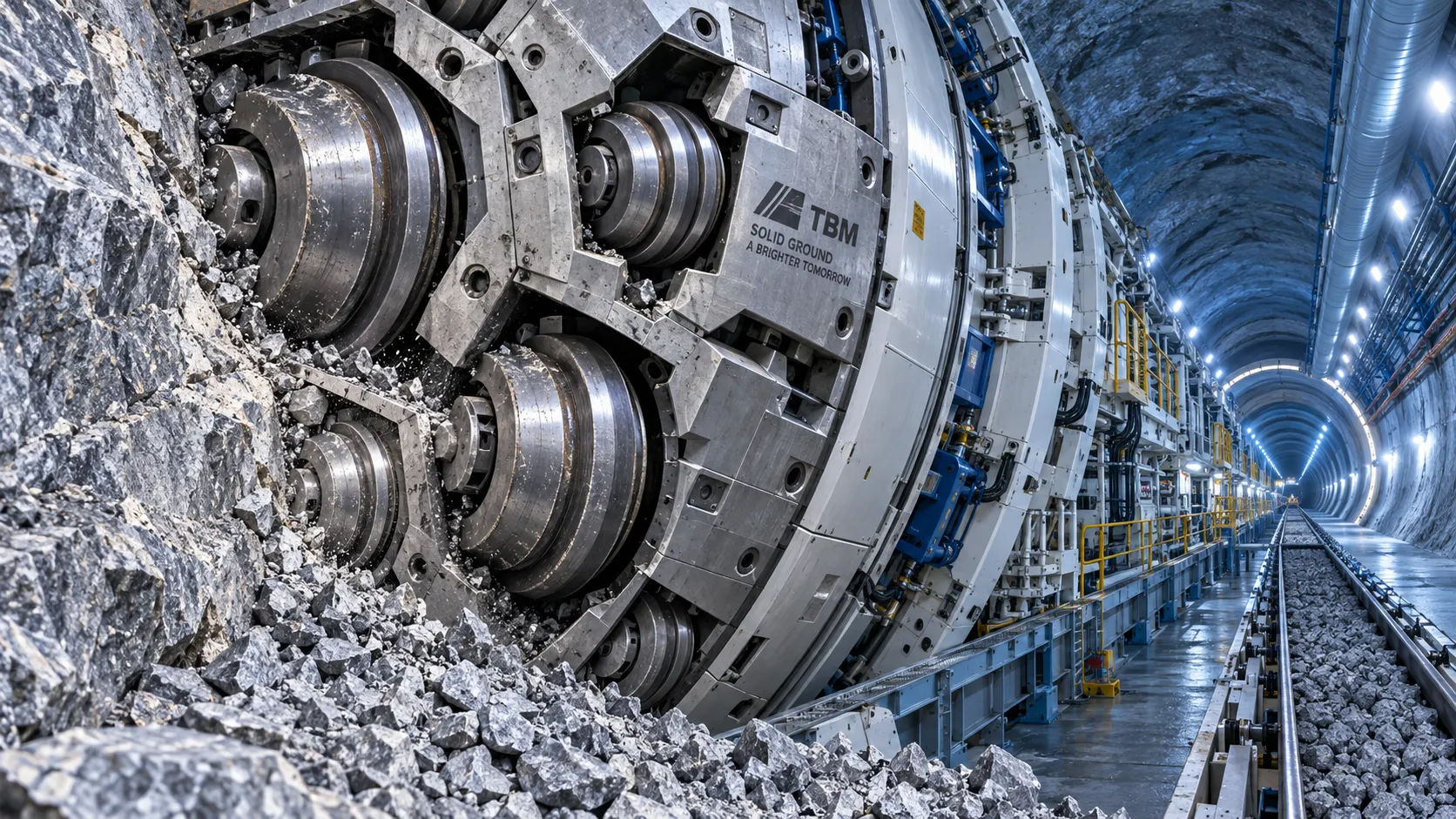
TBM Disc Cutter Design: Key Geometry and Load Factors for Hard Rock Tunnelling
TBM disc cutter design explained: explore geometry, spacing, load distribution and maintenance factors for reliable, efficient hard-rock tunnelling performance.
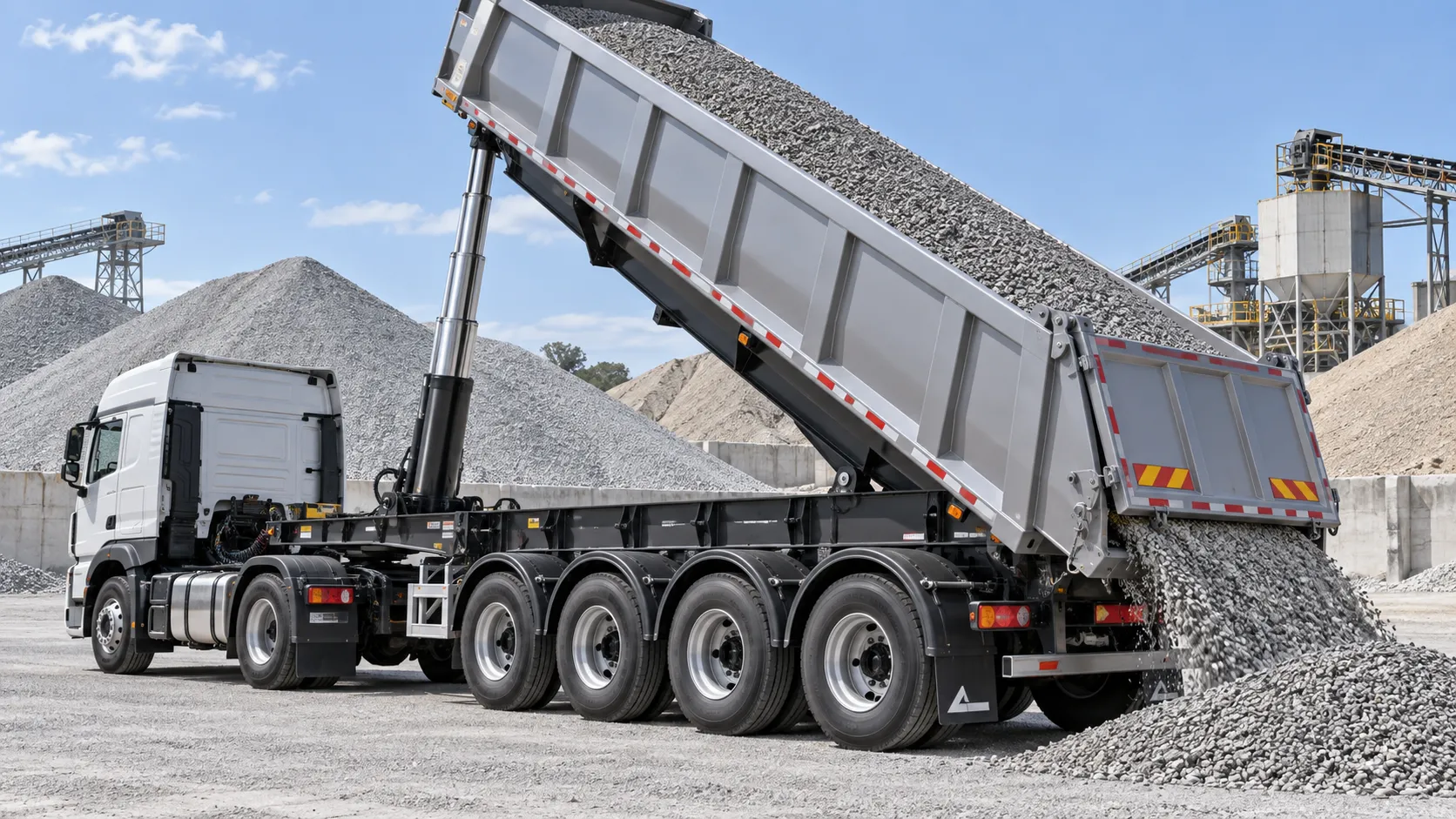
Hydraulic Tipping Stability Risks in Multi-Axle Dump Special Trailers
Dump special trailers: discover key hydraulic tipping stability risks, multi-axle load dynamics, and practical safety controls for safer, smarter bulk hauling.
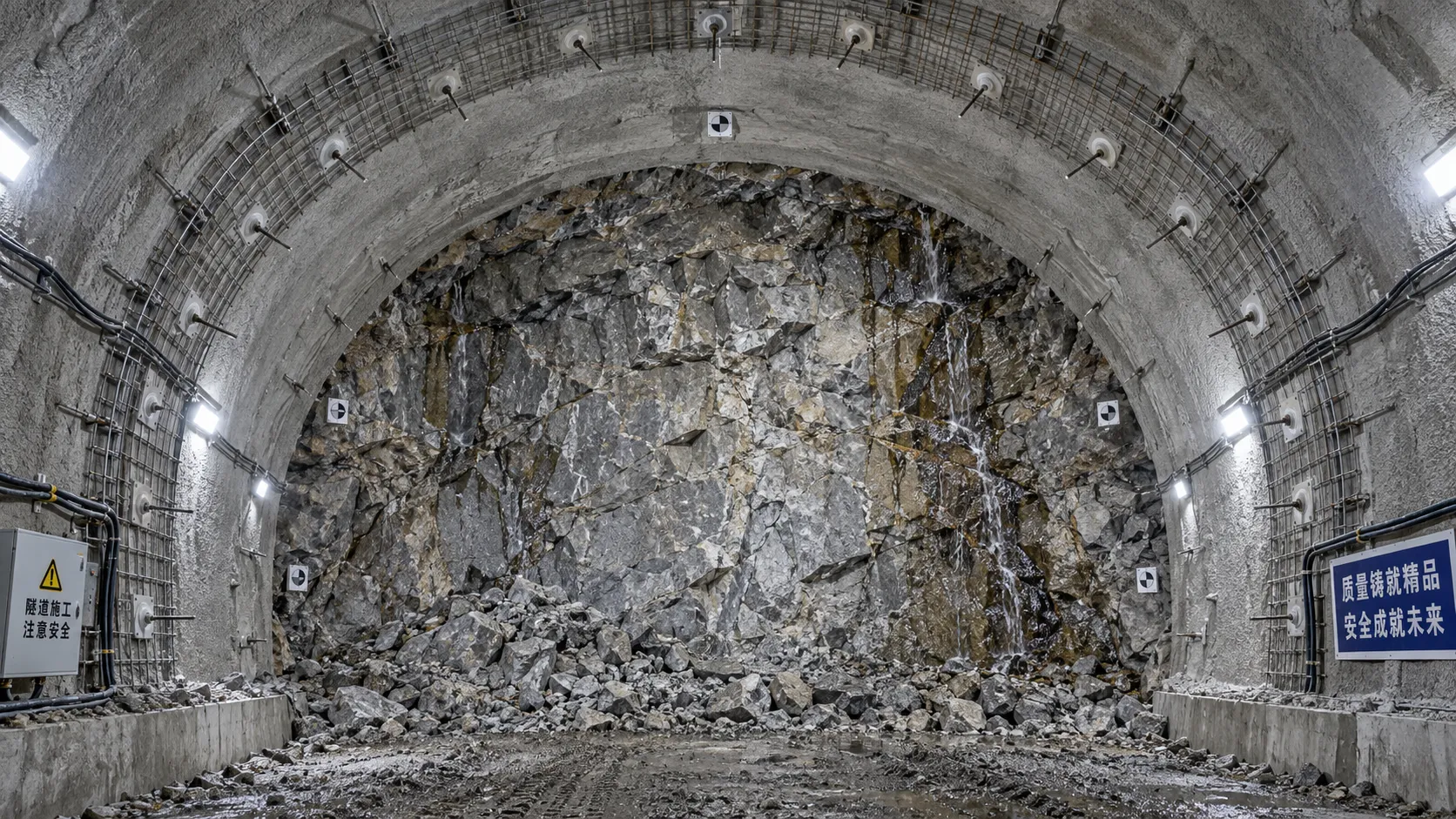
When rock reinforcement in tunnel construction must change after blasting
Rock reinforcement in tunnel construction must change when blasting reveals overbreak, weak joints, water inflow, or deformation. Discover key post-blast support decisions.
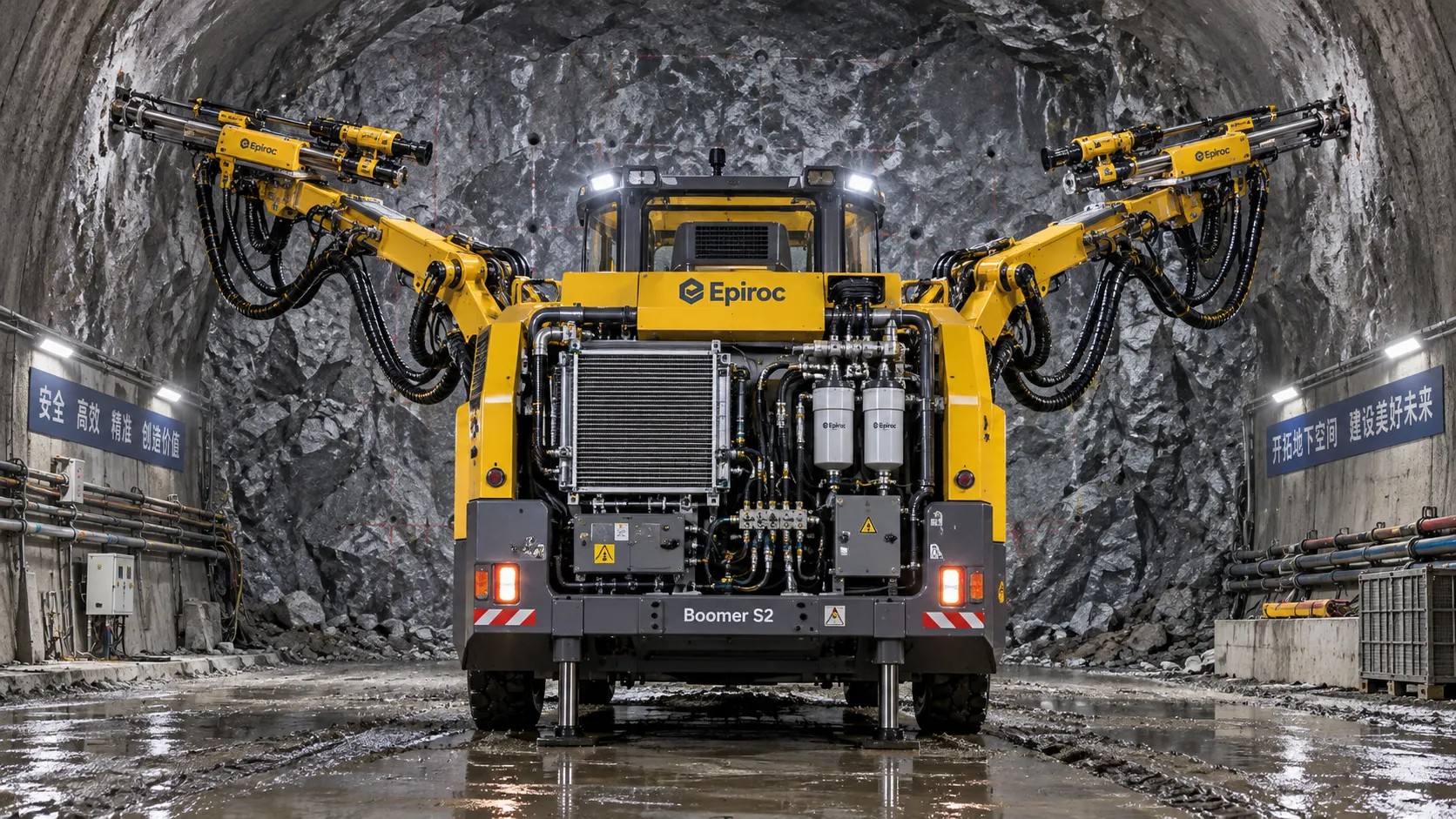
How tunnel hydraulic systems influence drill jumbo uptime underground
Tunnel hydraulic systems directly influence drill jumbo uptime. Explore how stable pressure, clean oil, cooling, and maintainable design reduce underground downtime.
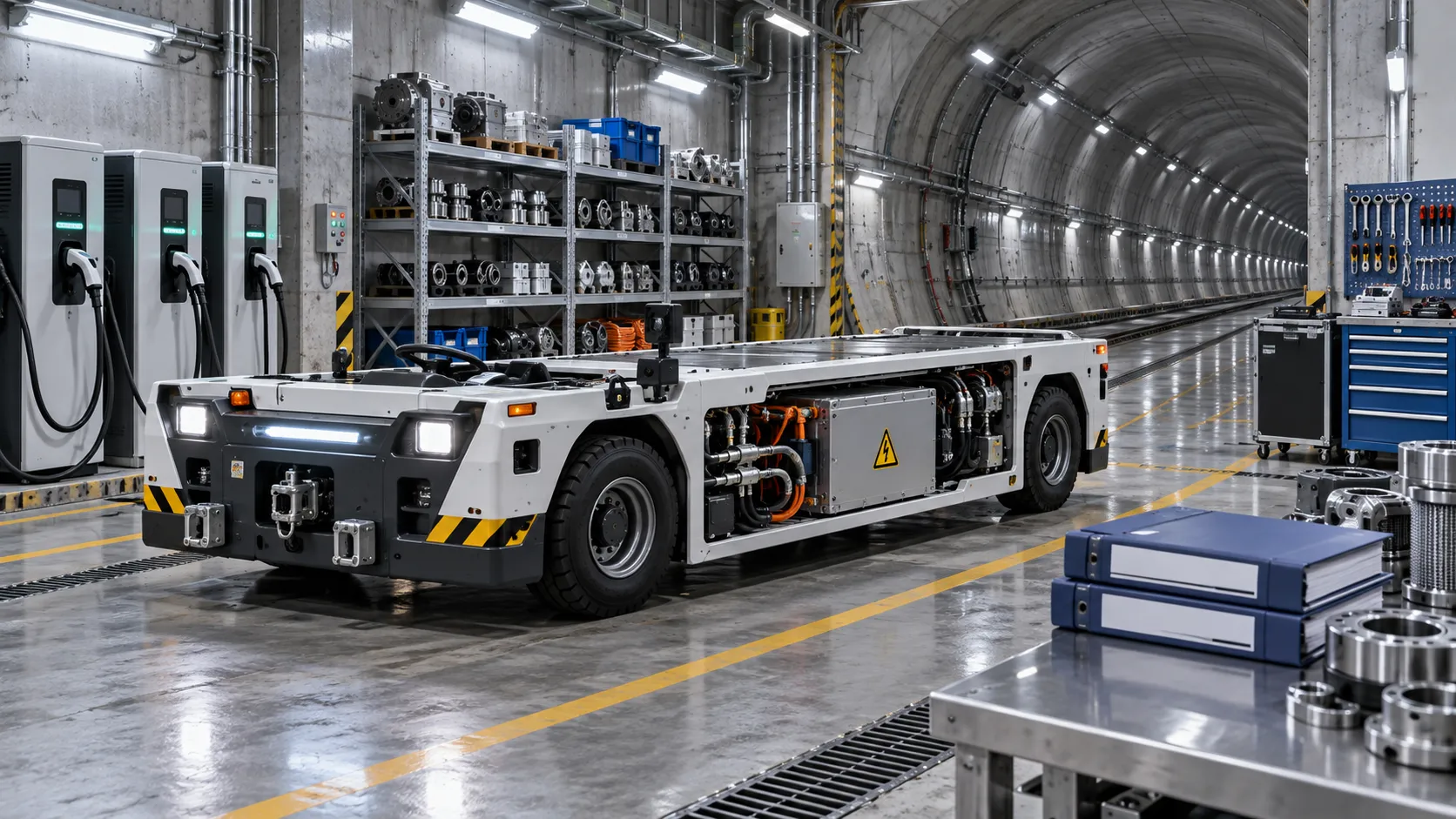
What to verify before appointing a tunneling vehicles manufacturer
Choosing a tunneling vehicles manufacturer? Verify application fit, reliability, compliance, parts support, training, and channel terms before appointing a partner.
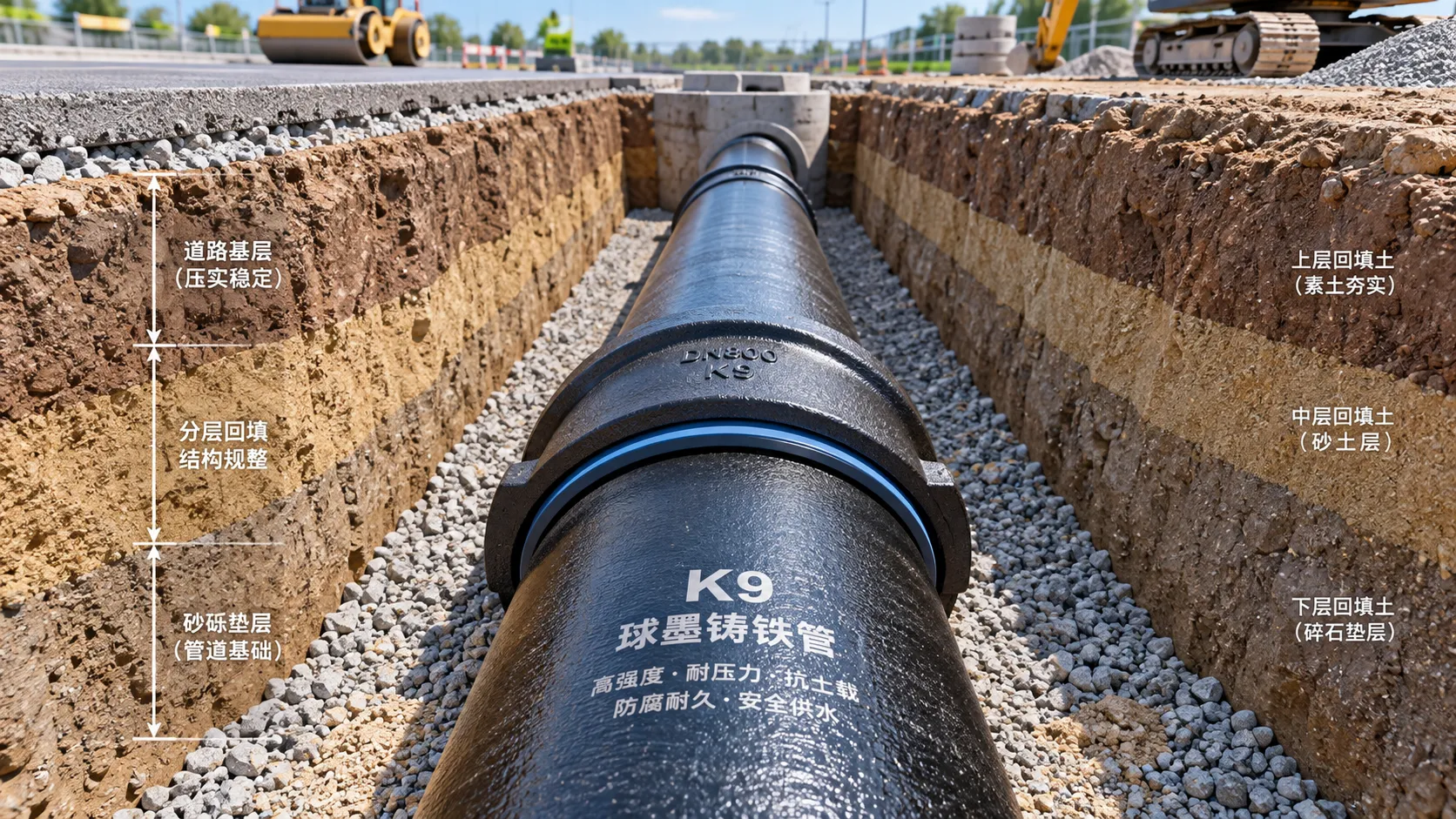
Selecting K9 Ductile Iron Pipe for Buried Water Pipeline Conditions
K9 ductile iron pipe selection for buried water pipelines: compare pressure duty, joints, soil loads, corrosion protection, and installation controls for reliable long-term performance.
Related News
- 00
0000-00
Tunnel Boring Machine Costs: Budgeting for Purchase, Operation, and Project Risk - 00
0000-00
Open-Pit Haulage Cost Analysis: How Mine Managers Can Cut Cost per Tonne - 00
0000-00
Tunnel Construction Innovations That Reduce Risk and Schedule Delays on Urban Projects - 00
0000-00
TBM Disc Cutter Design: Key Geometry and Load Factors for Hard Rock Tunnelling - 00
0000-00
Hydraulic Tipping Stability Risks in Multi-Axle Dump Special Trailers
Weekly Insights
Stay ahead with our curated technology reports delivered every Monday.