
How to Evaluate a TBM Disc Cutter Supplier for Lead Time, QA, and After-Sales Support





How should a tbm disc cutter supplier be evaluated before price discussions begin?
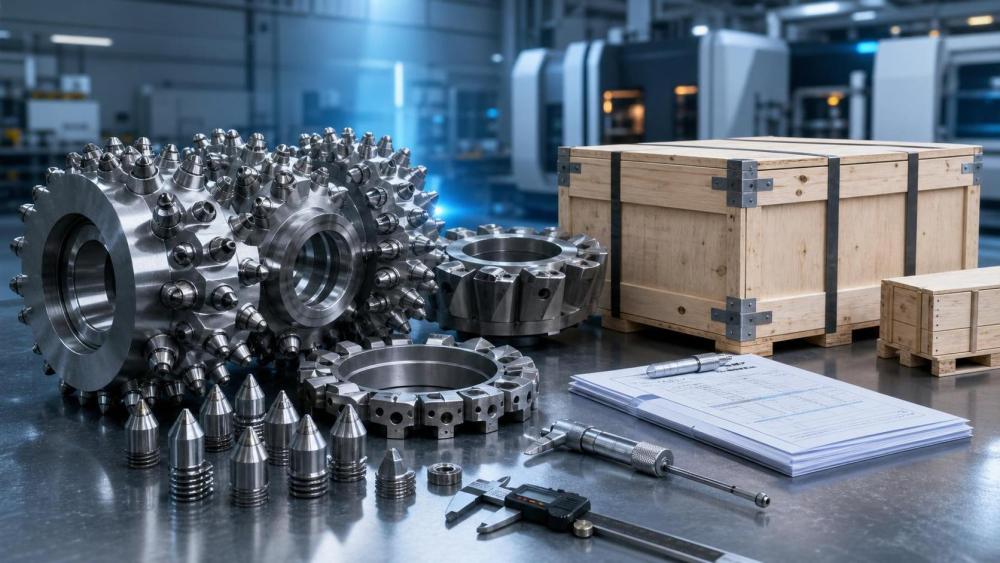
A low quote can look attractive early on.
In tunnelling, that number means little if cutters arrive late, wear too fast, or fail under unstable geology.
That is why a tbm disc cutter supplier should be judged as a long-cycle operational partner, not only a purchase source.
The real question is simple: can the supplier support production continuity in hard, mixed, and unpredictable ground?
UTMD often tracks how cutter performance connects with deeper project economics.
Disc wear affects downtime, intervention frequency, spare planning, and energy use across underground equipment fleets.
So when comparing a tbm disc cutter supplier, buyers usually start with three linked factors.
- Lead time stability under normal and urgent demand.
- Quality assurance that proves metallurgy, heat treatment, and dimensional control.
- After-sales support that remains useful after the shipment is delivered.
If one of these breaks down, the purchase price stops being the deciding number.
What lead time signals actually matter when choosing a tbm disc cutter supplier?
Published lead time is only the surface.
A stronger test is whether the supplier can explain how that lead time is built.
Ask where forgings come from, how many machining lines are available, and whether heat treatment is in-house or outsourced.
Those details reveal exposure to bottlenecks.
A dependable tbm disc cutter supplier should also separate standard replenishment from emergency replacement capacity.
Many delays happen when a supplier can meet forecast orders but struggles with sudden geology-driven demand spikes.
In practical terms, it helps to ask for recent on-time delivery data.
Not promises, but shipment history by order type, region, and cutter specification.
A useful evaluation table can make that review faster.
More often than not, unstable lead time creates a hidden cost larger than moderate unit price differences.
When a supplier says quality is strong, what proof should be requested?
Quality assurance for TBM cutters is not a slogan.
It should be visible in material traceability, process records, and failure analysis discipline.
A credible tbm disc cutter supplier should provide inspection evidence tied to the actual batch.
That normally includes hardness data, dimensional reports, bearing checks, and heat treatment records.
For hard rock or abrasive formations, it is reasonable to ask about wear models and field feedback loops.
UTMD’s coverage of rock-cutting mechanics repeatedly shows the same pattern.
Cutter life depends on the interaction between ring design, machine parameters, geology, and maintenance habits.
So the better question is not only, “Do you pass inspection?”
It is also, “How do you learn from premature wear, chipping, and abnormal failure?”
- Request sample QA documents from a recent production lot.
- Check whether serial or batch traceability is maintained through shipment.
- Ask how nonconforming parts are isolated and reported.
- Review whether failure claims lead to root-cause analysis, not only replacement.
A tbm disc cutter supplier with mature QA usually speaks in data, tolerance windows, and service records.
A weak one speaks mostly in general confidence.
How can after-sales support be tested before any order is placed?
After-sales capability should be verified before contracting, not after a site problem appears.
This matters even more on remote projects, cross-border tunnelling programs, or mixed fleets with different cutterhead configurations.
A practical way to assess a tbm disc cutter supplier is to review support scope in advance.
Can they help with cutter selection by geology band?
Do they issue replacement recommendations after wear pattern reviews?
Will they respond with technical staff, or only account managers?
Good after-sales support usually includes more than warranty terms.
- Remote troubleshooting for abnormal cutter consumption.
- Failure reporting templates and response timelines.
- Technical review of penetration rate versus wear rate.
- Advice on storage, handling, and installation practices.
Needless to say, support quality is easiest to judge through response speed during the quotation stage.
If technical questions already receive vague replies, later service is unlikely to improve.
Where do buyers usually make mistakes when comparing tbm disc cutter suppliers?
The most common error is comparing only unit price and nominal specification.
Two cutters may look similar on paper, yet perform very differently in abrasive granite or fractured mixed ground.
Another mistake is accepting broad quality claims without field references.
A strong tbm disc cutter supplier should be able to discuss application history by geology, diameter range, and wear behavior.
There is also a planning mistake that appears later.
Some teams buy for the first launch quantity, but not for the full replacement cycle.
That creates avoidable urgency once excavation conditions change.
This is where sector intelligence helps.
UTMD’s broader underground perspective is useful because cutter decisions rarely sit alone.
They connect to machine utilization, ESG-driven efficiency targets, and digital maintenance planning across the jobsite.
What is a practical final checklist before selecting a tbm disc cutter supplier?
By the final round, evaluation should become very concrete.
A useful shortlist usually balances technical fit, supply continuity, and service discipline.
Before confirming a tbm disc cutter supplier, it helps to lock in the following points.
- Defined cutter specification by geology and machine configuration.
- Documented lead time for standard and urgent orders.
- Batch-level QA records and traceability commitment.
- Named after-sales contacts with response time expectations.
- Clear process for claim review, root-cause analysis, and corrective action.
- Total cost review covering wear life, downtime risk, and replacement logistics.
A capable tbm disc cutter supplier should make these discussions easier, not harder.
If answers stay vague, the risk usually appears later in operations.
The better next step is to build a side-by-side comparison sheet using actual project conditions.
Include rock class, expected wear pattern, replenishment frequency, and support needs by site location.
That approach turns supplier selection from a price exercise into a controlled operating decision.
For underground projects where uptime is expensive and intervention windows are limited, that shift is usually worth it.
Related News
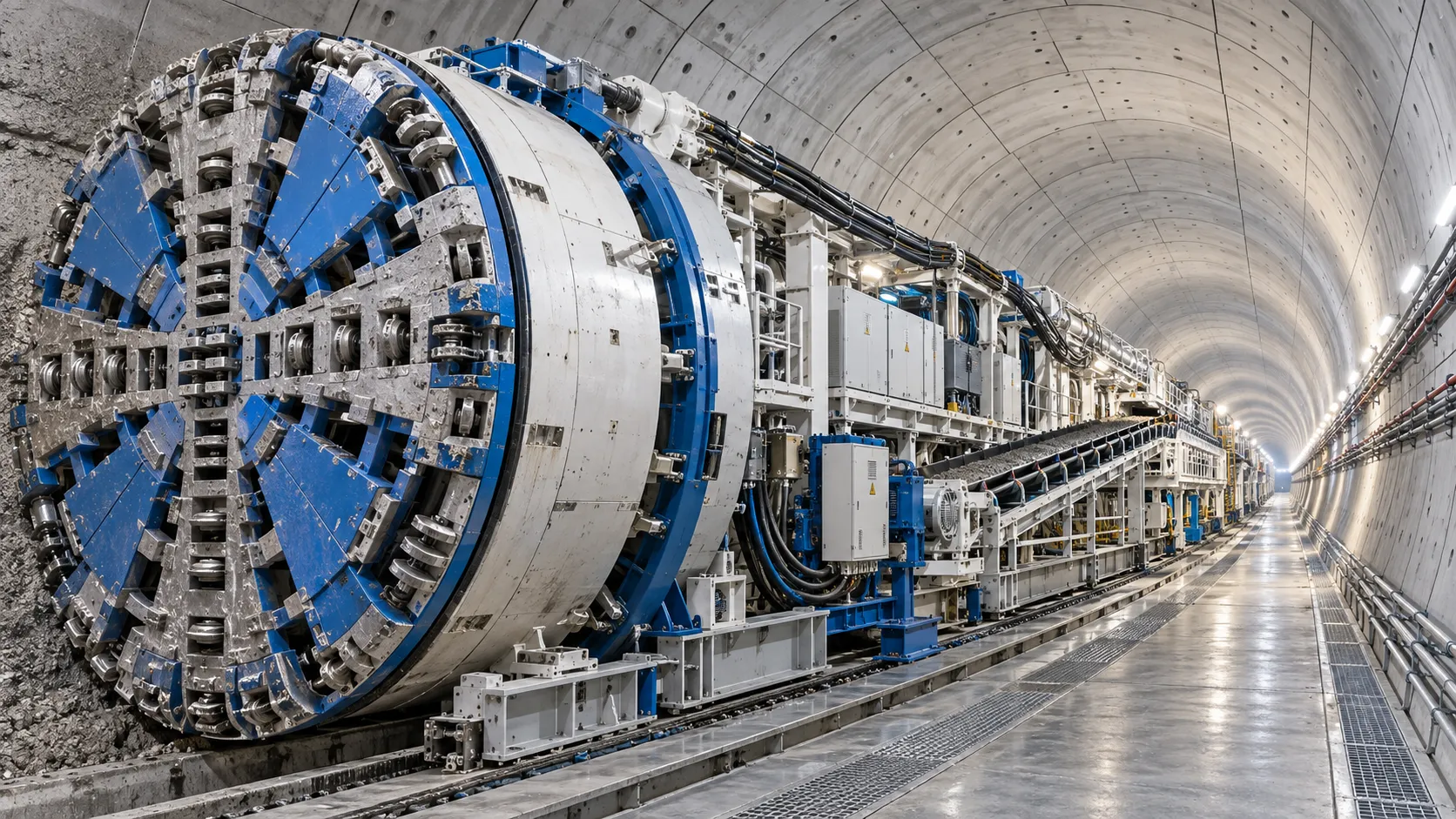
Tunnel Boring Machine Costs: Budgeting for Purchase, Operation, and Project Risk
Tunnel Boring Machines cost more than purchase price. Learn how to budget lifecycle costs, downtime, logistics, wear, and project risk for smarter TBM decisions.
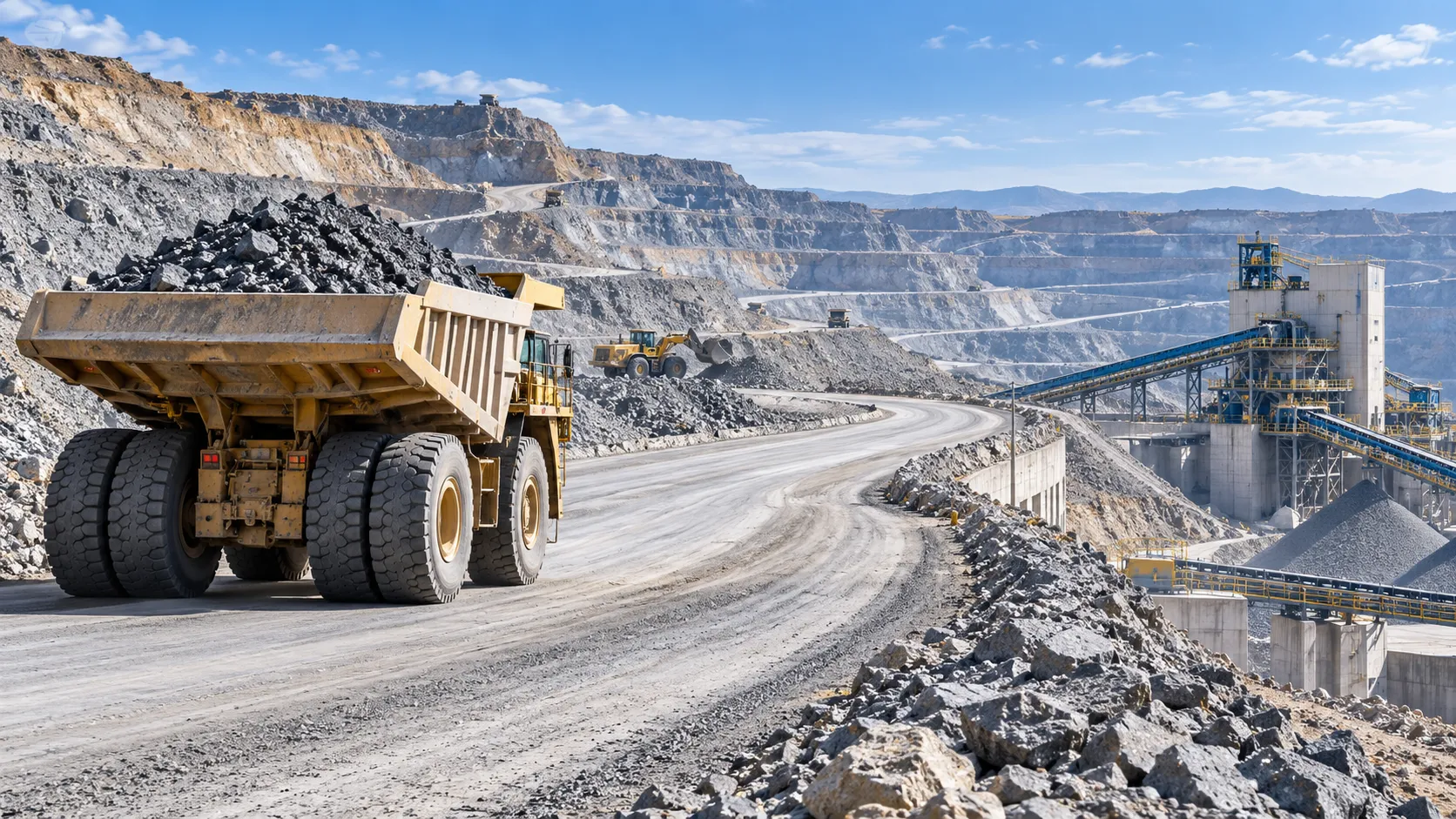
Open-Pit Haulage Cost Analysis: How Mine Managers Can Cut Cost per Tonne
Open pit haulage cost analysis: discover practical ways to reduce cost per tonne through payload control, cycle-time optimization, road performance, and smarter fleet decisions.
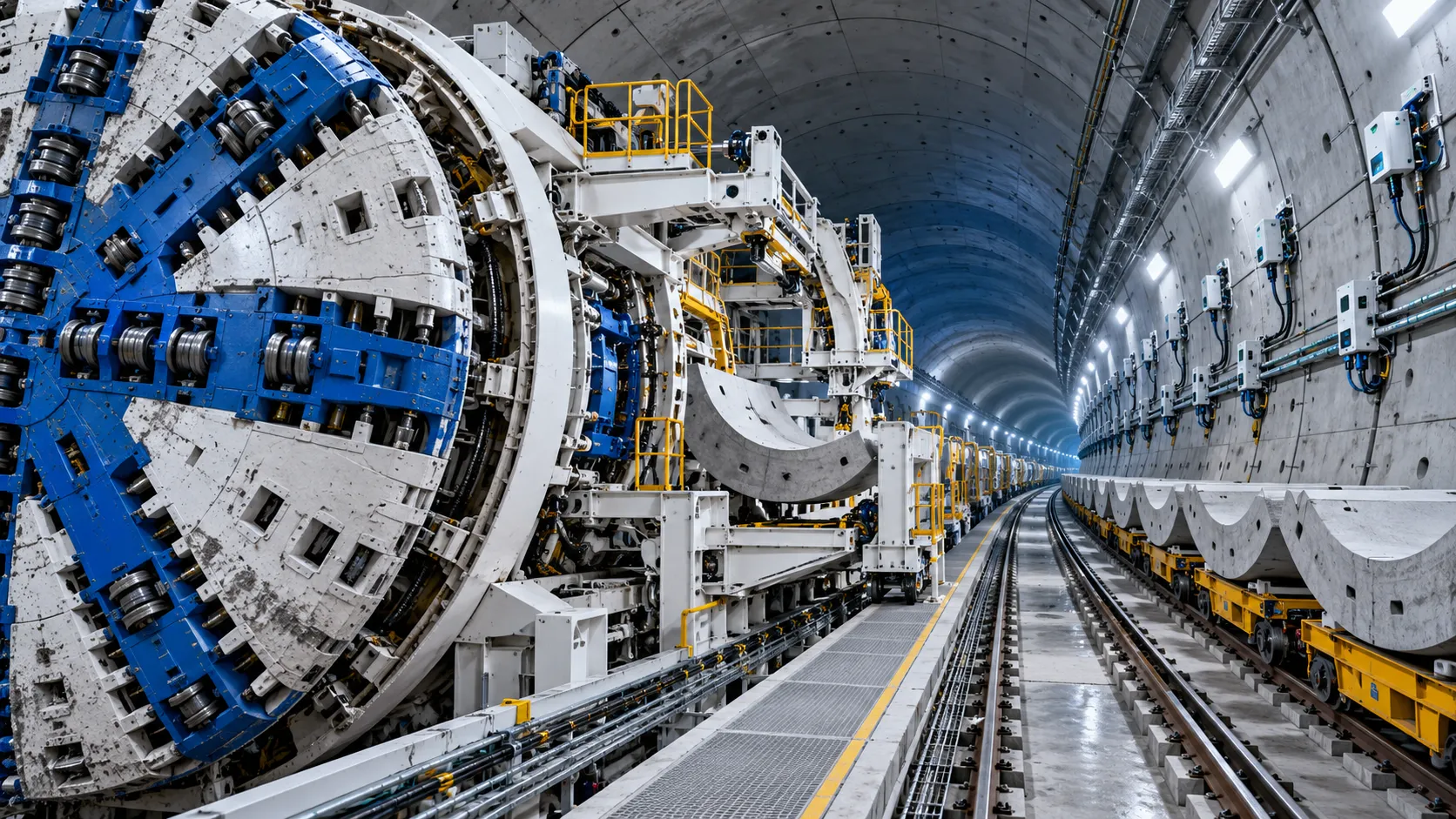
Tunnel Construction Innovations That Reduce Risk and Schedule Delays on Urban Projects
Tunnel construction innovation for urban projects: discover smarter TBMs, real-time monitoring, trenchless methods, and automation that reduce risk and protect schedules.
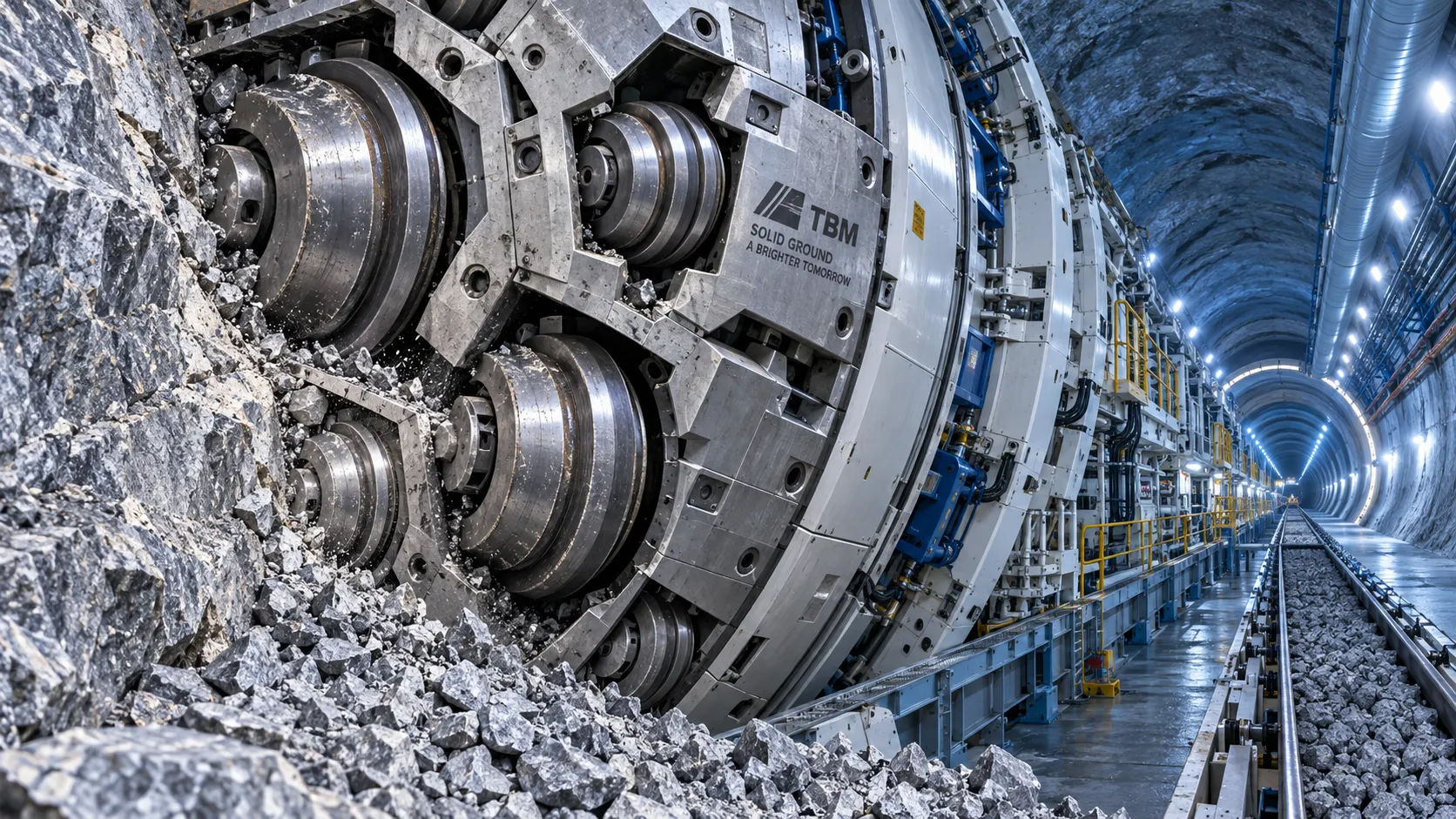
TBM Disc Cutter Design: Key Geometry and Load Factors for Hard Rock Tunnelling
TBM disc cutter design explained: explore geometry, spacing, load distribution and maintenance factors for reliable, efficient hard-rock tunnelling performance.
Hydraulic Tipping Stability Risks in Multi-Axle Dump Special Trailers
Dump special trailers: discover key hydraulic tipping stability risks, multi-axle load dynamics, and practical safety controls for safer, smarter bulk hauling.
When rock reinforcement in tunnel construction must change after blasting
Rock reinforcement in tunnel construction must change when blasting reveals overbreak, weak joints, water inflow, or deformation. Discover key post-blast support decisions.
How tunnel hydraulic systems influence drill jumbo uptime underground
Tunnel hydraulic systems directly influence drill jumbo uptime. Explore how stable pressure, clean oil, cooling, and maintainable design reduce underground downtime.
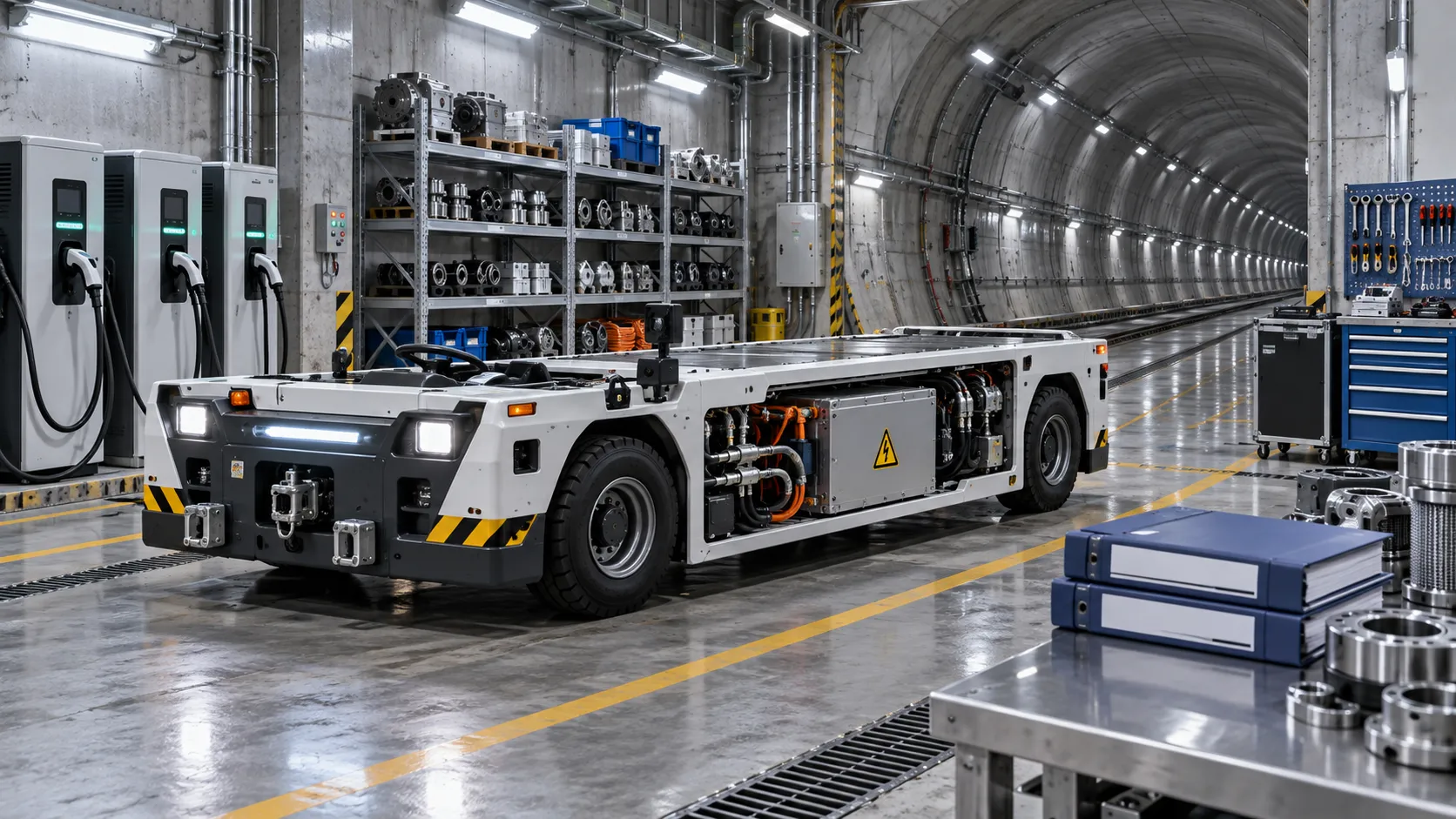
What to verify before appointing a tunneling vehicles manufacturer
Choosing a tunneling vehicles manufacturer? Verify application fit, reliability, compliance, parts support, training, and channel terms before appointing a partner.
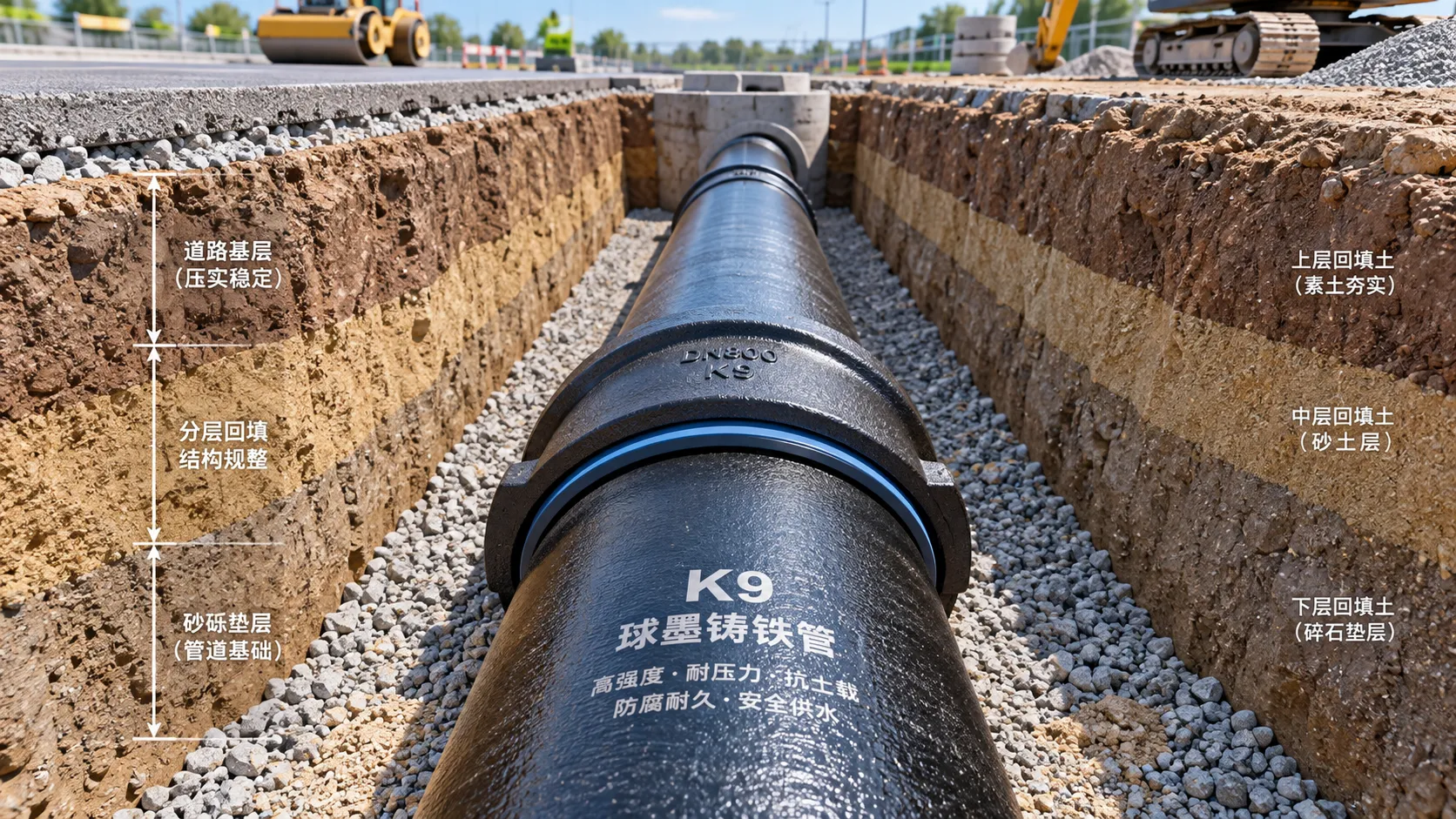
Selecting K9 Ductile Iron Pipe for Buried Water Pipeline Conditions
K9 ductile iron pipe selection for buried water pipelines: compare pressure duty, joints, soil loads, corrosion protection, and installation controls for reliable long-term performance.
Related News
- 00
0000-00
Tunnel Boring Machine Costs: Budgeting for Purchase, Operation, and Project Risk - 00
0000-00
Open-Pit Haulage Cost Analysis: How Mine Managers Can Cut Cost per Tonne - 00
0000-00
Tunnel Construction Innovations That Reduce Risk and Schedule Delays on Urban Projects - 00
0000-00
TBM Disc Cutter Design: Key Geometry and Load Factors for Hard Rock Tunnelling - 00
0000-00
Hydraulic Tipping Stability Risks in Multi-Axle Dump Special Trailers
Weekly Insights
Stay ahead with our curated technology reports delivered every Monday.