
UK-China Export Control Working Group Holds 2nd Meeting in London





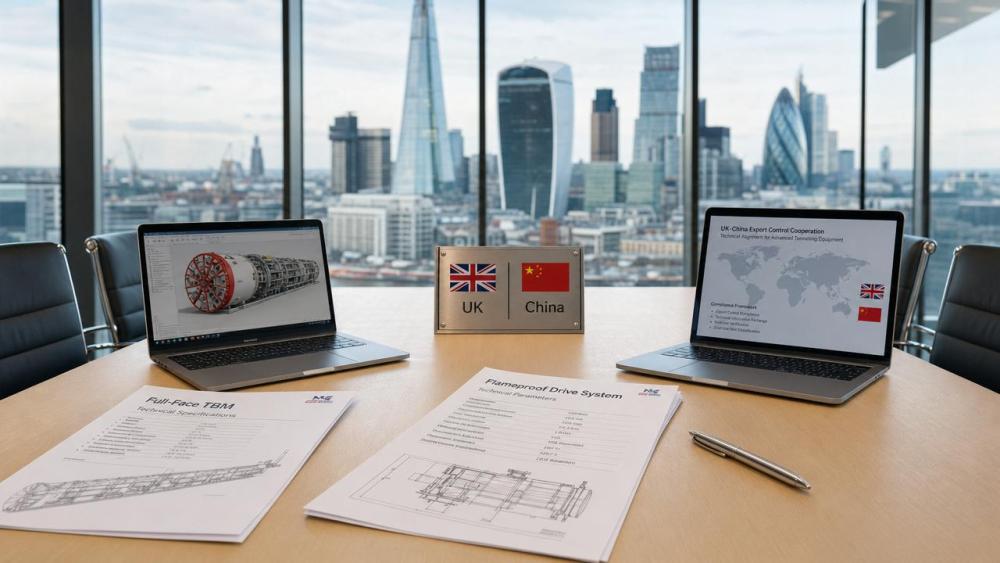
On May 18, 2026, the UK-China Export Control Working Group convened its second meeting in London, focusing on regulatory coordination for dual-use items — particularly full-face hard rock tunnel boring machines (TBMs) and underground flameproof mining loaders. This development is especially relevant for manufacturers, exporters, and end-users in infrastructure construction, mining equipment supply chains, and international trade compliance.
Event Overview
On May 18, 2026, the UK-China Export Control Working Group held its second meeting in London. The session addressed practical cooperation on dual-use item controls, including regulatory alignment, mutual recognition of export licenses, and harmonization of technical parameter classification standards. The meeting confirmed that ‘full-face rock excavation equipment’ and ‘high-power underground flameproof drive systems’ would be added to the priority coordination list.
Industries Affected by This Development
Direct Exporters of Heavy Mining & Tunneling Equipment
These companies face direct implications because their core products — such as Hard Rock TBMs and flameproof load-haul-dump (LHD) vehicles — are now explicitly named in bilateral coordination efforts. Impact manifests primarily in licensing timelines and customs clearance predictability: shorter approval cycles and reduced risk of documentation rejection due to inconsistent technical descriptions between UK and Chinese regulatory frameworks.
Manufacturers Integrating Dual-Use Subsystems
Firms sourcing or embedding high-power drive systems, control units, or rock-excavation mechanisms into larger machinery may encounter revised classification scrutiny. Technical specifications used in export declarations — especially those involving power output, explosion-proof certification scope, or geological application parameters — may now require closer alignment with jointly agreed definitions.
Supply Chain & Compliance Service Providers
Third-party logistics providers, customs brokers, and export compliance consultants supporting China–UK heavy equipment trade must adapt documentation templates and internal classification workflows. Inconsistencies in how ‘flameproof’ or ‘full-face excavation’ are interpreted across jurisdictions have historically triggered rejections; this initiative signals a move toward shared reference points — but implementation remains pending.
What Relevant Enterprises or Practitioners Should Focus On — And How to Respond Now
Monitor official updates from both UK ECJU and China’s MOFCOM/MIIT
The meeting outcome reflects intergovernmental dialogue, not binding policy change. Neither side has published revised control lists, licensing guidance, or mutual recognition arrangements. Enterprises should track formal notices — especially any joint technical annexes or updated commodity classification bulletins — rather than rely on meeting summaries alone.
Review current export classifications for TBM and flameproof loader-related items
Companies should audit existing product classifications against the newly highlighted categories: ‘full-face rock excavation equipment’ and ‘high-power underground flameproof drive systems’. Pay specific attention to whether technical documentation (e.g., power ratings, ATEX/IECEx equivalency statements, or rock hardness applicability thresholds) aligns with likely future UK–China harmonized criteria.
Distinguish between signal and operational impact
This meeting is a coordination milestone, not an immediate process change. License applications submitted before formal adoption of shared standards will still follow existing national procedures. Firms should avoid assuming automatic reciprocity or accelerated processing unless explicitly confirmed in subsequent regulatory instruments.
Update internal compliance checklists and pre-shipment verification steps
For exporters preparing shipments to the UK, it is advisable to strengthen pre-submission reviews — particularly for technical narratives describing propulsion, control logic, and environmental rating. Aligning terminology with emerging bilateral references (e.g., using ‘underground flameproof drive system’ instead of generic ‘explosion-proof motor assembly’) may reduce back-and-forth during license review.
Editorial Perspective / Industry Observation
Observably, this meeting represents a procedural signal — not yet a functional shift — in UK–China dual-use trade governance. Its significance lies less in immediate regulatory relief and more in the institutional commitment to address long-standing friction points: inconsistent technical interpretations and fragmented licensing expectations. Analysis shows that inclusion of TBM and flameproof loader categories suggests growing recognition of China’s role in global hard-rock infrastructure projects — and the UK’s interest in enabling predictable procurement pathways for its domestic mining and tunnelling sectors. However, without published harmonized definitions or mutual recognition protocols, the initiative remains at the coordination stage. Industry should treat it as an early indicator of potential future simplification — not current operational guidance.
Conclusion
This meeting marks a targeted step toward reducing administrative uncertainty for exporters of specialized underground equipment between China and the UK. It does not alter current licensing requirements, but it does highlight two high-priority categories where regulatory alignment efforts are actively underway. For stakeholders, the most rational interpretation is that this is a preparatory phase — one requiring close monitoring of follow-up technical work, rather than immediate process redesign.
Information Source
Main source: Official summary released by the UK Export Control Joint Unit (ECJU) and China’s Ministry of Commerce (MOFCOM), dated May 18, 2026.
Note: Joint technical annexes, revised classification criteria, or mutual recognition frameworks have not yet been published and remain subject to ongoing working group deliberations.
Related News
How to Evaluate Articulated Dump Trucks Payload for Haul Road Conditions and Cycle Efficiency
Articulated Dump Trucks payload evaluation starts with real haul road conditions, not brochure numbers. Learn how to balance payload, traction, grades, and cycle efficiency for safer, higher output.
How Pipe Fittings Material and Pressure Class Affect Water Line Selection
Pipe fittings selection starts with material and pressure class. Learn how these factors affect water line reliability, corrosion resistance, installation, and long-term cost.
What Drives TBM Excavation Cost in Urban Tunneling Projects?
tbm excavation cost in urban tunneling depends on geology, shafts, segment lining, logistics, and risk. Discover the key cost drivers and compare bids with greater confidence.
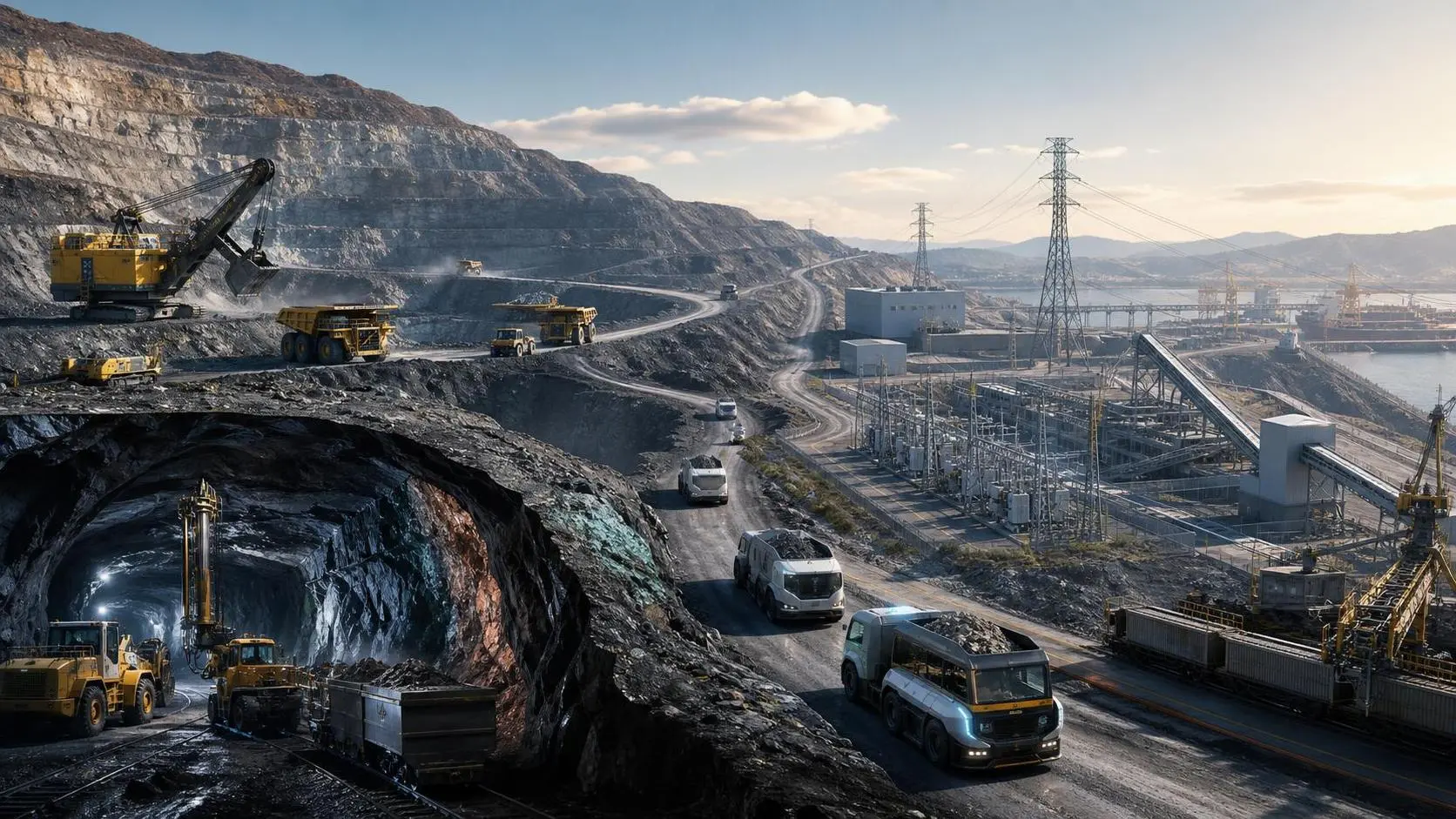
What Does Energy Metals Mining in Australia Mean for Supply, Cost, and Project Risk?
Energy metals mining Australia is reshaping supply, cost, and project risk. Discover what it means for buyers, investors, and operators.
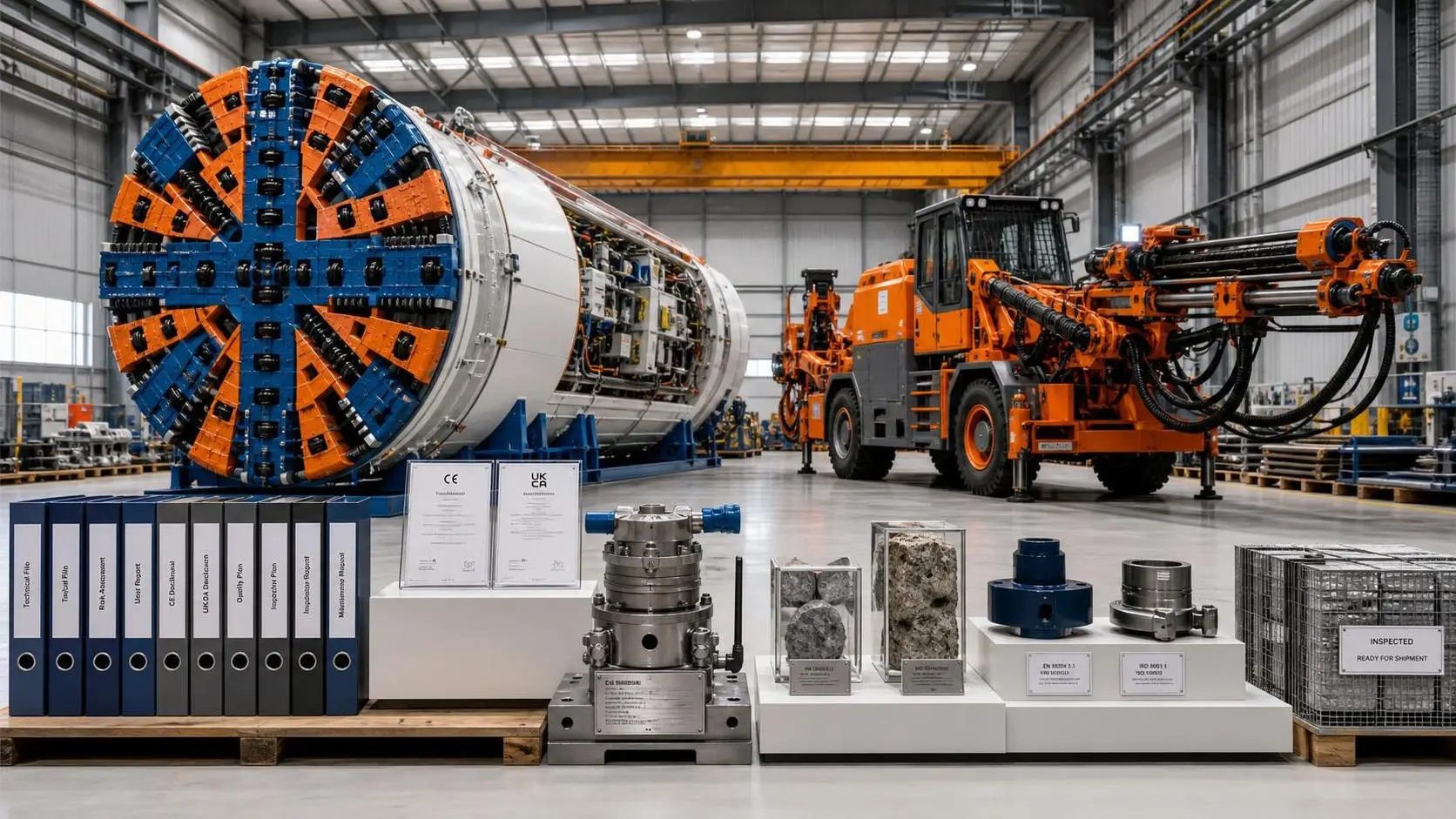
EU Eases Dual CE and UKCA Path for Chinese Tunnel Boring Equipment
EU eases CE and UKCA certification for Chinese tunnel boring equipment, cutting compliance time and helping importers move faster.
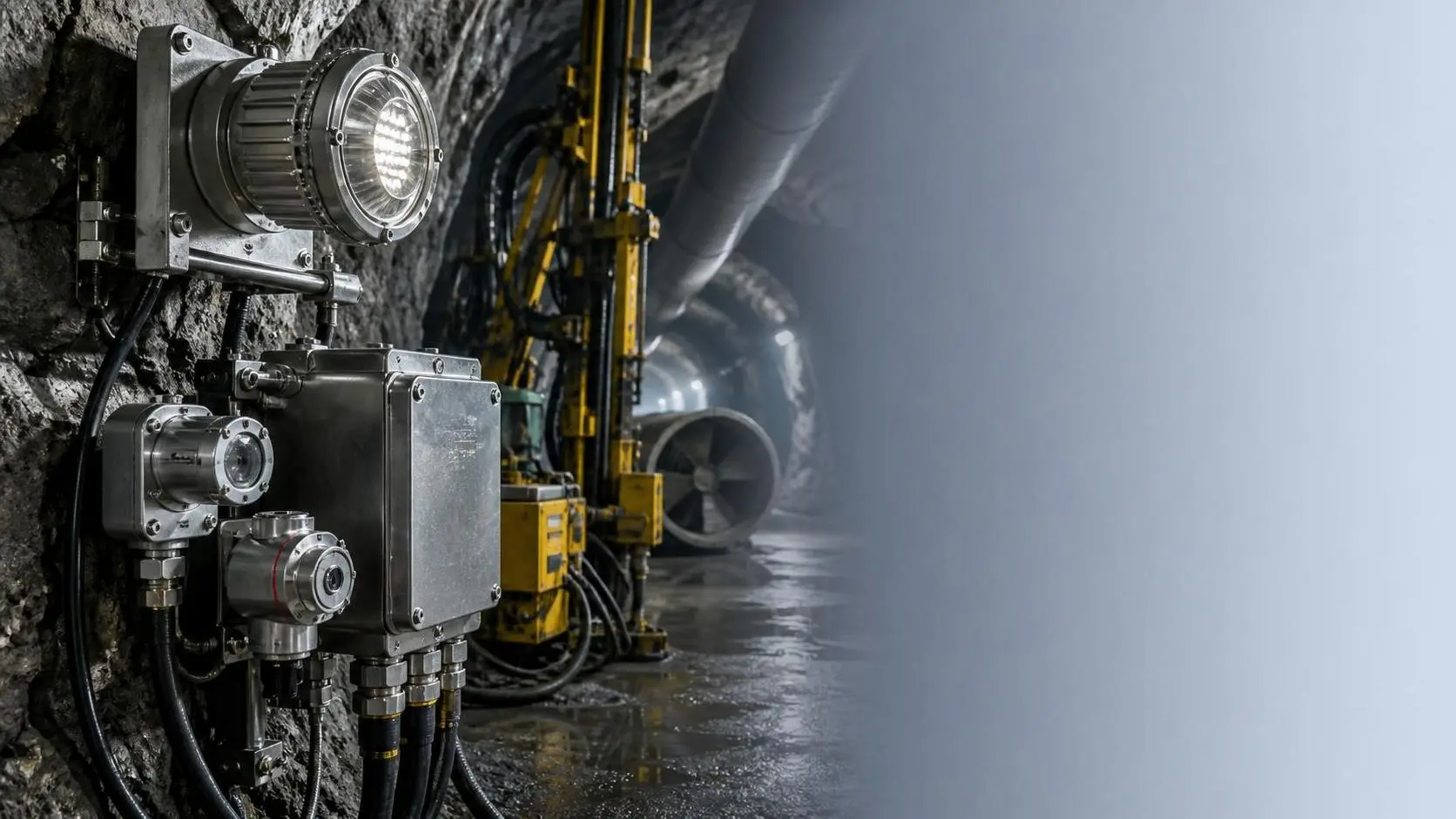
Flameproof Underground Safety Equipment: What Mine Teams Should Check Before Buying
Underground Safety Equipment flameproof buying guide: learn how mine teams should verify certification, durability, serviceability, and supplier support before purchase.
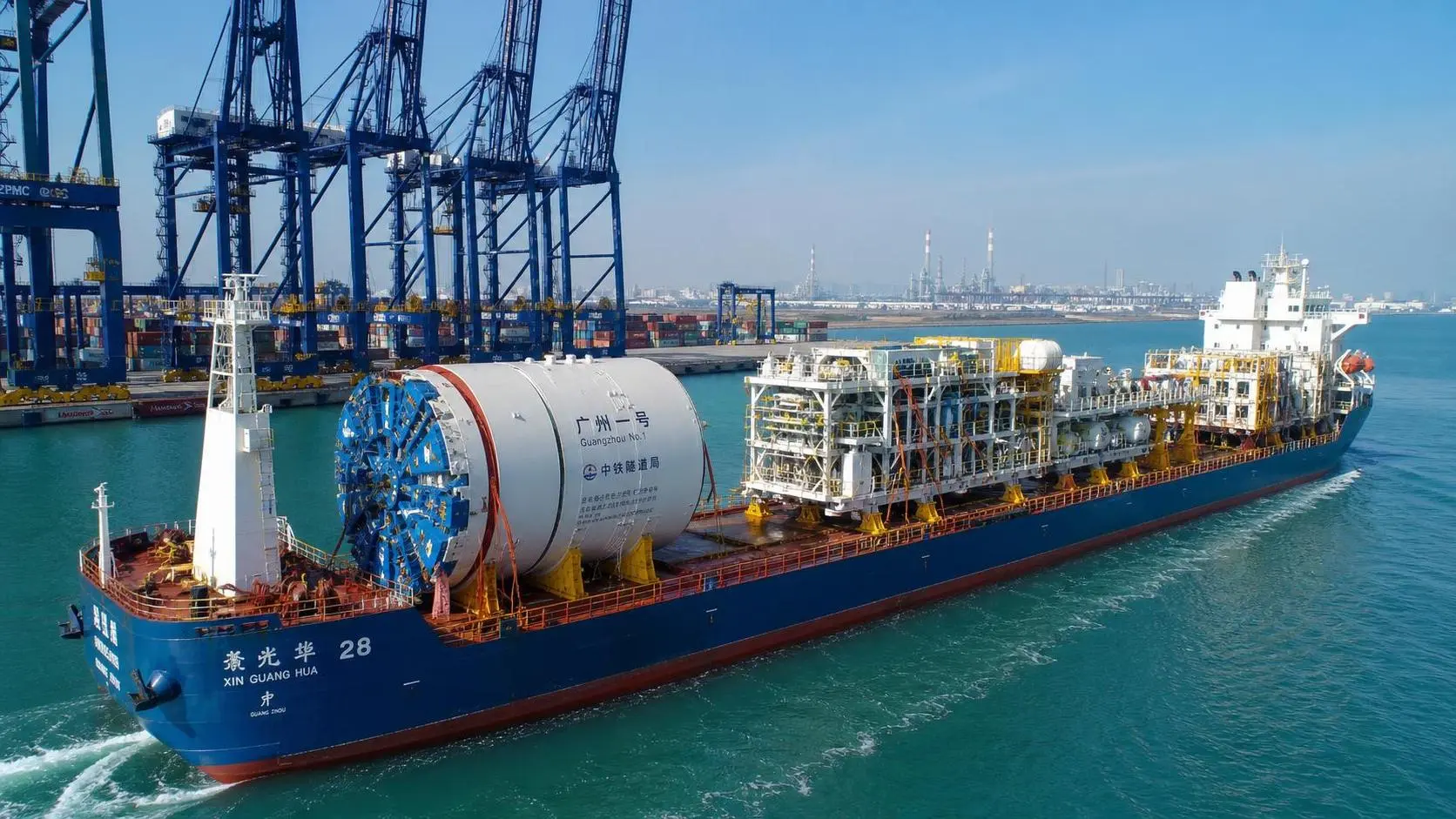
China-UAE Direct Sea Route Cuts TBM and Large Tunneling Equipment Lead Times
China-UAE direct sea route shortens TBM and large tunneling equipment lead times by 12–15 days, improving delivery predictability for major infrastructure projects. Read the full impact.
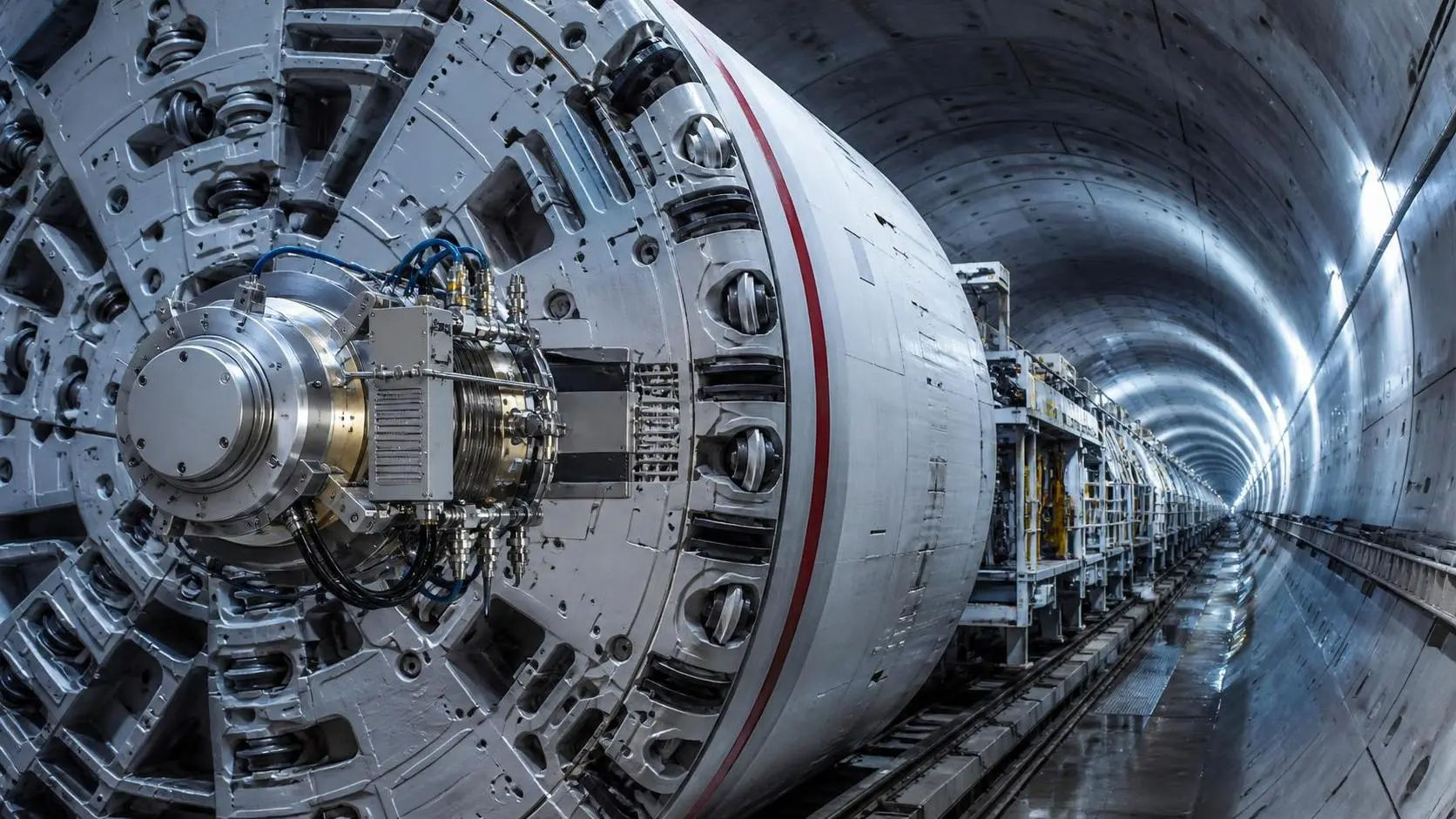
What Is a TBM Guidance System Gyroscope, and Why Does It Matter Underground?
TBM Guidance Systems gyroscope improves underground accuracy, reduces drift, and helps tunnel boring machines stay on line in harsh conditions.

China to Roll Out Nationwide Local and Foreign Currency Cash Pools for Multinationals on Sept. 14
China will roll out nationwide local and foreign currency cash pools for multinationals on Sept. 14, streamlining cross-border treasury management and boosting liquidity efficiency.
Related News
- 00
0000-00
How to Evaluate Articulated Dump Trucks Payload for Haul Road Conditions and Cycle Efficiency - 00
0000-00
How Pipe Fittings Material and Pressure Class Affect Water Line Selection - 00
0000-00
What Drives TBM Excavation Cost in Urban Tunneling Projects? - 00
0000-00
What Does Energy Metals Mining in Australia Mean for Supply, Cost, and Project Risk? - 00
0000-00
EU Eases Dual CE and UKCA Path for Chinese Tunnel Boring Equipment
Weekly Insights
Stay ahead with our curated technology reports delivered every Monday.