
EU Methane Certification Rule Takes Effect for Slurry/EPB Shields





As of July 1, 2026, the EU has made EN 16729:2026 mandatory for Slurry and EPB Shields sold into the European market, requiring third-party certification for tolerance to methane environments in underground spaces. For Chinese exporters, equipment manufacturers, certification teams, project delivery managers, and EU-facing buyers, this is not a routine compliance update: it directly affects customs clearance, technical readiness, and Q3 shipment timing.
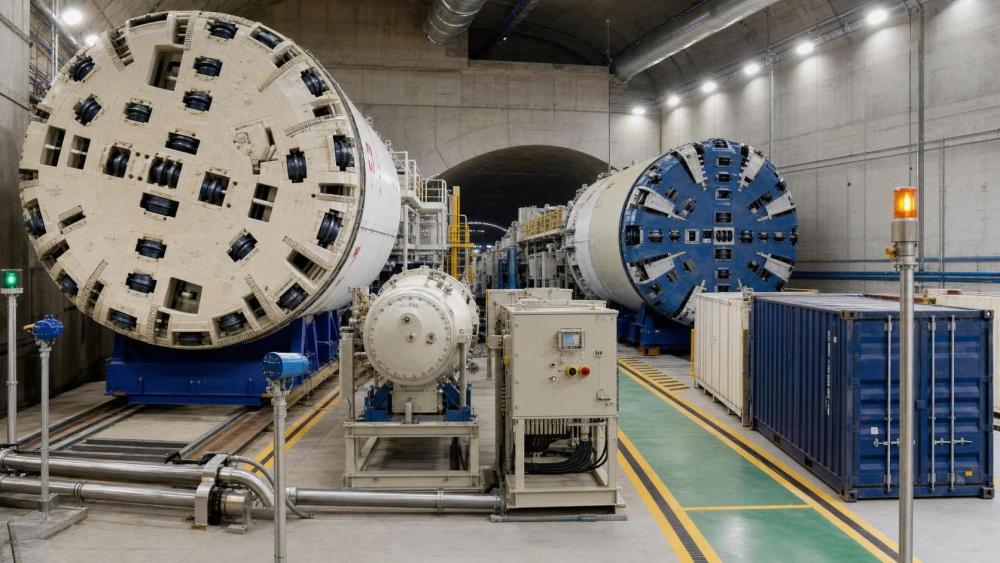
The requirement now tied to EU market access
According to the provided event information, EN 16729:2026 became mandatory on July 1, 2026. All Slurry/EPB Shields sold to the EU must obtain third-party certification confirming tolerance for methane conditions in underground space.
The certification scope includes sealing systems, electrical explosion-protection ratings, and integration of real-time gas monitoring. Equipment without certification will be refused customs clearance.
The same information states that TUV Rheinland in Germany and Kiwa in the Netherlands have opened expedited channels. Even so, certification lead times have extended to six to eight weeks, creating pressure on Q3 delivery schedules.
Where disruption may appear first across the business chain
Export-facing equipment suppliers will face immediate shipment risk
From an industry perspective, companies shipping Slurry/EPB Shields to EU customers are the first group exposed to the rule change. The impact is concentrated in pre-shipment compliance checks, certification scheduling, and customs documentation readiness. What deserves closer attention is whether products already planned for near-term delivery have completed the required third-party process before export.
Manufacturing and engineering teams may need to revisit technical interfaces
Analysis shows the certification focus is not limited to paperwork. Because the requirement covers sealing systems, electrical explosion-protection classifications, and real-time gas monitoring integration, manufacturers and engineering teams may be affected at the design verification and configuration confirmation stages. The main issue to watch is whether current product configurations align with certification expectations before units enter final delivery preparation.
Project delivery and contract execution teams may see timetable pressure
Observably, a six-to-eight-week certification cycle can affect delivery planning even when an expedited route is available. For teams responsible for project milestones, factory release, logistics booking, and customer acceptance timing, the practical concern is not only obtaining certification but absorbing the added lead time into Q3 execution plans.
EU buyers and procurement functions will likely tighten document checks
For procurement teams and buyers sourcing these machines for the EU market, the rule increases the importance of certification status at the ordering and pre-delivery stages. The likely pressure point is supplier qualification and document completeness, especially where customs clearance depends on proof that the methane-tolerance requirement has been met.
What companies should review now
Separate technical readiness from shipping readiness
Analysis shows companies should avoid treating certification as a final administrative step. The provided information indicates that certification covers multiple technical areas, so internal review should distinguish between a product that is commercially ready to ship and one that is formally ready for EU clearance under EN 16729:2026.
Recheck delivery calendars against the new certification window
What deserves closer attention is the mismatch between expedited processing and longer overall lead times. Even with fast-track access through TUV Rheinland and Kiwa, a six-to-eight-week cycle can affect near-term commitments. Companies with Q3 delivery obligations should review whether current production and shipment plans still hold under the new timing constraint.
Prepare customer communication around certification status and lead time
Observably, the operational risk here is not limited to non-compliance; it also includes misaligned expectations with customers. Exporters and account teams should closely track certification progress, expected completion timing, and documentation availability so that discussions on delivery dates, acceptance milestones, and customs handling remain consistent.
Pay closer attention to document completeness before customs stages
From an industry perspective, the rule makes document control more consequential. Since uncertified equipment will be rejected at customs, companies should treat certification evidence and related compliance materials as part of shipment-critical documentation rather than post-production support paperwork.
Why this matters beyond a single compliance deadline
Analysis shows this development is best understood as an immediate market-access requirement with longer-term signaling value. The immediate result is clear in the provided information: without third-party methane-tolerance certification, Slurry/EPB Shields cannot clear EU customs. The broader signal, however, is that compliance for underground equipment is being tied more directly to specific operating-environment risks rather than general market entry assumptions.
It is more appropriate to understand this as both a short-term execution issue and a longer-term standardization signal. In the short term, the certification queue and six-to-eight-week cycle are the practical concern. Over a longer horizon, the closer linkage between technical configuration and third-party verification is the part the industry will need to keep watching.
How to read the development at this stage
At this stage, the most grounded conclusion is that the rule is already producing a concrete compliance threshold for EU-bound Slurry/EPB Shields, while its wider commercial effects still depend on how exporters, certifiers, and buyers adapt over the coming delivery cycles. For the industry, this is not merely a policy headline; it is an operating condition that now affects certification planning, customs access, and schedule management at the same time.
Basis of this article and points still to verify
This article is based on the user-provided news title, event date, and event summary. For this type of industry update, relevant source categories would usually include official announcements, company notices, industry association information, authoritative media coverage, and standards organization documents.
No specific official source link was provided in the input, so the precise official publication path still requires ongoing verification. Areas that merit continued attention include any further official wording around implementation, any procedural clarification from certification bodies, and whether delivery-cycle impacts extend beyond the currently stated six-to-eight-week certification period.
Related News
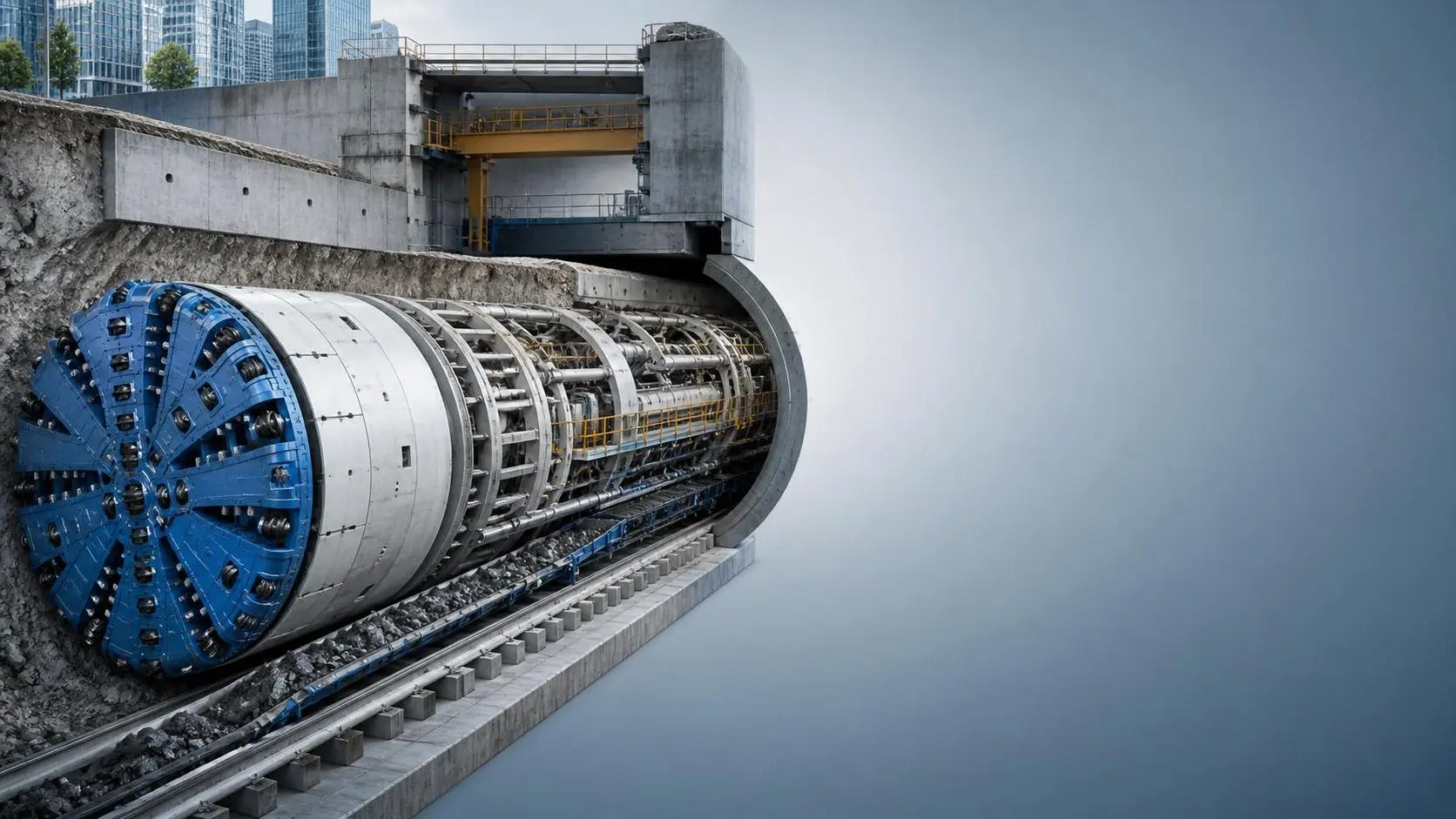
What Drives TBM Excavation Cost in Urban Tunneling Projects?
tbm excavation cost in urban tunneling depends on geology, shafts, segment lining, logistics, and risk. Discover the key cost drivers and compare bids with greater confidence.

What Does Energy Metals Mining in Australia Mean for Supply, Cost, and Project Risk?
Energy metals mining Australia is reshaping supply, cost, and project risk. Discover what it means for buyers, investors, and operators.
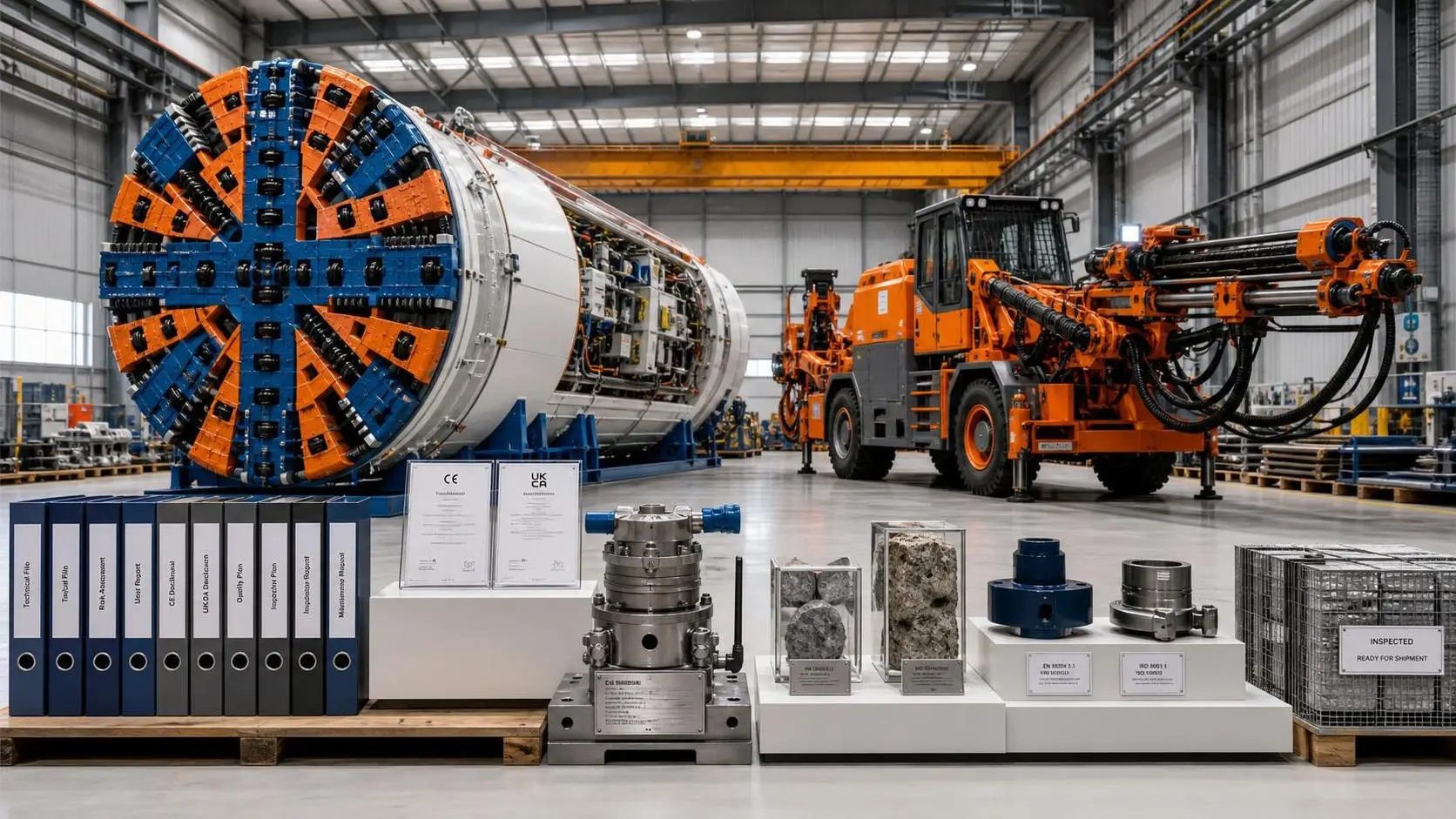
EU Eases Dual CE and UKCA Path for Chinese Tunnel Boring Equipment
EU eases CE and UKCA certification for Chinese tunnel boring equipment, cutting compliance time and helping importers move faster.
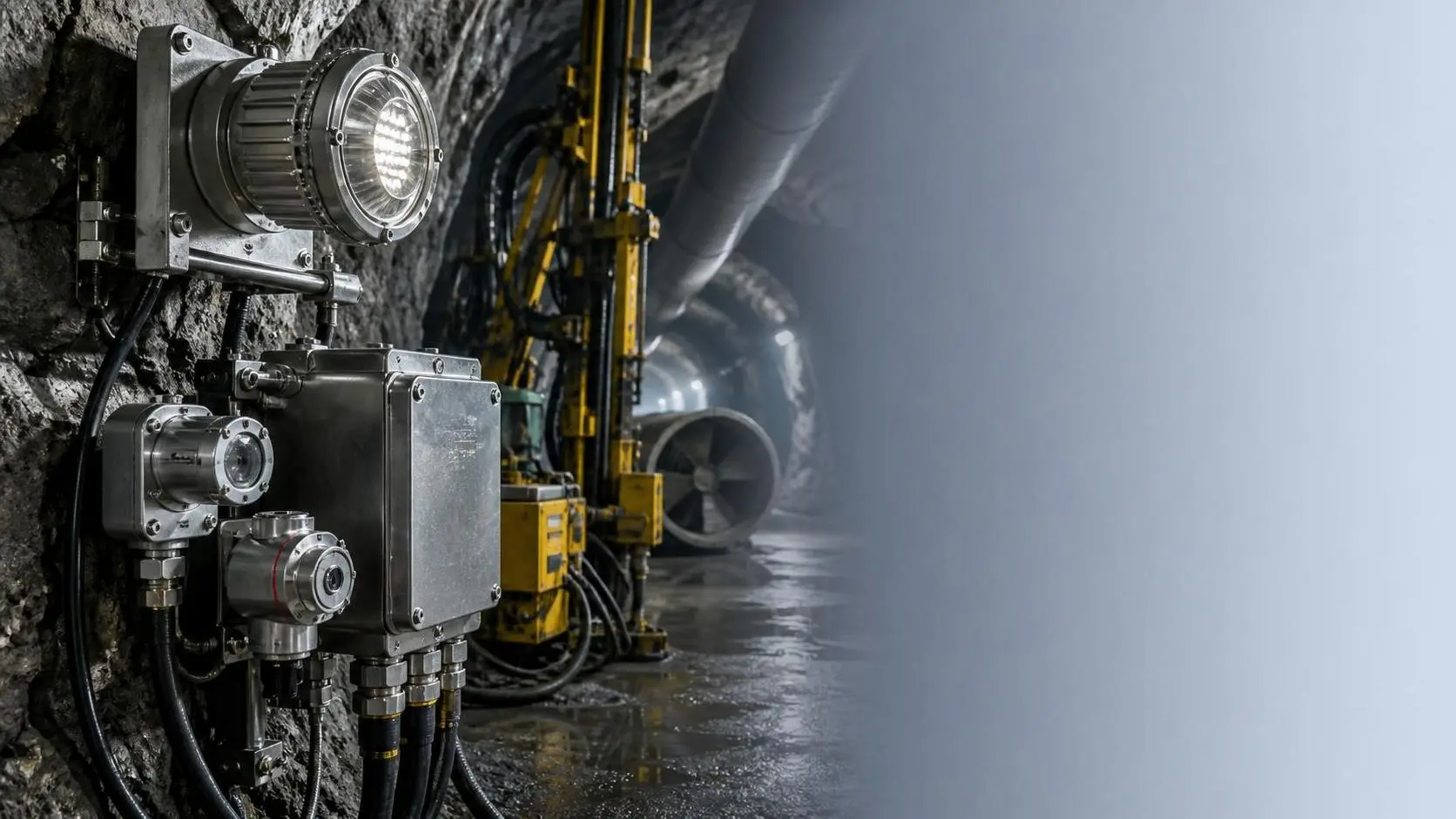
Flameproof Underground Safety Equipment: What Mine Teams Should Check Before Buying
Underground Safety Equipment flameproof buying guide: learn how mine teams should verify certification, durability, serviceability, and supplier support before purchase.
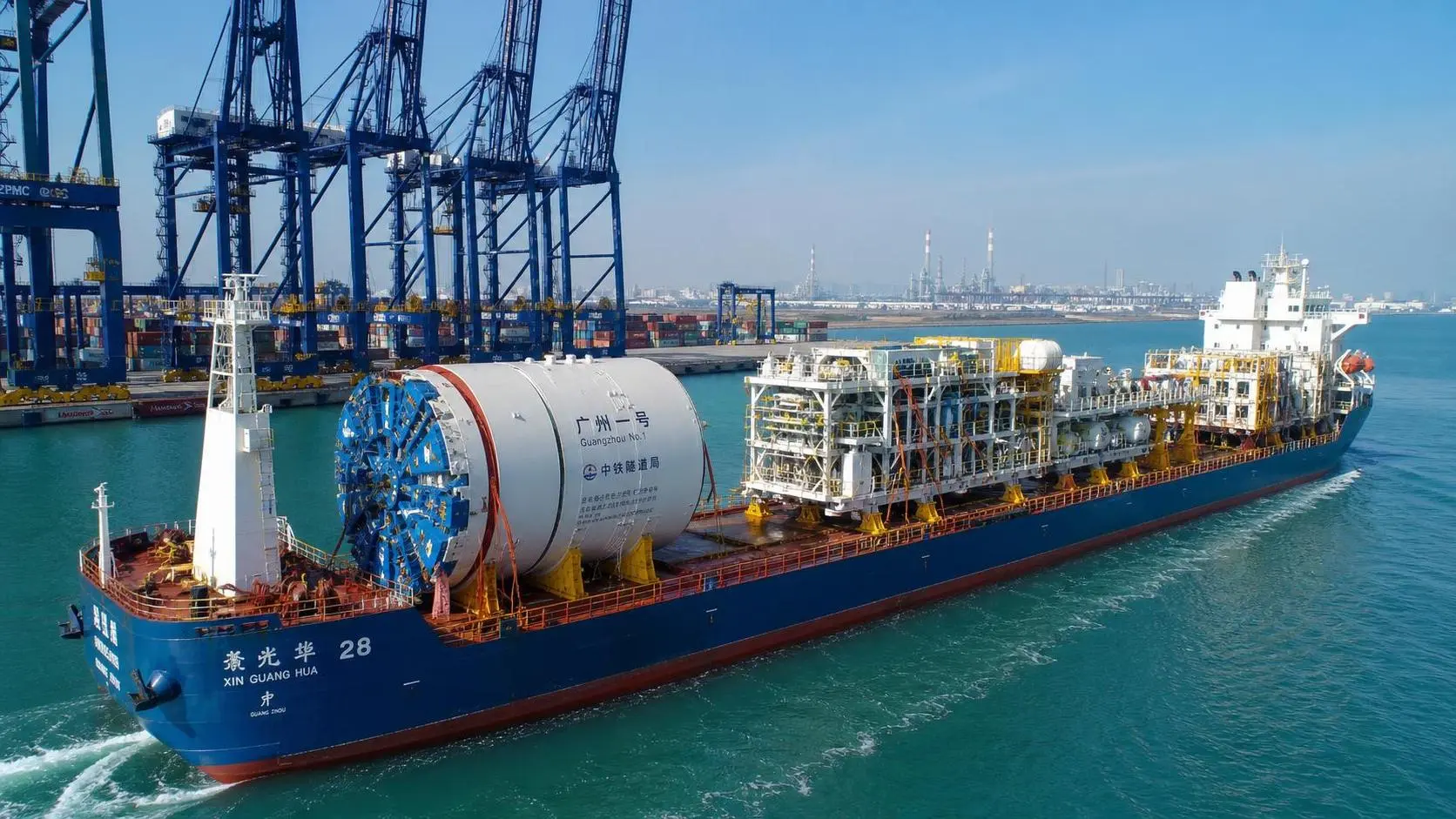
China-UAE Direct Sea Route Cuts TBM and Large Tunneling Equipment Lead Times
China-UAE direct sea route shortens TBM and large tunneling equipment lead times by 12–15 days, improving delivery predictability for major infrastructure projects. Read the full impact.
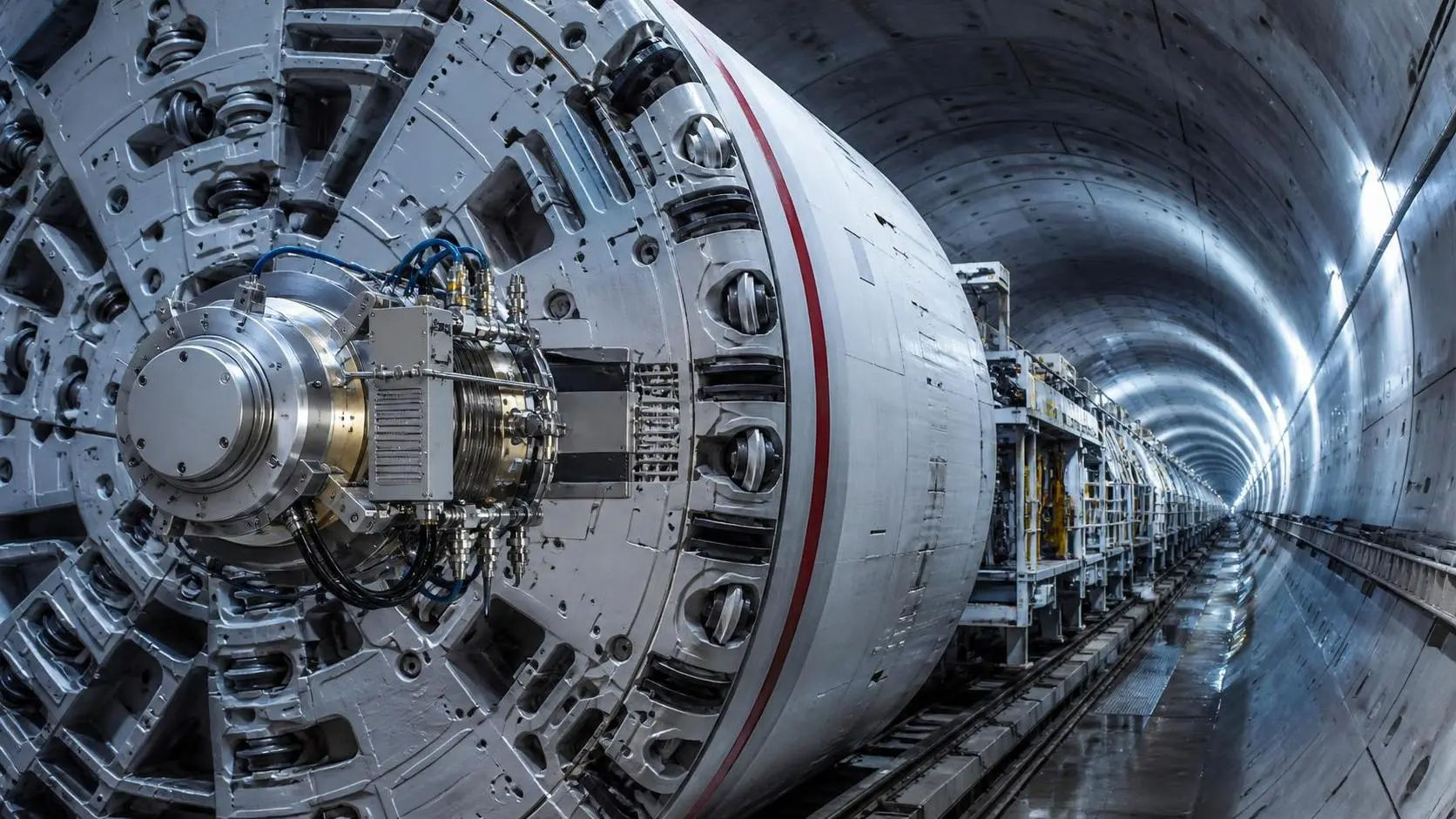
What Is a TBM Guidance System Gyroscope, and Why Does It Matter Underground?
TBM Guidance Systems gyroscope improves underground accuracy, reduces drift, and helps tunnel boring machines stay on line in harsh conditions.

China to Roll Out Nationwide Local and Foreign Currency Cash Pools for Multinationals on Sept. 14
China will roll out nationwide local and foreign currency cash pools for multinationals on Sept. 14, streamlining cross-border treasury management and boosting liquidity efficiency.
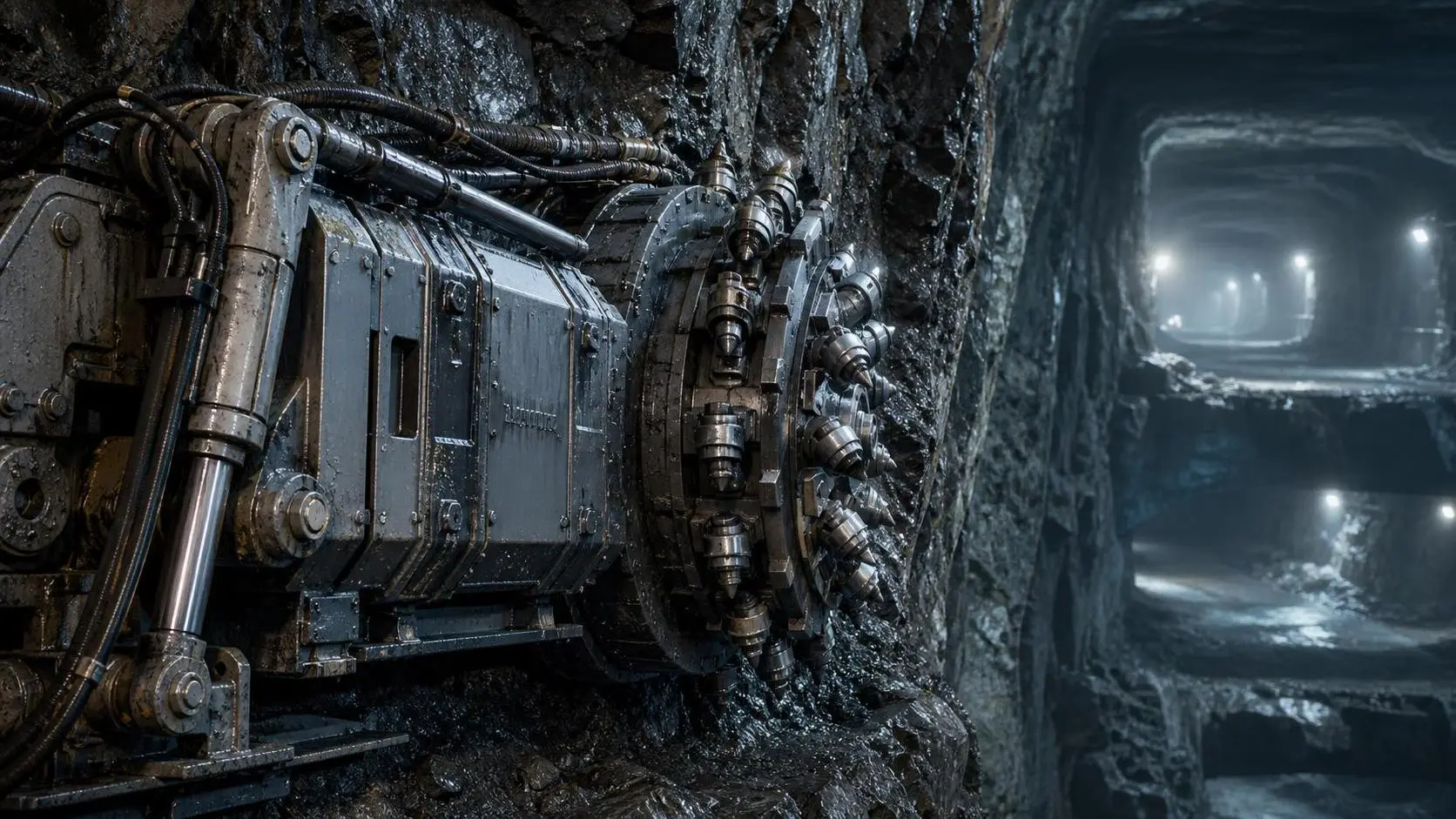
How to Choose a Reliable Underground Mining Equipment Supplier for Harsh Site Conditions
Find a reliable underground mining equipment supplier for harsh site conditions with rugged, maintainable solutions that boost uptime, reduce risk, and support long-term production.
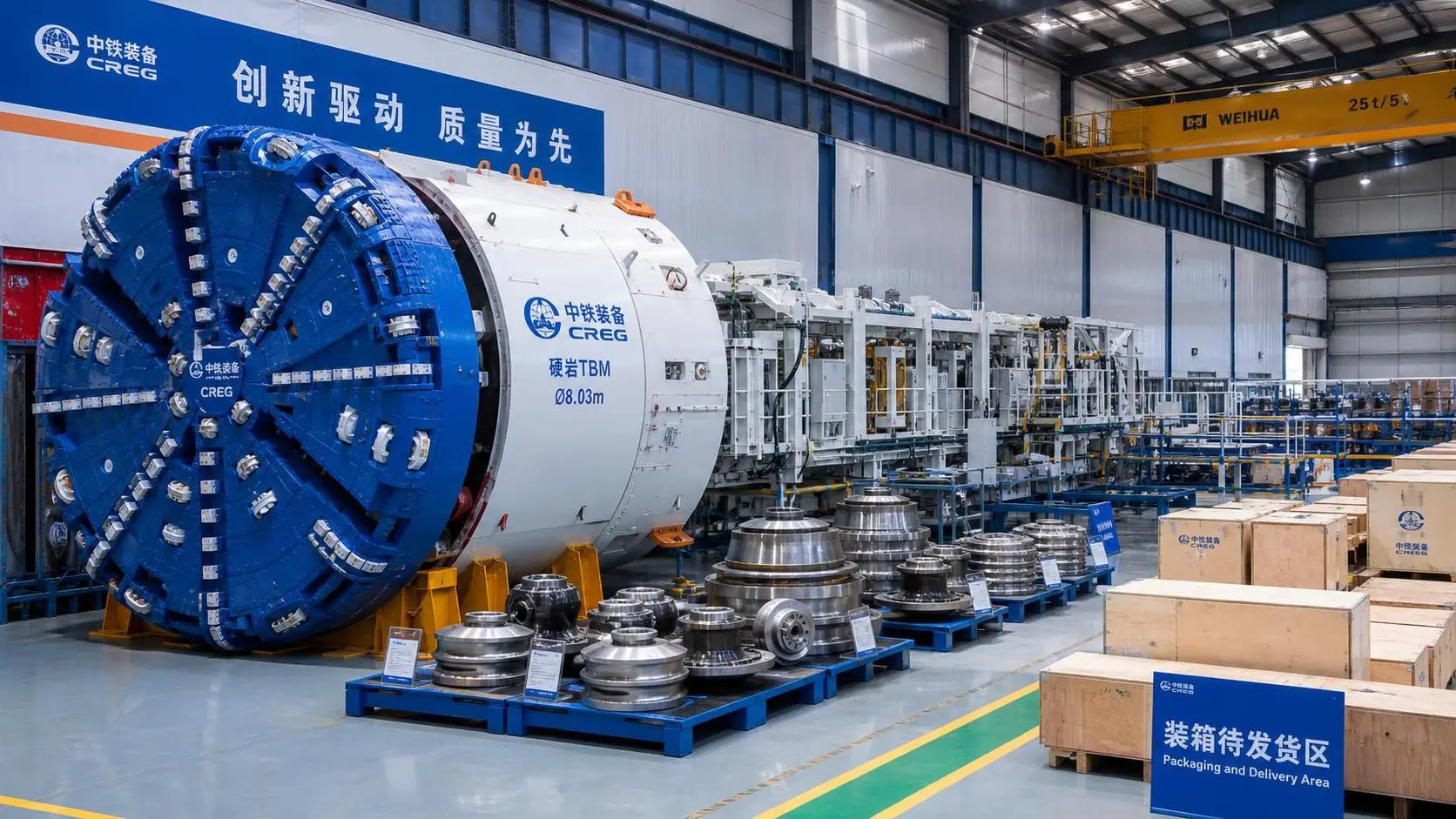
China Customs Tightens TBM Export Checks from Aug. 16
China Customs tightens TBM export checks from Aug. 16, 2026. Learn how new mandatory inspections may affect tunnelling equipment shipments, compliance, and delivery plans.
Related News
- 00
0000-00
What Drives TBM Excavation Cost in Urban Tunneling Projects? - 00
0000-00
What Does Energy Metals Mining in Australia Mean for Supply, Cost, and Project Risk? - 00
0000-00
EU Eases Dual CE and UKCA Path for Chinese Tunnel Boring Equipment - 00
0000-00
Flameproof Underground Safety Equipment: What Mine Teams Should Check Before Buying - 00
0000-00
China-UAE Direct Sea Route Cuts TBM and Large Tunneling Equipment Lead Times
Weekly Insights
Stay ahead with our curated technology reports delivered every Monday.