
Tunnel Boring Machine Components for Slurry Shields: Functions, Wear Parts, and Selection





Tunnel Boring Machine Components for Slurry Shields: Functions, Wear Parts, and Selection
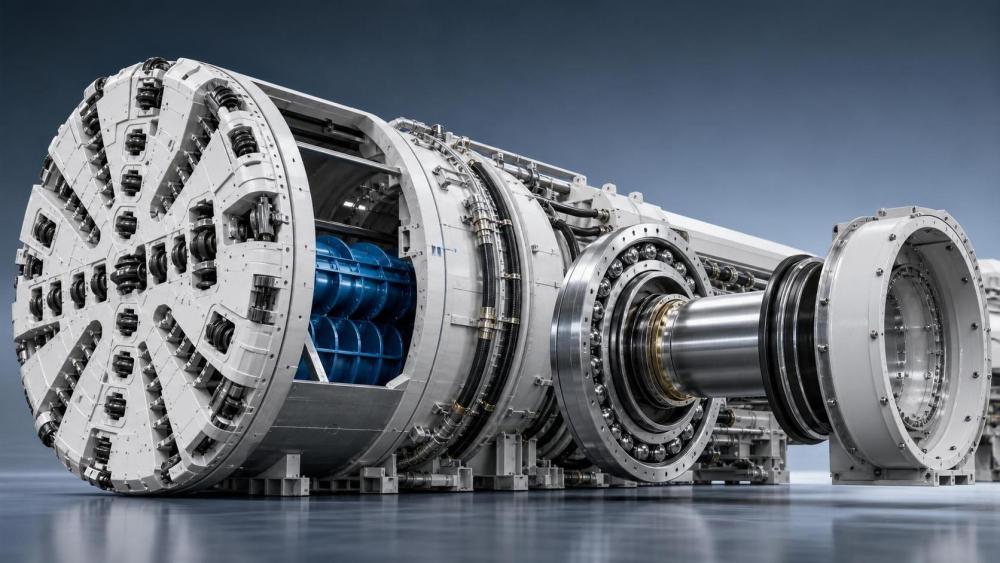
For technical evaluation, Tunnel Boring Machine Components for slurry shields are never just a parts list. They define stability, advance rate, intervention frequency, and total project exposure.
In slurry tunnelling, the machine must excavate, support the face, transport spoil, and protect internal systems at the same time.
That is why component selection has to connect geology, pressure control, wear behavior, and maintenance access in one decision framework.
A strong review usually starts with functions first, then wear parts, then lifecycle cost. This sequence helps avoid buying robust-looking parts that do not fit the job.
Core Functional System of Tunnel Boring Machine Components for Slurry Shields
The first group of Tunnel Boring Machine Components for slurry shields sits at the excavation front. This includes the cutterhead, cutting tools, crushing zones, openings, and face support chamber.
The cutterhead must cut soil, mixed ground, cobbles, and occasional rock while keeping the chamber flow balanced. Geometry matters as much as installed power.
Open ratio, spoke layout, and tool spacing affect penetration, slurry circulation, and clogging risk. In sticky formations, poor opening design quickly becomes an availability problem.
Behind the cutterhead, the slurry circuit is the operating backbone. It moves excavated material, maintains face pressure, and links the machine with the separation plant.
Key elements include feed and discharge lines, pumps, valves, pressure sensors, density monitoring, and control interfaces. Weak integration here often causes unstable tunnelling rather than dramatic failure.
Another critical group covers drive and support systems. Main bearing, main drive, thrust cylinders, articulation, erector interfaces, and backup supply systems all shape machine continuity.
Sealing systems deserve separate attention. Slurry shields operate under abrasive, pressurized, and water-bearing conditions, so seal performance is directly tied to contamination control and asset life.
Main Components and What They Actually Do
In practical reviews, it helps to break Tunnel Boring Machine Components for slurry shields into function blocks instead of supplier catalog categories.
1. Cutterhead and Tooling
The cutterhead carries disc cutters, scrapers, ripper teeth, center tools, and wear protection. It generates excavation force and controls material entry into the chamber.
Tool mix should reflect the expected percentage of soft ground, mixed face, and competent rock. Over-specialized tooling can reduce flexibility when geology shifts suddenly.
2. Slurry Chamber and Bulkhead
This zone stabilizes the face through pressurized slurry. Chamber design influences pressure uniformity, settlement control, and the machine’s response to changing inflow conditions.
3. Slurry Transport Circuit
Pipelines, pumps, valves, and sensors move spoil reliably. Their design must consider velocity, solids concentration, particle size, abrasion, and flushing requirements.
4. Main Bearing and Sealing Package
The main bearing carries extreme axial, radial, and overturning loads. Seal packages prevent slurry, fines, and water from reaching sensitive bearing zones.
5. Thrust and Guidance Systems
Hydraulic thrust cylinders push the shield forward while steering keeps alignment within tolerance. Small control deviations can become major corrections over long drives.
6. Wear Protection and Access Provisions
Wear plates, hardfacing, sacrificial liners, and intervention access points reduce downtime. These details often decide whether maintenance stays planned or becomes disruptive.
Typical Wear Parts in Tunnel Boring Machine Components for Slurry Shields
Among Tunnel Boring Machine Components for slurry shields, wear parts deserve the closest lifecycle review because replacement intervals drive cost and schedule risk.
The most exposed wear parts usually include disc cutters, scrapers, ripper tools, cutterhead lips, mixing bars, slurry pipes, pump casings, valve internals, and chamber liners.
In mixed ground, cutter wear rarely stays uniform. Gauge positions, center zones, and transition areas often degrade at very different rates.
Slurry transport parts face another wear pattern. High solids concentration, angular particles, and local turbulence accelerate erosion in bends, reducers, and pump inlets.
Seal wear can be less visible but more dangerous. Fine particles, temperature rise, grease loss, and pressure fluctuation can shorten service life well before obvious leakage appears.
From recent project trends, wear forecasting is moving from simple meter-based replacement to condition-linked intervals. That shift improves planning when geology is inconsistent.
- Disc cutters: edge chipping, ring wear, bearing damage, seal failure.
- Scrapers and teeth: tip loss, bending, abrasive thinning, base cracking.
- Cutterhead structure: lip erosion, opening enlargement, hardfacing loss.
- Slurry lines: internal erosion, local wall thinning, flange wear.
- Pumps and valves: impeller erosion, casing wear, seat damage.
- Seals: abrasive scoring, pressure fatigue, contamination-driven degradation.
How to Select Tunnel Boring Machine Components for Slurry Shields
Selection should begin with ground definition, not with brand preference. Tunnel Boring Machine Components for slurry shields must be matched to the dominant failure modes expected on site.
Start with five inputs: grain size distribution, cobble or boulder content, UCS range, groundwater pressure, and expected abrasivity. These factors shape almost every major choice.
Then review how stable the ground model really is. When uncertainty is high, flexible tooling and maintainable wear packages usually outperform narrowly optimized setups.
Practical selection checkpoints
- Check cutterhead opening ratio against expected slurry flow and blockage tendency.
- Match tool types and spacing to the hardest credible face condition, not only the average case.
- Review wear material options for abrasion class, impact resistance, and welding repair practicality.
- Evaluate slurry pipe routing for velocity control, inspection access, and replaceable bend sections.
- Confirm pump and valve materials against solids loading and chemical compatibility.
- Assess seal system redundancy, grease strategy, and contamination barriers around the main bearing.
- Verify intervention philosophy, including hyperbaric access where required by the risk profile.
- Compare spare part lead times, not just unit price, because downtime cost usually dominates.
A common mistake is treating wear protection as secondary. In reality, sacrificial design can protect availability far more effectively than increasing structural mass alone.
Evaluation Table for Engineering and Procurement Reviews
Common Failure Signals and What They Mean
Good selection does not end at commissioning. Tunnel Boring Machine Components for slurry shields should be reviewed against operating signals throughout the drive.
Rising torque with falling penetration may suggest tool wear, blockage, or reduced cutting efficiency. It should trigger front-end inspection logic.
Pressure instability can indicate poor slurry conditioning, inconsistent inflow, or chamber flow imbalance. The root cause is often systemic, not isolated.
A sudden increase in slurry line differential pressure may point to pipe wear geometry, partial blockage, or pump degradation.
Seal-related alarms, grease consumption changes, or elevated bearing temperatures need fast escalation. Those signals often appear before irreversible damage.
This also means procurement criteria should include monitoring compatibility. Components that cannot support reliable condition data make risk harder to manage.
A More Reliable Decision Framework
The best decisions on Tunnel Boring Machine Components for slurry shields combine function, wear behavior, maintainability, and supply support in one model.
In real projects, the lowest purchase cost is rarely the lowest delivered cost. Front-end savings can disappear quickly through interventions, delay claims, or unstable performance.
A disciplined review should ask three direct questions. Is the component geology-fit? Is the wear path predictable? Can the team maintain it without excessive disruption?
When those answers are clear, engineering and procurement choices become easier to defend. More importantly, the slurry shield is better prepared for the ground it will actually face.
For practical assessment, build the shortlist around failure modes first, then compare suppliers on access, wear life, monitoring, and replacement logistics. That approach usually produces the strongest outcome.
Related News
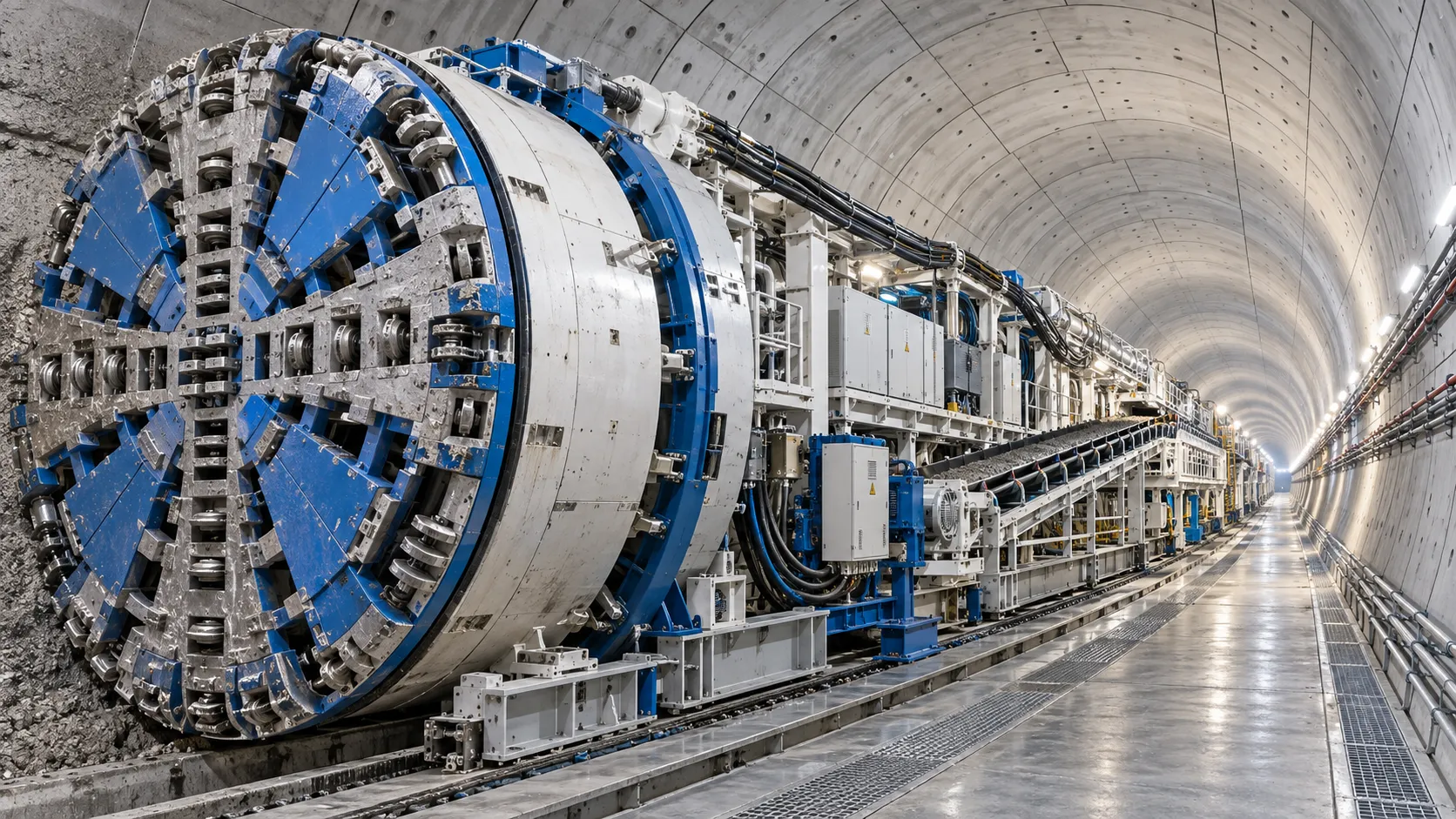
Tunnel Boring Machine Costs: Budgeting for Purchase, Operation, and Project Risk
Tunnel Boring Machines cost more than purchase price. Learn how to budget lifecycle costs, downtime, logistics, wear, and project risk for smarter TBM decisions.

Open-Pit Haulage Cost Analysis: How Mine Managers Can Cut Cost per Tonne
Open pit haulage cost analysis: discover practical ways to reduce cost per tonne through payload control, cycle-time optimization, road performance, and smarter fleet decisions.

Tunnel Construction Innovations That Reduce Risk and Schedule Delays on Urban Projects
Tunnel construction innovation for urban projects: discover smarter TBMs, real-time monitoring, trenchless methods, and automation that reduce risk and protect schedules.
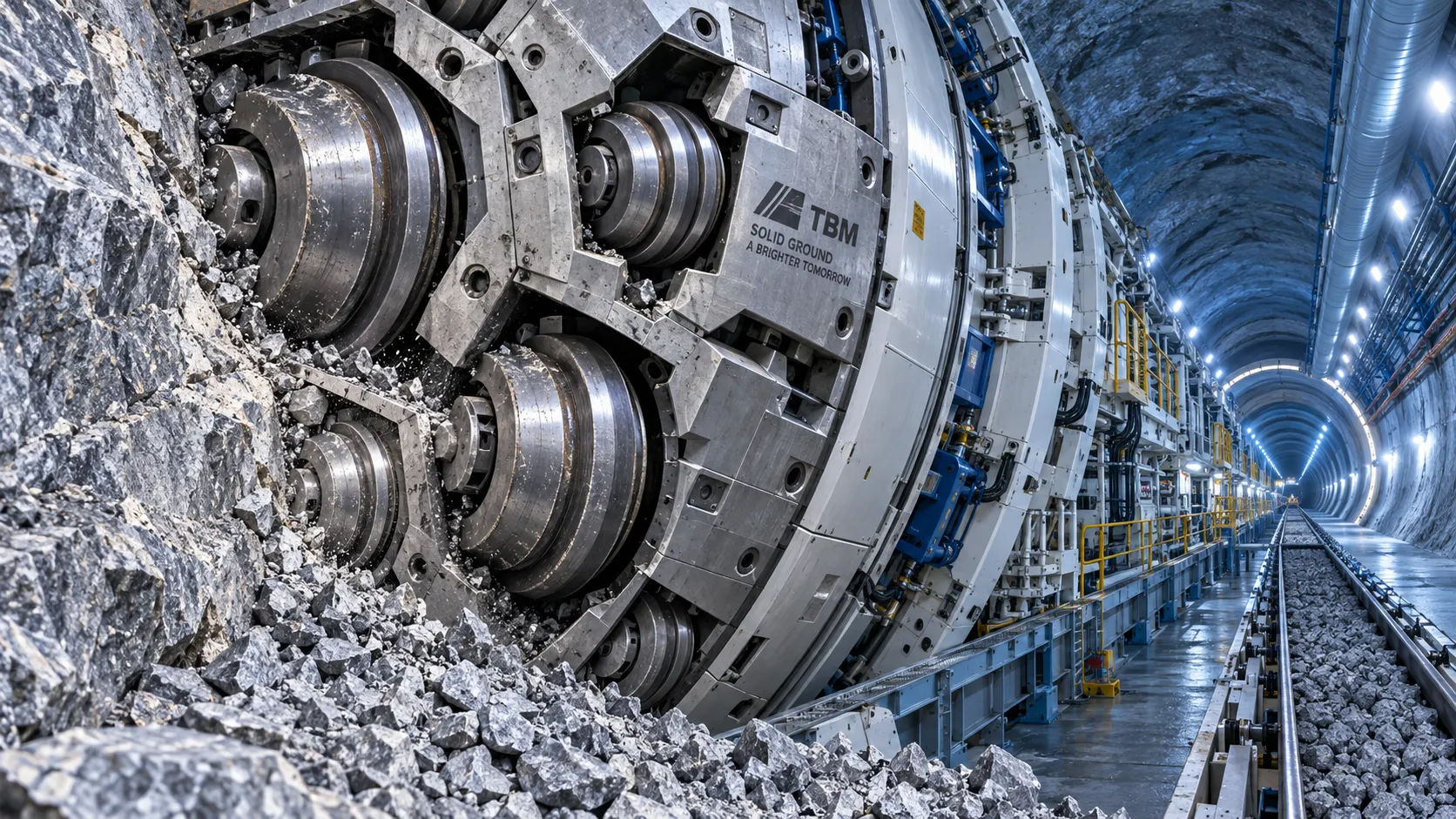
TBM Disc Cutter Design: Key Geometry and Load Factors for Hard Rock Tunnelling
TBM disc cutter design explained: explore geometry, spacing, load distribution and maintenance factors for reliable, efficient hard-rock tunnelling performance.
Hydraulic Tipping Stability Risks in Multi-Axle Dump Special Trailers
Dump special trailers: discover key hydraulic tipping stability risks, multi-axle load dynamics, and practical safety controls for safer, smarter bulk hauling.
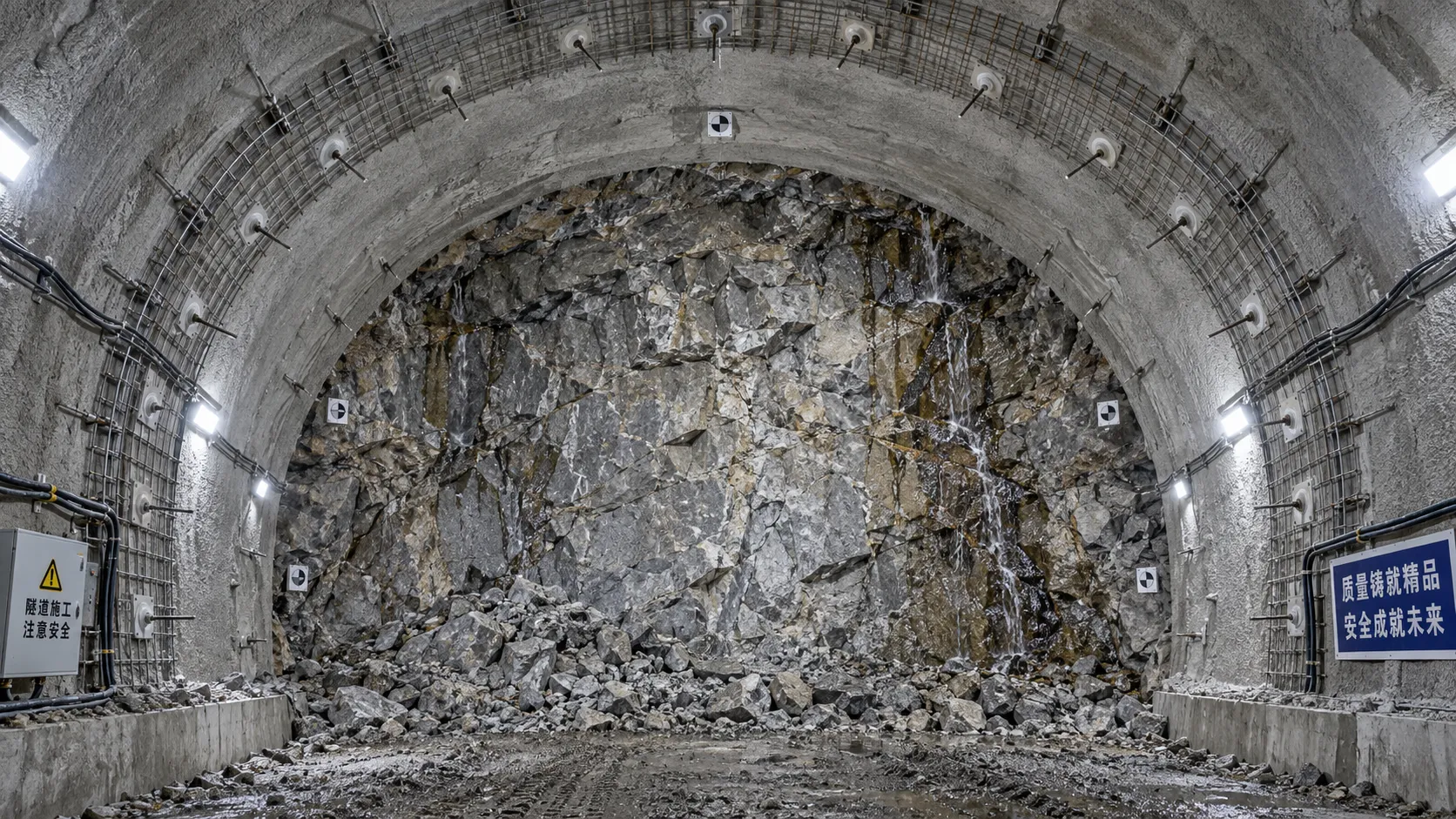
When rock reinforcement in tunnel construction must change after blasting
Rock reinforcement in tunnel construction must change when blasting reveals overbreak, weak joints, water inflow, or deformation. Discover key post-blast support decisions.
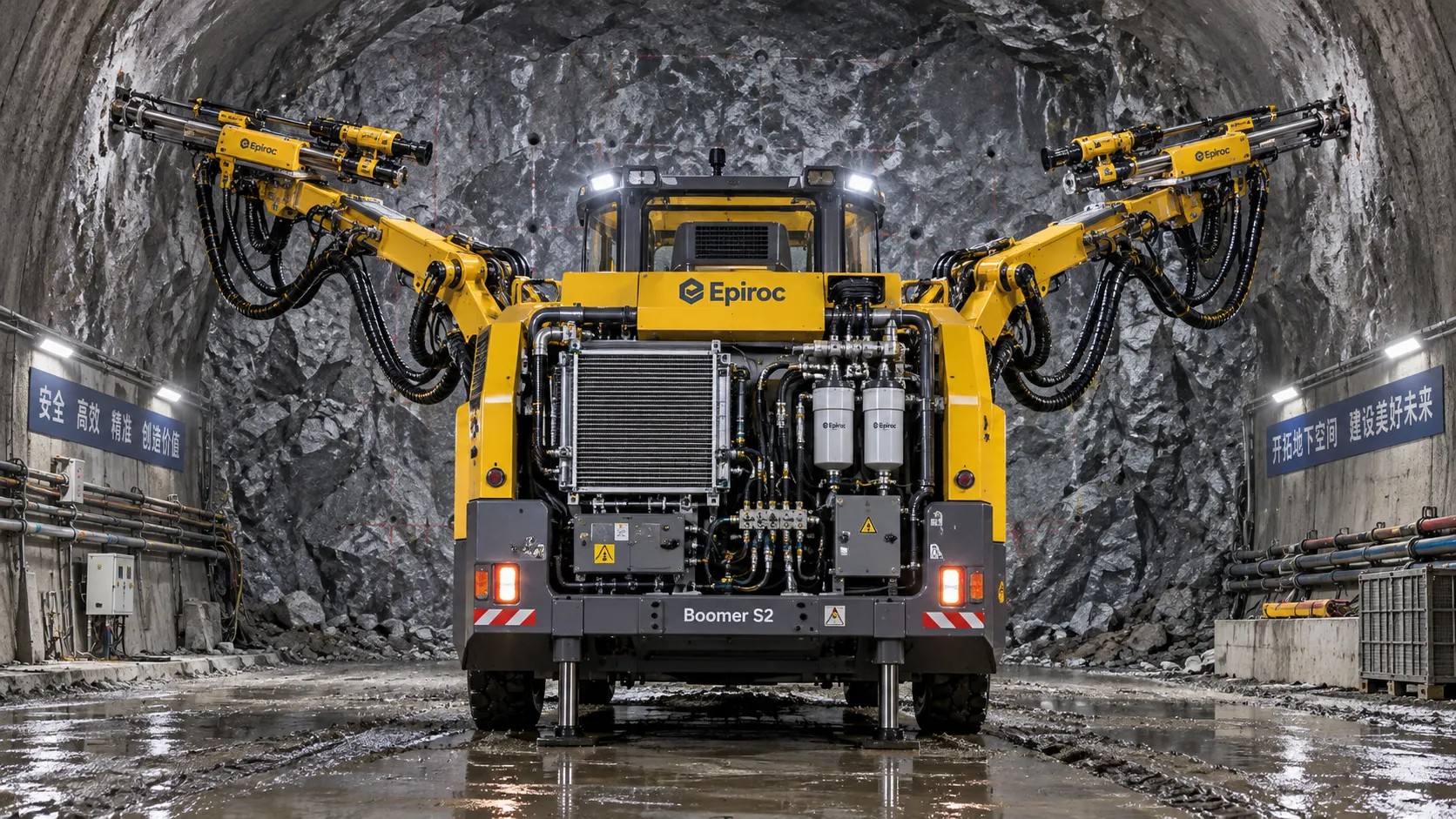
How tunnel hydraulic systems influence drill jumbo uptime underground
Tunnel hydraulic systems directly influence drill jumbo uptime. Explore how stable pressure, clean oil, cooling, and maintainable design reduce underground downtime.
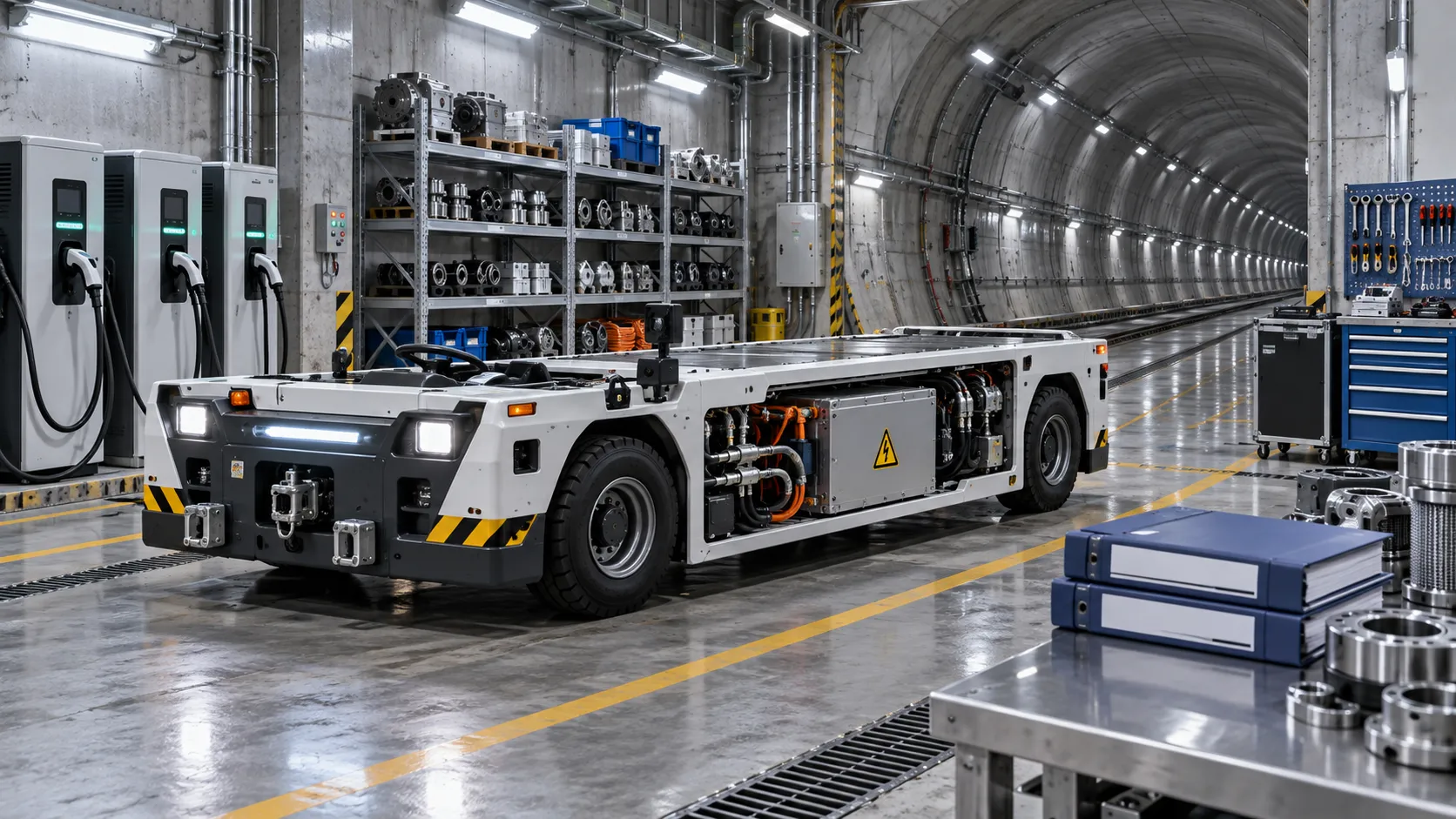
What to verify before appointing a tunneling vehicles manufacturer
Choosing a tunneling vehicles manufacturer? Verify application fit, reliability, compliance, parts support, training, and channel terms before appointing a partner.
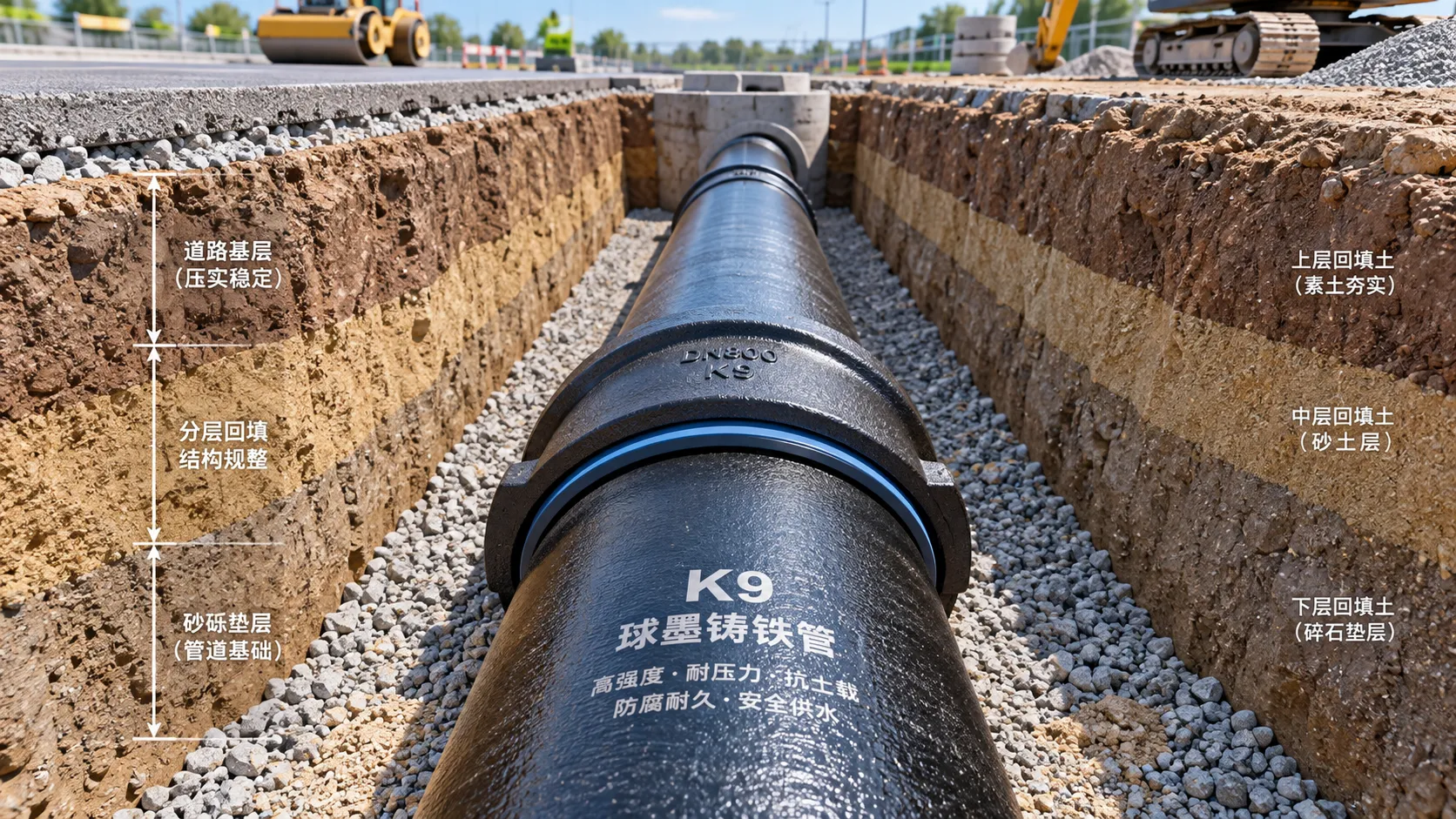
Selecting K9 Ductile Iron Pipe for Buried Water Pipeline Conditions
K9 ductile iron pipe selection for buried water pipelines: compare pressure duty, joints, soil loads, corrosion protection, and installation controls for reliable long-term performance.
Related News
- 00
0000-00
Tunnel Boring Machine Costs: Budgeting for Purchase, Operation, and Project Risk - 00
0000-00
Open-Pit Haulage Cost Analysis: How Mine Managers Can Cut Cost per Tonne - 00
0000-00
Tunnel Construction Innovations That Reduce Risk and Schedule Delays on Urban Projects - 00
0000-00
TBM Disc Cutter Design: Key Geometry and Load Factors for Hard Rock Tunnelling - 00
0000-00
Hydraulic Tipping Stability Risks in Multi-Axle Dump Special Trailers
Weekly Insights
Stay ahead with our curated technology reports delivered every Monday.