
EU Rule Takes Effect for Slurry/EPB Shields





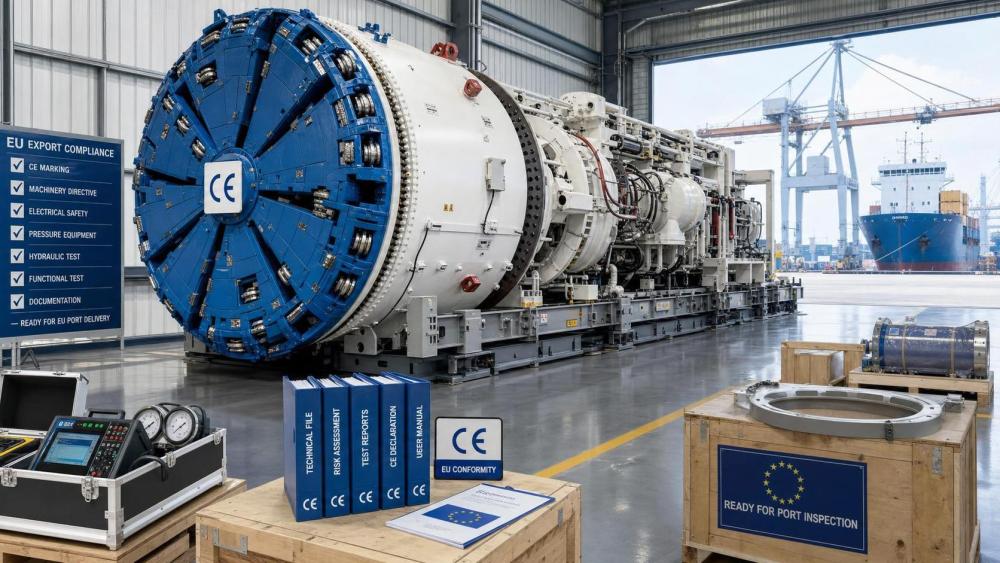
On July 1, 2026, a new compliance requirement took effect in the EU for imported Slurry/EPB Shields: equipment must now pass the methane-tolerance certification set out in EN 16729:2026 before it can move forward under CE marking. For manufacturers exporting shield machines to the EU, overseas distributors, procurement teams, and delivery planners, this is not just a technical update. It directly affects market access, documentation readiness, acceptance at port, and the practical timing of export shipments.
What the rule now requires at entry stage
The confirmed change is that, from July 1, 2026, the EU made EN 16729:2026 mandatory for Slurry/EPB Shields imported into the EU. Under the new requirement, these products must pass an added methane-environment tolerance test, including continuous operation for 72 hours in a mixed gas environment of 5% CH₄ and 2% H₂ without seal failure.
The certification has been incorporated as a prerequisite for CE marking. Equipment that does not meet the requirement will be refused at port. The rule therefore creates a direct compliance requirement for manufacturers and overseas distributors involved in exporting shield machines to the EU market.
Where the pressure will appear across the business chain
Export-facing manufacturers will face a stricter pre-shipment gate
For companies supplying Slurry/EPB Shields into the EU, the impact is most immediate at the manufacturing and export compliance stage. Because the methane-tolerance test is now tied to CE marking, product readiness is no longer limited to conventional technical documentation or standard conformity preparation. Analysis shows that manufacturers will need to pay closer attention to whether testing evidence, technical records, and conformity materials are complete before shipment is arranged.
Overseas distributors will need to recheck import readiness
Distributors handling entry into the EU are also directly exposed. The rule links certification status to port acceptance, which means import planning, delivery commitments, and customer handover schedules may all depend on whether the equipment has already satisfied the EN 16729:2026 requirement. From an industry perspective, what deserves closer attention is whether distributors have a clear view of the certification status of each unit before customs and port-side procedures begin.
Procurement and project delivery teams may need tighter document alignment
For procurement-side participants, the practical issue is specification and document alignment. Where equipment is intended for the EU market, purchasing teams may need to check whether bid documents, purchase conditions, technical annexes, and delivery files reflect the new certification threshold. Observably, this is less about general regulatory awareness and more about making sure the ordered equipment can actually move through the required compliance path without disruption at the delivery stage.
Testing and certification-related service providers may see higher scrutiny
Although no additional execution detail is provided in the input, certification and testing-related service providers are likely to become more important in the transaction chain. Analysis shows that the value of these parties will center on supporting document completeness, test evidence consistency, and readiness for CE-related review, rather than simply issuing generic compliance paperwork.
What companies should review now
Check whether CE preparation already covers the new test condition
Companies serving the EU market should review whether existing CE-related preparation for Slurry/EPB Shields already includes the methane-environment tolerance requirement under EN 16729:2026. The key practical point is that the new test is described as a prerequisite, so any gap between product documentation and certification status may affect export readiness.
Revisit technical files and test evidence before shipment booking
What deserves closer attention is the completeness of technical files, test reports, and supporting conformity materials tied to the 72-hour operating requirement in the specified mixed gas environment. The input does not provide further procedural detail, so this should be treated as a compliance review priority rather than as proof of any single standard document format.
Watch for changes in tender wording and buyer-side specifications
From an industry perspective, another practical area is downstream documentation. If the certification is now a market-entry condition, tender language, procurement specifications, and acceptance terms may begin to reflect that shift more explicitly. Companies involved in bids, supply contracts, and delivery planning should watch for wording changes that move this requirement from a technical note into a formal acceptance condition.
Factor compliance timing into delivery and after-sales planning
Analysis shows that the rule may also affect scheduling discipline. Where shipment, installation preparation, or after-sales coordination depends on successful import, teams should pay attention to whether certification completion is being treated early enough in the project timeline. The provided information does not confirm how market participants are implementing this in practice, so execution rhythm still needs continued observation.
Why this looks like an enforcement signal, not a distant policy discussion
Observably, this development is better understood as a rule already entering execution rather than a preliminary policy direction. The reason is straightforward: the requirement is described as mandatory from a specific date, tied to CE marking, and backed by the consequence of port refusal for non-compliant equipment. At the same time, analysis shows there is still room for continued attention on how certification review, procurement wording, and delivery-side enforcement will be reflected in market practice. In that sense, the headline fact is settled, while the operational interpretation still deserves monitoring.
How to read the significance of this change
The practical significance of this update lies in its position within the export chain. It shifts methane-tolerance performance for Slurry/EPB Shields from a technical consideration into a formal access requirement for EU-bound equipment. A rational reading is that this should currently be treated as a landed compliance change with direct implications for certification, shipment readiness, and port-side acceptance, while the finer points of implementation should continue to be tracked through documents, buyer requirements, and market feedback.
Basis of this article and what still needs verification
This article is based on the user-provided news title, event date, and event summary. For developments of this kind, relevant source types usually include official announcements, regulator publications, customs or trade authority notices, industry association releases, standard-setting documents, and reporting from authoritative trade media.
No specific official source link was provided in the input, so the precise official reference still needs to be verified on an ongoing basis. Observably, the areas that still merit continued checking include detailed implementation language, certification interpretation, tender document updates, market feedback, and how companies are carrying the requirement into export and delivery practice.
Related News
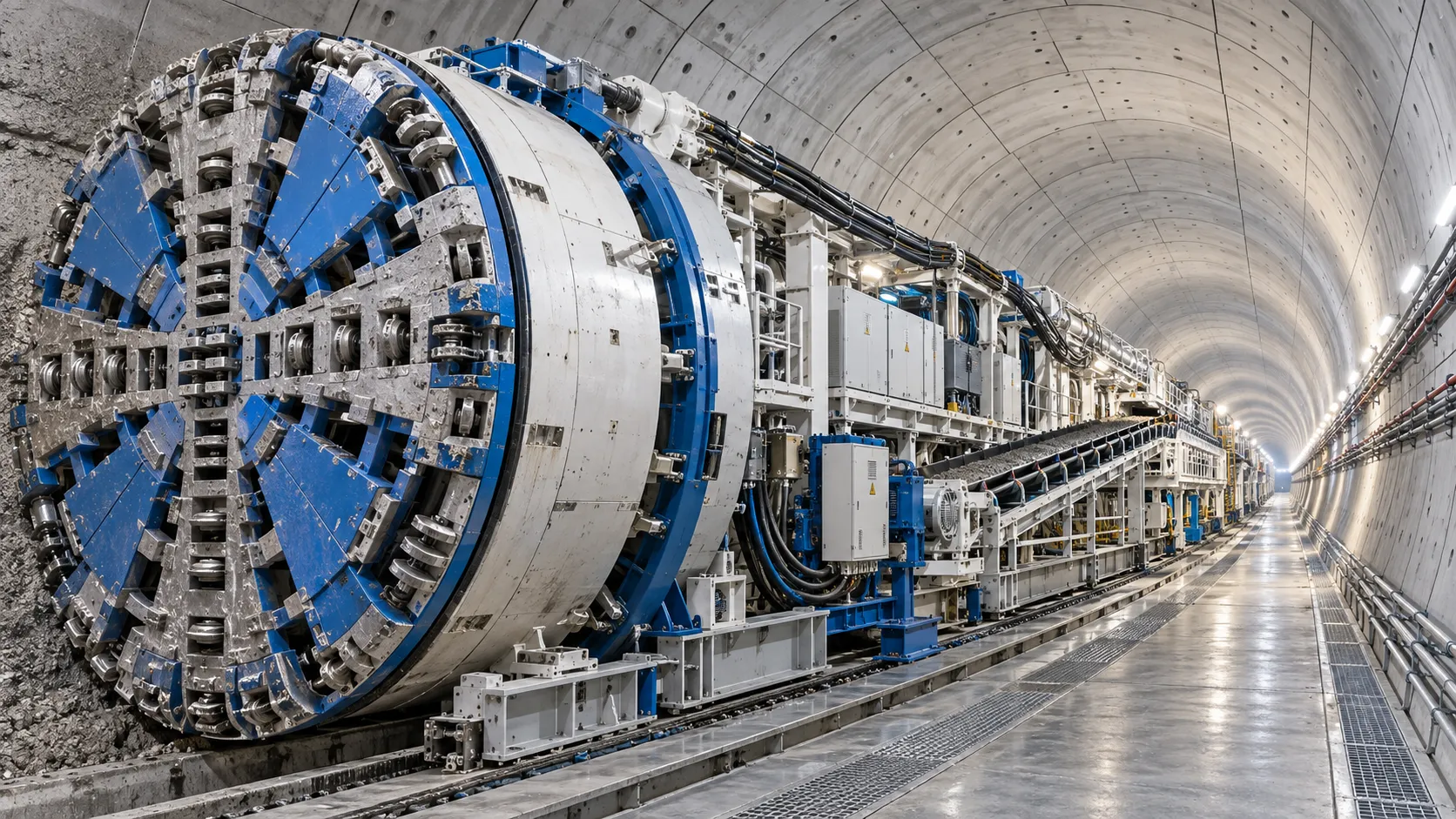
Tunnel Boring Machine Costs: Budgeting for Purchase, Operation, and Project Risk
Tunnel Boring Machines cost more than purchase price. Learn how to budget lifecycle costs, downtime, logistics, wear, and project risk for smarter TBM decisions.

Open-Pit Haulage Cost Analysis: How Mine Managers Can Cut Cost per Tonne
Open pit haulage cost analysis: discover practical ways to reduce cost per tonne through payload control, cycle-time optimization, road performance, and smarter fleet decisions.
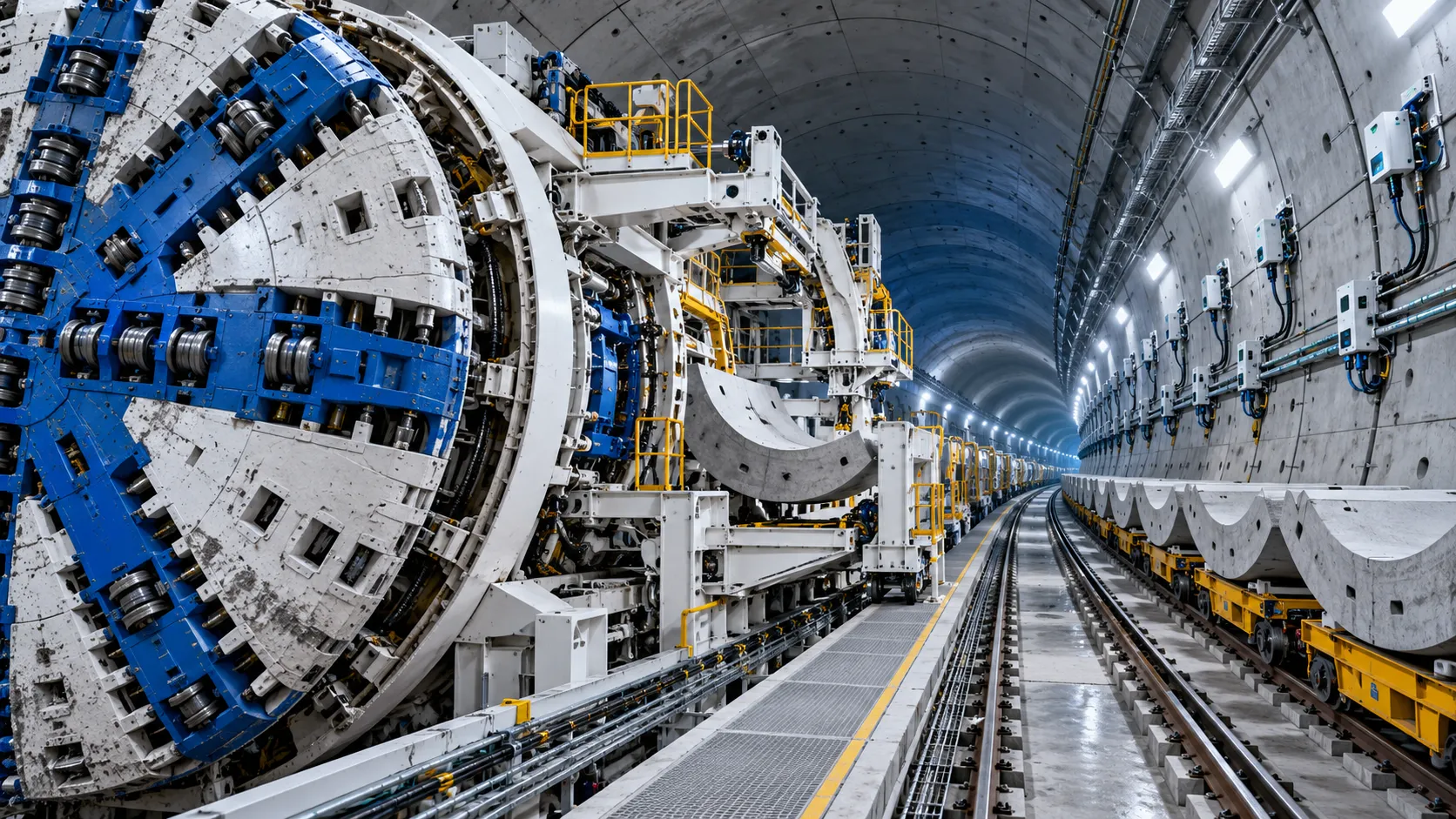
Tunnel Construction Innovations That Reduce Risk and Schedule Delays on Urban Projects
Tunnel construction innovation for urban projects: discover smarter TBMs, real-time monitoring, trenchless methods, and automation that reduce risk and protect schedules.

TBM Disc Cutter Design: Key Geometry and Load Factors for Hard Rock Tunnelling
TBM disc cutter design explained: explore geometry, spacing, load distribution and maintenance factors for reliable, efficient hard-rock tunnelling performance.

Hydraulic Tipping Stability Risks in Multi-Axle Dump Special Trailers
Dump special trailers: discover key hydraulic tipping stability risks, multi-axle load dynamics, and practical safety controls for safer, smarter bulk hauling.
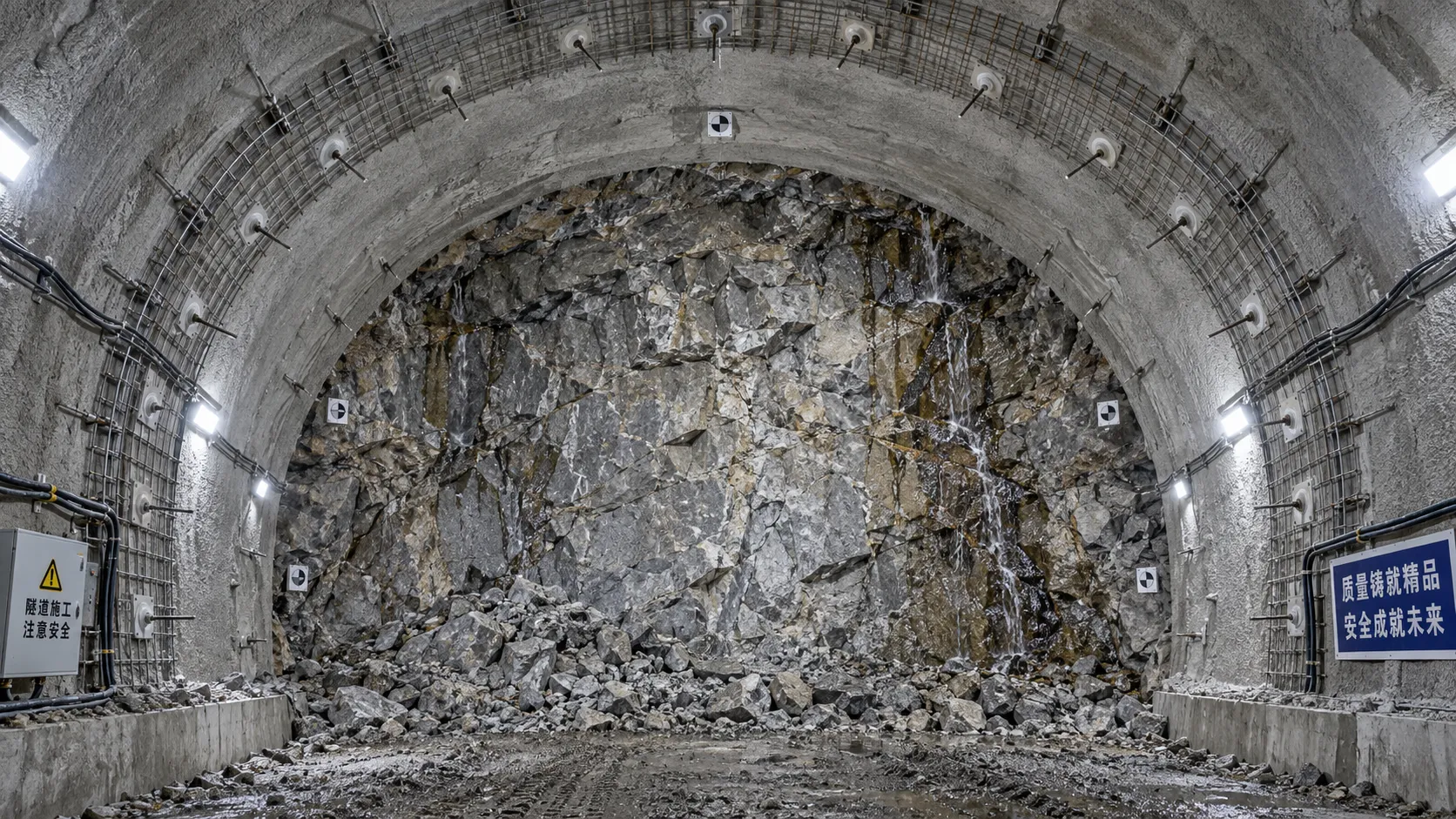
When rock reinforcement in tunnel construction must change after blasting
Rock reinforcement in tunnel construction must change when blasting reveals overbreak, weak joints, water inflow, or deformation. Discover key post-blast support decisions.
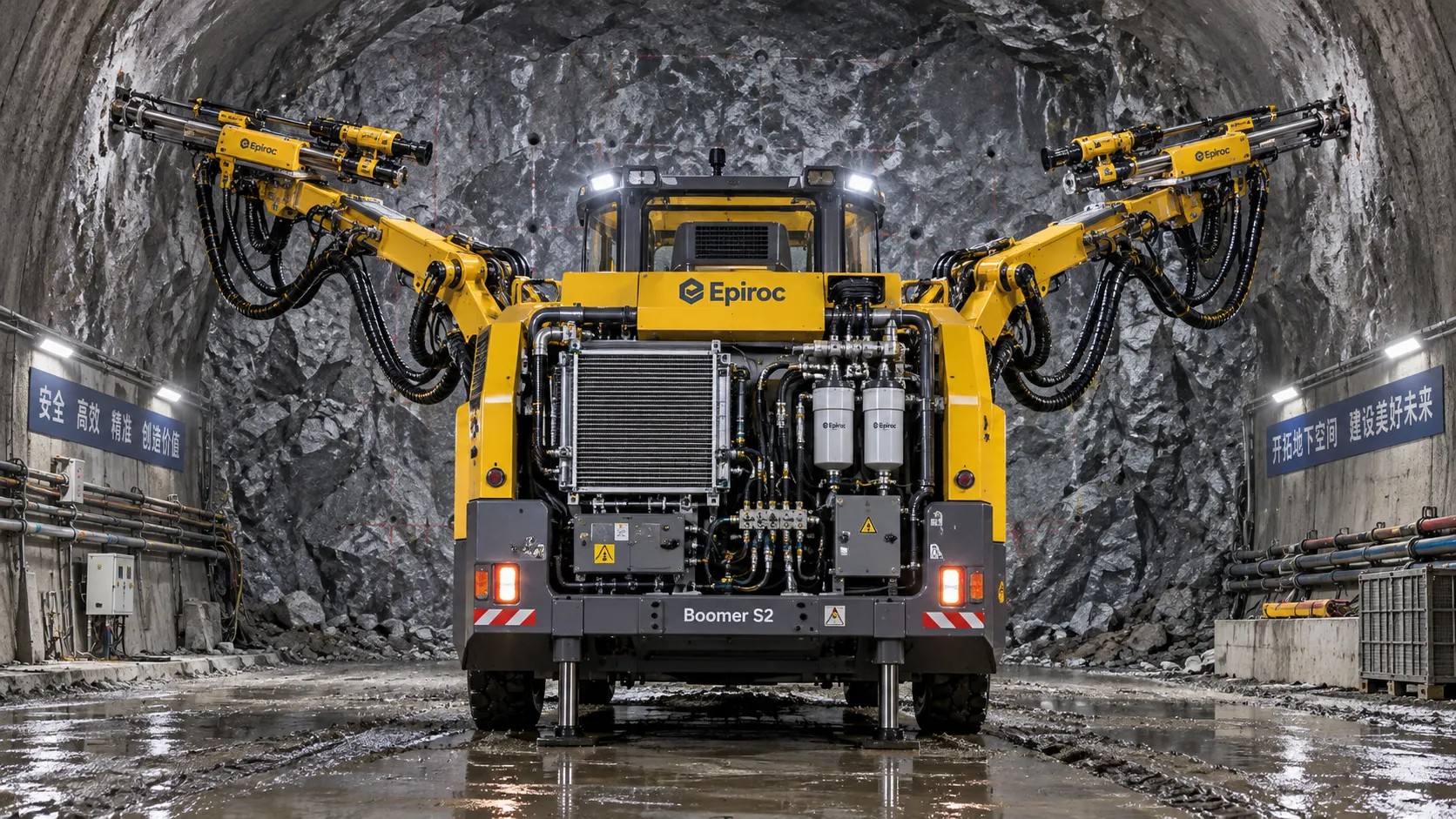
How tunnel hydraulic systems influence drill jumbo uptime underground
Tunnel hydraulic systems directly influence drill jumbo uptime. Explore how stable pressure, clean oil, cooling, and maintainable design reduce underground downtime.

What to verify before appointing a tunneling vehicles manufacturer
Choosing a tunneling vehicles manufacturer? Verify application fit, reliability, compliance, parts support, training, and channel terms before appointing a partner.
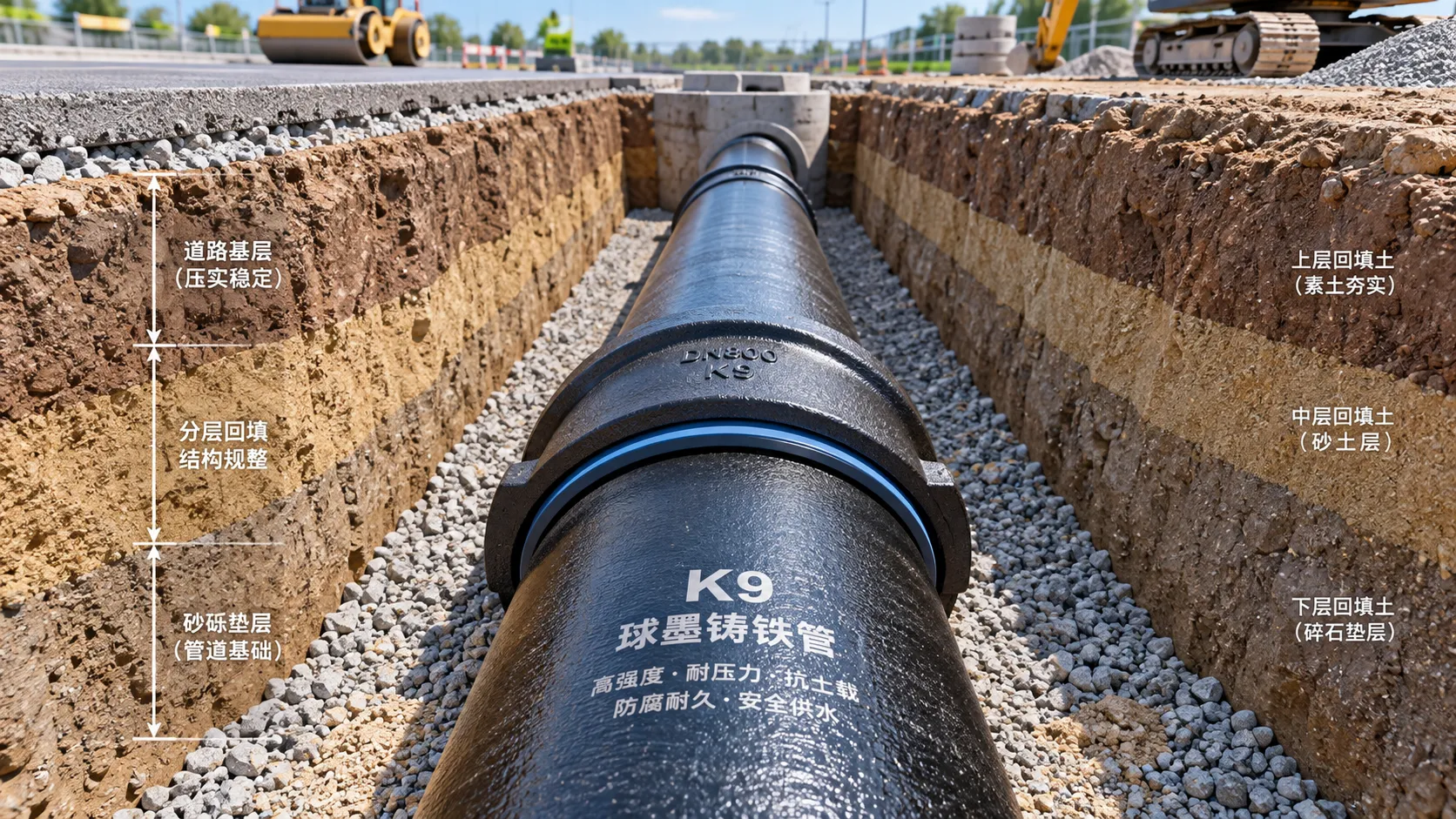
Selecting K9 Ductile Iron Pipe for Buried Water Pipeline Conditions
K9 ductile iron pipe selection for buried water pipelines: compare pressure duty, joints, soil loads, corrosion protection, and installation controls for reliable long-term performance.
Related News
- 00
0000-00
Tunnel Boring Machine Costs: Budgeting for Purchase, Operation, and Project Risk - 00
0000-00
Open-Pit Haulage Cost Analysis: How Mine Managers Can Cut Cost per Tonne - 00
0000-00
Tunnel Construction Innovations That Reduce Risk and Schedule Delays on Urban Projects - 00
0000-00
TBM Disc Cutter Design: Key Geometry and Load Factors for Hard Rock Tunnelling - 00
0000-00
Hydraulic Tipping Stability Risks in Multi-Axle Dump Special Trailers
Weekly Insights
Stay ahead with our curated technology reports delivered every Monday.