
Mining Automation Systems: Which Functions Deliver the Fastest Gains in Haulage and Loading?





Mining Automation Systems: Where Haulage and Loading Gains Show Up First
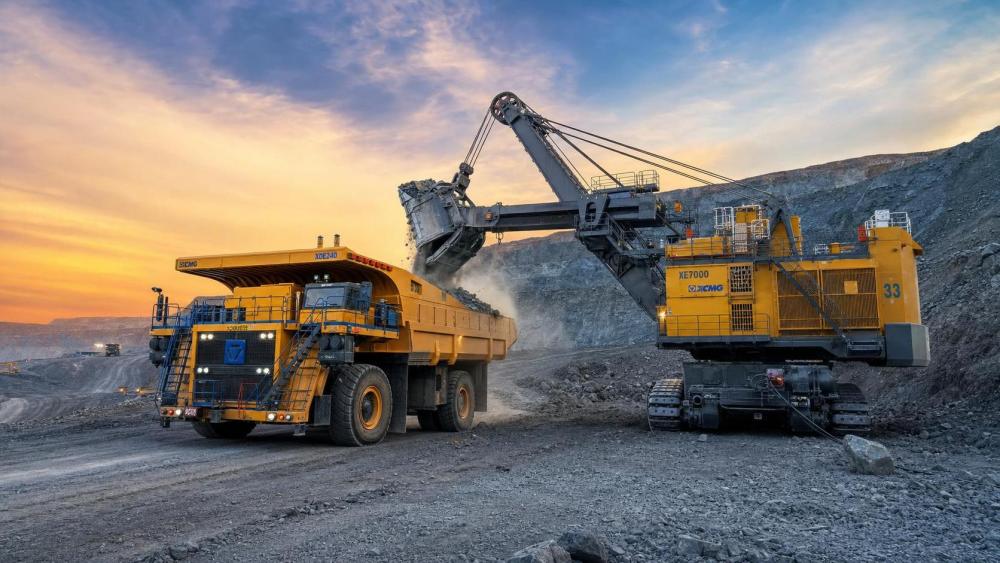
Mining Automation Systems are changing the economics of haulage and loading faster than many planning cycles expected.
The main reason is simple. These functions sit close to daily production, equipment utilization, and safety exposure.
When automation works here, the impact appears in cycle time, queue time, fuel or energy use, operator exposure, and maintenance stability.
That is why Mining Automation Systems often start with haul trucks, underground LHDs, dispatch logic, and loading coordination before wider mine-wide automation.
From a decision perspective, the real question is not which technology looks most advanced.
It is which function removes the most friction with the least operational disruption.
In practice, the fastest gains usually come from repeatable routes, constrained work zones, and tasks already measured in detail.
That makes haulage and loading ideal starting points for Mining Automation Systems in both open-pit and underground environments.
Why Haulage and Loading Deliver Faster Returns
Haulage and loading are high-frequency workflows. Small improvements repeat hundreds of times per shift.
That repetition creates fast visibility. Mines can see whether Mining Automation Systems are reducing delay or simply moving complexity elsewhere.
These operations also suffer from familiar losses: idle time, uneven truck arrival, rehandling, congestion, poor spotting, and shift-change interruption.
Automation targets those exact losses with software control, sensors, route logic, and machine-to-machine coordination.
A second advantage is risk reduction. Autonomous or remotely supervised cycles keep people farther from blind corners, unstable faces, and heavy traffic intersections.
That matters even more in deep mines, where ventilation costs, diesel exposure, and narrow headings make every intervention more expensive.
- More consistent cycle times across shifts
- Lower waiting time at crushers, ore passes, and loading points
- Fewer unplanned stops caused by human variability
- Better equipment health through smoother driving behavior
- Safer operations in confined, dusty, or low-visibility zones
For sites reviewing Mining Automation Systems, these are the gains that tend to justify the first deployment wave.
The Highest-Impact Functions to Prioritize
Not every feature produces the same return. Some functions create visible gains within months, while others need broader digital maturity.
1. Autonomous haul cycles
This is often the clearest value case in Mining Automation Systems.
Autonomous haul cycles standardize acceleration, braking, cornering, stopping points, and route adherence.
The result is less speed variation, fewer traffic conflicts, and more predictable truck arrival at loading and dumping points.
2. Intelligent dispatch and dynamic routing
Many mines already collect dispatch data. The step forward is acting on it automatically.
Mining Automation Systems can reroute trucks around congestion, match truck size with loader availability, and reduce empty travel.
This usually improves productivity without major mechanical modification.
3. Loader-truck synchronization
Loading delays are rarely caused by one machine alone. They come from poor timing between several machines.
When Mining Automation Systems coordinate truck arrivals with loader readiness, queue time drops and pass matching improves.
That also helps reduce overloading, underloading, and unnecessary repositioning.
4. Remote or autonomous LHD loading in underground mines
For underground operations, this is one of the most practical Mining Automation Systems functions.
Remote and semi-autonomous LHDs can continue loading after blasting windows and in areas with higher geotechnical risk.
That extends productive hours while cutting direct personnel exposure.
5. Collision avoidance and geofencing
This may look like a safety layer only, but it often protects uptime too.
A prevented incident avoids lost shifts, investigations, equipment damage, and traffic shutdowns.
Which Function Pays Back Fastest in Different Mine Settings
The best answer depends on route stability, ore movement pattern, and digital readiness.
A common mistake is starting with the most complex automation package available.
The better move is starting where routes are predictable, traffic rules are clear, and performance data already exists.
That is where Mining Automation Systems usually move from pilot to measurable business case fastest.
What Slows Results Down
The technology is rarely the only constraint. Results usually slow down because the operating model was not prepared.
Mining Automation Systems need reliable connectivity, accurate location data, disciplined traffic rules, and clean maintenance routines.
If haul roads change daily without digital updates, autonomous cycles lose efficiency.
If loader operators and dispatch teams follow different priorities, loading coordination breaks down.
If production reporting is weak, it becomes difficult to prove what improved and why.
- Unstable wireless coverage underground or across ramps
- Poor integration between fleet systems and maintenance data
- Frequent route changes without map governance
- Limited operator acceptance during early deployment
- KPIs focused only on tons moved, not delay sources
This also explains why some Mining Automation Systems pilots look promising but stall before scale-up.
A Practical Rollout Path for Faster Gains
A phased approach usually works best.
- Map the current haulage and loading losses by shift, zone, and equipment class.
- Choose one high-repeat workflow with stable routes and clear baseline data.
- Deploy one Mining Automation Systems function first, not a full stack.
- Track cycle time, queue time, payload variance, availability, and safety interruptions.
- Expand only after dispatch, maintenance, and production teams share the same logic.
For open-pit mines, autonomous haul cycles often make the best first deployment.
For underground mines, remote LHD loading and automated tramming often move faster.
For sites already collecting rich fleet data, intelligent dispatch can be the quickest win because the hardware burden is lighter.
In each case, Mining Automation Systems work best when the first target is operational consistency, not maximum autonomy on day one.
How to Judge Real Value Before Scaling
Early results should be judged with discipline.
A strong Mining Automation Systems pilot should improve more than one KPI at the same time.
The best signal is a combined lift in throughput consistency, safety control, and equipment utilization.
A weaker signal is higher output with rising maintenance stress or more complex exception handling.
That usually means the system is shifting labor instead of removing friction.
For that reason, review these points before expansion:
- Did cycle time improve across all shifts or only under ideal conditions?
- Did queue reduction at one point create congestion somewhere else?
- Did maintenance events fall, stay flat, or increase?
- Did supervisors gain clearer control over exceptions?
- Can the same logic be reused across another route, level, or pit segment?
Those answers separate a local success from a scalable Mining Automation Systems program.
The Bottom Line for Near-Term Action
Mining Automation Systems deliver the fastest gains when they target repetitive haulage and loading bottlenecks first.
For many operations, the earliest value comes from autonomous haul cycles, intelligent dispatch, loader-truck coordination, and remote LHD functions.
These functions improve flow, stabilize output, and reduce exposure without requiring a full mine transformation at once.
The most effective next step is to identify one route or loading zone where delay is frequent, data is reliable, and workflow rules are already clear.
That is usually where Mining Automation Systems turn from strategy language into measurable operational gains.
Related News
Tunnel Boring Machine Costs: Budgeting for Purchase, Operation, and Project Risk
Tunnel Boring Machines cost more than purchase price. Learn how to budget lifecycle costs, downtime, logistics, wear, and project risk for smarter TBM decisions.
Open-Pit Haulage Cost Analysis: How Mine Managers Can Cut Cost per Tonne
Open pit haulage cost analysis: discover practical ways to reduce cost per tonne through payload control, cycle-time optimization, road performance, and smarter fleet decisions.
Tunnel Construction Innovations That Reduce Risk and Schedule Delays on Urban Projects
Tunnel construction innovation for urban projects: discover smarter TBMs, real-time monitoring, trenchless methods, and automation that reduce risk and protect schedules.
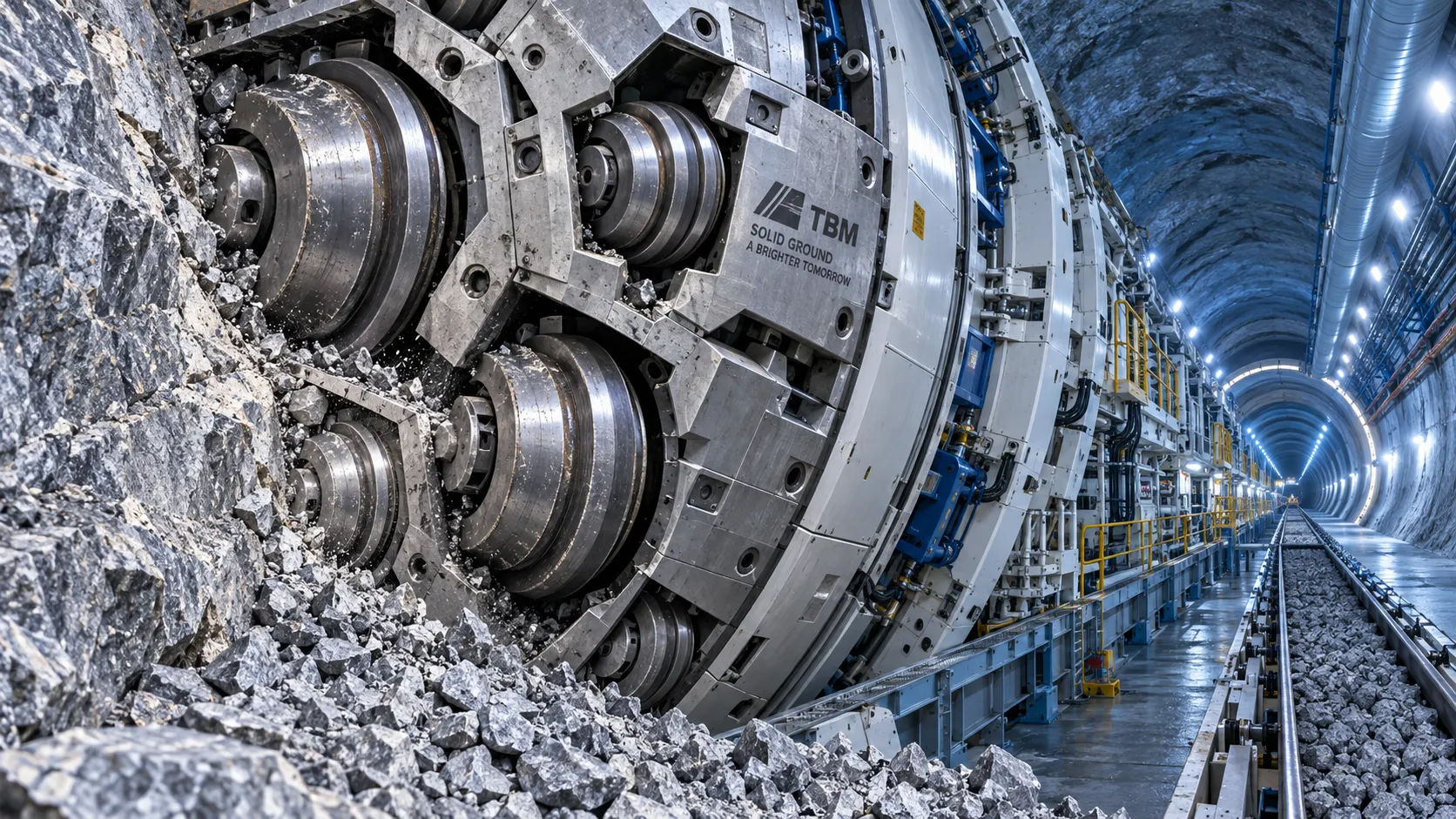
TBM Disc Cutter Design: Key Geometry and Load Factors for Hard Rock Tunnelling
TBM disc cutter design explained: explore geometry, spacing, load distribution and maintenance factors for reliable, efficient hard-rock tunnelling performance.
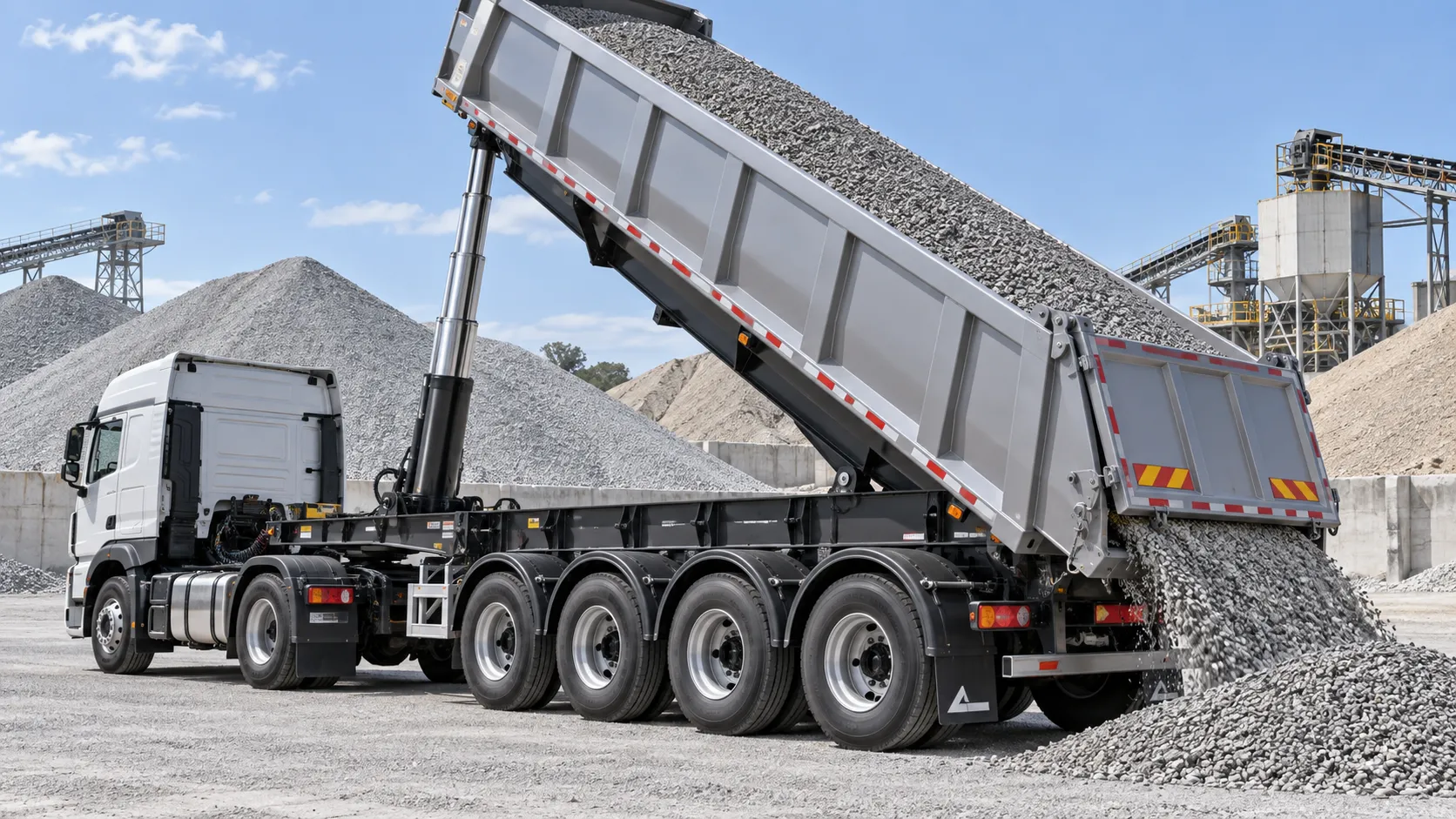
Hydraulic Tipping Stability Risks in Multi-Axle Dump Special Trailers
Dump special trailers: discover key hydraulic tipping stability risks, multi-axle load dynamics, and practical safety controls for safer, smarter bulk hauling.
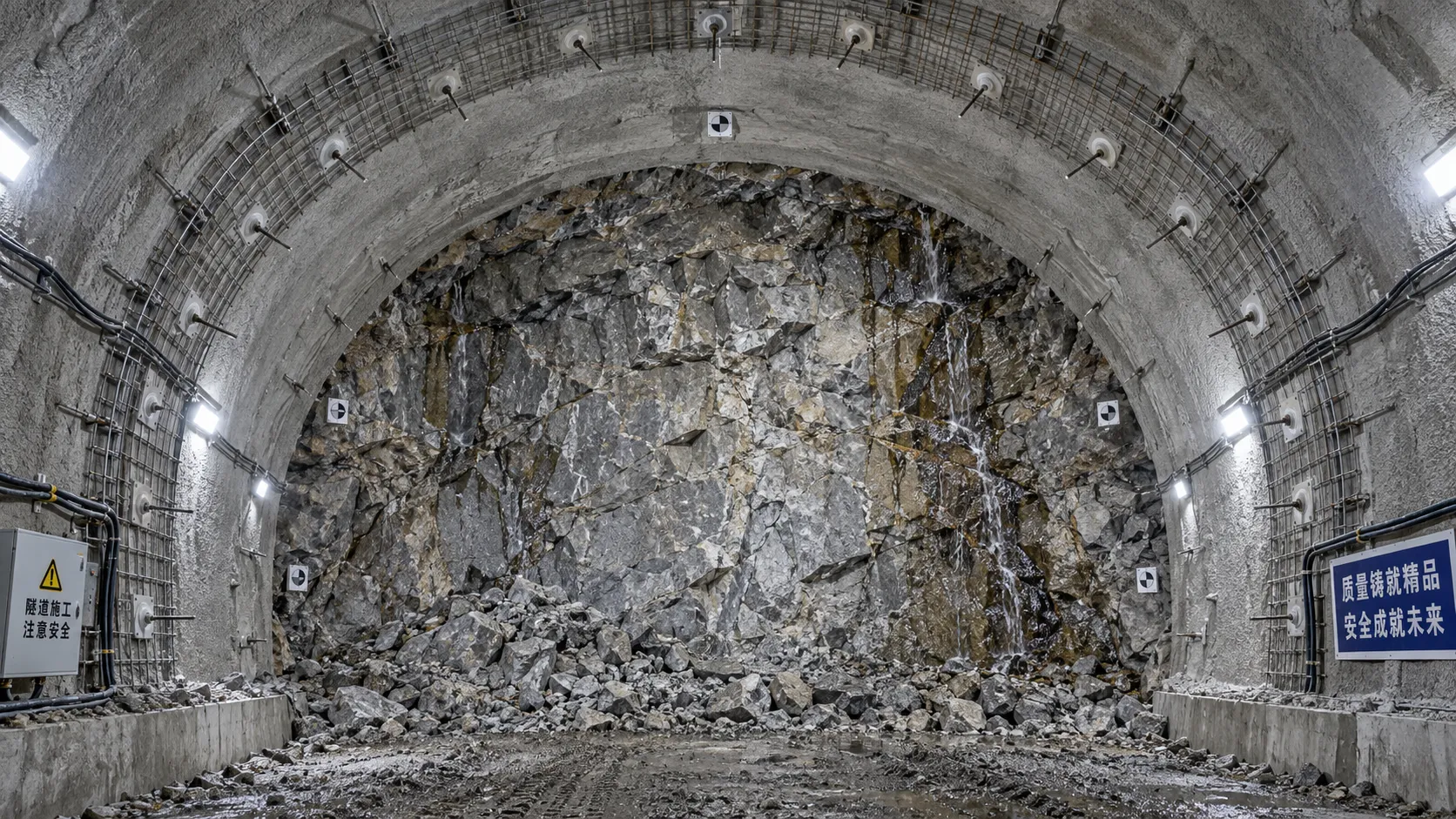
When rock reinforcement in tunnel construction must change after blasting
Rock reinforcement in tunnel construction must change when blasting reveals overbreak, weak joints, water inflow, or deformation. Discover key post-blast support decisions.
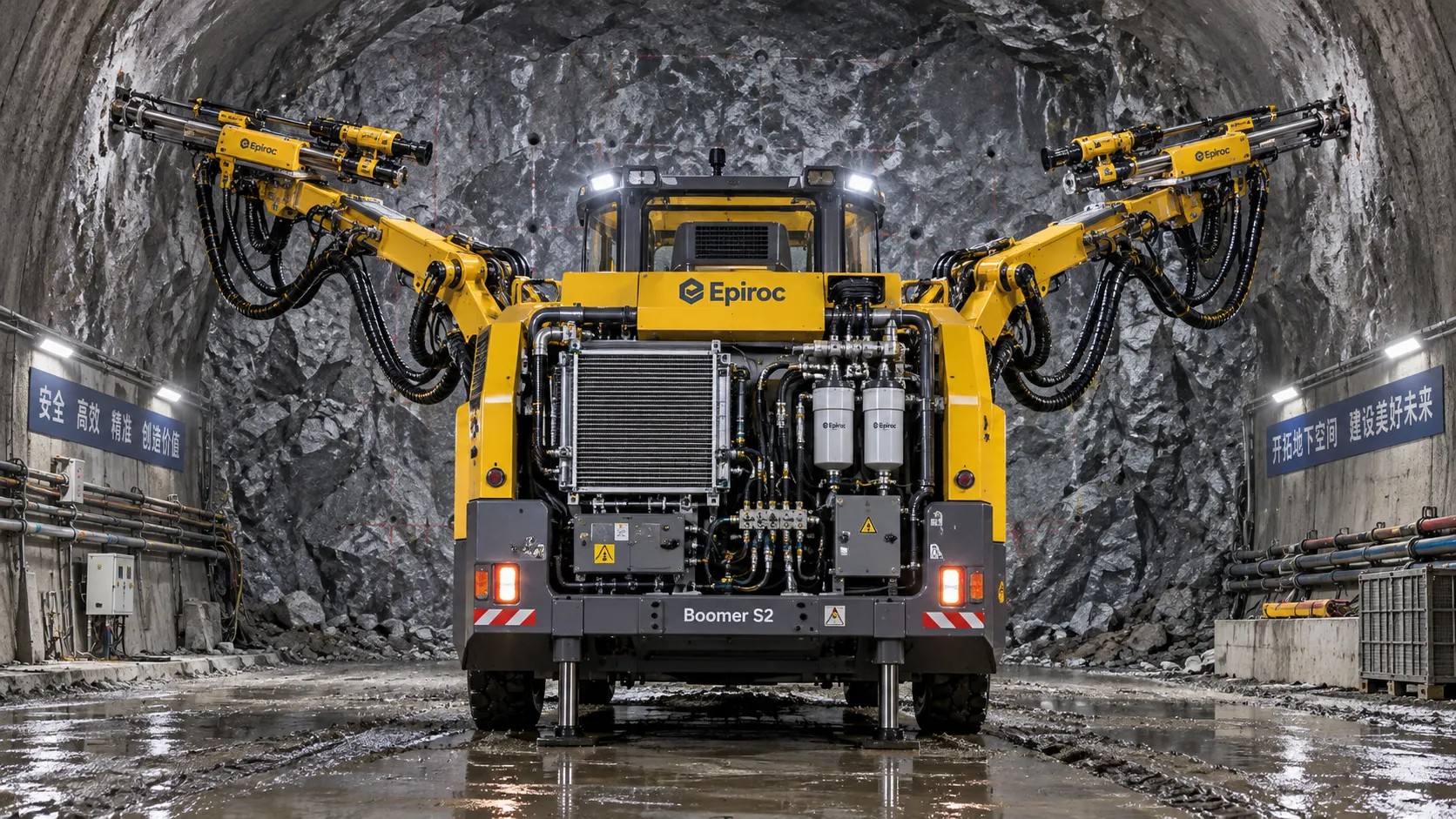
How tunnel hydraulic systems influence drill jumbo uptime underground
Tunnel hydraulic systems directly influence drill jumbo uptime. Explore how stable pressure, clean oil, cooling, and maintainable design reduce underground downtime.
What to verify before appointing a tunneling vehicles manufacturer
Choosing a tunneling vehicles manufacturer? Verify application fit, reliability, compliance, parts support, training, and channel terms before appointing a partner.
Selecting K9 Ductile Iron Pipe for Buried Water Pipeline Conditions
K9 ductile iron pipe selection for buried water pipelines: compare pressure duty, joints, soil loads, corrosion protection, and installation controls for reliable long-term performance.
Related News
- 00
0000-00
Tunnel Boring Machine Costs: Budgeting for Purchase, Operation, and Project Risk - 00
0000-00
Open-Pit Haulage Cost Analysis: How Mine Managers Can Cut Cost per Tonne - 00
0000-00
Tunnel Construction Innovations That Reduce Risk and Schedule Delays on Urban Projects - 00
0000-00
TBM Disc Cutter Design: Key Geometry and Load Factors for Hard Rock Tunnelling - 00
0000-00
Hydraulic Tipping Stability Risks in Multi-Axle Dump Special Trailers
Weekly Insights
Stay ahead with our curated technology reports delivered every Monday.