
NVIDIA Q1 Earnings Beat Expectations; Boosts Demand for TBM Controllers & LHD AI Systems





On May 20, 2026, after market close, NVIDIA reported stronger-than-expected financial results for Q1 FY2027 — with data center revenue surging 97% year-on-year to $75.2 billion. This surge reflects intensifying global demand for AI-accelerated infrastructure, particularly in heavy equipment automation. Industries including tunnel boring machine (TBM) system integration, underground mining equipment manufacturing, and intelligent micro-tunneling solutions are now facing tangible procurement shifts — especially for NVLink-compatible industrial control modules, ruggedized edge servers, and vehicle-mounted AI compute units.
Event Overview
NVIDIA announced its Q1 FY2027 financial results on May 20, 2026, after market close. Reported revenue ranged between $89.1 billion and $92.8 billion. Data center business revenue reached $75.2 billion, up 97% year-on-year. The company confirmed continued supply constraints for high-performance AI GPUs and associated acceleration cards. These components are now being adopted by global TBM intelligent excavation systems, Autonomous LHD (Load-Haul-Dump) remote operation platforms, and Micro-tunnelling SLAM navigation modules. Overseas infrastructure and mining customers are accelerating upgrades to their AI compute foundations, generating firm procurement demand for Chinese suppliers offering NVLink-compatible industrial-grade computing hardware.
Industries Affected
Direct Exporters of Industrial Control Modules & Edge Servers
These enterprises supply NVLink-compatible industrial control units, ruggedized edge servers, and onboard AI compute units to overseas TBM and LHD equipment integrators. Their exposure stems from the verified adoption of NVIDIA’s GPU-accelerated hardware in end-user automation platforms — creating direct downstream demand for interoperable, certified modules.
The impact manifests primarily in order volume volatility, lead-time compression, and increased technical validation requirements from international OEMs seeking NVIDIA ecosystem compatibility.
Manufacturers of TBM & LHD System-Level Solutions
System integrators developing intelligent excavation or autonomous haulage platforms rely on high-throughput AI inference and real-time SLAM processing. NVIDIA’s data center chip deployment in these applications validates the performance ceiling required — raising baseline expectations for local compute architecture design and certification pathways.
Impact includes intensified pressure to align hardware roadmaps with NVIDIA’s interconnect standards (e.g., NVLink), tighter integration timelines, and growing need for joint validation support with upstream component vendors.
Suppliers of SLAM Navigation & Real-Time Localization Subsystems
Providers of micro-tunnelling SLAM navigation modules — especially those embedded in compact, thermally constrained environments — face renewed specification scrutiny. As NVIDIA-accelerated platforms become reference designs, subsystem vendors must demonstrate deterministic latency, memory bandwidth efficiency, and driver-level compatibility with CUDA-based perception stacks.
Impact centers on verification scope expansion: beyond functional compliance, vendors now confront interoperability testing against specific GPU generations and driver versions used in field-deployed LHD or TBM control units.
What Enterprises and Practitioners Should Monitor and Do Now
Track NVIDIA’s official roadmap updates and partner enablement announcements
Current more than ever, NVIDIA’s quarterly partner briefings and Embedded/Edge Developer Program updates signal which interfaces (e.g., NVLink-C2C, SXM5/SXM6 form factor support) will be prioritized for industrial use cases — not just data centers. Monitoring these helps prioritize internal R&D alignment.
Validate NVLink compatibility claims against actual customer deployment configurations
Observably, many overseas integrators reference “NVLink support” broadly — but actual implementations may rely on PCIe Gen5 x16 lanes or custom bridging rather than full NVLink 4.0. Suppliers should request schematic-level interface specifications from key clients before committing to redesigns or certifications.
Prepare for accelerated qualification cycles in target markets
Analysis shows that mining and civil infrastructure projects increasingly bundle AI compute readiness into tender evaluation criteria. Firms supplying to EU, Australian, or Canadian clients should pre-engage with local certification bodies (e.g., TÜV SÜD, SAI Global) on functional safety (IEC 61508) and EMC compliance for GPU-augmented control units.
Assess inventory and logistics buffers for critical interconnect components
Given the confirmed GPU supply constraints cited by NVIDIA, upstream suppliers of high-speed connectors (e.g., Samtec FireFly, Amphenol QSFP-DD), thermal interface materials, and power delivery ICs may experience secondary bottlenecks. Proactive buffer planning for these items is advisable — especially for SKUs tied to NVIDIA reference designs.
Editorial Perspective / Industry Observation
This earnings report is less a standalone financial update and more a structural signal: AI acceleration is no longer confined to cloud data centers — it is migrating into mission-critical mobile and embedded infrastructure. Analysis shows that the 97% YoY growth in data center revenue reflects not only hyperscaler demand, but also rapid adoption across capital-intensive industrial verticals where real-time perception and decision latency directly affect operational safety and productivity.
Observably, this shift does not yet represent broad commercial scale — but it has crossed the threshold of technical validation and early deployment. It is better understood as an inflection point in procurement behavior, not a completed market transition. The pace of follow-on orders will depend less on chip availability alone and more on OEMs’ ability to integrate, certify, and service AI-augmented control systems under harsh environmental conditions.
Conclusion
This NVIDIA earnings release signals a measurable acceleration in AI compute adoption within heavy equipment automation — particularly for tunneling and underground mining applications. It does not indicate immediate mass-market rollout, but rather confirms a tightening feedback loop between GPU capability, industrial application validation, and supplier readiness. For industry participants, the current priority is not speculation about future volumes, but disciplined alignment with verified interface requirements, certification pathways, and supply chain resilience — all grounded in the specific hardware dependencies now documented in field deployments.
Source Attribution
Main source: NVIDIA Q1 FY2027 Earnings Release (May 20, 2026, after market close).
Points requiring ongoing observation: Actual order intake trends among Tier-1 TBM/LHD OEMs; NVLink implementation details in non-data-center reference designs; regional certification authority responses to GPU-integrated control unit submissions.
Related News

How to Evaluate Articulated Dump Trucks Payload for Haul Road Conditions and Cycle Efficiency
Articulated Dump Trucks payload evaluation starts with real haul road conditions, not brochure numbers. Learn how to balance payload, traction, grades, and cycle efficiency for safer, higher output.
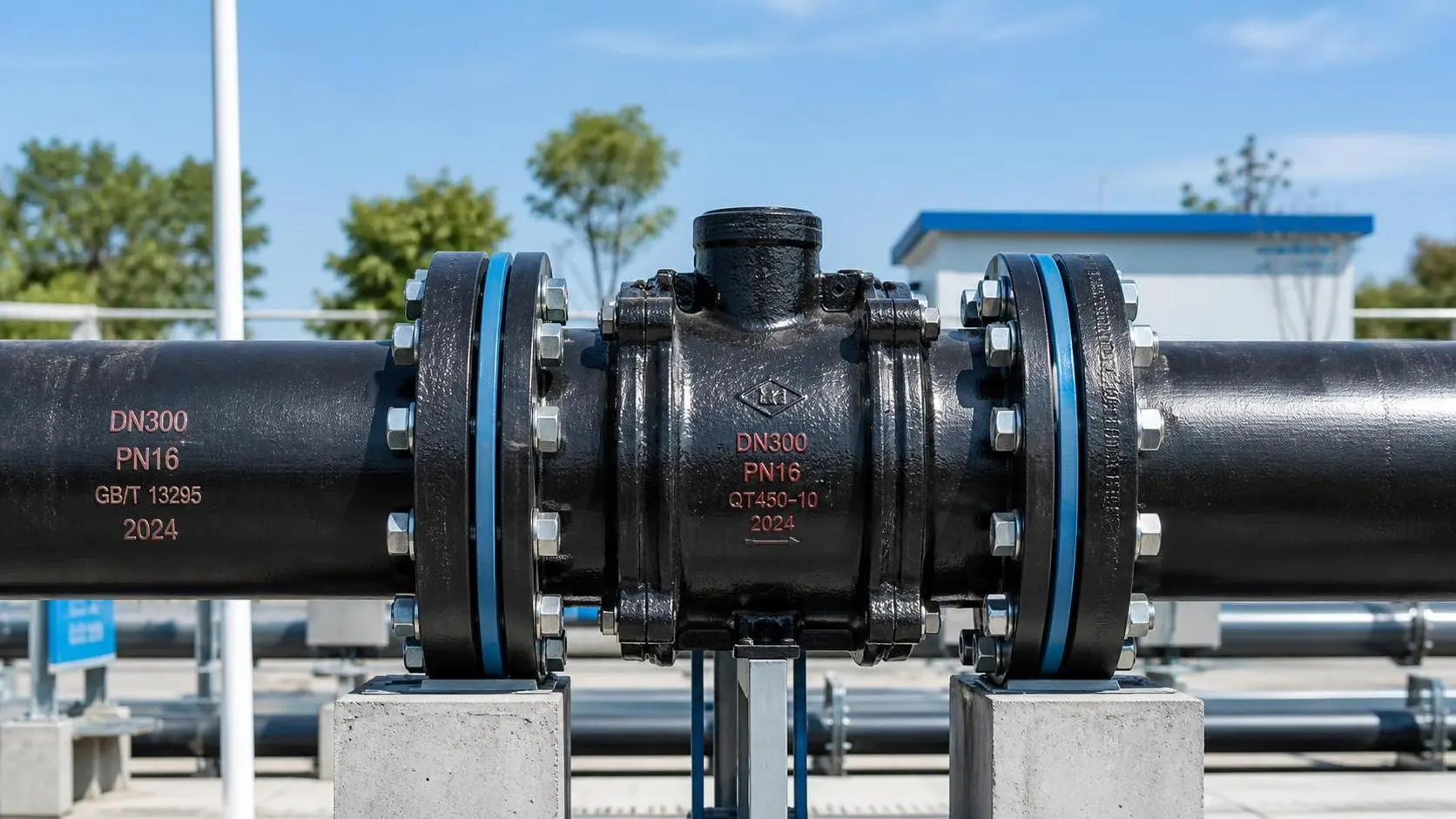
How Pipe Fittings Material and Pressure Class Affect Water Line Selection
Pipe fittings selection starts with material and pressure class. Learn how these factors affect water line reliability, corrosion resistance, installation, and long-term cost.
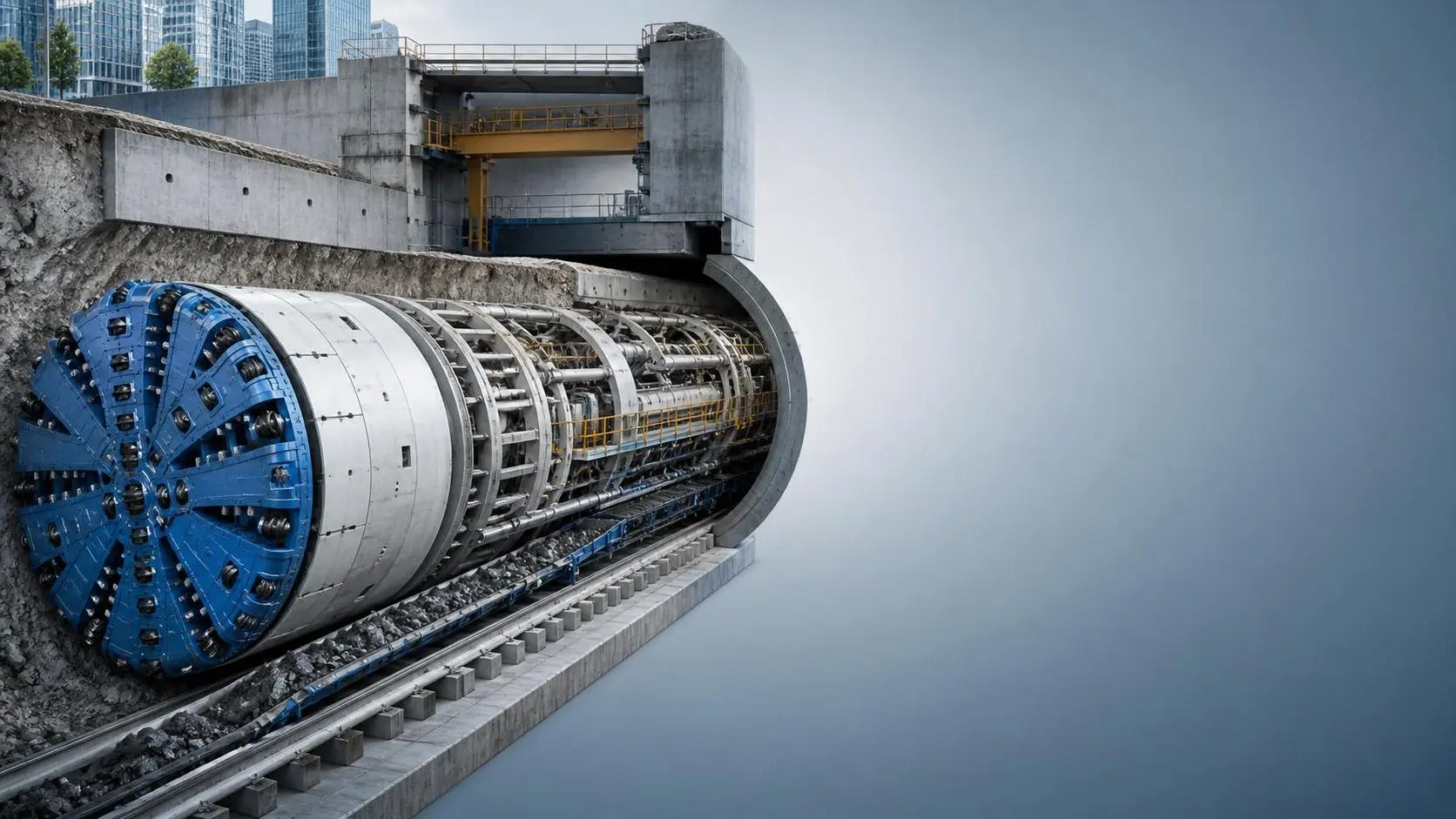
What Drives TBM Excavation Cost in Urban Tunneling Projects?
tbm excavation cost in urban tunneling depends on geology, shafts, segment lining, logistics, and risk. Discover the key cost drivers and compare bids with greater confidence.

What Does Energy Metals Mining in Australia Mean for Supply, Cost, and Project Risk?
Energy metals mining Australia is reshaping supply, cost, and project risk. Discover what it means for buyers, investors, and operators.
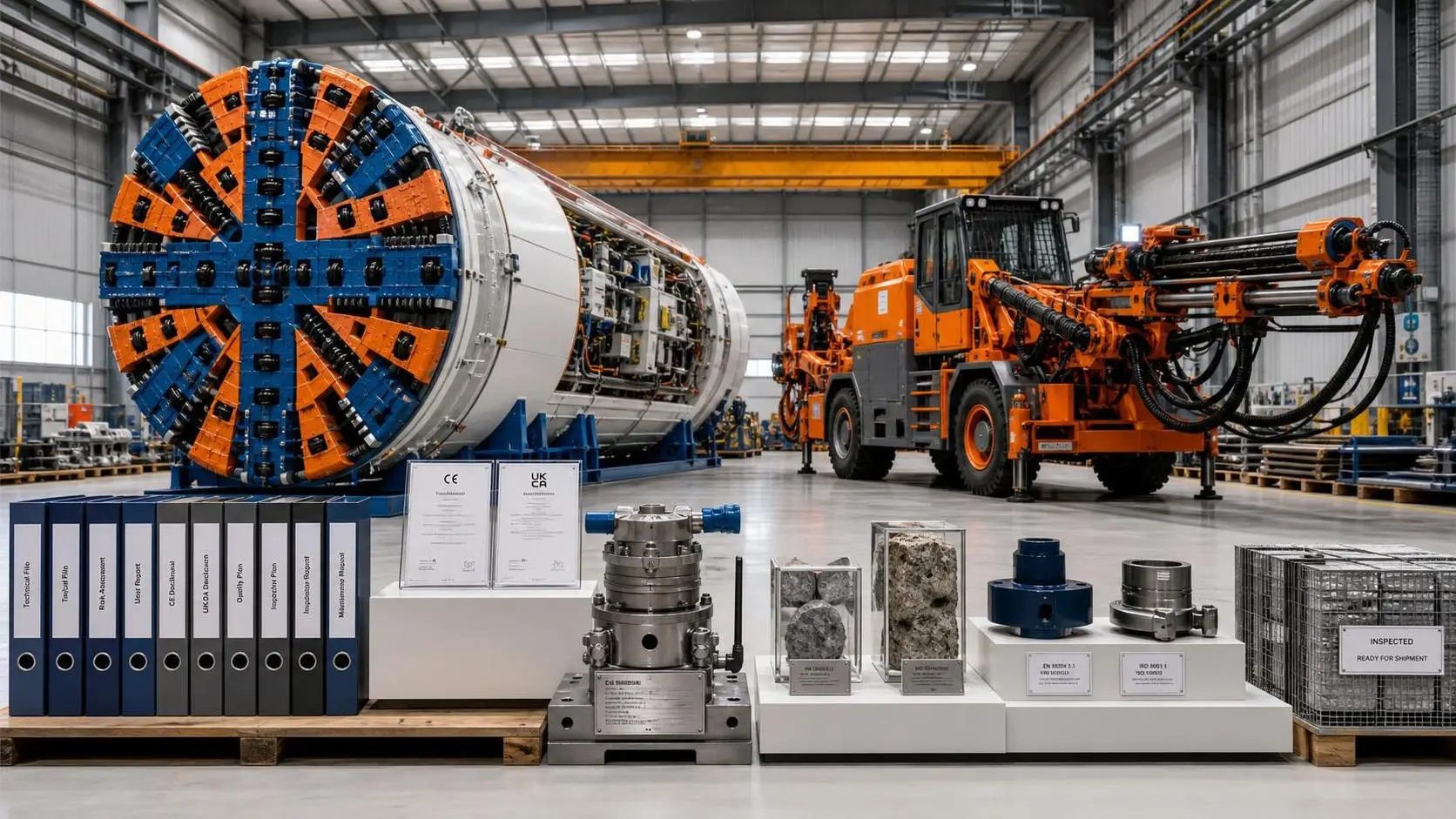
EU Eases Dual CE and UKCA Path for Chinese Tunnel Boring Equipment
EU eases CE and UKCA certification for Chinese tunnel boring equipment, cutting compliance time and helping importers move faster.
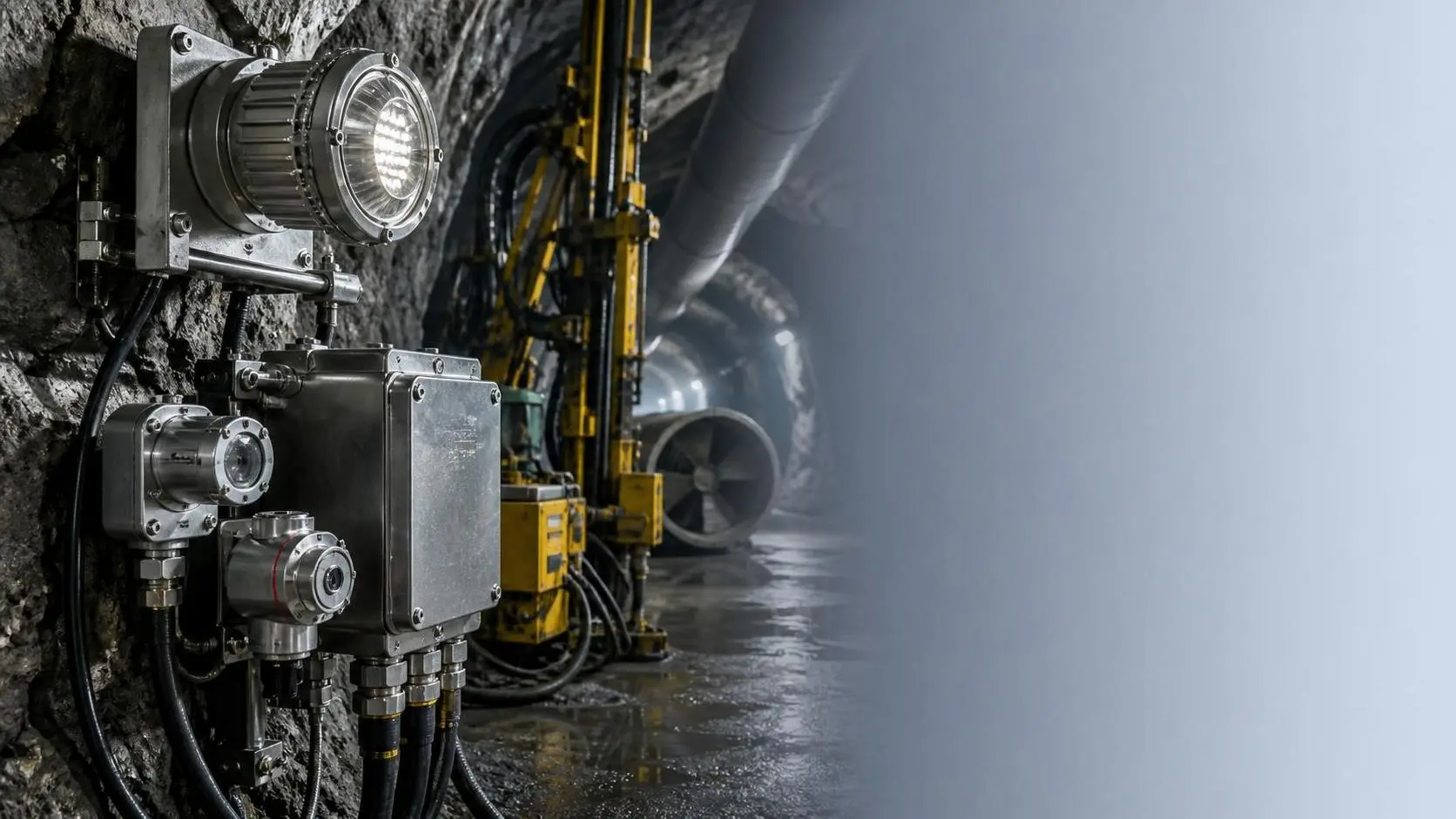
Flameproof Underground Safety Equipment: What Mine Teams Should Check Before Buying
Underground Safety Equipment flameproof buying guide: learn how mine teams should verify certification, durability, serviceability, and supplier support before purchase.
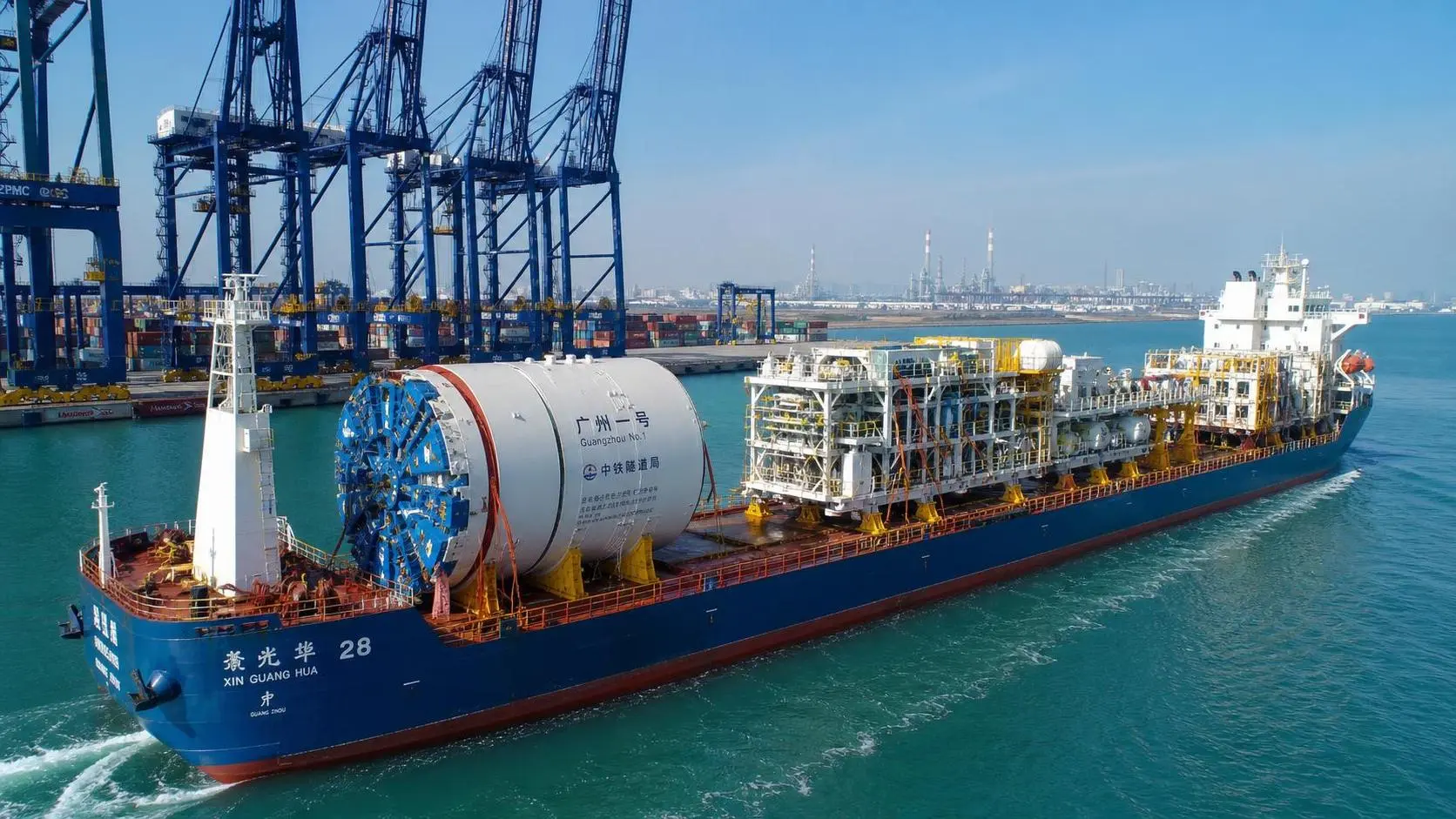
China-UAE Direct Sea Route Cuts TBM and Large Tunneling Equipment Lead Times
China-UAE direct sea route shortens TBM and large tunneling equipment lead times by 12–15 days, improving delivery predictability for major infrastructure projects. Read the full impact.
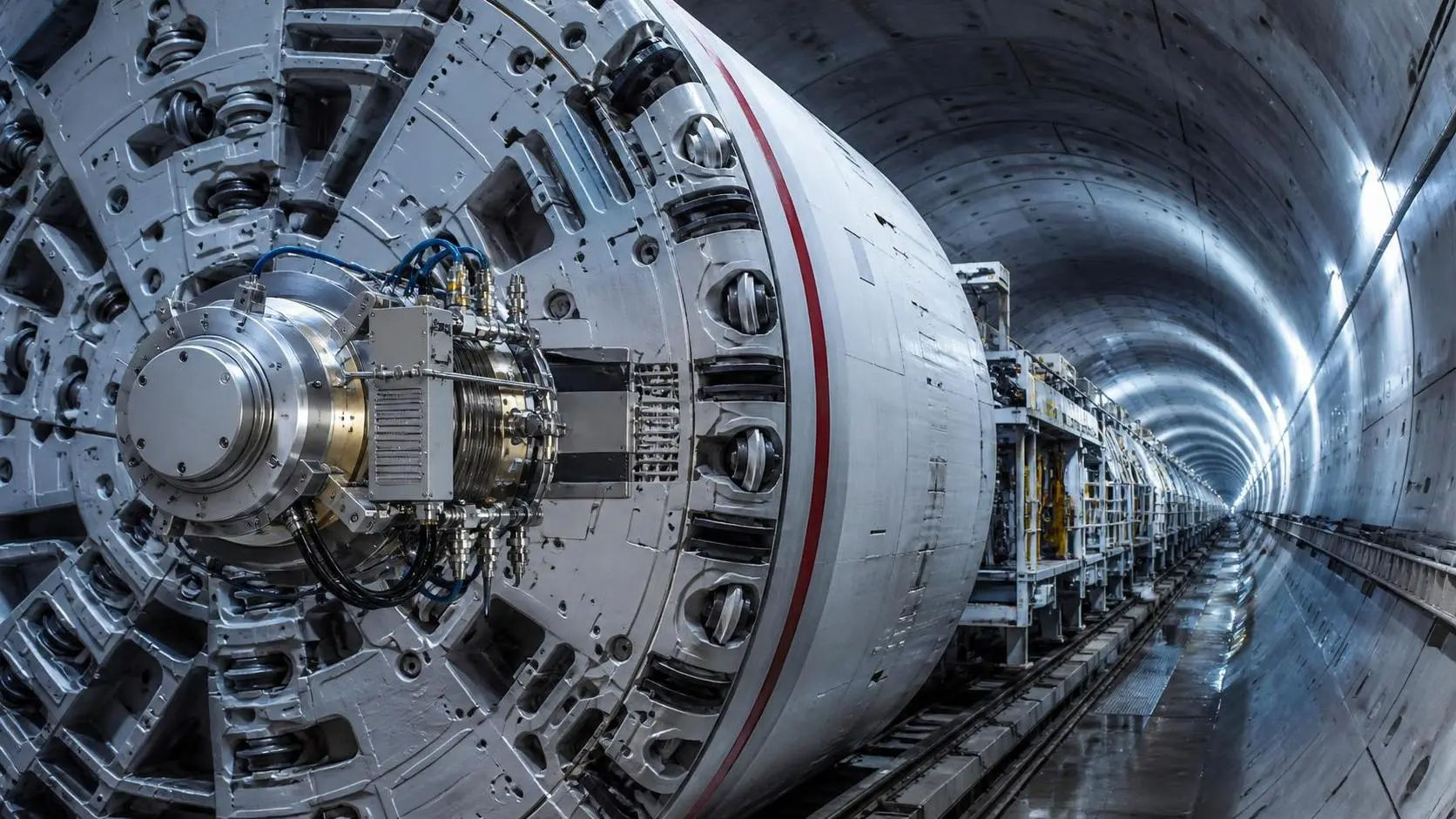
What Is a TBM Guidance System Gyroscope, and Why Does It Matter Underground?
TBM Guidance Systems gyroscope improves underground accuracy, reduces drift, and helps tunnel boring machines stay on line in harsh conditions.

China to Roll Out Nationwide Local and Foreign Currency Cash Pools for Multinationals on Sept. 14
China will roll out nationwide local and foreign currency cash pools for multinationals on Sept. 14, streamlining cross-border treasury management and boosting liquidity efficiency.
Related News
- 00
0000-00
How to Evaluate Articulated Dump Trucks Payload for Haul Road Conditions and Cycle Efficiency - 00
0000-00
How Pipe Fittings Material and Pressure Class Affect Water Line Selection - 00
0000-00
What Drives TBM Excavation Cost in Urban Tunneling Projects? - 00
0000-00
What Does Energy Metals Mining in Australia Mean for Supply, Cost, and Project Risk? - 00
0000-00
EU Eases Dual CE and UKCA Path for Chinese Tunnel Boring Equipment
Weekly Insights
Stay ahead with our curated technology reports delivered every Monday.