
Codelco Tightens Battery LHD Tender Rules





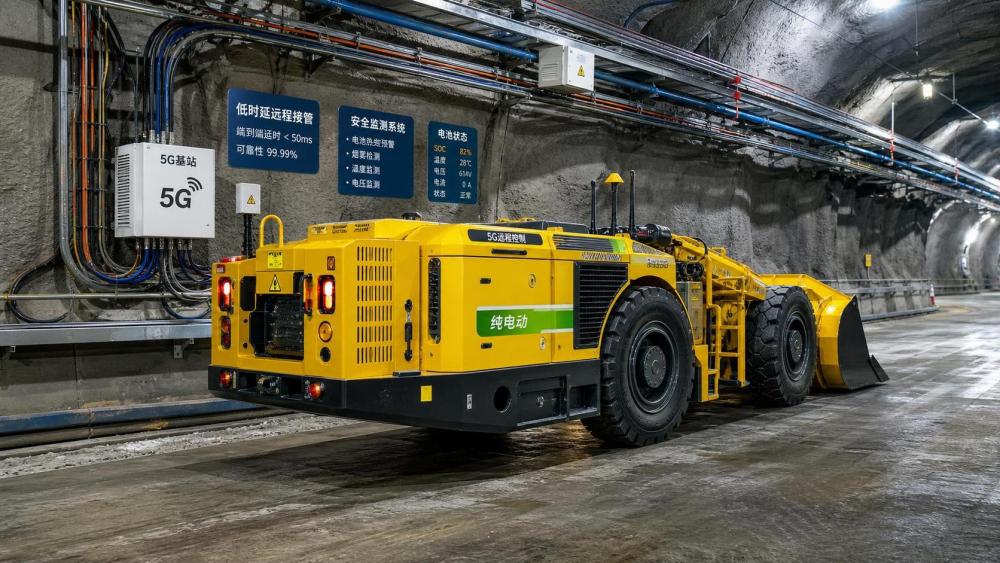
On July 4, 2026, Codelco issued a technical addendum to its global Battery LHDs tender (Ref: CL-BLHD-2027A), turning two functions into mandatory pass-fail requirements: sub-10ms end-to-end remote takeover through a 3GPP Release 17 5G-uRLLC network, and a multimodal battery thermal runaway warning system certified to ISO 6469-3:2025. For mining equipment suppliers, connectivity providers, battery system integrators, and procurement teams, this is worth close attention because the added requirements are not optional scoring items but direct qualification thresholds, while the bid deadline remains August 15, 2026.
What the Addendum Explicitly Changes
The confirmed facts are limited but commercially important. Codelco sent a technical supplement on July 4, 2026 to global suppliers participating in its Battery LHDs tender, reference CL-BLHD-2027A. The supplement adds two mandatory technical requirements.
First, the equipment must support remote takeover over a 3GPP Release 17 standard 5G-uRLLC network with end-to-end latency below 10ms. Second, the equipment must integrate a multimodal battery thermal runaway warning system certified under ISO 6469-3:2025. The notice also states that bidders failing to meet these requirements will be rejected directly. The tender closing date remains August 15, 2026.
Where the Pressure Lands Across the Supply Chain
Equipment manufacturers face a narrower compliance window
From an industry perspective, OEMs and system assemblers are the first group affected because the new conditions now sit at the qualification gate. The main pressure point is no longer only product performance in general terms, but documented capability around ultra-low-latency remote takeover and certified battery safety warning integration. What deserves closer attention is whether existing Battery LHD configurations already align with these thresholds or require redesign, retesting, or documentation updates before bid submission.
Connectivity and control system providers move closer to the core offer
Suppliers involved in remote operation architecture, communications modules, and control interfaces may also be affected because the addendum specifies a 3GPP Release 17 5G-uRLLC path and a measurable latency target. Analysis shows this shifts connectivity from a supporting feature to a bid-critical component. For these providers, the relevant business links include technical validation, interface compatibility, and proof that the remote takeover chain can satisfy the stated requirement in an integrated tender response.
Battery and safety subsystem partners face higher documentation demands
For battery pack suppliers, safety electronics providers, and warning system integrators, the impact is likely to center on certification status and system integration evidence. The addendum does not merely call for a warning function; it requires a multimodal battery thermal runaway warning system certified to ISO 6469-3:2025. That means affected companies need to pay attention to whether their current product package, certification documents, and integration scope clearly meet the tender language.
Procurement and bid management teams must treat this as a knockout condition
For procurement departments, tender managers, and commercial teams, the direct effect is procedural as much as technical. Because non-compliance leads to direct disqualification, the key business stage is bid qualification review rather than later-stage commercial negotiation. Observably, teams involved in supplier selection, consortium formation, and bid submission need to verify technical completeness early, especially where multiple subcontractors contribute to the final offer.
What Companies Should Check Before August 15
Confirm whether current specifications satisfy the exact tender wording
Companies preparing bids should first compare their existing Battery LHD configuration against the two newly mandatory items as written in the addendum. The practical issue is not broad alignment with digital mining or battery safety trends, but whether the submitted offer can demonstrate support for both the sub-10ms remote takeover requirement and the ISO 6469-3:2025-certified warning system requirement in the form expected by the buyer.
Review certification and evidence readiness, not just engineering intent
Analysis shows documentation risk may be as important as engineering capability. Suppliers should pay close attention to whether certification status, test evidence, subsystem descriptions, and compliance statements are already available and consistent across the bid package. Where capabilities exist but formal proof is incomplete, the risk is that the offer may still fail the qualification threshold.
Coordinate earlier with communications and battery subsystem partners
Where the final bid depends on external partners for connectivity, remote control systems, battery packs, or safety monitoring, coordination timing becomes a practical issue. What deserves closer attention is whether each partner can support the prime bidder with technical parameters, compliance materials, and interface clarity within the unchanged tender timeline.
Watch for any further official clarifications without assuming flexibility
Because the current addendum states direct rejection for non-compliance, companies should treat the present wording as binding unless later official language changes it. Observably, the distinction between a policy signal and a formal procurement requirement matters here: this is already embedded in tender conditions, so bidders should avoid assuming that equivalent but differently framed solutions will necessarily be accepted.
Why This Reads as More Than a Routine Specification Update
Analysis shows this development is better understood as a concrete procurement signal rather than a general technology preference. The combination of a quantified 5G-uRLLC remote takeover threshold and a named ISO battery safety certification requirement suggests that communications performance and battery risk warning are being treated as baseline eligibility conditions in this tender context.
At the same time, it is more appropriate to understand this as a case-specific but meaningful market signal, not yet a confirmed industry-wide rule. The information provided does not establish that all comparable tenders will adopt the same thresholds. However, industry participants may reasonably read this addendum as an indication that procurement language around electrified underground equipment can become more explicit, measurable, and certification-driven.
How the Market Should Read It for Now
The immediate significance of this update lies in its procurement effect: suppliers that cannot document both functions face direct exclusion from this bid. Beyond the tender itself, the notice is relevant because it links remote operation performance and battery safety warning to formal entry requirements rather than optional product differentiation.
From a neutral industry reading, this is best understood as a near-term operational change for bidders and a longer-term signal worth monitoring for equipment, communications, and safety-related suppliers. It does not by itself prove a broader market shift, but it clearly raises the standard of what some buyers may ask suppliers to evidence in future Battery LHD procurements.
Basis of This Article and What Still Needs Verification
This article is based on the user-provided news title, event date, and event summary concerning Codelco's Battery LHDs tender technical addendum dated July 4, 2026. Typical source categories for this type of development may include official tender notices, company procurement announcements, industry association information, authoritative media reporting, and relevant standard organization documents.
No specific official source link was provided in the input, so the underlying tender document, exact addendum text, and any subsequent clarification still require ongoing verification. The main points to continue watching are whether Codelco issues further explanatory language before the August 15, 2026 deadline, and whether similar mandatory wording appears in later procurement documents tied to battery-powered underground equipment.
Related News

How to Evaluate Articulated Dump Trucks Payload for Haul Road Conditions and Cycle Efficiency
Articulated Dump Trucks payload evaluation starts with real haul road conditions, not brochure numbers. Learn how to balance payload, traction, grades, and cycle efficiency for safer, higher output.
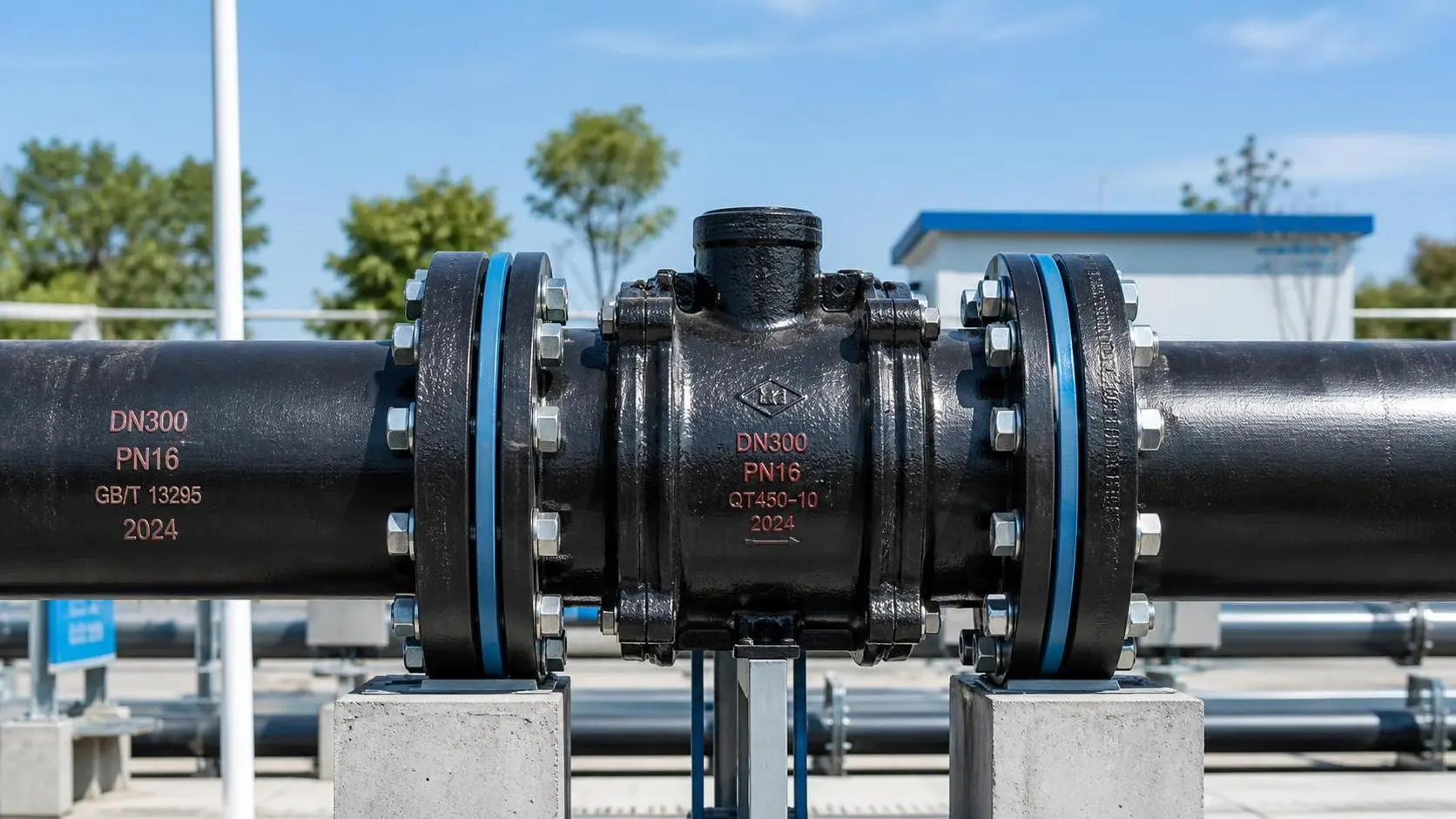
How Pipe Fittings Material and Pressure Class Affect Water Line Selection
Pipe fittings selection starts with material and pressure class. Learn how these factors affect water line reliability, corrosion resistance, installation, and long-term cost.
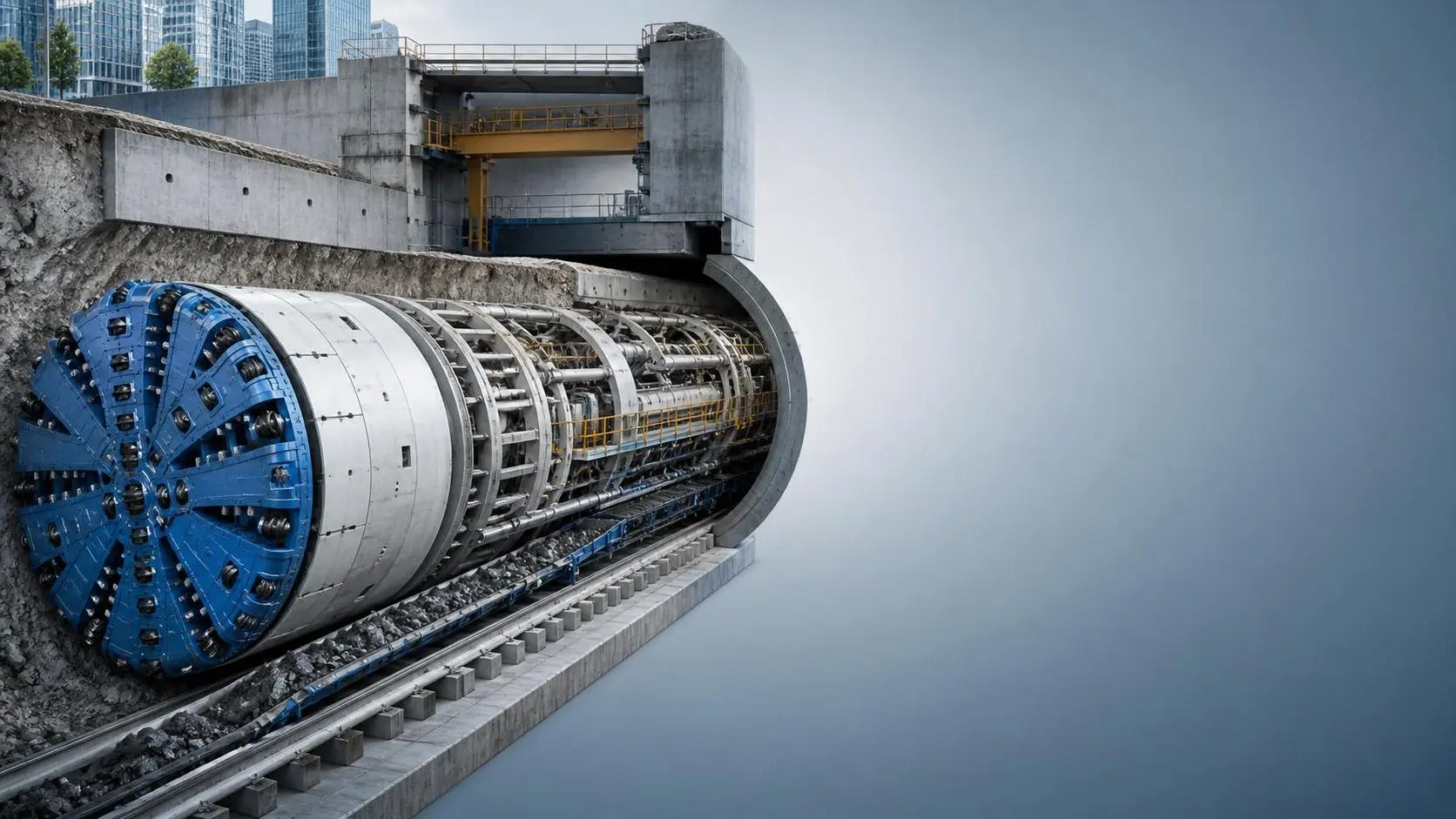
What Drives TBM Excavation Cost in Urban Tunneling Projects?
tbm excavation cost in urban tunneling depends on geology, shafts, segment lining, logistics, and risk. Discover the key cost drivers and compare bids with greater confidence.

What Does Energy Metals Mining in Australia Mean for Supply, Cost, and Project Risk?
Energy metals mining Australia is reshaping supply, cost, and project risk. Discover what it means for buyers, investors, and operators.

EU Eases Dual CE and UKCA Path for Chinese Tunnel Boring Equipment
EU eases CE and UKCA certification for Chinese tunnel boring equipment, cutting compliance time and helping importers move faster.

Flameproof Underground Safety Equipment: What Mine Teams Should Check Before Buying
Underground Safety Equipment flameproof buying guide: learn how mine teams should verify certification, durability, serviceability, and supplier support before purchase.
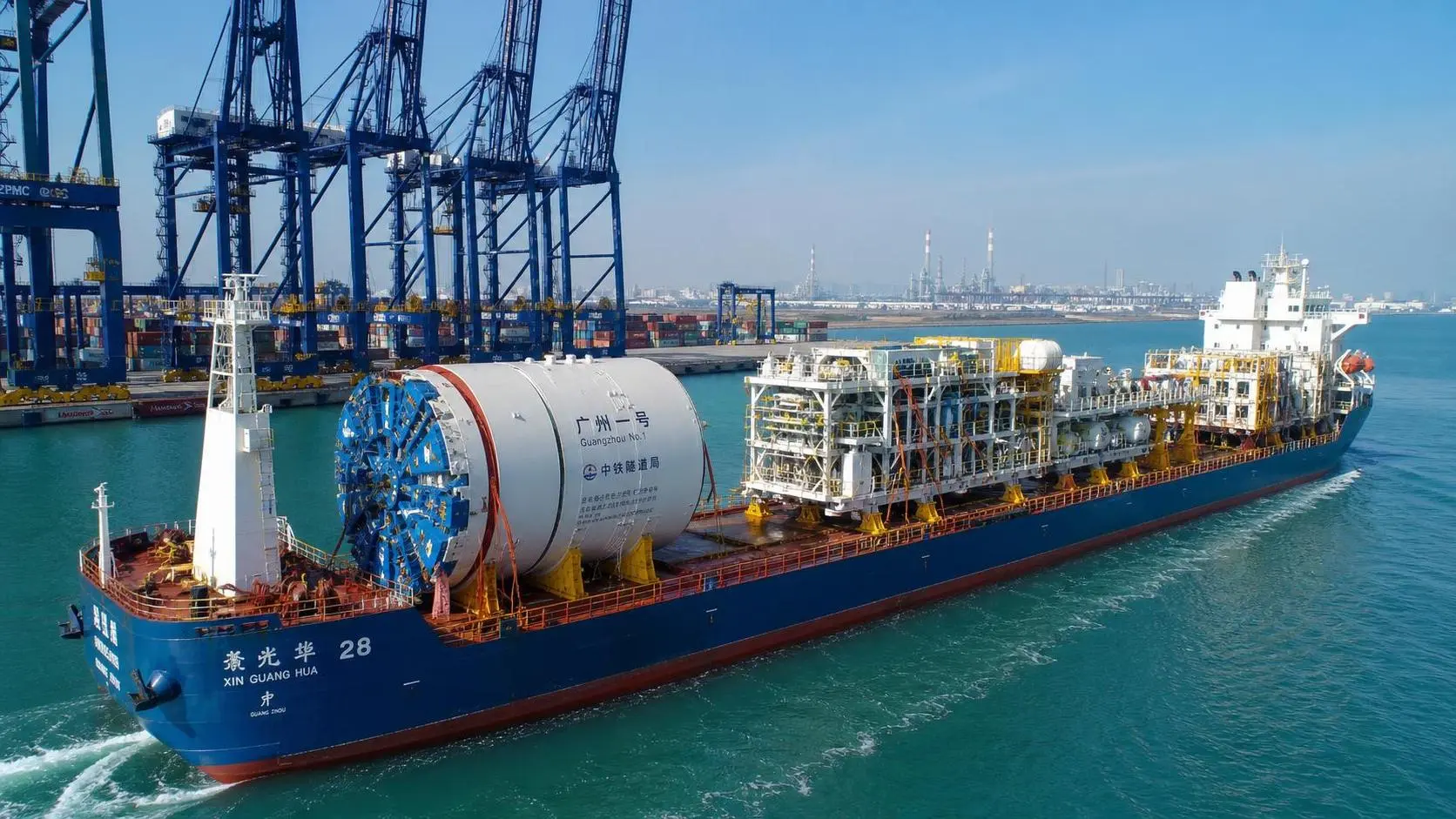
China-UAE Direct Sea Route Cuts TBM and Large Tunneling Equipment Lead Times
China-UAE direct sea route shortens TBM and large tunneling equipment lead times by 12–15 days, improving delivery predictability for major infrastructure projects. Read the full impact.

What Is a TBM Guidance System Gyroscope, and Why Does It Matter Underground?
TBM Guidance Systems gyroscope improves underground accuracy, reduces drift, and helps tunnel boring machines stay on line in harsh conditions.

China to Roll Out Nationwide Local and Foreign Currency Cash Pools for Multinationals on Sept. 14
China will roll out nationwide local and foreign currency cash pools for multinationals on Sept. 14, streamlining cross-border treasury management and boosting liquidity efficiency.
Related News
- 00
0000-00
How to Evaluate Articulated Dump Trucks Payload for Haul Road Conditions and Cycle Efficiency - 00
0000-00
How Pipe Fittings Material and Pressure Class Affect Water Line Selection - 00
0000-00
What Drives TBM Excavation Cost in Urban Tunneling Projects? - 00
0000-00
What Does Energy Metals Mining in Australia Mean for Supply, Cost, and Project Risk? - 00
0000-00
EU Eases Dual CE and UKCA Path for Chinese Tunnel Boring Equipment
Weekly Insights
Stay ahead with our curated technology reports delivered every Monday.