
Codelco Tender Sets Q1 2027 Delivery Bar for Battery LHDs





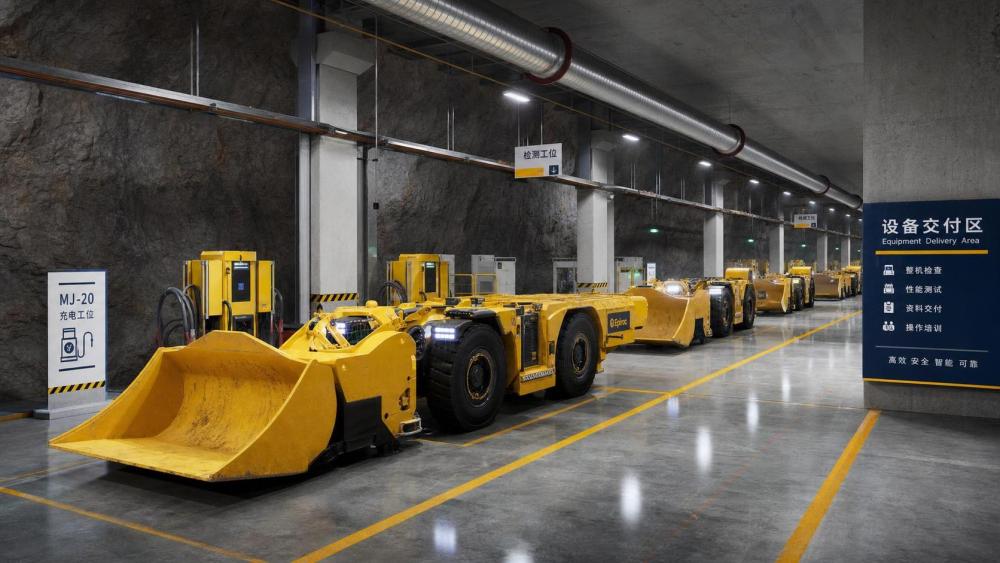
On July 3, 2026, Codelco issued a global tender for Battery LHDs that does more than open a procurement process: it signals a clear execution requirement around delivery timing, explosion-protection compliance, and battery data transparency. For equipment manufacturers, component suppliers, certification-related service providers, and export-facing delivery teams, the tender is notable because the Q1 2027 on-site delivery and acceptance deadline, the IEC 60079-0/-15 requirement, and the battery health monitoring interface condition all appear as concrete entry requirements rather than optional technical preferences.
What the tender formally requires
According to the information provided, Codelco published global tender notice Ref: CL-LHD-2027A on July 3, 2026. The tender covers 42 Battery LHDs with rated payloads above 12 tonnes. The tender requires that all equipment complete on-site delivery and acceptance within the first quarter of 2027. It also states that the equipment must comply with IEC 60079-0/-15 explosion-protection standards and must provide a full-lifecycle battery health monitoring interface. The bid submission deadline is August 15, 2026.
Why the requirements matter across the supply chain
For OEMs, compliance is part of market access
From an industry perspective, the tender conditions matter first for equipment manufacturers because technical eligibility is tied directly to compliance and delivery readiness. The stated IEC 60079-0/-15 requirement means bidders need to align product specifications, supporting technical files, and certification-related evidence with the tender language. The battery health monitoring interface requirement also shifts attention beyond basic machine performance toward lifecycle data capability, which may affect technical bid preparation, system integration, and after-delivery support planning.
For export and project delivery teams, schedule risk becomes a commercial issue
Analysis shows the Q1 2027 on-site delivery and acceptance condition is likely to affect export planning, contract scheduling, and project execution sequencing. The requirement is framed around completed field delivery and acceptance rather than shipment alone, so firms involved in overseas fulfillment, documentation, commissioning coordination, and handover support need to treat schedule control as a bid-stage issue. What deserves closer attention is whether internal planning, supplier lead times, and acceptance preparation can support the stated deadline.
For certification and testing-related providers, documentation quality may become decisive
Observably, certification-related firms and testing support providers may be affected because compliance here is not presented as a general statement but as an explicit tender condition. That raises the importance of document consistency, standards interpretation, and technical evidence preparation in the bidding process. For participating companies, the practical issue is not only whether a product is designed to meet the stated standards, but whether the supporting records, reports, and interfaces can be presented in a procurement-ready form within the tender timetable.
Where companies should focus now
Check the standards language against bid documentation
Companies considering participation should review whether their technical documentation clearly supports compliance with IEC 60079-0/-15 as stated in the tender. If the available materials are incomplete, inconsistent, or not aligned with the tender wording, that can become a procurement barrier regardless of broader product capability.
Treat the battery interface requirement as a deliverable, not a feature list item
The requirement for a full-lifecycle battery health monitoring interface deserves close review in technical and commercial preparation. Firms should pay attention to how this interface is described in bid documents, what supporting materials are expected, and whether the interface can be demonstrated, documented, and supported through the delivery and acceptance process. The input information does not provide further execution detail, so this point remains one to verify carefully in the tender file and any subsequent clarifications.
Plan backward from on-site acceptance, not factory completion
What deserves closer attention is the phrasing around completion of on-site delivery and acceptance in Q1 2027. For bidders, that shifts planning from manufacturing completion alone to a broader chain that may include export preparation, site delivery coordination, acceptance readiness, and post-arrival support. The information provided does not define the acceptance procedure, so companies should monitor whether later procurement documents or official clarifications provide more specific execution criteria.
Watch for updates before the August 15 bid deadline
Because the submission deadline is August 15, 2026, the period between notice publication and bid closing is commercially significant. Analysis shows this is the window in which bidders need to verify document requirements, technical alignment, compliance positioning, and delivery feasibility. It is more appropriate to understand this stage as an active compliance and procurement review period rather than a routine sales response cycle.
How this signal should be read
Analysis shows this tender is better understood as an execution signal within procurement rules than as a broad policy change announcement. The immediate significance lies in the fact that compliance with IEC 60079-0/-15, battery health monitoring capability, and a fixed Q1 2027 delivery-and-acceptance timeline are being presented together in a live purchasing requirement. Observably, that combination can shape how suppliers define bid readiness, how service providers support documentation, and how export-facing teams assess delivery exposure. At the same time, it would be premature to treat this as a fully generalized market rule beyond the scope of the tender itself, because the input only confirms the contents of this specific notice.
What the market can reasonably take from it
The industry significance of this development lies less in the tender volume alone than in the way compliance, digital battery oversight, and delivery timing are combined as practical entry conditions. From an industry perspective, it is more appropriate to understand this notice as a concrete procurement benchmark and a near-term execution signal. Whether it develops into a broader reference point for future buying behavior still requires continued observation of tender implementation, bidder responses, and any later clarifications tied to compliance or acceptance.
Basis of this article and points still to verify
This article is based on the user-provided news title, event date, and event summary. For developments of this kind, commonly relevant source types may include official procurement notices, regulator releases, trade authority information, industry association materials, standards organization documents, and reporting by authoritative industry media. No specific official source link was provided in the input, so the precise official publication path still needs ongoing verification. Further observation is also needed regarding any later clarification of tender wording, compliance interpretation, documentation expectations, acceptance criteria, and market feedback from participating companies.
Related News
What Drives TBM Excavation Cost in Urban Tunneling Projects?
tbm excavation cost in urban tunneling depends on geology, shafts, segment lining, logistics, and risk. Discover the key cost drivers and compare bids with greater confidence.

What Does Energy Metals Mining in Australia Mean for Supply, Cost, and Project Risk?
Energy metals mining Australia is reshaping supply, cost, and project risk. Discover what it means for buyers, investors, and operators.
EU Eases Dual CE and UKCA Path for Chinese Tunnel Boring Equipment
EU eases CE and UKCA certification for Chinese tunnel boring equipment, cutting compliance time and helping importers move faster.
Flameproof Underground Safety Equipment: What Mine Teams Should Check Before Buying
Underground Safety Equipment flameproof buying guide: learn how mine teams should verify certification, durability, serviceability, and supplier support before purchase.
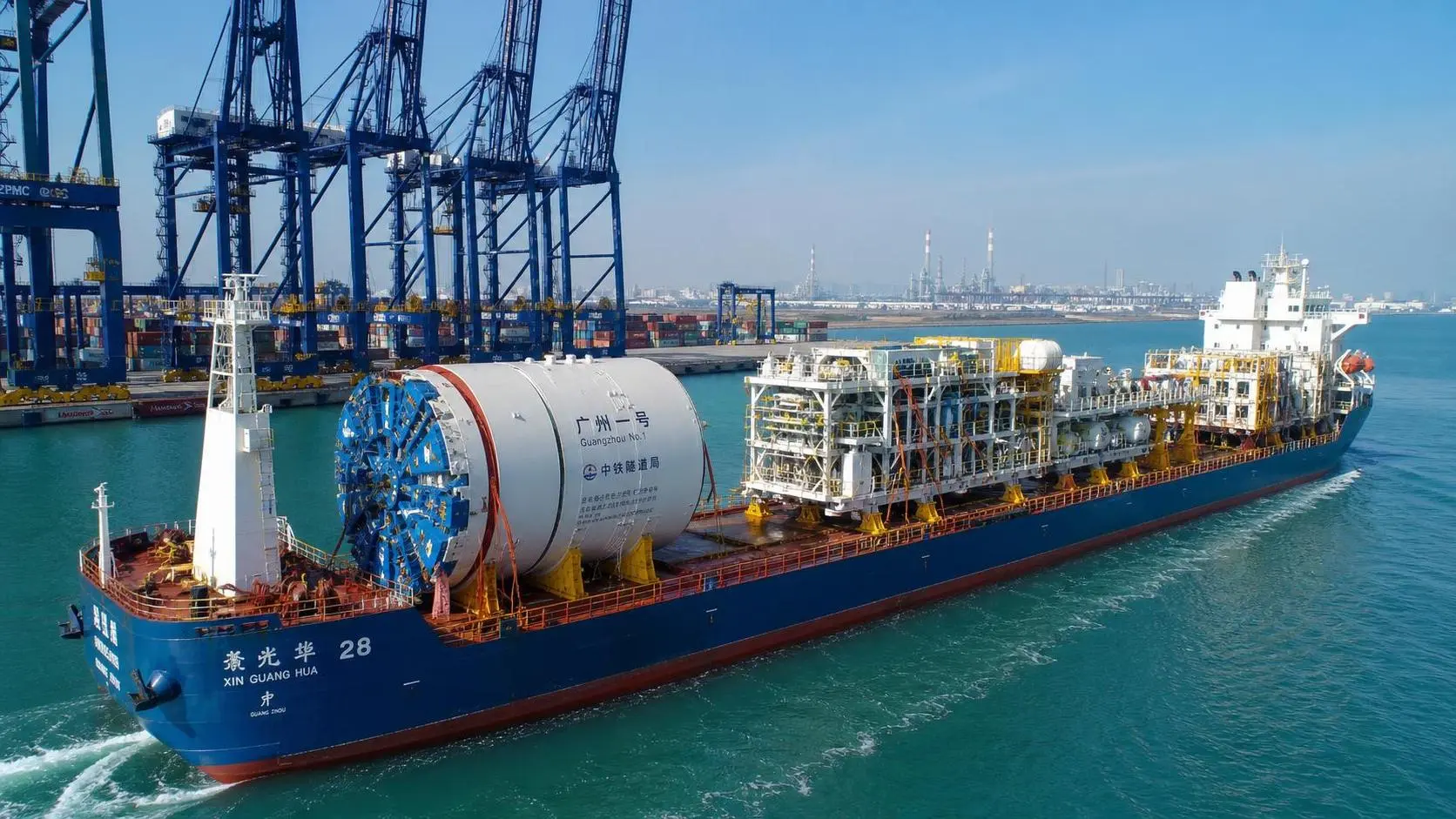
China-UAE Direct Sea Route Cuts TBM and Large Tunneling Equipment Lead Times
China-UAE direct sea route shortens TBM and large tunneling equipment lead times by 12–15 days, improving delivery predictability for major infrastructure projects. Read the full impact.
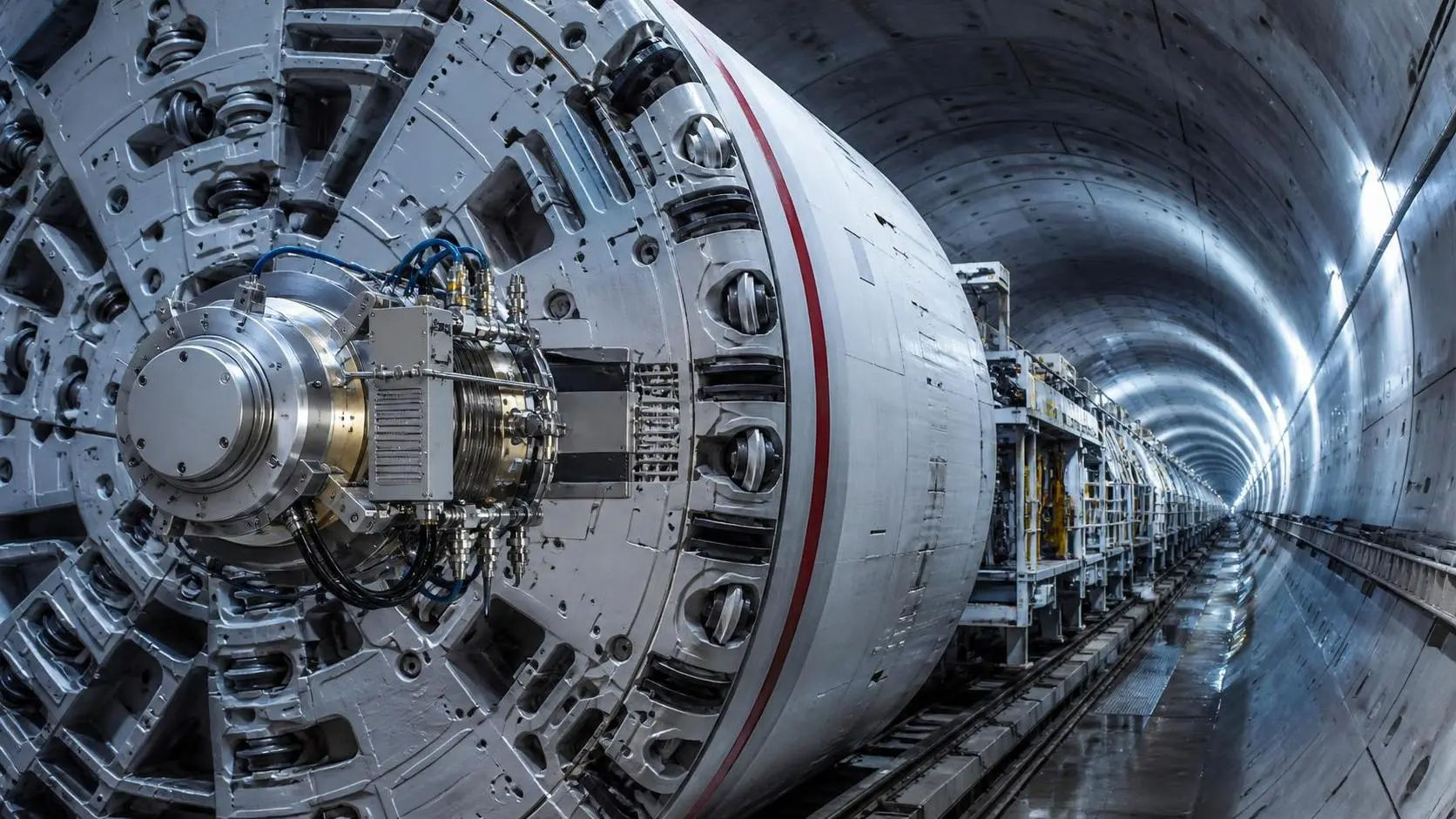
What Is a TBM Guidance System Gyroscope, and Why Does It Matter Underground?
TBM Guidance Systems gyroscope improves underground accuracy, reduces drift, and helps tunnel boring machines stay on line in harsh conditions.

China to Roll Out Nationwide Local and Foreign Currency Cash Pools for Multinationals on Sept. 14
China will roll out nationwide local and foreign currency cash pools for multinationals on Sept. 14, streamlining cross-border treasury management and boosting liquidity efficiency.
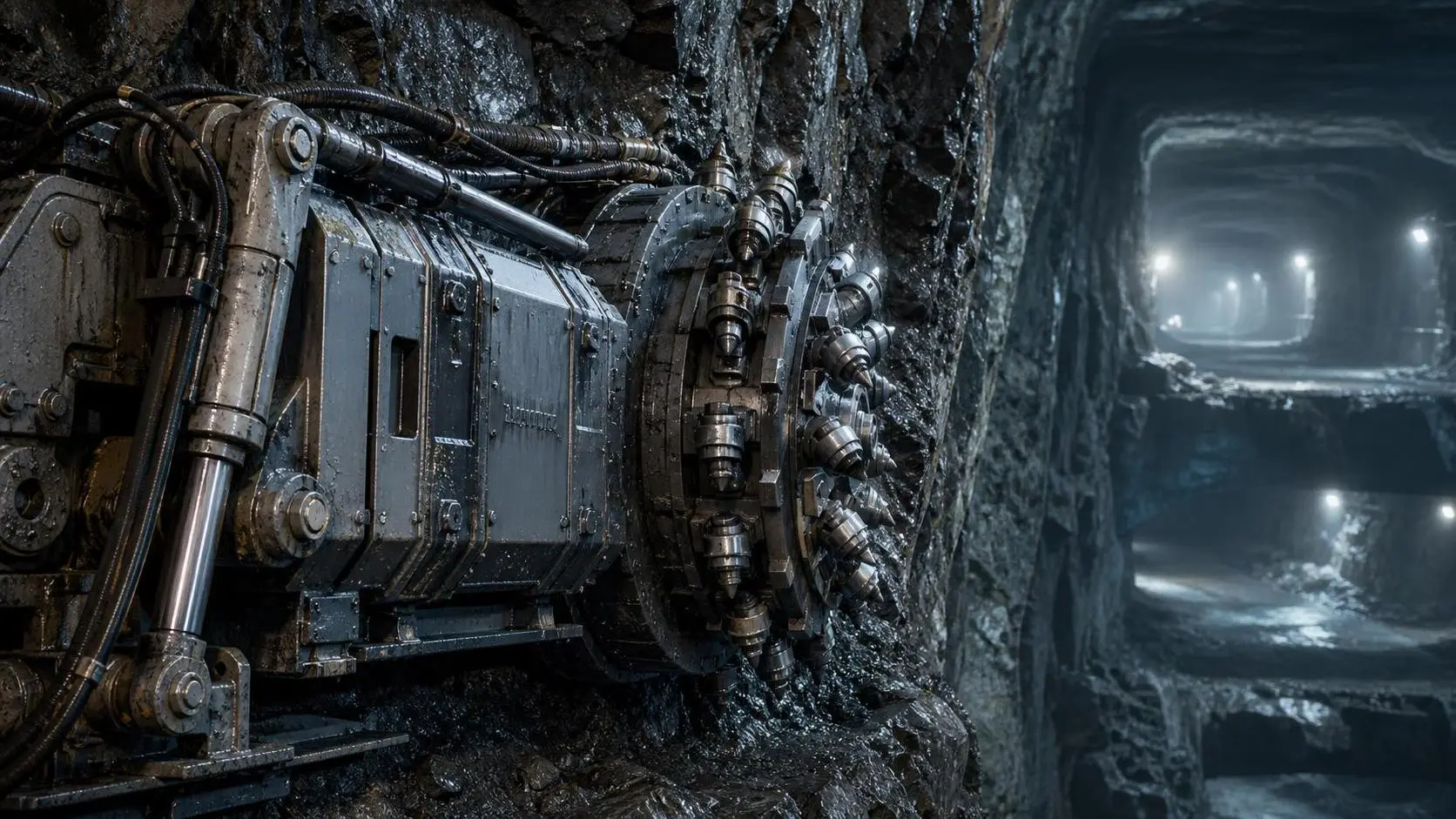
How to Choose a Reliable Underground Mining Equipment Supplier for Harsh Site Conditions
Find a reliable underground mining equipment supplier for harsh site conditions with rugged, maintainable solutions that boost uptime, reduce risk, and support long-term production.
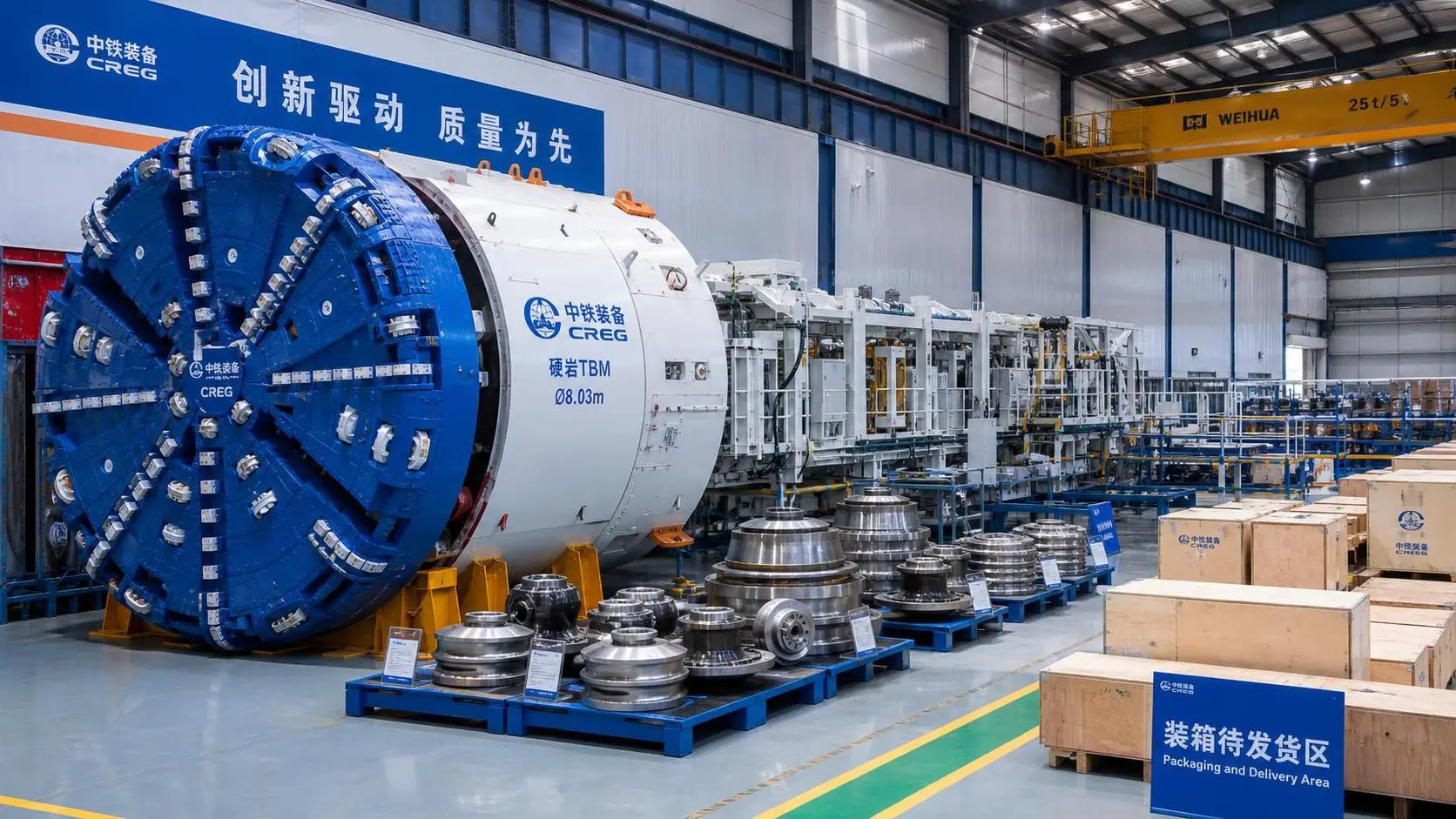
China Customs Tightens TBM Export Checks from Aug. 16
China Customs tightens TBM export checks from Aug. 16, 2026. Learn how new mandatory inspections may affect tunnelling equipment shipments, compliance, and delivery plans.
Related News
- 00
0000-00
What Drives TBM Excavation Cost in Urban Tunneling Projects? - 00
0000-00
What Does Energy Metals Mining in Australia Mean for Supply, Cost, and Project Risk? - 00
0000-00
EU Eases Dual CE and UKCA Path for Chinese Tunnel Boring Equipment - 00
0000-00
Flameproof Underground Safety Equipment: What Mine Teams Should Check Before Buying - 00
0000-00
China-UAE Direct Sea Route Cuts TBM and Large Tunneling Equipment Lead Times
Weekly Insights
Stay ahead with our curated technology reports delivered every Monday.