How to Choose a Battery Underground LHD Loader for Low-Ventilation Mines





Choosing a battery underground LHD loader for a low-ventilation mine now sits at the intersection of production planning, emissions control, and capital discipline. In practical terms, the machine must move ore efficiently without adding diesel heat, exhaust, and ventilation burden. That makes the selection process less about headline battery capacity alone, and more about matching duty cycle, mine geometry, charging strategy, and long-term operating stability.
Why low-ventilation mines are changing loader decisions
Low-ventilation operations impose a hard limit on equipment choices. Every heat source, exhaust stream, and unplanned stop has a cost underground.
A battery underground LHD loader reduces diesel particulates and helps cut ventilation demand. That can support both ESG targets and day-to-day operating economics.
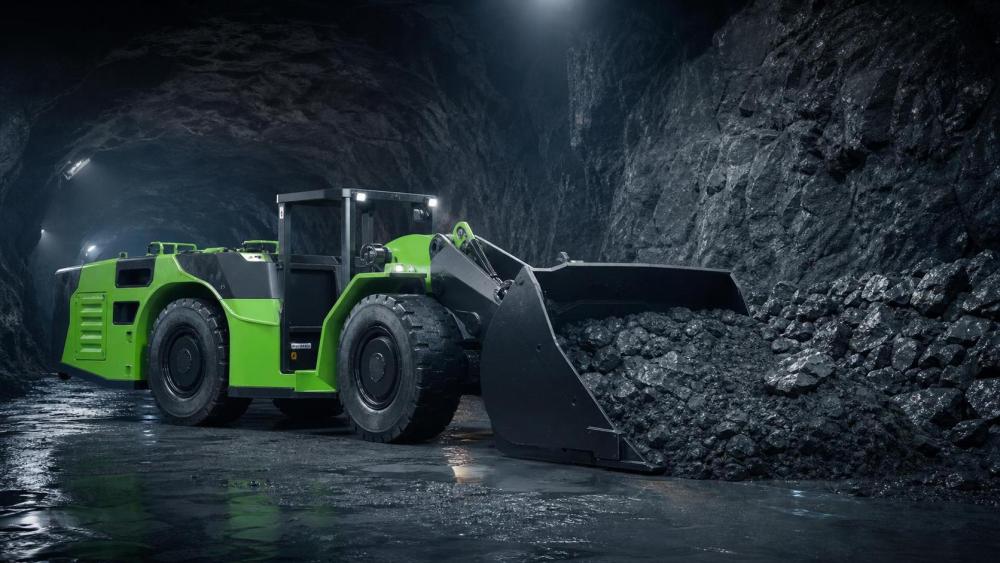
This is one reason electrified underground haulage has become a strategic topic across mining and tunnelling intelligence platforms such as UTMD, where zero-emission performance and automation are increasingly linked.
The attention is not only environmental. In confined headings and narrow drifts, a well-matched battery underground LHD loader can improve operator conditions, reduce thermal load, and simplify compliance planning.
What a battery underground LHD loader must do underground
An LHD loader is expected to load, haul, and dump continuously in restricted spaces. Battery power changes the energy source, but not the production expectations.
That means the right battery underground LHD loader should be judged by shift performance, ramp behavior, bucket-fill efficiency, traction, and reliability in wet, abrasive conditions.
Some models are optimized for short, repetitive tram cycles. Others fit deeper ramps, larger drawpoints, or mixed production and development environments.
The mistake is to treat all electric loaders as equivalent. In reality, battery chemistry, thermal management, power delivery, and charging design can create major differences in uptime.
Start with the mine, not the brochure
The first screening step is site fit. A battery underground LHD loader should be selected around actual mine constraints rather than catalog specifications.
Key operating factors
- Drift width, height, and turning radius
- Average haul distance and ramp gradient
- Bucket payload target and rock density
- Shift length, idle time, and queue time
- Ambient temperature and water exposure
- Availability of charging bays or swap stations
These variables shape whether a machine will complete a full cycle plan or create operational bottlenecks. A nominal range figure is rarely enough.
For example, a loader on a short flat route may need fast loading hydraulics more than maximum battery size. A loader on long uphill trams needs stronger sustained power and energy recovery logic.
The buying criteria that matter most
Selection usually becomes clearer when technical details are translated into operational questions. The table below captures the most useful view.
This framework also reflects the wider direction seen across smart underground transport systems. Electrification is increasingly evaluated together with data visibility and automation compatibility.
Battery architecture changes the business case
Not every battery underground LHD loader uses energy the same way. Charging strategy often decides whether the machine fits the mine.
Fast charging
Fast charging can work well where planned pauses already exist. It reduces extra battery inventory but depends on reliable underground power infrastructure.
Battery swapping
Swapping supports high utilization in demanding production zones. It can shorten turnaround time, though it adds handling systems, spare packs, and battery logistics.
Opportunity charging
Opportunity charging suits mines with dispersed waiting periods. It requires disciplined traffic planning and good charger placement.
In each case, the battery underground LHD loader should be assessed together with the site energy model. Machine price alone does not reveal the real ownership profile.
Safety, ventilation, and ESG are now connected
A low-ventilation mine does not buy electric equipment only to lower emissions figures. The stronger value often comes from a safer and more manageable underground environment.
A battery underground LHD loader can help reduce diesel particulate exposure, noise, and heat. That supports better working conditions in headings where ventilation flexibility is limited.
The ESG dimension matters as well. Across new mining investment and equipment replacement cycles, electrified fleets are increasingly tied to financing, permitting, and corporate decarbonization commitments.
This is consistent with UTMD’s view of underground equipment evolution: reliability, electrification, autonomy, and digitalization are no longer separate themes.
Where buyers often misjudge value
The most common error is overvaluing advertised battery size while underestimating cycle inefficiencies. Bigger packs do not automatically mean better productivity.
Another issue is ignoring infrastructure readiness. A battery underground LHD loader performs only as well as the charging layout, cable routing, power stability, and battery handling plan around it.
Support access is also decisive. Underground electric fleets need software diagnostics, trained service teams, and spare-part availability that match the mine’s operating tempo.
- Check derating behavior under heat and long gradients
- Review real payload data, not theoretical maximums
- Ask for battery replacement intervals and warranty terms
- Confirm compatibility with remote operation plans
- Model ventilation savings against infrastructure spending
A practical way to compare options
A useful comparison process starts with three numbers: target tons per shift, average haul distance, and allowable downtime. Those figures narrow the shortlist quickly.
Then compare each battery underground LHD loader against a site-specific matrix covering machine size, battery strategy, thermal resilience, service coverage, and digital reporting.
Field validation matters. Trial data from similar rock conditions, gradients, and ambient temperatures often reveals more than polished specification sheets.
For operations planning future automation, preference should go to models already prepared for tele-remote control, fleet monitoring, and underground positioning integration.
What to do next
The best battery underground LHD loader for a low-ventilation mine is the one that fits the full operating system underground, not just the equipment line item.
Start by mapping haul cycles, ventilation limits, power access, and service expectations. Then compare shortlisted machines using measurable shift outcomes rather than generic electric-equipment claims.
That approach creates a clearer basis for vendor evaluation, infrastructure planning, and long-term fleet decisions in mines moving toward cleaner and smarter underground transport.
Related News
Tunnel Boring Machine Costs: Budgeting for Purchase, Operation, and Project Risk
Tunnel Boring Machines cost more than purchase price. Learn how to budget lifecycle costs, downtime, logistics, wear, and project risk for smarter TBM decisions.
Open-Pit Haulage Cost Analysis: How Mine Managers Can Cut Cost per Tonne
Open pit haulage cost analysis: discover practical ways to reduce cost per tonne through payload control, cycle-time optimization, road performance, and smarter fleet decisions.
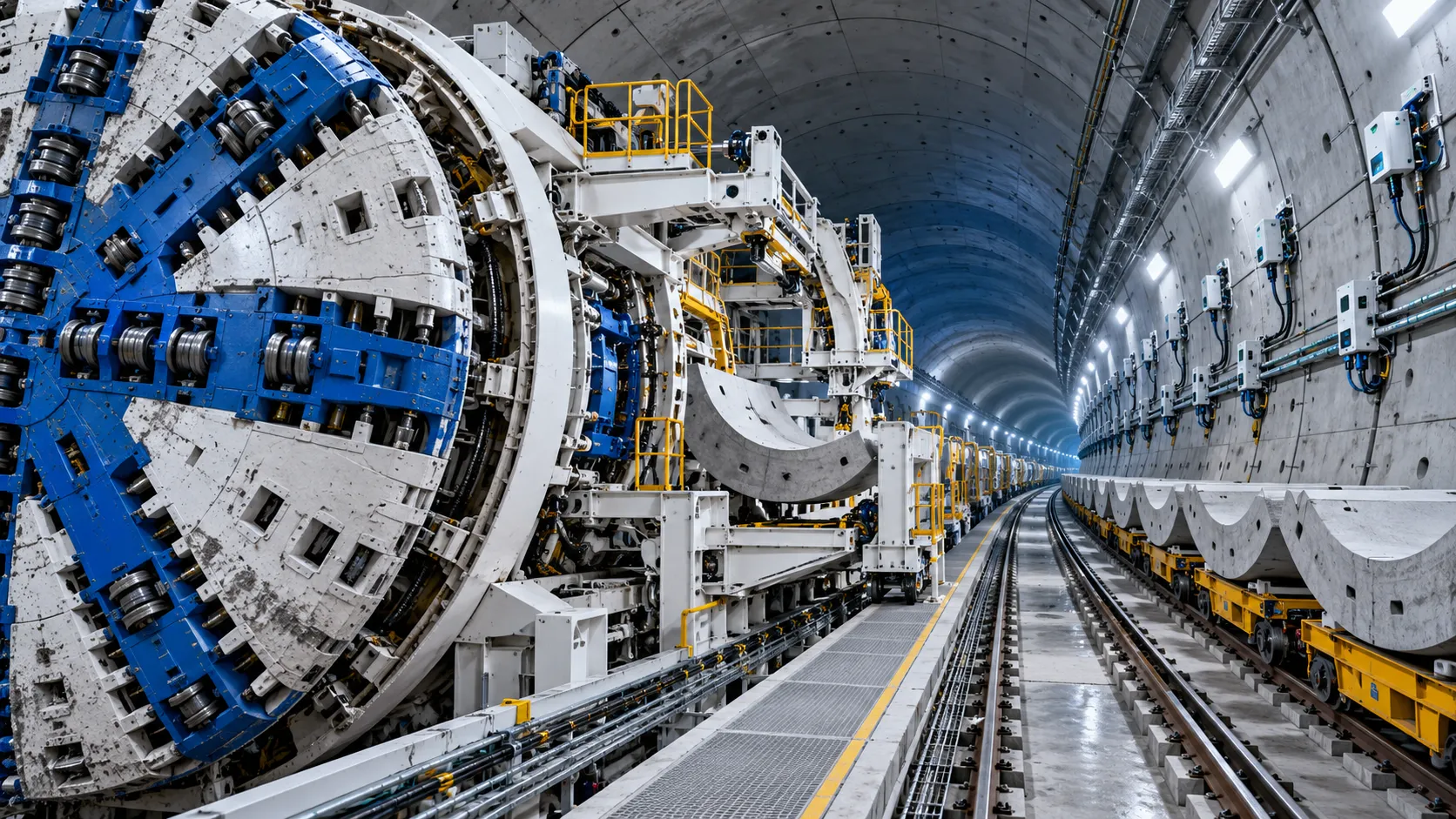
Tunnel Construction Innovations That Reduce Risk and Schedule Delays on Urban Projects
Tunnel construction innovation for urban projects: discover smarter TBMs, real-time monitoring, trenchless methods, and automation that reduce risk and protect schedules.
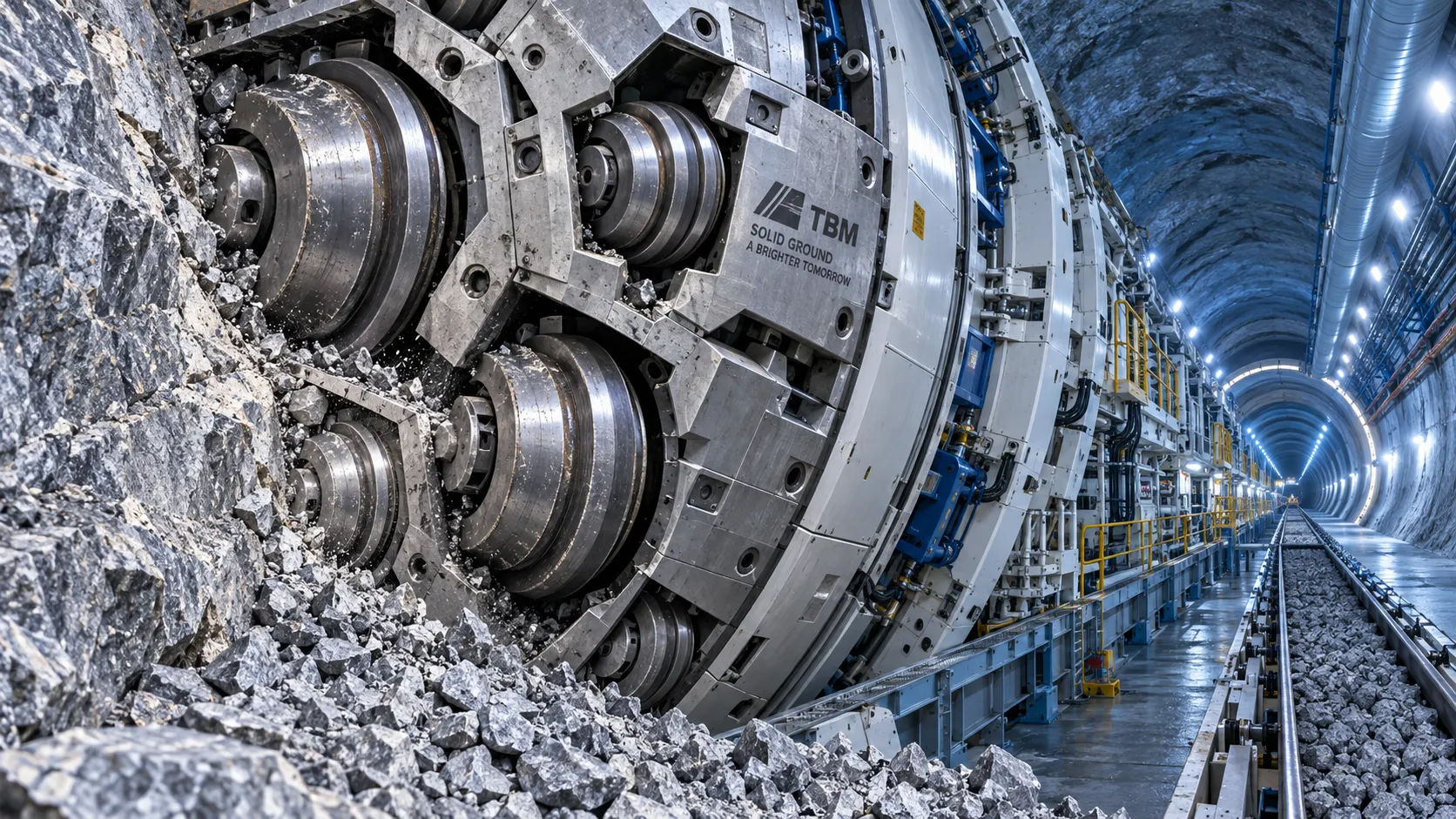
TBM Disc Cutter Design: Key Geometry and Load Factors for Hard Rock Tunnelling
TBM disc cutter design explained: explore geometry, spacing, load distribution and maintenance factors for reliable, efficient hard-rock tunnelling performance.
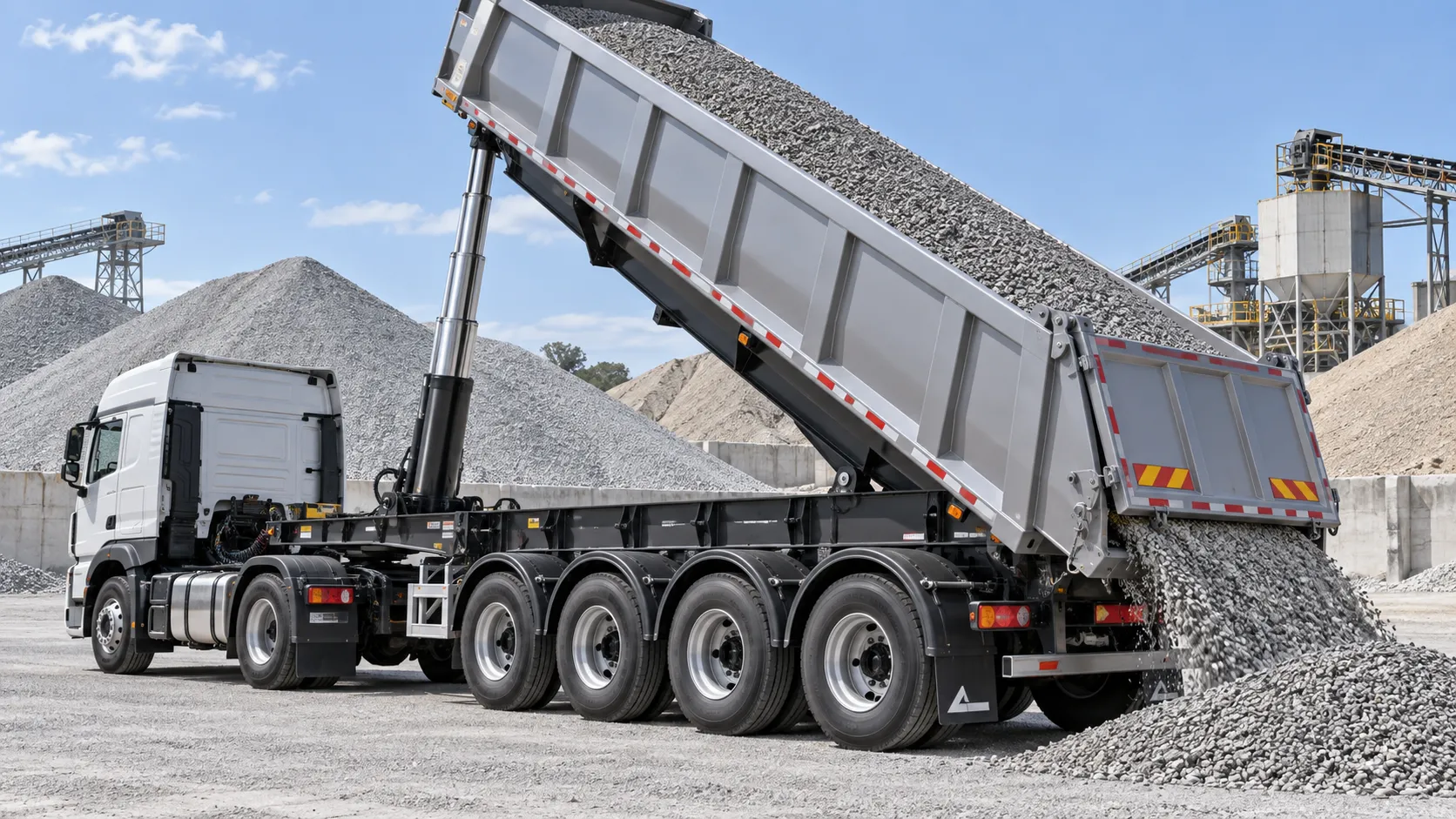
Hydraulic Tipping Stability Risks in Multi-Axle Dump Special Trailers
Dump special trailers: discover key hydraulic tipping stability risks, multi-axle load dynamics, and practical safety controls for safer, smarter bulk hauling.
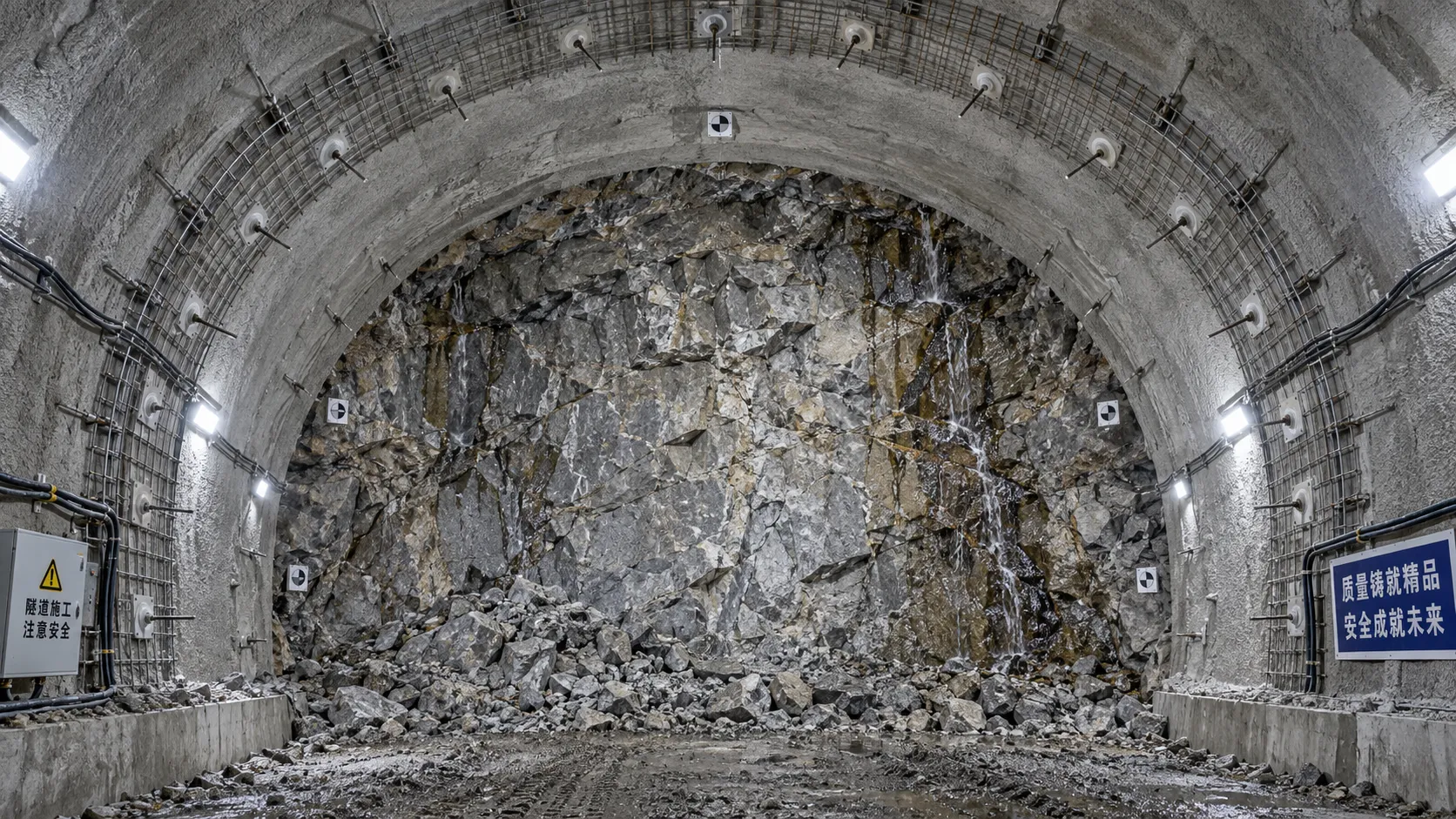
When rock reinforcement in tunnel construction must change after blasting
Rock reinforcement in tunnel construction must change when blasting reveals overbreak, weak joints, water inflow, or deformation. Discover key post-blast support decisions.
How tunnel hydraulic systems influence drill jumbo uptime underground
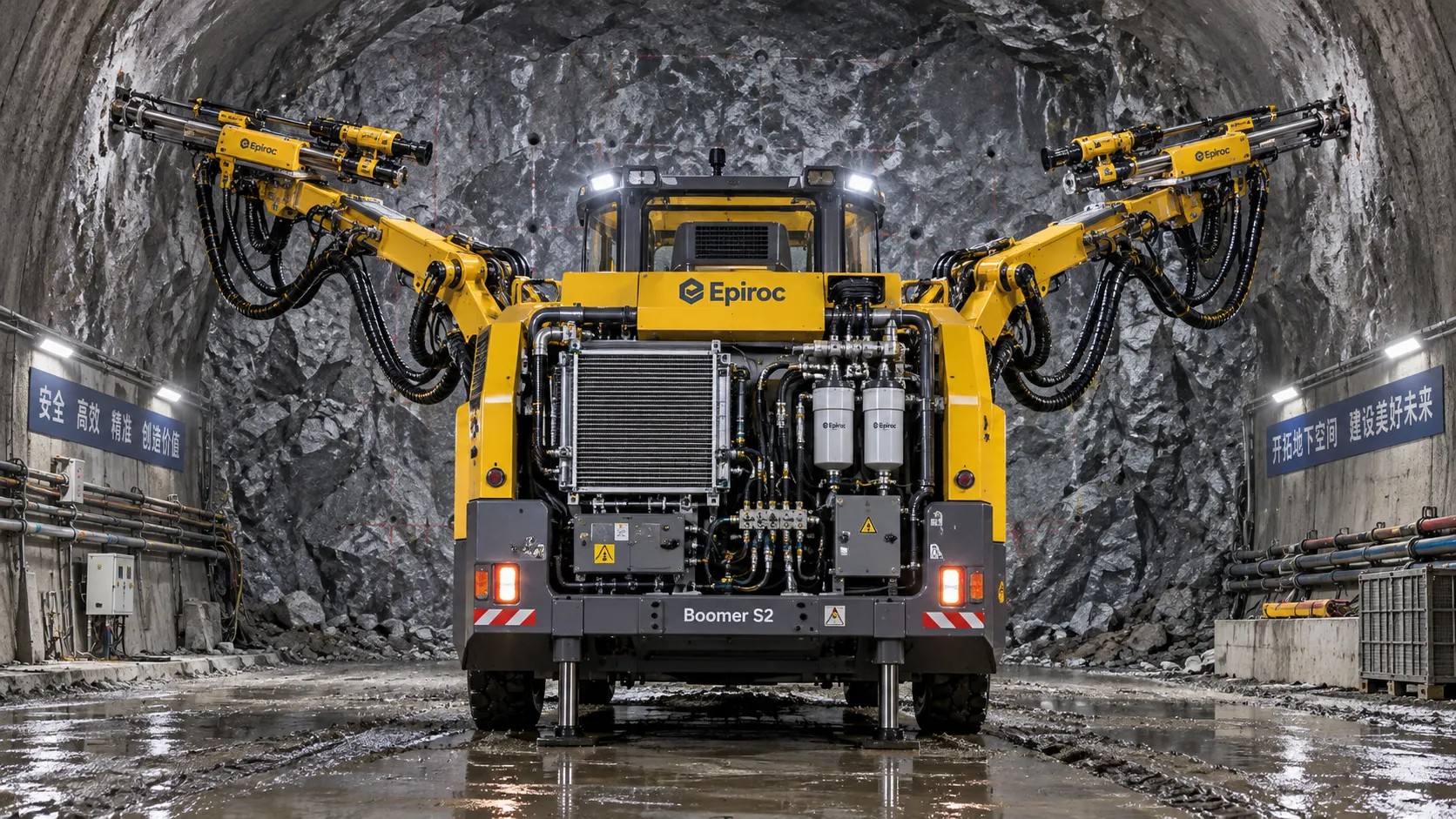
Tunnel hydraulic systems directly influence drill jumbo uptime. Explore how stable pressure, clean oil, cooling, and maintainable design reduce underground downtime.
What to verify before appointing a tunneling vehicles manufacturer
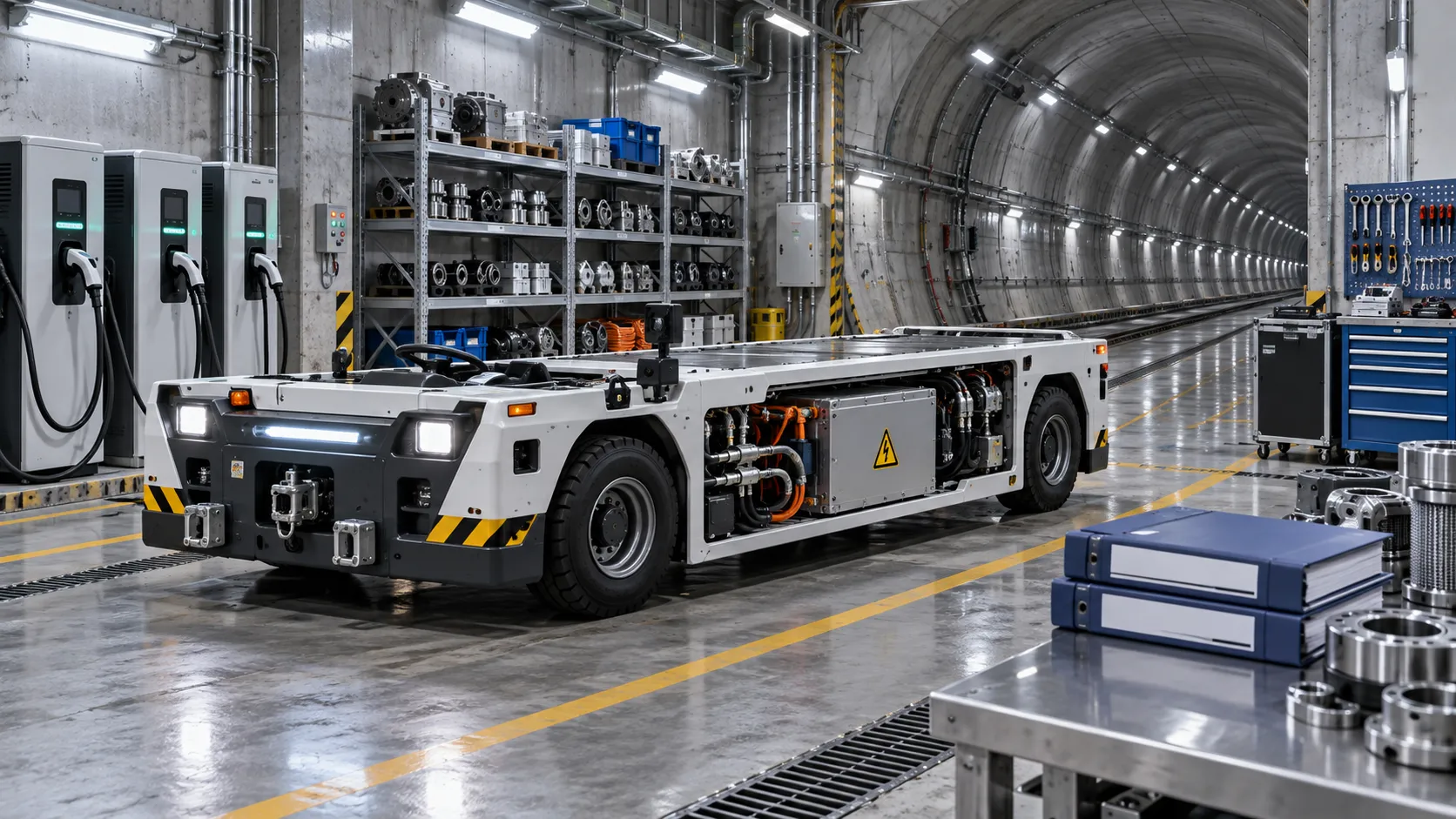
Choosing a tunneling vehicles manufacturer? Verify application fit, reliability, compliance, parts support, training, and channel terms before appointing a partner.
Selecting K9 Ductile Iron Pipe for Buried Water Pipeline Conditions
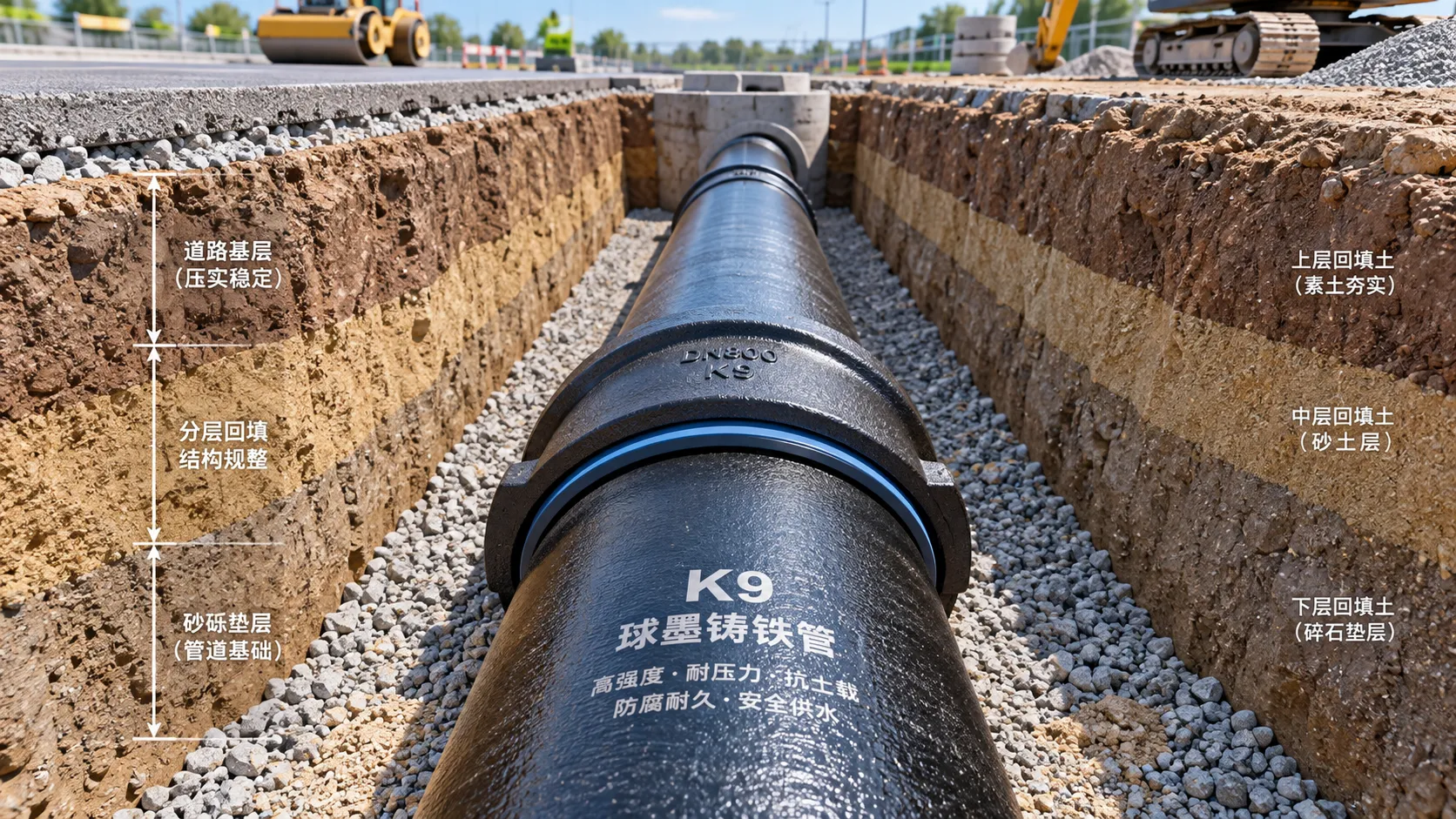
K9 ductile iron pipe selection for buried water pipelines: compare pressure duty, joints, soil loads, corrosion protection, and installation controls for reliable long-term performance.
Related News
- 00
0000-00
Tunnel Boring Machine Costs: Budgeting for Purchase, Operation, and Project Risk - 00
0000-00
Open-Pit Haulage Cost Analysis: How Mine Managers Can Cut Cost per Tonne - 00
0000-00
Tunnel Construction Innovations That Reduce Risk and Schedule Delays on Urban Projects - 00
0000-00
TBM Disc Cutter Design: Key Geometry and Load Factors for Hard Rock Tunnelling - 00
0000-00
Hydraulic Tipping Stability Risks in Multi-Axle Dump Special Trailers
Weekly Insights
Stay ahead with our curated technology reports delivered every Monday.